
Senior Living Facts for Ohio
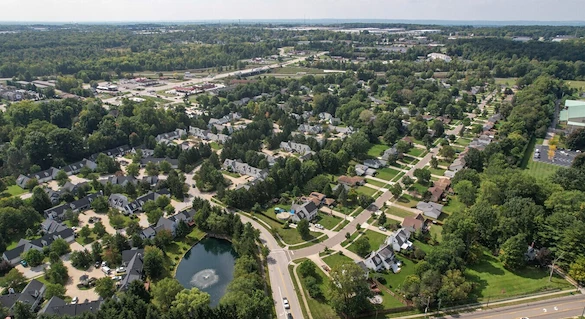
Ohio offers a welcoming blend of small-town charm, vibrant city living, and natural beauty—making it an ideal place for seniors and families alike. Known for its friendly Midwestern values and affordable cost of living, Ohio appeals to older adults seeking comfort, connection, and convenience in retirement. Whether you’re drawn to the scenic shores of Lake Erie, the rolling hills of Amish Country, or the cultural hubs of cities like Columbus, Cleveland, and Cincinnati, Ohio offers something for every lifestyle. Its moderate climate—with four distinct seasons—allows residents to enjoy outdoor activities year-round, from summer walks in metro parks to cozy winters by the fire.
Fast Facts
Senior Living & Care in Ohio
| #7 | most populated state in the U.S. |
| $4,700 | average monthly assisted living cost in Ohio |
| 4,500+ | assisted living communities and care providers across Ohio |
| 2.3M+ | Ohioans age 65+ |
For seniors, Ohio delivers a quality of life that supports independence and well-being. The state is home to many senior-friendly communities that offer everything from independent living and assisted living to skilled nursing and memory care. Families searching for senior care in Ohio will find a broad range of options, whether in peaceful rural towns or bustling suburbs. With a strong healthcare infrastructure, including nationally ranked hospitals like the Cleveland Clinic and Ohio State University Wexner Medical Center, older adults have access to excellent medical care close to home. This peace of mind is invaluable when choosing where to age comfortably.
Cultural and recreational opportunities are also plentiful in Ohio. Seniors can enjoy art museums, symphonies, botanical gardens, historic landmarks, and local festivals that celebrate the state’s diverse heritage. From catching a game with the grandkids at a Major League ballpark to exploring scenic trails in one of Ohio’s 75 state parks, active seniors will never run out of things to do. Many communities also offer senior centers, wellness programs, and lifelong learning opportunities that promote healthy aging and social connection.
Ohio’s affordability is another major draw. The cost of living is lower than the national average, which means seniors’ retirement savings can go further here. Property taxes and housing costs are relatively modest, and several financial assistance programs support aging adults who need help covering the costs of care.
Whether you're looking for serene surroundings, access to top-tier healthcare, or an active, fulfilling lifestyle, Ohio stands out as a smart and compassionate choice for senior living and care.
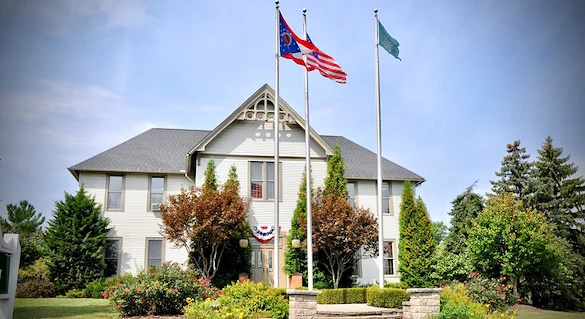
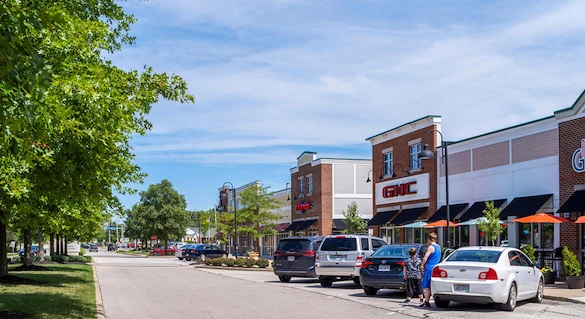
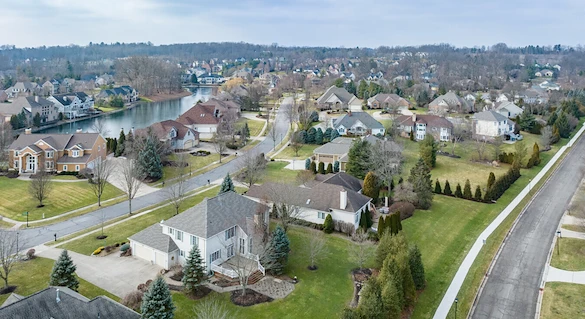
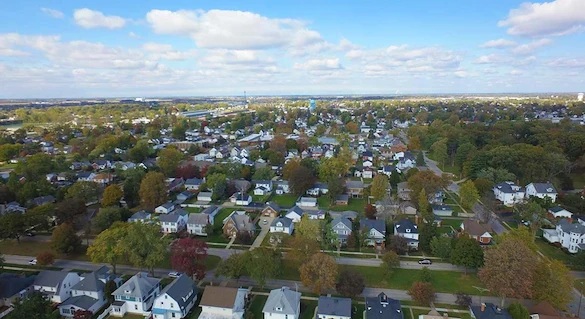
Cities in Ohio for Senior Living and Care




































































Assisted Living in Ohio
Assisted living in Ohio offers a supportive environment for older adults who need help with daily tasks but wish to maintain as much independence as possible. These communities provide personalized care plans tailored to each resident’s needs, typically including assistance with activities of daily living (ADLs) such as bathing, dressing, grooming, and mobility. Residents also benefit from medication management, housekeeping, meal preparation, and access to 24-hour support staff, all within a residential setting that encourages socialization and wellness.
In Ohio, assisted living facilities are licensed as Residential Care Facilities (RCFs) and are regulated by the Ohio Department of Health. To maintain licensure, communities must meet specific safety, staffing, and care standards and are subject to regular inspections. Many assisted living providers in Ohio also participate in the state’s Assisted Living Medicaid Waiver Program, which helps eligible seniors cover the cost of services. This program sets additional quality benchmarks for participating communities.
A wide variety of assisted living options are available across the state, from luxury senior living communities with resort-style amenities to budget-conscious residences that focus on comfort and essential care. Some communities specialize in memory care, offering secure environments and trained staff for individuals living with Alzheimer’s or other forms of dementia. Others may cater to specific lifestyles, such as faith-based living or communities designed for veterans.
When evaluating assisted living options in Ohio, families should consider factors such as location, cost, staff-to-resident ratios, and available amenities. Touring communities in person, reviewing online inspection reports from the Ohio Department of Health, and reading resident or family reviews can help identify the right fit. It’s also helpful to speak with staff to understand how care plans are developed and adjusted as needs change.
Overall, Ohio’s assisted living communities offer a flexible and compassionate solution for seniors who need support while maintaining autonomy. With diverse options across cities, suburbs, and rural areas, families can find a setting that aligns with their loved one’s needs, preferences, and financial situation.
Best Assisted Living Communities in Ohio
View All Providers-
 4.1Premium
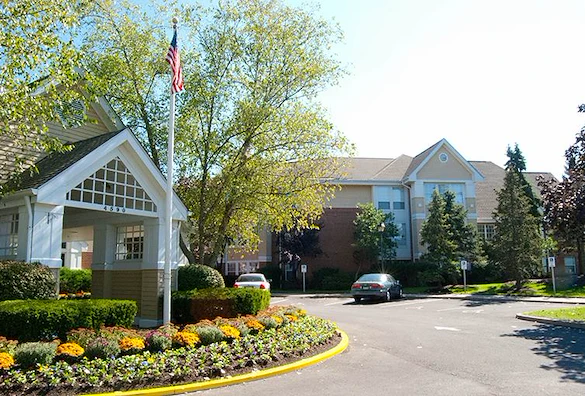
The Estates at Knightsbridge
4590 Knightsbridge Blvd Columbus, OH 43214
Independent LivingAssisted LivingMemory CareRespite Care -
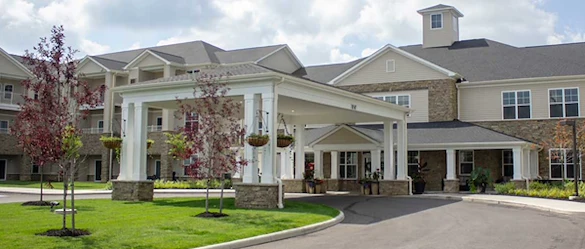 4.5Premium
StoryPoint Grove City
3717 Orders Rd Grove City, OH 43123
Independent LivingAssisted LivingMemory Care -
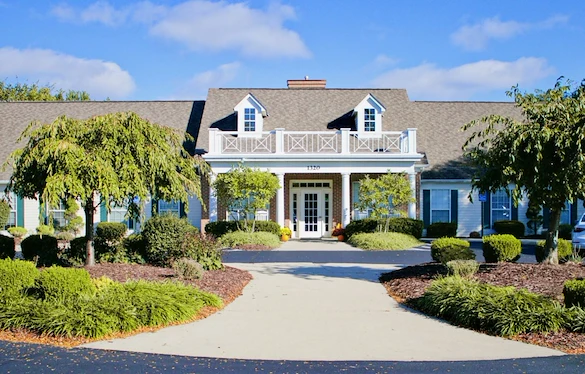 4.7Verified
Abbington of Arlington Assisted Living
1320 Old Henderson Road Columbus, OH 43220
Assisted LivingRespite Care -
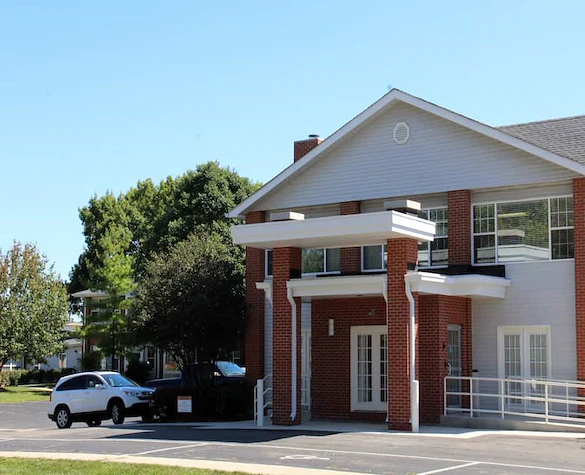
-
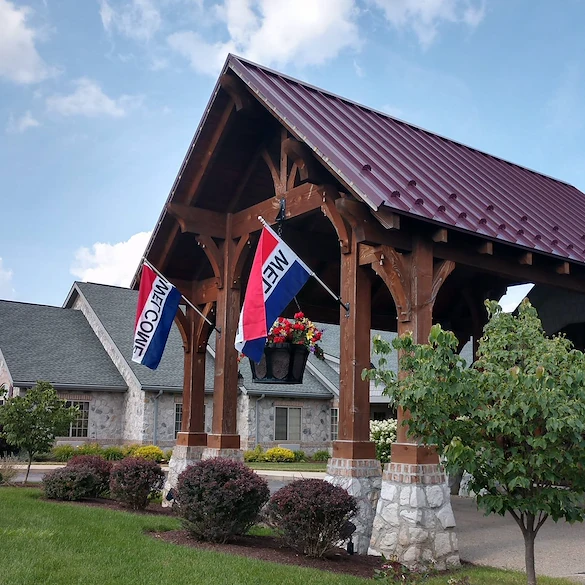
-
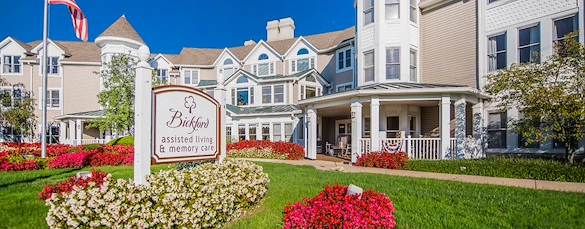 4.1Verified
Bickford of Upper Arlington
3500 Riverside Dr Columbus, OH 43221
Assisted LivingMemory Care


Cost of Assisted Living in Ohio
Several factors influence assisted living pricing in Ohio. Communities offering specialized services such as memory care, medication management, or mobility support generally come at a higher cost. Additional amenities—like chef-prepared meals, transportation, wellness centers, or spacious private apartments—can also raise monthly rates. Urban and suburban areas often have higher price points due to demand and overhead, while rural communities may provide more cost-effective options with a quieter pace of life.
For Ohio families concerned about affordability, there are several financial assistance options available. The Ohio Assisted Living Waiver Program helps Medicaid-eligible older adults receive personal care in licensed facilities while covering some of the cost of care (though not room and board). Veterans and their surviving spouses may be eligible for VA Aid & Attendance benefits, which can significantly reduce monthly out-of-pocket costs. Seniors with long-term care insurance may also be able to apply their benefits toward assisted living expenses, depending on their policy.
In summary, assisted living in Ohio is moderately priced compared to national figures, with meaningful regional variation. By understanding cost drivers and exploring financial support options, families can find a community that balances quality, comfort, and affordability for their loved ones.
What to Know About Assisted Living in Ohio
The average cost of assisted living in Ohio is typically around $4,700 per month, but monthly pricing can vary depending on the city, community, apartment size, and level of care needed. Larger metro areas may cost more, while smaller towns and rural regions may offer more affordable options.
Costs may also increase if a resident needs additional support such as medication management, mobility assistance, or help with bathing and dressing.
Medicare typically does not cover assisted living in Ohio because assisted living is considered housing and personal care—not medical treatment. However, Medicare may still cover eligible healthcare services a resident receives separately, such as doctor visits, prescriptions, hospital care, or outpatient therapy (depending on the plan).
Families often explore other options like private pay, long-term care insurance, veteran benefits (if eligible), or Medicaid-related programs.
Assisted living in Ohio is most commonly paid for through private pay, meaning families cover costs out of pocket using retirement income, savings, or proceeds from selling a home. Some seniors also use long-term care insurance if they have an eligible plan.
In certain situations, financial assistance may be available through Medicaid-related programs or state support options for qualifying seniors.
Seniors in Ohio may qualify for assisted living if they need help with daily activities but do not require 24/7 skilled nursing care. Assisted living is often a good fit for seniors who need support with:
-
Bathing, dressing, grooming, or toileting
-
Medication reminders or medication management
-
Mobility support and fall prevention
-
Meals, housekeeping, and laundry
-
Transportation and daily routines
Most communities complete an assessment to confirm the resident can be safely supported.
Independent Living in Ohio
Independent living in Ohio offers older adults the freedom to enjoy retirement on their own terms, without the stress of home maintenance or isolation. These communities are designed for active seniors who are generally in good health and do not require daily medical care but want the convenience, connection, and safety of a senior-oriented environment.
Residents of independent living communities in Ohio typically enjoy private apartments, condos, or cottages along with access to shared amenities like dining areas, fitness centers, libraries, and walking trails. Services often include housekeeping, meal plans, transportation, and on-site activities—allowing seniors to spend more time doing what they love. Many communities also offer wellness programs, educational classes, and group outings, creating a strong sense of community and engagement.
Ohio’s blend of affordability, natural beauty, and vibrant cities makes it an ideal place for independent seniors. Cities like Columbus, Cincinnati, and Cleveland offer a rich mix of cultural attractions, including museums, theaters, restaurants, and sporting events. These urban areas are home to many independent living communities that combine city convenience with resort-style amenities. For those seeking a quieter, more relaxed environment, Dayton, Toledo, and smaller towns throughout Ohio provide scenic charm, lower costs, and a slower pace.
The state’s four-season climate appeals to many retirees who enjoy a change in scenery—from warm summers ideal for outdoor recreation to crisp autumns filled with colorful foliage. Many communities are located near parks, lakes, and trails, offering seniors easy access to nature and opportunities to stay active year-round.
Another benefit for retirees in Ohio is the relatively low cost of living, which can make independent living more affordable compared to other states. With strong healthcare networks across the state—including highly rated hospital systems in major metro areas—seniors can also feel confident about accessing medical care if their needs change over time.
In short, independent living in Ohio offers a comfortable, enriching lifestyle for seniors who want to simplify daily responsibilities while staying socially and physically active. With a range of community types and locations, older adults can find the right balance of independence, connection, and support to enjoy their next chapter with confidence.
Best Independent Living Communities in Ohio
View All Providers-
4.5Premium
StoryPoint Grove City
3717 Orders Rd Grove City, OH 43123
Independent LivingAssisted LivingMemory Care -
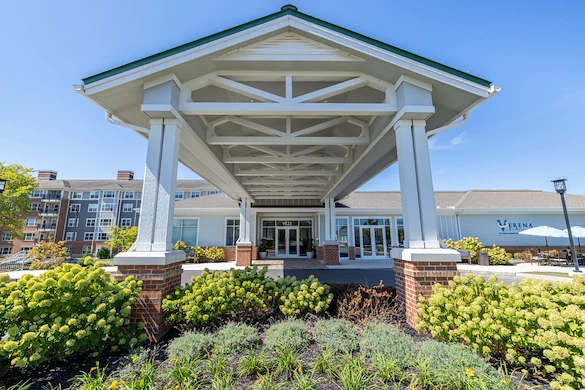 4.6Premium
Verena at Hilliard
4522 Hickory Chase Way Hilliard, OH 43026
Active Adult LivingIndependent Living -
4.1Premium
The Estates at Knightsbridge
4590 Knightsbridge Blvd Columbus, OH 43214
Independent LivingAssisted LivingMemory CareRespite Care -
 4.4Verified
Carriage Court Senior Living
3570 Heritage Club Dr Hilliard, OH 43026
Independent LivingAssisted LivingMemory CareRespite Care -
 4.2Verified
Smith's Mill Senior Living
7320 Smith's Mill Road New Albany, OH 43054
Independent LivingAssisted LivingMemory CareAdult Day Services -
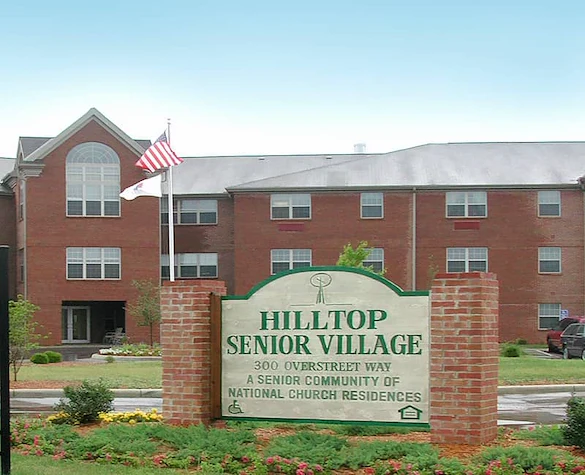 4.2Verified
Hilltop Senior Village
300 Overstreet Way Columbus, OH 43228
Independent LivingLow Income / Affordable -
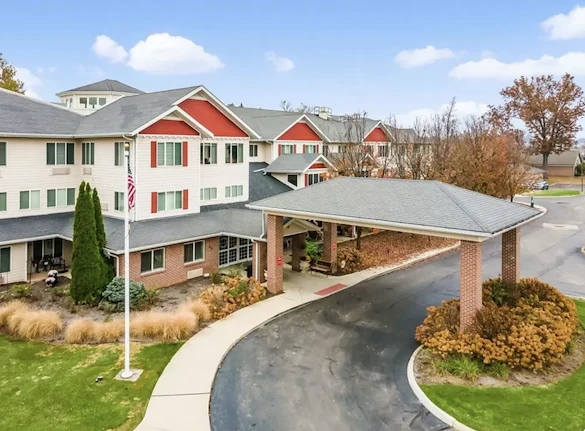 4.2Verified
Rittenhouse Village Gahanna
1201 Riva Ridge Ct Gahanna, OH 43230
Active Adult LivingIndependent Living


Cost of Independent Living in Ohio
Most independent living costs include housing—usually private apartments or cottages—along with utilities, maintenance, housekeeping, and access to amenities like fitness centers, communal dining, transportation services, and scheduled social activities. Some communities may also offer optional meal plans or wellness programs that can affect the monthly price.
Several factors influence pricing in Ohio. Location plays a major role, with urban and suburban areas typically costing more than rural or smaller towns. The size and style of the housing unit, along with community features such as pools, libraries, or concierge services, also impact costs. Additionally, contract terms like entrance fees or refundable deposits can affect both upfront and ongoing expenses.
While independent living is not usually covered by Medicaid or Medicare, seniors can tap into personal savings, veterans’ Aid & Attendance benefits, long-term care insurance, and financial tools like reverse mortgages to help cover expenses. Understanding these options can ease the financial planning process.
Overall, Ohio offers a variety of independent living communities with competitive pricing, giving seniors many choices to live comfortably and maintain an active, fulfilling lifestyle.
What to Know About Independent Living in Ohio
The average cost of independent living in Ohio varies depending on the community, location, apartment size, and amenities included. Independent living is often more affordable than assisted living because it usually does not include hands-on personal care services.
Many independent living communities include conveniences like maintenance, social activities, dining options, and transportation, so comparing what’s included can help determine overall value.
Independent living is best for seniors who can live safely on their own without daily assistance for personal care. Many residents choose independent living because they want:
-
A maintenance-free lifestyle
-
A senior-friendly environment
-
Built-in community and social activities
-
Optional conveniences like dining and transportation
Eligibility varies by community, but independent living is typically ideal for seniors who do not need regular help with bathing, dressing, or medication management.
The amount of money it takes to live alone in Ohio depends on housing costs, healthcare expenses, transportation, and lifestyle. Ohio is often more affordable than many coastal states, but costs can still vary between major cities and smaller communities.
For seniors comparing options, budgeting for monthly rent or mortgage, utilities, groceries, medical costs, and support services (if needed) can help determine the most realistic plan.
Medicare typically does not pay for independent living because independent living is considered housing and lifestyle support—not medical care. However, Medicare may still cover eligible healthcare services such as doctor visits, hospital care, prescriptions, and outpatient treatment (depending on the plan).
If a senior needs care services, families may explore other funding sources beyond Medicare.
Home Care in Ohio
Non-medical home care in Ohio plays a vital role in helping seniors maintain independence and comfort in their own homes. Unlike medical care, non-medical home care focuses on everyday assistance rather than clinical services, making it ideal for seniors who need support with daily tasks but do not require skilled nursing. This type of care allows older adults to live safely while preserving dignity and autonomy.
Common services provided through non-medical home care include personal care assistance, such as help with bathing, dressing, grooming, and mobility. Companionship is another important aspect, offering seniors social interaction to reduce feelings of loneliness and isolation. Household assistance services help with meal preparation, light housekeeping, laundry, errands, and medication reminders, ensuring a safe and well-maintained living environment.
In Ohio, home care agencies that provide non-medical services are required to meet specific licensing standards overseen by the Ohio Department of Health. Agencies must adhere to regulations related to caregiver training, background checks, and service quality to protect consumers. While non-medical home care providers are not licensed medical professionals, agencies must comply with these standards to operate legally within the state.
Ohio’s diverse population and geographic makeup affect the availability and variety of non-medical home care options. Urban centers like Columbus, Cleveland, and Cincinnati tend to have a higher concentration of agencies offering specialized services, including dementia care and post-hospitalization support. In rural areas, families may face challenges in finding consistent, high-quality care due to fewer providers and longer travel distances.
Financial assistance for non-medical home care in Ohio is available through programs such as Medicaid’s Home and Community-Based Services (HCBS) waivers, which help eligible seniors access care while remaining at home. Veterans and their spouses may also qualify for benefits that cover home care costs. Long-term care insurance policies often include non-medical home care coverage, providing another resource to help manage expenses.
Overall, non-medical home care in Ohio offers a compassionate, flexible solution for seniors seeking to live independently with personalized support tailored to their unique needs.
Best Home Care Agencies in Ohio
View All Providers-
 4.9Verified
Village Caregiving of Columbus
1200 Chambers Rd. Suite 205 Columbus, OH 43212
Home Care (Non-Medical) -
 4.8Verified
Visiting Angels - Columbus West
1660 NW Prof Plz Columbus, OH 43220
Home Care (Non-Medical) -
 4.7Verified
Home Helpers Home Care of Columbus
10 E. Weber Road Columbus, OH 43202
Home Care (Non-Medical) -
 5.0Verified
Comfort Keepers - Upper Arlington
3518 Riverside Dr, Suite 202A Upper Arlington, OH 43221
Home Care (Non-Medical)


Cost of Home Care Non-Medical in Ohio
An important factor influencing costs is whether care is provided by a licensed agency or a private caregiver. Agency care usually costs more, reflecting added expenses like caregiver training, insurance, background checks, and administrative oversight. However, agencies often provide more consistent, regulated, and reliable services. Private caregivers might charge less and offer more flexible arrangements, but families must carefully vet qualifications and handle scheduling.
Fortunately, financial assistance is available for many Ohio families. Ohio’s Medicaid Home and Community-Based Services (HCBS) waivers can help eligible seniors afford in-home care as an alternative to nursing home placement. Veterans and their spouses may qualify for benefits such as the Aid and Attendance pension to help cover home care costs. Additionally, some long-term care insurance policies provide coverage for non-medical home care services, depending on the plan details.
Understanding these cost factors and assistance options helps families make informed decisions, ensuring their loved ones receive quality care that supports their independence and well-being in the comfort of home.
What to Know About Non Medical Home Care in Ohio
In Ohio, rules for non-medical home care can depend on the type of services provided and how the care is structured. Some home care agencies may need to meet specific requirements, while informal caregiving by family members may not require the same licensing standards.
If you’re hiring care, it’s helpful to ask providers about caregiver screening, training, and compliance policies so you can feel confident about the level of support being offered.
Private home care in Ohio is often priced hourly, and rates vary based on care needs, scheduling, and the region. Costs may be higher in larger cities and for services like overnight care or weekend coverage.
Comparing providers and confirming what services are included (companionship, personal care support, transportation, etc.) can help you find the best fit for your family.
Medicare may cover certain home health care services in Ohio when they are medically necessary and ordered by a healthcare provider. This can include skilled nursing care or therapy services during recovery.
However, Medicare typically does not cover long-term non-medical care such as housekeeping, meal prep, or full-time personal caregiving.
Skilled home care refers to medical services provided by licensed healthcare professionals, such as skilled nursing or therapy.
Non-skilled home care (non-medical home care) supports daily living needs and may include:
-
Companionship and supervision
-
Meal preparation and light housekeeping
-
Errands and transportation
-
Help with bathing, dressing, and mobility (depending on needs)
Skilled care is used for medical recovery, while non-skilled care is often ongoing support to help seniors stay safe at home.
Long-Term Care/Skilled Nursing in Ohio
Long-term care in skilled nursing facilities in Ohio provides comprehensive medical and personal support for seniors who require around-the-clock care. These facilities are equipped to deliver a range of services, including skilled nursing, physical and occupational rehabilitation, medication management, and specialized care for chronic conditions such as Alzheimer’s disease and other dementias. Skilled nursing homes also support seniors recovering from surgery or serious illness, offering therapies designed to restore independence and improve quality of life.
Ohio’s skilled nursing facilities are regulated by the Ohio Department of Health and must comply with state and federal standards to ensure safety, quality care, and residents’ rights. Facilities undergo regular inspections, focusing on staffing levels, infection control, resident satisfaction, and adherence to care plans. Ohio also requires nursing homes to provide individualized care plans tailored to each resident’s medical and personal needs, with coordination between doctors, nurses, therapists, and family members.
Families looking for the best nursing home options in Ohio should consider several factors. Reviewing a facility’s state inspection reports and quality ratings can provide insight into its compliance and reputation. Visiting potential nursing homes is important to observe cleanliness, staff responsiveness, and social activities offered to residents. Questions about staff qualifications, turnover rates, and the availability of specialized services like memory care or post-surgical rehab are also critical. Additionally, understanding the facility’s policies on family involvement and communication helps ensure a supportive environment for their loved one.
Ohio offers resources such as the Nursing Home Compare tool from Medicare and the Ohio Department of Medicaid’s Long-Term Care Consumer Guide, which provide detailed information about skilled nursing facilities statewide. These tools help families compare facilities based on quality measures, staffing, and resident outcomes.
Overall, Ohio’s skilled nursing homes are designed to support seniors with complex care needs in a safe and supportive environment, offering personalized care and rehabilitation services that help residents maintain dignity and improve their quality of life. Families are encouraged to research thoroughly and visit multiple facilities to find the best fit for their loved one’s needs.
Best Nursing Homes and Skilled Nursing Facilities in Ohio
View All Providers-
 4.0Verified
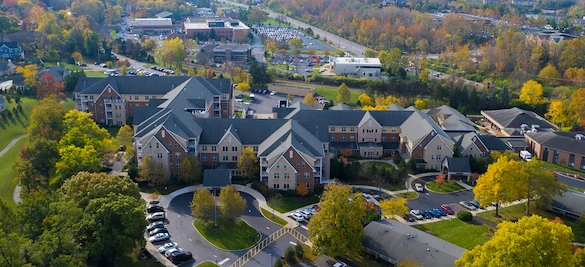
First Community Village Skilled Nursing
1800 Riverside Drive Columbus, OH 43212
Long-Term Care / Skilled NursingSkilled RehabilitationLife Plan Community/CCRCRespite Care -
 2.0Verified
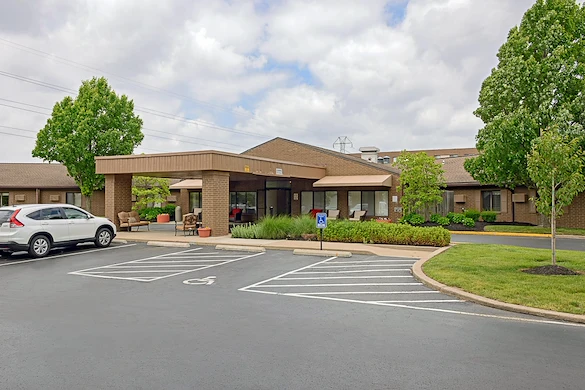
Mayfair Village Nursing Care Center
3000 Bethel Rd Columbus, OH 43230
Long-Term Care / Skilled NursingSkilled Rehabilitation -
 5.0Verified
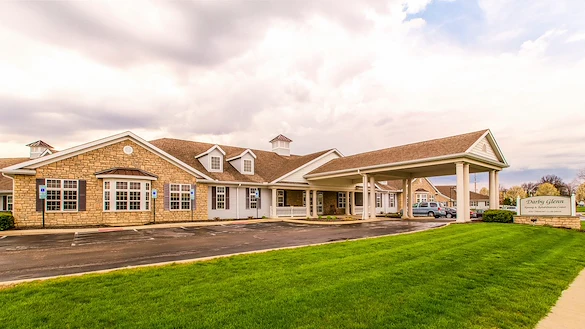
Darby Glenn Nursing And Rehabilitation Center
4787 Tremont Club Drive Hilliard, OH 43026
Long-Term Care / Skilled NursingSkilled RehabilitationRespite Care -
 2.0Verified
West Park - Optalis Health & Rehabilitation Center
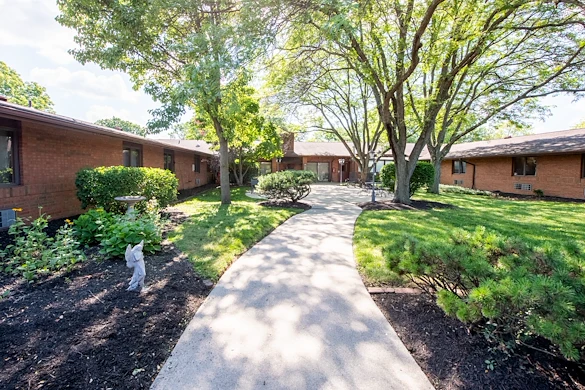
1700 Heinzerling Drive Columbus, OH 43223
Memory CareLong-Term Care / Skilled NursingSkilled RehabilitationRespite Care


Cost of Nursing Homes in Ohio
Prices vary depending on location and facility offerings. In larger metro areas like Cleveland, Columbus, and Cincinnati, monthly costs tend to be higher due to increased demand, more advanced medical services, and urban overhead expenses. In smaller cities or rural communities such as Lima, Zanesville, or Marion, families may find more budget-friendly rates, though fewer facility options may be available.
Several factors influence pricing beyond location. The level of medical care required—such as 24-hour supervision, specialized memory care, post-hospital rehabilitation, or palliative care—can significantly affect monthly costs. Facilities that offer higher staff-to-resident ratios, private suites, enrichment programming, and on-site therapy services may charge more but can offer greater comfort and peace of mind. A facility’s reputation, certifications, and amenities also play a role in pricing.
Fortunately, Ohio offers multiple financial assistance pathways. While Medicare covers short-term skilled nursing care following a qualifying hospital stay, it does not pay for ongoing long-term residency. Medicaid, on the other hand, can cover extended stays for individuals who meet income and asset criteria. Ohio’s MyCare Ohio program provides coordinated care for seniors who qualify for both Medicare and Medicaid, streamlining services and support. Additional financial help may come from veterans’ benefits, long-term care insurance, or state-funded support programs designed to ease the financial burden of care.
Understanding the full range of care costs and funding options can help families plan effectively and find a skilled nursing facility in Ohio that offers the right balance of affordability, quality, and compassion.
What to Know About Nursing Homes in Ohio
The average cost of a nursing home in Ohio varies based on location, room type, and medical needs. Nursing homes are generally one of the most expensive senior care options because they provide 24/7 medical supervision and skilled nursing support.
Costs can also increase for private rooms or residents who require more complex care.
Medicare may cover nursing home care in Ohio for short-term skilled nursing care after a qualifying hospital stay. This often includes rehabilitation services such as physical therapy or skilled nursing support during recovery.
Medicare typically does not cover long-term nursing home care for ongoing custodial needs.
Medicaid may help pay for nursing home care in Ohio for individuals who meet financial and medical eligibility requirements. Medicaid is one of the most common ways long-term nursing home care is funded when private pay isn’t possible.
Eligibility rules can be complex, so families often benefit from exploring options early.
Social Security does not directly pay for nursing home care, but many seniors use their monthly Social Security income toward nursing home costs. Families often combine Social Security benefits with other income sources, savings, or Medicaid support when long-term care is needed.
Finding the Right Senior Care in Ohio
Navigating senior living and care options in Ohio can feel overwhelming, but having the right information makes the process much more manageable. Whether you’re exploring assisted living, comparing independent living communities, researching home care services, or planning for long-term skilled nursing, Ohio offers a wide range of choices designed to support comfort, safety, and overall well-being.
From small towns with quiet charm to major metro areas rich with culture and healthcare resources, families can find options that match different budgets, lifestyles, and care needs. Ohio’s strong healthcare network—including nationally recognized hospitals and senior-focused providers—offers reassurance for families prioritizing access to high-quality medical care.
As you begin your search, keep in mind that every senior’s needs are unique. Use this guide as a starting point, then take time to visit local communities, review inspection reports, and speak with care teams to understand which environment will best support your loved one. The right care option should offer peace of mind for both the senior and the family supporting them.
Below are answers to the most common questions families ask when researching senior living and senior care in Ohio.
Frequently Asked Questions About Senior Living in Ohio
Senior living costs in Ohio depend on the type of housing and care. Independent living is often the most affordable senior living option, while assisted living, memory care, and nursing homes cost more due to added services and staffing.
Comparing communities in your preferred area is the best way to find accurate pricing.
The cheapest way for a senior to live depends on their health needs, housing situation, and available support. Many families consider lower-cost options like:
-
Staying at home with limited paid support
-
Living with family or shared housing
-
Income-based senior housing (when available)
-
Community services like meals and transportation assistance
The best option is one that balances affordability with safety.
To qualify for senior housing in Ohio, most communities require residents to meet an age minimum (often 55+ or 62+). Some affordable senior housing options may also include income requirements.
Because senior housing can refer to different types of living arrangements, it’s helpful to confirm whether the option is independent living, assisted living, or income-qualified housing.
Ohio can be a great state for seniors because it offers a wide range of affordable living options, access to healthcare systems, and a mix of city and small-town lifestyles. Many families appreciate Ohio’s balance of cost, community support, and available senior care resources.
The best fit depends on what matters most—like budget, proximity to family, and care availability.
Frequently Asked Questions About Senior Care in Ohio
In some situations, family caregivers in Ohio may be able to get paid for caring for an elderly parent through certain assistance programs, depending on eligibility. Qualification often depends on the care recipient’s needs, financial requirements, and program availability.
If you’re already providing care, it may be worth exploring support options to see whether compensation is available.
Senior care is often priced hourly, especially for non-medical home care services. Hourly rates can vary based on location, care needs, and scheduling requirements. Costs may be higher for overnight care, weekends, or specialized support.
Comparing multiple providers can help families find a good balance of affordability and quality.
Ohio offers programs that help seniors access coordinated care and support services, especially for older adults who want to remain in the community rather than move into a nursing facility. These programs are often designed to combine medical care, personal care, and supportive services into one coordinated plan.
Because program availability and eligibility can vary, it’s helpful to explore options based on location and care needs.
Senior perks in Ohio can include a mix of public benefits and community resources, depending on where you live. Many seniors take advantage of discounts, transportation options, meal programs, wellness resources, and local senior centers offering activities and support services.
Exploring local programs and services can help seniors stay active, connected, and supported.