
Senior Living Facts for Pennsylvania
Pennsylvania offers a unique blend of vibrant communities, natural beauty, and accessible healthcare, making it an ideal place for seniors and their families to call home. With its moderate four-season climate, seniors can enjoy warm summers and crisp, colorful autumns that bring stunning foliage across the state’s rolling hills and scenic parks. Winters are mild in many regions, allowing for comfortable outdoor activities year-round.
Fast Facts
Senior Living & Care in Pennsylvania
| #5 | most populated state in the U.S. |
| $4,100 | average monthly assisted living cost in Pennsylvania |
| 4,000+ | assisted living communities and care providers across Pennsylvania |
| 2.4M+ | Pennsylvanians age 65+ |
The state’s cost of living is another key benefit for older adults. Pennsylvania offers affordable housing options and reasonable healthcare costs compared to many other states, helping seniors stretch their retirement savings further. Senior-friendly communities abound—from quiet suburban neighborhoods to lively small towns and thriving cities like Pittsburgh, Philadelphia, and Harrisburg. These communities often feature amenities designed with older adults in mind, including accessible transportation, recreational programs, and social clubs that foster connection and active lifestyles.
Healthcare in Pennsylvania is top-notch, with numerous highly rated hospitals, medical centers, and specialized senior care providers. Access to skilled nursing facilities, memory care, and rehabilitation services is strong across the state, offering families peace of mind when planning for long-term care. Many areas also provide in-home care services, helping seniors maintain independence while receiving the support they need.
Beyond practical benefits, Pennsylvania boasts rich cultural and recreational opportunities that appeal to seniors. From historic landmarks and museums to theaters and music festivals, there’s always something engaging to explore. Nature lovers will appreciate the state’s extensive network of parks, trails, and waterways—perfect for hiking, fishing, or simply enjoying peaceful outdoor moments.
Whether you’re searching for senior living options in Pennsylvania or exploring assisted living, independent living, or memory care, the state offers a welcoming environment that balances comfort, care, and community. For families considering senior care in Pennsylvania, the combination of quality healthcare, affordable living, and abundant lifestyle choices makes this state a top choice to support a fulfilling and dignified life for older adults.
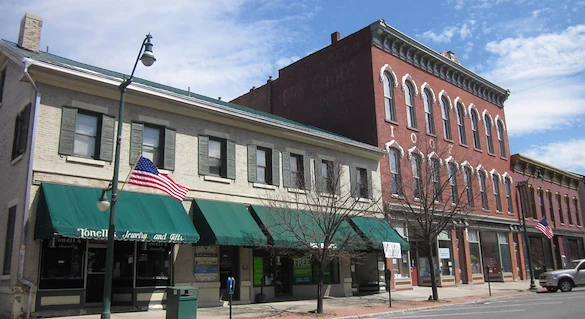
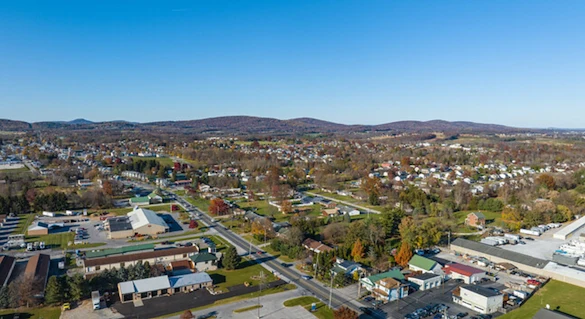
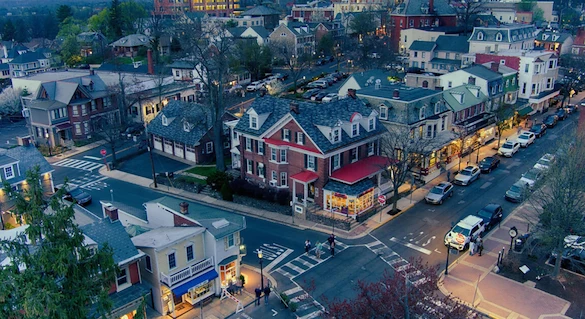
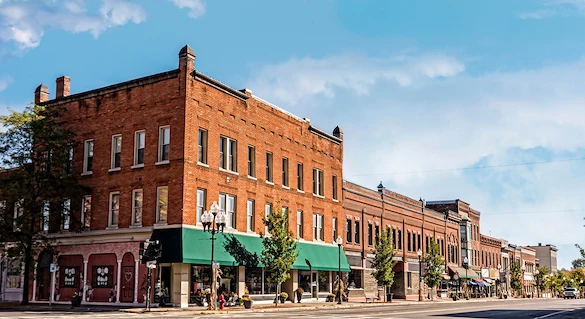
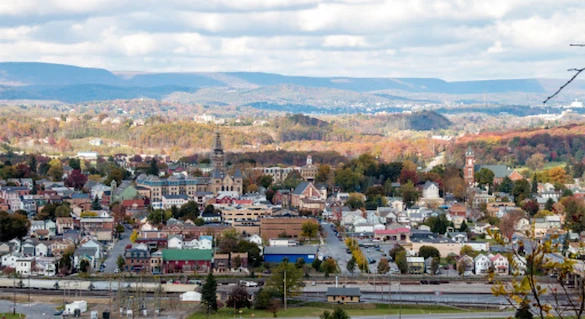
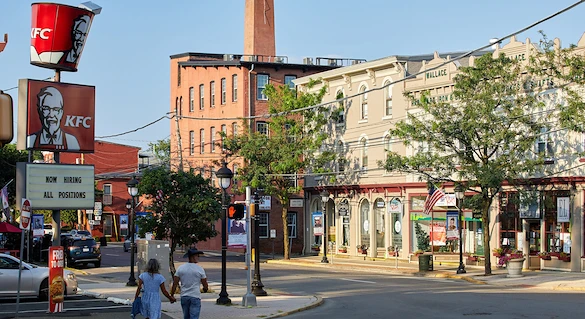
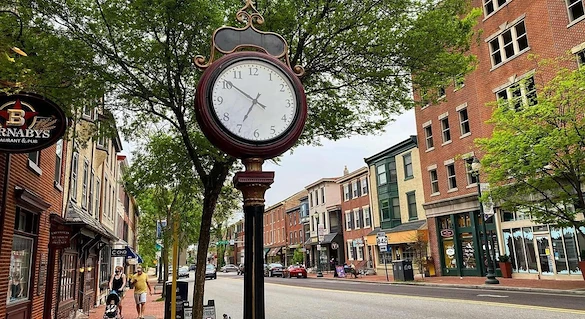
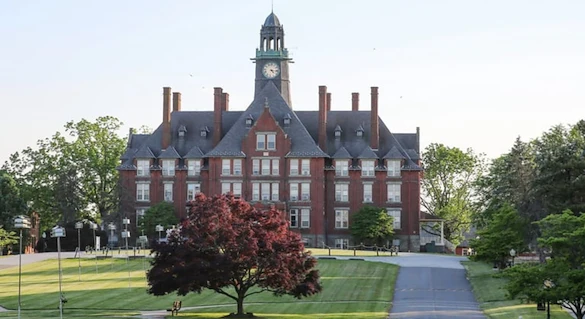
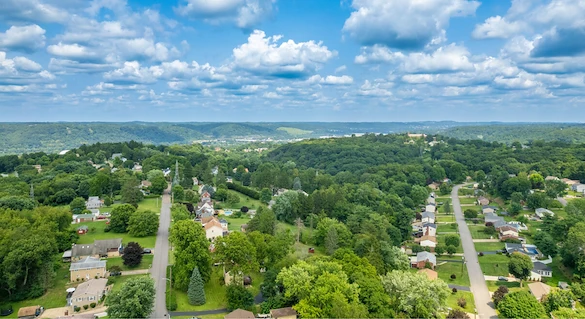
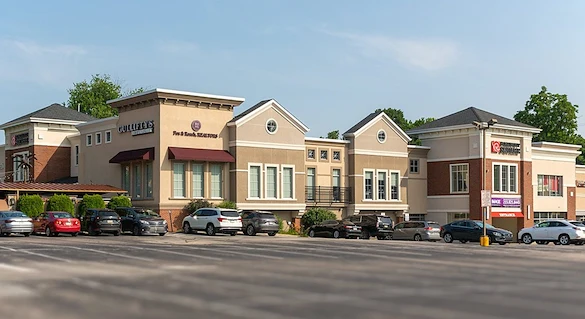
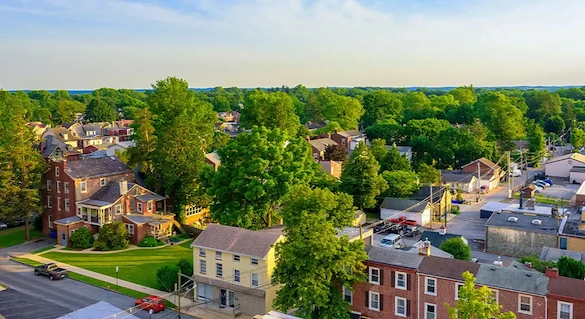
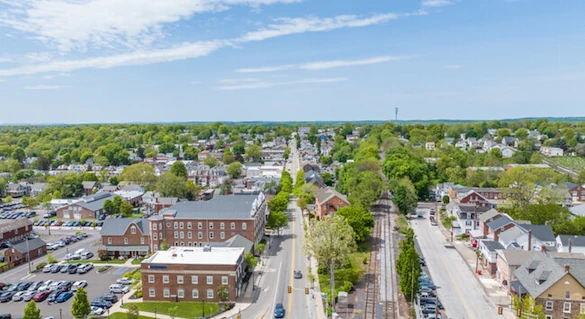
Cities in Pennsylvania for Senior Living and Care





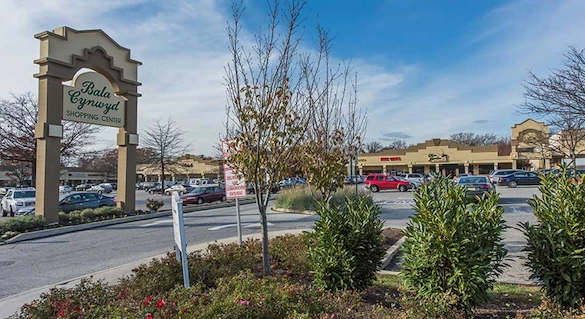
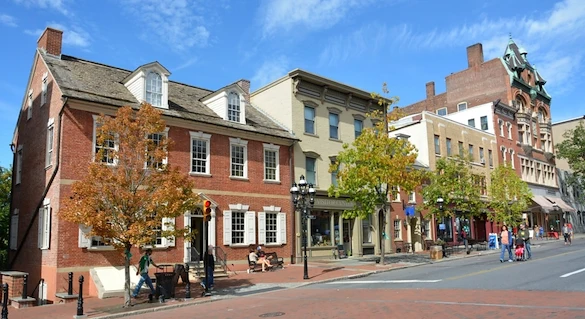
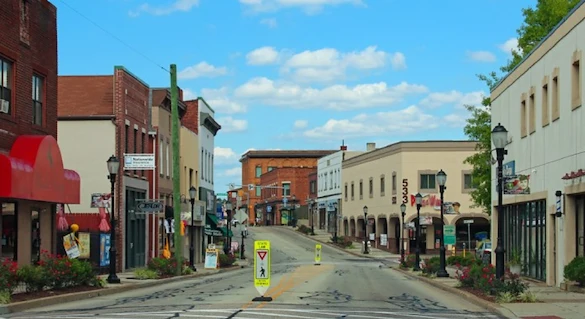
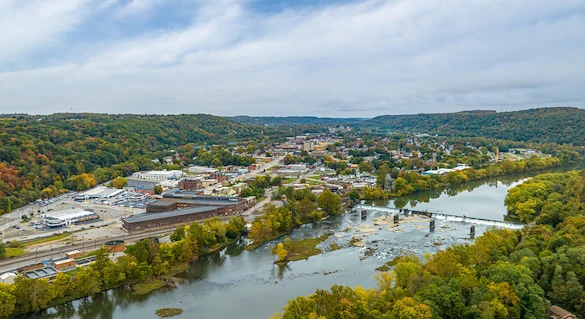




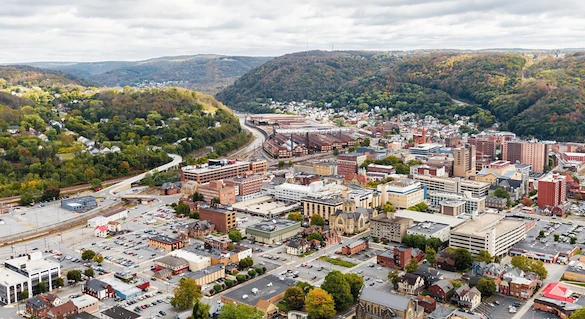
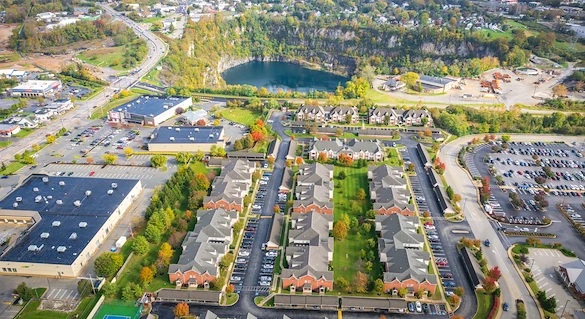
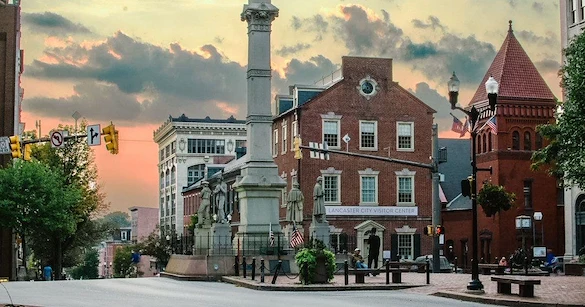
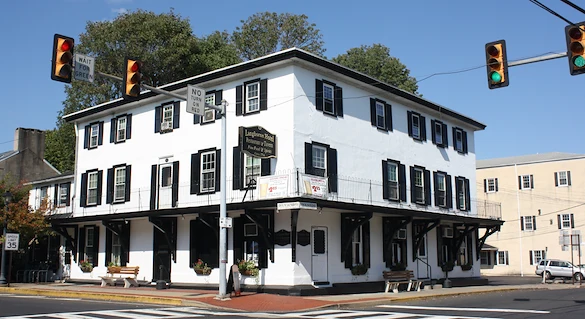
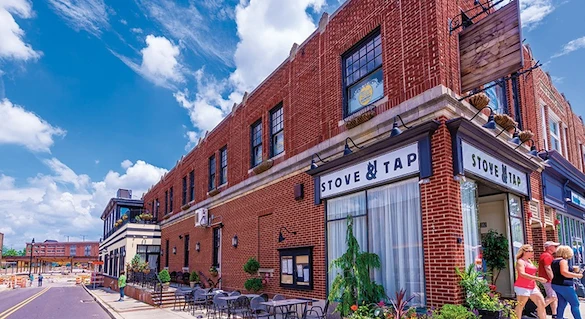
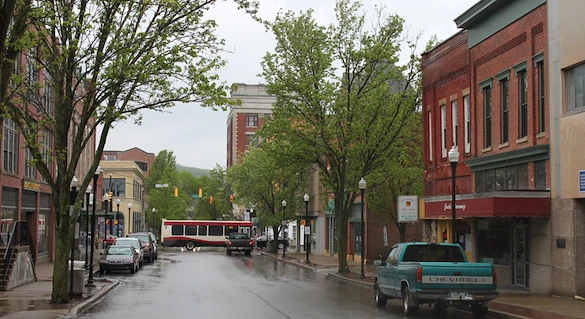
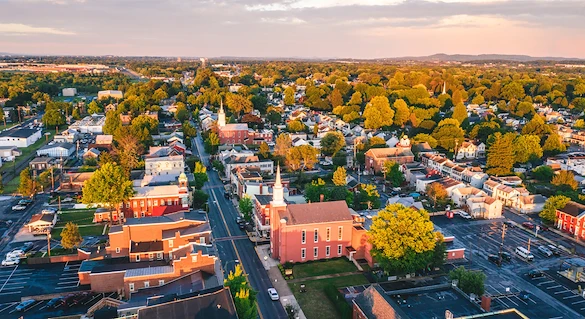

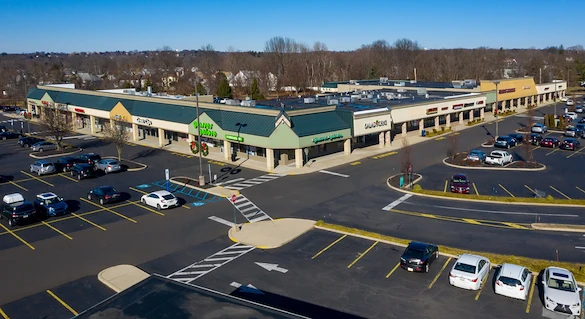

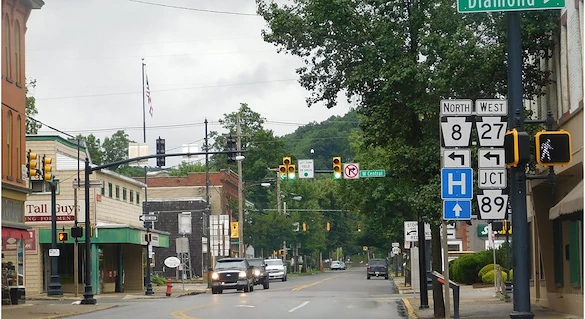

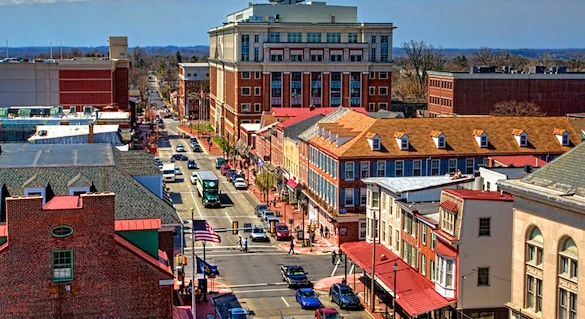
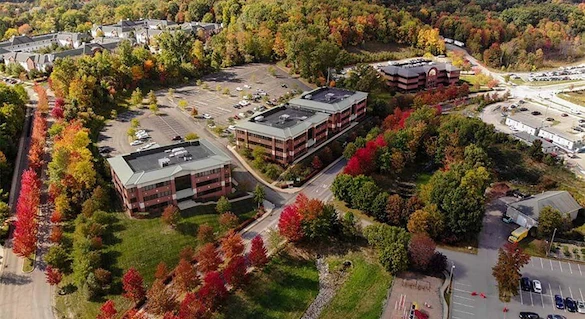



Assisted Living in Pennsylvania
Assisted living communities in Pennsylvania provide a supportive environment where seniors can maintain independence while receiving help with daily activities. This level of care is designed for individuals who may need assistance with tasks like bathing, dressing, meal preparation, and medication management but do not require the intensive medical services of a nursing home. Assisted living also emphasizes social engagement and wellness, offering residents opportunities to connect through group activities, fitness programs, and community events that promote a vibrant lifestyle.
Pennsylvania regulates assisted living facilities through the Department of Human Services (DHS), which sets licensing requirements and quality standards to ensure residents’ safety and well-being. Licensed assisted living residences must meet state-mandated staffing ratios, emergency preparedness plans, and individualized care planning. These regulations help families feel confident that their loved ones receive consistent, quality care.
Assisted living options in Pennsylvania are diverse, ranging from luxury communities with upscale amenities like gourmet dining and spa services to budget-friendly residences focused on essential care. Many communities also offer specialized memory care units for residents with Alzheimer’s disease or other forms of dementia, staffed by caregivers trained in providing compassionate, secure support tailored to memory-related challenges.
When evaluating assisted living communities in Pennsylvania, families should consider several factors. Visiting potential communities allows observation of cleanliness, staff interactions, and resident satisfaction. It’s important to review the facility’s licensing status and any recent inspection reports available through the Pennsylvania Department of Health or DHS. Families should also inquire about staffing levels, available services, and costs, including what is included in the base fee versus additional charges.
Overall, assisted living in Pennsylvania offers a range of supportive services in welcoming communities designed to enhance seniors’ quality of life. By carefully comparing local options and considering state-specific standards, families can find the right fit that balances care, comfort, and lifestyle for their loved ones.
Best Assisted Living Communities in Pennsylvania
View All Providers-
4.7Premium
Arden Courts at Cherry Hill
2700 Chapel Ave West Cherry Hill, NJ 08002
Assisted LivingMemory CareRespite Care -
4.0Premium
The Addison of Cherry Hill
1450 Marlton Pike E Cherry Hill, NJ 08034
Assisted LivingMemory Care -
4.6Premium
The Mansion at Rosemont Senior Living
404 Cheswick Pl Rosemont, PA 19010
Independent LivingAssisted LivingMemory CareLife Plan Community/CCRC -
-
4.9Premium
Viva Memory Care at Dresher
1424 Dreshertown Road Dresher, PA 19025
Assisted LivingMemory Care -
4.9Premium
Arden Courts at King of Prussia
620 W. Valley Forge Rd King of Prussia, PA 19406
Assisted LivingMemory Care -
-
4.5Premium
Arden Courts at Warminster
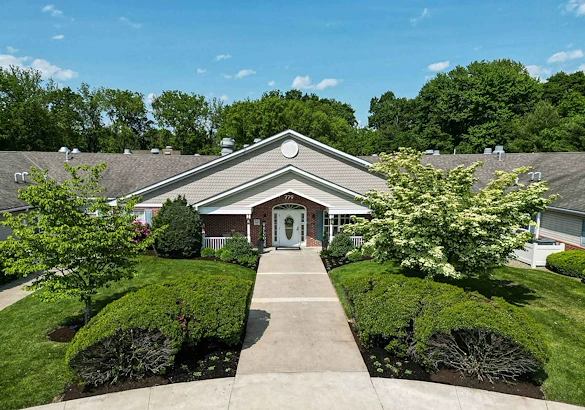
779 W. County Line Rd Hatboro, PA 19040
Assisted LivingMemory CareRespite Care -
-
4.4Premium
Park Creek Place Memory Care
1091 Horsham Road North Wales, PA 19454
Assisted LivingMemory Care

Cost of Assisted Living in Pennsylvania
Several factors influence the price of assisted living in Pennsylvania. Location plays a key role; urban areas with higher living expenses generally have more costly facilities. The range of amenities and services offered also impacts pricing—communities that provide additional features such as memory care programs, transportation services, or organized recreational activities often charge higher fees. Additionally, the level of care required affects costs; facilities offering specialized care for Alzheimer’s disease or other dementias typically have increased rates due to the need for trained staff and specialized resources.
For many families, financial assistance is crucial to managing assisted living expenses. Pennsylvania provides several helpful programs to ease this burden. The state’s Medicaid program, known as Medical Assistance, offers coverage for assisted living services through Home and Community-Based Services (HCBS) waivers. These waivers are available to individuals who meet income and asset eligibility criteria and require a nursing home level of care. Veterans and their spouses may also qualify for the Aid and Attendance pension, a benefit that helps cover assisted living costs for those needing assistance with daily activities and who meet specific service and financial requirements. Additionally, state programs like the Ombudsman Program provide advocacy and resources to help seniors access financial aid and protect their rights.
When exploring assisted living options, families should carefully assess the specific needs of their loved ones alongside the services and costs of each community. Visiting multiple facilities, reviewing state inspection reports, and consulting with financial advisors can help families make informed decisions that balance quality care with affordability.
What to Know About Assisted Living in Pennsylvania
The average cost of assisted living in Pennsylvania typically ranges several thousand dollars per month, depending on the city, apartment type, and level of care needed. Costs may be higher in larger metro areas or high-demand regions, while smaller towns may offer more affordable options.
Pricing can also increase based on services such as medication management, mobility support, help with bathing or dressing, and specialized memory support.
Medicare typically does not pay for assisted living in Pennsylvania because assisted living is considered housing and personal care—not medical care. However, Medicare may still cover eligible medical services a resident receives outside of the community, such as doctor visits, hospital care, outpatient therapy, or prescriptions (depending on the plan).
Families often explore other payment options like private pay, long-term care insurance, veteran benefits (if eligible), or Medicaid-related programs.
Seniors in Pennsylvania may qualify for assisted living if they need help with daily activities but do not require full-time skilled nursing care. Assisted living is often a good fit for older adults who need support with:
-
Bathing, dressing, grooming, or toileting
-
Medication reminders or medication management
-
Mobility support and fall prevention
-
Meals, housekeeping, and laundry
-
Transportation and daily routines
Most assisted living communities will complete an assessment to confirm the resident’s needs can be safely supported.
Most assisted living care is usually paid for through private pay, meaning families cover costs out of pocket using savings, retirement income, or proceeds from selling a home. Some seniors also use long-term care insurance if they have a qualifying policy.
In some cases, financial help may be available through Medicaid-related programs or other assistance resources, depending on eligibility.
Independent Living in Pennsylvania
Independent living communities in Pennsylvania offer a perfect blend of freedom and support for seniors who want to maintain an active, self-directed lifestyle without the hassles of home maintenance and daily chores. These communities are designed for older adults who no longer want to worry about lawn care, repairs, or housekeeping, allowing them to focus on enjoying their retirement years to the fullest.
One of the biggest benefits of independent living in Pennsylvania is the maintenance-free lifestyle. Residents typically live in apartments, condos, or cottages where the community takes care of landscaping, maintenance, and repairs. This frees seniors to spend their time on hobbies, travel, and social activities rather than household upkeep.
Social engagement is another key advantage. Pennsylvania’s independent living communities often host a variety of events, from fitness classes and cultural outings to game nights and educational programs. These activities foster a strong sense of community and help residents build friendships, reducing isolation and promoting mental well-being.
Pennsylvania is an attractive state for independent living due to its moderate four-season climate, which offers warm summers and crisp, colorful autumns that encourage outdoor activities like hiking, gardening, and walking. Cities like Pittsburgh, Lancaster, and State College are known for their senior-friendly amenities, including accessible public transportation, healthcare facilities, and cultural attractions such as museums, theaters, and festivals.
The cost of living in Pennsylvania is generally affordable compared to many other states, making independent living a financially feasible choice for many seniors. Additionally, the state has a rich mix of urban and rural settings, so seniors can choose a lifestyle that best suits their preferences—whether that’s vibrant city life or peaceful countryside.
Overall, independent living communities in Pennsylvania provide a supportive, engaging environment where active seniors can enjoy a high quality of life with greater convenience and connection. For those seeking freedom with social and lifestyle benefits, Pennsylvania offers excellent options to embrace the best of retirement living.
Best Independent Living Communities in Pennsylvania
View All Providers-
4.6Premium
The Mansion at Rosemont Senior Living
404 Cheswick Pl Rosemont, PA 19010
Independent LivingAssisted LivingMemory CareLife Plan Community/CCRC -
4.8Premium
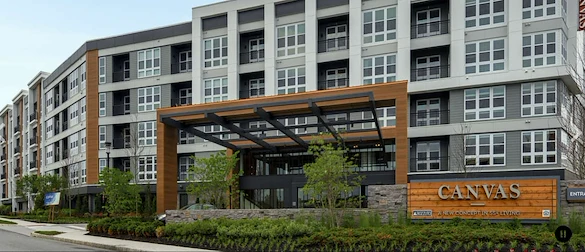
Canvas Valley Forge
101 Bryce Lane King of Prussia, PA 19406
Active Adult LivingIndependent Living -
4.4
John C. Anderson Apartments
251 South 13th Street Philadelphia, PA 19107
Active Adult LivingIndependent Living
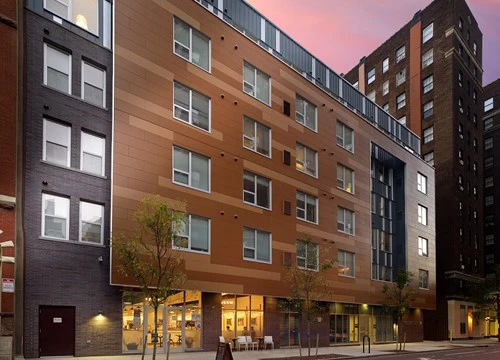
Cost of Independent Living in Pennsylvania
Several factors influence the cost of independent living in Pennsylvania. Location plays a significant role; urban areas with higher living expenses generally have more costly facilities. The range of amenities and services offered also impacts pricing—communities that provide additional features such as fitness centers, transportation services, and organized recreational activities often charge higher fees. Additionally, the size and type of housing—such as apartments, cottages, or villas—can affect costs, with larger or more luxurious units typically commanding higher rates.
Many independent living communities in Pennsylvania offer a comprehensive package that includes housing, utilities, maintenance, and amenities such as housekeeping, meals, and transportation. Some communities also provide access to healthcare services, though these may come at an additional cost. It's important for prospective residents and their families to thoroughly review what is included in the monthly fee and what services may incur extra charges.
For seniors seeking financial assistance, Pennsylvania offers several programs to help manage the cost of independent living. The Property Tax/Rent Rebate Program provides eligible seniors with rebates up to $1,000 to offset property taxes or rent paid. Additionally, the Living Independence for the Elderly (LIFE) program, known nationally as the Program of All-Inclusive Care for the Elderly (PACE), offers comprehensive medical and supportive services to seniors who meet certain eligibility criteria.
When evaluating independent living options, it's advisable to visit multiple communities, review state inspection reports, and consult with financial advisors to make an informed decision that balances care, comfort, and affordability.
What to Know About Independent Living in Pennsylvania
The average cost of independent living in Pennsylvania varies depending on location, apartment size, and what amenities are included. Independent living is often more affordable than assisted living because it typically does not include hands-on personal care services.
Many communities include conveniences like maintenance, housekeeping, dining options, and social activities, so comparing what’s included in the monthly price can help determine overall value.
Independent living is best for seniors who can live safely on their own without needing daily personal care support. Many residents choose independent living because they want:
-
A low-maintenance lifestyle
-
A senior-friendly living environment
-
Social events and community connection
-
Optional services like transportation or meal plans
Eligibility may vary by community, but independent living is typically a fit for seniors who do not need routine help with bathing, dressing, or medication management.
One disadvantage of independent living is that it usually does not include daily personal care assistance, so it may not be the right choice for seniors who need help with bathing, dressing, or ongoing supervision. Another potential drawback is cost—independent living can still be more expensive than staying at home, depending on housing and support needs.
For many seniors, however, the benefits of convenience, community, and safety make independent living a strong option.
Independent living in Pennsylvania typically costs a few thousand dollars per month, though prices vary widely based on the area and what services are included. Some communities offer all-inclusive pricing, while others charge separately for things like meals or transportation.
Comparing communities in your preferred region is the best way to get accurate monthly pricing.
Home Care in Pennsylvania
Non-medical home care in Pennsylvania provides essential services that help seniors maintain their independence and quality of life while living comfortably in their own homes. Unlike home health care, which involves skilled medical services, non-medical home care focuses on assisting with daily living activities without requiring a licensed healthcare professional. This type of care is ideal for seniors who need help with routine tasks but do not require medical treatment.
Common services provided by non-medical home care agencies in Pennsylvania include personal care, companionship, and household assistance. Personal care involves support with bathing, grooming, dressing, toileting, and mobility. Companionship services offer social interaction through conversations, games, and emotional support to help reduce feelings of loneliness. Household assistance covers light housekeeping, meal preparation, laundry, and running errands to ensure a clean, safe, and functional living environment.
Pennsylvania requires all non-medical home care agencies to be licensed by the Department of Health. This licensing ensures agencies meet state standards for safety and quality. Caregivers employed by these agencies must complete a state-approved training program covering essential topics such as confidentiality, consumer rights, infection control, and emergency procedures. They must also demonstrate competency through evaluations and keep thorough records of their qualifications, ensuring a reliable standard of care.
Several factors influence the availability of non-medical home care in Pennsylvania. Geographic location plays a role, as urban areas typically have a higher concentration of agencies and caregivers, offering more choices for seniors. Agency capacity—the number of trained caregivers and the ability to meet demand—also affects service availability. Additionally, strict adherence to state regulations impacts how agencies operate and expand, which in turn can influence access to care.
Seniors and their families are encouraged to carefully research and select licensed agencies that best meet their needs, providing peace of mind that their loved ones receive quality, compassionate support at home.
Best Home Care Agencies in Pennsylvania
View All Providers-
4.7Verified
Griswold Home Care for Philadelphia Center City
1515 Market Street Philadelphia, PA 19103
Home Care (Non-Medical) -
4.6Verified
BrightStar Care of Center City, PA
1528 Walnut St Suite 1005 Philadelphia, PA 19102
Home Care (Non-Medical) -
4.6Verified
Home Instead - Philadelphia, PA
1015 Chestnut Street Philadelphia, PA 19107
Home Care (Non-Medical)


Cost of Home Care Non-Medical in Pennsylvania
Regional price differences are notable across Pennsylvania. Urban areas such as Philadelphia and Pittsburgh tend to have higher rates due to increased demand and higher costs of living. In contrast, rural communities often offer more affordable care options; however, the availability of providers and services in these areas can be limited, sometimes making it more difficult for families to find consistent care.
Several factors contribute to the overall cost of non-medical home care. The number of hours of care required has a direct impact—more hours naturally lead to higher costs. Choosing to hire a caregiver through an agency generally results in higher fees compared to hiring privately. Agencies typically provide additional benefits like backup staffing, administrative support, and liability coverage, which contribute to higher prices. Private caregivers may be less expensive and offer more flexible scheduling, but families must consider the lack of formal oversight and support that agencies provide. Furthermore, specialized care needs, such as assistance for individuals with dementia or mobility challenges, often increase costs due to the additional training and expertise required.
To help offset these expenses, Pennsylvania offers several financial assistance programs. The state’s Medicaid program provides Home and Community-Based Services (HCBS) waivers, which can cover the costs of personal assistance for eligible seniors. For example, in Philadelphia, Medicaid reimburses approximately $21.52 per hour for personal care services under these waivers. Veterans and their spouses may qualify for the Aid and Attendance pension, which offers financial help for long-term care. Additionally, long-term care insurance policies purchased before the onset of care needs may cover non-medical home care, though coverage details vary widely by plan.
Families navigating the cost of non-medical home care in Pennsylvania are encouraged to consult with financial planners or elder care specialists. This guidance helps identify the most affordable and appropriate care options to ensure their loved ones receive quality support without unnecessary financial strain.
What to Know About Non Medical Home Care in Pennsylvania
Starting a non-medical home care business in Pennsylvania typically begins with defining what services you’ll provide and setting up your operations to support safe, reliable care for seniors at home. Many business owners start by:
-
Choosing services (companionship, errands, meal prep, light housekeeping, personal care support)
-
Registering the business and setting up insurance
-
Creating caregiver hiring, onboarding, and scheduling systems
-
Building client intake processes and service agreements
-
Marketing locally to families searching for home care
Because requirements can vary, it’s important to research Pennsylvania regulations that may apply to home care providers before launching.
Home care in Pennsylvania is often priced hourly, and the rate depends on location, care needs, and schedule. Urban areas and higher-demand regions may have higher hourly rates than smaller towns.
Rates may also increase for overnight care, weekends, or more complex support needs. Comparing local providers can help families find the best fit for both budget and care quality.
Non-medical home care supports daily living tasks, while home health care provides medical services.
Non-medical home care may include:
-
Companionship and supervision
-
Light housekeeping and meal prep
-
Transportation and errands
-
Help with bathing and dressing (depending on care needs)
Home health care may include:
-
Skilled nursing care
-
Physical therapy or occupational therapy
-
Wound care or medical monitoring
Non-medical home care is a great option for ongoing support, while home health care is used for medical recovery and clinical needs.
Pennsylvania may offer assistance for home care through certain Medicaid-related programs and community-based services for eligible seniors. Coverage typically depends on factors like income, care needs, and program availability.
Because benefits and eligibility requirements vary, families often explore options early to understand what support may be available.
Long-Term Care/Skilled Nursing in Pennsylvania
Long-term care in skilled nursing facilities (SNFs) in Pennsylvania offers comprehensive medical and personal care for seniors who need ongoing support due to chronic illness, injury, or recovery from surgery. Skilled nursing facilities provide 24-hour care from licensed nurses and trained staff, addressing medical needs such as medication management, wound care, physical therapy, and assistance with daily activities like bathing, dressing, and eating. Many facilities also offer rehabilitation services, including physical, occupational, and speech therapy, to help residents regain independence after surgery or illness.
Specialized care is an important feature of Pennsylvania’s skilled nursing facilities. Many SNFs have dedicated memory care units designed for individuals with Alzheimer’s disease or other forms of dementia. These units provide a secure environment with tailored activities and therapies aimed at maintaining cognitive function and ensuring safety. Additionally, some facilities specialize in post-surgical recovery or complex medical conditions, offering individualized care plans developed in coordination with physicians and therapists.
Pennsylvania regulates skilled nursing facilities through the Department of Health, which enforces strict licensing and quality standards. Facilities must comply with state and federal regulations, including regular inspections and reporting requirements to maintain certification. The Pennsylvania Health Care Association and other watchdog organizations also publish quality ratings and inspection results, which families can use to evaluate facilities.
When choosing a skilled nursing facility in Pennsylvania, families should consider several factors. Reviewing inspection reports and quality ratings helps assess the facility’s safety record and care quality. Visiting multiple facilities to observe staff interactions and tour living spaces provides insight into the environment and culture. Families should also inquire about staff-to-resident ratios, available medical services, rehabilitation options, and specialized programs for memory care or other needs.
Overall, skilled nursing facilities in Pennsylvania provide vital medical and supportive care for seniors requiring long-term assistance. By understanding state regulations, quality indicators, and the range of available services, families can make informed decisions to find the best nursing home for their loved ones.
Best Nursing Homes and Skilled Nursing Facilities in Pennsylvania
View All Providers-
3.0Verified
Logan Square Rehab & Healthcare Center
2 Franklin Town Blvd Philadelphia, PA 19103
Long-Term Care / Skilled NursingSkilled Rehabilitation -
2.0Verified
Graduate Post Acute
1526 Lombard Street Philadelphia, PA 19146
Long-Term Care / Skilled NursingSkilled Rehabilitation -
2.0Verified
Tucker House Nursing And Rehabilitation Center
1001 Wallace Street Philadelphia, PA 19123
Long-Term Care / Skilled NursingSkilled Rehabilitation

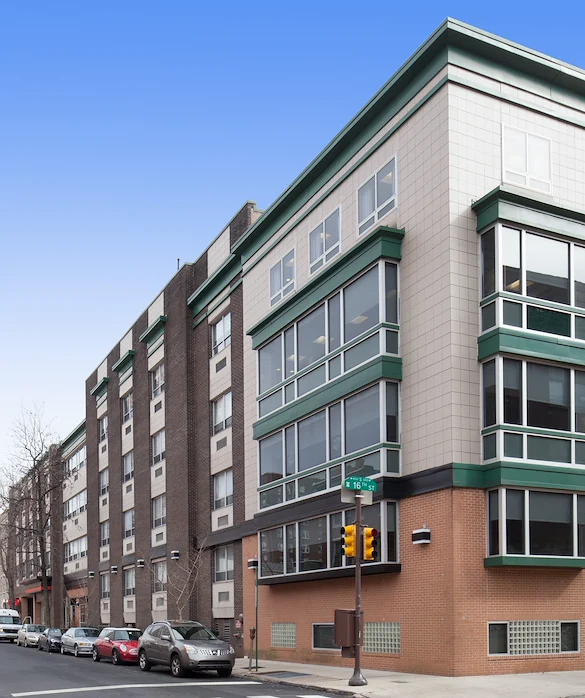
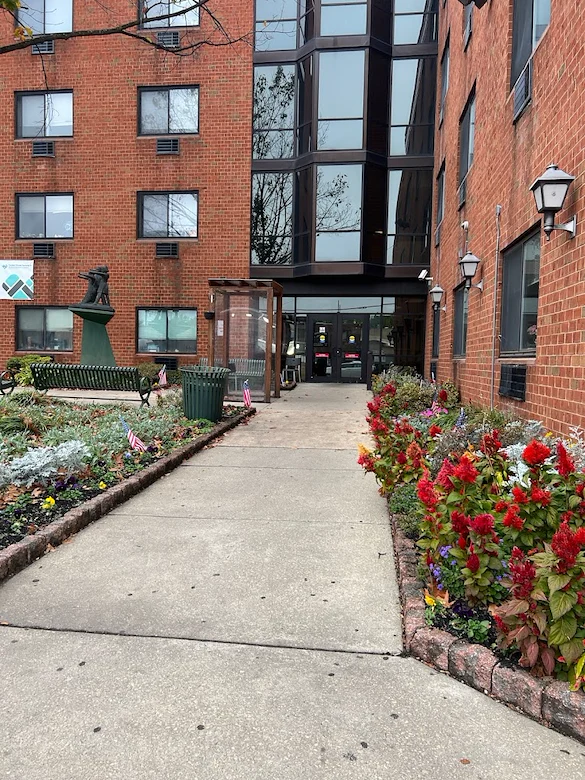
Cost of Nursing Homes in Pennsylvania
Regional cost differences are notable within the state. Urban areas such as Philadelphia and Pittsburgh typically have higher skilled nursing care costs due to increased demand and higher living expenses. Rural and suburban regions may offer lower prices but sometimes have fewer facilities and limited availability. Families should weigh cost against accessibility and quality when selecting a nursing home.
Several factors influence the overall pricing of skilled nursing care. The level of medical care required plays a significant role, as residents needing specialized treatments or more intensive nursing support often incur higher costs. Facility reputation and quality ratings can also impact price, with higher-ranked facilities generally charging premium rates. Amenities such as private rooms, recreational activities, rehabilitation services, and specialized memory care units contribute to cost variations as well.
Financial assistance programs are available to help offset these expenses. Medicare typically covers short-term skilled nursing care after a qualifying hospital stay, covering up to 100 days with specific conditions. Medicaid provides long-term care coverage for eligible low-income seniors, helping pay for nursing home stays and other services. Pennsylvania also offers state-funded long-term care programs designed to support seniors who do not qualify for Medicaid but need assistance covering care costs.
Navigating the costs and financial options for skilled nursing care in Pennsylvania can be complex. Families are encouraged to consult with elder care advisors or financial planners to understand eligibility, coverage, and to identify the most cost-effective solutions while ensuring high-quality care for their loved ones.
What to Know About Nursing Homes in Pennsylvania
The average cost of nursing home care in Pennsylvania varies based on the facility, region, and room type. Nursing homes are typically one of the most expensive senior care options because they provide 24/7 medical support and skilled nursing services.
Costs are often higher in metro areas and for private rooms or more complex medical needs.
Medicare may cover nursing home care in Pennsylvania only in specific situations—usually for short-term skilled nursing care after a qualifying hospital stay. This can include rehabilitation services such as physical therapy or skilled nursing during recovery.
Medicare typically does not cover long-term nursing home care for ongoing custodial needs.
Social Security does not directly pay for nursing home care, but a person’s monthly Social Security income may help cover part of the cost. Families often combine Social Security benefits with retirement income, savings, or other resources to pay for care.
For long-term nursing home stays, some seniors may qualify for Medicaid based on financial and medical eligibility.
Pennsylvania has many nursing homes across the state, offering skilled nursing care for seniors with higher medical needs. The number can change over time as facilities open, close, or consolidate, so it’s best to focus on finding the right fit based on location, services, and quality of care.
Comparing nursing homes near you can help families find options that match medical needs, budget, and availability.
Finding the Right Senior Care in Pennsylvania
Navigating senior living and care options in Pennsylvania can feel overwhelming, but having clear, trustworthy information makes the journey much easier. Whether you’re exploring assisted living communities, comparing independent living options, looking into home care, or planning for long-term skilled nursing, the state offers a wide range of choices designed to support safety, comfort, and quality of life.
From quiet small towns to lively cities, families can find communities that match different budgets, care needs, and lifestyle preferences. Pennsylvania’s strong healthcare system, comprehensive regulatory standards, and multiple financial assistance programs—including Medicaid waivers, veterans benefits, and state-supported resources—give seniors and families added confidence as they evaluate their options.
As you begin your search, remember that every senior’s needs are unique. Use this guide as a helpful starting point, then take time to review local providers, visit communities, and speak with care teams to understand which setting feels like the best fit. The right choice should offer peace of mind for both the senior and the family supporting them.
Below are answers to the most common questions families ask when researching senior living and senior care in Pennsylvania.
Frequently Asked Questions About Senior Living in Pennsylvania
The average cost of senior living in Pennsylvania depends on the level of care needed. Independent living is often more affordable, while assisted living, memory care, and nursing homes typically cost more due to increased services and staffing.
Rates can also vary by region, so comparing communities in your preferred area is the best way to understand pricing.
Pennsylvania can be a great state for seniors because it offers a mix of suburban communities, small towns, and larger cities with access to healthcare services and senior care options. Many seniors also appreciate Pennsylvania’s seasonal lifestyle, community feel, and variety of living arrangements across the state.
The best fit depends on your goals—such as cost, access to care, and being close to family.
Low income for seniors in Pennsylvania can depend on household size, county guidelines, and which assistance program you’re applying for. Many senior assistance programs use income thresholds to determine eligibility for support services or reduced-cost care.
Because requirements vary, it’s helpful for families to compare programs and confirm income limits based on where they live.
The cheapest way for a senior to live depends on their health needs and support network. Lower-cost options may include:
-
Staying at home with limited paid support
-
Living with family or shared housing
-
Exploring income-based senior housing
-
Using community services like meals and transportation
However, the lowest-cost option should still support safety and long-term wellbeing.
Frequently Asked Questions About Senior Care in Pennsylvania
Pennsylvania offers a variety of services for seniors and caregivers, depending on needs and eligibility. Assistance may include:
-
In-home care support and personal care help
-
Assisted living and memory care communities
-
Skilled nursing facilities
-
Adult day programs and respite care
-
Transportation and meal services
-
Caregiver resources and community-based support
The best care option depends on daily needs, budget, and preferred living situation.
Senior living costs in Pennsylvania vary based on care type, location, and included services. Independent living typically costs less than assisted living, while nursing home care is often the most expensive due to 24/7 medical support.
Comparing communities and care providers in your area is the best way to get accurate pricing.
In some cases, family members in Pennsylvania may be able to get paid for providing care through programs that support in-home assistance. Eligibility may depend on the senior’s care needs, income qualifications, and program availability.
If you’re caring for a loved one at home, it may be worth exploring whether financial assistance options are available in your area.
Senior care is often priced hourly, especially for non-medical home care services. Hourly rates can vary based on location, schedule, and the level of care needed. Costs may be higher for overnight care, weekend care, or specialized support needs.
Comparing providers can help families find the best match for both quality and budget.