

57,719
Population of Lancaster

6,019
Residents aged 65 and older in Lancaster

218
Senior Living & Care Options in Lancaster

$8,387/Month
Average cost of Senior Living & Care in the area.
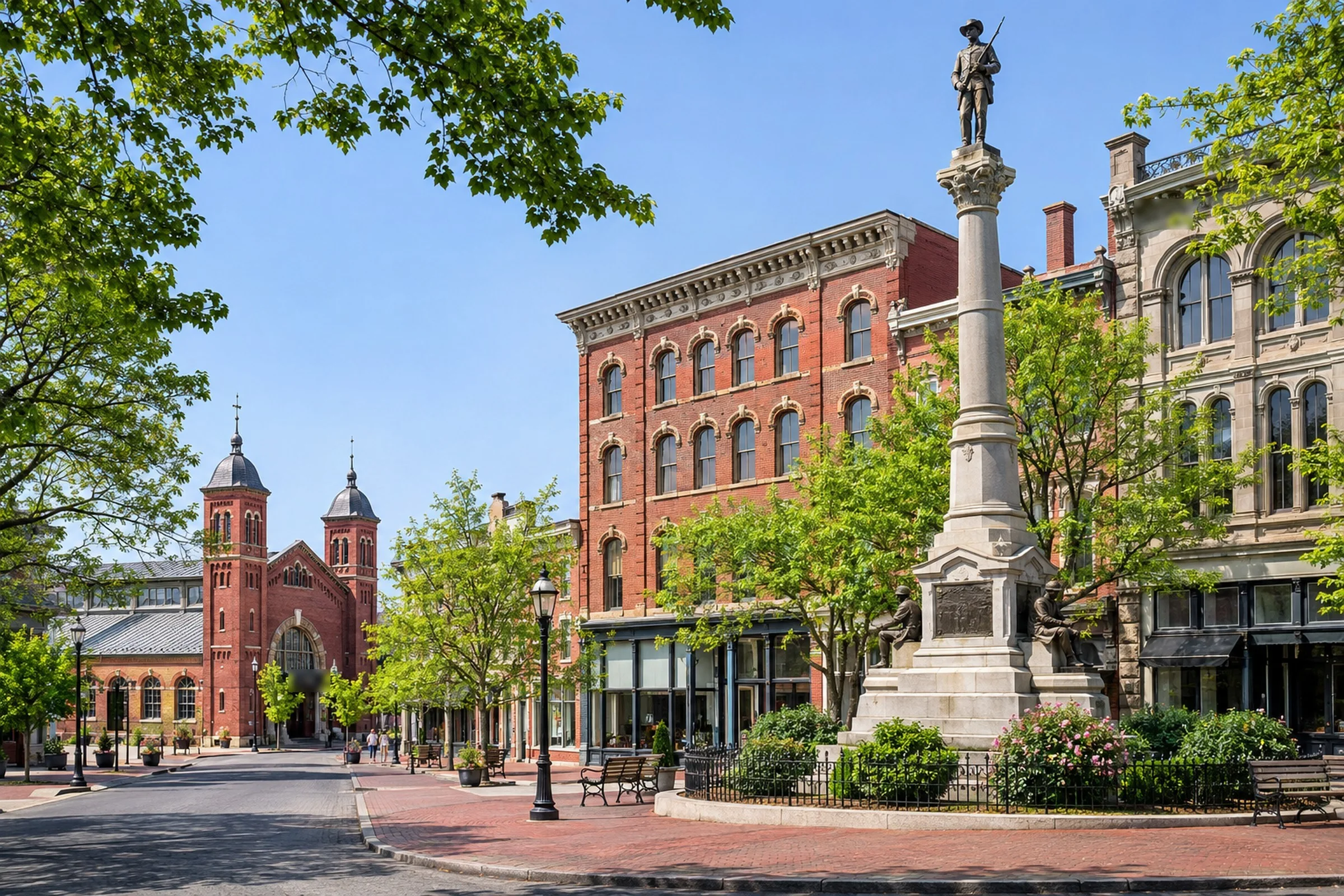
Lancaster, with a population of 57,719, is home to 6,019 residents aged 65 and older. The city offers 218 senior living and care options. The average monthly cost of senior living & care in the area is $8,387.
Daily life in Lancaster, PA, doesn't have to start with car keys. Riders 65 and older can take Red Rose Transit Authority buses free on any route. Eleven of those routes meet at Queen Street Station downtown. The station has a waiting area and restrooms.
So lunch out, an errand, or a visit with friends can begin at a bus stop. The Lancaster Public Library's City Branch sits one block north of Penn Square, across the street from Binns Park. The library says you can reach the branch on foot, by bike, by bus, or by car.
Green space is close by, too. The City of Lancaster names Binns Park, Buchanan Park, Long's Park, Musser Park, and Reservoir Park among its public parks. Long's Park sits northwest of the city. The City's 2020 map shows picnic pavilions there, along with a two-acre spring-fed lake and a fitness trail.
Each season shapes the outing plans. NOAA's normals for the Lancaster Airport weather station put January's average low at 21.7°F, far under freezing, while July's average high reaches 86.2°F.
Hospital care is part of city life as well. Medicare's hospital records show two acute care hospitals in Lancaster, PA, each offering emergency services: Lancaster General Hospital and Penn State Health Lancaster Medical Center. Penn State Health notes that its emergency department is open 24/7. For residents, that means a hospital trip doesn't have to leave the city.
As you size up senior living communities in Lancaster, PA, put bus access on your list, along with whether a community drives residents itself. Farther down the page, every care type has a short guide of its own, plus a set of questions for the calls ahead. Browsing takes no login, and every provider is listed. You decide which ones hear from you, so the search for senior living in Lancaster, PA, stays on your terms. Take your time, and come back to this page as new questions come up.
Lancaster, PA at a Glance




Home Care in Lancaster, Pennsylvania
View All Providers-

-
 4.8Verified
Senior Helpers - Ephrata
1060 South State Street Ephrata, PA 17522
Home Care (Non-Medical) -
 4.6Verified
ComForCare - Lancaster
800 New Holland Ave. Second Floor, Rear Unit 206 Lancaster, PA 17602
Home Care (Non-Medical) -
 4.6Verified
Comfort Keepers - Lancaster
1396 Harrisburg Pike Lancaster, PA 17601
Home Care (Non-Medical)


Independent Living & Active Adult Living in Lancaster, Pennsylvania
View All Providers-
 4.7Verified
Garden Spot Village Personal Care
433 S. Kinzer Avenue New Holland, PA 17557
Independent LivingAssisted LivingMemory CareAdult Day Services -
 4.5Verified
Calvary Homes Senior Living
502 Elizabeth Drive Lancaster, PA 17601
Independent LivingAssisted LivingMemory CareLife Plan Community/CCRC -
 4.5Verified
Landis Homes Retirement Community
1001 East Oregon Road Lititz, PA 17543
Independent LivingAssisted LivingMemory CareAdult Day Services -
 4.3Verified
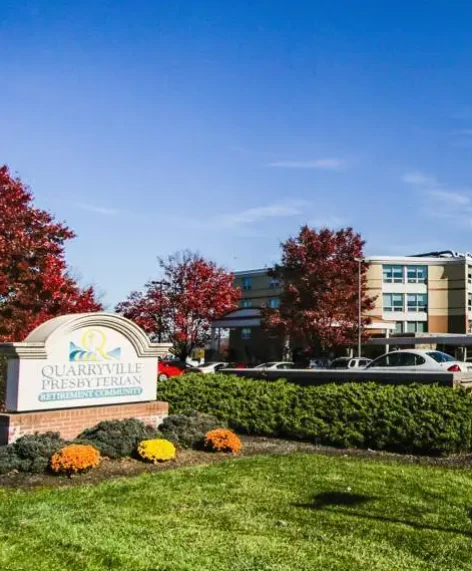
Quarryville Presbyterian Retirement Community
625 Robert Fulton Highway Quarryville, PA 17566
Active Adult LivingIndependent LivingAssisted LivingMemory Care


Assisted Living in Lancaster, Pennsylvania
View All Providers-
-

-
4.7Verified
Garden Spot Village Personal Care
433 S. Kinzer Avenue New Holland, PA 17557
Independent LivingAssisted LivingMemory CareAdult Day Services -
4.5Verified
Calvary Homes Senior Living
502 Elizabeth Drive Lancaster, PA 17601
Independent LivingAssisted LivingMemory CareLife Plan Community/CCRC -
4.5Verified
Landis Homes Retirement Community
1001 East Oregon Road Lititz, PA 17543
Independent LivingAssisted LivingMemory CareAdult Day Services


Memory Care in Lancaster, Pennsylvania
View All Providers-
 5.0Verified
Oak Leaf Manor North
2901 Harrisburg Pike Landisville, PA 17538
Assisted LivingMemory Care -
4.7Verified
Garden Spot Village Personal Care
433 S. Kinzer Avenue New Holland, PA 17557
Independent LivingAssisted LivingMemory CareAdult Day Services -
4.5Verified
Calvary Homes Senior Living
502 Elizabeth Drive Lancaster, PA 17601
Independent LivingAssisted LivingMemory CareLife Plan Community/CCRC -
4.5Verified
Landis Homes Retirement Community
1001 East Oregon Road Lititz, PA 17543
Independent LivingAssisted LivingMemory CareAdult Day Services

Long Term Care & Skilled Nursing in Lancaster, Pennsylvania
View All Providers-
 5.0Verified
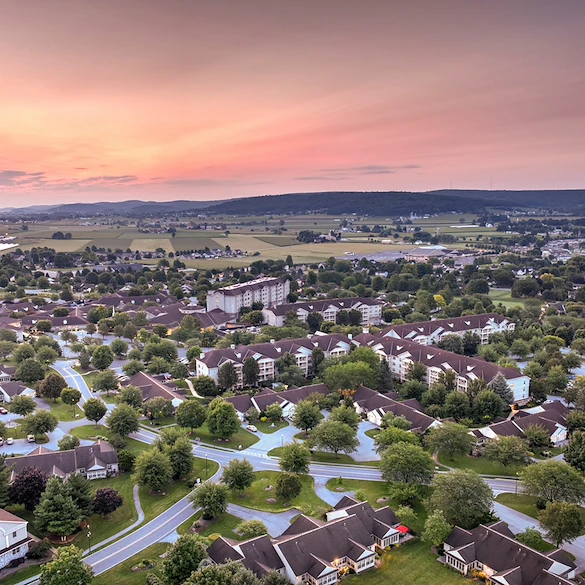
Garden Spot Village
433 S Kinzer Avenue New Holland, PA 17557
Long-Term Care / Skilled NursingSkilled RehabilitationLife Plan Community/CCRC -
 2.0Verified
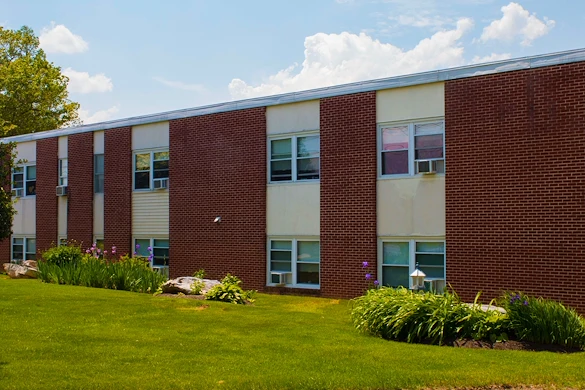
Gardens At Stevens, The
400 Lancaster Avenue Stevens, PA 17578
Long-Term Care / Skilled NursingSkilled Rehabilitation -
 5.0Verified
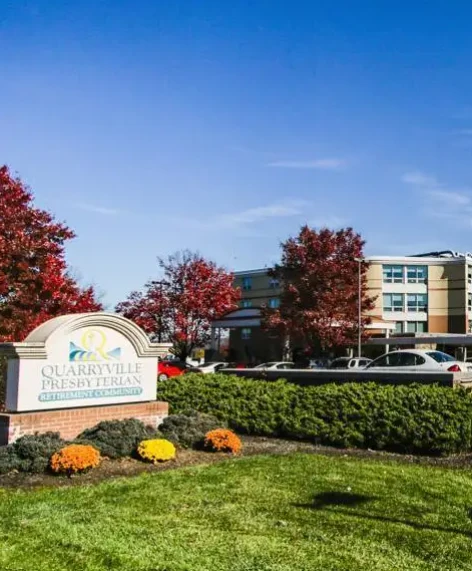
Quarryville Presbyterian Health Services
625 Robert Fulton Highway Quarryville, PA 17566
Long-Term Care / Skilled NursingSkilled Rehabilitation -
5.0Verified
Mt Hope Nazarene Retirement Community
3026 Mount Hope Home Road Manheim, PA 17545
Long-Term Care / Skilled NursingSkilled Rehabilitation


Compare Assisted Living Costs in Pennsylvania
Before touring in Lancaster, PA, it can help to see where Pennsylvania's monthly assisted living average lands next to the U.S. figure.
Pricing for assisted living and independent living, plus in-home care and nursing home care, is broken down on our Pennsylvania page, along with how people pay.
Pennsylvania memory care prices aren't on our state page yet. Got questions about memory care in Lancaster, PA? The Information and Referral unit at the Lancaster County Office of Aging is a sensible first call.
Local Resources for Older Adults in Lancaster, PA
Here's where older adults in Lancaster, PA, and across the county can turn. Each link goes straight to that program, so you can check the rules and who's eligible.
- Lancaster County Office of Aging. The county's aging agency, with intake for all of its programs, from an office on North Queen Street. Office of Aging
- Long Term Care Ombudsman Program. Ombudsmen who speak up for people living in long-term care across Lancaster County, assisted living included. Ombudsman Program
- Caregiver Support Program. Education, training, and other support for family caregivers. Caregiver Support Program
- Senior Free Ride Program. Bus rides on any Red Rose Transit Authority route for riders 65 and older. Red Rose Transit Authority
- Red Rose Access. Shared rides, booked ahead, for anyone 65 or older and for any trip purpose. Senior Citizens Program
- Lancaster Public Library, City Branch. Books, programs, and computer help a block north of Penn Square. City Branch
- City of Lancaster Parks. The City's list of public parks and spaces, from Penn Square to Long's Park. City parks
Frequently Asked Questions
Yes. The Senior Free Ride Program, sponsored by the Pennsylvania Lottery, lets riders 65 and older board Red Rose Transit Authority buses on any route. They don't pay a fare. The PA Senior Citizen Transit ID Card is the ID the transit authority accepts for the program.
Queen Street Station, the transit center downtown, works as a hub where several routes meet. If you're comparing communities, it's good to ask how far the closest stop is and what the walk to it is like in winter. A stop near the front door can keep shopping trips and lunches with friends on the calendar.
Red Rose Access is a shared-ride program run by the Red Rose Transit Authority. Anyone 65 or older can use it, and there's no limit on why you're going. A doctor visit, a grocery run, or a trip to see a friend can all count. Riders fill out an application first, then book each trip at least one day ahead.
Rides can be booked as far as two weeks out. Riders can also schedule shared-ride trips online through Find My Ride Schedule, though not every trip can be booked that way. It's smart to book the moment a visit lands on the calendar, so the one-day rule never catches you short.
Pennsylvania's own directory of Area Agencies on Aging lists one for this county: the Lancaster County Office of Aging. Since 1974, it has worked to support older adults' independence and quality of life through information, services, and protection. Its services aim to keep older people at home, where most want to stay. The office is on North Queen Street downtown.
A good place to begin is its Information and Referral unit. Staff there identify needs, find resources, and answer questions about aging. The unit also handles intake for every Office of Aging program. When in-home services come up, the Assessment Unit makes face-to-face visits to look at a person's daily needs and which services they qualify for.
Yes. The Lancaster County Office of Aging lists three senior centers in Lancaster, PA. County senior centers welcome people 60 and older for socializing, education, exercise, a noon meal, and other programs. Participants need to be independent, since the centers don't offer reminders, supervision, or hands-on help.
To reserve a meal or a ride to a center, call that center by 10 a.m. the day before you plan to go. The Office of Aging's Health and Wellness program also offers evidence-based classes aimed at healthier habits. If someone needs more daily support than a center gives, an adult day program or assisted living may suit them better.
Begin with a plain list of the daily help required, then tour two or three communities. The Lancaster County Office of Aging also runs the county's Long Term Care Ombudsman Program. Its advocates stand up for people in long-term care, from personal care homes to nursing homes. They won't discuss a resident with staff unless that resident agrees.
Write your questions down once and use them at each stop. Good ones cover how the care plan is built, which staff are on duty overnight, and what extra charges can appear. Seeing a meal served tells you a great deal, too. You can also check each community's license in the state directory mentioned under assisted living.
The Lancaster Public Library runs adult programs, including book talks, lecture series, workshops, and computer classes. With Book-a-Librarian, you can reserve up to an hour with a librarian. They can help with things like downloading ebooks and audiobooks, or basic computer questions. The library answers each Book-a-Librarian call or email within two business days.
Public computers there are open for research and email. For people who have trouble getting to a library, the Library System of Lancaster County sends out a Bookmobile. It makes about 45 stops a month. At retirement home stops, carts are unloaded so residents can browse, and the carts can hold large print books and audiobook CDs.
Senior Living Near Lancaster, PA
Sources, checked Nov. 10, 2026: Red Rose Transit Authority, Senior Free Ride Program, Red Rose Access, Queen Street Station, Lancaster Public Library, library adult programs, Book-a-Librarian, Library System of Lancaster County, City of Lancaster parks, Long's Park map, Conestoga Pines Park plan, Bureau of Parks & Public Property, Office of Promotion, Mayor's Tree Lighting, NOAA climate normals, CMS hospital data, Penn State Health, Pennsylvania Department of Human Services directory, Lancaster County Office of Aging, In-Home Services, Senior Centers, senior center eligibility, Ombudsman Program, Caregiver Support Program, Adult Day Center, Millersville University, Medicare Care Compare, DHS Human Services Provider Directory, Chapter 2800 of the Pennsylvania Code, and Chapter 2600 of the Pennsylvania Code.