
Senior Living Facts for Washington
Washington offers a unique blend of natural beauty, vibrant communities, and high-quality healthcare, making it an appealing choice for seniors and their families. From the bustling urban centers of Seattle and Spokane to the peaceful small towns along the Puget Sound, older adults can find a lifestyle that suits their pace, preferences, and needs.
Fast Facts
Senior Living & Care in Washington
| #13 | most populated state in the U.S. |
| $6,000 | average monthly assisted living cost in Washington |
| 3,500+ | assisted living communities and care providers across Washington |
| 1.3M+ | adults age 65+ in Washington |
The state’s climate varies from mild, wet winters in western Washington to sunnier, drier conditions in the east, providing options for those who enjoy greenery, mountains, or more sunshine. For seniors who love the outdoors, Washington is a dream. Scenic trails, waterfront parks, and national forests make walking, hiking, and gentle outdoor recreation accessible year-round. Communities often emphasize walkability and senior-friendly spaces, allowing older adults to remain active and engaged.
Washington also offers a rich cultural life. Seniors can enjoy world-class museums, theaters, and music venues, as well as seasonal festivals celebrating everything from local cuisine to the arts. Libraries, senior centers, and community programs provide social engagement opportunities, supporting mental and emotional well-being.
Healthcare in Washington is robust, with top-ranked hospitals, specialty clinics, and geriatric care programs throughout the state. Many communities feature local healthcare partnerships that make accessing primary care, specialist visits, and preventive services convenient for older adults. For families planning long-term care, Washington’s senior living options—including assisted living, independent living, memory care, and skilled nursing—are designed to meet a range of needs while emphasizing comfort, safety, and quality of life.
Cost of living in Washington varies by region, but the state offers a variety of housing options for retirees and seniors seeking affordability without sacrificing access to services and amenities. Many areas provide senior-friendly neighborhoods and 55+ communities where neighbors share common interests and a supportive environment.
Overall, Washington balances natural beauty, cultural richness, and quality healthcare with senior-focused amenities and communities. Whether you’re exploring independent living near Puget Sound, assisted living in Spokane, or memory care options throughout the state, Washington provides opportunities for older adults to thrive. Its combination of scenic landscapes, active communities, and reliable healthcare makes it an ideal destination for families seeking senior living and care solutions in a state that values both comfort and well-being.
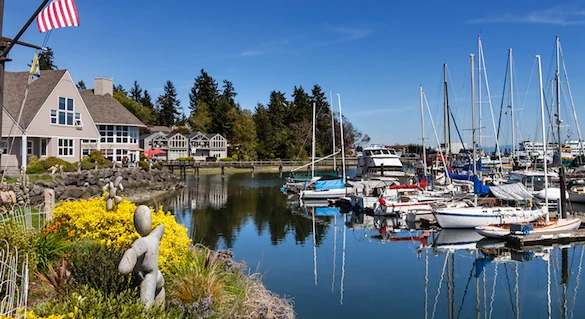
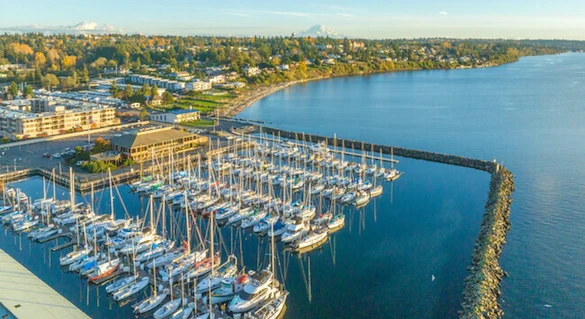
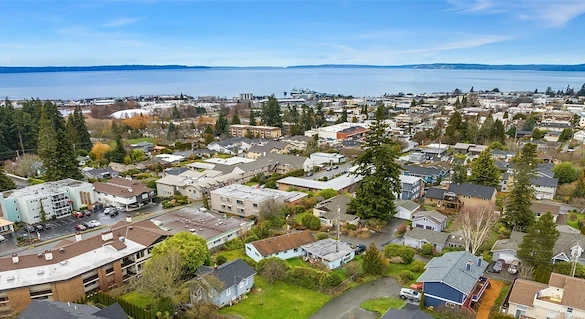
Top Cities for Senior Living and Care in Washington
































Assisted Living in Washington
Assisted living in Washington provides older adults with a supportive, home-like environment where they can maintain independence while receiving help with daily activities. These communities are ideal for seniors who may need assistance with tasks such as bathing, dressing, meal preparation, mobility, or medication management but do not require the round-the-clock medical care provided in a nursing home. Assisted living residents also benefit from social opportunities, wellness programs, and personalized care plans designed to enhance quality of life.
Washington offers a diverse range of assisted living communities to meet different needs and preferences. Families can choose from luxury communities with upscale amenities and resort-style features, budget-friendly options that provide quality care at a more affordable price, or memory care-focused communities that specialize in supporting residents with Alzheimer’s disease or other forms of dementia. Many communities include fitness programs, communal dining, transportation services, and organized activities to encourage social engagement and mental stimulation.
State-specific regulations in Washington ensure that assisted living communities maintain high standards of care. Facilities must be licensed by the Washington State Department of Social and Health Services (DSHS) and adhere to rules covering staff training, safety, medication administration, and resident rights. Licensing inspections and quality oversight help families evaluate whether a community meets required standards, providing reassurance that residents receive safe and professional care.
When selecting an assisted living community in Washington, families should consider factors such as location, cost, staffing ratios, available services, and the community’s overall culture. Visiting potential communities, reviewing state inspection reports, and speaking with current residents or their families can provide valuable insight. Additionally, families may explore financial aid options, including Medicaid, veterans’ benefits, or state-specific assistance programs, to help cover care costs.
Overall, assisted living in Washington offers a flexible, supportive environment for seniors who need some help with daily life while preserving independence and dignity. With a wide variety of communities and services available, families can find an option that fits their loved one’s needs, lifestyle, and budget, ensuring a safe, engaging, and comfortable living experience.
Top Assisted Living Communities in Washington
View All Providers-
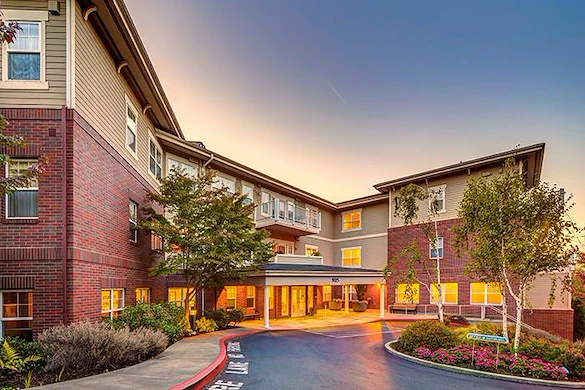 3.9Premium+
Covenant Living at the Shores
9150 Fortuna Drive Mercer Island, WA 98040
Independent LivingAssisted LivingMemory CareLife Plan Community/CCRC -
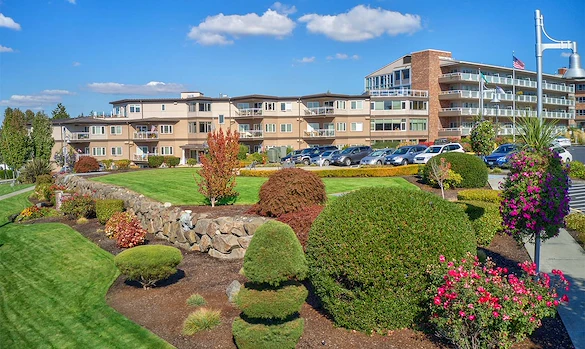 4.1Premium
Judson Park Senior Living
23600 Marine View Dr South Des Moines, WA 98198
Independent LivingAssisted LivingMemory CareLife Plan Community/CCRC -
 4.8Premium
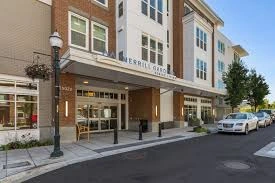
Merrill Gardens at Burien
15020 5th Ave SW Burien, WA 98166
Independent LivingAssisted LivingMemory Care -
 4.6Premium
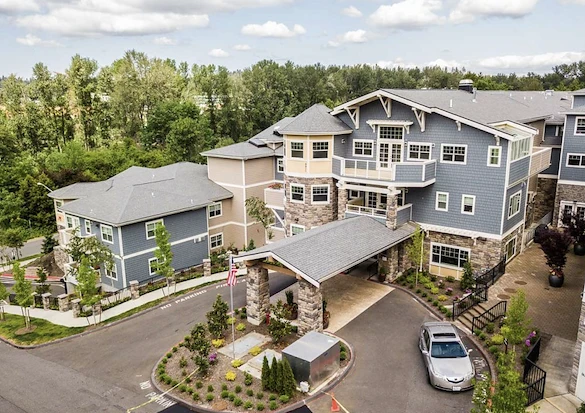
Chateau Bothell Landing
17543 102nd Ave NE Bothell, WA 98072
Independent LivingAssisted LivingMemory CareRespite Care -
-
 4.6Verified
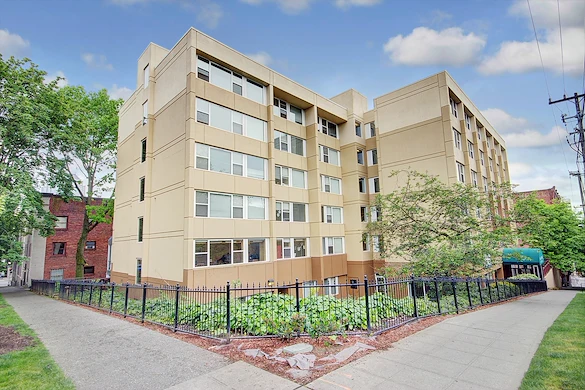
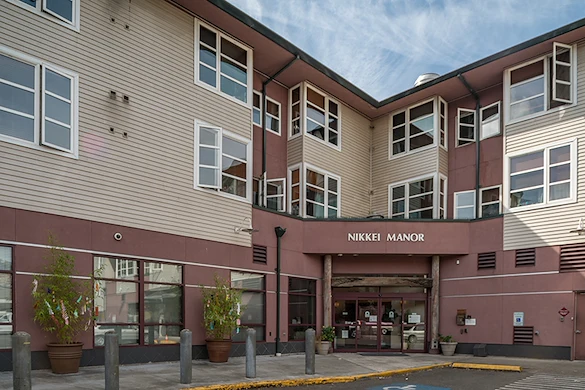
Union Grand a Vineyard Park Community
1421 Minor Avenue Seattle, WA 98101
Independent LivingAssisted LivingMemory Care -
-
 4.3
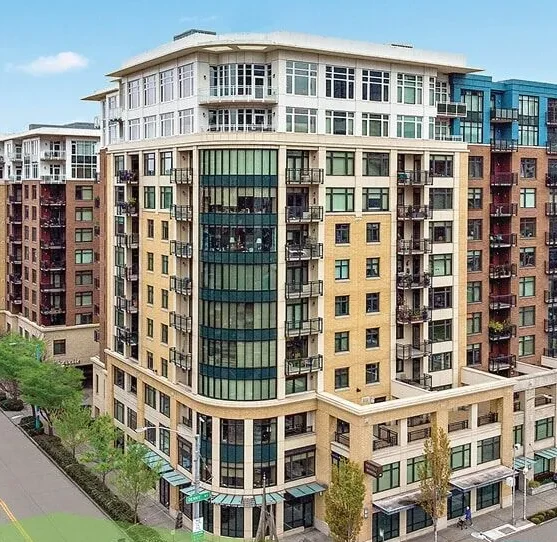
4.3Mirabella Seattle
116 Fairview Avenue North Seattle, WA 98109
Independent LivingAssisted LivingLife Plan Community/CCRC -
 4.3Verified
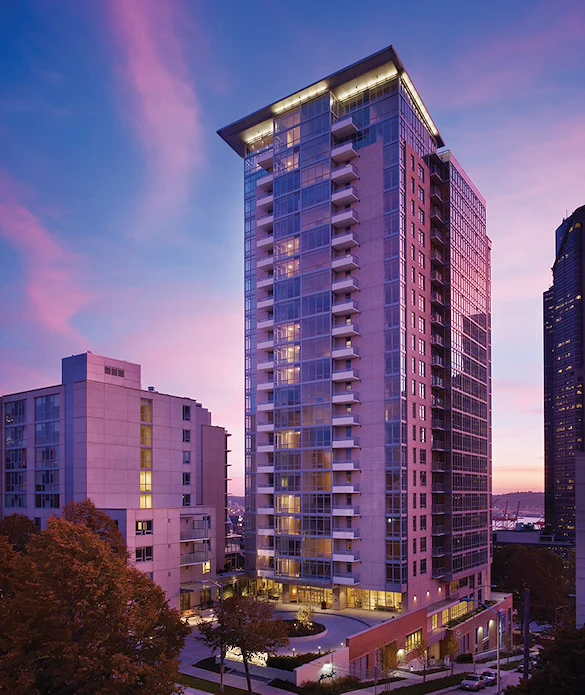
Skyline
725 9th Avenue Seattle, WA 98104
Independent LivingAssisted LivingMemory Care


Cost of Assisted Living in Washington
Several factors affect assisted living costs in Washington. Location plays a major role, with urban centers generally charging higher rates than rural areas. The type of facility also matters: luxury communities with upscale amenities typically cost more than budget-friendly options. The level of care required—particularly for residents needing memory care or personalized support—can significantly increase monthly fees. Additionally, private apartments or larger living spaces are more expensive than shared accommodations.
Families can offset these costs through a variety of financial assistance programs. Washington’s Medicaid program, known as Apple Health, provides long-term care benefits for eligible seniors. Veterans and their spouses may qualify for the Aid and Attendance pension, which helps cover assisted living expenses. State-specific programs, including the Community Options Program Entry System (COPES), offer additional support for those who meet eligibility requirements. Understanding these options can make planning for senior care more manageable.
By considering location, facility type, and available financial aid, families can find assisted living communities in Washington that meet their loved one’s needs, lifestyle preferences, and budget.
What to Know About Assisted Living in Washington
Washington Medicaid may help pay for care services provided in assisted living through programs like COPES, but it typically does not cover room and board. Eligibility depends on income, assets, and care needs.
No. Medicare does not pay for assisted living, including room, meals, or personal care services.
A major drawback is cost, especially since assisted living is usually private pay and not fully covered by Medicare or Medicaid.
Yes. Assisted living typically includes housing plus care services, while supported living often refers to community-based housing with individualized support services, sometimes funded through Medicaid programs.
Independent Living in Washington
Independent living in Washington provides seniors with a supportive, maintenance-free environment while allowing them to enjoy autonomy and an active lifestyle. These communities are designed for older adults who are generally healthy and do not require daily medical assistance but want the convenience of a community that handles chores like housekeeping, meal preparation, and maintenance. Independent living is ideal for seniors looking to downsize, simplify daily life, and remain socially engaged while preserving their independence.
Washington offers a wide variety of independent living options, ranging from upscale, amenity-rich communities to more budget-friendly residences. Many communities feature on-site dining, fitness centers, organized social events, transportation services, and recreational facilities such as swimming pools, golf courses, and walking trails. These amenities encourage physical activity, mental stimulation, and social connection, helping seniors maintain a high quality of life. Some communities also offer optional services like wellness programs, concierge support, and transportation to local healthcare providers, giving residents flexibility and peace of mind.
The state’s unique climate and geography add to the appeal of independent living in Washington. Seniors can enjoy mild coastal weather in cities like Seattle and Olympia or experience the sunny, warmer climate of eastern Washington in Spokane and Walla Walla. Outdoor enthusiasts benefit from access to hiking trails, parks, lakes, and cultural attractions, including museums, theaters, and music venues, which make staying active and engaged easy. Communities often host group outings and classes, connecting residents with the best the state has to offer.
Washington also has several retirement-friendly cities known for their amenities, walkability, and access to healthcare. Seattle and Tacoma provide urban conveniences, cultural events, and excellent medical facilities. Smaller cities like Spokane, Vancouver, and Bellingham offer more affordable options without sacrificing quality of life, making independent living accessible to a range of budgets.
Choosing independent living in Washington allows seniors to enjoy a vibrant, social, and maintenance-free lifestyle while staying close to family, healthcare, and local amenities. With a variety of communities tailored to different interests and budgets, seniors can find a living arrangement that supports both independence and an engaging, fulfilling retirement experience.
Top Independent Living Communities in Washington
View All Providers-
3.9Premium+
Covenant Living at the Shores
9150 Fortuna Drive Mercer Island, WA 98040
Independent LivingAssisted LivingMemory CareLife Plan Community/CCRC -
4.8Premium
Merrill Gardens at Burien
15020 5th Ave SW Burien, WA 98166
Independent LivingAssisted LivingMemory Care -
4.1Premium
Judson Park Senior Living
23600 Marine View Dr South Des Moines, WA 98198
Independent LivingAssisted LivingMemory CareLife Plan Community/CCRC -
4.6Premium
Chateau Bothell Landing
17543 102nd Ave NE Bothell, WA 98072
Independent LivingAssisted LivingMemory CareRespite Care -
-
 4.7Verified
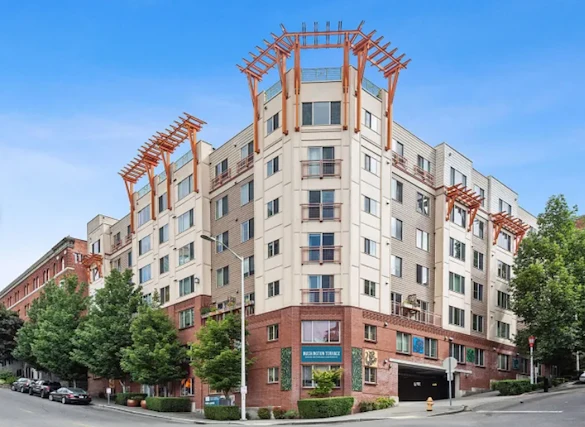
Washington Terrace
120 6th Ave S Seattle, WA 98104
Independent LivingLow Income / Affordable -
4.6Verified
Union Grand a Vineyard Park Community
1421 Minor Avenue Seattle, WA 98101
Independent LivingAssisted LivingMemory Care -
4.3
Mirabella Seattle
116 Fairview Avenue North Seattle, WA 98109
Independent LivingAssisted LivingLife Plan Community/CCRC -
4.3Verified
Skyline
725 9th Avenue Seattle, WA 98104
Independent LivingAssisted LivingMemory Care

Cost of Independent Living in Washington
Independent living communities in Washington typically include housing, meal plans, housekeeping, maintenance, utilities, and access to community amenities such as fitness centers, social activities, and transportation services. Some communities also offer optional programs like wellness activities or concierge support. The specific combination of services can significantly affect monthly fees, so families should carefully review what each community provides when comparing options.
Several factors contribute to cost differences. Urban locations generally come with higher living expenses, and facilities that offer luxury amenities or specialized services often charge more. Unit size also affects pricing, with larger or private apartments costing more than smaller or shared spaces. Communities that provide additional services, such as organized outings or enhanced wellness programs, may also have higher fees.
While independent living is typically private pay, financial assistance may be available. Eligible veterans and their spouses can access Aid and Attendance benefits to offset costs, and some long-term care insurance policies may cover specific services. Additionally, certain state and local programs may provide financial support depending on eligibility. By considering location, community features, and potential assistance, families can make informed decisions about independent living in Washington and ensure their loved ones enjoy a comfortable, active, and engaged lifestyle.
What to Know About Independent Living in Washington
Independent living in Washington generally refers to private-pay senior housing communities (often 55+ or 62+) designed for older adults who do not need daily personal care.
Independent living in Washington typically costs $3,000–$4,500 per month, depending on location and amenities.
Residents usually must meet an age requirement (55+ or 62+) and be able to live safely without daily personal or medical assistance.
Home Care in Washington
Non-medical home care in Washington provides seniors with the assistance they need to live safely and comfortably in their own homes while maintaining independence. Unlike skilled nursing or medical care, non-medical home care focuses on daily living support rather than medical treatment. This type of care is ideal for older adults who need help with routine tasks but do not require continuous medical supervision, allowing them to remain in familiar surroundings and maintain a sense of autonomy.
Common services offered through non-medical home care include personal care, such as bathing, grooming, dressing, and mobility support. Caregivers also assist with household tasks like meal preparation, laundry, light cleaning, and grocery shopping. Companionship is another key component, helping seniors combat loneliness through conversation, shared activities, and social engagement. Many agencies provide transportation to medical appointments, errands, and community events, enabling seniors to remain active and connected to their communities.
In Washington, home care agencies must meet specific state licensing requirements. Agencies are licensed through the Department of Health and are expected to comply with regulations regarding caregiver training, background checks, and service standards. Caregivers typically receive training in safety protocols, infection control, and proper assistance techniques to ensure high-quality care. Families should verify that any agency they consider is properly licensed and has a strong track record of providing reliable, compassionate support.
Availability of non-medical home care in Washington can vary depending on location. Urban areas like Seattle, Tacoma, and Spokane tend to have more agency options and shorter wait times, while rural communities may have fewer providers, making early planning essential. Cost can also vary based on location, hours of service, and specialized care needs. Many families explore options such as long-term care insurance, veterans benefits, and state assistance programs to help offset expenses.
Non-medical home care in Washington offers a flexible, personalized approach to senior support, allowing older adults to remain at home with dignity and independence. By understanding the types of services available, verifying agency licensing, and exploring financial resources, families can make informed decisions that ensure their loved ones receive safe, compassionate care tailored to their needs.
Top Home Care in Washington
View All Providers-
 4.9Verified
Home Instead - Seattle
3221 Eastlake Ave E, Ste 120 Seattle, WA 98102
Home Care (Non-Medical) -

-
 5.0Verified
SYNERGY HomeCare of Seattle
9131 California Ave SW, Ste 2 Seattle, WA 98136
Home Care (Non-Medical) -
 5.0Verified
Home Helpers Home Care of Kirkland
11900 NE 1st St Suite 300 Bellevue, WA 98005
Home Care (Non-Medical)


Cost of Home Care Non-Medical in Washington
Several factors influence pricing. The number of care hours needed is a key driver—many families require around 44 hours of weekly support, which can add up to more than $5,700 per month even at moderate hourly rates. The type of provider also matters: agency-based caregivers generally charge more than privately hired caregivers, since agencies cover administrative, training, and overhead expenses. On the other hand, private caregivers may be more affordable and flexible but usually require careful vetting and management. The level of care is another factor—basic companionship or homemaking (light housekeeping, errands, transportation) tends to be less costly than specialized support such as dementia care.
Fortunately, families in Washington have several options to help manage these expenses. Medicaid (Apple Health) may cover non-medical home care for eligible seniors, depending on financial and functional need. Beginning in 2026, the WA Cares Fund—a state-specific long-term care insurance program funded through payroll contributions—will offer qualifying residents benefits to help pay for services like in-home care. In addition, veterans’ benefits and private long-term care insurance policies may provide further financial relief for those who qualify.
Understanding how geography, care type, and funding options influence costs can help families make informed decisions and plan ahead for non-medical home care in Washington.
What to Know About Non Medical Home Care in Washington
Through Washington Medicaid’s Consumer Directed Employer (CDE) program, eligible family caregivers may earn $19–$22 per hour, depending on location and program guidelines.
Non-medical home care is typically paid for out of pocket, through long-term care insurance, or via certain Medicaid programs for eligible individuals.
Seniors who need help with daily activities and meet medical and financial eligibility requirements may qualify for home care through Washington Medicaid programs.
Home care in Washington averages $35–$40 per hour, reflecting higher labor costs in the state.
Long-Term Care/Skilled Nursing in Washington
Skilled nursing facilities in Washington provide seniors with round-the-clock medical supervision, rehabilitation therapies, and daily living assistance in a safe and structured environment. Unlike assisted living or non-medical home care, skilled nursing is designed for individuals with chronic illnesses, complex health conditions, or those recovering from surgery or hospitalization who require a higher level of care. These facilities ensure that residents receive ongoing medical attention while also supporting their physical, emotional, and social needs.
Services offered in Washington for skilled nursing facilities are extensive and tailored to meet individual needs. Residents benefit from 24-hour access to licensed nurses, medication administration, wound care, and monitoring of chronic conditions. Rehabilitation programs, such as physical, occupational, and speech therapy, help seniors regain strength, mobility, and independence following an illness or injury. Many facilities also provide specialized memory care for residents with Alzheimer’s disease or dementia, along with post-surgical recovery programs designed to support safe transitions back to long-term living.
In Washington, skilled nursing facilities are closely regulated to ensure safety and quality. The Washington State Department of Social and Health Services (DSHS) oversees licensing and compliance, while the Department of Health enforces standards for patient care, staffing, and facility operations. State law, outlined in the Revised Code of Washington (RCW 74.42.360), sets minimum requirements for direct care hours per resident, ensuring that seniors receive consistent attention from qualified staff. Facilities must also undergo regular inspections and report compliance with infection control, safety procedures, and resident rights protections.
When selecting a skilled nursing facility in Washington, families should carefully evaluate factors such as the quality of medical care, the range of services offered, and the qualifications of staff. Visiting facilities in person, speaking with staff and residents, and reviewing inspection reports and ratings from the Centers for Medicare & Medicaid Services (CMS) can provide valuable insights. Families may also want to consider location, amenities, and whether the facility offers specialized programs for conditions like dementia or rehabilitation needs.
Long-term skilled nursing care in Washington provides seniors with comprehensive support, combining medical expertise with compassionate assistance. By understanding state regulations, available services, and evaluation tools, families can make confident decisions to ensure their loved ones receive safe, personalized care in a nurturing environment.
Top Long-Term Care/Skilled Nursing in Washington
View All Providers-
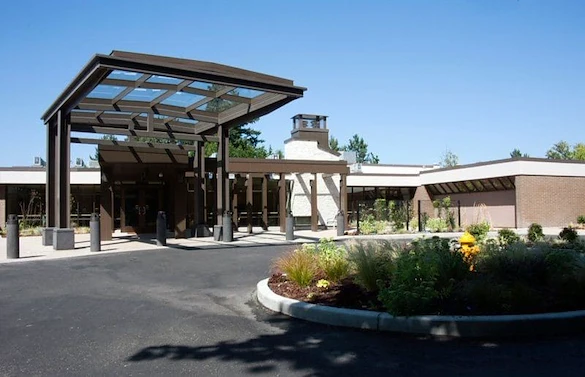 3.0Verified
Caroline Kline Galland Home
7500 Seward Park Avenue South Seattle, WA 98118
Long-Term Care / Skilled NursingSkilled Rehabilitation -
 3.0Verified
Bailey-Boushay House
2720 East Madison Seattle, WA 98112
Long-Term Care / Skilled NursingSkilled Rehabilitation -
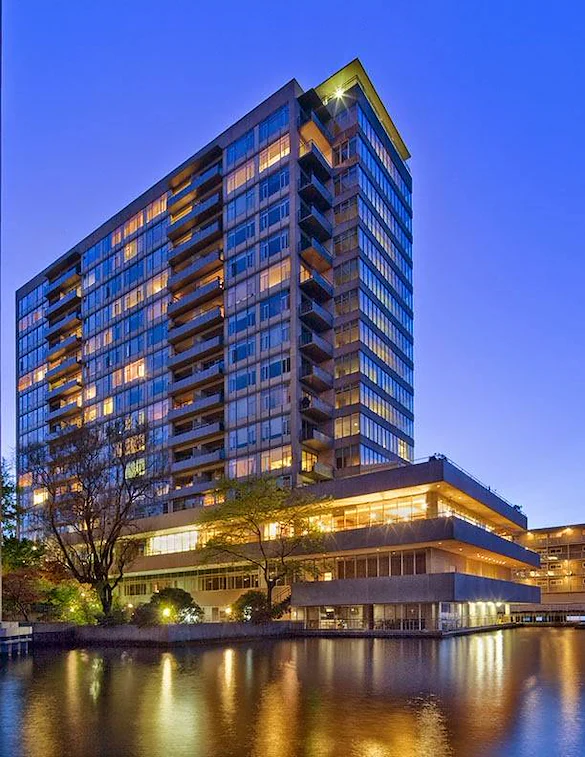 4.0Verified
Parkshore Health Services
1630 43rd Avenue East Seattle, WA 98112
Long-Term Care / Skilled NursingSkilled Rehabilitation -
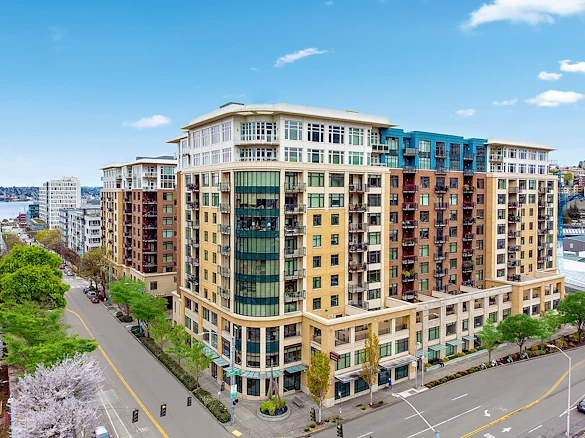 5.0Verified
Mirabella Seattle Health Center
116 Fairview Avenue N Seattle, WA 98109
Long-Term Care / Skilled NursingSkilled Rehabilitation


Cost of Nursing Homes in Washington
Cost differences across Washington can be considerable, with urban areas such as Seattle and Olympia typically reaching the higher end of the price spectrum. In contrast, smaller cities like Mount Vernon may offer more moderate rates, approximately $4,563 per month for semi-private rooms—though these figures vary depending on services offered.
Several key factors influence these costs. The type of room, private versus semi-private, affects pricing significantly, with private accommodations commanding 10% to 15% higher fees. Facilities providing specialized medical services, like memory care, therapy programs, or post-surgical recovery, cost more due to the higher staffing levels and expertise required. Amenities, facility reputation, location, and operational challenges, such as staffing shortages and wage pressures, also contribute to elevated costs.
Fortunately, several financial assistance options can help families manage these costs. Medicare may cover short-term skilled nursing stays—typically up to 100 days—if requirements are met, including a qualifying hospital stay. For longer-term coverage, Medicaid through Washington’s Apple Health program may assist those who meet eligibility criteria. Additional help may come from long-term care insurance, VA benefits, and state-funded programs tailored to seniors.
By understanding the cost ranges, regional differences, influencing factors, and available financial support, families can make better-informed decisions to ensure that their loved ones receive high-quality, skilled nursing care in Washington without compromising on resources.
What to Know About Nursing Homes in Washington
Nursing home care in Washington averages $9,800–$11,000 per month, depending on room type and location.
Medicare only pays for short-term skilled nursing care after a qualifying hospital stay, not long-term nursing home care.
Yes. Washington Medicaid covers nursing home care for eligible seniors who meet income, asset, and medical requirements.
If a senior qualifies financially and medically, Medicaid becomes the primary payer for long-term nursing home care.
Finding the Right Senior Care in Washington
Washington offers a comprehensive range of senior living and care options, including independent living, assisted living, in-home care, and skilled nursing facilities, allowing older adults to receive appropriate support as their needs change. While senior care costs in Washington are higher than the national average, the state provides robust Medicaid programs, strong caregiver support options, and well-regulated senior care providers. By understanding care costs, financial assistance programs, and regional differences across the state, families can confidently find quality senior care in Washington that promotes safety, independence, and long-term peace of mind.
Frequently Asked Questions About Senior Living in Washington
More affordable areas include Yakima, Spokane, Tri-Cities, and Wenatchee, where housing and care costs are lower than in western Washington.
Senior living costs in Washington range from $3,000 per month for independent living to over $10,500 per month for nursing home care, depending on services.
Downsides may include limited medical care on site and the possibility of needing to move again if health needs increase.
Senior housing rent in Washington typically ranges from $1,800 to $3,500 per month, depending on location and housing type.
Frequently Asked Questions About Senior Care in Washington
Private caregivers in Washington often cost $35–$45 per hour, depending on experience and scheduling.
Washington has strong elder protections under state law, including mandatory reporting of abuse, neglect, and exploitation, enforced through DSHS and Adult Protective Services.
Yes. Washington Medicaid offers in-home care programs such as COPES and HCS for eligible seniors.
No. Medicare does not pay for assisted living in Washington or any other state.