
Senior Living Facts for Florida
Florida has long been a top destination for seniors and families seeking a vibrant, welcoming environment for retirement and aging in place. Known for its warm, sunny climate, the Sunshine State offers mild winters and plenty of outdoor opportunities, making it ideal for older adults who want to enjoy an active lifestyle year-round. From pristine beaches and scenic nature parks to world-class golf courses and walking trails, Florida provides abundant ways for seniors to stay healthy and engaged in their communities.
Fast Facts
Senior Living & Care in Florida
| #2 | most populated state in the U.S. |
| $4,500 | average monthly assisted living cost in Florida |
| 8,000+ | assisted living communities and care providers across Florida |
| 4.6M+ | Floridians age 65+ |
The state is home to numerous senior-friendly communities designed with the needs of older adults in mind. Many feature maintenance-free homes, social clubs, and amenities that promote wellness and social interaction. Florida’s diverse cities—from the cultural richness of Miami to the historic charm of St. Augustine and the relaxed pace of Sarasota—offer a range of lifestyles to suit retirees’ preferences. Whether seeking bustling urban centers or quiet coastal towns, seniors can find communities that fit their ideal pace of life.
Healthcare options in Florida are extensive and highly regarded. The state boasts some of the nation’s top hospitals and specialized medical centers focused on geriatric care, memory support, and rehabilitation services. Many assisted living facilities and nursing homes are located near these healthcare hubs, providing residents with easy access to quality medical care. For families researching senior care, Florida’s regulatory framework ensures that facilities meet state licensing requirements and quality standards, offering peace of mind.
Cost of living in Florida is generally more affordable compared to other popular retirement states, particularly in terms of taxes. Florida has no state income tax, which is especially beneficial for seniors living on fixed incomes. While housing costs vary by region, many affordable options exist, especially in less urbanized areas. This affordability, combined with the high quality of life and abundant resources, makes Florida an attractive choice for aging adults.
Overall, Florida’s blend of warm weather, vibrant senior communities, rich cultural offerings, and excellent healthcare creates an inviting environment for seniors and their families. Whether searching for assisted living, independent living, or home care options, families looking for senior care in Florida can expect a welcoming, supportive setting where older adults can thrive.
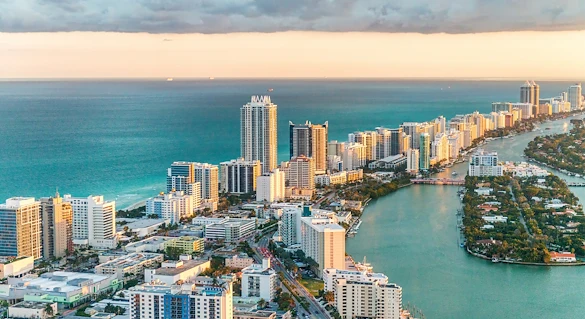
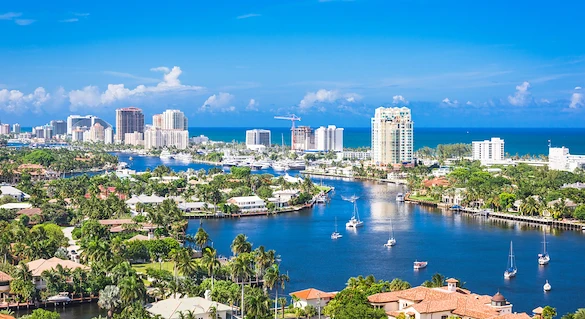
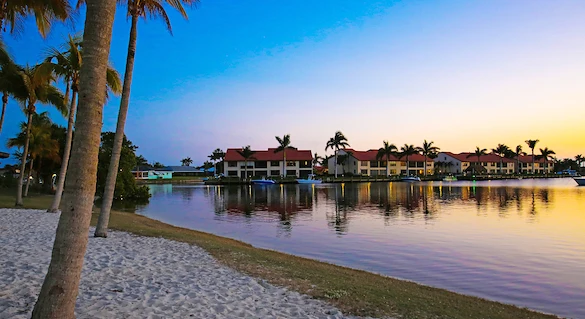
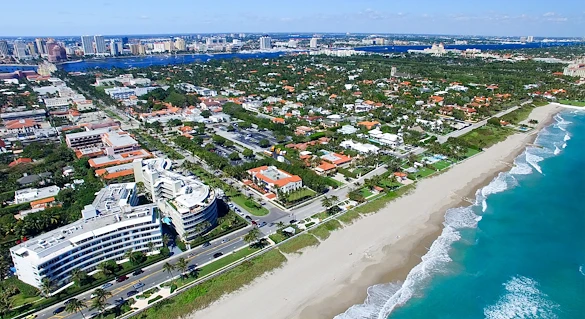
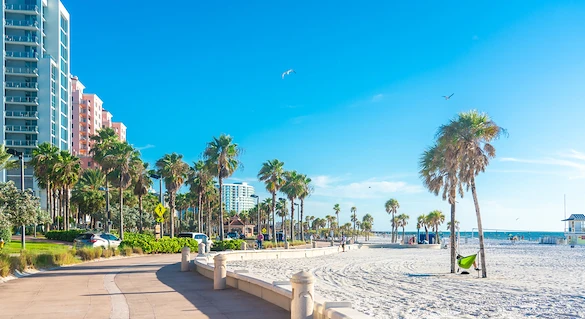
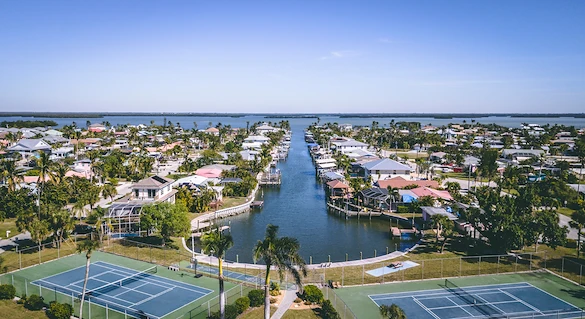
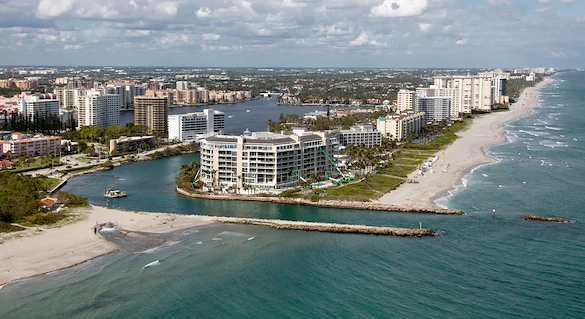
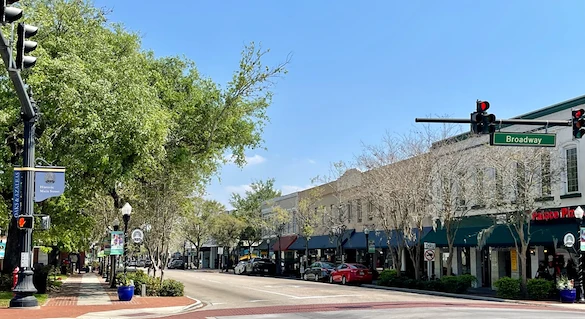
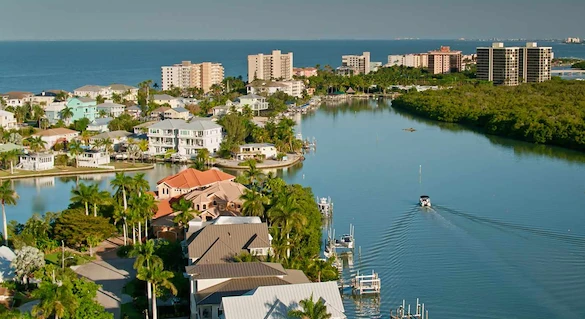
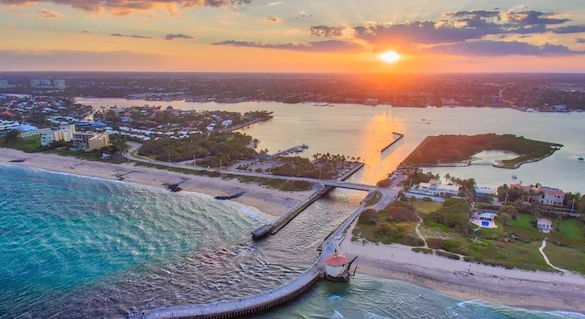
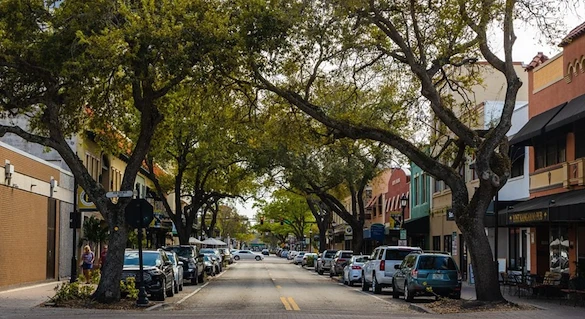
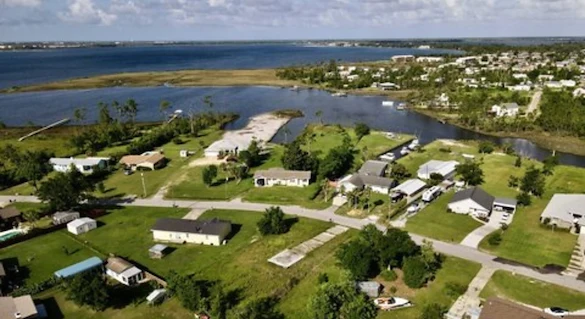
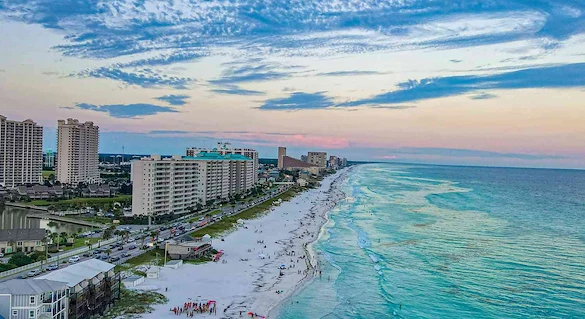
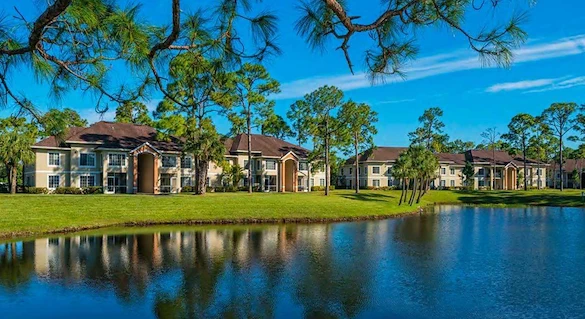
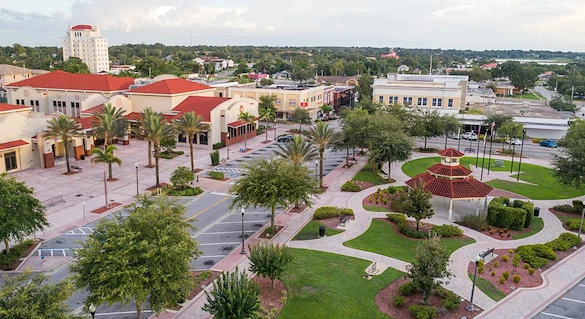
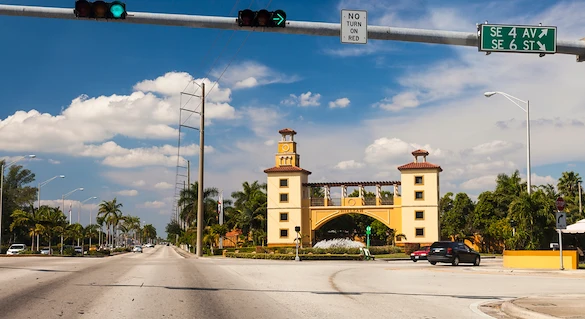
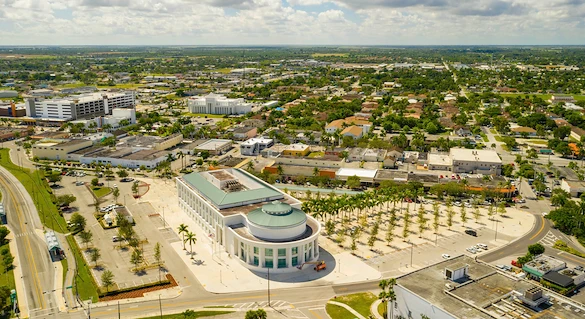
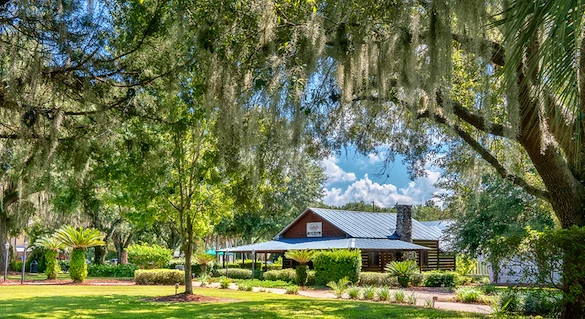
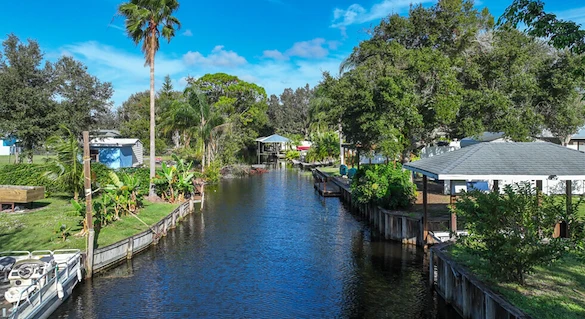
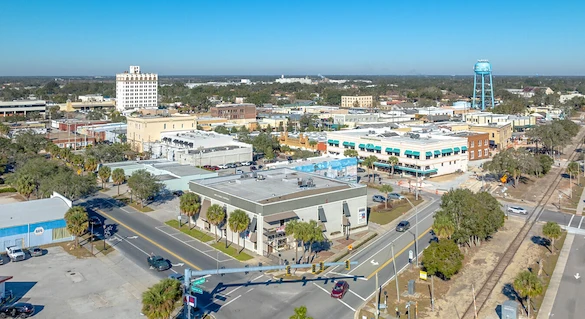
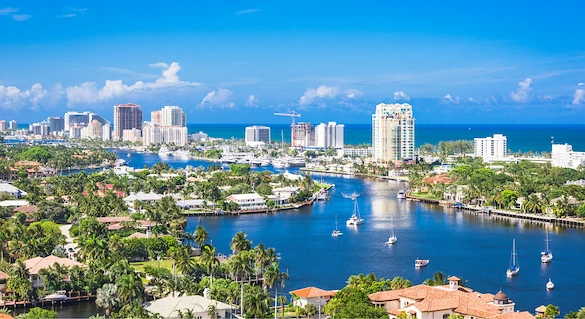
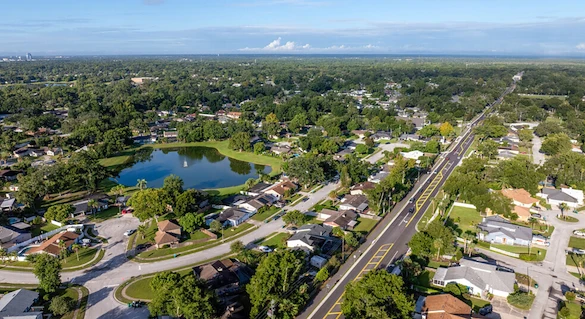
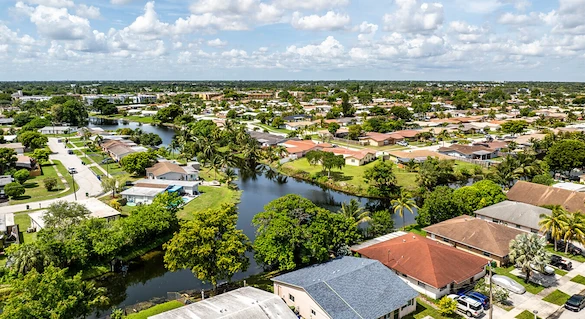
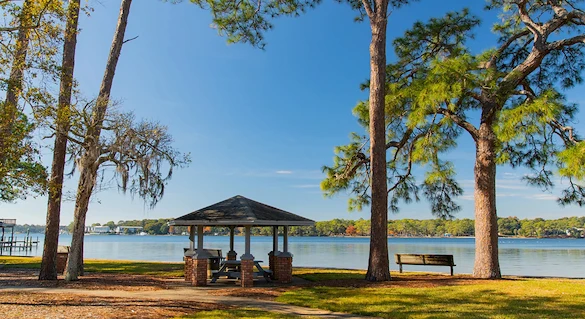
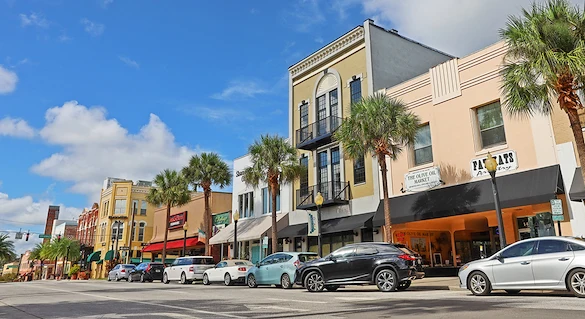
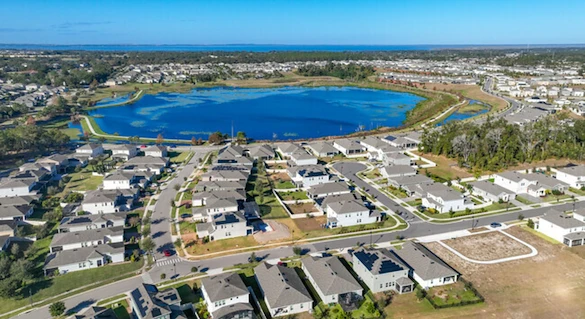
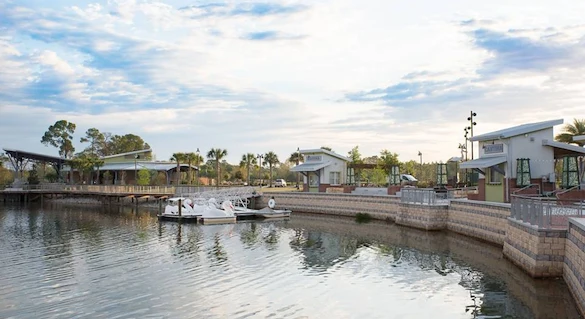
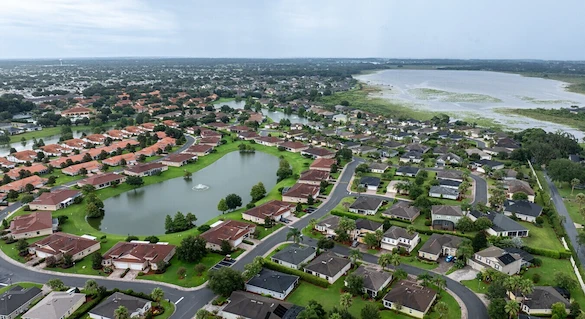
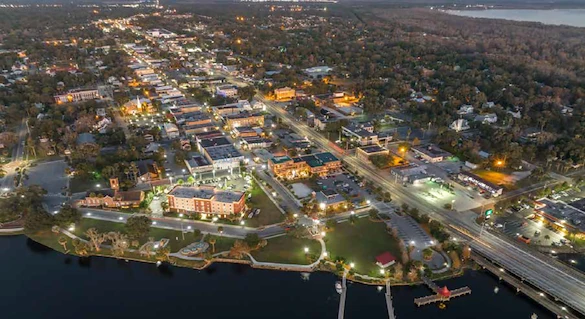
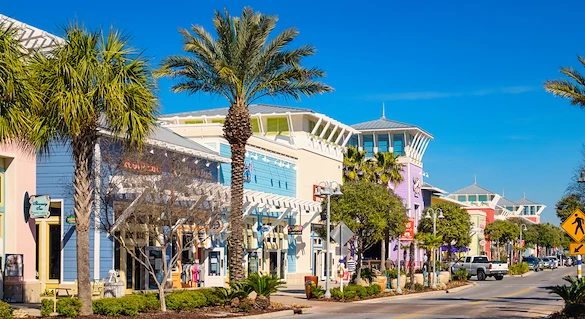
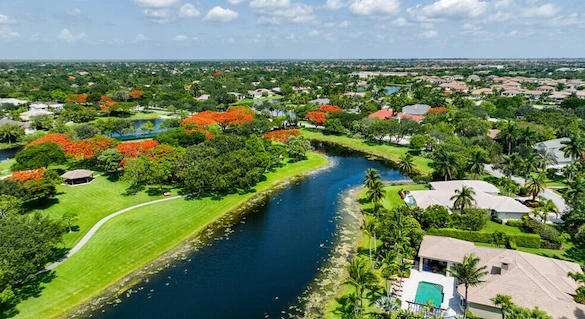
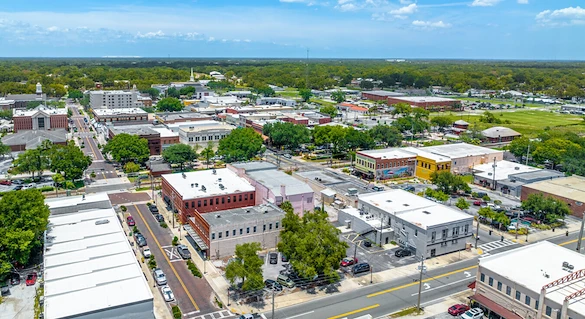
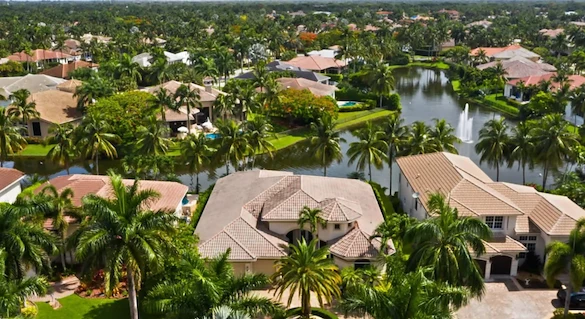
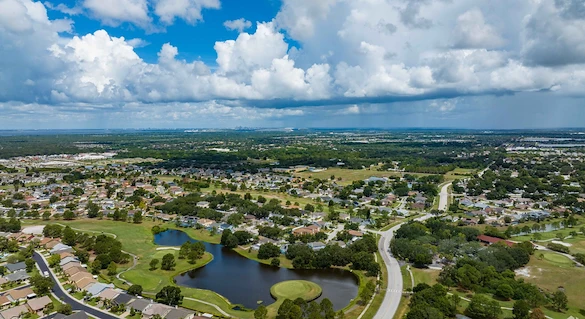
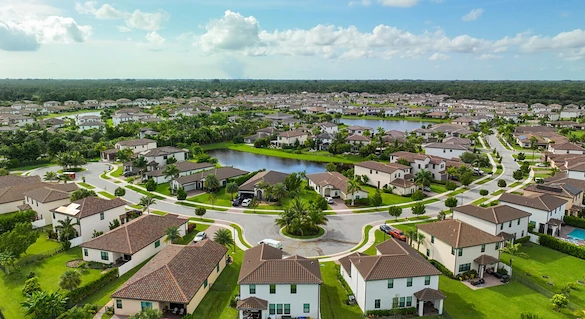
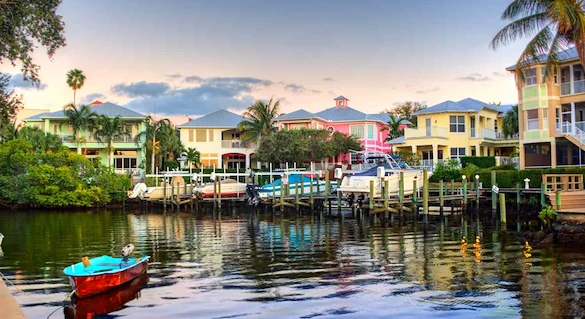
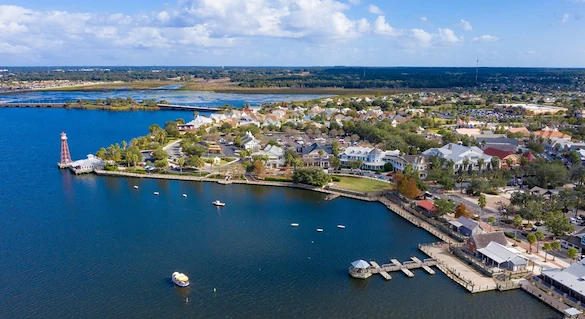
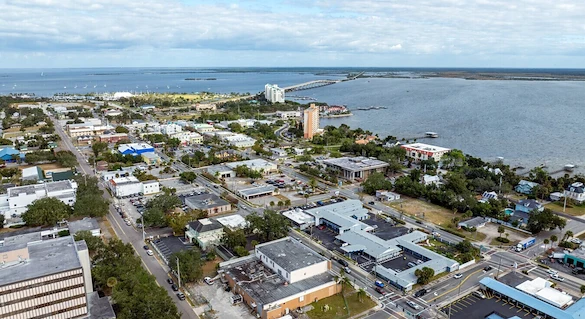
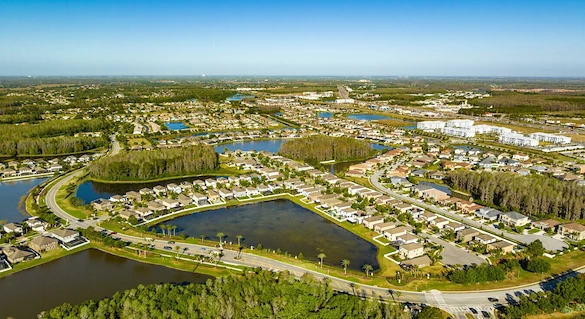
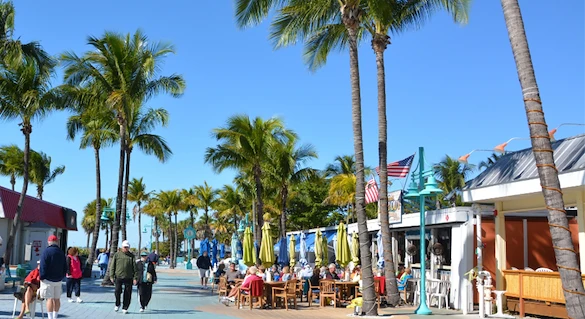
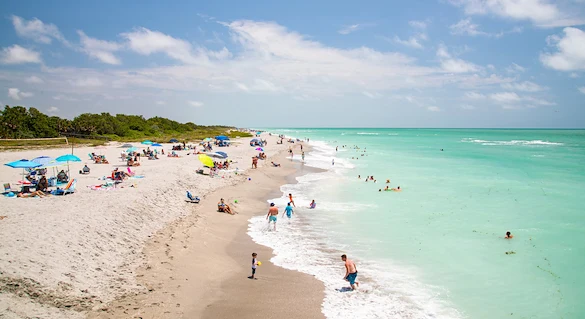
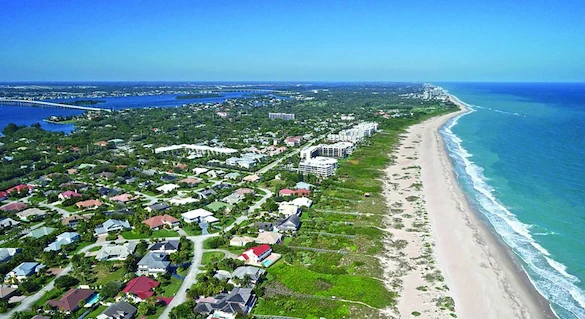
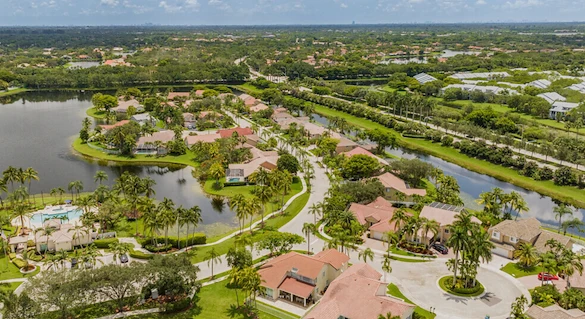
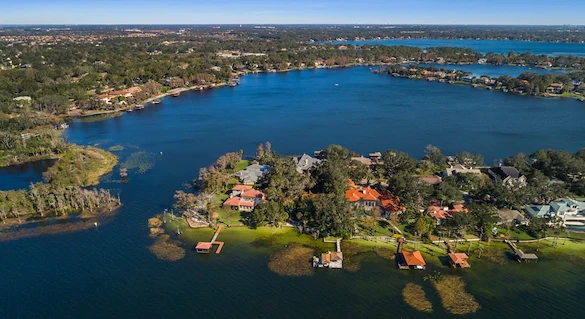
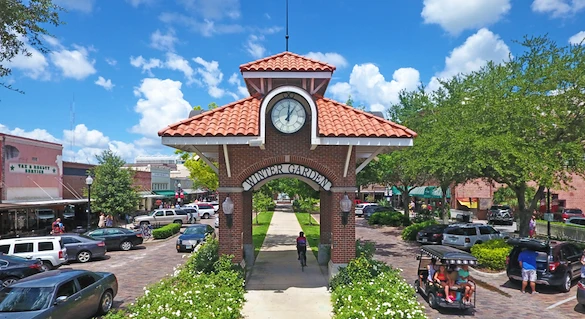
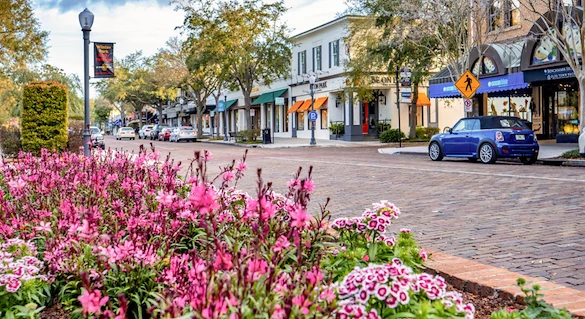
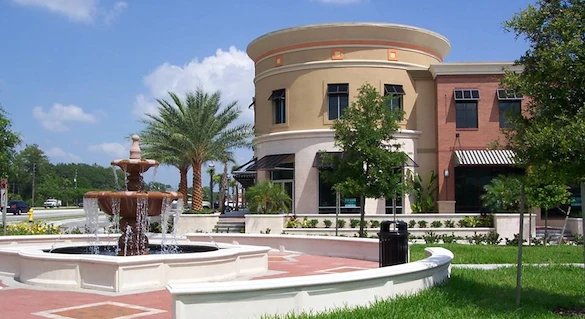
Cities in Florida for Senior Living and Care





































Assisted Living in Florida
Assisted living in Florida offers seniors a supportive and comfortable environment designed to help with daily activities while promoting independence and social engagement. Assisted living communities provide essential services such as help with bathing, dressing, meal preparation, medication management, and transportation. These communities also emphasize social activities and wellness programs that encourage residents to stay active and connected. Florida’s assisted living facilities cater to a wide range of needs, from those seeking minimal assistance to residents who require memory care for conditions like Alzheimer’s and dementia.
Florida has specific licensing requirements overseen by the Agency for Health Care Administration (AHCA). Assisted living communities must comply with state regulations to ensure safety, quality care, and residents’ rights. This includes meeting standards for staff training, medication administration, emergency preparedness, and maintaining clean and safe living environments. The state regularly inspects facilities to uphold these quality standards, providing families with access to inspection reports to help them evaluate potential communities.
The variety of assisted living options in Florida reflects its diverse senior population. Families can find everything from luxury resorts with upscale amenities like swimming pools, gourmet dining, and spa services, to budget-friendly communities offering essential care without extra frills. Memory care-focused communities provide specialized programming and secure environments designed to support individuals with cognitive impairments.
When evaluating assisted living options in Florida, families should consider factors such as the level of care provided, staff-to-resident ratios, community culture, and proximity to family members. Visiting multiple communities, asking about care plans, and reviewing state inspection reports can help families make informed decisions. Additionally, many Florida communities offer flexible pricing and financial assistance programs to help manage costs.
Overall, assisted living in Florida balances quality care with a vibrant lifestyle, making it an attractive choice for seniors and their families seeking compassionate support in a warm and welcoming setting.
Best Assisted Living Communities in Florida
View All Providers-
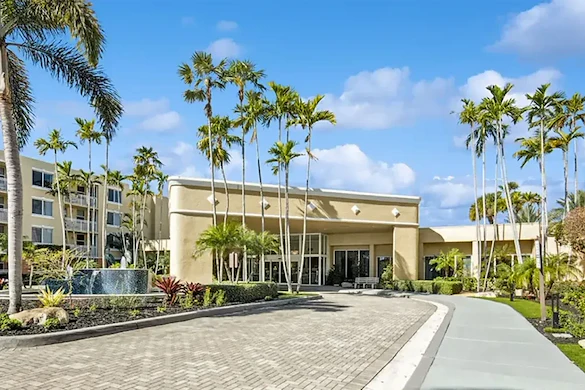 4.5Premium
The Terraces at Hollywood
2480 North Park Road Hollywood, FL 33021
Independent LivingAssisted LivingMemory Care -
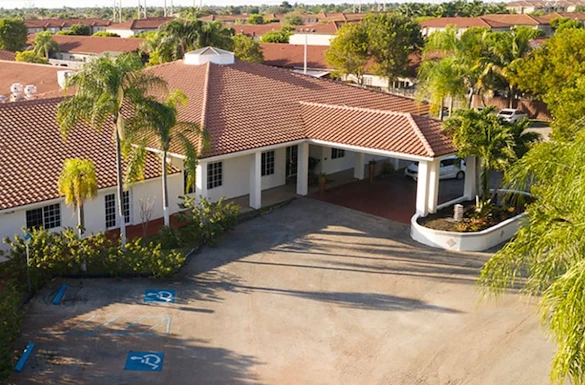
-
 4.9Verified
Arbor Terrace Cooper City
2580 Pine Island Rd Cooper City, FL 33024
Assisted LivingMemory Care -
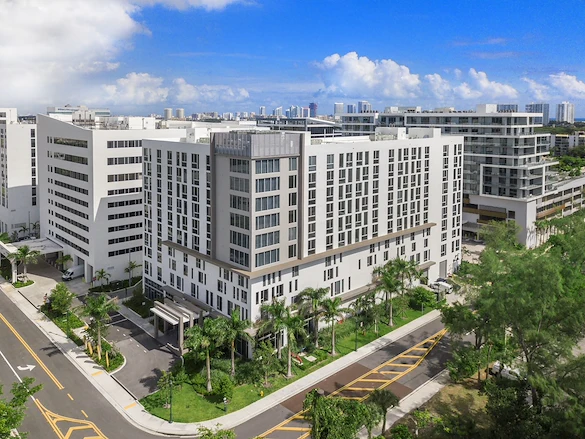 4.9Verified
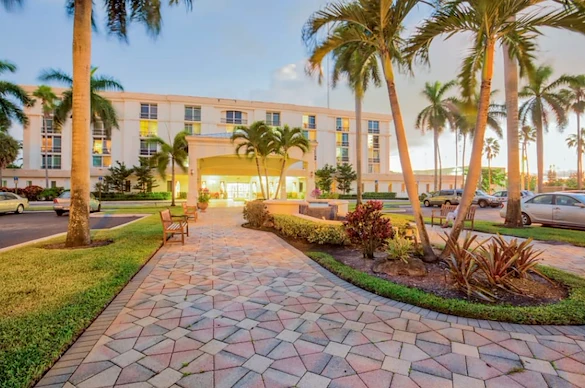
The Barclay at ParkSquare
2940 NE 207th St. Aventura, FL 33180
Independent LivingAssisted LivingMemory Care -
-
 4.5Verified
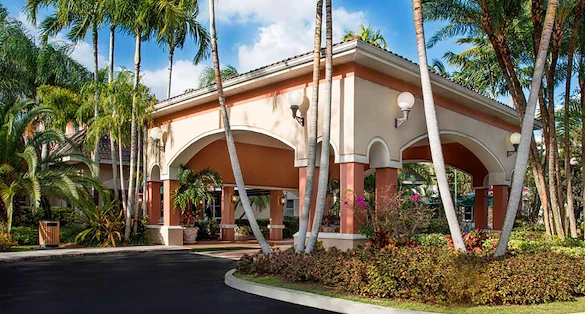
The Peninsula Assisted Living & Memory Care
5100 W Hallandale Beach Blvd Hollywood, FL 33023
Assisted LivingMemory Care


Cost of Assisted Living in Florida
In Florida, assisted living facilities are regulated by the Agency for Health Care Administration (AHCA), which sets licensing requirements and quality standards to ensure the safety and well-being of residents. These standards include staff training, medication management, and emergency preparedness. Facilities are also subject to regular inspections to maintain compliance with state regulations.
The cost of assisted living in Florida is influenced by various factors, including the type of community (luxury, budget-friendly, memory care-focused), location, and the level of care provided. For example, areas with higher living costs, such as Miami and Orlando, tend to have higher assisted living expenses. Conversely, regions like Punta Gorda and Ocala offer more affordable options.
Paying for Senior Care
Financial assistance for assisted living in Florida is available through several programs. The Statewide Medicaid Managed Care Long-Term Care (SMMC-LTC) program provides support for eligible seniors, covering services like personal care and nursing services. However, it does not cover room and board costs. Eligibility typically requires a monthly income of $2,523 or less and assets valued at $2,000 or less.
Veterans and their spouses may qualify for the VA Aid and Attendance Pension, which offers additional financial support for assisted living expenses. Eligibility requires serving at least 90 days of active duty with at least one day during wartime. This benefit can help offset some of the costs associated with assisted living.
When evaluating assisted living options, families should consider factors such as the level of care needed, location, amenities, and the quality of care provided. It's also important to inquire about the facility's licensing status and to review inspection reports to ensure compliance with state regulations.
In summary, while the cost of assisted living in Florida can vary, financial assistance programs are available to help eligible seniors manage expenses. By carefully considering individual needs and available resources, families can find a suitable assisted living option that provides quality care and meets financial considerations.
What to Know About Assisted Living in Florida
The average cost of assisted living in Florida is typically around $4,500 per month, but pricing varies depending on the city, apartment size, and level of care needed. Communities in major metro areas or near the coast may be more expensive, while smaller towns and inland regions may offer more affordable options.
Keep in mind that assisted living costs may increase if a resident needs additional care services like medication management, mobility support, or memory care.
Assisted living requirements in Florida generally depend on whether a person needs help with activities of daily living (ADLs) but does not require full-time skilled nursing care. Most communities complete an assessment to confirm the resident can be safely supported in an assisted living setting.
Assisted living is often a good fit for seniors who may need help with:
-
Bathing, dressing, grooming, or toileting
-
Medication reminders or medication management
-
Mobility support and fall prevention
-
Meals, housekeeping, and laundry
-
Transportation and daily routines
Each assisted living community may have its own guidelines, so it’s helpful to compare communities and ask about admission criteria.
Florida may help pay for some assisted living services for qualifying seniors through Medicaid-related programs. While these programs may help cover certain care services, they typically do not pay for all costs (such as full room and board) the same way private pay does.
Eligibility and coverage can vary based on income, care needs, and program availability, so families often explore multiple options and confirm what support is available locally.
Medicare does not typically cover assisted living in Florida because assisted living is considered a residential and personal care service—not medical care. That said, Medicare may still help cover healthcare services a resident receives separately, such as doctor visits, hospital care, outpatient therapy, and prescriptions (depending on the plan).
If you’re comparing care options, it can help to explore alternatives such as long-term care insurance, Medicaid programs, or veteran benefits (if applicable).
Independent Living in Florida
Independent living communities in Florida offer a vibrant and supportive environment designed for seniors who want to maintain their independence while enjoying the convenience of maintenance-free living. These communities typically provide private apartments or homes with services such as housekeeping, meal options, transportation, and access to recreational activities, allowing residents to focus on enjoying their retirement rather than managing household chores. For many seniors in Florida, independent living is an ideal choice because it balances freedom with a built-in social network and access to amenities that promote an active, healthy lifestyle.
Florida’s warm climate and sunny weather are major draws for retirees seeking an outdoor-friendly lifestyle year-round. Cities like Sarasota, Naples, and The Villages are especially popular for their senior-friendly communities, abundant cultural activities, golf courses, and easy access to beaches and nature preserves. These locations cater to active seniors who want to stay engaged with hobbies, fitness programs, and social clubs while living in a safe, welcoming environment. The state’s extensive network of retirement communities also often includes amenities such as fitness centers, swimming pools, organized events, and transportation services, all designed to enhance convenience and quality of life.
The cost of independent living in Florida can vary widely depending on the location and level of amenities offered. Many communities provide flexible options that include meals, housekeeping, and wellness programs as part of monthly fees. Seniors looking to move to Florida will find options ranging from budget-friendly communities to upscale resorts, making it possible to find a setting that fits their lifestyle and financial situation.
Additionally, Florida’s favorable tax environment, including no state income tax, makes it an attractive place for retirees to manage their finances more effectively. With a focus on wellness, social connection, and ease of living, independent living communities in Florida provide a compelling option for seniors who want to enjoy their golden years with comfort, security, and plenty of opportunities for recreation and connection.
Best Independent Living Communities in Florida
View All Providers-
4.5Premium
The Terraces at Hollywood
2480 North Park Road Hollywood, FL 33021
Independent LivingAssisted LivingMemory Care -
 4.9Verified
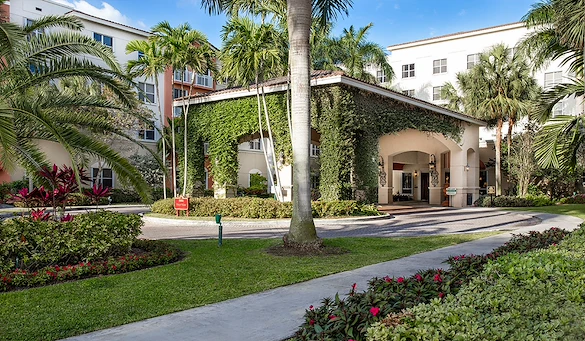
The Palace Suites
11377 SW 84th Street Miami, FL 33173
Active Adult LivingIndependent Living -
4.9Verified
The Barclay at ParkSquare
2940 NE 207th St. Aventura, FL 33180
Independent LivingAssisted LivingMemory Care -
 4.5Verified
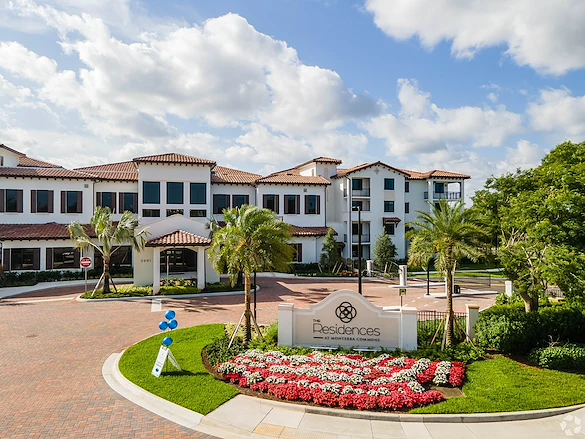
The Residences at Monterra Commons | 55+ Luxury Apartments
3991 NW 82nd Ave Cooper City, FL 33024
Active Adult LivingIndependent Living -
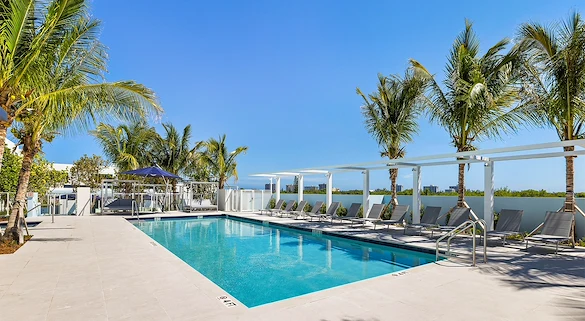 4.4
4.4Residences at Nomi
950 NE 124th Street North Miami, FL 33161
Active Adult LivingIndependent Living


Cost of Independent Living in Florida
Cost variation within Florida is notable. Regional differences are primarily driven by local real estate prices, community amenities, and demand. Higher-cost locations often offer more extensive services, larger floor plans, upscale dining options, fitness centers, transportation, concierge, and social programming.
The factors influencing pricing in Florida mirror national trends: location, unit size, and the range of amenities directly affect monthly costs. Coastal and high-demand urban centers typically command premiums. Floor plans with larger square footage or multiple bedrooms also increase costs. Communities offering resort‑style extras—such as pools, wellness centers, events, and concierge—tend to fall in the higher cost bracket.
Regarding financial assistance and affordability, independent living generally isn't covered by Medicaid or Medicare, as these programs focus on medical or long‑term care, not housing services. However, Florida seniors often fund independent living through a combination of personal savings, retirement income, home equity, and where eligible, veteran’s benefits. Some may also use life insurance policies or reverse mortgages to bridge funding gaps.
When comparing Florida to the national landscape, independent living costs are notably more affordable in many regions, especially outside major urban areas. This cost advantage, combined with Florida’s mild climate, robust senior services, and wealth of retirement‑oriented communities, helps explain why it remains a top search target for families evaluating senior living options in the Sunshine State.
What to Know About Independent Living in Florida
The average cost of independent living in Florida varies depending on location, apartment size, and amenities included. Independent living is often more affordable than assisted living because it generally does not include hands-on personal care.
Many communities include benefits like maintenance, utilities, meals, wellness programs, and events, so comparing what’s included in the monthly price can help you find the best value.
Independent living communities in Florida are generally considered housing communities, not healthcare facilities. Because of that, they are typically not regulated the same way assisted living facilities or nursing homes are.
However, independent living communities still often follow local housing, safety, and building requirements, and many have policies in place to support resident wellness and community standards. If you’re comparing options, it’s smart to ask about safety features, emergency procedures, and available support services.
The “80/20 rule” in Florida is often used when talking about age-restricted communities, including senior living and retirement neighborhoods. In simple terms, it typically refers to communities where most (or a large percentage) of households must include at least one resident who meets a minimum age requirement (commonly 55+), while allowing a smaller portion of residents to be under that age.
Rules can vary depending on the type of community and local policies, so it’s best to confirm the specific age requirements with the community you’re considering.
Home Care in Florida
Non-medical home care in Florida is an essential option for older adults who want to maintain independence while receiving help with everyday tasks. Unlike skilled nursing or medical home health services, non-medical home care focuses on providing support with daily living rather than clinical treatment. This type of care is especially valuable for seniors who may struggle with routine activities but prefer to stay in the comfort and familiarity of their own homes.
Common services provided through non-medical home care include personal care such as bathing, grooming, dressing, and toileting; meal preparation and eating assistance; light housekeeping like laundry, dishwashing, and vacuuming; transportation to doctor’s appointments, errands, or social events; and companionship to promote emotional well-being and reduce isolation. These services are tailored to support older adults in remaining safe, engaged, and as self-sufficient as possible in their own living spaces.
In Florida, non-medical home care agencies must be licensed through the Agency for Health Care Administration (AHCA). Providers may operate under classifications such as Home Health Agencies or Homemaker and Companion Services, depending on the level of assistance they offer. Licensing requirements include background checks for caregivers, specific training standards, and regular oversight to ensure compliance with state regulations. Families seeking care should verify a provider’s licensing status with the AHCA to ensure quality and safety.
Florida’s warm climate, retiree-friendly tax structure, and robust senior population have made it a leading state for in-home care services. However, access to care can vary by region. Metropolitan areas like Miami, Orlando, and Tampa typically have more provider options and caregiver availability, while rural areas may experience staffing shortages or limited choices. In recent years, demand for non-medical home care has risen across the state, as more seniors express a desire to age in place.
The average cost of non-medical home care in Florida ranges from $25 to $30 per hour, though this can fluctuate based on location and the intensity of care needed. While Medicare does not cover non-medical services, Florida residents may qualify for financial assistance through Medicaid waiver programs or Veterans Affairs benefits. For many families, non-medical home care offers a practical, compassionate solution that supports both independence and peace of mind.
Best Home Care Agencies in Florida
View All Providers-
4.5Premium
The Terraces at Hollywood
2480 North Park Road Hollywood, FL 33021
Independent LivingAssisted LivingMemory Care -
4.9Verified
The Palace Suites
11377 SW 84th Street Miami, FL 33173
Active Adult LivingIndependent Living -
4.9Verified
The Barclay at ParkSquare
2940 NE 207th St. Aventura, FL 33180
Independent LivingAssisted LivingMemory Care -
4.5Verified
The Residences at Monterra Commons | 55+ Luxury Apartments
3991 NW 82nd Ave Cooper City, FL 33024
Active Adult LivingIndependent Living -
4.4
Residences at Nomi
950 NE 124th Street North Miami, FL 33161
Active Adult LivingIndependent Living
Cost of Home Care Non-Medical in Florida
Several factors influence the overall cost of non-medical home care in Florida. One key consideration is the number of care hours required, as greater needs naturally increase total expenses. Another important factor is whether the caregiver is hired through an agency or privately. Agencies typically charge more per hour—sometimes including additional fees for administrative support, insurance, and backup staffing—but they provide more reliability, training, and compliance with state licensing requirements. Private caregivers often cost less, sometimes as low as $15 to $20 per hour, but come with less oversight, fewer protections, and potentially greater risks for families. The intensity of care also plays a role; basic companionship and light housekeeping fall at the lower end of the pricing scale, while personal care tasks such as assistance with bathing, dressing, or medication management usually command higher rates due to the increased skill and time required.
To help offset these costs, Florida offers several financial assistance programs. Medicaid’s Statewide Medicaid Managed Care Long-Term Care (SMMC LTC) program supports eligible seniors with home care services. The state also funds the Home Care for the Elderly (HCE) program, which provides aid to caregivers assisting seniors in their homes. Additionally, many seniors utilize long-term care insurance policies that may cover non-medical home care expenses, depending on the plan’s terms. Veterans and their families may qualify for further benefits through the U.S. Department of Veterans Affairs. By understanding these cost factors and available resources, families can better plan for quality, affordable care that helps their loved ones remain independent and comfortable at home.
What to Know About Non Medical Home Care in Florida
Free home health care in Florida is not always available, but some seniors may qualify for low-cost or no-cost support through assistance programs. Eligibility often depends on factors such as income, medical need, age, disability status, and insurance coverage.
Some families explore options like Medicaid-related services, local senior support programs, nonprofit resources, or veteran benefits (if applicable). Since programs can vary by county and availability, it’s helpful to review what’s offered in your area and compare care options based on your needs.
In Florida, some caregiving roles may not require a professional license—especially informal caregiving provided by a family member or friend. However, requirements can differ based on whether the caregiver is providing services through a home care agency, what tasks are being performed, and whether medical services are involved.
If you’re considering hiring help, it’s a good idea to ask a provider or agency what training, credentials, and background checks they require, and confirm what services can legally be provided.
A non-medical caregiver (also called a personal care aide or companion caregiver) provides help with daily living tasks and supportive care—but does not provide medical treatment. In Florida, non-medical caregivers may assist seniors with things like:
-
Companionship and emotional support
-
Meal preparation and light housekeeping
-
Transportation to appointments or errands
-
Help with mobility and fall prevention
-
Assistance with dressing, bathing, and grooming (depending on care needs)
Non-medical caregiving is often a great choice for seniors who want to remain at home while receiving dependable day-to-day support.
How much a non-medical home care business makes in Florida can vary widely depending on the business model, client volume, service area, staffing costs, and pricing. Some home care businesses operate with a small local team, while others grow into multi-county agencies with a larger client base.
Revenue and profitability depend heavily on factors like hiring and retention, scheduling efficiency, insurance, marketing, and the types of services offered. If you’re exploring starting a home care business, creating a plan for compliance, staffing, and customer acquisition is a key first step.
Long-Term Care/Skilled Nursing in Florida
Long-term care in skilled nursing facilities in Florida provides comprehensive medical and personal support for seniors who need ongoing, round-the-clock assistance. These facilities offer a range of services, including skilled nursing care, rehabilitation therapies, and specialized programs such as memory care for individuals with Alzheimer’s or other forms of dementia, as well as post-surgical recovery and chronic condition management. Skilled nursing facilities are staffed by licensed nurses, therapists, and medical professionals who work together to create personalized care plans that address each resident’s unique health needs and goals.
In Florida, skilled nursing homes are regulated by the Agency for Health Care Administration (AHCA), which ensures facilities meet strict quality and safety standards. This includes regular inspections, staff training requirements, and adherence to federal and state healthcare regulations. The AHCA’s oversight helps protect residents’ rights and well-being, making licensing status and inspection reports important factors for families to review when choosing a facility.
When evaluating skilled nursing options in Florida, families should consider several key factors. Quality ratings, which are available through the Centers for Medicare & Medicaid Services (CMS) Nursing Home Compare tool, offer valuable insight into a facility’s health inspection results, staffing levels, and resident outcomes. Visiting potential nursing homes, talking with staff and current residents or their families, and reviewing care plans are also critical steps. Florida’s diverse communities mean that facility size, available amenities, and specialized programs can vary widely, so matching a loved one’s needs with the right setting is essential.
Choosing a skilled nursing facility in Florida is an important decision that affects a senior’s health, comfort, and quality of life. With proper research and guidance, families can find a licensed, compassionate facility that delivers high-quality care and supports recovery, independence, and dignity.
Best Nursing Homes and Skilled Nursing Facilities in Florida
View All Providers-
 2.0Verified
Azure Shores Rehab
800 NW 95th Street Miami, FL 33150
Long-Term Care / Skilled NursingSkilled Rehabilitation -
 5.0Verified
Riviera Health Resort
6901 Yumuri Street Coral Gables, FL 33156
Long-Term Care / Skilled NursingSkilled Rehabilitation -
 4.0Verified
Miami Shores Nursing And Rehab Center
9380 NW 7th Avenue Miami, FL 33150
Long-Term Care / Skilled NursingSkilled Rehabilitation -
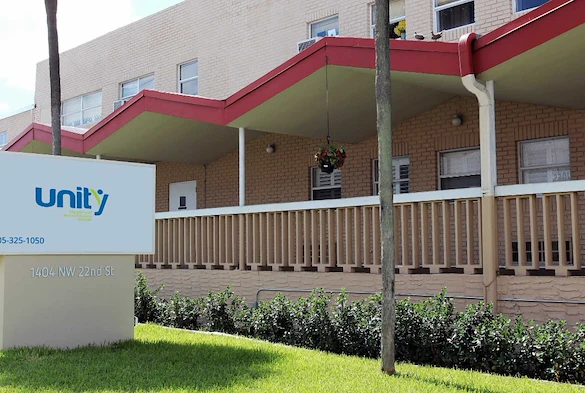 5.0Verified
Unity Healthcare And Rehabilitation Center
1404 NW 22nd Street Miami, FL 33142
Long-Term Care / Skilled NursingSkilled Rehabilitation


Cost of Nursing Homes in Florida
Several factors influence the cost of skilled nursing care. The level of medical care required is a major determinant; residents needing complex care, such as ventilator support or specialized memory care, typically incur higher costs due to the need for more skilled staff and equipment. Facility reputation and quality ratings can also impact pricing, as highly rated nursing homes with modern amenities, private rooms, and extensive therapy programs often charge premium rates. Additional services such as physical, occupational, and speech therapies, recreational activities, and specialized dietary plans can further affect the overall expense.
Financial assistance is available to help offset these costs. Medicare may cover short-term skilled nursing care following a qualifying hospital stay, usually up to 100 days, but it does not cover long-term custodial care. Medicaid is the primary source of support for long-term skilled nursing care for eligible low-income seniors in Florida through programs managed by the Agency for Health Care Administration (AHCA). The state also offers specific long-term care programs and waivers to assist with costs. Veterans and their families might access benefits through the Department of Veterans Affairs. Understanding these costs and assistance options can help families plan for skilled nursing care that meets their loved ones’ medical and personal needs while managing financial challenges.
What to Know About Nursing Homes in Florida
The cost to live in a nursing home in Florida can vary widely based on location, care needs, and whether someone chooses a semi-private or private room. In many areas, nursing home care costs several thousand dollars per month, and it is often higher than assisted living due to the level of medical support provided.
Pricing is usually impacted by the level of nursing services, therapy needs, and how much medical supervision a resident requires.
Nursing home care in Florida is typically paid for through a combination of:
-
Private pay (out-of-pocket savings or income)
-
Long-term care insurance (if a policy is in place)
-
Medicaid (for those who qualify financially and medically)
Families often start with private pay and later explore Medicaid support if long-term care is needed and costs become difficult to manage.
Medicare may pay for a nursing home stay in Florida in limited situations, usually when a person needs short-term skilled nursing care following a qualifying hospital stay. This can include rehabilitation services like physical therapy, occupational therapy, or skilled nursing during recovery.
Medicare typically does not cover long-term nursing home care for ongoing custodial needs, such as help with bathing, dressing, or long-term supervision.
What happens to savings when someone moves into a nursing home depends on how care is being paid for. If the stay is private pay, families often use savings, income, and assets to cover costs. Over time, long-term nursing home care can significantly impact finances.
If someone applies for Medicaid, there are typically financial eligibility requirements, which may include limits on countable assets. Because rules can be complex and planning matters, many families seek guidance to understand options and protect what they can.
Finding the Right Senior Care in Florida
Navigating senior living and care options in Florida can feel like a big task, but having the right information makes the process much easier. Whether you’re exploring assisted living communities, comparing independent living options, looking into home care services, or planning for long-term skilled nursing, the Sunshine State offers a wide range of choices designed to support comfort, safety, and overall well-being.
From coastal towns to bustling metro areas, luxury retirement communities to budget-friendly care options, families can find environments that match both personal preferences and financial goals. Florida’s strong healthcare network, well-regulated senior care system, and supportive programs—such as Medicaid waivers and VA benefits—make it a trusted place for older adults who want to stay active, healthy, and connected.
As you begin your search, keep in mind that every senior’s needs and goals are unique. Use this guide as a helpful starting point, then explore local communities, review state licensing information, and talk with care providers to understand which setting feels like the best fit. Your decision should bring peace of mind—to both your loved one and the family supporting them.
Below are answers to the most common questions families ask when researching senior living and senior care in Florida.
Frequently Asked Questions About Senior Living in Florida
The average cost of senior living in Florida depends on the type of care a senior needs. Independent living is typically the most affordable option, while assisted living, memory care, and nursing homes cost more due to additional services and support.
Pricing can also vary based on the city, apartment size, and amenities offered—coastal areas and major metro regions often cost more than smaller inland communities.
The cheapest places to live in Florida for seniors are often smaller towns or inland areas where housing costs and senior living rates tend to be lower than coastal destinations. In general, seniors can often find more affordable options in areas with a lower overall cost of living and fewer “tourism-driven” price increases.
The best approach is to compare communities based on both monthly rates and what’s included—like meals, transportation, and utilities.
The best place for seniors to live in Florida depends on lifestyle, budget, and health needs. Some seniors prioritize warm weather and access to beaches, while others prefer areas with strong healthcare networks, lower costs, and quieter neighborhoods.
Florida offers a wide range of senior-friendly cities, so the “best” choice is usually the one that balances comfort, safety, medical access, and affordability for your situation.
Yes, it may be possible to retire in Florida on $3,000 a month, depending on housing costs, healthcare needs, and lifestyle. Seniors who own their home, live in a lower-cost area, and have predictable expenses may be able to make this budget work more comfortably.
However, if a senior needs assisted living, memory care, or frequent home care support, $3,000 per month may not fully cover care costs without additional income or assistance programs.
Frequently Asked Questions About Senior Care in Florida
Elder care in Florida generally refers to services and support that help seniors stay safe and supported as they age. A senior may qualify for elder care services if they need help with daily living activities, supervision, transportation, or health-related support.
Eligibility depends on the type of care and whether the senior is seeking private services or needs financial assistance through state or community programs.
Florida offers many options to support seniors and caregivers, including both public programs and private services. Depending on needs and eligibility, assistance may include:
-
In-home non-medical care (companionship, housekeeping, meal prep)
-
Personal care support (bathing, dressing, mobility assistance)
-
Assisted living and memory care communities
-
Skilled nursing facilities for higher medical needs
-
Adult day programs for daytime care and activities
-
Transportation services and meal support programs
-
Caregiver respite support and community resources
The best services depend on a senior’s care needs, budget, and preferred living arrangement.
The hourly rate for senior care in Florida varies based on the type of services provided and where you live. Non-medical home care is often priced hourly, and rates may increase depending on the level of support needed, scheduling needs (such as overnight or weekend care), and whether specialized care is required.
Families often compare multiple providers to find a balance of affordability, availability, and quality of care.
Some family caregivers in Florida may be able to get paid for caring for an elderly parent through certain assistance programs—often tied to Medicaid or caregiver support services. Eligibility depends on factors like income, care needs, and program requirements, and approval may require an assessment.
Even if a family member is already providing care, it can be worth exploring whether financial support is available to help cover caregiving time and responsibilities.