

48,529
Population of Wauwatosa

8,626
Residents aged 65 and older in Wauwatosa

494
Senior Living & Care Options in Wauwatosa

$5,793/Month
Average cost of Senior Living & Care in the area.
Wauwatosa, with a population of 48,529, is home to 8,626 residents aged 65 and older. The city offers 494 senior living and care options. The average monthly cost of senior living & care in the area is $5,793.
Hart Park is a gathering place for older adults in Wauwatosa, WI. The Wauwatosa Recreation Department runs its Active Older Adults program there for people 55 and up. The department is part of the Wauwatosa School District. Its Hart Park Senior Center, which the program calls newly renovated, sits in the Muellner Building.
One membership covers both of the program's sites. Besides Hart Park, there's a first-floor meeting room at the Civic Center on North Avenue. The schedule mixes cards, bingo, movies, guest speakers, book talks, exercise classes, and group trips. There's a lunch program at the Hart Park Senior Center, too.
Beyond the center, the City lists concerts on the Rotary Stage and paths for a stroll. It has also given the Muellner building and the Hart Park complex local historic status. Anyone thinking about senior living in Wauwatosa, WI, gains a familiar spot to meet neighbors.
Smaller gatherings fill in the calendar. The City lists a monthly group where older men can connect. It meets in the library's Firefly Room, and any man is welcome, whether he lives in town or not. The room's name fits. The City says its name comes from a Potawatomi word for firefly.
Big events make room for more people. At the City's Independence Day parade, a Sensory Zone on North Avenue has offered softer lights and sounds for people with disabilities. There's been an accessible parking and viewing area, too.
By the City's description, Wauwatosa, WI, lies four miles west of downtown Milwaukee, WI. Winters bite. The weather station behind NOAA's 1991 to 2020 normals sits at the Milwaukee Mitchell airport, outside city limits. Those normals put the January average low at 17.2°F, nearly 15 degrees under freezing. The July average high is 81.9°F.
For healthcare access, the Milwaukee Regional Medical Center says it's located in Wauwatosa, WI. It's a shared campus whose members include Froedtert Hospital and Children's Wisconsin. Medicare's hospital data lists Froedtert Memorial Lutheran Hospital, at a Milwaukee, WI, address, as an acute care hospital, and that record shows emergency services. Per Froedtert, the doors of that emergency department stay open around the clock, 365 days a year. In short, emergency care is there whenever it's needed.
Further down, senior living communities in Wauwatosa, WI, are grouped by the type of care on offer. We list every provider, and you can reach any of them yourself without signing in.
Wauwatosa, WI at a Glance




Independent Living & Active Adult Living in Wauwatosa, Wisconsin
View All Providers-
 4.2Premium
New Perspective | North Shore (Brown Deer)
8875 N. 60th Street Brown Deer, WI 53223
Independent LivingAssisted LivingMemory Care -
 4.3Premium
Avina Living of Milwaukee Senior Living
9301 N 76th St Milwaukee, WI 53223
Independent LivingAssisted LivingLife Plan Community/CCRC -
 4.4Premium
Library Square Senior Living
1820 S 75th St West Allis, WI 53214
Independent LivingAssisted LivingRespite Care -
 4.7Verified
Highlands at Aero Park
W197 N4976, Hickory Street Menomonee Falls, WI 53051
Active Adult LivingIndependent Living -
 4.8Verified
Ruby Commons
17560 W. North Avenue Brookfield, WI 53045
Independent LivingAssisted Living -
 4.8Verified
The Waters Of Pewaukee
N26W23966 M Watertown Rd Pewaukee, WI 53188
Independent LivingAssisted LivingMemory Care -
 4.4Verified
Avalon Square
222 Park Pl Waukesha, WI 53186
Independent LivingAssisted LivingMemory Care


Assisted Living in Wauwatosa, Wisconsin
View All Providers-
4.2Premium
New Perspective | North Shore (Brown Deer)
8875 N. 60th Street Brown Deer, WI 53223
Independent LivingAssisted LivingMemory Care -
4.3Premium
Avina Living of Milwaukee Senior Living
9301 N 76th St Milwaukee, WI 53223
Independent LivingAssisted LivingLife Plan Community/CCRC -
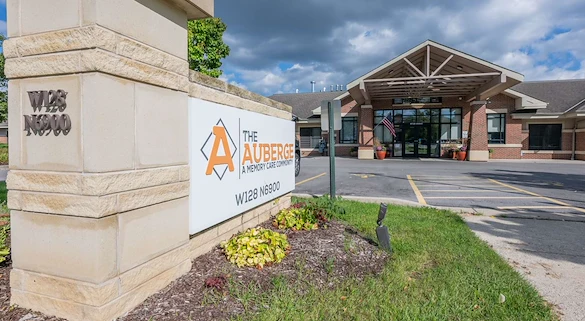 4.8Premium
The Auberge at Oak Village
W128 N6900 Northfield Dr. Menomonee Falls, WI 53051
Assisted LivingMemory CareRespite Care -
4.4Premium
Library Square Senior Living
1820 S 75th St West Allis, WI 53214
Independent LivingAssisted LivingRespite Care -
 4.7Premium
Oak Park Place Wauwatosa
1621 Rivers Bnd Wauwatosa, WI 53226
Assisted LivingMemory Care -
 4.5Verified
Willow View
3553 South 41 Street Milwaukee, WI 53221
Assisted LivingMemory CareRespite Care -
4.3Verified
Azura Memory Care and Assisted Living of Brookfield
16030 Washington Drive Brookfield, WI 53005
Assisted LivingMemory CareRespite Care -
 4.5Verified
Villa St. Francis - Milwaukee
1910 W Ohio Ave Milwaukee, WI 53215
Assisted LivingMemory CareRespite Care -
 4.2Verified
Discovery Commons Brookfield
16040 W Greenfield Ave Brookfield, WI 53005
Assisted LivingMemory Care


Memory Care in Wauwatosa, Wisconsin
View All Providers-
 4.7Premium
The Terraces at Oak Creek Lodge and Place
701 E Puetz Rd Oak Creek, WI 53154
Independent LivingAssisted LivingMemory Care -
4.7Premium
Oak Park Place Wauwatosa
1621 Rivers Bnd Wauwatosa, WI 53226
Assisted LivingMemory Care -
4.2Premium
New Perspective | North Shore (Brown Deer)
8875 N. 60th Street Brown Deer, WI 53223
Independent LivingAssisted LivingMemory Care -
-
4.5Verified
Willow View
3553 South 41 Street Milwaukee, WI 53221
Assisted LivingMemory CareRespite Care -
4.3Verified
Azura Memory Care and Assisted Living of Brookfield
16030 Washington Drive Brookfield, WI 53005
Assisted LivingMemory CareRespite Care -
4.5Verified
Villa St. Francis - Milwaukee
1910 W Ohio Ave Milwaukee, WI 53215
Assisted LivingMemory CareRespite Care -
4.2Verified
Discovery Commons Brookfield
16040 W Greenfield Ave Brookfield, WI 53005
Assisted LivingMemory Care


Long Term Care & Skilled Nursing in Wauwatosa, Wisconsin
View All Providers-
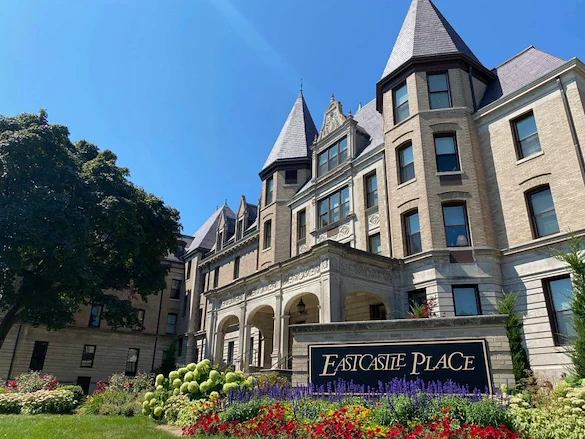 5.0Verified
Eastcastle Place
2505 East Bradford Ave Milwaukee, WI 53211
Long-Term Care / Skilled NursingSkilled Rehabilitation -
 1.0Verified
Ascension Living Franciscan Place
19525 W. North Ave Brookfield, WI 53045
Long-Term Care / Skilled NursingSkilled Rehabilitation -
 2.0Verified
St Camillus Health Center
10101 W Wisconsin Ave Wauwatosa, WI 53226
Long-Term Care / Skilled NursingSkilled Rehabilitation -
 4.0Verified
Lutheran Home
7500 W North Ave Wauwatosa, WI 53213
Memory CareLong-Term Care / Skilled NursingSkilled Rehabilitation


Home Care in Wauwatosa, Wisconsin
View All Providers-
 4.9Verified
Cornerstone Caregiving - North Milwaukee
12425 Knoll Rd #200 Elm Grove, WI 53122
Home Care (Non-Medical) -
 4.6Verified
TheKey Southeast Wisconsin
6737 West Washington St, Suite 1100 West Allis, WI 53214
Home Care (Non-Medical) -
 4.5Verified
BrightStar Care of Central Mikwaukee
10425 W North Ave #246 Milwaukee, WI 53226
Home Care (Non-Medical) -
 4.4Verified
Home Instead - Milwaukee
353 N 121st Street Milwaukee, WI 53226
Home Care (Non-Medical)


Compare Assisted Living Costs in Wisconsin
This chart lines up Wisconsin's monthly price of assisted living against the U.S. figure.
For more detail, our Wisconsin page has four cost sections: assisted living and independent living first, then home care and nursing homes. Each one has notes on how people cover the bill.
So far, that page gives memory care no cost section of its own. On the state's list of resource centers, the ADRC of Milwaukee County is the one for this county, and it's a place to bring memory care questions.
Local Resources for Older Adults in Wauwatosa, WI
Some of these programs belong to the City or the school district, and others reach across Milwaukee County. Following a link lets you confirm the details and eligibility with the program in Wauwatosa, WI, or the county.
- Wauwatosa Recreation Department, Active Older Adults. The program behind the Hart Park Senior Center and the Civic Center site, for people 55 and up. Active Older Adults
- City of Wauwatosa Healthy Aging Resources. The City's list of local groups, phone check-ins, caregiver help, and ways to get around. Healthy Aging Resources
- Wauwatosa Public Library Community Health Workers. Weekly sessions, with the county's ADRC, for reaching health and social services. Community Health Worker Sessions
- Milwaukee County Older Adults Services. Home of the county's Area Agency on Aging and its ADRC, including options counseling. Older Adults Services
- Milwaukee County Ride Programs for Older Adults. County vans, volunteer drivers, and Transit Plus, each with its own rules for who can ride. Transportation
- Wisconsin Long Term Care Ombudsman Program. Advocates who work for people 60 and older receiving long-term care. Ombudsman Program
Frequently Asked Questions
The Wauwatosa Public Library is a good place to begin. It partners with Milwaukee County's ADRC on weekly sessions with Community Health Workers. They help people connect with health and social services. Visitors can also learn what the ADRC offers, including dementia support.
Wisconsin's own list names the ADRC of Milwaukee County as the resource center for this county. So the library sessions tie in to the county's own resource center. The library is on West North Avenue, and its staff can tell you when the next session meets. A short written list of questions helps the visit go further.
Milwaukee County offers several ride choices. Its Older Adult Transportation Service, or OATS, serves eligible residents 60 and older. The vans go to medical and dental visits, grocery shopping, senior centers, dining sites, and wellness programs. Volunteer drivers the county lists also help residents 60 and older get to the doctor, the drugstore, grocery shopping, or the bank.
Some riders have a disability that keeps them off the bus. For them, Transit Plus sends accessible vans anywhere in the county, once the rider applies and is found eligible. The City gathers these choices in one spot, along with MCTS bus service. All three ride programs need trips booked in advance, so planning ahead pays off.
The best fit starts with a clear list of the daily help that's needed. Milwaukee County's ADRC can help shape that list. It offers one-on-one options counseling about long-term care choices, whether they're paid for privately or publicly. It also shares information on community resources for older adults.
With that list ready, you can narrow the listings for Wauwatosa, WI, to a handful of assisted living communities. Bringing the same written questions to each makes the answers easy to compare. Going back on a different day, maybe at dinnertime, often reveals more. The license question in the assisted living section above is a useful one to include.
Two kinds of help stand out. The City's Healthy Aging Resources list links support groups for people caring for someone with dementia. Milwaukee County's Caregiver Support Program connects caregivers with local resources. That help comes through a phone consultation or a home visit, whichever works better for the household.
The county also teaches Powerful Tools, a six-week class meant to lower a caregiver's stress. It's offered in person or virtually and comes in English and Spanish. A group or a class gives caregivers a place to trade ideas with people facing the same tasks. It can make the weeks ahead feel less lonely, too.
Yes. The Wauwatosa Recreation Department runs the Seniors' STEP Program. It connects older adults with students and schools across Wauwatosa, WI. Volunteers might become a familiar face in a school library or help out in a classroom. Others take on a different role inside a school, depending on what fits.
The program takes applications for each school year, and the Recreation Department can explain the steps. For someone settling into senior living nearby, it's a way to stay part of the wider town. It's also a chance to spend time with younger people.
Yes. The Wauwatosa Public Library hosts technology classes for adults 60 and over, offered with the Wauwatosa Health Department. Topics have included phone workshops, digital vaults, and how to spot frauds and scams. Registration goes through the Health Department, not the library, so that's the office to contact first.
The classes run in rounds, and the Health Department can say when the next set begins. Skills like these can make video calls with family, online accounts, and suspicious messages easier to handle. That holds true in a house, an apartment, or a senior living community.
Checked Oct. 19, 2026: the City of Wauwatosa on its history and location, parks, historic preservation, the Independence Day parade, and healthy aging resources; the Wauwatosa Recreation Department on Active Older Adults and the Seniors' STEP Program; the Wauwatosa Public Library on Community Health Worker sessions and technology classes; the U.S. Census Bureau; Milwaukee County Parks; Milwaukee County on older adults services, meals, transportation, dementia, and caregiver support; Wisconsin's Department of Health Services on ADRCs and CBRFs; the state's ombudsman program; the Milwaukee Regional Medical Center; Froedtert; CMS hospital data; and NOAA climate normals.