
Senior Living Facts for Wisconsin
Wisconsin offers a unique blend of natural beauty, vibrant communities, and high-quality healthcare that makes it an appealing destination for seniors and families alike. From the rolling hills and scenic lakes of the north to the charming small towns and dynamic cities in the south, the state provides a variety of living environments to suit older adults seeking comfort, convenience, and an active lifestyle. Wisconsin’s climate, featuring warm summers and crisp, snowy winters support a range of seasonal activities that promote wellness and engagement, from hiking and fishing to ice skating and community festivals.
Fast Facts
Senior Living & Care in Wisconsin
| #20 | most populated state in the U.S. |
| $4,600 | average monthly assisted living cost in Wisconsin |
| 3,000+ | assisted living communities and care providers across Wisconsin |
| 1.1M+ | adults age 65+ in Wisconsin |
For seniors considering retirement or assisted living, Wisconsin is known for its affordable cost of living compared to the national average. Housing options for older adults vary widely, including independent living communities, assisted living facilities, and retirement villages. Many of these communities are designed with seniors in mind, offering maintenance-free living, social programs, and access to amenities that enhance quality of life. Families will appreciate the wide range of senior-friendly neighborhoods and the availability of communities that emphasize safety, accessibility, and social engagement.
Healthcare is a major advantage for older adults in Wisconsin. The state is home to nationally recognized hospitals, specialty clinics, and comprehensive senior care networks that provide everything from primary care to specialized memory care and rehabilitation services. Seniors have access to a variety of home health and non-medical home care services, helping them remain independent in familiar surroundings while receiving the support they need. Wisconsin also has programs and resources to assist with long-term care planning, including Medicaid waivers and state-specific support for aging residents.
Beyond healthcare, Wisconsin offers a rich array of cultural and recreational opportunities. Cities such as Madison, Milwaukee, and Green Bay provide museums, theaters, music venues, and community centers that cater to seniors. Outdoor enthusiasts will enjoy the state’s extensive park systems, walking trails, and waterfront areas, which encourage an active lifestyle. Local events and senior-focused programs foster social connections, making it easy for older adults to stay engaged with their communities.
Overall, Wisconsin combines affordability, quality healthcare, and lifestyle amenities in a way that supports the well-being and independence of older adults. With senior-friendly housing, abundant recreational opportunities, and strong community resources, the state is an excellent choice for families seeking safe, supportive, and fulfilling senior living options. Whether seniors are looking to retire, transition to assisted living, or age in place, Wisconsin provides a welcoming and enriching environment.
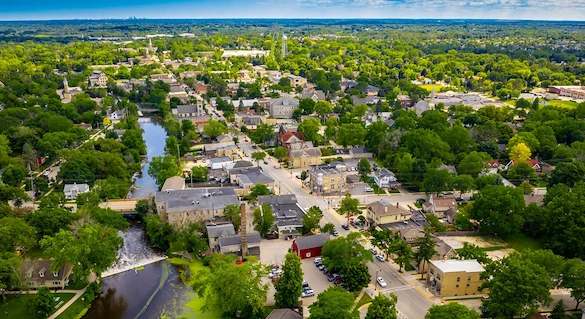
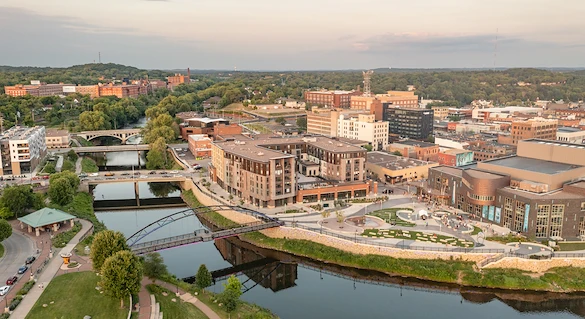
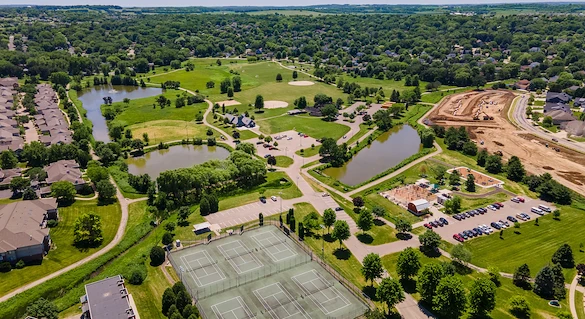
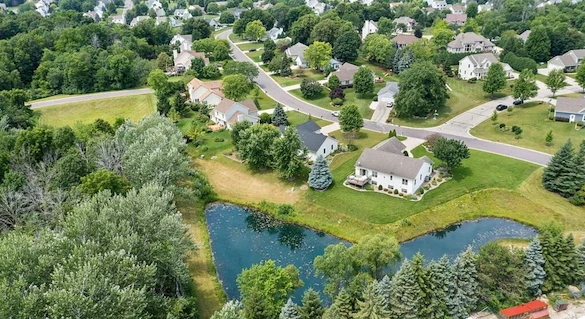
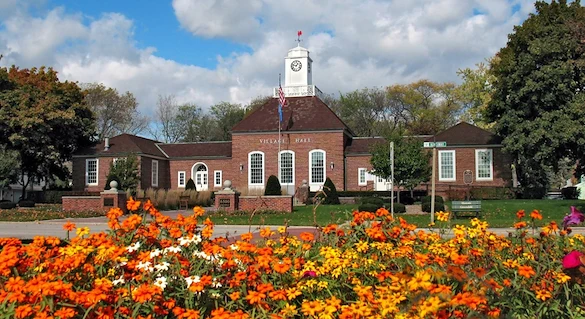
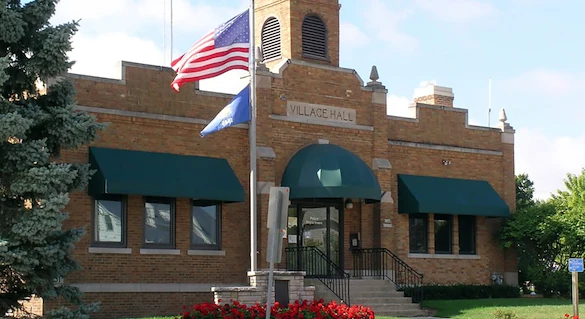
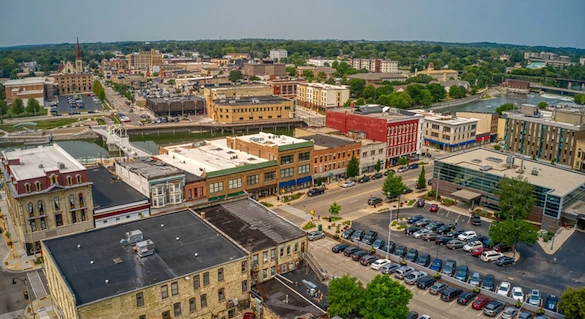
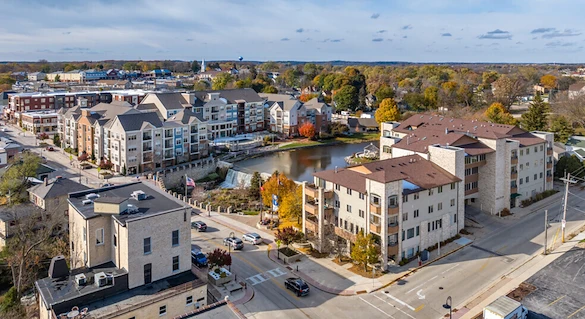
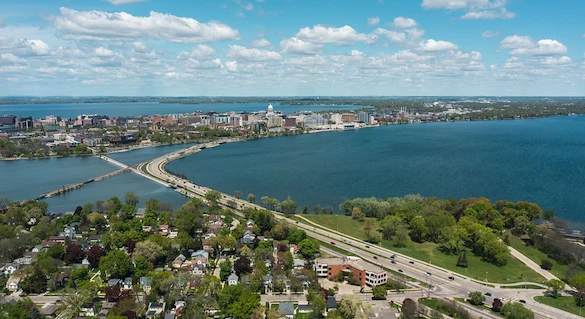
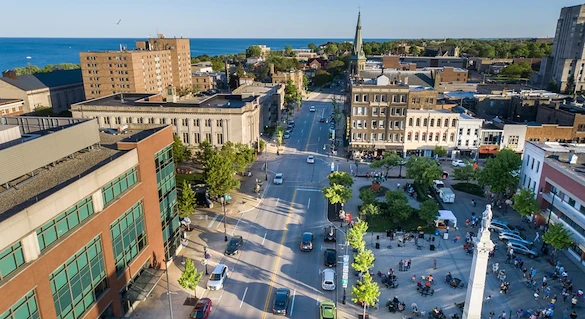
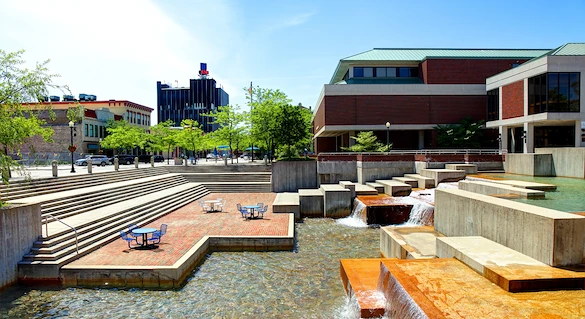
Cities in Wisconsin for Senior Living and Care

























Assisted Living in Wisconsin
Assisted living in Wisconsin provides older adults with the support they need to live safely and comfortably while maintaining independence. Unlike nursing homes, assisted living communities focus on helping residents with daily activities such as bathing, dressing, grooming, and medication management, while also offering opportunities for social engagement, recreational activities, and community involvement. These communities allow seniors to maintain a sense of autonomy while receiving personalized care tailored to their individual needs.
In Wisconsin, assisted living communities are regulated by the Department of Health Services (DHS). Facilities must meet state licensing requirements, including staff training, safety standards, and care protocols, to ensure high-quality support for residents. The state also monitors compliance with regulations regarding medication administration, emergency preparedness, and resident rights, giving families confidence in the safety and professionalism of licensed communities.
Wisconsin offers a wide variety of assisted living options to suit different preferences and budgets. Some communities are luxury-focused, offering resort-style amenities, gourmet dining, and extensive wellness programs. Others are more budget-friendly, providing essential services and comfortable living arrangements without extra frills. Many facilities also offer memory care or specialized programs for residents with Alzheimer’s disease or other forms of dementia, ensuring targeted support and structured environments designed for cognitive health.
When evaluating assisted living communities in Wisconsin, families should consider factors such as location, cost, staff-to-resident ratios, the range of services provided, and opportunities for social and recreational activities. Visiting communities, asking about staff training and experience, reviewing inspection reports, and speaking with current residents and families can help determine whether a community is a good fit.
Assisted living in Wisconsin balances independence, safety, and community engagement, making it an appealing option for older adults who need some assistance with daily life. By understanding the types of services offered, state licensing standards, and unique community features, families can make informed decisions to ensure their loved ones receive compassionate, high-quality care in a supportive environment.
Top Assisted Living Communities in Wisconsin
View All Providers-
 4.0Premium
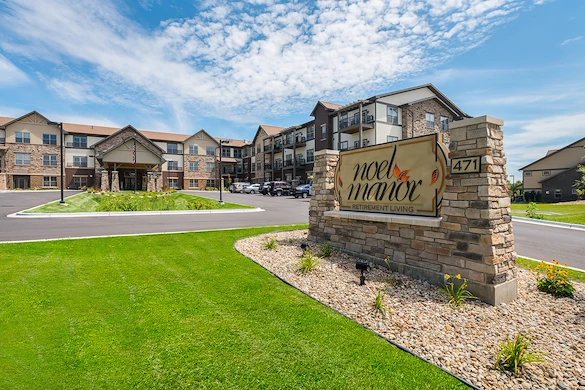
Noel Manor Retirement Living
471 Prairie Way Blvd. Verona, WI 53593
Independent LivingAssisted LivingRespite Care -
 4.8Premium
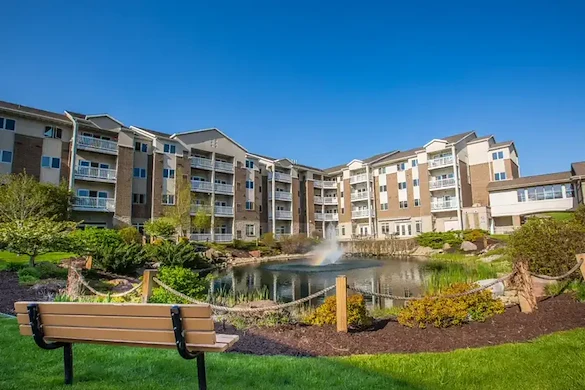
The Terraces at Coventry Village Senior Living
7707 N Brookline Dr Madison, WI 53719
Independent LivingAssisted LivingMemory Care -
 5.0Verified
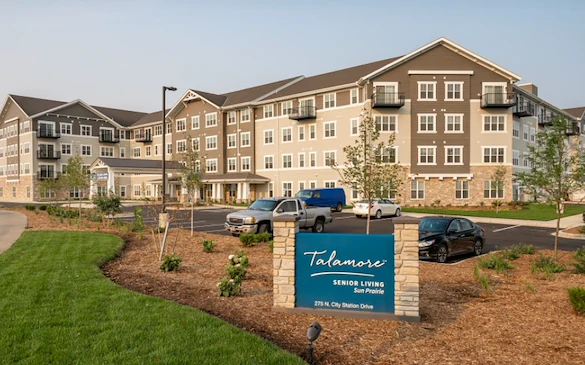
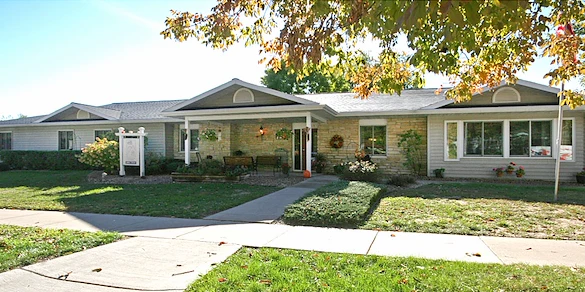
Talamore Sun Prairie
275 North City Station Dr Sun Prairie, WI 53590
Independent LivingAssisted LivingMemory Care -
-
 4.8Verified
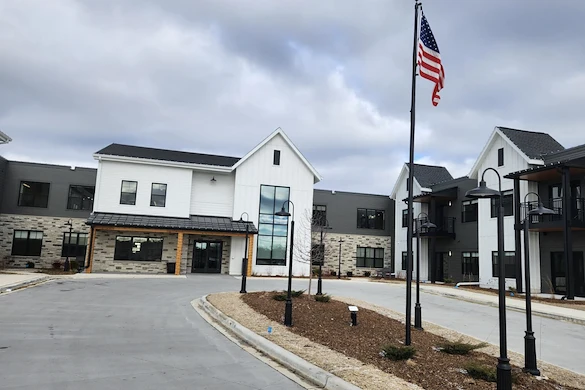
Azura of Verona
285 Wildcat Way Verona, WI 53593
Assisted LivingMemory CareRespite Care -
 4.8Verified
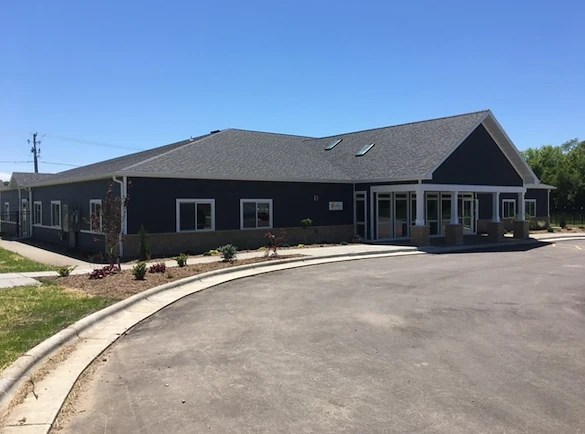
BeeHive Homes of Oregon
101 North Bergamont Blvd Oregon, WI 53575
Assisted LivingMemory CareRespite Care


Cost of Assisted Living in Wisconsin
Wisconsin offers several financial assistance programs to help offset the costs of assisted living. Medicaid programs, including Family Care, Family Care Partnership, and the Program of All-Inclusive Care for the Elderly (PACE), provide coverage for eligible seniors based on income and care requirements. Veterans and their spouses may also qualify for the Aid and Attendance benefit, which can help cover a portion of assisted living expenses. Families should explore these options carefully to maximize support and reduce out-of-pocket costs.
When planning for assisted living, it is important for families to thoroughly assess their loved one’s needs and determine the appropriate level of care. Visiting multiple communities, reviewing state inspection reports, and speaking with current residents and families can help evaluate quality and fit. Understanding the full scope of costs, including base rates and potential additional fees, ensures families make informed decisions and choose a community that balances quality care, comfort, and financial sustainability.
What to Know About Assisted Living in Wisconsin
To qualify for assisted living in Wisconsin, an individual must need assistance with activities of daily living such as bathing, dressing, mobility, or medication management, but not require 24/7 skilled nursing care.
The average cost of assisted living in Wisconsin is approximately $4,500–$5,000 per month, depending on location, apartment type, and care level.
No. Medicare does not pay for assisted living in Wisconsin. Medicare only covers medically necessary services, not long-term custodial care.
Assisted living is typically paid for through private funds, long-term care insurance, Veterans benefits, and in some cases, Medicaid programs that help cover care services (not room and board).
Independent Living in Wisconsin
Independent living communities in Wisconsin offer seniors a lifestyle that combines freedom, comfort, and social engagement, making them an ideal choice for older adults who want to maintain independence without the responsibilities of homeownership. These communities provide maintenance-free housing, often in the form of apartments or cottages, allowing residents to enjoy daily life without worrying about chores such as lawn care, home repairs, or housekeeping. This convenience allows seniors to focus on hobbies, social connections, and wellness, promoting a balanced and fulfilling lifestyle.
Beyond housing, independent living communities in Wisconsin emphasize social opportunities and community engagement. Residents can participate in organized activities, fitness classes, arts and crafts programs, and group outings, which foster friendships and reduce feelings of isolation. Many communities also feature shared amenities, such as clubhouses, swimming pools, fitness centers, libraries, and walking paths, enhancing quality of life and encouraging active living. Meal plans are often available, providing nutritious options in a communal setting while adding convenience and flexibility to residents’ daily routines.
Wisconsin offers a variety of retirement-friendly cities that appeal to seniors seeking independent living. Areas such as Madison and Green Bay provide vibrant cultural and recreational activities, including theaters, museums, local festivals, and farmers’ markets. Cities like Eau Claire and La Crosse are known for their scenic riverfronts, outdoor trails, and strong sense of community, offering seniors opportunities to remain active and socially engaged. The state’s four distinct seasons provide a range of outdoor activities, from summer hiking, biking, and boating to winter skiing and snowshoeing, supporting an active and healthy lifestyle for residents who enjoy the outdoors.
Independent living in Wisconsin also provides peace of mind through community support. Staff are available to assist with non-medical needs or emergency situations, ensuring residents have a safe and comfortable environment while maintaining autonomy. Families can feel confident that their loved ones have access to resources, social connection, and a lifestyle designed for independence.
Overall, independent living in Wisconsin allows seniors to enjoy a worry-free, active, and socially rich environment while staying connected to a community that values their independence and well-being. With diverse housing options, retirement-friendly cities, and abundant opportunities for engagement, Wisconsin is an attractive state for older adults seeking a fulfilling lifestyle.
Top Independent Living Communities in Wisconsin
View All Providers-
4.0Premium
Noel Manor Retirement Living
471 Prairie Way Blvd. Verona, WI 53593
Independent LivingAssisted LivingRespite Care -
4.8Premium
The Terraces at Coventry Village Senior Living
7707 N Brookline Dr Madison, WI 53719
Independent LivingAssisted LivingMemory Care -
5.0Verified
Talamore Sun Prairie
275 North City Station Dr Sun Prairie, WI 53590
Independent LivingAssisted LivingMemory Care -
 4.9
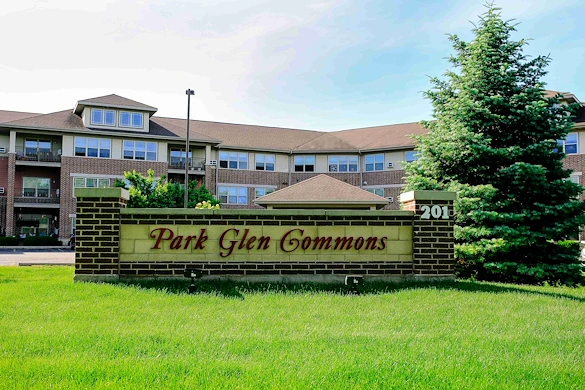
4.9Park Glen Commons
201 North Walbridge Avenue Madison, WI 53714
Independent LivingLow Income / Affordable -
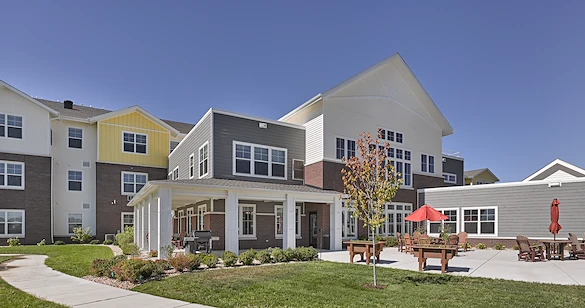 4.9Verified
Kettle Park
2600 Jackson Street Stoughton, WI 53589
Independent LivingAssisted LivingMemory Care -
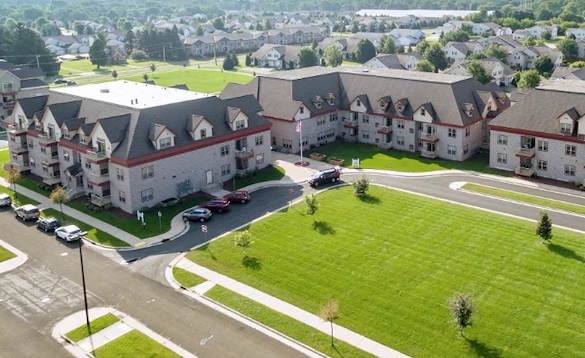 4.7Verified
Hyland Campus
881 Liberty Boulevard Sun Prairie, WI 53590
Independent LivingAssisted LivingMemory Care


Cost of Independent Living in Wisconsin
Most independent living communities include a comprehensive suite of services and amenities. Residents usually have private apartments or cottages, daily meals, housekeeping, maintenance, transportation, and access to social and recreational activities. While many services are included in the monthly fee, some communities provide optional add-ons such as personal care, enhanced housekeeping, or additional transportation, which may increase overall costs.
Factors that influence pricing include apartment size and style, the level of amenities, and the community’s overall reputation or luxury level. Urban locations with higher real estate costs or resort-style features typically command higher fees, while smaller towns with fewer amenities are generally more affordable.
Although Medicare and Medicaid do not cover independent living expenses, other financial options may help. Eligible veterans can use Aid and Attendance benefits, certain long-term care insurance policies may contribute, and some state or local programs provide subsidies or assistance. Families often leverage personal assets, such as home equity or savings, to cover costs. Consulting with a financial advisor or the community’s admissions team can help families navigate these options.
Understanding costs and what is included helps families make informed decisions when choosing independent living in Wisconsin, ensuring their loved ones enjoy safety, independence, and an engaging lifestyle.
What to Know About Independent Living in Wisconsin
Independent living in Wisconsin generally costs $2,200–$3,500 per month, depending on amenities and location.
Independent living is intended for seniors age 55 or 62+ who can live independently without daily personal or medical care.
Independent living does not include hands-on personal care or medical services, so seniors may need to relocate if health needs increase.
Home Care in Wisconsin
Non-medical home care in Wisconsin helps seniors maintain independence, comfort, and safety while living in their own homes. Unlike medical or skilled nursing care, non-medical home care focuses on daily support and companionship. This type of care is ideal for seniors who may need assistance with everyday tasks but do not require medical supervision, allowing them to remain in familiar surroundings while receiving the help they need.
Common services offered by non-medical home care providers include personal care, companionship, and household assistance. Personal care encompasses help with bathing, dressing, grooming, and mobility, ensuring seniors can maintain their hygiene and physical comfort. Companionship services provide emotional support and social engagement, including conversation, games, or shared activities, which are essential for mental well-being. Household assistance covers light chores such as meal preparation, laundry, grocery shopping, and tidying, helping seniors manage their homes safely and efficiently. These services collectively support independence and quality of life while reducing the risk of injury or social isolation.
In Wisconsin, home care agencies must meet state-specific licensing and certification requirements to ensure safe and professional care. Personal care agencies are licensed under Wisconsin Administrative Code DHS 105.17 and are required to employ personal care workers who have completed at least 40 hours of training or are certified nursing assistants listed on the Wisconsin Nurse Aide Registry. A registered nurse must oversee care plans and perform supervisory visits every 60 days. Supportive home care agencies, which provide services such as companionship and household assistance, are not formally licensed unless participating in Medicaid waiver programs. These agencies must still comply with registration requirements and maintain proper business documentation if hiring staff.
The availability of non-medical home care in Wisconsin can vary based on geographic location, agency capacity, and funding. Urban areas generally have more providers and service options than rural regions, while the number of trained caregivers can affect wait times or availability. Financial considerations, including access to personal funds, insurance coverage, or veterans’ benefits, also influence which services seniors can access.
By understanding the services offered, state requirements, and factors affecting availability, families can make informed decisions about non-medical home care in Wisconsin. This knowledge helps ensure seniors receive the support they need to live safely, independently, and comfortably at home.
Top Home Care in Wisconsin
View All Providers-
 5.0Verified
Senior Helping Seniors Greater Madison
1 Greater Madison, WI 53711
Home Care (Non-Medical) -
 4.8Verified
Comfort Keepers - Madison
5950 Seminole Centre Ct Suite 200 Madison, WI 53711
Home Care (Non-Medical) -
 4.6Verified
BrightStar Care of Madison
3240 University Ave #3A Madison, WI 53705
Home Care (Non-Medical) -
 5.0Verified
Visiting Angels - Madison
2001 W Beltline Hwy #103 Madison, WI 53713
Home Care (Non-Medical)


Cost of Home Care Non-Medical in Wisconsin
Several factors affect non-medical home care costs. Seniors requiring specialized services, such as dementia support or post-surgical assistance, may pay higher rates. The total number of care hours per week also impacts overall expenses. Additionally, hiring through an agency provides oversight, reliability, and liability protection but usually costs more, whereas private caregivers or companions may be less expensive but come with less formal accountability.
Families can offset costs through programs like Medicaid, including Wisconsin’s Family Care program, which provides coverage for eligible individuals based on income, assets, and care-level requirements. Long-term care insurance may cover non-medical home care depending on the policy, and Veterans benefits can assist eligible veterans and their spouses.
By understanding costs, caregiver roles, regional differences, and financial assistance options, families can make informed decisions and ensure their loved ones receive safe, reliable non-medical home care in Wisconsin.
What to Know About Non Medical Home Care in Wisconsin
Non-medical home care helps with daily tasks like bathing and meals, while home health care provides skilled medical services ordered by a physician.
Yes. Wisconsin Medicaid programs such as Family Care and IRIS may help pay for in-home care services for eligible seniors.
Non-medical home care is usually paid for out of pocket, through long-term care insurance, or via limited Medicaid programs for qualifying individuals.
Profitability varies, but non-medical home care agencies often generate steady revenue due to high demand, with margins influenced by staffing costs and service volume.
Long-Term Care/Skilled Nursing in Wisconsin
Skilled nursing facilities in Wisconsin provide 24-hour medical care and support for individuals who need assistance with daily activities due to chronic illness, disability, or aging. These facilities offer a comprehensive range of services, including medical treatment, rehabilitation, and specialized care. All nursing homes in Wisconsin are regulated by state and federal authorities to ensure residents receive safe, high-quality care.
Wisconsin nursing homes deliver individualized medical services tailored to each resident’s needs. Care typically includes nursing oversight, physical therapy, occupational therapy, speech therapy, and assistance with activities of daily living. Each resident has a personalized care plan developed through thorough assessments of their physical, mental, and psychosocial health. This approach ensures that residents receive care that promotes independence, comfort, and overall well-being.
Specialized care is also available in Wisconsin’s skilled nursing facilities. Memory care programs cater to individuals with dementia or Alzheimer’s disease, providing targeted support to maintain cognitive function and quality of life. Post-surgical recovery programs are designed for residents who need short-term, intensive rehabilitation after hospitalization or surgery. These programs combine medical oversight, therapy services, and individualized attention to support recovery and enhance long-term outcomes.
Nursing homes in Wisconsin must comply with regulations set by both the Wisconsin Department of Health Services (DHS) and the Centers for Medicare & Medicaid Services (CMS). Regular inspections and surveys ensure facilities meet state and federal standards for health, safety, staffing, and quality of care. The CMS Five-Star Quality Rating System evaluates facilities based on health inspections, staffing levels, and quality measures, providing families with an objective benchmark for comparison.
When evaluating nursing home options in Wisconsin, families should consider several factors. Verify that the facility is licensed by the Wisconsin DHS and certified by CMS. Review quality ratings on the CMS Nursing Home Care Compare website. Ensure the facility offers the services needed, such as memory care or rehabilitation, and consider staff-to-resident ratios and staff qualifications. Families should also understand residents’ rights, including dignity, privacy, and participation in care decisions. By researching, visiting potential facilities, and asking questions, families can make informed choices that best meet their loved one’s needs.
Top Long-Term Care/Skilled Nursing in Wisconsin
View All Providers-
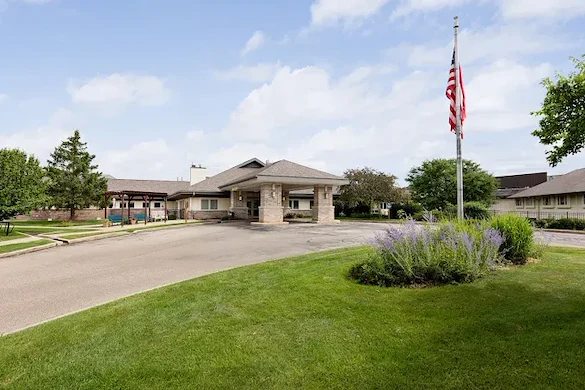 1.0Verified
Complete Care at Maple Grove
3401 Maple Grove Dr. Madison, WI 53719
Long-Term Care / Skilled NursingSkilled Rehabilitation -
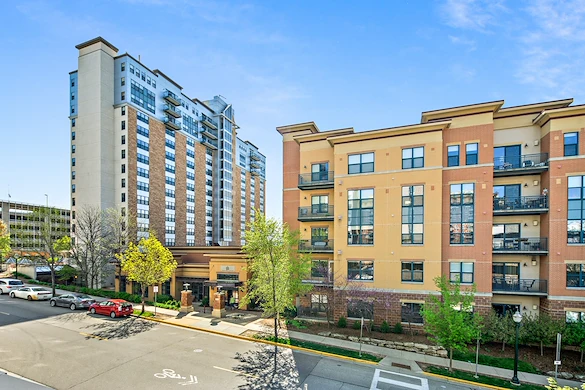 4.0Verified
Capitol Lakes Health Center
333 W Main St Madison, WI 53703
Long-Term Care / Skilled NursingSkilled Rehabilitation -
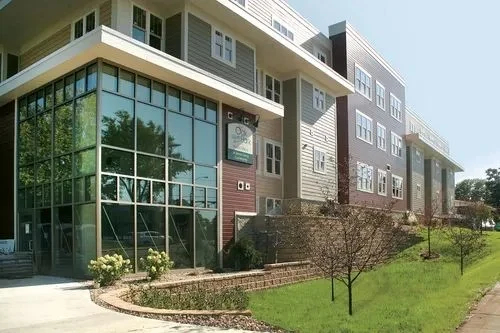 3.0Verified
Oak Park Place Nursing Of Nakoma
4327 Nakoma Rd. Madison, WI 53711
Long-Term Care / Skilled NursingSkilled Rehabilitation -
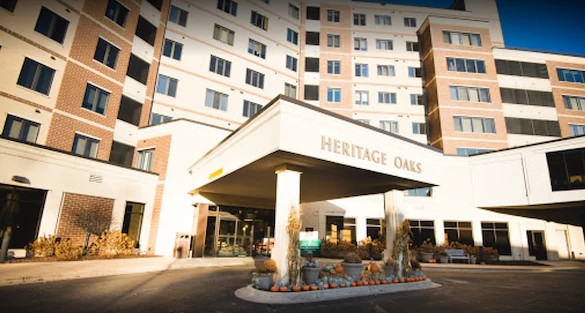 4.0Verified
Hebron Oaks
510 Genomic Drive Madison, WI 53719
Long-Term Care / Skilled NursingSkilled Rehabilitation


Cost of Nursing Homes in Wisconsin
Several factors influence pricing in Wisconsin nursing homes. Facilities that offer specialized medical services, such as memory care or post-surgical rehabilitation, generally charge higher rates due to the increased level of care required. Similarly, facilities with strong reputations or premium amenities often have higher fees. Location also matters: nursing homes in urban areas or regions with a higher cost of living typically charge more than those in rural communities.
Families can offset these costs through several financial assistance options. Medicare covers short-term stays (up to 100 days) in skilled nursing facilities following a qualifying hospital stay. Medicaid provides long-term care coverage for eligible individuals who meet income, asset, and nursing home care requirements. Veterans benefits may help eligible veterans and their spouses, while private long-term care insurance can also cover part or all of the costs depending on the policy.
By understanding costs, regional differences, and financial assistance options, families can make informed decisions when selecting a skilled nursing facility in Wisconsin. Careful research ensures their loved ones receive the appropriate level of care without undue financial strain.
What to Know About Nursing Homes in Wisconsin
Nursing home care in Wisconsin averages $8,500–$9,500 per month for a semi-private room, with private rooms costing more.
Medicare only pays for short-term skilled nursing care after a qualifying hospital stay, not long-term nursing home care.
If a senior meets eligibility requirements, Wisconsin Medicaid can pay for nursing home care.
Medicare only covers short-term skilled nursing care after a qualifying hospital stay, not long-term nursing home care.
No. Social Security does not directly pay for nursing home care, though benefits may help offset personal expenses.
Finding the Right Senior Care in Wisconsin
Wisconsin offers a wide range of senior living and care options, including independent living, assisted living, in-home care, and skilled nursing facilities, allowing older adults to receive appropriate support as their needs change. With moderate senior living costs, strong Medicaid and state assistance programs like Family Care and SeniorCare, and well-regulated providers, Wisconsin remains a solid choice for seniors and families planning long-term care. By understanding care options, costs, and available resources, families can confidently find quality senior care in Wisconsin that supports independence, safety, and long-term peace of mind.
Frequently Asked Questions About Senior Living in Wisconsin
Senior living costs range from $2,200 per month for independent living to over $9,500 per month for nursing home care, depending on services.
The most affordable option is often aging in place with part-time home care or qualifying for subsidized senior housing.
Senior-friendly cities include Madison, Green Bay, La Crosse, Eau Claire, and Appleton, offering healthcare access and community services.
Wisconsin SeniorCare has no upper income limit, though cost-sharing varies based on income.
Frequently Asked Questions About Senior Care in Wisconsin
No. Senior Care is a state prescription drug assistance program, not Medicare Part D, though it can work alongside Medicare drug coverage.
Senior Care is a state-run prescription drug assistance program that helps Wisconsin residents age 65+ afford medications.
Senior care costs vary by service, averaging $2,400–$9,500+ per month depending on care type.