

66,133
Population of Port Charlotte
21,862
Residents aged 65 and older in Port Charlotte

154
Senior Living & Care Options in Port Charlotte

$5,777/Month
Average cost of Senior Living & Care in the area.
Port Charlotte, with a population of 66,133, is home to 21,862 residents aged 65 and older. The city offers 154 senior living and care options. The average monthly cost of senior living & care in the area is $5,777.
Each spring, the Tampa Bay Rays come to Port Charlotte, FL, for spring training. They play at Charlotte Sports Park on El Jobean Road, where the stadium seats about 7,500 fans. The county says the ballpark links up with the trails, boardwalk, and birding spots of Tippecanoe Environmental Park.
Tippecanoe is a 380-acre county preserve. Visitors will find a nature trail, a launch for canoes and kayaks, and guided walks. Charlotte County also keeps a guide to its accessible trails and kayak launches, so someone using a walker or wheelchair can look over the choices before heading out.
Centennial Park, on Centennial Blvd., spreads across 103.3 acres. It has an 18-hole disc golf course, a nature trail, fishing, and picnic shelters. A morning there doesn't take much planning.
Fall brings the county's Fit for Life Senior Games, sanctioned by the Florida Sports Foundation. Amateur athletes 50 and older can enter events from swimming and bowling to pickleball, table tennis, and tennis. Cheering from the sidelines counts, too.
The weather keeps much of the week outdoors. The figures here come from NOAA's station at the county airport in Punta Gorda, FL. Across 1991 to 2020, its normals put the January average low at 50.5°F, while July's average high reaches 92.5°F.
That adds up to mild winters and hot summers. On summer days, mornings tend to be the easiest time for an outing.
Medicare lists HCA Florida Fawcett Hospital on Olean Blvd. and AdventHealth's hospital on Harbor Blvd. as acute care hospitals in Port Charlotte, FL, and both offer emergency services. Acute care is short-term hospital treatment, such as care after an injury, a sudden illness, or surgery. Fawcett says its 20-bed emergency room offers services 24/7, and AdventHealth describes an expanded Emergency Department that treats emergencies of every kind.
Charlotte County runs the parks, libraries, and public rides in Port Charlotte, FL. The six questions closing out this page cover how older adults can tap into them.
Five short guides follow below, one for every type of care, and each includes questions you can bring to a call or tour. You can browse every listing for free, with no login, and contact any senior living communities in Port Charlotte, FL, that catch your eye.
Port Charlotte, FL at a Glance


Assisted Living in Port Charlotte, Florida
View All Providers-
 4.6Premium
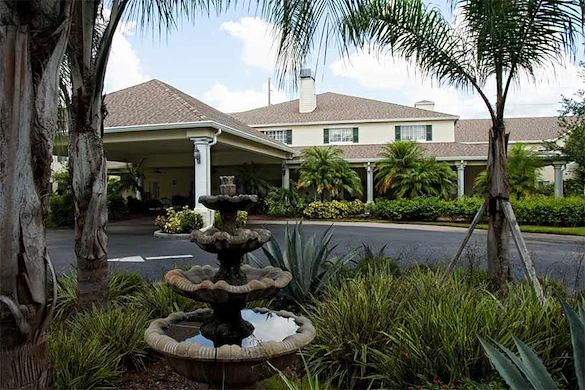
Liana of Venice
2321 East Venice Avenue Venice, FL 34292
Assisted LivingMemory CareRespite Care -
-
 4.6Verified
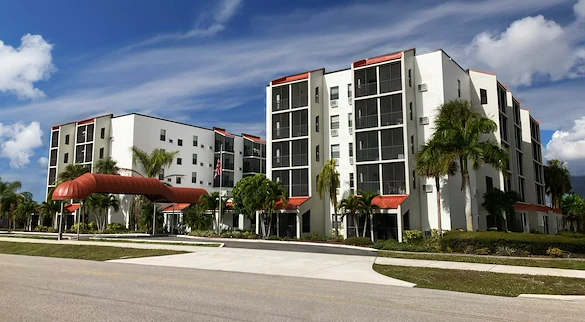
Grand Villa of Port Charlotte
2500 Aaron St Port Charlotte, FL 33952
Independent LivingAssisted LivingMemory Care -
 4.3Verified
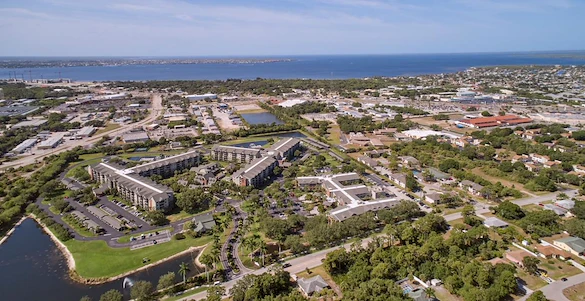
South Port Square
23023 Westchester Blvd Port Charlotte, FL 33980
Independent LivingAssisted LivingMemory CareLife Plan Community/CCRC -
 4.4Verified
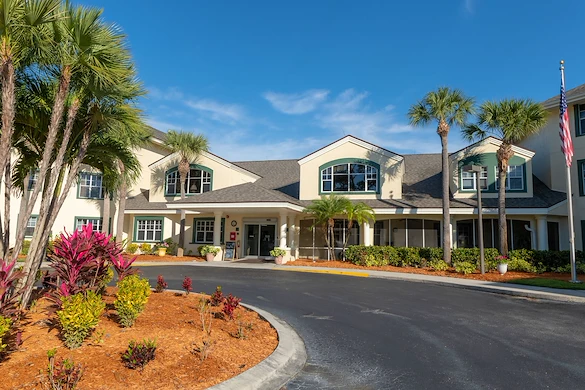
Truewood by Merrill, Charlotte Center
18400 Cochran Blvd Port Charlotte, FL 33948
Independent LivingAssisted LivingMemory Care -
 4.2Verified
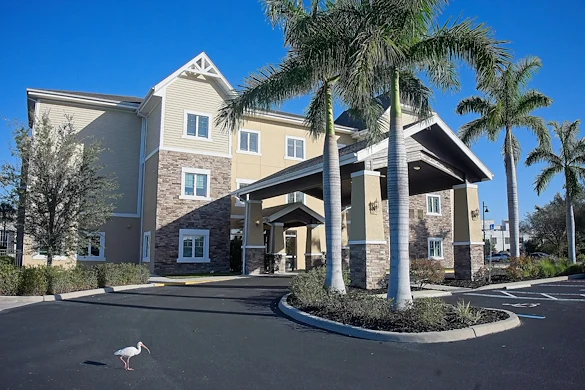
Parkside Assisted Living & Memory Care
2595 Harbor Blvd Port Charlotte, FL 33952
Assisted LivingMemory Care


Memory Care in Port Charlotte, Florida
View All Providers-
4.6Premium
Liana of Venice
2321 East Venice Avenue Venice, FL 34292
Assisted LivingMemory CareRespite Care -
4.6Verified
Grand Villa of Port Charlotte
2500 Aaron St Port Charlotte, FL 33952
Independent LivingAssisted LivingMemory Care -
4.3Verified
South Port Square
23023 Westchester Blvd Port Charlotte, FL 33980
Independent LivingAssisted LivingMemory CareLife Plan Community/CCRC -
4.4Verified
Truewood by Merrill, Charlotte Center
18400 Cochran Blvd Port Charlotte, FL 33948
Independent LivingAssisted LivingMemory Care -
4.2Verified
Parkside Assisted Living & Memory Care
2595 Harbor Blvd Port Charlotte, FL 33952
Assisted LivingMemory Care
Long Term Care & Skilled Nursing in Port Charlotte, Florida
View All Providers-
 3.0Verified
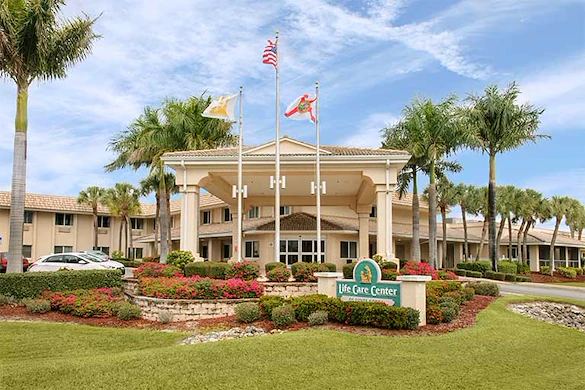
Life Care Center Of Punta Gorda
450 Shreve Street Punta Gorda, FL 33950
Long-Term Care / Skilled NursingSkilled Rehabilitation -
 5.0Verified
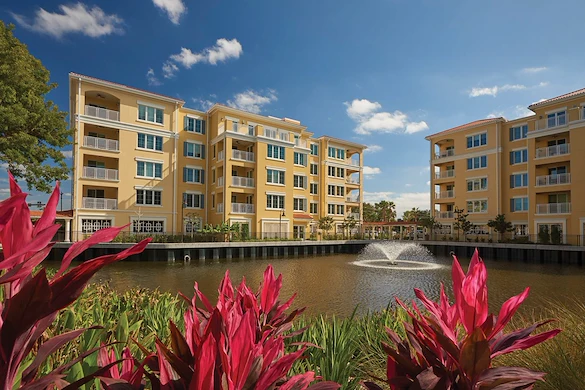
Village On The Isle
910 Tamiami Trail South Venice, FL 34285
Long-Term Care / Skilled NursingSkilled Rehabilitation -
 2.0Verified
Capri Health And Rehabilitation Center
1450 East Venice Avenue Venice, FL 34292
Long-Term Care / Skilled NursingSkilled Rehabilitation -
 4.3
4.3South Port Square
23023 Westchester Blvd Port Charlotte, FL 33980
Long-Term Care / Skilled NursingSkilled Rehabilitation


Independent Living & Active Adult Living in Port Charlotte, Florida
View All Providers-
 4.8Verified
The Gallery at North Port
1322 N Main St North Port, FL 34286
Independent LivingAssisted LivingMemory CareRespite Care -
4.6Verified
Grand Villa of Port Charlotte
2500 Aaron St Port Charlotte, FL 33952
Independent LivingAssisted LivingMemory Care -
4.3Verified
South Port Square
23023 Westchester Blvd Port Charlotte, FL 33980
Independent LivingAssisted LivingMemory CareLife Plan Community/CCRC -
4.4Verified
Truewood by Merrill, Charlotte Center
18400 Cochran Blvd Port Charlotte, FL 33948
Independent LivingAssisted LivingMemory Care

Home Care in Port Charlotte, Florida
View All Providers-
-
 4.9Verified
BrightStar Care of Port Charlotte
1777 Tamiami Trail Port Charlotte, FL 34292
Home Care (Non-Medical) -
 4.6Verified
Griswold Care Pairing for Sarasota County
333 South Tamiami Trail Venice, FL 34285
Home Care (Non-Medical) -



Compare Assisted Living Costs in Florida
How does Florida compare? The chart lines up the state's monthly average for assisted living against the national one.
Independent living and assisted living each have a cost section on our Florida page, and so do home care and nursing homes. Each one also explains how people cover that cost in Florida.
Memory care is the one care type still missing from the cost sections on our Florida page. For questions about memory care, Southwest Florida's Area Agency on Aging serves Charlotte County and is a good first call.
Local Resources for Older Adults in Port Charlotte, FL
Most help for older adults in Port Charlotte, FL, runs through Charlotte County or a regional agency. Each link below goes to the group that runs the program, where you can confirm hours and who qualifies.
- Charlotte County Aging & Adult Services. County help for older adults who want to keep living at home, starting with a call to the Elder Helpline. Aging & Adult Services
- Area Agency on Aging for Southwest Florida. Serves Charlotte County with caregiver classes and free wellness workshops. Area Agency on Aging
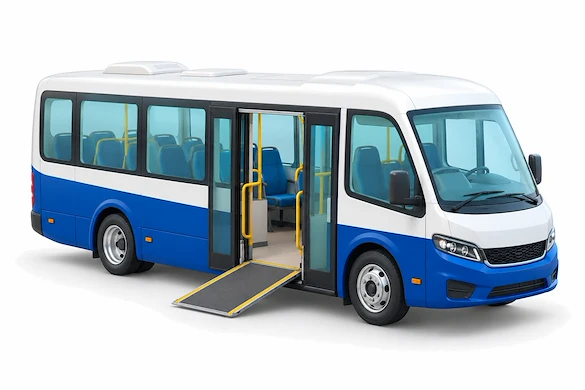
- Charlotte Rides. Shared, curb-to-curb county buses with lifts for wheelchairs, scooters, and walkers. Charlotte Rides
- Mid-County Regional Library. The library on Forrest Nelson Blvd., with home delivery and one-on-one tech help. Locations & Hours
- Tippecanoe Environmental Park. The county's preserve on El Jobean Road, with a nature trail, a kayak launch, and guided walks. Tippecanoe
- Charlotte County recreation centers. Centennial Park and Harold Avenue Regional Park, with drop-in activities on each calendar. Recreation Centers
- Medicare Care Compare. Nursing home star ratings, searchable by name. Care Compare
Frequently Asked Questions
No. Port Charlotte, FL, is a Census-designated place, the Census Bureau's term for a community that isn't an incorporated city. It has no city government. Charlotte County provides the services a city usually would. County Community Services runs parks, recreation centers, and libraries. County Human Services handles aging and adult services and Charlotte Rides.
For families, this simply means you'll look for county programs, not city ones, when you need help. Each resource listed above links to the county office or agency that runs it, so you can go straight to the source.
Charlotte Rides, Charlotte County's public transit, gives shared, curb-to-curb rides across most of the county, including Port Charlotte, FL. It runs on weekdays, with limited Saturday service. Rides are booked first come, first served. Riders can call or use the Charlotte Rides Mobile App, and the county lists the fare as free.
Buses have lifts for wheelchairs, scooters, and walkers, and riders get a 30-minute pick-up window. Trips can go to medical appointments, grocery stores, the library, banks, and a meal site. The county suggests booking ahead, though same-day rides may be available. People 60 or older, people with disabilities, and people with low incomes may also qualify for the Transportation Disadvantaged program.
Start with Aging & Adult Services, part of Charlotte County Human Services. It works from the Family Services Center on Gibralter Dr. and helps older adults and caregivers stay safe at home. Services are grant-funded. They begin with a referral through the Elder Helpline, and staff may then visit the home to go over options.
Charlotte County is one of seven counties served by the Area Agency on Aging for Southwest Florida. The state designates it as the region's Aging and Disability Resource Center, a starting point for questions about services for older adults and people with disabilities. When it's unclear which office to call, the Elder Helpline is a sensible place to begin.
Begin with a short list of needs: daily help, budget, and how close family lives. Then look through the assisted living listings here and pick two or three to visit. Another local resource is the county's Family Services Center, where Charlotte County Human Services and over 20 partner organizations work side by side.
Partners there include a Senior Case Manager with the Sheriff's Office Mental Health Unit. The Florida Department of Health in Charlotte County is there too, working on fall prevention. On tours, use the same questions everywhere, so the answers line up. The best fit meets today's needs and has room for tomorrow's.
Charlotte County lists a Friendship Café meal site on Aaron Street in Port Charlotte, FL. It's open weekdays at midday, with transportation available. Group meals at the Friendship Cafés are open to anyone 60 or older, with no other eligibility rules. Reservations are needed 24 hours ahead.
For someone who can't easily leave home, the county's Home Delivered Meal Service brings meals to frail, homebound seniors. Referrals go through the Elder Helpline. A weekday lunch at the café is also an easy way to meet neighbors and get out of the house.
Mid-County Regional Library, on Forrest Nelson Blvd., is now the library for Port Charlotte, FL. Charlotte County Libraries and History also runs Library Home Delivery. Every four weeks, it brings books, movies, and music to county residents who can't drive to the library. The reason can be short-term or lasting.
Staff pick up returns, too, and a library card comes with sign-up. Inside the library, Tech Help gives one-on-one advice for your own device. Wi-Fi is free, with no password. You can borrow Kindle e-readers and electronic magnifiers if fine print is hard to read. Through Beyond the Stacks, the library also takes a small collection out to parks.
Senior Living Near Port Charlotte, FL
Sources, checked Oct. 12, 2026: Charlotte County Human Services, Charlotte Sports Park, Tippecanoe Environmental Park, Centennial Park, Charlotte County community gardens, Charlotte County recreation centers, Fit for Life Senior Games, Charlotte County Aging & Adult Services, Family Services Center, Charlotte County meal programs, Area Agency on Aging for Southwest Florida, Florida Department of Elder Affairs, Charlotte Rides, Charlotte County Libraries and History, U.S. Census Bureau, CMS hospital data, HCA Florida Fawcett Hospital, AdventHealth, NOAA climate normals, Florida Statutes 429.26, Florida Statutes 430.502, and CMS Five-Star Quality Rating System.