

21,087
Population of Howard

3,675
Residents aged 65 and older in Howard

108
Senior Living & Care Options in Howard

$5,793/Month
Average cost of Senior Living & Care in the area.
Howard, with a population of 21,087, is home to 3,675 residents aged 65 and older. The city offers 108 senior living and care options. The average monthly cost of senior living & care in the area is $5,793.
Howard, WI, is a suburban village on the northwest side of Green Bay, WI. It became a village in 1959. For anyone weighing senior living in Howard, WI, that setting puts much of the region close at hand. The Village says it has direct access to Interstate 43, US Highway 41, and State Highway 29.
The Village gives its own travel times, too. Lambeau Field is five minutes away. Austin Straubel International Airport is a 10-minute trip, and Door County, WI, is 45 minutes out. So relatives who fly in land a short ride from the Village.
The Village's gathering place is Howard Commons Activity Complex, at 550 Commons Place. It has an open-air pavilion and an indoor activity center. There's a rink for roller and ice skating, plus an outdoor amphitheater ringed by green space. A splash pad gives visiting kids something to do as well.
Duck Creek Quarry Park offers a quieter outing. The 30.83-acre Village park sits on an old limestone quarry. The Village has added a sand beach, a fishing dock, and a trail system. It's open sunrise to sunset for walks, paddle boarding, and boating without a motor. Anglers can fish catch-and-release from the Lakeview side.
Winter here takes some planning. NOAA keeps 1991 to 2020 normals for a Green Bay, WI, weather station, which isn't in Howard, WI. They put January's average low at 11.1°F. July's average high is 81.0°F. In short, January nights drop far below freezing, and July afternoons are warm. On a winter visit, you might ask how each community clears snow from its sidewalks and lots.
For medical care, Medicare's hospital list shows no hospital in Howard, WI. It does list four acute care hospitals with emergency services in Green Bay, WI. They're Bellin Memorial Hospital, St. Vincent Hospital, St. Mary's Hospital Medical Center, and Aurora BayCare Medical Center. Acute care means short-term treatment for a sudden illness, an injury, or surgery. HSHS St. Vincent Hospital lists its emergency department as open 24 hours, so that care is there at any hour.
Below, the page moves from help at home to nursing homes, one care type at a time, with questions to ask in Howard, WI. Families can search here for free, and every provider is listed. Once a handful look promising, you can contact them directly, and those conversations stay between you and each provider.
Howard, WI at a Glance




Home Care in Howard, Wisconsin
View All Providers-
 4.8Verified
Visiting Angels - Green Bay
3311 Packerland Dr De Pere, WI 54115
Home Care (Non-Medical) -

-
 4.3Verified
Cornerstone Caregiving - Greenbay
2140 Holmgren Way Green Bay, WI 54304
Home Care (Non-Medical) -
 3.1
3.1Interim Healthcare of Green Bay
110 Packerland Dr, Suite D Green Bay, WI 54303
Home Care (Non-Medical)


Independent Living & Active Adult Living in Howard, Wisconsin
View All Providers-
 4.6Premium
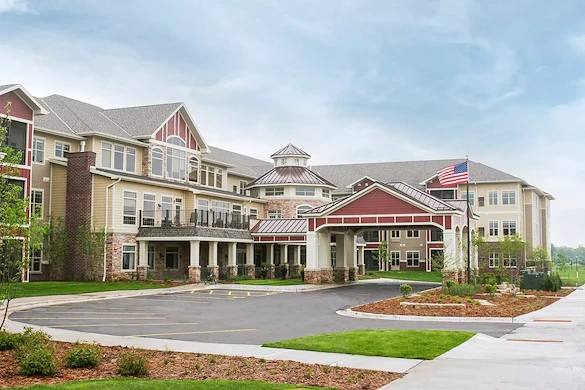
StoryPoint Howard
2790 Elm Tree Hill Howard, WI 54313
Independent LivingAssisted LivingMemory Care -
 4.8Verified
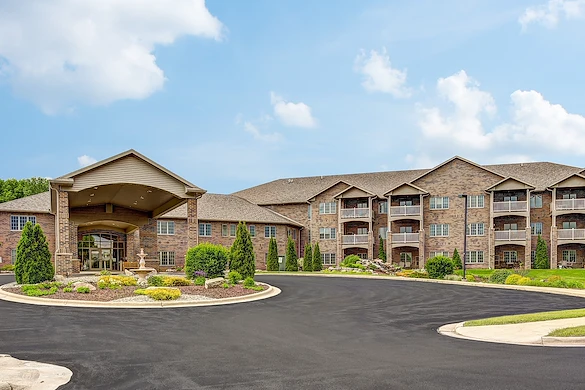
Brookview Meadows
1740 Condor Ln Green Bay, WI 54313
Independent LivingAssisted Living -
 4.7Verified
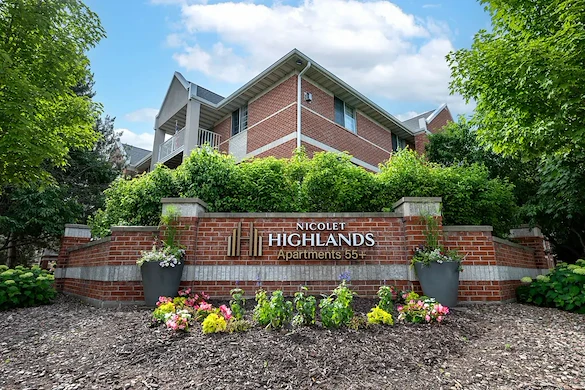
Nicolet Highlands
430 Grant St, #100 De Pere, WI 54115
Active Adult LivingIndependent Living -
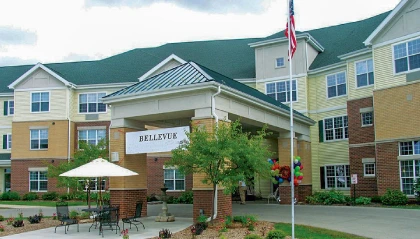 4.6Verified
Bellevue Senior Living
1660 Hoffman Road Green Bay, WI 54311
Independent LivingAssisted Living -
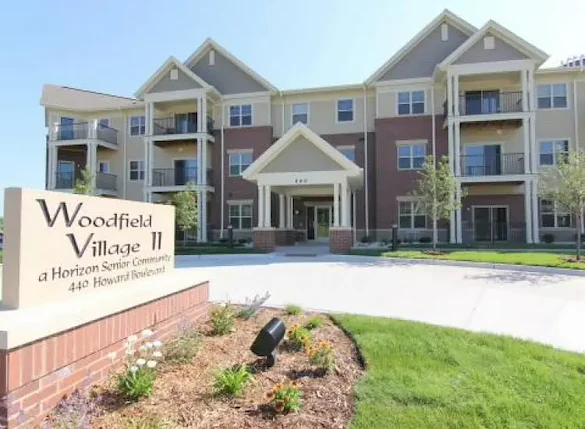


Assisted Living in Howard, Wisconsin
View All Providers-
4.6Premium
StoryPoint Howard
2790 Elm Tree Hill Howard, WI 54313
Independent LivingAssisted LivingMemory Care -
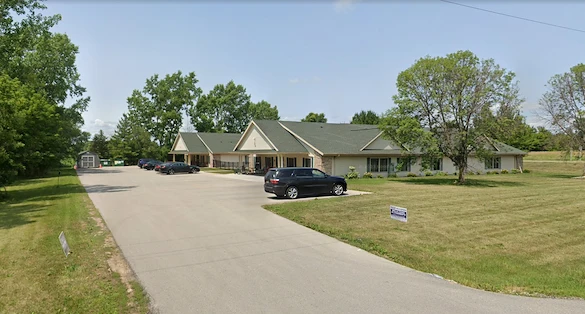 2.0Premium
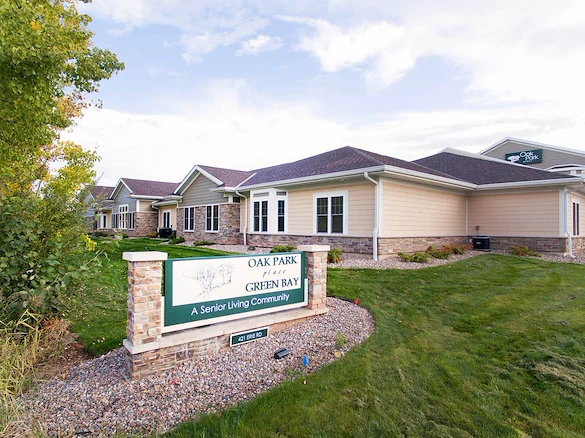
Caraton Commons Green Bay
653 Woodside Road Green Bay, WI 54311
Assisted LivingMemory CareRespite Care -
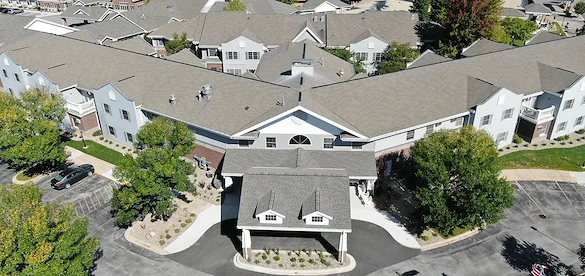 3.7Premium
Renaissance by Rennes - De Pere
250 S Ninth St De Pere, WI 54115
Assisted LivingMemory Care -
-
-
4.6Verified
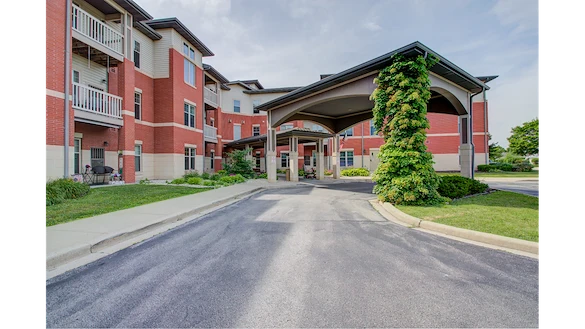
Bellevue Senior Living
1660 Hoffman Road Green Bay, WI 54311
Independent LivingAssisted Living -
 4.3Verified
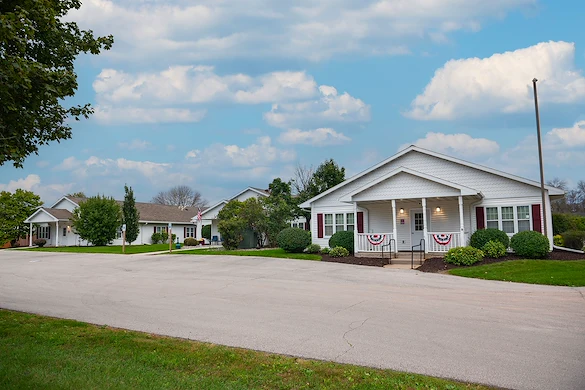
Blue Jay Springs Senior Living & Memory Care
1006 N Military Ave Green Bay, WI 54303
Assisted LivingMemory Care


Memory Care in Howard, Wisconsin
View All Providers-
3.7Premium
Renaissance by Rennes - De Pere
250 S Ninth St De Pere, WI 54115
Assisted LivingMemory Care -
4.6Premium
StoryPoint Howard
2790 Elm Tree Hill Howard, WI 54313
Independent LivingAssisted LivingMemory Care -
2.0Premium
Caraton Commons Green Bay
653 Woodside Road Green Bay, WI 54311
Assisted LivingMemory CareRespite Care -
-
4.3Verified
Blue Jay Springs Senior Living & Memory Care
1006 N Military Ave Green Bay, WI 54303
Assisted LivingMemory Care -
 4.4Verified
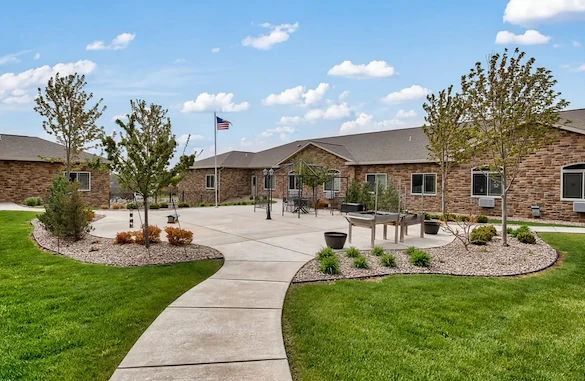
Eden Vista Green Bay
279 St Joseph St Green Bay, WI 54301
Independent LivingAssisted LivingMemory Care -
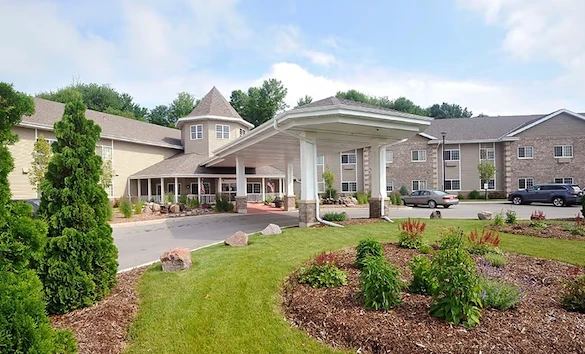 3.9Verified
New Perspective | Emerald Bay
650 Centennial Centre Blvd Hobart, WI 54155
Assisted LivingMemory Care


Long Term Care & Skilled Nursing in Howard, Wisconsin
View All Providers-
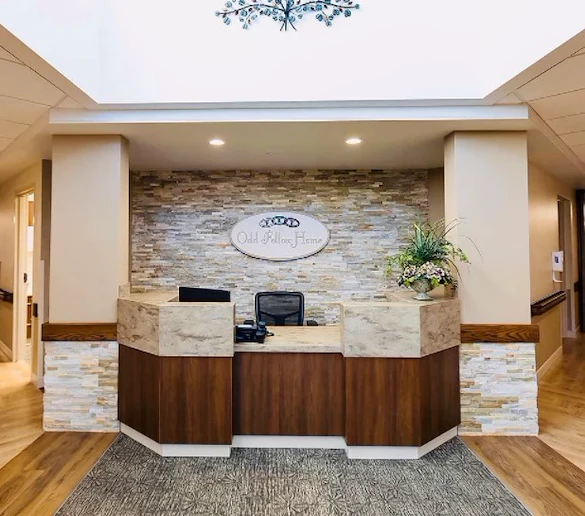 2.0Verified
Odd Fellow Home
1229 S Jackson St Green Bay, WI 54301
Long-Term Care / Skilled NursingSkilled Rehabilitation -
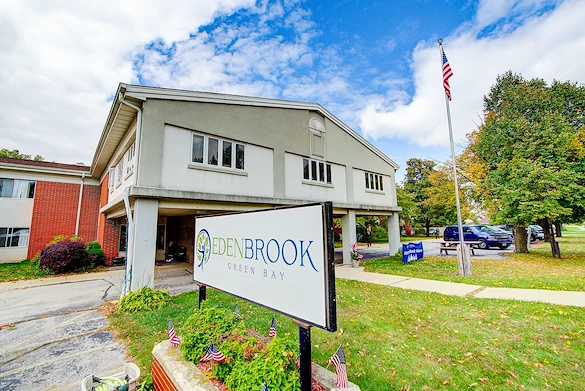 3.0Verified
Edenbrook Green Bay
2961 St Anthony Dr Green Bay, WI 54311
Long-Term Care / Skilled NursingSkilled RehabilitationRespite Care -
 5.0Verified
Anna John Resident Centered Care Community
2901 South Overland Road Oneida, WI 54155
Long-Term Care / Skilled NursingSkilled Rehabilitation -
 5.0Verified
Serenity Spring Senior Living At Green Bay
1555 Dousman St Green Bay, WI 54303
Long-Term Care / Skilled NursingSkilled Rehabilitation


Compare Assisted Living Costs in Wisconsin
This chart lines up what assisted living typically costs per month in Wisconsin with the U.S. figure.
For statewide costs and the ways people cover them, read the matching sections of our Wisconsin page: independent living, nursing homes, home care, or assisted living.
No memory care cost section exists on our Wisconsin page so far. For memory care questions, the ADRC of Brown County is a good first call.
Local Resources for Older Adults in Howard, WI
Here's where older adults in Howard, WI, and across Brown County can turn. Each link opens the organization's page with its current hours and eligibility rules.
- Howard Active Seniors. Bingo, Sheepshead, and craft groups for older adults, run by the Village's Leisure Services at Village Hall, 2456 Glendale Avenue. Active Seniors
- ADRC of Brown County. The resource center the state lists for Brown County, serving older adults, people living with a disability, and those who care for them. ADRC of Brown County
- ADRC transportation. Volunteer ride options, plus help mapping out a transportation plan. Transportation
- Howard Commons Activity Complex. The Village's gathering spot at 550 Commons Place, with a pavilion, an amphitheater, and a skating rink. Howard Commons
- Brown County Library. Hours and locations for every branch, Weyers-Hilliard included, plus the Bookmobile. Locations and hours
- Wisconsin ombudsman coverage map. Shows which regional ombudsman covers each county, Brown and Outagamie included. Ombudsman coverage map
- Medicare Care Compare. Run by Medicare, it shows ratings for each nursing home. Care Compare
Frequently Asked Questions
Yes. The Village's Leisure Services Department runs Active Seniors programs at the Village Hall Community Center. Senior Bingo is played from 1 to 3 p.m. on the first, second, and third Thursdays of each month. You don't have to live in Howard, WI, to play. Senior Sheepshead, a classic card game, is free to join.
Sheepshead tables meet Wednesday afternoons and on the second and fourth Monday mornings. According to the Village's newsletter, beginners are welcome, and other players will teach the game. The newsletter also lists monthly knitting and crocheting, modern quilting, and hand needlework groups in the Village Hall Activity Room. Programs are aimed at adults typically 55 and older. Reading the newsletter is an easy way to see what's coming.
The ADRC of Brown County points riders to Curative Connections, whose volunteer drivers give rides to Brown County residents age 60 and up, as well as people with disabilities. An application comes first. The ADRC also offers help sketching out a transportation plan that works for someone's week.
One gap is good to know about. Green Bay Metro's service area covers Green Bay, WI, and four other communities, and Howard, WI, isn't among them. So Metro buses and Metro paratransit aren't a ride to count on from a Howard, WI, address. On tours, it's smart to learn whether a community runs its own van to appointments and shops.
The Aging and Disability Resource Center of Brown County is the center the state lists for Brown County. Its office is on South Adams Street in Green Bay, WI. It partners with adults 60 and older, people with disabilities, and family caregivers, and it calls itself a source of unbiased information.
Callers don't need a polished question, the center says. They can simply tell their story. Its caregiver help includes support groups as well. The Census places Howard, WI, in both Brown and Outagamie counties, and most programs on this page serve Brown County. If your address is on the Outagamie County side, it's good to check which county's center serves you.
Yes. The ADRC of Brown County runs Home Delivered Meals, with volunteers bringing meals around the noon hour on weekdays. Howard, WI, is on its delivery list. The program is meant for people who are 60 or older, mostly homebound, and unable to prepare meals safely alone.
Anyone who'd rather eat in company can try the ADRC's Community Cafe, which serves lunch at two dining sites in Green Bay, WI. One site is open to the public. Each meal must be reserved in advance, so it helps to call ahead. A shared lunch is a simple reason to get out of the house and catch up with others.
The ADRC of Brown County holds a Memory Cafe each month in Green Bay, WI. These social gatherings welcome people with memory loss or thinking changes together with their care partners. A caregiver doesn't need to find a sitter to attend, since the person they care for comes along.
The Brown County Dementia Friendly Community Coalition, which includes the ADRC, wrote a Dementia Resource Guide. It covers support systems, respite options, education, home safety, and more. Reading it ahead of a memory care tour can help you choose which questions to lead with.
The Brown County Library's Weyers-Hilliard Branch sits at 2680 Riverview Drive in Howard, WI. You can call the branch to book a free tech tutoring session: 30 minutes one-on-one with a librarian, covering a device, a website, email, or library tools. Appointments are required.
The Bookmobile also rolls through Brown County. The public is welcome at every regular stop, and the library takes requests for a visit. On tours, you could see whether a community brings residents to the branch or has hosted a Bookmobile stop.
Senior Living Near Howard, WI
Sources, checked Oct. 9, 2026: Village history, Village location, Duck Creek Quarry Park, Pinewood Park, Village community garden, Glendale Avenue trail, Village parks, Howard Commons, Village farmers market, Rock the Commons, Active Seniors, Active Seniors newsletter, U.S. Census Bureau, Wisconsin Department of Natural Resources, Wisconsin Department of Health Services, ADRC list, ADRC of Brown County, City of Green Bay, Metro Transit, ombudsman coverage map, Brown County Library, CMS hospital data, HSHS St. Vincent Hospital, UW-Green Bay Lifelong Learning Institute, NOAA climate normals, Wisconsin assisted living guide, and Wisconsin Administrative Code, DHS 83.