
Senior Living Facts for Tennessee
Tennessee offers a welcoming blend of Southern charm, natural beauty, and vibrant culture—making it an appealing destination for seniors and families exploring senior living options. With its mild four-season climate, friendly communities, and diverse lifestyle opportunities, Tennessee supports a high quality of life for older adults. From the scenic Smoky Mountains in the east to the musical energy of Nashville and Memphis in the west, the state balances small-town warmth with big-city amenities.
Fast Facts
Senior Living & Care in Tennessee
| #15 | most affordable state for senior living and care in the U.S. |
| $4,900 | average monthly cost of senior care in Tennessee |
| 460 | senior living and care providers in Tennessee |
| 1.6M | individuals age 65+ in Tennessee |
For active seniors, Tennessee’s abundant outdoor recreation—including lakes, parks, and hiking trails—encourages healthy aging and year-round exploration. Those who prefer cultural engagement will find a wealth of music festivals, historical landmarks, museums, and performing arts venues. Retirement-friendly cities like Franklin, Chattanooga, and Knoxville are known for their walkability, safety, and growing senior populations, creating a supportive environment where older adults can stay connected and thrive.
Tennessee is also known for being tax-friendly to retirees—there is no state income tax, and most retirement income is not taxed, which can ease financial stress for older adults on fixed incomes. Combined with affordable housing and a relatively low cost of healthcare, Tennessee offers financial peace of mind for families exploring long-term care options. Additionally, the state prioritizes accessibility and offers a variety of senior services, including local transportation programs, community wellness initiatives, and strong support from religious and civic organizations. Whether aging in place or relocating to a senior-friendly community, older adults can find connection, purpose, and peace of mind in Tennessee’s welcoming environment.
Healthcare access is another key strength. Tennessee is home to nationally recognized hospitals, medical centers, and senior-focused providers, particularly in metropolitan areas like Nashville and Knoxville. Specialized services such as geriatric care, memory support, and rehabilitation are widely available throughout the state. Families can also choose from a range of senior living options, including independent living, assisted living, home care, and skilled nursing—each offering varying levels of support, amenities, and affordability.
Whether you're looking for a peaceful retirement surrounded by nature or an engaging lifestyle filled with culture and connection, Tennessee offers something for everyone. For families navigating senior care decisions, the state’s blend of affordability, access to care, and quality of life makes it a strong choice for long-term living and aging with dignity.
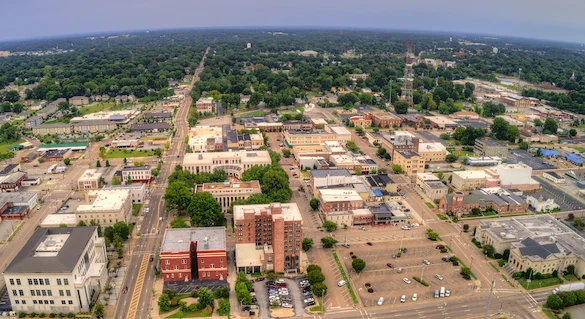
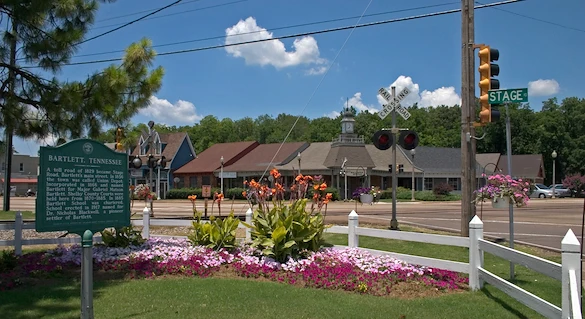
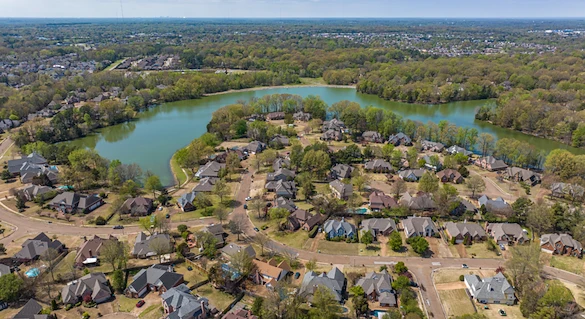
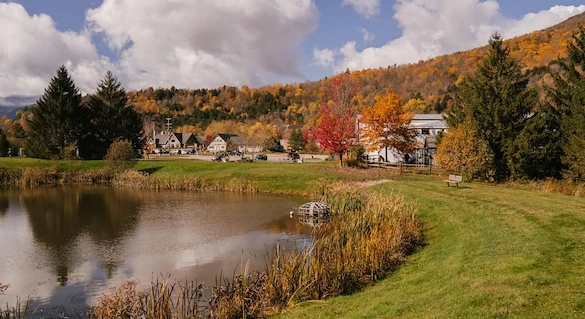
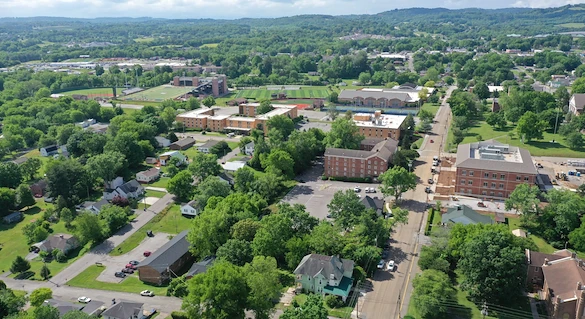
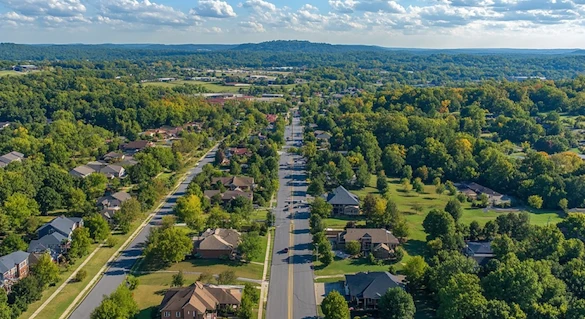
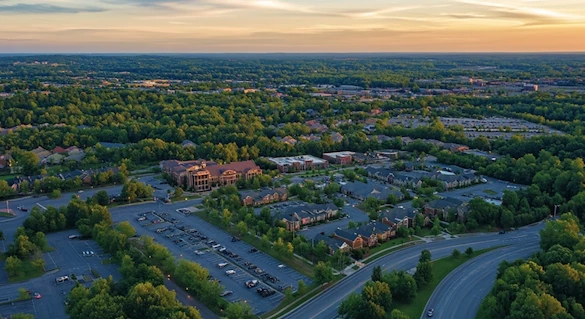
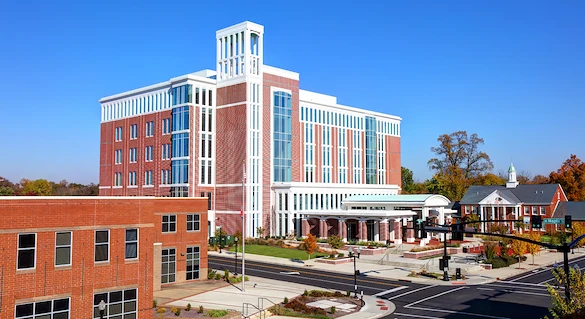
Cities in Tennessee for Senior Living and Care





















Assisted Living in Tennessee
Assisted living in Tennessee offers a supportive environment for older adults who need help with daily activities but wish to maintain as much independence as possible. These communities provide a combination of housing, personalized care services, and opportunities for social engagement. Residents typically receive assistance with activities such as bathing, dressing, grooming, and medication management, while enjoying the privacy of their own apartment or suite.
Tennessee’s assisted living facilities are regulated by the Tennessee Department of Health, which licenses two types of communities: Assisted Care Living Facilities (ACLFs) and Residential Homes for the Aged (RHAs). ACLFs provide more comprehensive services, including personal care, medication administration, and limited health services. RHAs, on the other hand, offer a more basic level of support and supervision. All facilities are required to meet specific safety, staffing, and training standards, and undergo routine inspections to ensure quality of care.
One of the features that sets Tennessee apart is the range of community types available to families. From luxury assisted living residences with upscale amenities like chef-prepared meals and wellness programs, to budget-conscious options that focus on essential care and comfort, there is something to meet every need. Specialized memory care communities are also available for individuals living with Alzheimer’s or other forms of dementia, offering secure environments and trained staff to provide cognitive support.
Tennessee’s mix of small towns and urban centers allows families to choose communities that reflect their loved one’s lifestyle preferences. Cities like Nashville, Knoxville, and Chattanooga offer a vibrant mix of healthcare resources, cultural amenities, and senior-focused services, while more rural areas provide quiet, close-knit environments that many older adults value.
When evaluating assisted living options in Tennessee, families should consider factors such as staff-to-resident ratios, available healthcare partnerships, transparency of pricing, and resident satisfaction. Visiting communities in person, reviewing state inspection reports, and asking detailed questions during tours can help ensure the best fit for a loved one’s needs and preferences.
Best Assisted Living Communities in Tennessee
View All Providers-
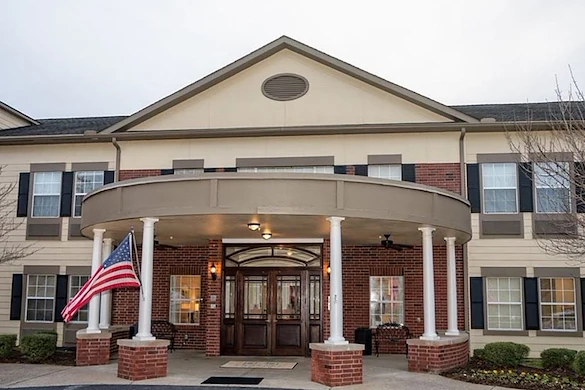 4.1Premium
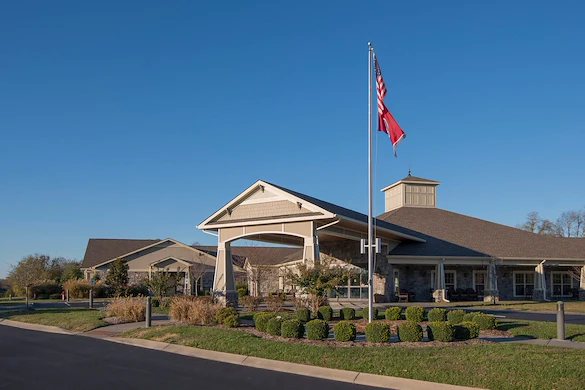
The Carriages of Rivergate
94 Twin Hills Dr Madison, TN 37115
Assisted LivingRespite Care -

-
 4.7Verified
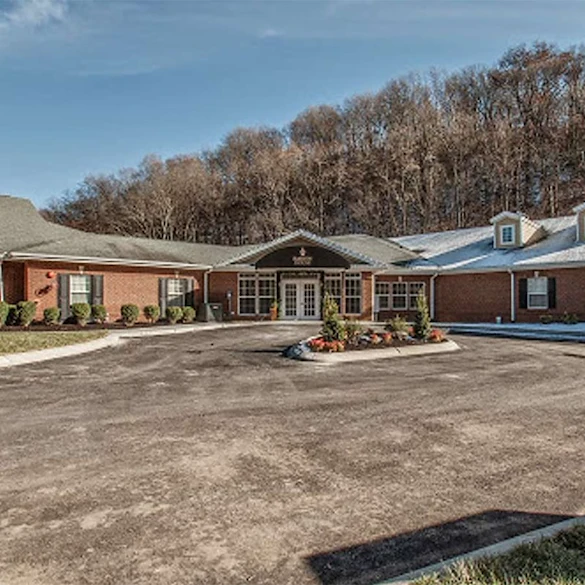
Morning Pointe Senior Living of Brentwood
1522 Wilson Pike Brentwood, TN 37027
Assisted LivingMemory Care -
 4.6
4.6Barton House Nashville
6961 Hwy 70 S Nashville, TN 37221
Assisted LivingMemory CareRespite Care -
 4.6Verified
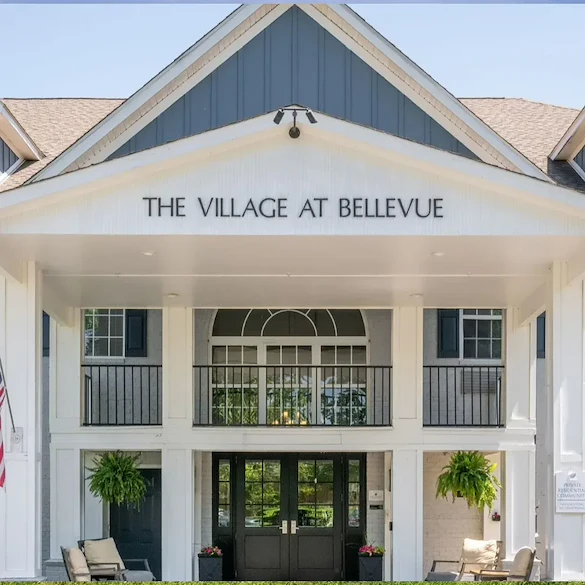
The Village at Bellevue Nashville
8118-B Sawyer Brown Rd Nashville, TN 37221
Assisted LivingMemory CareRespite Care -
 4.3Verified
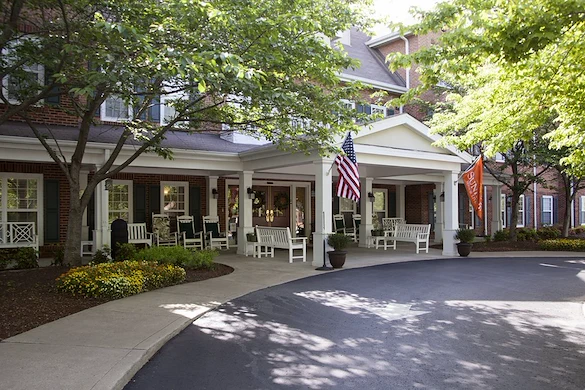
The Rivers at Maryland Farms
103 Arcaro Pl Brentwood, TN 37027
Assisted LivingMemory CareRespite Care


Cost of Assisted Living in Tennessee
Several key factors impact the overall pricing of assisted living communities in Tennessee. The level of care required plays a significant role; facilities that provide specialized care, such as memory care or post-surgical rehabilitation, generally charge more than standard assisted living communities. Amenities also affect cost, with upscale features like gourmet dining, fitness centers, transportation, and social activities contributing to higher fees. Furthermore, location matters, as urban areas with higher living expenses typically have pricier assisted living options compared to rural settings.
Families seeking assistance with these costs have multiple financial aid options available in Tennessee. TennCare CHOICES, a Medicaid program, offers long-term services and supports for eligible adults aged 65 and older, including coverage for care in assisted living facilities. Veterans and their spouses may qualify for Aid and Attendance benefits, which help cover long-term care expenses. Additionally, some individuals may have long-term care insurance policies that assist with assisted living costs.
Overall, Tennessee provides relatively affordable assisted living compared to many other states, but prices vary widely based on care needs, location, and amenities. Families are encouraged to explore financial assistance programs and carefully consider these factors to find the best assisted living community that meets their loved one’s needs and budget.
What to Know About Assisted Living in Tennessee
Assisted living in Tennessee costs an average of $4,800–$5,000 per month, depending on location, apartment size, and care needs. This is close to the national average and often lower in smaller cities.
To qualify for assisted living in Tennessee, an individual typically must need help with activities of daily living such as bathing, dressing, or medication management, but not require continuous skilled nursing care.
No, Medicare does not pay for assisted living in Tennessee. Medicare only covers short-term medical care such as hospital stays, rehabilitation, and skilled nursing following a qualifying event.
In most cases, assisted living is cheaper than a nursing home in Tennessee (and nationwide) because nursing homes provide 24/7 skilled medical care and supervision, which is more intensive and costly. Assisted living focuses on help with daily activities and supportive services rather than full-time medical care, so it tends to have a lower monthly cost.
Independent Living in Tennessee
Independent living is a senior living option designed for older adults who are generally healthy, active, and looking to downsize or simplify their lifestyle. These communities offer private apartments or cottages in a safe, supportive environment—without the burdens of home maintenance or yard work. For seniors in Tennessee, independent living provides the freedom to enjoy retirement on their own terms, with the added benefits of social connection and convenient amenities.
Independent living communities in Tennessee typically offer restaurant-style dining, housekeeping, fitness centers, activity calendars, and transportation services. Residents can spend their days exploring new hobbies, attending on-site events, or enjoying quiet time in beautifully landscaped courtyards—all without worrying about household upkeep. Many communities are also located near shops, parks, medical facilities, and cultural attractions, making it easy to stay engaged and independent.
Tennessee is especially appealing for retirees due to its affordable cost of living and lack of state income tax, including no tax on retirement income. This financial friendliness makes it easier for seniors to stretch their retirement savings without sacrificing quality of life.
The state’s mild climate, with four distinct but generally moderate seasons, supports an active lifestyle year-round. Whether it’s strolling through historic downtown Franklin, hiking in the Great Smoky Mountains, or enjoying the music scene in Nashville, there are endless ways for seniors to stay active and connected.
Some of the most retirement-friendly cities in Tennessee include Knoxville, Chattanooga, and Murfreesboro, all of which offer a mix of natural beauty, vibrant culture, and access to quality healthcare. These cities are home to a variety of independent living communities that cater to different lifestyles and budgets, from luxury resort-style living to more affordable options.
Ultimately, independent living in Tennessee gives seniors the opportunity to enjoy freedom, comfort, and connection—all in a welcoming state with strong community values and a high quality of life. Whether you’re drawn to scenic mountain views or lively city life, Tennessee offers a range of independent living options to suit your retirement goals.
Best Independent Living Communities in Tennessee
View All Providers-
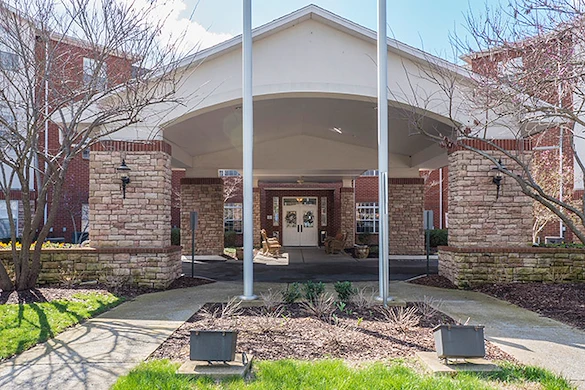 4.6Premium
Brookdale Franklin
910 Murfreesboro Rd Franklin, TN 37064
Active Adult LivingIndependent Living -
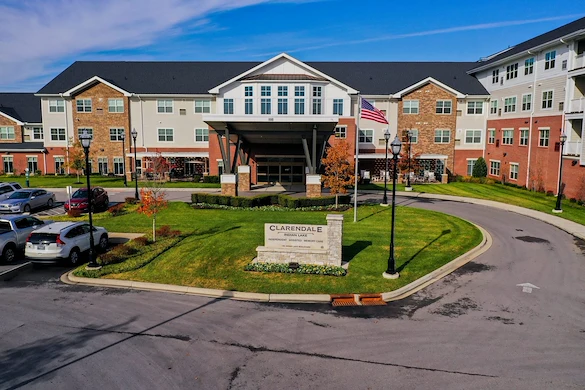 4.9Verified
Clarendale at Indian Lake
195 Indian Lake Blvd Hendersonville, TN 37075
Independent LivingAssisted LivingMemory Care -
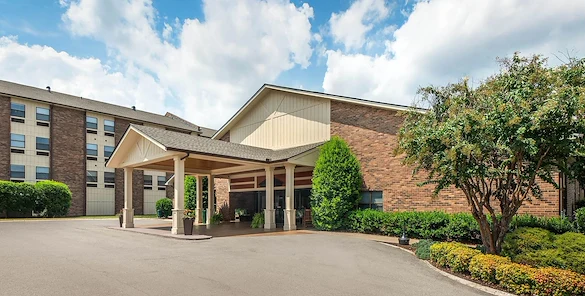 4.7Verified
Park Place Retirement Community
31 Executive Park Dr Hendersonville, TN 37075
Independent LivingAssisted Living -
 4.3Verified
Chippington Towers II
1310 Coreland Dr Madison, TN 37115
Independent LivingLow Income / Affordable -
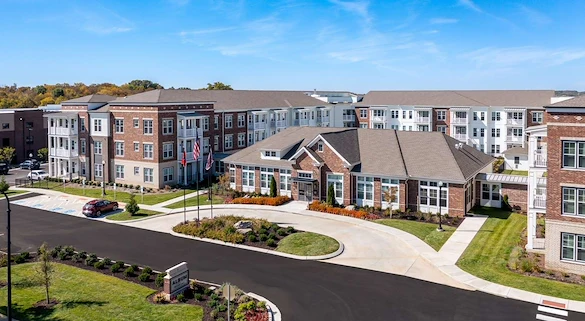 4.6Verified
Album Indian Lake
109 Cinema Drive Hendersonville, TN 37075
Active Adult LivingIndependent Living


Cost of Independent Living in Tennessee
Most independent living fees typically include housing or apartment rent, utilities, housekeeping, landscaping, and meals. Residents also enjoy social activities, entertainment, scheduled transportation, and often 24/7 security. Some communities offer additional amenities such as fitness centers, pools, or concierge services, which may increase monthly costs depending on the level of luxury and services provided.
Compared to other senior care options, independent living in Tennessee provides good value. It is considerably less expensive than assisted living or memory care, which generally start around $4,000 to $5,000 per month. This makes independent living an attractive choice for seniors who are active and in good health but want a maintenance-free lifestyle with easy access to social and recreational activities.
It’s important to note that Medicare and Medicaid typically do not cover independent living costs since they focus on medical and personal care needs. Most families rely on retirement savings, pensions, or investments to cover these fees. Some seniors use long-term care insurance to help with supportive services or consider options like reverse mortgages to fund their living expenses.
Overall, independent living in Tennessee offers seniors a cost-effective and enjoyable way to maintain independence in a supportive community, with prices that reflect local living costs and amenities.
What to Know About Independent Living in Tennessee
Independent living in Tennessee typically costs $2,200–$3,300 per month, depending on amenities, housing type, and location. Independent living does not include personal care services, which keeps costs lower.
Independent living is designed for active seniors, usually age 55 or 62 and older, who do not require daily personal or medical care and can live safely on their own.
Monthly independent living costs in Tennessee usually range from $2,000 to $3,500, making it one of the more affordable senior housing options.
Independent living does not provide hands-on personal care or medical services, which may require seniors to move again if their health needs increase. Costs can also rise if additional services are added later.
Home Care in Tennessee
Non-medical home care is a valuable service that helps seniors maintain their independence and quality of life while staying safely in their own homes. Unlike medical care, which involves clinical or nursing services, non-medical home care focuses on assistance with everyday tasks and companionship. This support allows seniors to live comfortably without sacrificing their dignity or autonomy.
Common services provided by non-medical home care agencies in Tennessee include personal care such as bathing, dressing, grooming, and mobility assistance. Caregivers also offer companionship to reduce feelings of loneliness, provide medication reminders, and help with light household tasks like meal preparation, cleaning, and laundry. Transportation to appointments or errands is often available as well. These services are tailored to each individual’s needs, providing flexible support that can change over time.
In Tennessee, home care agencies must be licensed by the Tennessee Department of Health to operate legally. This licensing ensures agencies meet state standards for safety, caregiver training, and client care. While certification for individual caregivers is not mandatory statewide, many agencies require specialized training or credentials to provide high-quality care. This regulatory framework helps families trust that their loved ones receive competent and compassionate support.
The availability of non-medical home care in Tennessee varies by region. Urban centers like Nashville, Memphis, and Knoxville tend to have more agencies and care options due to higher demand and population density. In rural areas, seniors might face fewer choices or longer wait times, so planning ahead is essential. Additionally, Tennessee’s growing senior population has increased the need for home care services, encouraging more agencies to expand in response.
Choosing non-medical home care in Tennessee allows seniors to remain in familiar surroundings while receiving assistance that enhances safety and comfort. Understanding state regulations and service options helps families select reliable providers that best meet their loved one’s needs.
Best Home Care Agencies in Tennessee
View All Providers-
 4.8Verified
Home Instead - Nashville
2803 B Foster Avenue Nashville, TN 37210
Home Care (Non-Medical) -
 5.0Verified
Visiting Angels - Nashville
604 Gallatin Ave. #110 Nashville, TN 37206
Home Care (Non-Medical) -
 4.8Verified
Comfort Keepers - Nashville
325 Plus Park Blvd #210 Nashville, TN 37217
Home Care (Non-Medical) -



Cost of Home Care Non-Medical in Tennessee
Non-medical home care helps seniors stay safe and independent by assisting with daily activities such as bathing, dressing, meal preparation, medication reminders, light housekeeping, and companionship. Understanding the cost of these services in Tennessee is important for families planning care that fits both needs and budgets.
The average hourly rate for non-medical home care in Tennessee ranges from about $20 to $33 per hour, with a typical state median near $30 per hour. This rate is generally slightly below or on par with the national average. Costs can vary significantly depending on the location, type of provider, and level of care required.
In larger cities like Nashville and Chattanooga, hourly rates tend to be higher, often nearing the upper end of this range. More rural or smaller cities such as Knoxville, Memphis, and Jackson typically offer more affordable rates, often falling between $19 and $23 per hour. These regional differences reflect the cost of living and availability of caregivers.
Monthly costs depend on the number of care hours needed. Part-time assistance, around 10 to 20 hours per week, generally costs between $800 and $2,600 per month. For seniors requiring full-time support of 40 or more hours weekly, expenses can range from $4,000 to $10,000 per month, especially if specialized care, like dementia support, is needed.
Another important cost factor is whether care is arranged through an agency or via a private caregiver. Agencies typically charge higher hourly rates because they provide caregiver screening, training, insurance, and backup staff to ensure reliability and safety. Private caregivers may charge less but require families to manage scheduling, payroll, and taxes.
To help manage these costs, Tennessee offers financial assistance through state programs like the CHOICES Medicaid waiver, which supports eligible seniors with home and community-based care services. Long-term care insurance can also help cover some expenses if available.
By understanding these factors, families can better plan for affordable, high-quality in-home care that supports their loved one’s independence and well-being.
What to Know About Non Medical Home Care in Tennessee
In-home caregiver costs in Tennessee average $23–$26 per hour, depending on care type, location, and scheduling needs. Monthly costs can vary widely based on hours required.
Medical home care provides skilled services such as nursing and therapy ordered by a physician, while non-medical home care helps with daily tasks like bathing, meal preparation, companionship, and transportation.
Yes, non-medical home care businesses can be profitable due to growing demand from the aging population, relatively low startup costs, and recurring service needs.
Some Tennessee residents may get paid to care for a family member through TennCare programs, Veterans benefits, or private pay arrangements, depending on eligibility and care needs.
Long-Term Care/Skilled Nursing in Tennessee
Long-term care in skilled nursing facilities provides around-the-clock medical support, rehabilitation, and specialized services for seniors who need ongoing health management beyond what can be provided at home. These facilities offer a higher level of care for individuals recovering from surgery, managing chronic conditions, or living with memory-related illnesses such as Alzheimer’s or dementia.
In Tennessee, skilled nursing facilities provide comprehensive medical care delivered by licensed nurses, therapists, and healthcare professionals. Services typically include wound care, medication management, physical, occupational, and speech therapy, and assistance with daily living activities. Many nursing homes also have dedicated memory care units designed to support residents with cognitive impairments in a secure, supportive environment.
The state of Tennessee regulates skilled nursing facilities through the Department of Health, which sets strict standards for staffing, safety, infection control, and resident rights. Facilities must comply with federal and state requirements to maintain licensure, undergo regular inspections, and report quality measures. Families can access inspection reports and quality ratings through publicly available resources to compare nursing homes.
When evaluating skilled nursing options in Tennessee, families should consider factors such as staff-to-resident ratios, facility cleanliness, staff training, and resident satisfaction. Visiting facilities in person, talking with staff and current residents or their families, and reviewing state inspection results can help families make informed decisions.
Many skilled nursing facilities in Tennessee also offer specialized rehabilitation programs to help residents regain strength and independence after surgery or illness. These programs are tailored to individual needs and may include outpatient therapy services after discharge.
Choosing a skilled nursing facility is a significant decision. Understanding Tennessee’s regulations and quality standards can empower families to find a community that offers compassionate, skilled care tailored to their loved one’s medical and personal needs.
Best Nursing Homes and Skilled Nursing Facilities in Tennessee
View All Providers-
 3.0Verified
Life Care Center Of Old Hickory Village
1250 Robinson Road Old Hickory, TN 37138
Long-Term Care / Skilled NursingSkilled Rehabilitation -
 4.0Verified
Woodcrest At Blakeford
11 Burton Hills Blvd Nashville, TN 37215
Long-Term Care / Skilled NursingSkilled RehabilitationLife Plan Community/CCRCRespite Care -
 1.0Verified
Eaton Creek Post Acute
4343 Ashland City Highway Nashville, TN 37218
Long-Term Care / Skilled NursingSkilled Rehabilitation -
 4.0Verified
Alta Heights Post Acute
813 S Dickerson Rd Goodlettsville, TN 37072
Long-Term Care / Skilled NursingSkilled Rehabilitation


Cost of Nursing Homes in Tennessee
Long-term skilled nursing care provides essential medical and personal support for seniors who require 24-hour supervision due to chronic illness, recovery from surgery, or specialized memory care. Understanding the cost of skilled nursing in Tennessee is critical for families making care decisions.
Costs can vary significantly by location. Urban centers like Nashville, Memphis, and Chattanooga often have higher rates due to greater demand and higher living expenses. More rural areas may offer lower costs but fewer amenities. Facility reputation and quality ratings also impact pricing, as top-rated nursing homes with specialized programs or luxury amenities may charge premium rates.
The level of medical care required influences cost as well. Residents needing intensive nursing care, rehabilitation therapies, or specialized memory care typically face higher fees. Additional services like physical, occupational, and speech therapy may be included or billed separately.
Financial assistance is available to help cover skilled nursing costs. Medicare may cover short-term skilled nursing stays following a qualifying hospital stay, but it does not typically pay for long-term custodial care. Medicaid provides more comprehensive support for eligible low-income seniors, covering long-term skilled nursing care through state programs like Tennessee’s CHOICES waiver. Veterans’ benefits and long-term care insurance policies can also help offset expenses.
By understanding regional costs, care needs, and available financial aid, families can better navigate the complex landscape of skilled nursing care in Tennessee and find a facility that balances quality and affordability.
What to Know About Nursing Homes in Tennessee
The average monthly cost of a nursing home in Tennessee is approximately $8,600 for a semi-private room and $9,300 or more for a private room.
Medicare only pays for short-term skilled nursing care after a qualifying hospital stay and does not cover long-term nursing home care.
If a senior has limited income and assets, TennCare (Medicaid) may cover nursing home costs once eligibility requirements are met.
A person qualifies for nursing home care if they require 24/7 skilled nursing services, medical supervision, or assistance that cannot be safely provided in assisted living or at home.
Finding the Right Senior Care in Tennessee
Navigating senior living and care options in Tennessee can feel overwhelming, but having the right information makes all the difference. Whether you're researching assisted living, exploring independent living communities, comparing home care services, or planning for long-term skilled nursing, Tennessee offers a wide range of choices designed to support comfort, safety, and quality of life.
From affordable care options to luxury communities, rural towns to major metro hubs, families can find solutions that meet both personal needs and financial goals. With strong healthcare systems, state oversight, and numerous financial assistance programs, Tennessee continues to be a trusted place for seniors seeking support and connection.
As you begin the search, remember that every senior’s needs are unique—use this guide as a starting point, and explore local providers, community reviews, and available resources to make the most informed decision possible.
Below are answers to the most common questions families ask when researching senior living and senior care in Tennessee.
Frequently Asked Questions About Senior Living in Tennessee
The average cost of senior living in Tennessee ranges from $2,500 to over $9,000 per month, depending on care type, with independent living at the low end and nursing homes at the high end.
Popular places for seniors in Tennessee include Chattanooga, Knoxville, Franklin, Murfreesboro, and Johnson City, offering access to healthcare, amenities, and senior services.
Senior housing eligibility is usually based on age (55+ or 62+), income limits for subsidized housing, and the ability to live independently or with minimal assistance.
The 80/20 rule allows 80% of homes in a 55+ community to be occupied by residents age 55 or older, while up to 20% may include younger occupants, under federal housing guidelines.
Frequently Asked Questions About Senior Care in Tennessee
Tennessee seniors may access assistance through TennCare, Area Agencies on Aging, nutrition programs, transportation services, caregiver support, and housing assistance programs.
Medicare does not pay for long-term caregivers but may cover short-term home health services if medically necessary and prescribed by a doctor.
If an elderly person has no caregiver, state agencies, social services, hospitals, or guardianship programs may help arrange care, housing, or protective services.
Senior living costs in Tennessee vary by care type, averaging $2,200–$3,300 for independent living, $4,800–$5,000 for assisted living, and $8,500+ for nursing homes.