
Senior Living Facts for Iowa
Iowa offers a peaceful, community-centered lifestyle that makes it an appealing choice for older adults and families exploring senior living options. With its rolling countryside, small-town charm, and thriving cities like Des Moines, Cedar Rapids, and Iowa City, the state combines affordability with a high quality of life. Seniors in Iowa enjoy four distinct seasons, from vibrant fall foliage to mild summer days, making it easy to appreciate nature throughout the year. The state is known for its friendly Midwestern values, low crime rates, and strong sense of community—ideal qualities for those looking to retire or age in place in a supportive environment.
Fast Facts
Senior Living & Care in Iowa
| #31 | most populated state in the U.S. |
| $4,200 | average monthly assisted living cost in Iowa |
| 1,500+ | assisted living communities and care providers across Iowa |
| 620K+ | adults age 65+ in Iowa |
The cost of living in Iowa is below the national average, allowing seniors and their families to stretch their retirement savings without sacrificing comfort. Housing costs, healthcare expenses, and daily living essentials are generally more affordable than in many other states. In addition, Iowa is tax-friendly for retirees, offering exemptions on Social Security benefits and pension income, which can make a meaningful difference when planning long-term care. Whether individuals are seeking independent living in Iowa City or assisted living near Cedar Rapids, the state provides cost-effective options to meet a range of financial and care needs.
Iowa also stands out for its access to top-rated healthcare. The University of Iowa Hospitals and Clinics in Iowa City and UnityPoint Health facilities across the state are nationally recognized for their patient care and specialized geriatric services. In many communities, seniors can access everything from preventive care and rehabilitation to advanced memory care and long-term skilled nursing. This strong medical infrastructure gives families peace of mind as their loved ones age.
Cultural enrichment and outdoor recreation are integral to life in Iowa. Residents can enjoy festivals, museums, and community events throughout the year, along with scenic parks, river walks, and bike trails. Retirement-friendly cities like Ames, Dubuque, and Bettendorf offer a balance of cultural engagement and natural beauty. Many communities are designed with seniors in mind, featuring walkable neighborhoods, active senior centers, and volunteer opportunities that keep older adults connected and fulfilled.
Whether searching for assisted living in Des Moines or home care in Cedar Falls, families will find a variety of trusted senior care options in Iowa. With its welcoming spirit, quality care services, and comfortable lifestyle, Iowa truly feels like home for seniors at every stage of aging.
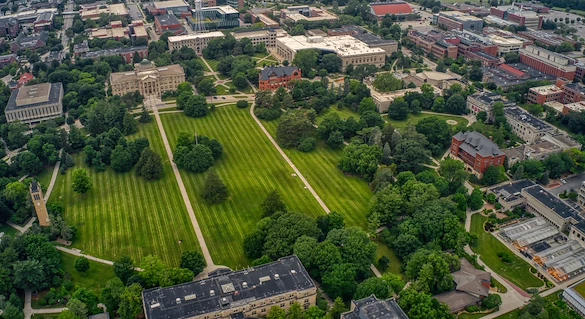
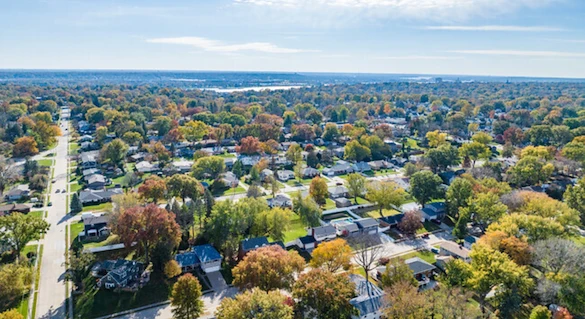
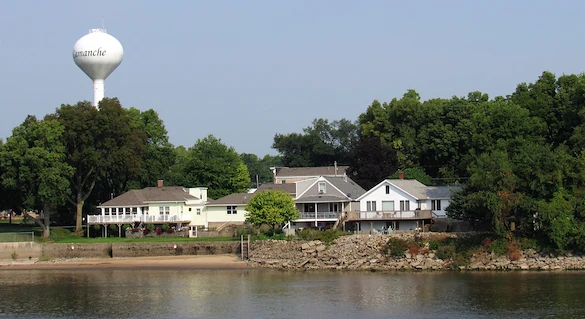
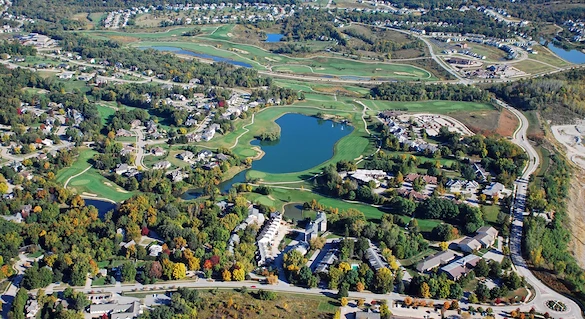
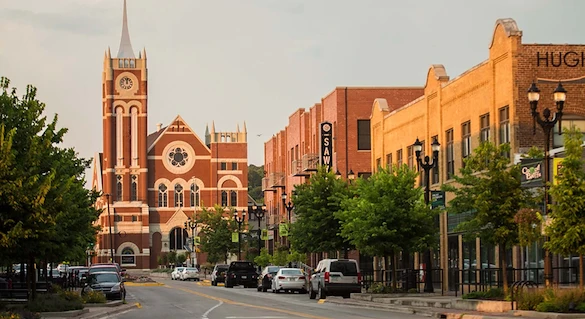
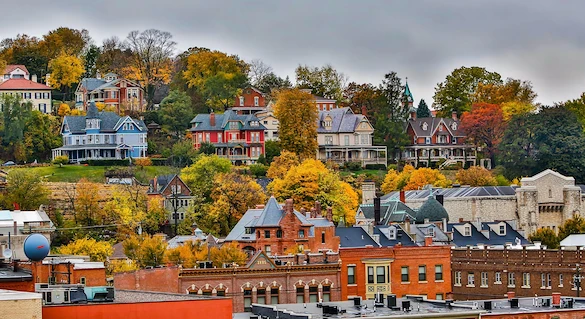
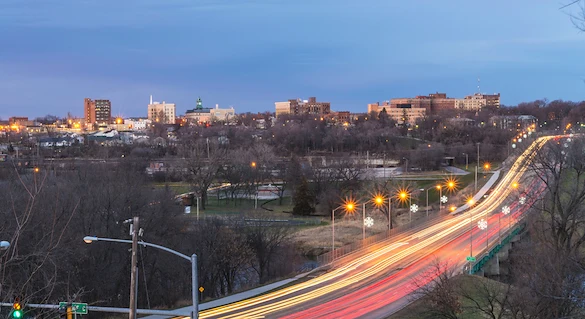
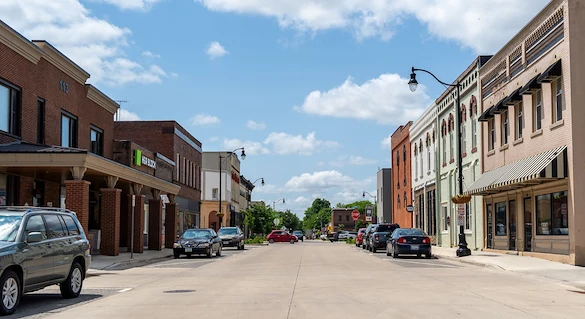
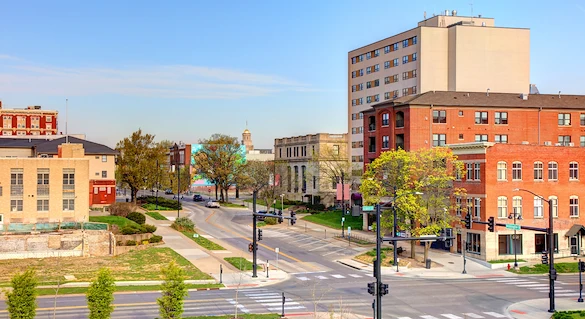
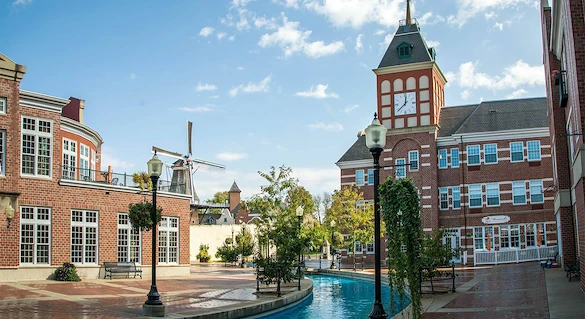
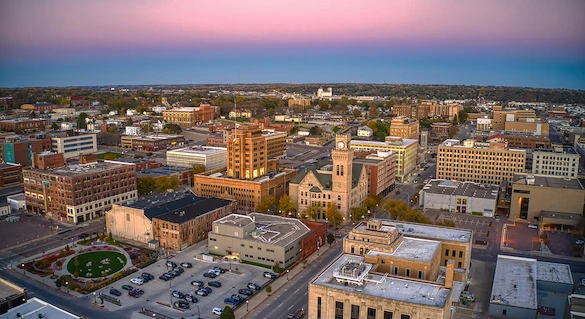
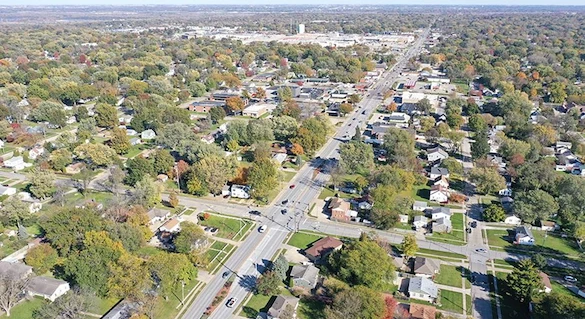
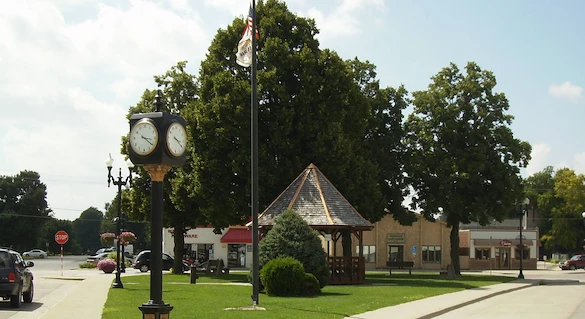
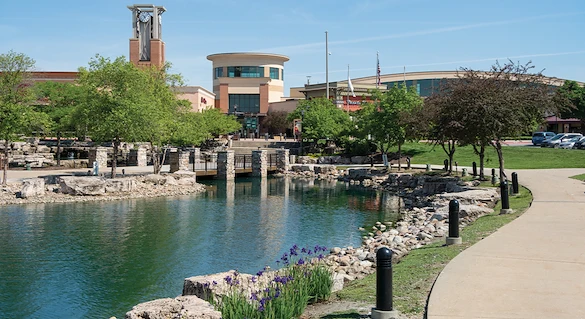
Top Cities for Senior Living and Care in Iowa







Assisted Living in Iowa
Assisted living in Iowa offers a supportive and engaging environment for older adults who need help with daily activities but want to maintain a level of independence. These communities provide a balance between independence and personalized care, making them a great option for seniors who do not require the intensive services of a nursing home but still need assistance with everyday tasks. Common services in assisted living include help with bathing, dressing, grooming, medication management, transportation, housekeeping, and access to nutritious meals. Many communities also provide a robust calendar of social events, wellness programs, and opportunities for engagement to help residents stay active and connected.
In Iowa, assisted living programs are regulated by the Iowa Department of Inspections, Appeals, and Licensing (DIAL). Communities must be certified as Assisted Living Programs and are required to comply with specific state standards that focus on resident safety, staff qualifications, service planning, and emergency preparedness. These regulations help ensure that seniors receive consistent, high-quality care across licensed facilities. Iowa also allows for a specialized license called “Assisted Living with Dementia-Specific Certification,” which applies to communities serving residents with Alzheimer’s or other forms of dementia. This certification ensures enhanced staff training and care planning tailored to memory care needs.
Assisted living communities in Iowa come in a wide range of styles and sizes, from luxury residences with upscale amenities to more affordable, budget-conscious options. Some communities offer specialized services like on-site physical therapy, fitness classes, and transportation to medical appointments. There are also memory care-focused communities that provide enhanced safety and support for seniors with cognitive challenges. When evaluating the best fit for a loved one, families should consider factors like location, staff-to-resident ratios, services offered, dining options, and the overall feel of the community. Touring facilities, reading reviews, and speaking with current residents or family members can also help families make a confident decision.
Overall, assisted living in Iowa supports seniors in living with dignity, safety, and a sense of community. Whether your loved one needs light daily assistance or more specialized care, Iowa offers a variety of assisted living communities designed to meet each individual’s unique needs.
Top Assisted Living Communities in Iowa
View All Providers-
4.3Premium
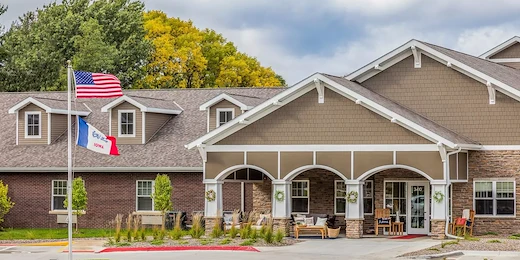
StoryPoint Beaverdale
3410 Beaver Ave Des Moines, IA 50310
Assisted LivingMemory CareRespite Care -
4.9Verified
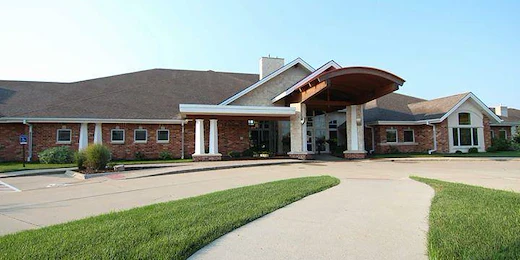
Woodlands Creek Senior Living
12675 Woodlands Pkwy Clive, IA 50325
Independent LivingAssisted LivingMemory Care -
4.8Verified
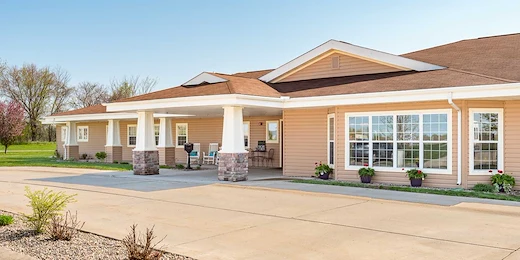
Windsor Manor
608 S 15th Street Indianola, IA 50125
Assisted LivingMemory CareRespite Care -
4.2Verified
Ramsey Village Continuing Care
1611 27th Street Des Moines, IA 50310
Independent LivingAssisted LivingMemory CareLife Plan Community/CCRC -
4.4Verified
Vintage Hills
604 E Hillcrest Dr Indianola, IA 50125
Assisted LivingMemory CareRespite Care
Cost of Assisted Living in Iowa
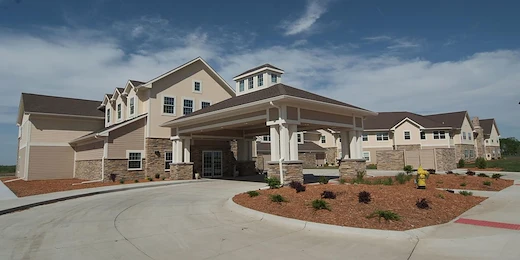
Several key factors influence the cost of assisted living in Nebraska. Communities that offer higher-end amenities—such as restaurant-style dining, fitness centers, and private apartments—tend to charge more. Additionally, seniors who require greater assistance with daily living activities (like bathing, dressing, or managing medications) or specialized memory care can expect higher monthly fees. Staffing costs and inflation have also contributed to rising prices across the state and nationwide.
For families concerned about affordability, Nebraska offers several financial assistance programs. The state’s Aged and Disabled Medicaid Waiver can help cover certain long-term care services in assisted living settings, depending on eligibility. Veterans and surviving spouses may qualify for VA Aid & Attendance benefits, which can be used toward monthly care costs. Other options, such as long-term care insurance or assistance through Nebraska’s Area Agencies on Aging, can provide additional financial relief or planning support.
Understanding assisted living costs is a critical first step in planning for senior care. With Nebraska’s slightly below-average rates and a variety of support programs available, families have options to find high-quality care that fits both their needs and budget.
What to Know About Assisted Living in Iowa
Assisted living in Iowa typically costs $4,000–$4,800 per month, which is below the national average.
No. Medicare does not cover assisted living, including room, board, or personal care services.
Iowa Medicaid may cover care services through waiver programs, but room and board are usually private pay.
Assisted living is generally less expensive than nursing home care because nursing homes provide skilled medical services.
Independent Living in Iowa
Independent living in Iowa offers a vibrant and practical option for older adults who are active, self-sufficient, and ready to enjoy a low-maintenance lifestyle in a supportive community. These senior living communities are designed for individuals who do not require daily medical care or hands-on assistance but appreciate the ease and convenience of having amenities and services readily available.
At its core, independent living provides private residences—often apartments or cottages—within a campus-like setting that offers features such as housekeeping, meal plans, fitness centers, walking trails, and transportation. Many Iowa communities also include libraries, on-site salons, social clubs, and regular events that foster connection and engagement among residents. This environment allows seniors to focus on wellness, socializing, and hobbies, without the burdens of home upkeep or isolation.
Iowa stands out as a particularly appealing location for independent living due to its combination of affordability, safety, and access to health services. The cost of living in Iowa is generally below the national average, and the state is known for its friendly, tight-knit communities and slower pace of life—qualities that many older adults value in retirement. The four-season climate offers scenic beauty throughout the year, from colorful autumns to peaceful snowy winters, while still maintaining mild enough conditions for seniors to remain active.
Several cities in Iowa have been recognized as retirement-friendly destinations. For example, Iowa City offers a strong cultural scene and proximity to world-class medical care at the University of Iowa Hospitals and Clinics. Cedar Rapids and Des Moines provide a mix of urban amenities and suburban charm, while smaller communities like Bettendorf or Decorah offer quiet, picturesque living with access to nature and community programming.
Independent living in Iowa is ideal for seniors who want freedom, connection, and comfort. Whether downsizing from a family home or seeking a fresh start in a community of peers, Iowa’s independent living communities provide the right balance of privacy, support, and lifestyle enrichment. Families exploring senior care options will find that independent living in Iowa offers both value and a high quality of life for their loved ones.
Top Independent Living Communities in Iowa
View All Providers-
4.6Premium
StoryPoint Pleasant Hill
6151 Martha L. Miller Drive Pleasant Hill, IA 50327
Independent LivingAssisted LivingMemory Care -
4.9Verified
Woodlands Creek Senior Living
12675 Woodlands Pkwy Clive, IA 50325
Independent LivingAssisted LivingMemory Care -
4.8Verified
Calvin West - Independent Living
4210 Hickman Road Des Moines, IA 50310
Independent Living -
4.9Verified
Good Samaritan - Meadow Glen Terrace
712 S Jefferson Way Indianola, IA 50125
Independent Living -
4.6
Ahepa 192 II Senior Apartments
202 SE 30th St. Ankeny, IA 50021
Independent LivingLow Income / Affordable

Cost of Independent Living in Iowa
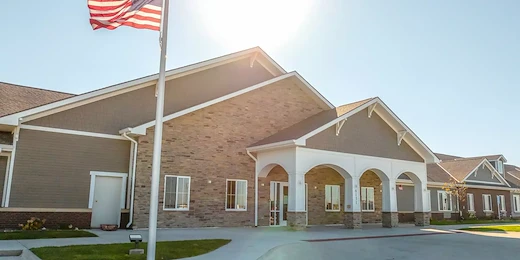
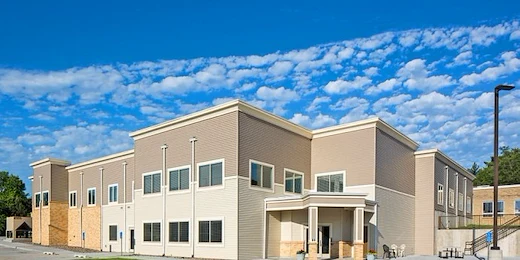
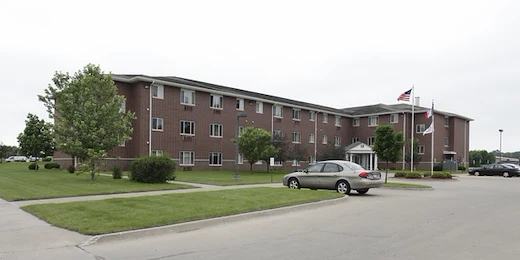
Independent living monthly fees typically include private apartments, maintenance-free living, utilities, scheduled transportation, housekeeping, and access to communal amenities such as dining areas, fitness centers, libraries, and social activities. These services help seniors maintain an active, engaged lifestyle with fewer household responsibilities.
Several key factors drive cost differences across Iowa. Location is a major factor—larger metro areas tend to have higher monthly rates due to increased demand and higher real estate values. Community features also influence price: newer facilities or premium communities with added amenities like on-site dining, wellness programming, or larger units can cost more. The size and type of residence—from studios to multi-bedroom apartments or cottages—also affect monthly rates.
While independent living is considered non-medical and typically not covered by Medicare or Medicaid, there are a few ways families can manage costs. Veterans and their spouses may qualify for Aid and Attendance benefits, which can contribute to independent living expenses. Long-term care insurance may cover partial costs if the policy allows. Some very affordable housing options may also be available through HUD-supported low-income housing programs, though these are less common in independent living settings.
In conclusion, independent living in Iowa strikes a strong balance between affordability and quality-of-life features. With average monthly costs from $2,000 to $3,100, families have the flexibility to find communities that meet their lifestyle preferences without excessive cost. Checking what's included, touring multiple communities, and reviewing local options can help families make the best choice.
What to Know About Independent Living in Iowa
Medicare does not pay for independent living, as it is considered housing rather than medical care.
Independent living does not provide daily personal care or medical support, so seniors may need to relocate if health needs increase.
The cost of living alone in Iowa depends on housing and lifestyle, but housing costs are generally lower than the national average, making Iowa attractive for retirees.
Independent living in Iowa averages $2,200–$3,200 per month, depending on location and amenities.
Home Care in Iowa
Non‑medical home care in Iowa provides essential support to help seniors remain safely and comfortably in their own homes. Unlike medical home health services, this care focuses on assistance with daily living, such as help with bathing, dressing, meal preparation, light housekeeping, travel to appointments, and companionship. These services support seniors’ independence, improve quality of life, and provide respite to families.
In Iowa, non‑medical home care providers are not required to hold a state-level license, though they typically need a valid business license at the county level where they operate. However, agencies receiving funding through state programs must meet certain requirements. All staff providing in-home direct care must undergo a criminal background check and are subject to federal and state laws concerning elder abuse prevention and reporting obligations. These standards help ensure seniors receive trustworthy and ethical care.
While formal training is not mandated by state law for non‑medical caregivers in Iowa, many agencies set their own training benchmarks, such as requiring caregivers to have basic first-aid skills or complete specific agency training programs. Some larger providers pursue accreditation through groups like the Iowa Center for Home Care, which applies standards for privacy, complaint handling, caregiver supervision, and operational quality that distinguish accredited agencies.
A key challenge in Iowa is the shortage of home care workers, particularly in rural areas. Workforce gaps often mean longer waitlists or difficulty scheduling care, especially in smaller towns. According to local reports, agencies in rural counties may have to reduce services if caregivers aren’t available. This issue is compounded by rural residents facing reduced access to healthcare facilities and longer distances to providers.
Iowa offers financial assistance through Medicaid’s Home and Community-Based Services (HCBS) programs, including the Elderly Waiver and Health & Disability Waiver, which help eligible seniors fund homemaker or attendant services. These programs require eligibility based on medical needs and financial criteria, and are crucial for families managing care costs.
In summary, while non‑medical home care in Iowa is flexible and supportive, families need to pay close attention to agency quality, training, caregiver availability, and financial eligibility. Especially in rural areas, planning ahead and vetting providers—including their accreditation and staffing practices—can make a significant difference in finding reliable, dignified at-home support for a loved one.
Top Home Care in Iowa
View All Providers-
5.0Verified
Village Caregiving of Des Moines
1201 Keosauqua Way Ste 207 Des Moines, IA 50309
Home Care (Non-Medical) -
4.9Verified
Des Moines Home Care Assistance
3706 Ingersoll Avenue, Suite 2 Des Moines, IA 50312
Home Care (Non-Medical) -
4.8Verified
Comfort Caring Home Care
699 Walnut Street #400 Des Moines, IA 50309
Home Care (Non-Medical) -
4.5Verified
BrightStar Care of Des Moines
1001 Office Park Rd. West Des Moines, IA 50265
Home Care (Non-Medical)


Cost of Home Care Non-Medical in Iowa
Regional price variations within Iowa reflect local labor markets and population density. Des Moines and Iowa City, for example, may command higher hourly rates due to higher caregiver demand and overall cost of living. In contrast, smaller towns such as Cedar Falls, Ottumwa, or Mason City typically offer more budget-friendly care options. In rural areas, families may also find caregivers willing to provide services at reduced rates, though availability may be more limited.
Several key factors influence the total cost of care. The number of hours needed per week is one of the most significant considerations. For example, a senior who needs 20 hours of weekly support may pay roughly $2,200 to $2,700 per month, while full-time care at 40–44 hours per week can bring monthly costs closer to $5,000 to $6,000. Another major variable is whether the care is provided by a licensed agency or an independent caregiver. Agency care tends to cost more due to added benefits like caregiver training, insurance coverage, and backup staffing, while private caregivers may offer lower hourly rates but fewer safeguards.
To help offset these costs, Iowa offers several financial assistance programs. The Medicaid Elderly Waiver helps cover non-medical home care services for eligible low-income seniors, including personal care and homemaker services. Veterans and surviving spouses may qualify for the VA Aid and Attendance benefit, which can be used toward home care costs. Additionally, seniors who have long-term care insurance may be eligible for reimbursements if their policies cover in-home assistance.
For many Iowa families, non-medical home care is a cost-effective way to support a loved one’s independence and safety without the need for full-time residential care.
What to Know About Non Medical Home Care in Iowa
Non-medical home care is typically paid out of pocket, through long-term care insurance, or via limited Medicaid programs.
A non-medical caregiver assists with activities of daily living such as bathing, dressing, meal preparation, and companionship.
Non-medical home care provides daily living assistance, while home health care delivers skilled medical services ordered by a physician.
In-home care in Iowa typically costs $25–$30 per hour, depending on services and location.
Long-Term Care/Skilled Nursing in Iowa
Long-term care in Iowa’s skilled nursing facilities provides a vital resource for seniors and individuals with chronic medical conditions or functional limitations who need 24-hour care and supervision. These facilities, also known as nursing homes, offer a wide range of medical and personal support services tailored to meet residents’ physical, emotional, and cognitive needs. Care is typically provided by a team that includes registered nurses, licensed practical nurses, certified nursing assistants, physical and occupational therapists, social workers, and other healthcare professionals.
Skilled nursing facilities in Iowa deliver services such as medication management, wound care, IV therapy, pain management, and assistance with activities of daily living. In addition to long-term care, many facilities also offer short-term rehabilitation for individuals recovering from surgery, illness, or injury, as well as specialized care for residents with Alzheimer’s, dementia, or complex medical conditions. These programs focus on improving independence, functionality, and quality of life.
Iowa’s Department of Inspections, Appeals, and Licensing oversees the regulation and licensing of nursing facilities. All skilled nursing facilities must meet state and federal requirements for safety, staffing, infection control, and resident rights. Facilities are subject to regular inspections and must adhere to quality standards set by the Centers for Medicare & Medicaid Services (CMS), which also provides star ratings that reflect the facility’s performance in health inspections, staffing levels, and quality measures. Families can review these ratings, as well as annual inspection reports, to help assess the quality of care at specific nursing homes.
When evaluating nursing homes in Iowa, families are encouraged to consider not only compliance history and ratings but also the environment, staff attentiveness, and the availability of specialized programs. Touring a facility, talking to residents and staff, and asking questions about care plans, therapy offerings, and engagement activities can help families determine the best fit. Whether in urban centers like Des Moines and Cedar Rapids or rural areas across the state, Iowa offers a diverse selection of long-term care options to support seniors in maintaining dignity, safety, and comfort in their daily lives.
Ultimately, skilled nursing in Iowa provides a secure and structured setting for individuals requiring extended care, combining medical oversight with compassionate support in a home-like environment.
Top Long-Term Care/Skilled Nursing in Iowa
View All Providers-
4.0Verified
Calvin Community
4210 Hickman Road Des Moines, IA 50310
Long-Term Care / Skilled NursingSkilled RehabilitationLife Plan Community/CCRC -
5.0Verified
Scottish Rite Park
2909 Woodland Avenue Des Moines, IA 50312
Long-Term Care / Skilled NursingSkilled RehabilitationLife Plan Community/CCRC -
2.0Verified
Ramsey Village Health Center
1611 27th Street Des Moines, IA 50310
Long-Term Care / Skilled NursingSkilled RehabilitationLife Plan Community/CCRC -
5.0Verified
Wesley On Grand
3520 Grand Avenue Des Moines, IA 50312
Long-Term Care / Skilled NursingSkilled Rehabilitation

Cost of Nursing Homes in Iowa
Monthly rates break down to roughly $8,900 for a semi‑private room and $9,650 for a private room. Some state-level resources also report comparable figures—around $8,365 per month for semi‑private accommodations and $7,452 per month for private rooms, though this may reflect specific reporting methodologies. Updated state-by-state comparisons list Iowa’s median monthly skilled nursing cost around $9,195 for semi‑private care and $9,947 for private rooms.
Costs can also vary within the state. Facilities in metro areas like Des Moines often command higher rates aligned with the state median, while more rural regions may offer slightly lower fees. For instance, one city-level estimate noted Des Moines rates at about $8,669 per month.
Several key factors influence pricing. Care level and medical complexity play a large role; residents requiring specialized services like wound care, memory support, or intensive therapy often incur higher charges. Facility reputation and amenities—including private rooms, recreational programming, dining quality, and technology—also affect cost. In addition, staffing levels and workforce stability impact rates; Iowa has faced staffing challenges, with shortages affecting nearly 40% of facilities and contributing to quality concerns.
For many families, financial assistance is critical. Medicare may cover short-term skilled nursing or rehabilitation (typically up to 100 days after a qualifying hospital stay), but not long-term residency. Medicaid is the primary payer for long-term skilled nursing care for eligible residents; Iowa’s Medicaid program includes provisions that assess income and assets, and supports admission when criteria are met. Long‑term care insurance—if purchased before care is needed—can also help offset costs
Understanding the costs and available assistance is crucial when planning skilled nursing care in Iowa. Families are encouraged to consult with financial planners or elder law experts to explore all resources and make informed decisions that ensure their loved ones receive quality care without undue financial strain.
What to Know About Nursing Homes in Iowa
Nursing home care in Iowa averages $7,500–$8,500 per month for a semi-private room.
Medicare only pays for short-term skilled nursing care after a qualifying hospital stay.
Medicare does not pay for long-term nursing home care, only short-term rehabilitation services.
Most long-term nursing home care is paid by Medicaid, private funds, or long-term care insurance.
Finding the Right Senior Care in Iowa
Iowa offers a wide range of senior living and care options, including independent living, assisted living, in-home care, and skilled nursing facilities, making it an attractive and affordable choice for retirees and families planning long-term care. With senior living costs below the national average, access to Medicaid waiver programs, and a strong network of licensed providers, Iowa continues to rank as one of the more budget-friendly states for aging adults. By understanding care options, financial assistance programs, and community resources, families can confidently find quality senior care in Iowa that promotes independence, safety, and long-term peace of mind.
Frequently Asked Questions About Senior Living in Iowa
The most affordable option is often aging in place with part-time home care or qualifying for subsidized senior housing.
Low-income thresholds vary by program and are typically based on Federal Poverty Level (FPL) guidelines and state Medicaid income limits.
The 80/20 rule means at least 80% of units must have one resident age 55 or older, while up to 20% may include younger residents under federal housing law.
Frequently Asked Questions About Senior Care in Iowa
Programs include Iowa Medicaid waivers, Area Agencies on Aging services, nutrition programs, transportation assistance, housing support, and prescription assistance programs.
Senior care in Iowa averages $25–$30 per hour, depending on care type.
Yes. Through Iowa Medicaid waiver programs, eligible seniors may compensate family caregivers under specific guidelines.