
Senior Living Facts for Arizona
Arizona offers an ideal blend of natural beauty, modern convenience, and senior-friendly living that makes it a top choice for older adults and families exploring long-term care options. Known for its warm, dry climate and abundant sunshine, Arizona is especially attractive to retirees looking for a more comfortable environment for aging. The low humidity and mild winters are not only enjoyable but also beneficial for individuals with respiratory or joint conditions, making it a preferred destination for many seeking senior care in Arizona.
Fast Facts
Senior Living & Care in Arizona
| #14 | most populated state in the U.S. |
| $5,000 | average monthly assisted living cost in Arizona |
| 3,000+ | assisted living communities and care providers across Arizona |
| 1.5M+ | Arizonans age 65+ |
One of the standout features of the Grand Canyon State is its diverse and active lifestyle. From outdoor recreation in Sedona and Flagstaff to cultural events in Phoenix and Tucson, seniors can enjoy everything from scenic desert hikes to world-class museums and festivals. Arizona is home to a variety of retirement-friendly cities that offer easy access to amenities, medical services, and social activities. Communities such as Scottsdale, Mesa, and Sun City are designed with older adults in mind, featuring walkable neighborhoods, age-restricted developments, and a variety of senior living options—from independent living to skilled nursing care.
In terms of affordability, Arizona’s cost of living is generally in line with or slightly below the national average, with several cities offering budget-friendly options for senior housing and care. Healthcare access is another major draw, with the state boasting high-quality hospitals and specialized geriatric care facilities. Banner Health, HonorHealth, and the Mayo Clinic in Phoenix are just a few of the top-tier providers that ensure seniors receive comprehensive and compassionate care.
Arizona also offers a strong network of senior services and support programs, including Medicaid long-term care assistance through the Arizona Long Term Care System (ALTCS), as well as veteran services and community outreach initiatives. For families searching for senior living in Arizona, the state presents a wide variety of options, from luxury retirement communities to memory care facilities and home health agencies.
Whether you're looking for assisted living in Tucson, independent living in Scottsdale, or skilled nursing care in Phoenix, Arizona provides a welcoming and supportive environment where older adults can thrive. With its blend of affordability, healthcare access, and active lifestyle, Arizona continues to be one of the best states for senior living and care.
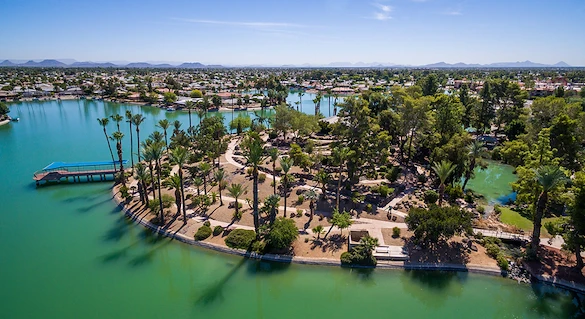
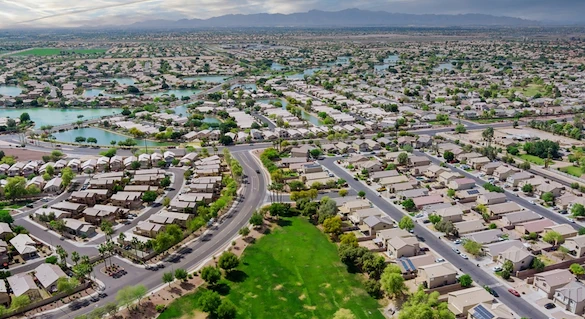
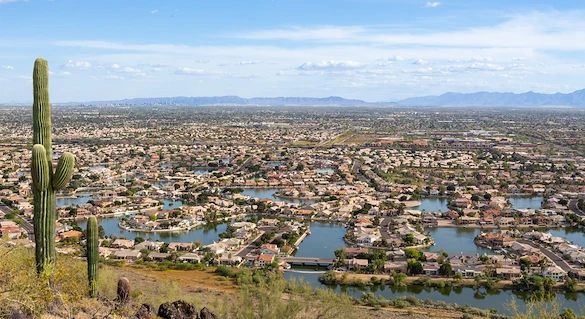
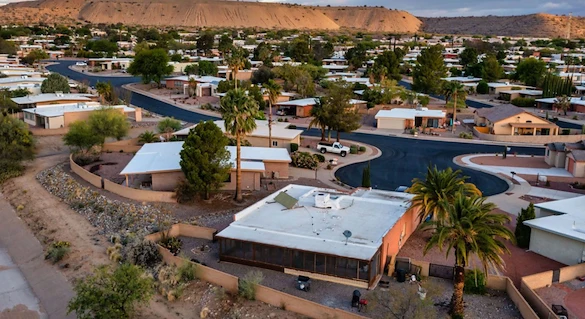
Cities in Arizona for Senior Living and Care

















Assisted Living in Arizona
Assisted living in Arizona offers a supportive, community-based lifestyle for older adults who need help with daily activities but do not require the intensive medical care provided by nursing homes. These residential communities are designed to promote independence while ensuring residents receive the personal assistance they need. Services typically include help with bathing, dressing, grooming, medication management, meal preparation, housekeeping, transportation, and access to enriching social activities that foster connection and engagement.
Arizona regulates assisted living facilities through the Arizona Department of Health Services (ADHS), which licenses three levels of care based on resident needs: supervisory care services, personal care services, and directed care services. This tiered system allows families to choose a community that aligns with their loved one’s health conditions and level of independence. Facilities must meet rigorous quality standards and undergo regular inspections to maintain licensure, offering peace of mind to families navigating senior care decisions.
What makes assisted living in Arizona particularly unique is the wide range of community types available. From upscale, resort-style residences in cities like Scottsdale and Tucson to more budget-conscious options in smaller towns such as Yuma or Prescott, families can find a setting that fits both lifestyle preferences and financial needs. Many communities also specialize in memory care for seniors with Alzheimer’s or dementia, offering secure environments and tailored programming for cognitive support.
Arizona’s warm, dry climate is another appealing factor for many seniors, particularly those managing chronic health conditions like arthritis. The state also boasts a robust healthcare system, including top-ranked hospitals and senior care specialists, especially in the Phoenix and Tucson metro areas. Active adult communities in Arizona often feature walking paths, swimming pools, fitness centers, and cultural outings, enhancing quality of life and promoting healthy aging.
When evaluating assisted living options in Arizona, families should consider factors like staff-to-resident ratios, licensing status, quality of meals and activities, location, and overall atmosphere. Touring communities, reading reviews, and asking about individualized care plans can help ensure the best match for a loved one’s needs and preferences. With its diverse offerings and senior-friendly environment, Arizona continues to be a top destination for older adults seeking comfort, care, and community.
Best Assisted Living Communities in Arizona
View All Providers-
 3.8Premium
Glencroft Center for Modern Aging
8611 N 67th Ave Glendale, AZ 85302
Independent LivingAssisted LivingMemory CareRespite Care -
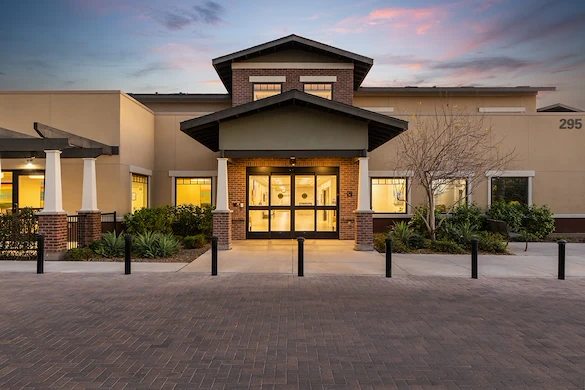 4.4Premium
Silver Birch of Avondale
295 E Van Buren St Avondale, AZ 85323
Assisted LivingMemory CareRespite CareLow Income / Affordable -
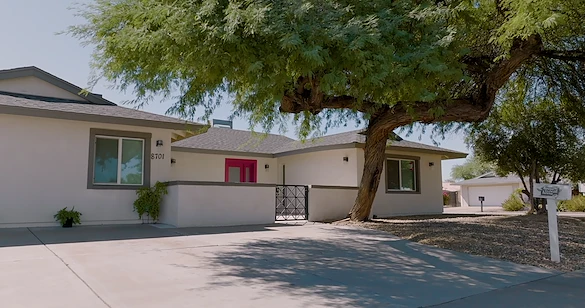 5.0Premium
Legato Living at Old Town
8701 East Cheery Lynn Road Scottsdale, AZ 85251
Assisted LivingMemory Care -
4.7Premium
Hawthorn Court at Ahwatukee
13822 S 46th Pl Phoenix, AZ 85044
Assisted LivingMemory Care -
 Not yet ratedPremium
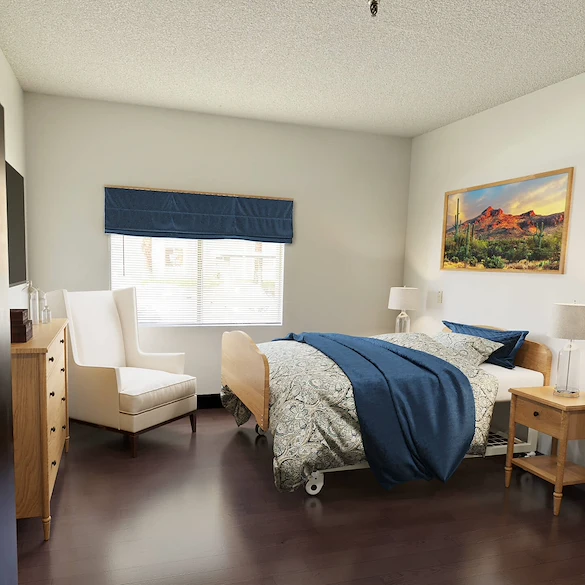
Reflections at Fellowship Square Phoenix
11812 North 19th Ave, Suite B Phoenix, AZ 85029
Assisted LivingMemory Care -
 4.5Verified
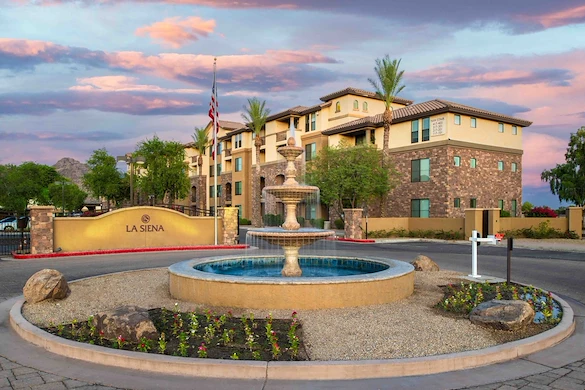
La Siena
909 E Northern Ave Phoenix, AZ 85020
Independent LivingAssisted LivingRespite Care -

-
-


Cost of Assisted Living in Arizona
Several elements influence the pricing of assisted living. Level of care plays a role: facilities providing memory support or higher-level medical services typically charge 20–30% more than standard assisted living. Amenities such as private apartments with full kitchens, on-site salons, transportation, and varied activity programming also raise costs. Location matters: metropolitan areas like Phoenix and Scottsdale carry premium price tags, while more rural regions are often more affordable. Lastly, facility reputation and staff credentials—including nurse-to-resident ratios and clinical certifications—can justify higher rates.
To manage these costs, Arizona families can explore several financial assistance options. The state participates in Medicaid Home and Community-Based Services (HCBS) waiver programs, which may help subsidize assisted living services for eligible low-income seniors. VA benefits—notably Aid & Attendance for veterans—can provide monthly support to veterans and their qualifying spouses. While standard Medicare doesn’t typically cover room and board, it does support related medical services such as skilled nursing and therapy. Additionally, some Medicaid or supplemental insurance plans may help offset care costs. Prospective residents should also ask providers about sliding-scale rates, respite care options, and opportunities to lock in pricing to guard against future rate increases.
In summary, assisted living in Arizona offers a varied spectrum—from $4,500 to $6,500, depending on region and services—generally aligning with national averages, though prime neighborhoods lean higher. By understanding cost drivers and exploring financial aid like Medicaid waivers and veteran benefits, families can better navigate affordable care solutions tailored to their loved one’s needs.
What to Know About Assisted Living in Arizona
The average cost of assisted living in Arizona typically ranges several thousand dollars per month, depending on the city, apartment type, and the level of care needed. Costs may be higher in large metro areas and popular retirement regions, while smaller towns may offer more affordable options.
Monthly pricing can also increase if a resident needs additional support such as medication management, mobility assistance, or help with bathing and dressing.
Seniors in Arizona may qualify for assisted living if they need help with daily activities but do not require 24/7 skilled nursing care. Assisted living is often a good fit for older adults who need support with:
-
Bathing, dressing, grooming, or toileting
-
Medication reminders or medication management
-
Mobility support and fall prevention
-
Meals, housekeeping, and laundry
-
Transportation and daily routines
Most assisted living communities complete an assessment to confirm that a resident can be safely supported.
Medicare typically does not cover assisted living in Arizona because assisted living is considered housing and personal care—not medical treatment. However, Medicare may still cover healthcare services a resident receives separately, such as doctor visits, prescriptions, outpatient therapy, or hospital care (depending on the plan).
Families often explore other payment options like private pay, long-term care insurance, veteran benefits (if eligible), or Medicaid-related programs.
Assisted living in Arizona is commonly paid for through private pay, meaning seniors and families use retirement income, savings, or proceeds from selling a home. Some residents may also use long-term care insurance if they have a qualifying policy.
In certain cases, financial assistance may be available through Medicaid-related programs or other support services depending on eligibility.
Independent Living in Arizona
Independent living in Arizona offers older adults a vibrant, low-maintenance lifestyle designed to maximize independence while providing the convenience of community living. Unlike assisted living or skilled nursing, independent living is ideal for healthy, active seniors who want to downsize from a private residence and enjoy a worry-free lifestyle without the responsibilities of homeownership. These communities typically offer private apartments or cottages and include services such as housekeeping, landscaping, dining options, and recreational programming. Residents benefit from social opportunities, wellness activities, and on-site amenities like fitness centers, libraries, pools, and walking trails, creating an enriching environment that fosters connection and quality of life.
Arizona is especially well-suited for independent living thanks to its warm, dry climate and abundant sunshine year-round. This desert state is a top retirement destination because its weather is ideal for those with joint or respiratory concerns, and its outdoor-friendly lifestyle encourages regular physical activity. The state boasts many retirement-friendly cities, such as Mesa, Scottsdale, and Sun City, each offering a wide range of independent living options, from budget-friendly communities to luxury senior residences. In places like Green Valley and Prescott, retirees can enjoy scenic desert and mountain views along with a slower pace of life. Meanwhile, larger metro areas like Phoenix and Tucson provide access to cultural attractions, dining, healthcare, and more urban-style conveniences.
Arizona's affordability is another draw for retirees seeking independent living. The state has no tax on Social Security benefits and relatively low property taxes, which can be appealing for those on a fixed income. Many independent living communities also offer tiered pricing models and à la carte services, allowing residents to customize their experience and manage costs effectively.
With Arizona’s active senior lifestyle, breathtaking natural beauty, and abundance of well-designed independent living communities, it's no surprise that so many older adults choose to make this state their home during retirement. Whether seniors are looking for adventure, tranquility, or connection, independent living in Arizona provides a comfortable and engaging solution. Families researching “best places to retire in Arizona,” “independent senior communities near Phoenix,” or “active adult living in Arizona” will find that the state delivers on both lifestyle and value.
Best Independent Living Communities in Arizona
View All Providers-
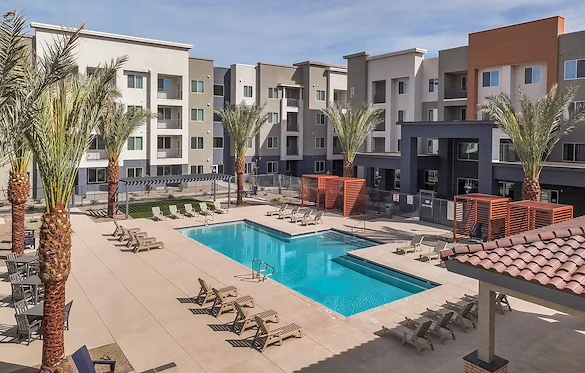 4.3Premium+
Juniper Square
6548 North 67th Ave. Glendale, AZ 85301
Active Adult LivingIndependent LivingLow Income / Affordable -
3.8Premium
Glencroft Center for Modern Aging
8611 N 67th Ave Glendale, AZ 85302
Independent LivingAssisted LivingMemory CareRespite Care -
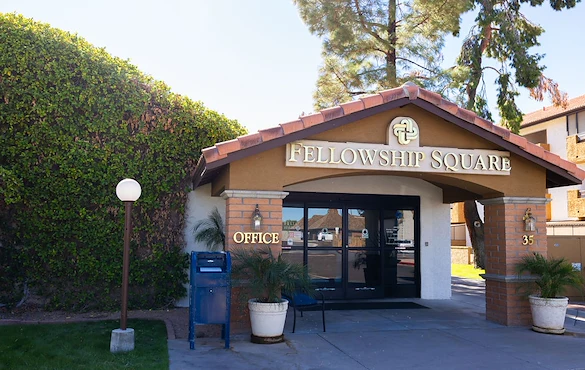 4.5Premium
Fellowship Square Historic Mesa
35 West Brown Rd Mesa, AZ 85201
Independent LivingAssisted LivingMemory Care -
4.5Verified
La Siena
909 E Northern Ave Phoenix, AZ 85020
Independent LivingAssisted LivingRespite Care -
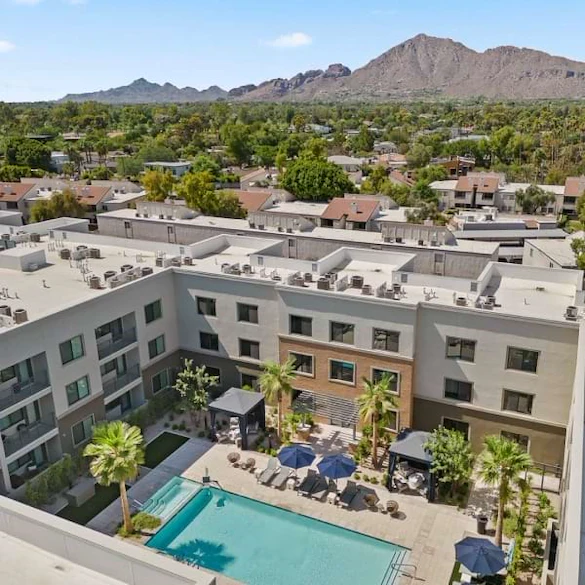 4.4Verified
Overture Arcadia
6080 East Thomas Road Scottsdale, AZ 85251
Active Adult LivingIndependent Living -
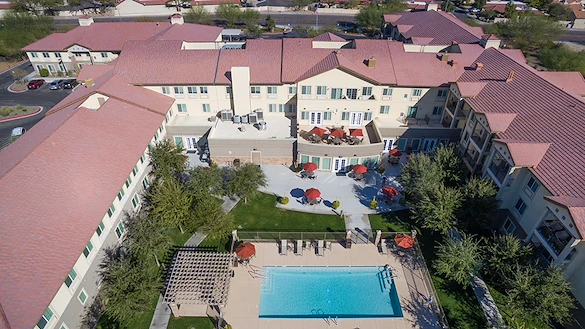 4.4Verified
Mountain Park Senior Living
4475 E Knox Rd Phoenix, AZ 85044
Independent LivingAssisted LivingMemory Care -
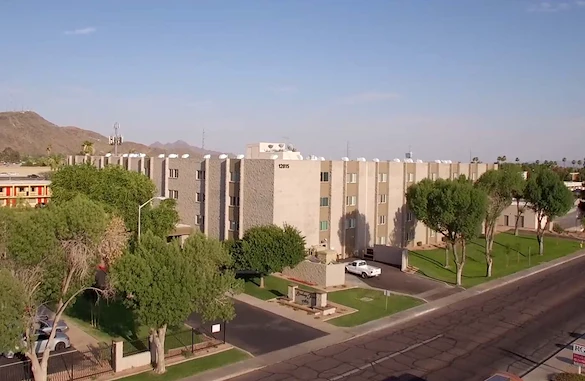 4.3Verified
Broadway Terrace
12815 N. 28Th Dr. Phoenix, AZ 85029
Active Adult LivingIndependent Living


Cost of Independent Living in Arizona
Independent living communities typically include private apartments or cottages with maintenance-free living, utilities such as electricity and water, housekeeping, meal plans, transportation services, and access to social and recreational activities. Additional amenities like fitness centers, wellness programs, and concierge services may be available for extra fees. The size and type of residence also influence pricing, with larger apartments or villas costing more. While independent living does not include medical care and is not covered by Medicaid or Medicare, seniors can often use personal savings, pensions, or long-term care insurance to help cover costs. Veterans and their spouses may also be eligible for VA benefits to offset expenses.
Overall, Arizona offers a diverse range of independent living options that cater to different lifestyles and budgets. By carefully evaluating location, amenities, and financial resources, seniors and their families can find a community that supports an active and fulfilling lifestyle in this retirement-friendly state.
What to Know About Independent Living in Arizona
Independent living in Arizona often costs a few thousand dollars per month, but pricing varies depending on location, apartment size, and what amenities are included. Independent living is generally more affordable than assisted living because it typically does not include personal care services.
Many independent living communities include lifestyle benefits like maintenance, social activities, transportation, and dining options, so comparing what’s included is important.
The “80/20 rule” for 55+ communities generally refers to age-qualified housing guidelines where at least 80% of occupied homes must include at least one resident age 55 or older. Communities may allow up to 20% of residents to be under 55, depending on the community’s rules.
Because policies can vary, it’s best to confirm the age requirement directly with the community.
Independent living is designed for seniors who can live safely on their own without daily assistance for personal care. It’s often a great option for older adults who want convenience, social connection, and a maintenance-free lifestyle.
Independent living may be a good fit if a senior:
-
Does not need routine help with bathing or dressing
-
Can manage daily safety and mobility
-
Wants community activities and optional dining
-
Would benefit from reduced household responsibilities
Requirements vary by community, but most are built for seniors who are largely independent.
The cost for a single person to live in Arizona depends on housing, healthcare expenses, transportation, and lifestyle. Metro areas often have higher costs, while smaller towns may offer more affordable living.
For seniors, monthly budgeting often includes housing costs, utilities, food, medical expenses, and any support services needed to stay safe and independent.
Home Care in Arizona
Non-medical home care in Arizona plays a crucial role in helping seniors maintain their independence and quality of life while aging in place. This type of care encompasses a range of services designed to assist individuals with daily activities without involving medical procedures. Common services include personal care (such as bathing, dressing, and grooming), companionship, light housekeeping, meal preparation, transportation, and assistance with errands. These services are typically provided by caregivers who are trained to offer support in a respectful and compassionate manner.
In Arizona, non-medical home care agencies are not required to obtain a state license, as there is no regulatory body overseeing this sector. This lack of regulation means that anyone can establish a non-medical home care business without meeting specific state standards. However, the Arizona In-Home Care Association (AZNHA) offers a voluntary credentialing program for agencies that wish to demonstrate their commitment to quality care. Agencies that choose to participate in this program must adhere to AZNHA's Code of Business Ethics and Minimum Standards of Service, which include requirements for caregiver training, background checks, and service delivery practices.
While there is no state-mandated certification for caregivers in non-medical home care, many agencies require their staff to undergo training programs that cover topics such as personal care techniques, safety protocols, and communication skills. Additionally, caregivers often undergo background checks to ensure the safety and well-being of clients. Some agencies may also provide ongoing education to keep caregivers updated on best practices and industry standards.
The absence of state regulation in Arizona underscores the importance for families to thoroughly vet non-medical home care providers. When selecting an agency, families should inquire about caregiver qualifications, training programs, and any voluntary certifications the agency holds. It's also advisable to check references, read reviews, and ensure that the agency has clear policies regarding care plans, billing, and client rights. By taking these steps, families can help ensure that their loved ones receive high-quality, compassionate care that supports their desire to live independently at home.
Best Home Care Agencies in Arizona
View All Providers-

-

-
 4.9Verified
Seniors Helping Seniors Scottsdale
2390 E Camelback Rd Suite 130 Phoenix, AZ 85016
Home Care (Non-Medical) -
 4.3Verified
Cornerstone Caregiving - South Phoenix
2025 N 3rd St, Ste B152 South Phoenix, AZ 85004
Home Care (Non-Medical)


Cost of Home Care Non-Medical in Arizona
When hiring a private caregiver directly, families may negotiate rates, potentially reducing costs. However, this approach requires careful vetting and may lack the oversight and support provided by licensed agencies.
Financial assistance options are available for eligible individuals. Arizona's Medicaid program, known as AHCCCS, offers Home and Community-Based Services (HCBS), which can cover non-medical home care for qualifying seniors. Additionally, the Self-Directed Attendant Care (SDAC) program allows individuals to hire their own caregivers and manage their care plans. Veterans and their spouses may also be eligible for Veterans Aid & Attendance benefits, which can help offset home care costs.
In summary, while non-medical home care in Arizona can be a significant financial commitment, various assistance programs and cost-saving strategies are available to help families manage expenses.
What to Know About Non Medical Home Care in Arizona
Starting a non-medical home care business in Arizona typically involves building a plan for offering safe, reliable support services to seniors at home. Many owners begin by:
-
Defining your services (companionship, errands, meal prep, light housekeeping, personal care support)
-
Registering the business and securing insurance
-
Hiring and training caregivers
-
Setting up scheduling and client intake systems
-
Creating service agreements and pricing
-
Developing a marketing strategy to reach local families
Since requirements can vary, it’s important to research Arizona regulations and compliance standards before launching.
Medicare may cover certain home health care services in Arizona when medically necessary, such as skilled nursing care or therapy services ordered by a healthcare provider.
However, Medicare typically does not cover long-term non-medical home care services like housekeeping, meal prep, or full-time personal caregiving.
A non-medical caregiver provides help with daily living tasks and supportive care, but does not provide medical treatment. Non-medical caregivers may help with:
-
Companionship and supervision
-
Meal preparation and light housekeeping
-
Transportation and errands
-
Mobility support and fall prevention
-
Help with bathing and dressing (depending on needs)
Non-medical home care is often ideal for seniors who want to remain at home safely while receiving consistent support.
Home care eligibility in Arizona depends on the type of services needed and whether care is paid privately or supported through an assistance program. Seniors may qualify for home care if they need help with daily tasks like personal care, mobility, meal prep, or transportation.
If financial assistance is needed, eligibility often depends on income and care requirements, so it’s helpful to explore available programs in your area.
Long-Term Care/Skilled Nursing in Arizona
Skilled nursing facilities (SNFs) in Arizona provide comprehensive long-term care for individuals with chronic illnesses, disabilities, or those recovering from surgery. These facilities offer 24/7 medical supervision, including services such as wound care, intravenous therapy, and assistance with daily activities like bathing and dressing. Many SNFs also have specialized units for memory care, catering to residents with Alzheimer's disease and other forms of dementia. Rehabilitation services, including physical, occupational, and speech therapy, are commonly available to support recovery and enhance quality of life.
Arizona's Department of Health Services (ADHS) regulates SNFs through annual licensing and quality evaluations. Facilities are assigned quality ratings ranging from "A" (Excellent) to "D" (Needs Improvement) based on their performance in areas such as staffing, resident care, and compliance with regulations. These ratings are publicly accessible and can assist families in evaluating potential facilities.
Staffing requirements in Arizona mandate that a licensed nurse be available at all times, with additional nurses required for facilities with more than 64 residents. While the state does not specify a staff-to-resident ratio, facilities must provide adequate staffing to ensure resident safety and care. Additionally, Senate Bill 1242, enacted in 2022, strengthened background check requirements for employees, prohibiting individuals with felony convictions involving violence or financial fraud from obtaining employment in SNFs.
When selecting a skilled nursing facility in Arizona, families should consider factors such as the facility's quality rating, the availability of specialized care services, staff qualifications, and the overall environment. Visiting potential facilities, reviewing inspection reports, and consulting with healthcare professionals can provide valuable insights to ensure the chosen facility meets the specific needs of the resident.
Best Nursing Homes and Skilled Nursing Facilities in Arizona
View All Providers-
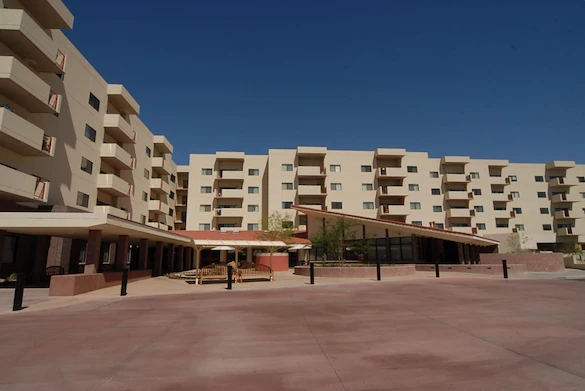 3.0Verified
Friendship Village Of Tempe
2645 East Southern Ave. Tempe, AZ 85282
Long-Term Care / Skilled NursingSkilled Rehabilitation -
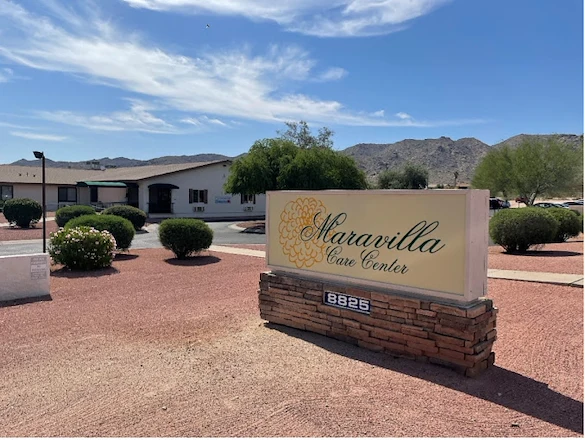 1.0Verified
Desert Peak Care Center
8825 South 7th Street Phoenix, AZ 85042
Long-Term Care / Skilled NursingSkilled Rehabilitation -
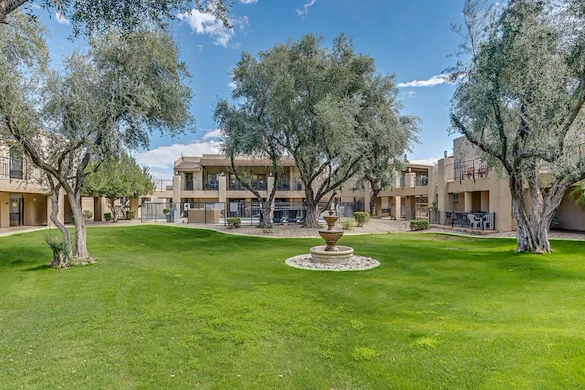 2.0Verified
Scottsdale Village Square Skilled Nursing
2620 North 68th Street Scottsdale, AZ 85257
Long-Term Care / Skilled NursingSkilled RehabilitationLife Plan Community/CCRC -
 3.0Verified
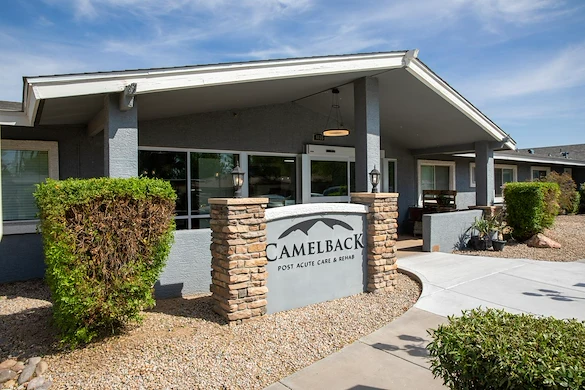
Camelback Post Acute Care & Rehab
4635 N 14th St Phoenix, AZ 85014
Long-Term Care / Skilled NursingSkilled Rehabilitation


Cost of Nursing Homes in Arizona
Regional differences within Arizona can influence costs. Urban areas like Phoenix and Tucson may have higher rates due to increased demand and higher living costs, whereas rural areas might offer more affordable options. Additionally, facilities that provide specialized care, such as memory care units or post-surgical rehabilitation, may charge higher fees to cover the additional services and staffing required.
Several factors impact the pricing of skilled nursing care. The level of medical care provided, including 24/7 nursing supervision and specialized treatments, can increase costs. The reputation and quality of the facility, often reflected in staffing ratios and resident satisfaction, also play a role. Amenities such as private rooms, enhanced dining options, and recreational activities can further affect pricing.
Financial assistance options are available for eligible individuals. Medicare may cover short-term stays in skilled nursing facilities following a qualifying hospital stay, but it does not cover long-term care. Medicaid, through Arizona's Long Term Care System (ALTCS), provides coverage for those who meet specific medical and financial criteria. It's important to note that not all facilities accept Medicaid, and availability may be limited. Additionally, long-term care insurance policies may help offset costs, depending on the policy's terms and coverage.
When considering skilled nursing care in Arizona, it's essential to evaluate the total cost, available financial assistance, and the specific needs of the individual to make an informed decision.
What to Know About Nursing Homes in Arizona
The average cost of a nursing home in Arizona can vary widely depending on location, room type, and medical needs. Nursing homes typically provide 24/7 skilled nursing care and medical supervision, which is why costs are generally higher than assisted living.
Private rooms often cost more than shared rooms, and costs may rise based on care complexity.
Medicare may cover nursing home care in Arizona only in limited situations, usually for short-term skilled nursing care after a qualifying hospital stay. This often includes rehabilitation services and skilled nursing support during recovery.
Medicare typically does not cover long-term nursing home stays for ongoing custodial care needs.
Nursing home care in Arizona is commonly paid for through:
-
Private pay (savings, retirement income, assets)
-
Long-term care insurance (if available)
-
Medicaid (for those who qualify)
Many families begin with private pay and later explore Medicaid support if long-term care becomes necessary.
If someone has limited income and assets, Medicaid is often the primary option to help pay for nursing home care, assuming they meet eligibility requirements. Families may also explore veteran benefits (if applicable) and local support resources.
Because long-term care funding can be complex, planning early can help avoid surprises.
Finding the Right Senior Care in Arizona
Navigating senior living and care options in Arizona can feel overwhelming, but having the right information makes all the difference. Whether you're researching assisted living, exploring independent living communities, comparing home care services, or planning for long-term skilled nursing, Arizona offers a wide range of choices designed to support comfort, safety, and quality of life.
From affordable care options to luxury communities, rural towns to major metro hubs, families can find solutions that meet both personal needs and financial goals. With strong healthcare systems, state oversight, and numerous financial assistance programs, Arizona continues to be a trusted place for seniors seeking support and connection.
As you begin the search, remember that every senior’s needs are unique—use this guide as a starting point, and explore local providers, community reviews, and available resources to make the most informed decision possible.
Below are answers to the most common questions families ask when researching senior living and senior care in Arizona.
Frequently Asked Questions About Senior Living in Arizona
The cost to live in a 55+ community in Arizona varies widely based on location, home type, and amenities. Some communities involve purchasing a home or condo, while others may include monthly fees for maintenance, recreation, or community services.
Costs are often higher in popular retirement areas, so comparing communities is the best way to understand total monthly expenses.
The best place for seniors to live in Arizona depends on priorities such as cost of living, healthcare access, climate, and lifestyle. Many seniors prefer areas with strong medical networks, active senior communities, and convenient access to shopping and services.
The best location is often the one that balances comfort, affordability, and long-term care access.
The 80/20 rule generally refers to age-qualified housing guidelines where at least 80% of occupied homes have at least one resident age 55 or older. Communities may allow a smaller portion of residents under 55 depending on their rules.
If you’re comparing 55+ communities, it’s helpful to confirm their specific age policies.
The cheapest way for a senior to live depends on health needs and support systems. Lower-cost options often include:
-
Staying at home with limited paid support
-
Living with family or shared housing
-
Income-based senior housing (when available)
-
Using community services like meals and transportation
The best choice should balance affordability with safety and long-term support needs.
Frequently Asked Questions About Senior Care in Arizona
Arizona can be a strong choice for seniors because many areas offer access to healthcare systems, specialist care, and senior-focused services. Healthcare quality and availability may vary by region, so many families consider proximity to hospitals, primary care providers, and specialist services when choosing where to live.
For seniors with ongoing medical needs, living near reliable healthcare services is an important part of long-term planning.
Senior care is often priced hourly, especially for non-medical home care. Hourly rates can vary based on the city, scheduling needs, and level of support required. Costs may be higher for overnight care, weekend care, or more specialized services.
Comparing providers can help families find the best fit for care needs and budget.
The cheapest places for seniors to live in Arizona are often smaller towns or inland areas where housing and care costs may be lower than major metro regions or high-demand retirement destinations.
The best approach is to compare communities and care options while also considering healthcare access and long-term support needs.
Low income guidelines for seniors in Arizona vary based on household size, county, and the specific assistance program being referenced. Many programs use income thresholds to determine eligibility for benefits, reduced-cost services, or financial support for care.
Since guidelines can change, it’s best to confirm current income limits for the program you’re applying for.