


1,642,323
Population of Phoenix

200,993
Residents aged 65 and older in Phoenix

1943
Senior Living & Care Options in Phoenix

$7,450/Month
Average cost of Senior Living & Care in the area.
Phoenix, with a population of 1,642,323, is home to 200,993 residents aged 65 and older. The city offers 1943 senior living and care options. The average monthly cost of senior living & care in the area is $7,450.
In Phoenix, AZ, the calendar sets the pace of a day as much as the clock does. NOAA's weather averages for 1991 to 2020, taken at the Phoenix Sky Harbor airport station, put January's average low at 46.0°F and July's average high at 106.5°F. So winter nights stay above freezing on average, and July afternoons climb well past 100°F.
The City of Phoenix describes itself as one of the hottest, sunniest cities in the U.S., and it plans around that. Its Heat Relief Network offers water and indoor places to cool off. Parks and Recreation centers, senior centers, and other city buildings double as hydration stations.
Those senior centers matter in every season. Across Phoenix, AZ, the state capital and the seat of Maricopa County, the City's Human Services Department runs 15 of them. Each one offers leisure and recreational activities in a safe and supportive setting. Membership is open to adults 18 and older who are independent with self-care. Personal care attendants are welcome to come along and help members during a visit, so a member's usual helper can stay by their side.
The desert is part of daily life, too. The City counts more than 200 miles of trails and 41,000 acres of desert parks and mountain preserves. At South Mountain Park and Preserve, the Judith Tunell Accessible Trail covers a mile of stabilized granite in two half-mile loops. Benches, water fountains, and three shade ramadas line the way, so a walk with places to rest is easy to plan.
For medical care, Medicare's hospital data places St. Joseph's Hospital and Medical Center and Mayo Clinic Hospital in Phoenix, AZ. Medicare classes each one as an acute care hospital, and both offer emergency services. That means hospital care is there without leaving the city. Once senior living communities in Phoenix, AZ, make your short list, it's smart to find out how residents reach their doctors and whether someone rides along.
Further down, five kinds of care get a section apiece, from a helper in the kitchen to skilled nursing care. Each one comes with questions for a visit. Start with the care that matches today, and read the next level up, because needs shift. When a few providers catch your eye, reach out on your own terms. Anything said in those conversations stays between you and that provider. It's a calm, self-paced way to sort through senior living in Phoenix, AZ.
Phoenix, AZ at a Glance




Home Care in Phoenix, Arizona
View All Providers-

-

-
 4.9Verified
Seniors Helping Seniors Scottsdale
2390 E Camelback Rd Suite 130 Phoenix, AZ 85016
Home Care (Non-Medical) -
 4.3Verified
Cornerstone Caregiving - South Phoenix
2025 N 3rd St, Ste B152 South Phoenix, AZ 85004
Home Care (Non-Medical)


Independent Living & Active Adult Living in Phoenix, Arizona
View All Providers-
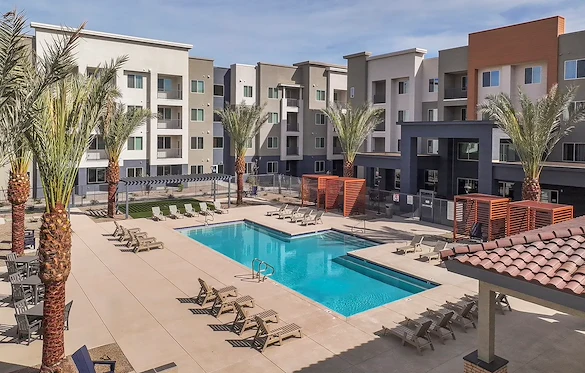 4.6Premium+
Juniper Square
6548 North 67th Ave. Glendale, AZ 85301
Active Adult LivingIndependent LivingLow Income / Affordable -
 4.3Premium
Fellowship Square Phoenix
2002 W Sunnyside Ave Phoenix, AZ 85029
Independent LivingAssisted LivingMemory CareLife Plan Community/CCRC -
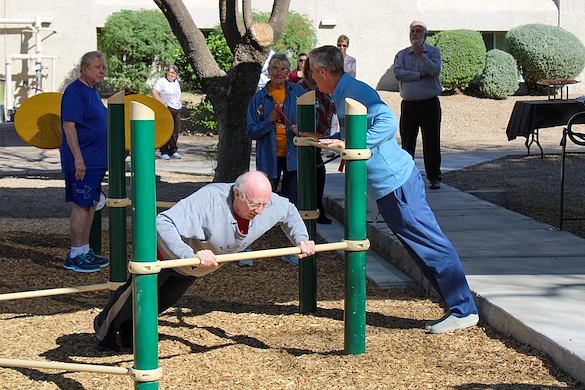 3.8Premium
Glencroft Center for Modern Aging
8611 N 67th Ave Glendale, AZ 85302
Independent LivingAssisted LivingMemory CareRespite Care -
 4.9Verified
Mera Westgate
7460 N. Zanjero Blvd Glendale, AZ 85305
Active Adult LivingIndependent Living -

-
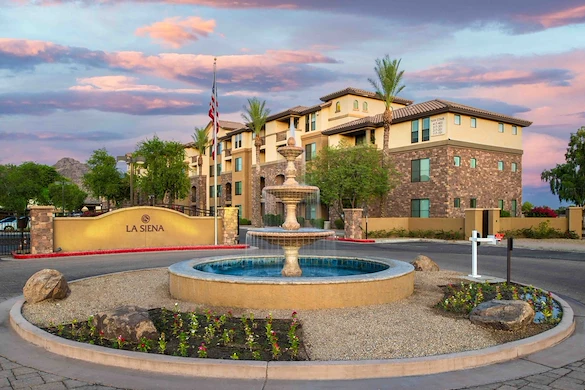 4.5Verified
La Siena
909 E Northern Ave Phoenix, AZ 85020
Independent LivingAssisted LivingRespite Care -
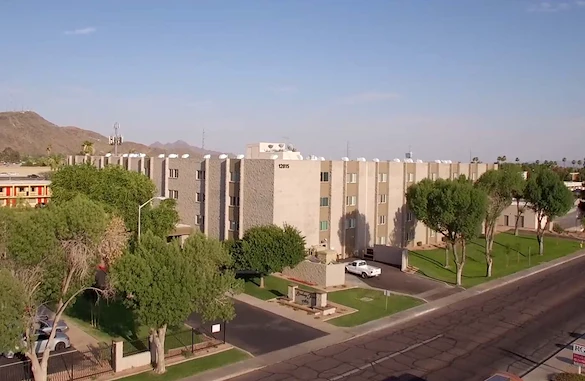 4.3Verified
Broadway Terrace
12815 N. 28Th Dr. Phoenix, AZ 85029
Active Adult LivingIndependent Living


Assisted Living in Phoenix, Arizona
View All Providers-
4.3Premium
Fellowship Square Phoenix
2002 W Sunnyside Ave Phoenix, AZ 85029
Independent LivingAssisted LivingMemory CareLife Plan Community/CCRC -
3.8Premium
Glencroft Center for Modern Aging
8611 N 67th Ave Glendale, AZ 85302
Independent LivingAssisted LivingMemory CareRespite Care -
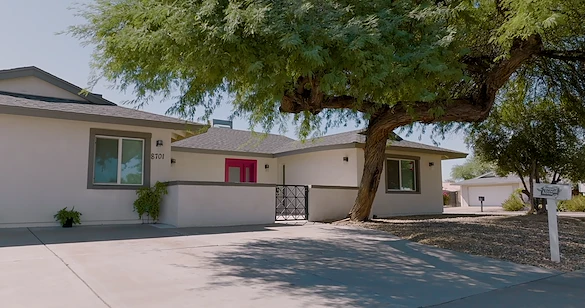 5.0Premium
Legato Living at Old Town
8701 East Cheery Lynn Road Scottsdale, AZ 85251
Assisted LivingMemory Care -
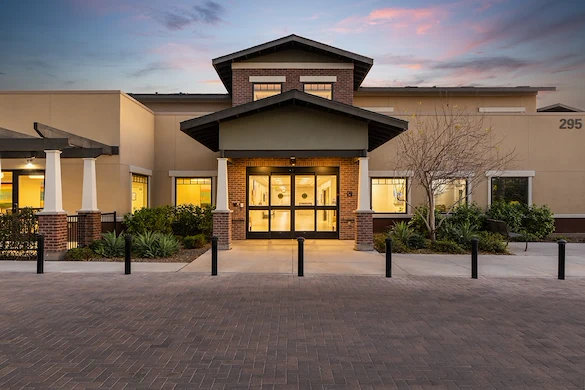 4.5Premium
Silver Birch of Avondale
295 E Van Buren St Avondale, AZ 85323
Assisted LivingMemory CareRespite CareLow Income / Affordable -
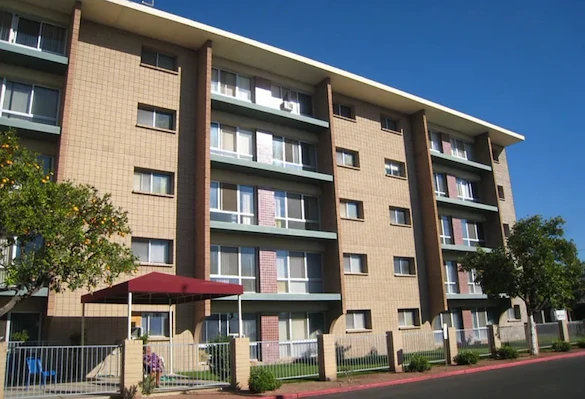 4.5Verified
Avista North Mountain
350 East Eva Street Phoenix, AZ 85020
Assisted LivingMemory CareRespite Care -
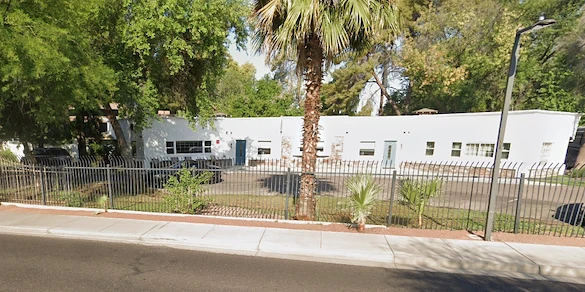
4.5Verified
La Siena
909 E Northern Ave Phoenix, AZ 85020
Independent LivingAssisted LivingRespite Care -
-
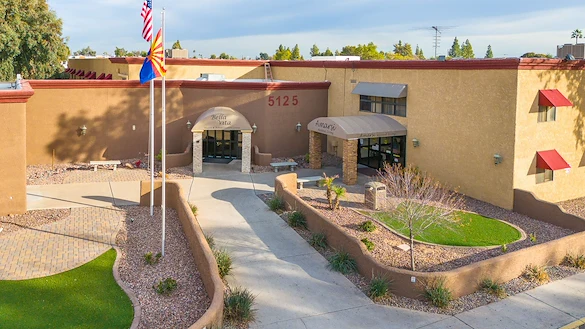


Memory Care in Phoenix, Arizona
View All Providers-
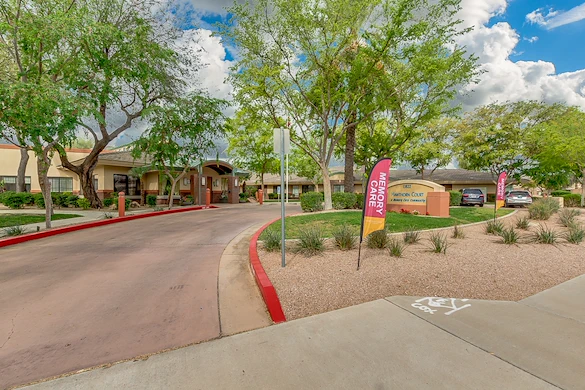
-
4.3Premium
Fellowship Square Phoenix
2002 W Sunnyside Ave Phoenix, AZ 85029
Independent LivingAssisted LivingMemory CareLife Plan Community/CCRC -
3.8Premium
Glencroft Center for Modern Aging
8611 N 67th Ave Glendale, AZ 85302
Independent LivingAssisted LivingMemory CareRespite Care -
5.0Premium
Legato Living at Old Town
8701 East Cheery Lynn Road Scottsdale, AZ 85251
Assisted LivingMemory Care -
4.5Premium
Silver Birch of Avondale
295 E Van Buren St Avondale, AZ 85323
Assisted LivingMemory CareRespite CareLow Income / Affordable -
 4.8Verified
Pueblo Norte
7100 E. Mescal Street Scottsdale, AZ 85254
Independent LivingAssisted LivingMemory Care -
4.5Verified
Avista North Mountain
350 East Eva Street Phoenix, AZ 85020
Assisted LivingMemory CareRespite Care -
 4.6Verified
Shadow Mountain Memory Care
10030 North 32nd Street Phoenix, AZ 85028
Assisted LivingMemory CareRespite Care -
 4.3Verified
Bethesda Gardens Phoenix
13825 N Cave Creek Rd Phoenix, AZ 85022
Assisted LivingMemory CareRespite Care


Long Term Care & Skilled Nursing in Phoenix, Arizona
View All Providers-
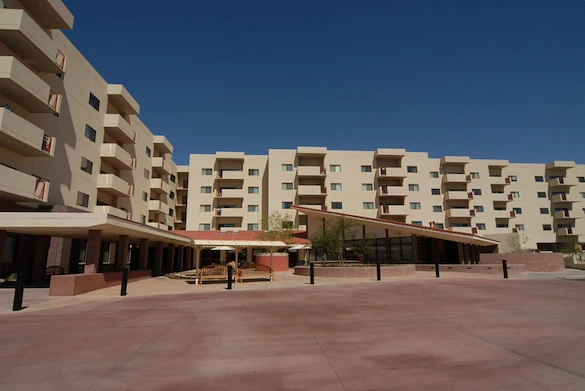 3.0Verified
Friendship Village Tempe
2645 East Southern Ave. Tempe, AZ 85282
Long-Term Care / Skilled NursingSkilled Rehabilitation -
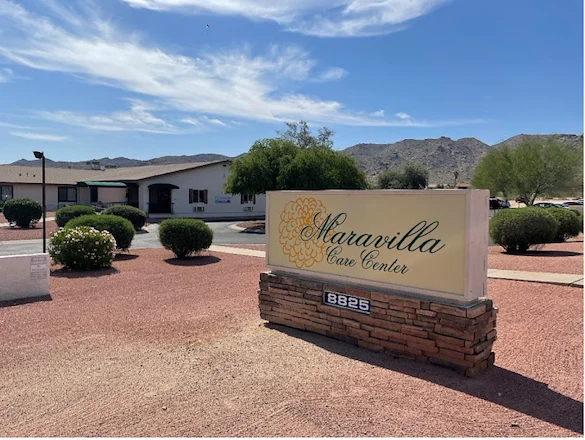 1.0Verified
Desert Peak Care Center
8825 South 7th Street Phoenix, AZ 85042
Long-Term Care / Skilled NursingSkilled Rehabilitation -
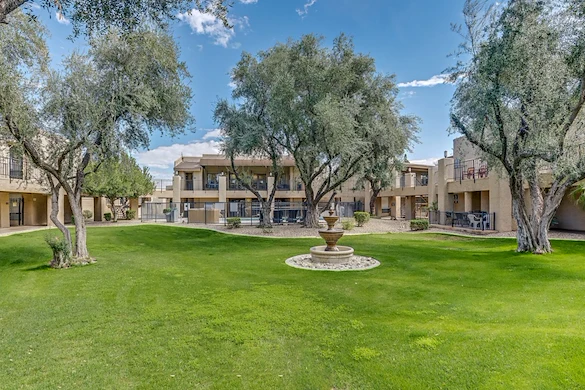 2.0Verified
Scottsdale Village Square Skilled Nursing
2620 North 68th Street Scottsdale, AZ 85257
Long-Term Care / Skilled NursingSkilled RehabilitationLife Plan Community/CCRC -
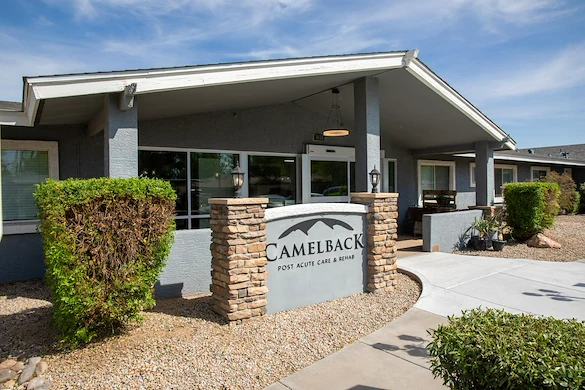 3.0Verified
Camelback Post Acute Care & Rehab
4635 N 14th St Phoenix, AZ 85014
Long-Term Care / Skilled NursingSkilled Rehabilitation


Compare Assisted Living Costs in Arizona
In the chart below, Arizona's average monthly assisted living figure appears next to the national one.
Prices and ways to pay for care get a closer look on our Arizona page. Its sections cover help at home, an independent living apartment, assisted living, and a nursing home stay.
Memory care costs don't have their own spot on that page yet. For any memory care question, the 24-Hour Senior HELP LINE at the Area Agency on Aging, Region One is a good first call. It's the central intake for the agency's programs, which serve Maricopa County.
Local Resources for Older Adults in Phoenix, AZ
These City of Phoenix programs serve older adults across the city. Each link opens the City's page for that program. It spells out the details and who qualifies.
- Programs for Seniors and Older Adults. The Human Services Department's guide to its senior centers, dining hall lunches, home delivered meals, and the Senior Center Shuttle Program. City of Phoenix
- Senior center locations. The City's list of all 15 senior centers, from Adam Diaz Senior Center to Sunnyslope Senior Center. Human Services Department Service Locations
- Phoenix Dial-a-Ride. The City's shared rides for ADA-certified riders who can't use fixed-route transit. Dial-a-Ride
- Heat Relief Network. Heat safety tips from the City, with hydration stops and trail closures on Extreme Heat Warning days. Heat Safety
- Wheelchair accessible trails. Phoenix Parks and Recreation's trails for all abilities, with each trail's length and features. Wheelchair Accessible Trails
- Phoenix Public Library. The City's branches, Burton Barr Central Library, and the Bookmobile. Phoenix Public Library
- Events for Seniors. The City's calendar page for social activities and classes aimed at older adults. Events for Seniors
Frequently Asked Questions
Yes. The City of Phoenix Human Services Department runs 15 senior centers. They include Sunnyslope Senior Center, South Mountain Senior Center, Deer Valley Senior Center, and Paradise Valley Senior Center. Activities cover recreation and games, social time, fitness, fine arts, and day trips. So a week can mix exercise with time around other people.
There are also health and wellness classes, tax help, and casework help with referrals. As the overview notes, a member can bring a personal care attendant along. A visit to one of the centers shows what a normal day there feels like.
Phoenix Dial-a-Ride is the City's shared-ride service. It's for residents who are certified under the Americans with Disabilities Act and can't use the fixed-route system. Valley Metro handles that certification. Riders book by phone or online, and the driver may pick up or drop off other riders during the trip.
A personal care attendant can always ride with an eligible passenger. One companion can come too, with a reservation. For trips to a senior center, there's the City's Senior Center Shuttle Program. An approved taxi provider takes members from home to a senior center inside city limits. Riders qualify at age 60 or older, or with a disability. It's good to ask communities about their own rides, too.
The Area Agency on Aging, Region One plans, funds, and coordinates programs in Maricopa County. It describes itself as a nonprofit. It serves adults 60 and older and family caregivers of older adults. It also serves adults 18 to 59 with physical disabilities and long-term care needs, and people 18 and older with HIV.
The agency's 24-Hour Senior HELP LINE is the place to start. It handles information and assistance, and it's the central intake for agency services. Staff assess what a caller needs and check eligibility. They complete intake or refer the caller elsewhere, and they share community resources. Writing questions down before you call helps.
Start by knowing who advocates for residents. Long-term care ombudsmen with the Area Agency on Aging, Region One speak up for people in assisted living, adult foster care, and skilled nursing settings. They make routine visits and take complaints from residents, so they're a good contact to keep on hand before and after a move.
Beyond that, visit several communities with one shared list of questions. Looking each one up in AZ Care Check beforehand is a smart move. Given how hot summers get, it's good to ask how residents spend time outdoors in summer and where they go to cool down. Comparing your notes afterward makes the choice clearer.
The City of Phoenix keeps its heat advice simple. It suggests drinking more water than usual and planning outdoor activity for the coolest times of day. During excessive heat, it says to stay indoors when possible. The City names older adults among the people sensitive to heat, so the advice is a good habit to keep.
On days the National Weather Service issues an Extreme Heat Warning, the City closes some trails during the day. Those include Camelback Mountain's Echo and Cholla Trails, the trails at the Piestewa Peak trailhead, and the trails in South Mountain Park and Preserve. The City's hydration stations, mentioned above, are another stop. When you visit communities, it's good to ask how summer outings are planned.
Phoenix Parks and Recreation keeps a list of wheelchair accessible trails, with scenic views and paths for all abilities. One is the North Overbank Trail in the Rio Salado Habitat Restoration Area. It's 3.7 miles of asphalt with no elevation change, and the City calls it ADA accessible for bird watching.
In Papago Park, the Elliot Ramada Loop Trail runs 2.7 miles and is rated Easy. It has a ramada rest stop halfway and benches along the paved part. North Mountain Park's Penny Howe Barrier Free Trail is 0.3 miles, also rated Easy, with two small loops and plant signs. For company, the department hosts Hike Right PHX, a monthly group for all experience levels, and rangers lead hikes, too.
Senior Living Near Phoenix, AZ
Sources, checked Nov. 10, 2026: Maricopa County Sheriff's Office, City of Phoenix facts and statistics, NOAA climate normals, City of Phoenix heat safety, City of Phoenix programs for seniors, City of Phoenix service locations, Phoenix Dial-a-Ride, City of Phoenix trails, City of Phoenix wheelchair accessible trails, Phoenix Public Library, City of Phoenix events for seniors, CMS hospital data, Medicare Care Compare, Arizona Department of Health Services, Arizona Revised Statutes 36-405.03, Area Agency on Aging, Region One, its help line, in-home services, family caregiver support, health promotion, and long-term care ombudsman.