
Senior Living Facts for Alaska
Alaska offers a truly unique living experience for seniors and families seeking natural beauty, close-knit communities, and a slower, more intentional pace of life. Known for its breathtaking landscapes, abundant wildlife, and strong sense of independence, Alaska is ideal for older adults who value outdoor adventure and a tight-knit community spirit. Whether you're admiring the Northern Lights from your backyard or enjoying a peaceful day of fishing or birdwatching, the Last Frontier provides countless opportunities for connection with nature. For seniors looking to stay active and engaged, Alaska’s state and National parks, walking trails, and scenic views provide an invigorating setting for retirement.
Fast Facts
Senior Living & Care in Alaska
| #48 | most populated state in the U.S. |
| $7,000 | average monthly assisted living cost in Alaska |
| 100+ | assisted living communities and care providers across Alaska |
| 115K+ | adults age 65+ in Alaska |
One of Alaska’s greatest appeals is its affordability. Compared to the national average, the cost of living in Alaska is generally lower, making it easier for seniors on fixed incomes to enjoy a comfortable retirement. Housing options range from independent living communities and assisted living facilities to skilled nursing homes and in-home care services, all designed to support seniors’ independence and well-being. Many senior living communities in Alaska emphasize maintenance-free living, social engagement, and access to health and wellness programs.
Healthcare access is another strong point for seniors in Alaska. The state is home to numerous nationally recognized hospitals, specialized clinics, and rehabilitation centers, ensuring seniors receive high-quality medical care close to home. Cities like Houston, Dallas, San Antonio, and Austin boast advanced medical facilities and a broad network of senior care providers, including memory care and long-term care options.
Alaska also offers abundant opportunities for outdoor activities and cultural enrichment. Seniors can explore scenic state parks, golf courses, and walking trails or enjoy local festivals, museums, and performing arts venues. The state’s rich history and diverse communities provide a welcoming environment where older adults can remain socially active and connected.
Families searching for senior care in Alaska will find a wide selection of resources, including non-medical home care providers, assisted living facilities, and skilled nursing homes. Whether seeking affordable senior care in Houston or luxury memory care in Dallas, Alaska, offers something for everyone.
With its favorable climate, reasonable cost of living, excellent healthcare, and vibrant communities, Alaska stands out as a premier destination for seniors looking to enjoy a fulfilling, healthy, and engaged retirement.
Top Cities for Senior Living and Care in Alaska
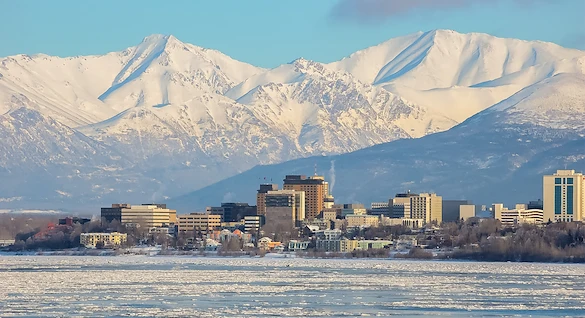
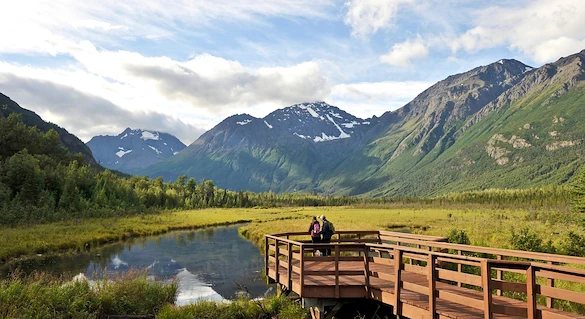
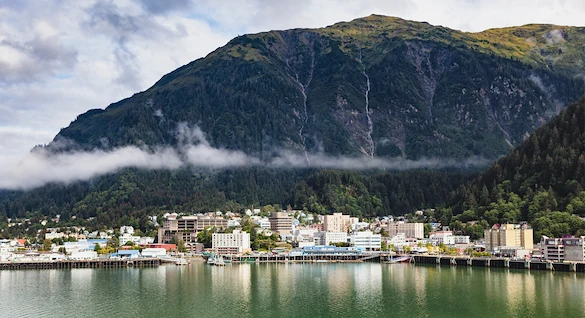



Assisted Living in Alaska
Assisted living in Alaska offers a supportive, community-oriented environment for older adults who need help with daily tasks but do not require the intensive medical care provided in nursing homes. These residential communities are designed to promote independence while providing personalized assistance with activities such as bathing, dressing, grooming, medication management, and mobility support. In addition to these essential services, Alaska’s assisted living facilities often feature social engagement programs, recreational activities, meal services, and transportation—creating a well-rounded experience that supports both physical health and emotional well-being.
In Alaska, all assisted living homes must be licensed through the Department of Health and Social Services. Facilities are required to meet state standards regarding safety, staffing ratios, resident rights, and individualized service plans. One unique feature in Alaska is the prominence of smaller, family-style assisted living homes that reflect the state’s close-knit communities and cultural values. While larger communities do exist—offering luxury accommodations, memory care wings, and a wide range of amenities—many Alaskans value the intimate, homelike settings that are especially common in rural areas and smaller towns.
Assisted living options in Alaska range from modest and budget-friendly facilities to upscale communities with private apartments, chef-prepared meals, wellness centers, and curated activity calendars. Some are specifically designed to support residents with Alzheimer’s disease or other forms of dementia, offering secure environments and trained staff to address the unique needs of memory care. Others may focus on aging in place, allowing residents to remain in the same facility even as their care needs evolve.
When evaluating assisted living communities in Alaska, families should consider factors such as proximity to major healthcare providers, climate conditions (especially in more remote regions), cultural or faith-based alignment, and staff qualifications. It’s also helpful to ask about staff-to-resident ratios, activity offerings, safety protocols during extreme weather, and support for Native Alaskan or rural residents, which are particularly relevant given the state’s unique geography and population. Touring communities, reviewing care plans, and checking recent inspection reports are important steps to ensure the right fit for a loved one’s needs and preferences.
Top Assisted Living Communities in Alaska
View All Providers-
-
 4.5Verified
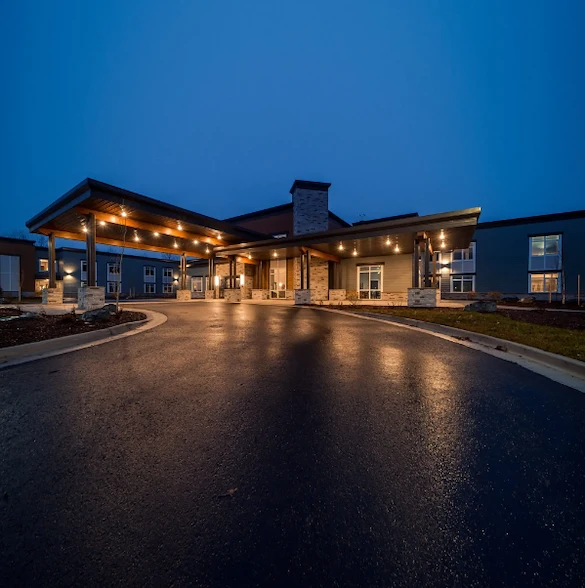
Aspen Creek Senior Living Anchorage
5915 Petersburg St Anchorage, AK 99507
Assisted LivingMemory Care -
 4.3Verified
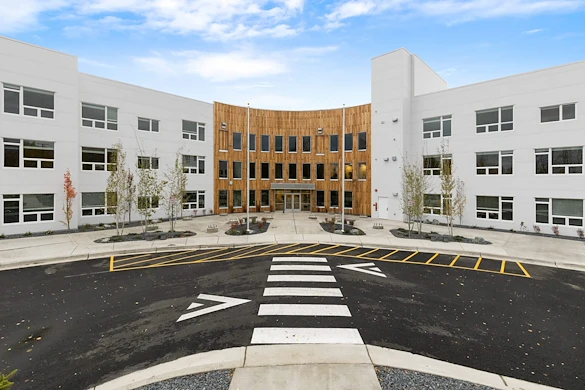
Baxter Senior Living
4280 Baxter Road Anchorage, AK 99504
Assisted LivingMemory CareRespite Care -
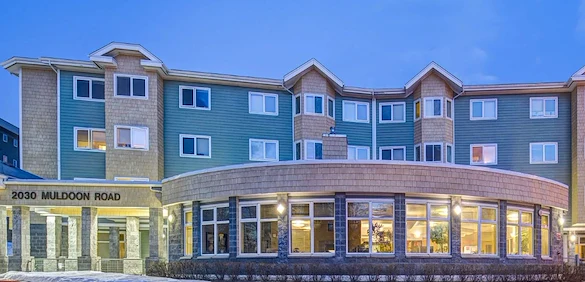 4.5Verified
Marlow Manor Assisted Living
2030 Muldoon Road Anchorage, AK 99504
Assisted LivingMemory Care


Cost of Assisted Living in Alaska
Alaska ranks as the most expensive state for assisted living, with an average monthly cost of around $10,504. This is almost double the national median of approximately $6,077 per month. Major cities like Anchorage and Fairbanks align closely with these averages—Anchorage typically costs about $6,152–$7,250, while Fairbanks is around $7,175. More remote areas, such as Kenai, can see assisted living costs soaring up to $13,625/month, far exceeding both state and national averages.
Pricing variations are heavily influenced by location: urban centers like Anchorage offer relatively lower costs due to higher facility concentration, whereas remote regions drive costs up because staffing and supplies become more expensive. Additional cost drivers include amenities (e.g., memory care, private rooms, rehab services), level of care (like dementia support or 24-hour nursing), and community standards (luxury vs. basic). Smaller, specialized communities with high staff-to-resident ratios and enriched programming naturally come with higher fees.
To mitigate these high costs, Alaska offers several financial assistance programs. The Alaskans Living Independently Medicaid Waiver (ALI) and the Adults with Physical & Developmental Disabilities Waiver (APDD) help seniors qualify for Medicaid-level care in assisted living homes, covering services such as daily assistance, home modifications, and equipment. The General Relief Assisted Living Home (GRALH) program provides state-funded support based on income, with participants contributing only a portion of their earnings. Alaska also subsidizes assisted living through the Alaska Senior Benefits Program and Pioneer Homes, which operate resident homes with tiered care levels, possibly reducing costs significantly. Veterans may receive aid via VA pension benefits, and long-term care insurance policies—if secured before health issues arise—can also help offset expenses.
In summary, although assisted living in Alaska is significantly costlier than the national average, seniors and families can explore a range of assistance programs—Medicaid waivers, state relief funds, VA benefits, and insurance—to make quality care more affordable across different regions.
What to Know About Assisted Living in Alaska
Assisted living in Alaska typically costs $6,000 to $7,500 per month, making it one of the more expensive states for assisted living care.
No. Medicare does not cover assisted living costs, including housing and custodial care services.
Yes. Alaska Medicaid may help cover certain assisted living services through waiver programs, although room and board are often private pay.
No. Medicare only covers medical services, not long-term custodial care or housing in assisted living communities.
Independent Living in Alaska
Independent living in Alaska offers seniors a unique opportunity to enjoy their retirement years in a supportive, vibrant, and maintenance-free environment. Designed for older adults who are largely self-sufficient but want the convenience and community of senior-focused housing, independent living communities in Alaska provide an ideal blend of autonomy and comfort. These communities typically offer private apartments or cottages along with services like housekeeping, lawn care, transportation, and meal plans, freeing residents from the burdens of home maintenance and daily chores. This lifestyle allows seniors to focus on what matters most: staying active, engaging socially, and enjoying their retirement.
For seniors who love nature and adventure, Alaska’s breathtaking landscapes are a bonus. From the northern lights to serene forests and coastal views, the state offers a peaceful and awe-inspiring backdrop for retirement. Retirement-friendly cities like Anchorage, Fairbanks, and Juneau feature a variety of independent living options close to outdoor recreation, shopping, healthcare facilities, and cultural attractions. Anchorage, in particular, stands out for its combination of urban amenities and natural beauty, offering access to theaters, restaurants, parks, and medical centers within a close-knit community.
Alaska’s climate, while cold in winter, appeals to many seniors who appreciate the crisp air, seasonal changes, and opportunities for activities like bird-watching, fishing, and scenic drives. Many independent living communities take advantage of this by offering heated indoor spaces, wellness programs, hobby clubs, and social events designed to keep residents engaged year-round. Additionally, these communities often provide scheduled outings, fitness classes, and on-site amenities such as libraries, salons, and game rooms to support a well-rounded and active lifestyle.
Independent living in Alaska is ideal for seniors who want to downsize, simplify, and enjoy life without sacrificing their freedom. With the added peace of mind that comes from living among peers in a secure, well-maintained environment, older adults and their families can feel confident knowing support is close by if ever needed. Whether you're drawn by the state’s stunning scenery or its sense of independence and community, Alaska offers a truly distinctive option for senior living that celebrates both adventure and comfort.
Top Independent Living Communities in Alaska
View All Providers-
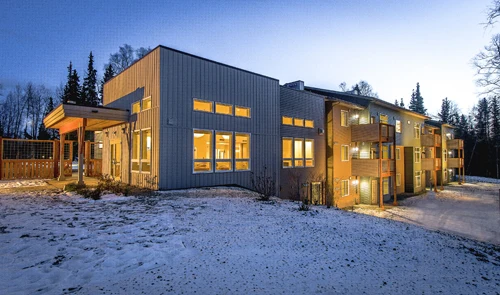 4.5Verified
Thomas Center for Senior Leadership
2190 E Tudor Road Anchorage, AK 99507
Independent Living -
 4.2Verified
Chugiak-Eagle River Senior Center
22424 N Birchwood Loop Chugiak, AK 99567
Independent LivingAssisted Living -
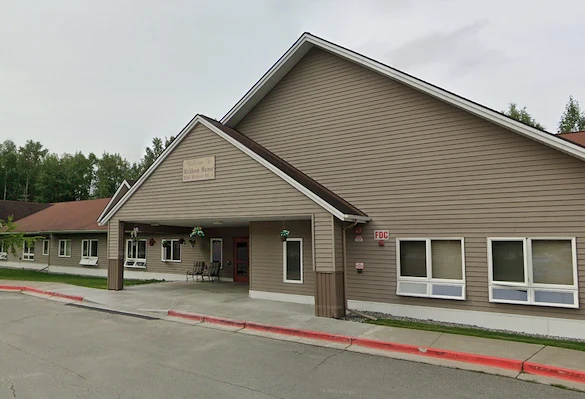 4.0Verified
Muldoon Manor
2040 Muldoon Road Anchorage, AK 99504
Active Adult LivingIndependent LivingLow Income / Affordable


Cost of Independent Living in Alaska
Independent living in Alaska offers seniors a lifestyle that balances autonomy with community support, though costs can be higher than the national average. In cities like Fairbanks, the average monthly cost for independent living is approximately $6,595, while in Juneau, it rises to about $7,500. These figures are notably above the national average of around $4,125. Factors contributing to these costs include Alaska's remote geography, higher utility expenses, and the premium placed on services tailored for seniors.
Despite the higher costs, Alaska's independent living communities provide a range of benefits. Residents enjoy maintenance-free living, access to social activities, and amenities such as meal plans, housekeeping, and transportation services. These communities often foster a strong sense of camaraderie among residents, enhancing the overall quality of life.
Financial assistance options are available to help offset costs. While Medicaid typically doesn't cover independent living, the Alaskans Living Independently (ALI) Medicaid waiver can provide support for eligible individuals needing assistance with daily activities. Additionally, veterans' benefits may offer financial aid for those who qualify. It's advisable for families to consult with local agencies to explore all available resources and determine eligibility.
In summary, while independent living in Alaska may come with a higher price tag, the state's unique offerings—such as its natural beauty, active lifestyle opportunities, and supportive communities—make it an attractive option for seniors seeking an enriching retirement experience.
What to Know About Independent Living in Alaska
A single person in Alaska may need roughly $3,500 to $5,000 per month depending on housing, utilities, transportation, and healthcare costs.
Assisted living communities typically cost $6,000 to $7,500 per month, depending on services and location.
Alaska residents may receive an annual Permanent Fund Dividend (PFD), which distributes a portion of the state’s oil revenues to residents who meet eligibility requirements.
Yes. Many residents enjoy a high quality of life with strong community connections, outdoor recreation opportunities, and access to modern healthcare services.
Home Care in Alaska
Non-medical home care in Alaska plays a vital role in helping seniors maintain independence and quality of life while aging in place. These services encompass assistance with activities of daily living (ADLs) such as bathing, dressing, grooming, and mobility, as well as instrumental activities like meal preparation, light housekeeping, medication reminders, and companionship. By providing support tailored to individual needs, non-medical home care enables seniors to remain in familiar surroundings, promoting comfort and emotional well-being.
In Alaska, non-medical home care services are primarily delivered through the Personal Care Services (PCS) program, which offers both agency-based and consumer-directed options. The agency-based model involves a provider managing and supervising the care, while the consumer-directed model allows individuals to hire and manage their own caregivers with administrative support from an agency. These services are available statewide, including remote communities, to accommodate the diverse needs of Alaska's senior population.
To ensure the safety and well-being of clients, home care agencies in Alaska must adhere to specific licensing and certification requirements. Agencies are required to be licensed under AS 47.32 or AS 47.34.0701 and must comply with regulations outlined in the Alaska Administrative Code (AAC) 7 AAC 125. Additionally, caregivers employed by state-licensed agencies must undergo criminal background checks through Alaska’s Background Check Program. While formal training requirements for non-medical caregivers are not mandated by the state, many agencies prefer or require completion of recognized training programs to ensure quality care.
Unique factors impacting the availability and delivery of non-medical home care in Alaska include the state's vast geography and remote communities. Providers often face challenges related to transportation, staffing, and cultural considerations, particularly when serving Alaska Native populations. To address these challenges, some agencies offer telehealth services and flexible staffing models to ensure consistent care delivery across the state.
In summary, non-medical home care in Alaska is essential for seniors seeking to live independently in their own homes. By offering personalized assistance and adhering to state regulations, these services support seniors in maintaining their dignity and quality of life, regardless of the challenges posed by Alaska's unique environment.
Top Home Care in Alaska
View All Providers-
 5.0Verified
Visiting Angels - Anchorage
341 W Tudor Rd #104 Anchorage, AK 99503
Home Care (Non-Medical) -
 4.7Verified
Home Instead - Anchorage
440 W. Benson Boulevard Anchorage, AK 99503
Home Care (Non-Medical) -
 5.0Verified
Cornerstone Caregiving - Anchorage
1503 West 31st Avenue, Ste 201 Anchorage, AK 99503
Home Care (Non-Medical) -
 Not yet ratedVerified
BrightStar Care of Anchorage
11901 Business Blvd. Eagle River, AK 99577
Home Care (Non-Medical)


Cost of Home Care Non-Medical in Alaska
In Alaska, non-medical home care services are essential for seniors seeking to maintain independence while aging in place. As of 2025, the average cost of non-medical home care in Alaska is approximately $32 per hour, which is higher than the national average of $28.41 per hour . In Anchorage, rates are slightly higher, averaging $35 per hour . These costs can vary based on factors such as the level of care needed, the caregiver's experience, and the specific region within Alaska.
Regional variations are notable; for instance, in Fairbanks, the average cost is around $28.99 per hour, while in Juneau, it is approximately $28.02 per hour . These differences can be attributed to local demand, availability of caregivers, and operational costs specific to each area.
Several factors influence the cost of non-medical home care in Alaska. The state's vast geography and remote communities can lead to higher transportation and staffing expenses. Additionally, the demand for caregivers in certain regions can drive up wages. Services provided, such as personal care, companionship, and household assistance, also impact pricing.
Financial assistance options are available to help offset the costs of non-medical home care. Alaska's Medicaid program, known as DenaliCare, offers coverage for eligible individuals requiring personal care services. The Alaskans Living Independently (ALI) Medicaid waiver supports seniors with functional needs, providing services that allow them to remain in their homes. Additionally, long-term care insurance and veterans' benefits may provide financial support for those who qualify.
In summary, while non-medical home care in Alaska can be costly, various financial assistance programs are available to help seniors access the care they need to live independently in their communities.
What to Know About Non Medical Home Care in Alaska
Yes. Certain Medicaid consumer-directed care programs allow eligible seniors to choose family members as paid caregivers.
A non-medical caregiver assists with daily tasks such as bathing, dressing, meal preparation, light housekeeping, and companionship.
Yes. Alaska offers home and community-based services (HCBS) that help seniors remain in their homes with assistance.
The Alaska Personal Care Services (PCS) program provides assistance for seniors and individuals with disabilities who need help with daily living activities.
Long-Term Care/Skilled Nursing in Alaska
Long-term care in skilled nursing facilities (SNFs) in Alaska provides comprehensive medical services, rehabilitation, and specialized care to seniors with complex health needs. These facilities are designed for individuals requiring 24-hour supervision and assistance, offering a higher level of care than assisted living.
Alaska's SNFs deliver a range of services, including skilled nursing care, physical and occupational therapy, speech-language pathology, and post-surgical rehabilitation. Memory care units within these facilities cater to residents with Alzheimer's disease and other dementias, providing structured environments and specialized programming to enhance cognitive function and quality of life. Additionally, facilities offer services like wound care, medication management, and assistance with activities of daily living (ADLs).
Alaska's SNFs are regulated under the Alaska Administrative Code, specifically 7 AAC 140.515, which outlines requirements for skilled nursing services and rehabilitation. These services must be ordered by a physician, provided under professional supervision, and necessary to treat an unstable condition or to restore function. Facilities are mandated to have a registered nurse on duty during all shifts, with additional staffing requirements for facilities with more than 60 occupied beds.
The Centers for Medicare & Medicaid Services (CMS) evaluates SNFs using a Five-Star Quality Rating System, assessing health inspections, staffing levels, and quality measures. Alaska's nursing homes have an average rating of 3.5 stars, indicating a mix of good and average quality care.
Families seeking SNF care in Alaska should consider factors such as facility location, available services, staff qualifications, and resident-to-staff ratios. Visiting the facility, reviewing inspection reports, and consulting with the Alaska Long-Term Care Ombudsman Program can provide valuable insights into the quality of care offered. Additionally, understanding the costs associated with SNF care and available financial assistance programs, such as Medicaid and the Alaskans Living Independently (ALI) Medicaid waiver, is crucial for planning and decision-making.
Overall, Alaska's skilled nursing facilities offer essential medical and rehabilitative services to seniors with complex care needs. By adhering to state regulations and quality standards, these facilities aim to provide compassionate and comprehensive care, supporting seniors in maintaining their health and well-being.
Top Long-Term Care/Skilled Nursing in Alaska
View All Providers-
 2.0
2.0Polaris Transitional & Extended Care
910 Compassion Cir Anchorage, AK 99504
Long-Term Care / Skilled NursingSkilled Rehabilitation -
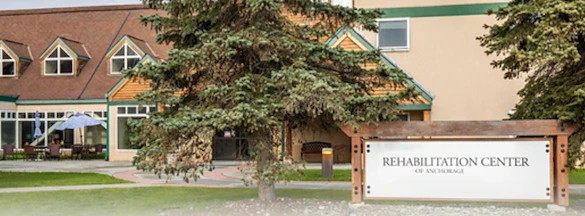 1.0Verified
Centennial Post Acute
9100 Centennial Drive Anchorage, AK 99504
Long-Term Care / Skilled NursingSkilled Rehabilitation


Cost of Nursing Homes in Alaska
In Alaska, the cost of skilled nursing care is notably higher than the national average, reflecting the state's unique challenges and healthcare landscape. As of 2025, the average monthly cost for a semi-private room in a skilled nursing facility is approximately $31,282, while a private room averages around $34,000. These figures significantly exceed the national median costs of $9,277 for a semi-private room and $10,646 for a private room.
Regional variations within Alaska are substantial. In urban areas like Anchorage, the annual cost for a semi-private room ranges from $232,500 to $285,000, whereas rural regions may see costs exceeding $364,000 annually. Factors contributing to these high costs include Alaska's remote geography, which increases transportation and staffing expenses, and a smaller pool of healthcare professionals, leading to higher wages and operational costs for facilities.
Several elements influence the pricing of skilled nursing care in Alaska. The level of medical care required, such as specialized services for post-surgical recovery or memory care, can lead to higher fees. Additionally, the reputation and amenities offered by a facility—such as private rooms, enhanced therapy services, and recreational activities—can also affect pricing.
Financial assistance is available for eligible individuals. Alaska's Medicaid program, known as DenaliCare, provides coverage for skilled nursing care through the Nursing Home Medicaid program. Eligibility is based on income and asset limits; for 2025, individuals must have assets valued under $2,000 and monthly income under $2,901. Additionally, the Alaskans Living Independently (ALI) Medicaid waiver supports seniors with functional needs, offering services that allow them to remain in their homes. It's important to note that Medicaid typically covers only a portion of the total cost, and individuals may be required to contribute a portion of their income toward care expenses.
While skilled nursing care in Alaska is among the most expensive in the nation, various financial assistance programs are available to help offset these costs for eligible individuals. Families should carefully evaluate facilities based on the level of care needed, available amenities, and financial resources to make informed decisions.
What to Know About Nursing Homes in Alaska
Nursing home care in Alaska typically costs $12,000 to $15,000 per month, depending on the facility and level of care.
Yes. Alaska has licensed nursing homes and long-term care facilities that provide skilled medical care for seniors.
The best state for nursing home care often depends on factors such as healthcare quality, staffing levels, and facility ratings.
Higher labor costs, transportation challenges, and the state’s remote geography contribute to higher nursing home costs.
Finding the Right Senior Care in Alaska
Alaska offers seniors a unique retirement environment with stunning natural landscapes, close-knit communities, and access to a growing network of healthcare providers and senior living communities. While the cost of senior care in Alaska is higher than the national average due to geographic and logistical factors, seniors can still find a variety of care options including independent living communities, assisted living facilities, home care services, memory care programs, and skilled nursing homes across the state.
By understanding Alaska’s senior care regulations, financial assistance programs, and the different levels of care available, families can make informed decisions about long-term care planning. Whether aging in place with home care support or transitioning into assisted living or nursing care, Alaska provides supportive environments that help older adults maintain independence, dignity, and quality of life.
Frequently Asked Questions About Senior Living in Alaska
Senior housing in Alaska generally ranges from $2,500 to $4,500 per month, depending on location and amenities.
Alaska offers beautiful natural surroundings and strong communities, but higher living costs and colder winters may be considerations for some retirees.
The 80/20 rule states that at least 80% of homes in an age-restricted community must have one resident age 55 or older.
No. Medicare does not pay for assisted living housing or custodial care.
Frequently Asked Questions About Senior Care in Alaska
Programs such as the Alaska Senior Benefits Program provide monthly financial assistance to eligible seniors with limited income.
Home care services in Alaska typically cost $30 to $40 per hour, depending on the provider and services required.
Family caregivers may receive compensation through Medicaid personal care services or consumer-directed care programs if the individual qualifies.
No. Medicare does not cover assisted living costs.