
Senior Living Facts for Oregon
Oregon offers a welcoming and vibrant environment that makes it an attractive choice for seniors and their families. Known for its breathtaking natural landscapes—from the rugged Pacific coastline to lush forests and the scenic Cascade Mountains—Oregon provides countless opportunities for outdoor recreation, which supports an active and healthy lifestyle for older adults. The state’s mild climate, particularly in western areas like Portland and Eugene, features wet winters and pleasant summers, making it comfortable for seniors to enjoy year-round activities such as hiking, gardening, and community events.
Fast Facts
Senior Living & Care in Oregon
| #27 | most populated state in the U.S. |
| $5,800 | average monthly assisted living cost in Oregon |
| 1,100+ | assisted living communities and care providers across Oregon |
| 850K + | adults age 65+ in Oregon |
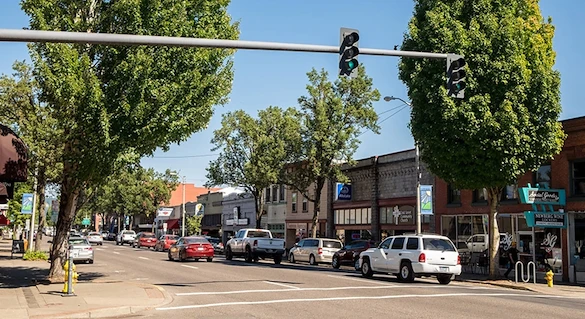
Oregon’s lifestyle balances the charm of small towns with the conveniences of urban living. Cities like Portland and Salem boast senior-friendly communities that focus on accessibility, social engagement, and wellness programs designed to support independence and quality of life. These communities offer a wide range of amenities, including cultural activities like art festivals, farmers markets, theater performances, and music events, giving seniors ample ways to stay connected and engaged. For families searching for senior care options in Oregon, the state offers a full spectrum—from independent living and assisted living to skilled nursing and memory care facilities—allowing loved ones to find the right level of support.
The cost of living in Oregon varies across regions but generally remains competitive compared to other West Coast states. While housing costs in larger cities can be higher, many smaller towns provide affordable, peaceful retirement settings. This variety helps seniors and families find communities that fit their financial needs and personal preferences.
Healthcare is another strong advantage in Oregon. The state has an extensive network of hospitals, specialized clinics, and geriatric care providers committed to serving seniors with high-quality medical care, rehabilitation services, and support for chronic conditions. These resources, combined with state regulations that promote quality and safety in senior care facilities, give families peace of mind when making important decisions about their loved ones.
Whether seeking a vibrant city atmosphere or a quiet retreat surrounded by nature, Oregon’s senior living and care options reflect its dedication to helping older adults live with dignity, comfort, and joy. Its unique blend of natural beauty, quality healthcare, and active communities makes Oregon a desirable place for seniors to call home.
Top Cities for Senior Living and Care in Oregon































Assisted Living in Oregon
Assisted living in Oregon offers a supportive and comfortable environment for seniors who need help with daily activities while maintaining as much independence as possible. This type of senior care is designed for individuals who may require assistance with tasks like bathing, dressing, medication management, and meal preparation but do not need the intensive medical care provided in nursing homes. Assisted living communities in Oregon focus not only on care but also on promoting social engagement and a high quality of life through various recreational activities and community events.
Oregon has specific licensing and regulatory requirements for assisted living facilities, overseen by the Oregon Department of Human Services (DHS). These regulations ensure that providers meet safety standards, staff qualifications, and quality of care benchmarks. The state requires assisted living facilities to maintain individualized care plans for each resident and regularly review these plans to adapt to changing needs. Oregon’s regulations also emphasize residents’ rights and encourage providers to create a respectful, home-like atmosphere.
Assisted living options in Oregon vary widely to meet diverse needs and budgets. Some communities offer luxury amenities such as chef-prepared meals, fitness centers, and spa services, while others provide budget-friendly care with essential services in smaller settings. Memory care units are often part of assisted living communities or available as specialized facilities, offering tailored support for residents with Alzheimer’s or other forms of dementia. These units have specially trained staff and secure environments designed to enhance safety and quality of life.
When evaluating assisted living options in Oregon, families should consider factors like the level of care provided, staff-to-resident ratios, community culture, and available amenities. Visiting multiple communities, reading reviews, and asking about state inspection reports can help families make informed decisions. Understanding Oregon’s assisted living licensing standards also provides peace of mind that the community meets state-mandated quality requirements.
Overall, assisted living in Oregon blends compassionate care with vibrant community living, supporting seniors as they age with dignity and independence.
Top Assisted Living Communities in Oregon
View All Providers-
4.1Premium
Hawthorne Gardens Senior Living
2828 SE Taylor St Portland, OR 97214
Assisted LivingMemory CareRespite Care -
3.9Premium
Merrill Gardens at Cedar Mill
11795 NW Cedar Falls Drive Portland, OR 97229
Independent LivingAssisted LivingMemory Care -
-
4.2Premium
The Estates at Town Center Senior Living
8709 SE Causey Ave Happy Valley, OR 97086
Independent LivingAssisted Living -
4.4Premium
The Stafford
1200 Overlook Drive Lake Oswego, OR 97034
Independent LivingAssisted Living -
4.4Premium
Avamere at Bethany
16360 NW Avamere Court Portland, OR 97229
Independent LivingAssisted LivingMemory CareRespite Care -
3.1Premium
Sunnyside Meadows Memory Care
12195 SE 117th Avenue Happy Valley, OR 97086
Assisted LivingMemory Care -
3.0Premium
Powell Valley Senior Living
4001 SE 182nd Ave Gresham, OR 97030
Assisted LivingMemory CareRespite Care -
3.7Premium
Holi Senior Living
188 NE 77th Ave. Hillsboro, OR 97124
Assisted LivingMemory CareRespite Care -
-
4.3Premium
Avamere at Chestnut Lane
1219 NE 6th Street Gresham, OR 97030
Assisted LivingRespite Care -
4.0Premium
Avamere at Sherwood
16500 Century Drive Sherwood, OR 97140
Assisted LivingMemory CareRespite Care -
3.6Premium
Avamere at Hillsboro
2000 SE 30th Ave Hillsboro, OR 97123
Independent LivingAssisted LivingMemory CareRespite Care -
4.3Premium
Merrill Gardens at Sherwood
16872 SW Edy Rd Sherwood, OR 97140
Independent LivingAssisted LivingMemory Care -
-
5.0Premium
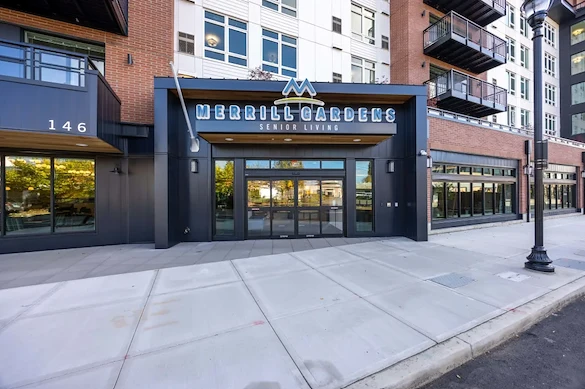
Merrill Gardens at Hillsboro
146 NE 4th Ave Hillsboro, OR 97124
Independent LivingAssisted Living -
3.4Premium
Avamere at Newberg
730 Foothills Drive Newberg, OR 97132
Assisted LivingMemory CareRespite Care


Cost of Assisted Living in Oregon
Several key factors influence assisted living costs in Oregon. First is the level of care required: residents needing memory care or additional daily support often pay up to 20–30% more due to enhanced staffing and programming. Second, the type and size of housing unit matter—private apartments with kitchenettes typically cost more than shared or standard rooms. Third, amenity levels impact cost: facilities offering features like chef-prepared meals, fitness centers, transportation, and full wellness programs tend to charge higher rates. Finally, location plays a significant role; urban and resort areas command higher pricing due to demand and operating expenses.
Fortunately, families have access to various financial support programs to help manage costs. Oregon Medicaid (Oregon Health Plan) may cover assisted living services for eligible individuals who meet income and asset requirements, typically through targeted waiver programs. Veterans and surviving spouses may qualify for Aid & Attendance benefits, which can subsidize the cost of assisted living. Some long-term care insurance policies also include assisted living coverage, depending on plan terms. Additionally, local Area Agencies on Aging may offer assistance or referrals to affordable care options.
By weighing Oregon’s higher-than-average rates, regional price variations, and the range of available financial assistance, families can make thoughtful decisions regarding assisted living. Evaluating communities based on care levels, cost transparency, amenities, and funding eligibility allows seniors to find both quality and value across the state.
What to Know About Assisted Living in Oregon
Assisted living in Oregon typically costs $5,000–$6,500 per month, depending on location and level of care.
Assisted living is usually paid for through private funds, long-term care insurance, Veterans benefits, or Medicaid programs for eligible seniors.
Most families use private savings, retirement income, or home sale proceeds to pay for assisted living.
Medicare does not pay for assisted living, including room, board, or custodial care.
Independent Living in Oregon
Independent living is an excellent option for active older adults in Oregon who want to enjoy a low-maintenance lifestyle while staying socially connected and engaged. These communities are designed for seniors who do not require daily medical or personal care but appreciate the convenience of services like housekeeping, meals, transportation, and planned social activities. Independent living allows older adults to maintain their freedom while benefiting from a supportive, senior-friendly environment.
Oregon offers a variety of independent living communities that cater to different preferences and budgets, from upscale retirement residences to more affordable apartment-style options. Many communities feature amenities such as fitness centers, walking trails, libraries, community dining rooms, and activity calendars tailored to resident interests. Seniors can enjoy a vibrant social life while leaving behind the burdens of home upkeep, yardwork, and daily chores.
The state’s natural beauty and mild climate make it especially attractive for retirees. Cities like Portland, Eugene, Salem, and Medford are popular retirement destinations thanks to their access to cultural amenities, scenic parks, and medical services. Coastal towns such as Newport or Florence offer peaceful surroundings and a slower pace of life, while central Oregon locations like Bend appeal to active seniors who love the outdoors.
Oregon’s senior-friendly environment also includes a strong focus on wellness and aging in place. Many independent living communities in the state are located near hospitals and clinics, making it easy to manage healthcare needs as they evolve. Additionally, public transportation options and walkable neighborhoods contribute to an overall sense of independence and accessibility.
Independent living in Oregon is ideal for seniors who want to downsize, simplify their routines, and enjoy a socially enriched lifestyle with like-minded peers. Whether you're seeking a community near the coast, in the heart of wine country, or close to city conveniences, Oregon offers diverse choices that support healthy, independent aging. With its blend of scenic beauty, cultural offerings, and welcoming retirement communities, Oregon is a standout state for seniors looking to thrive in their next chapter of life.
Top Independent Living Communities in Oregon
View All Providers-
3.9Premium
Merrill Gardens at Cedar Mill
11795 NW Cedar Falls Drive Portland, OR 97229
Independent LivingAssisted LivingMemory Care -
4.2Premium
The Estates at Town Center Senior Living
8709 SE Causey Ave Happy Valley, OR 97086
Independent LivingAssisted Living -
4.4Premium
The Stafford
1200 Overlook Drive Lake Oswego, OR 97034
Independent LivingAssisted Living -
4.4Premium
Avamere at Bethany
16360 NW Avamere Court Portland, OR 97229
Independent LivingAssisted LivingMemory CareRespite Care -
4.2Premium
Truewood by Merrill, Vancouver
13303 SE McGillivray Blvd Vancouver, WA 98683
Independent Living -
4.8Premium
King City Senior Village
11777 SW Queen Elizabeth Street King City, OR 97224
Active Adult LivingIndependent Living -
4.5Premium
Vancouver Pointe
4555 NE 66th Ave Vancouver, WA 98661
Active Adult LivingIndependent Living -
3.6Premium
Avamere at Hillsboro
2000 SE 30th Ave Hillsboro, OR 97123
Independent LivingAssisted LivingMemory CareRespite Care -
4.3Premium
Merrill Gardens at Sherwood
16872 SW Edy Rd Sherwood, OR 97140
Independent LivingAssisted LivingMemory Care -
5.0Premium
Merrill Gardens at Hillsboro
146 NE 4th Ave Hillsboro, OR 97124
Independent LivingAssisted Living
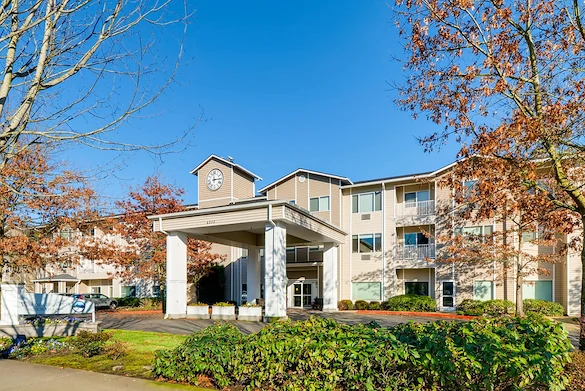
Cost of Independent Living in Oregon
Independent living costs generally include rent, utilities, housekeeping, dining options, and access to community amenities like fitness centers, libraries, gardening areas, and planned social events. Many communities also provide transportation services and on‑site wellness programs that foster engagement and ease daily routines.
Key factors influencing pricing include location, apartment size or type, and amenity level. Urban areas like Portland come with higher operating costs, while smaller cities offer more affordability. Luxury communities or those in picturesque settings (e.g., near wine country or coast) may charge a premium. Units with higher square footage—or cottage-style accommodations—also command higher fees. However, overall, independent living in Oregon tends to be around 30–40% less expensive than assisted living, offering a cost-effective lifestyle for retirees.
While independent living is not typically covered by Medicaid or Medicare, some financial options may help offset costs. Seniors may draw on personal savings, retirement accounts, reverse mortgages, or long-term care insurance (if included). Certain communities offer entrance fee refund plans and allow for contract flexibility, which can ease long-term planning.
Independent living in Oregon strikes a meaningful balance between affordability and lifestyle. With its mild climate, vibrant cultural scene, accessible healthcare resources, and scenic diversity, the state offers retirees an opportunity to enjoy community life without the burdens of daily upkeep—making independent living both appealing and financially sensible.
What to Know About Independent Living in Oregon
Independent living is designed for adults age 55+ or 62+ who can live safely without daily personal care assistance.
Independent living does not provide hands-on care or medical supervision, meaning residents may need to move if health needs increase.
Medicare does not cover independent living housing costs.
Oregon’s cost of living is slightly above the national average, particularly in housing and healthcare expenses, especially in metro areas.
Home Care in Oregon
Non-medical home care in Oregon provides essential support for older adults who want to age comfortably in place while maintaining independence. These services are non-clinical in nature and focus on helping with everyday activities such as bathing, dressing, grooming, light housekeeping, meal preparation, mobility assistance, errands, medication reminders, and companionship. This type of care is ideal for seniors who don’t require medical services but still need regular assistance to stay safe and well at home.
In Oregon, non-medical home care agencies are regulated by the Oregon Health Authority (OHA). Agencies must be licensed and meet specific standards depending on their level of service—ranging from limited to comprehensive in-home care. Caregivers employed by these agencies must pass background checks and receive proper training in areas such as personal care, infection control, emergency procedures, and client rights. Agencies are inspected every two years to ensure compliance with state regulations.
What makes non-medical home care in Oregon unique is the state’s strong focus on consumer safety and caregiver training. Caregivers must complete at least eight hours of initial training and six hours of annual continuing education. Those assisting with medications require additional instruction. This helps ensure a high standard of care and peace of mind for families seeking support for loved ones.
Availability and cost of home care can vary across the state. Larger cities like Portland, Salem, and Eugene tend to offer more provider options and wider service availability. In rural areas, fewer caregivers may be available, and families may encounter higher travel fees or longer wait times.
Financial assistance is available for eligible individuals through programs like Oregon Medicaid’s K Plan and State Plan Personal Care services. Veterans may qualify for VA Aid & Attendance benefits, and some seniors use long-term care insurance or support from local Area Agencies on Aging to help cover costs.
Non-medical home care offers a compassionate and flexible alternative to facility-based care, helping Oregon seniors maintain their routines, independence, and dignity—right in the comfort of home.
Top Home Care in Oregon
View All Providers-
3.4Verified
Homewatch CareGivers - Portland
3880 SE 8th Ave Portland, OR 97202
Home Care (Non-Medical) -
4.6Verified
BrightStar Care of Northeast Portland
825 NE 20th Ave. Portland, OR 97232
Home Care (Non-Medical) -
2.7Verified
Visiting Angels - North Portland
5263 NE MLK Blvd Portland, OR 97211
Home Care (Non-Medical)



Cost of Home Care Non-Medical in Oregon
Several factors influence the overall cost of non-medical home care in Oregon. The number of care hours needed is a major cost driver—full-time care, which usually means about eight hours per day, can cost between $7,500 and $8,500 per month. Part-time or hourly care will cost less but varies based on frequency and duration. Another key consideration is whether care is arranged through an agency or directly with a private caregiver. Private caregivers often charge less since there are no agency fees, but agencies offer benefits such as background checks, ongoing supervision, and backup care if the primary caregiver is unavailable. For many families, this reliability justifies the higher cost. Additionally, specialized care for conditions like Alzheimer’s disease or dementia may require caregivers with extra training, which can increase hourly rates.
To help offset these costs, Oregon provides several financial assistance options. Medicaid programs like the Oregon Health Plan and Home and Community-Based Services (HCBS) Waivers support eligible seniors and individuals with disabilities in obtaining in-home care. The Oregon Project Independence Medicaid program (OPI-M) offers support services to seniors age 60+ and younger adults with disabilities who are not Medicaid-eligible. Long-term care insurance policies sold in Oregon since 1992 are also required to cover in-home care, helping those with coverage manage expenses.
Understanding these costs and options can feel overwhelming, but Senior Care Finder makes it easier to compare trusted local providers, understand pricing, and find the right care solution for your loved one.
What to Know About Non Medical Home Care in Oregon
Under certain Medicaid programs, caregivers may earn approximately $17–$22 per hour, depending on region and program participation.
Yes. Oregon Medicaid programs such as the K Plan allow eligible seniors to participate in consumer-directed care, where family members may receive compensation.
Private caregivers typically register with the state’s home care worker registry and complete required background checks and training.
Private in-home care in Oregon averages $30–$38 per hour, depending on services and location.
Long-Term Care/Skilled Nursing in Oregon
Skilled nursing facilities (SNFs) provide comprehensive long-term care for seniors and adults who need ongoing medical support, rehabilitation, or specialized care that cannot be managed at home. These facilities offer around-the-clock nursing care delivered by licensed professionals, including registered nurses, licensed practical nurses, and certified nursing assistants. Skilled nursing care can include wound care, medication management, IV therapy, and monitoring of chronic health conditions.
In addition to medical services, many skilled nursing facilities in Oregon provide rehabilitation therapies such as physical therapy, occupational therapy, and speech therapy. These services are often essential for individuals recovering from surgeries, strokes, or injuries, helping them regain strength and independence. Some facilities also offer specialized care units for residents with Alzheimer’s disease or other forms of memory impairment, where staff receive training to support the unique needs and safety of those living with dementia.
Oregon regulates skilled nursing facilities through the Oregon Health Authority (OHA), which enforces state and federal standards for safety, staffing, and quality of care. Facilities must meet licensing requirements and participate in regular inspections to maintain compliance. Oregon also publishes quality ratings and inspection reports that families can access to help evaluate nursing homes in their area.
When selecting a skilled nursing facility in Oregon, families should consider several factors beyond location and cost. Visiting potential facilities in person allows families to observe cleanliness, staff interactions, and resident well-being. Asking about staff-to-resident ratios, the availability of specialized programs, and policies on family involvement can provide insight into the quality of care. Families can also review state inspection reports and quality scores on the Oregon Health Authority website or through resources like Medicare’s Nursing Home Compare.
Choosing the right skilled nursing facility is an important step in ensuring your loved one receives the medical care, rehabilitation, and compassionate support they need. Senior Care Finder makes it easier to compare facilities, explore detailed information, and connect directly with trusted providers in Oregon.
Top Long-Term Care/Skilled Nursing in Oregon
View All Providers-
5.0
Mirabella Portland Health Center
3550 S Bond Ave Portland, OR 97239
Long-Term Care / Skilled NursingSkilled Rehabilitation -
5.0
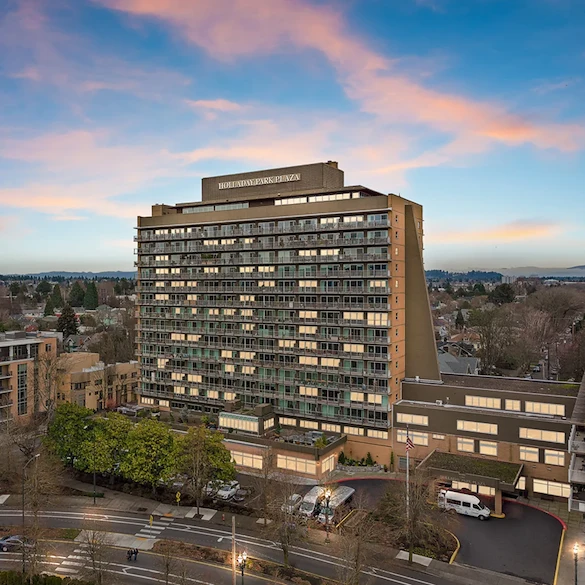
Holladay Park Plaza Health Center
1300 NE 16th Avenue Portland, OR 97232
Long-Term Care / Skilled NursingSkilled Rehabilitation -
1.0Verified
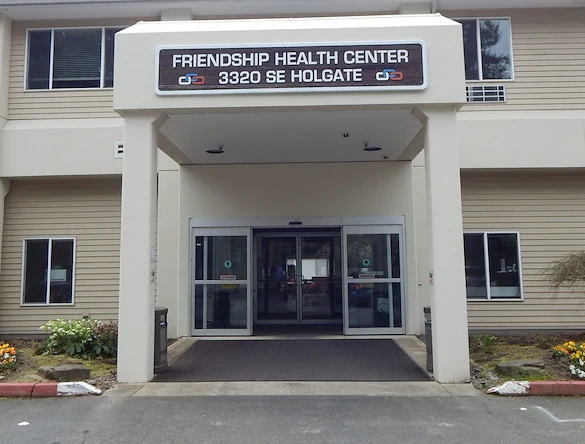
The Creston Health & Rehabilitation
3320 SE Holgate Blvd Portland, OR 97202
Long-Term Care / Skilled NursingSkilled Rehabilitation

Cost of Nursing Homes in Oregon
Several factors influence skilled nursing care costs. The level of medical care is a major driver: facilities offering specialized services like memory care or post-surgical rehab charge more due to the need for trained staff and equipment. Facility reputation and quality also affect pricing, with higher-rated homes generally charging premium rates. Amenities such as private rooms, enhanced dining, and recreational activities further impact costs.
To help manage these expenses, Oregon offers financial assistance programs. Medicare covers short-term skilled nursing care following a qualifying hospital stay, typically up to 100 days. Medicaid, through the Oregon Health Plan (OHP), provides long-term care coverage for eligible individuals, with a daily reimbursement rate of $518.22 as of 2024. The Oregon Project Independence Medicaid program (OPI-M) supports in-home care for seniors 60+ and younger disabled adults who don’t qualify for Medicaid. Long-term care insurance policies, especially those purchased before age 60, offer additional coverage options and flexibility.
When choosing a skilled nursing facility, families should visit multiple locations to assess cleanliness, staff interactions, and resident well-being. Reviewing Oregon Health Authority inspection reports helps evaluate regulatory compliance and care quality. It’s also important to understand staffing levels and clarify which services and amenities are included in the base cost versus extra fees. These steps help families make informed decisions that balance care quality with financial realities.
What to Know About Nursing Homes in Oregon
Medicare only covers short-term skilled nursing care after a qualifying hospital stay.
Nursing home care in Oregon averages $8,500–$9,500 per month, depending on room type.
Medicare does not cover long-term nursing home care, only short-term rehabilitation.
Most long-term nursing home care is paid through Medicaid, private funds, or long-term care insurance once eligibility requirements are met.
Finding the Right Senior Care in Oregon
Oregon offers a wide range of senior living and long-term care options, including independent living, assisted living, memory care, in-home services, and skilled nursing facilities. While senior care costs in Oregon are generally above the national average, the state provides strong Medicaid programs, community-based support services, and innovative care models like the K Plan and Home and Community-Based Services waivers. Families considering senior living in Oregon should compare regional costs carefully, as metro areas like Portland and Bend tend to be more expensive than southern and eastern communities.
By understanding care levels, financial assistance programs, and Oregon’s licensing standards, families can make informed decisions that balance affordability, quality, and long-term planning needs. Whether aging in place or transitioning to a senior living community, Oregon offers supportive resources designed to help older adults maintain independence, dignity, and overall quality of life.
Frequently Asked Questions About Senior Living in Oregon
Senior living costs range from $3,000 per month for independent living to $9,500+ per month for nursing home care, depending on services.
The most affordable option is often aging in place with part-time home care or qualifying for income-based senior housing.
Oregon offers strong community-based care programs and quality healthcare, though costs are above average in many urban areas.
Yes. Oregon has numerous 55+ and age-restricted communities across the state.
Frequently Asked Questions About Senior Care in Oregon
Seniors may qualify for Medicaid services, prescription assistance, property tax relief programs, transportation services, and nutrition programs.
Yes. Eligible seniors may participate in Medicaid consumer-directed programs that allow family caregivers to receive compensation.
Low-income qualifications vary by program and are generally based on Federal Poverty Level (FPL) guidelines and Medicaid income limits.