
About North Carolina
North Carolina offers a welcoming blend of natural beauty, Southern charm, and practical advantages that make it an exceptional place for older adults to live and thrive. From the scenic Blue Ridge Mountains to the picturesque Atlantic coastline, the Tar Heel State provides a diverse landscape that appeals to seniors seeking both relaxation and activity. Its moderate climate, with four distinct seasons and mild winters, makes it easier for aging adults to enjoy year-round outdoor activities, whether that’s gardening, walking, or attending local festivals.
Fast Facts
Senior Living & Care in North Carolina
| #9 | most populated state in the U.S. |
| $4,400 | average monthly assisted living cost in North Carolina |
| 4,000+ | assisted living communities and care providers across North Carolina |
| 1.8M+ | adults age 65+ in North Carolina |
One of the key draws for families exploring senior care in North Carolina is the state’s relatively affordable cost of living compared to other East Coast destinations. Housing, transportation, and healthcare expenses tend to be lower than national averages, making senior living in North Carolina more financially accessible for retirees and their families. Whether you're considering assisted living in Raleigh, independent living in Wilmington, or in-home care in Asheville, the state offers a wide variety of senior housing options to suit different needs and budgets.
North Carolina is also home to a robust healthcare system, including nationally ranked hospitals such as Duke University Medical Center and UNC Health. Access to high-quality medical care is a major priority for older adults, and families can feel confident knowing their loved ones are supported by top-tier professionals and facilities. In addition, many cities and towns are designated “age-friendly communities,” offering walkable neighborhoods, transportation services, and programs designed to promote social connection and wellness among seniors.
Beyond practical considerations, North Carolina offers a vibrant lifestyle for retirees. Seniors can enjoy everything from mountain hiking and coastal excursions to art museums, historic sites, farmers markets, and live music venues. Cultural hubs like Charlotte and Durham provide opportunities for lifelong learning, volunteering, and community involvement. Smaller towns across the state also foster tight-knit, senior-friendly environments that support independence and personal fulfillment.
Whether you're exploring skilled nursing care in Greensboro, home care in Chapel Hill, or senior apartments in Fayetteville, North Carolina, stands out as a supportive, enriching place for aging well. With its balance of affordability, quality healthcare, natural beauty, and community-centered living, it’s no surprise so many families choose senior care in North Carolina for their loved ones.
Top Cities for Senior Living and Care in North Carolina


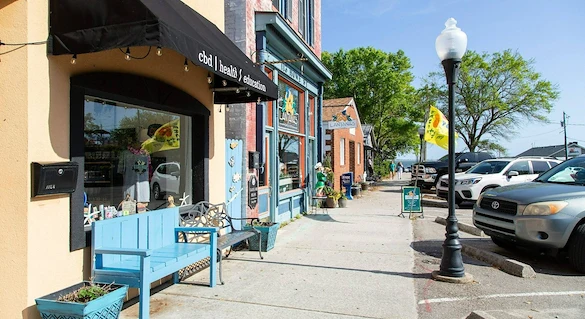


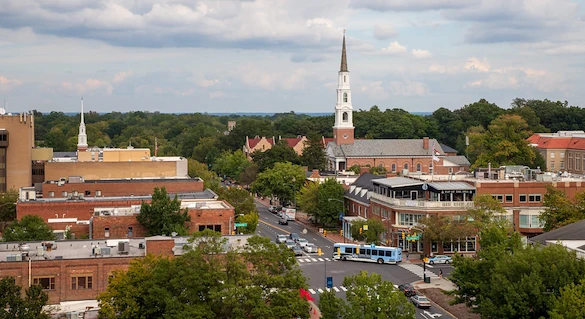

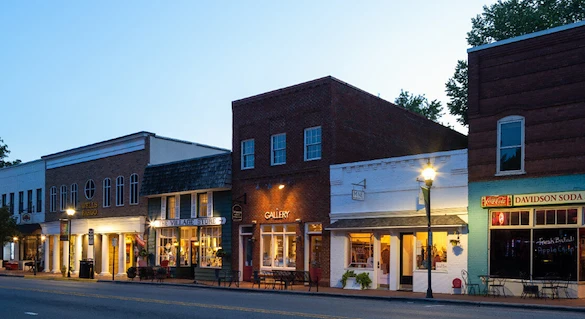




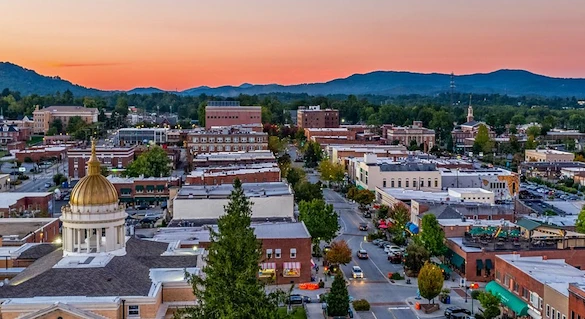

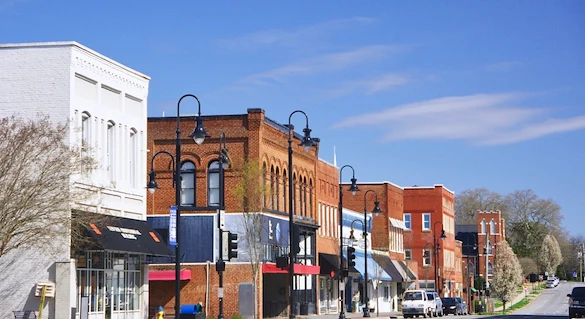



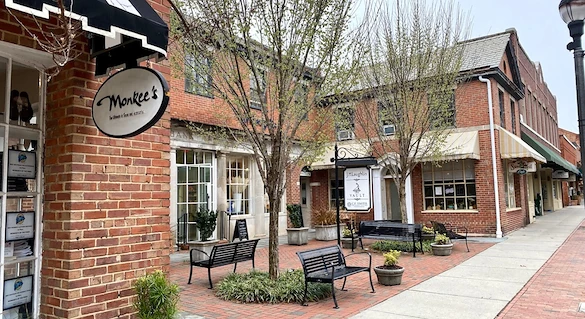
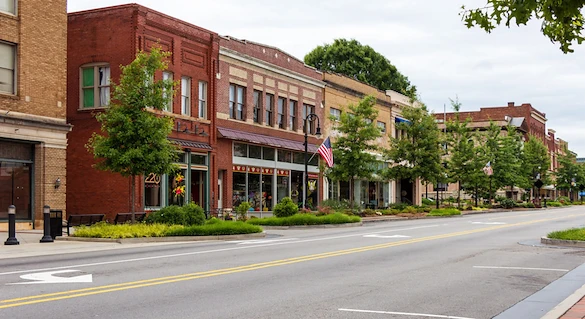
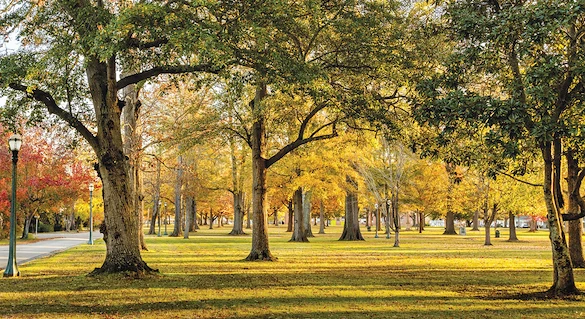





Assisted Living in North Carolina
Assisted living in North Carolina offers a supportive and enriching environment for older adults who need help with daily tasks but still want to maintain a level of independence. These communities are designed for seniors who may require assistance with activities of daily living (ADLs), such as bathing, dressing, grooming, and medication management, while also benefiting from a safe, social, and home-like setting.
In North Carolina, assisted living facilities (often referred to as Adult Care Homes or multi-unit Assisted Living Residences) are licensed and regulated by the North Carolina Division of Health Service Regulation. The state requires that each facility meet specific standards related to staff training, resident care, medication administration, and emergency preparedness. Routine inspections help ensure these communities deliver quality care and a safe living environment for residents.
Services provided in North Carolina assisted living communities typically include three daily meals, housekeeping, laundry, transportation, 24-hour supervision, and access to planned social and recreational activities. Many communities also offer on-site wellness programs, therapy services, and amenities such as salons, walking trails, and communal dining. For seniors with Alzheimer’s or other forms of dementia, memory care units within assisted living communities provide structured routines and specialized care in a secure environment.
Families exploring assisted living in North Carolina will find a wide range of options, from luxury communities with upscale amenities and private apartments to more affordable facilities focused on essential care and comfort. Some are part of larger continuing care retirement communities (CCRCs), while others are smaller, locally owned residences with a more intimate atmosphere.
When evaluating assisted living communities, it’s important for families to consider location, staff-to-resident ratio, cleanliness, resident satisfaction, and transparency around pricing. Visiting in person, asking detailed questions, and reviewing state inspection reports can help ensure the chosen community aligns with a loved one’s care needs and lifestyle preferences.
Whether you're searching in vibrant cities like Charlotte or Raleigh or in more rural areas, North Carolina offers diverse assisted living options that prioritize resident well-being, dignity, and connection—making it a strong choice for families seeking quality senior care.
Top Assisted Living Communities in North Carolina
View All Providers-
4.7Premium
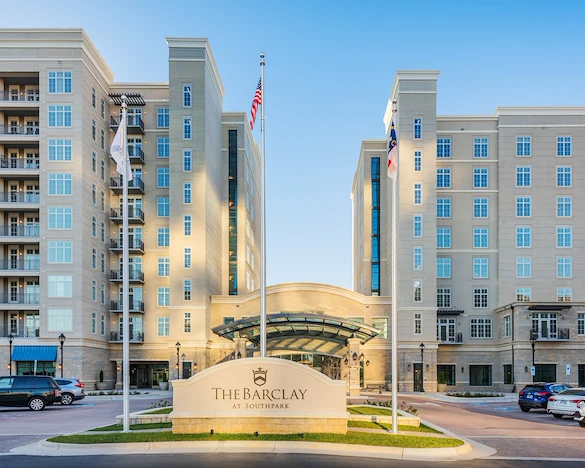
The Barclay at SouthPark
4801 Barclay Downs Drive Charlotte, NC 28210
Independent LivingAssisted LivingMemory CareLife Plan Community/CCRC -
4.0Premium
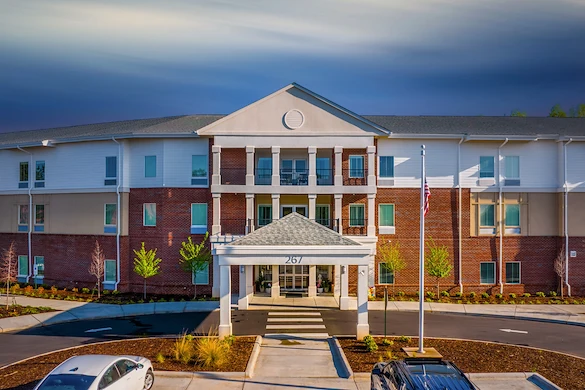
Sunflower Springs of Lake Wylie
267 Latitude Lane Lake Wylie, SC 29710
Assisted LivingMemory CareRespite Care -
4.7Premium+
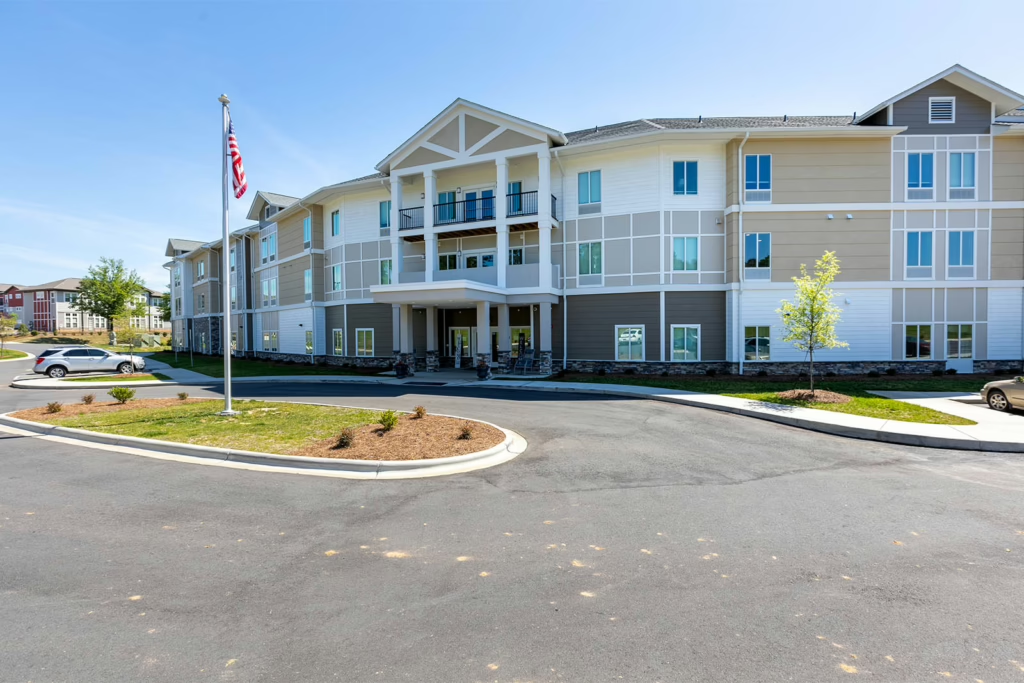
Sunflower Springs Indian Land
2681 Lengers Way Indian Land, SC 29707
Assisted LivingRespite Care
Cost of Assisted Living in North Carolina
Several key factors influence these pricing variations. Facilities offering upscale features—private suites, chef-prepared meals, fitness centers, and concierge services—tend to command premium rates. Similarly, memory care units for Alzheimer’s or dementia often add a 20–30% surcharge due to increased staffing and safety needs. Geographic location also plays an important role: urban and coastal areas within the Research Triangle and along the coast have higher living, labor, and real estate costs, driving prices upward.
On average, assisted living costs in North Carolina have risen approximately 10% year-over-year, matching national trends and reflecting the broader challenges of inflation and caregiver shortages. For many families, understanding these variations can make a significant difference in affordability and planning.
Recognizing the financial burden, North Carolina offers several resources to help offset assisted living expenses. Medicaid waivers—such as the Community Alternatives Program for Disabled Adults (CAP/DA), Innovations, and PACE—are available to eligible seniors. Recently proposed legislation (HB 485) aims to expand this coverage to help approximately 24,000 additional older adults. Veterans and their spouses may also qualify for Aid & Attendance benefits through the VA, offering valuable support. Meanwhile, long-term care insurance can cover part or all of the cost, depending on individual policies, and Area Agencies on Aging provide assistance navigating these programs.
By considering regional pricing differences, amenity levels, and available financial assistance, families can make informed decisions about assisted living in North Carolina—balancing cost, quality, and care needs for their loved ones.
What to Know About Assisted Living in North Carolina
The average cost of assisted living in North Carolina is about $4,500–$5,000 per month, slightly below the national average. Costs vary by location and level of care.
To qualify for assisted living in North Carolina, a person must need help with daily activities but not require 24/7 skilled nursing care. A care assessment is used to determine eligibility.
Assisted living is typically paid for through private income or savings, long-term care insurance, Veterans benefits, or limited Medicaid support for specific care services.
No, Medicare does not pay for assisted living in North Carolina. Medicare covers medical care, not long-term custodial care.
Independent Living in North Carolina
Independent living in North Carolina offers older adults a vibrant, low-maintenance lifestyle tailored for those who are largely self-sufficient but appreciate added convenience, community, and peace of mind. These communities typically provide private apartments or cottages in a campus-like setting, with services such as housekeeping, landscaping, transportation, and on-site dining. Residents also enjoy a wide array of amenities—from fitness centers and walking trails to cultural programming and group excursions—making independent living an appealing choice for active seniors seeking both freedom and connection.
North Carolina is especially well-suited for retirees considering independent living. With a relatively mild climate, four distinct seasons, and lower humidity than other Southeastern states, it supports year-round outdoor activities like golf, gardening, and hiking. Cities like Asheville, Wilmington, and Chapel Hill regularly rank among the most retirement-friendly destinations in the U.S., thanks to their mix of natural beauty, walkable downtowns, and strong healthcare infrastructure. Many seniors are drawn to Charlotte and Raleigh for their cultural amenities, including theaters, museums, and university events, while others prefer the slower pace of smaller communities such as Hendersonville or Southern Pines.
Independent living in North Carolina also benefits from the state’s relatively affordable cost of living, particularly when compared to states in the Northeast or West Coast. While residents cover their housing and service costs out of pocket, these communities often provide flexible pricing based on apartment size and amenity access. Some even offer buy-in or continuing care models that allow seniors to age in place.
Most importantly, North Carolina’s independent living communities foster social engagement and active lifestyles. With regularly scheduled activities, fitness classes, volunteer opportunities, and resident-led clubs, seniors can remain physically and socially active while enjoying the independence of a private home. Proximity to world-class healthcare providers—including Duke Health, UNC Health, and Atrium Health—adds another layer of reassurance for older adults and their families.
Whether located near the Blue Ridge Mountains or along the Atlantic coast, North Carolina’s independent living options combine scenic surroundings, strong community spirit, and the conveniences of modern senior living—making it a top choice for retirees who want to thrive in their next chapter.
Top Independent Living Communities in North Carolina
View All Providers-
4.7Premium
The Barclay at SouthPark
4801 Barclay Downs Drive Charlotte, NC 28210
Independent LivingAssisted LivingMemory CareLife Plan Community/CCRC -
4.7Premium+
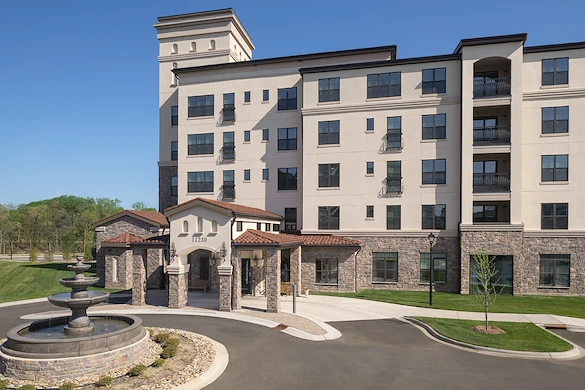
Trevi Vibrant Senior Living
11230 Trevi Village Blvd. Charlotte, NC 28262
Active Adult LivingIndependent Living -
4.5Premium
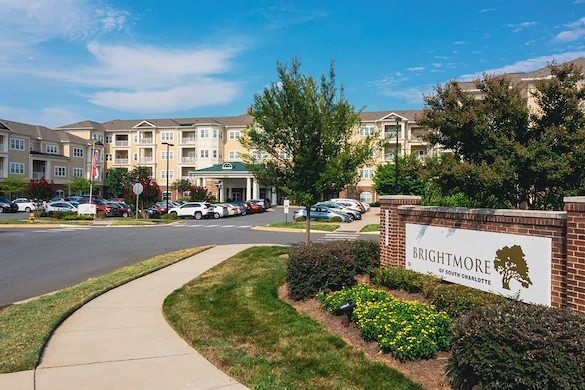
Brightmore of South Charlotte
10225 Old Ardrey Kell Road Charlotte, NC 28277
Independent Living
Cost of Independent Living in North Carolina
Independent living communities usually include maintenance‑free housing, services such as housekeeping, transportation, meals, social activities, and access to shared amenities like fitness centers, gardens, and communal spaces—without medical or personal care. Larger apartments, resort-style facilities, and campus-style offerings with optional care services tend to command higher monthly fees. Costs also reflect whether a community uses rental agreements or entrance‑fee contracts such as CCRCs—entrance fees can range from $50,000 to upwards of $500,000, potentially reducing monthly rates for those who pay upfront.
Factors influencing pricing include community location, size and type of residence, included amenities, optional services, and contract type. Facilities in urban areas like Charlotte or Raleigh, with strong local economies and higher operating costs, typically charge more than rural or smaller towns like Goldsboro or Greenville.
Although independent living costs are typically paid privately, some financial options may help. Seniors may use long-term care insurance for optional services, while veterans benefits—such as Aid & Attendance—may help cover certain expenses. Additionally, Area Agencies on Aging offer counseling and referrals to payment assistance programs and support navigating costs.
In summary, independent living in North Carolina offers a wide cost range—from under $2,000 monthly in more affordable regions to $3,500+ in premium locations—while remaining generally more affordable than assisted living. Understanding what's included and evaluating community features and pricing structures helps families match options to their loved one’s lifestyle, budget, and goals.
What to Know About Independent Living in North Carolina
Independent living in North Carolina typically costs $2,200–$3,500 per month, depending on location and amenities.
Independent living is designed for seniors age 55 or 62+ who can live independently without daily personal or medical care.
Independent living does not include hands-on personal care or medical services, so seniors may need to move if health needs increase.
Medicare does not pay for independent living, as it is considered housing rather than medical care.
Home Care in North Carolina
Non-medical home care plays a vital role in helping seniors live independently and comfortably in their own homes. Unlike medical care, it focuses on supporting daily activities and providing companionship, which promotes safety, well-being, and quality of life. For many older adults in North Carolina, these services make aging in place possible while also offering important relief to family caregivers.
Common non-medical home care services include personal care assistance such as help with bathing, dressing, toileting, and mobility support. Caregivers also assist with household tasks like meal preparation, light housekeeping, running errands, and transportation to appointments. Companionship is a key part of care, providing social interaction and emotional support to reduce loneliness. Additionally, caregivers often help seniors stay on track with their medications by offering reminders.
In North Carolina, home care agencies must be licensed by the Department of Health and Human Services under the Home Care Agency Licensure Act. Agencies providing personal care services must meet specific state requirements, including conducting criminal background checks on caregivers, ensuring they receive proper training, and undergoing regular inspections to maintain quality and safety standards. Providers offering non-medical companion or homemaker services are also required to register with the state and meet insurance and operational regulations. These licensing requirements help families trust that care providers meet consistent standards.
Several factors affect home care availability across North Carolina. The state’s rapidly growing senior population has increased demand for services, especially in rural areas where providers may be limited. Public programs like Medicaid often have long waiting lists, encouraging many families to consider private pay options. Financial assistance programs such as the Community Alternatives Program for Disabled Adults (CAP/DA) offer eligible seniors funds to help cover home care services and home modifications.
Overall, non-medical home care in North Carolina offers a flexible, compassionate option for seniors who want to maintain independence safely at home with the support of trained caregivers.
Top Home Care in North Carolina
View All Providers-
5.0Verified
Cornerstone Caregiving - West Charlotte
725 E Trade St, Ste 110 Charlotte, NC 28202
Home Care (Non-Medical) -
5.0Verified
Seniors Helping Seniors North Charlotte
101 S Tryon St Suite 2700 Charlotte, NC 28280
Home Care (Non-Medical) -
4.1Verified
Maxim Healthcare Services Charlotte
1300 Baxter Street Suite 450 and 455 Charlotte, NC 28204
Home Care (Non-Medical)



Cost of Home Care Non-Medical in North Carolina
Several financial assistance options are available to help offset these costs. North Carolina's Medicaid program offers coverage for home and community-based services (HCBS) through waivers, such as the Community Alternatives Program for Disabled Adults (CAP/DA). Eligibility for these programs is based on income, assets, and the level of care required. Additionally, long-term care insurance policies may provide coverage for non-medical home care services, depending on the policy terms. It's advisable for families to consult with a financial advisor or Medicaid planner to explore all available options and determine the best fit for their circumstances.
In summary, non-medical home care in North Carolina is a viable and affordable option for seniors wishing to age in place. By understanding the cost structures and available financial assistance, families can make informed decisions that align with their loved one's needs and financial situation.
What to Know About Non Medical Home Care in North Carolina
Yes, in some cases. Through NC Medicaid programs, certain eligible seniors may be able to compensate a family caregiver, depending on program rules and eligibility.
Non-medical home care helps with daily tasks like bathing and meals, while home health care provides skilled medical services ordered by a doctor.
Private home care in North Carolina averages $24–$28 per hour, depending on location and care level.
Individual caregivers may not need a license, but home care agencies must be licensed, and caregivers often must meet training and background check requirements.
Long-Term Care/Skilled Nursing in North Carolina
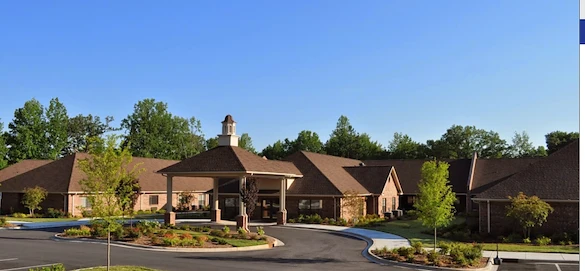
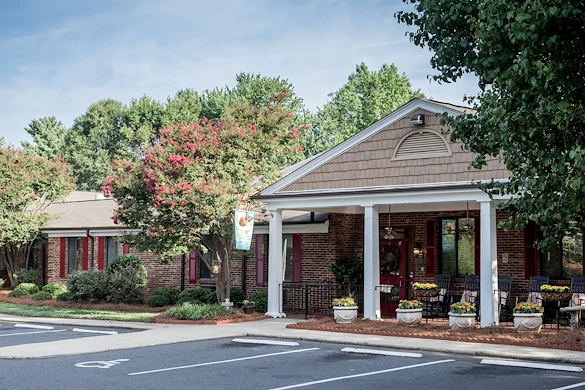
Skilled nursing facilities (SNFs) in North Carolina provide comprehensive medical care and support for seniors who require 24-hour supervision and assistance due to chronic illnesses, disabilities, or recovery from surgery. These facilities offer a range of services, including skilled nursing care, physical, occupational, and speech therapies, and specialized care for conditions such as Alzheimer's disease and other forms of dementia.
In North Carolina, SNFs are regulated by the Division of Health Service Regulation (DHSR) under the Department of Health and Human Services (DHHS). Facilities must adhere to both state regulations and federal guidelines set by the Centers for Medicare & Medicaid Services (CMS). These regulations ensure that facilities maintain high standards of care, including proper staffing levels, infection control measures, and resident rights protections. The state conducts regular inspections and assigns star ratings to facilities based on performance in areas like health inspections, staffing, and quality measures. Families can access this information through the DHSR's facility ratings and inspection reports.
When evaluating SNFs in North Carolina, families should consider several factors to ensure the facility meets their loved one's needs. It's important to review the facility's inspection history and star ratings to assess its compliance with state and federal regulations. Visiting the facility in person allows families to observe the environment, interact with staff, and ask questions about care plans and resident activities. Additionally, families should inquire about the facility's specialized services, such as memory care units or rehabilitation programs, to ensure they can provide the necessary level of care.
Financial considerations are also crucial. In North Carolina, Medicaid's Nursing Home Medicaid program can cover the cost of long-term care in a SNF for eligible seniors who require a nursing facility level of care. Eligibility is based on income, assets, and medical necessity. It's advisable for families to consult with a Medicaid planner or financial advisor to understand the application process and determine eligibility.
In summary, skilled nursing facilities in North Carolina offer essential care for seniors with complex medical needs. By understanding state regulations, evaluating facility quality, and considering financial options, families can make informed decisions to ensure their loved ones receive the best possible care.
Top Long-Term Care/Skilled Nursing in North Carolina
View All Providers-
3.0Verified
Peak Resources - Charlotte
3223 Central Avenue Charlotte, NC 28205
Long-Term Care / Skilled NursingSkilled Rehabilitation -
3.0Verified
White Oak Manor - Charlotte
4009 Craig Avenue Charlotte, NC 28211
Long-Term Care / Skilled NursingSkilled Rehabilitation -
4.0Verified
Briar Creek Health Center
6041 Piedmont Row Drive Charlotte, NC 28210
Long-Term Care / Skilled NursingSkilled RehabilitationLife Plan Community/CCRCRespite Care

Cost of Nursing Homes in North Carolina
Pricing depends on several factors. Facilities offering specialized memory care for residents with Alzheimer’s disease or dementia usually charge higher rates due to the need for specially trained staff and enhanced safety measures. Post-surgical rehabilitation services, including physical, occupational, and speech therapy, can also increase costs because of the intensive medical support involved. Reputation and quality ratings—often measured by Medicare star ratings and state inspection results—affect pricing as well, since higher-quality nursing homes typically maintain better staffing levels, clinical outcomes, and amenities. Amenities like private rooms, on-site therapy, transportation, and engaging social activities also influence monthly fees.
Financial assistance options are crucial for many families. Medicare covers skilled nursing care only for short-term stays following hospitalization, typically up to 100 days, and requires specific eligibility criteria. For long-term care, Medicaid skilled nursing coverage in North Carolina supports eligible seniors, with income and asset limits determining qualification. The state’s Special Assistance program offers additional support for adults in care homes who meet financial and functional requirements.
Because navigating skilled nursing costs and payment options can be complex, families should consult with elder care planners or financial advisors. This guidance helps identify available resources and ensures seniors receive the quality skilled nursing care they need without undue financial burden.
What to Know About Nursing Homes in North Carolina
Nursing home care averages $7,800–$8,500 per month for a semi-private room, with higher costs for private rooms.
Yes, North Carolina Medicaid covers nursing home care for eligible seniors who meet financial and medical criteria.
Medicare only pays for short-term skilled nursing care after a qualifying hospital stay, not long-term nursing home care.
No, Social Security does not directly pay for nursing homes, though benefits may help cover personal expenses.
Finding the Right Senior Care in North Carolina
North Carolina offers a wide range of senior living and care options, including independent living, assisted living, in-home care, and skilled nursing facilities, making it easier for older adults to age comfortably as their needs change. With moderate senior living costs, access to Medicaid and community-based support programs, and a strong healthcare infrastructure, North Carolina remains a popular choice for retirees and families planning long-term care. By understanding care options, costs, and available assistance, families can confidently find quality senior care in North Carolina that supports independence, safety, and peace of mind.
Frequently Asked Questions About Senior Living in North Carolina
Yes, North Carolina is considered senior-friendly, offering moderate living costs, mild climate, tax benefits, and strong healthcare networks.
Senior living costs range from $2,200 per month for independent living to over $8,500 per month for nursing home care, depending on services.
Popular towns for seniors include Asheville, Cary, Wilmington, Chapel Hill, and Winston-Salem, offering healthcare access and senior amenities.
The most affordable option is often aging in place with part-time home care or qualifying for subsidized senior housing.
Frequently Asked Questions About Senior Care in North Carolina
Assistance includes Medicaid, Area Agencies on Aging programs, transportation services, nutrition programs, caregiver support, and housing assistance.
Senior Community Care of NC provides PACE services, including medical care, therapy, social services, and long-term care coordination for eligible seniors.
Yes, North Carolina has strong healthcare systems, including major hospital networks and specialists, especially in metro areas.