

122,698
Population of Wilmington

21,718
Residents aged 65 and older in Wilmington

88
Senior Living & Care Options in Wilmington

$5,758/Month
Average cost of Senior Living & Care in the area.
Wilmington, with a population of 122,698, is home to 21,718 residents aged 65 and older. The city offers 88 senior living and care options. The average monthly cost of senior living & care in the area is $5,758.
Wilmington, North Carolina, boasts a rich history dating back to its founding in 1739, steeped in maritime heritage and Southern charm. The city's culture thrives with its historic downtown, known for its antebellum architecture and lively Riverwalk along the Cape Fear River. Notable landmarks include the USS North Carolina Battleship Memorial and the Bellamy Mansion Museum, showcasing its historical significance. Demographically, Wilmington has a diverse population, including a significant number of retirees attracted to its coastal beauty and cultural amenities. The age distribution reflects a growing community of older adults seeking a relaxed coastal lifestyle. Wilmington enjoys a humid subtropical climate with hot summers and mild winters, perfect for enjoying outdoor activities year-round. Seniors can participate in events like the Azalea Festival, featuring garden tours and arts shows, or visit Airlie Gardens for serene walks amidst lush landscapes. Parks like Hugh MacRae Park offer recreational facilities, while cultural events such as the Wilmington Symphony Orchestra provide enriching experiences. The city is known for being family-friendly, with attractions like the Wilmington Children's Museum and the North Carolina Aquarium at Fort Fisher appealing to all ages. Wilmington strikes a balance between its bustling urban areas and tranquil coastal neighborhoods, offering a laid-back lifestyle ideal for retirees. Seniors appreciate the city's friendly atmosphere and strong sense of community, making it a welcoming place to live. Natural beauty surrounds Wilmington, with its scenic riverfront and nearby beaches providing picturesque settings and opportunities for fishing and boating. Seniors can find peaceful retreats at places like Greenfield Lake Park and Gardens, perfect for leisurely walks and birdwatching. Seniors find Wilmington appealing for its mild climate, vibrant arts scene, and senior-friendly services. The city hosts several retirement communities and assisted living facilities that cater to older adults seeking comfort, care, and community. Wilmington, North Carolina, offers a blend of history, natural beauty, and coastal charm that make it an attractive place for seniors to settle. With its cultural attractions, recreational opportunities, and relaxed lifestyle, Wilmington provides a fulfilling environment for retirees looking to enjoy their golden years.Home Care in Wilmington, North Carolina
View All Providers-
 4.8Verified
Visiting Angels - Wilmington
3205 Randall Pkwy Wilmington, NC 28403
Home Care (Non-Medical) -
 4.8Verified
Griswold Home Care for Wilmington
4016 Shipyard Blvd Wilmington, NC 28403
Home Care (Non-Medical) -
 4.9Verified
Senior Helpers - Wilmington
2311 South 17th Street Wilmington, NC 28401
Home Care (Non-Medical) -
 4.5Verified
Home Instead - Wilmington, NC
2505 S. 17th Street, Suite 110 Wilmington, NC 28401
Home Care (Non-Medical)


Independent Living & Active Adult Living in Wilmington, North Carolina
View All Providers-
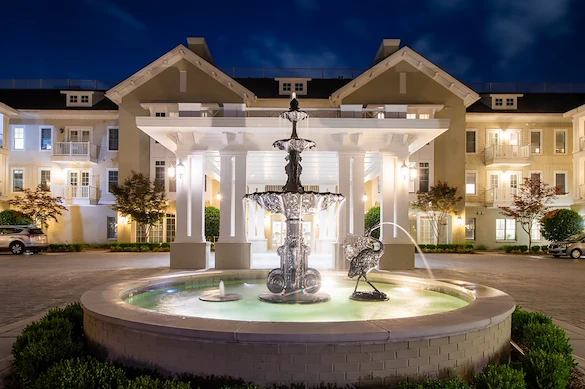 4.6Premium
Carolina Bay at Autumn Hall
630 Carolina Bay Drive Wilmington, NC 28403
Independent LivingAssisted LivingMemory CareLife Plan Community/CCRC -
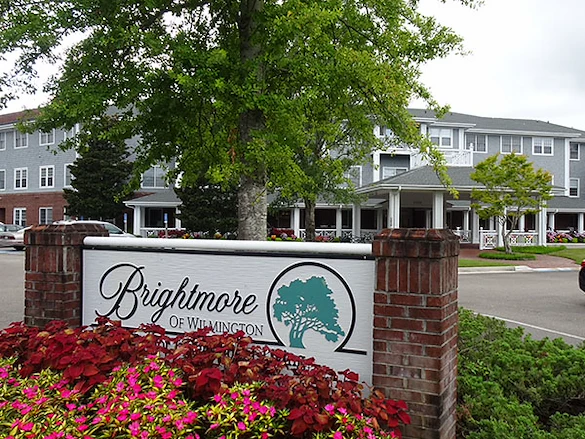 4.8Premium
Brightmore of Wilmington
2324 S 41st St Wilmington, NC 28403
Active Adult LivingIndependent Living -
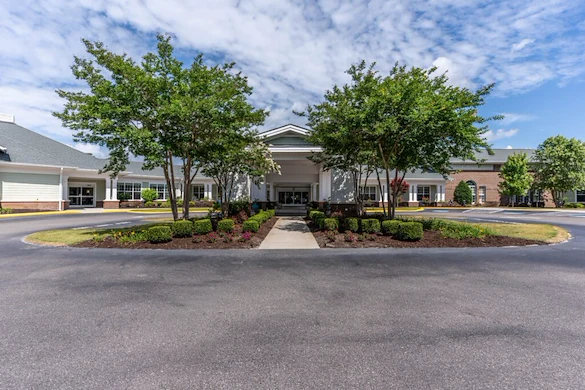 4.8Verified
Porters Neck Village
1200 Porters Neck Rd. Wilmington, NC 28411
Independent LivingLife Plan Community/CCRC -
 4.9Verified
Trinity Landing
5450 Trinity Landing Way Wilmington, NC 28409
Active Adult LivingIndependent Living -
 4.8Verified
Atria Hampstead
13937 US Highway 17 Hampstead, NC 28443
Independent LivingAssisted LivingMemory CareRespite Care -


Assisted Living in Wilmington, North Carolina
View All Providers-
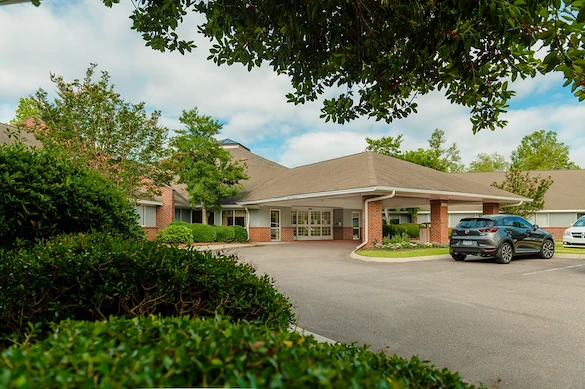 4.5Premium+
The Commons at Brightmore of Wilmington
2320 S 41st Street Wilmington, NC 28403
Assisted LivingMemory Care -
4.6Premium
Carolina Bay at Autumn Hall
630 Carolina Bay Drive Wilmington, NC 28403
Independent LivingAssisted LivingMemory CareLife Plan Community/CCRC -
4.8Verified
Atria Hampstead
13937 US Highway 17 Hampstead, NC 28443
Independent LivingAssisted LivingMemory CareRespite Care -
 4.6Verified
Spring Arbor of Wilmington
809 John D Barry Dr Wilmington, NC 28412
Assisted LivingMemory Care -
 3.9Verified
Morningside of Wilmington
2744 S 17th St Ofc Wilmington, NC 28412
Assisted LivingMemory Care -


Memory Care in Wilmington, North Carolina
View All Providers-
4.5Premium+
The Commons at Brightmore of Wilmington
2320 S 41st Street Wilmington, NC 28403
Assisted LivingMemory Care -
4.6Premium
Carolina Bay at Autumn Hall
630 Carolina Bay Drive Wilmington, NC 28403
Independent LivingAssisted LivingMemory CareLife Plan Community/CCRC -
4.8Verified
Atria Hampstead
13937 US Highway 17 Hampstead, NC 28443
Independent LivingAssisted LivingMemory CareRespite Care -
4.6Verified
Spring Arbor of Wilmington
809 John D Barry Dr Wilmington, NC 28412
Assisted LivingMemory Care -
 3.0Verified
Trinity Grove
631 Junction Creek Drive Wilmington, NC 28412
Memory CareLong-Term Care / Skilled NursingSkilled Rehabilitation -

Long Term Care & Skilled Nursing in Wilmington, North Carolina
View All Providers-
 5.0Verified
Bradley Creek Health Center
740 Diamond Shoals Road Wilmington, NC 28403
Long-Term Care / Skilled NursingSkilled RehabilitationLife Plan Community/CCRC -
3.0Verified
Trinity Grove
631 Junction Creek Drive Wilmington, NC 28412
Memory CareLong-Term Care / Skilled NursingSkilled Rehabilitation -
 2.0
2.0Liberty Commons Rehab Center
121 Racine Drive Wilmington, NC 28403
Long-Term Care / Skilled NursingSkilled RehabilitationRespite Care -
 5.0Verified
Cypress Pointe Rehabilitation Center
2006 South 16th Street Wilmington, NC 28401
Long-Term Care / Skilled NursingSkilled Rehabilitation


Yes! Wilmington is a popular choice for retirees thanks to its mild climate, coastal scenery, and relaxed pace of life. The area offers a lower cost of living than many U.S. cities, affordable housing options, and easy access to healthcare, dining, and recreation. Seniors enjoy a strong sense of community and a variety of social and wellness activities year-round.
The cost of senior living in North Carolina typically ranges from $3,000 to $5,000 per month, depending on the community type, care level, and amenities offered. Wilmington’s prices tend to fall near the state average, making it an affordable and appealing option for assisted living or independent living.
Original Medicare does not cover the cost of assisted living or long-term residential care, but it does cover short-term stays in a skilled nursing facility following a qualifying hospital stay. Seniors typically fund assisted living through personal savings, long-term care insurance, veterans’ benefits, or Medicaid waiver programs available in North Carolina. It’s important to explore these options early to find the right financial fit for your care needs.
The 80/20 rule ensures that at least 80% of occupied homes in a 55+ community have one resident who is 55 or older. This keeps the community age-restricted while allowing flexibility for younger spouses or family members to live there.