

179,306
Population of Cary

25,341
Residents aged 65 and older in Cary

295
Senior Living & Care Options in Cary

$5,337/Month
Average cost of Senior Living & Care in the area.
Cary, with a population of 179,306, is home to 25,341 residents aged 65 and older. The city offers 295 senior living and care options. The average monthly cost of senior living & care in the area is $5,337.
For a week of free time in Cary, NC, downtown is an easy place to begin. Downtown Cary Park, run by the Town, opened on Nov. 17, 2023, and spans seven acres in the heart of town. You'll find active play at Park Street Courts and quieter hours in the botanical gardens. The park stays open from 7 a.m. to 11 p.m. daily.
The park says all of it is ADA accessible except a maintenance path along the water's edge. Guest Services lends a push wheelchair at no charge, first come, first served. At Great Lawn Pavilion events, assisted listening works through a smartphone. That helps anyone who uses a wheelchair or hears less than before.
Jazz'd Up Sundays brings free jazz to the park on fall Sundays. The park says most of its more than 750 programs a year cost nothing. On Saturday mornings, the Cary Downtown Farmers Market sets up next door. The nonprofit market says it accepts SNAP/EBT and has live music on Saturdays from April to October.
For time outdoors, William B. Umstead State Park has an entrance in Cary, NC, called Reedy Creek, on North Harrison Avenue. The state points to Reedy Creek Lake, a millstone marker from an old grist mill, and a picnic shelter with a stone deck there. The park also rents all-terrain wheelchairs to people with limited mobility, reserved through an interest form.
Medicare lists WakeMed Cary Hospital, on Kildaire Farm Road, as an acute care hospital with an emergency department. That means it treats sudden illness and injury, including short hospital stays. According to WakeMed, the emergency department runs 24 hours on every day of the week and treats patients of all ages. WakeMed also calls the hospital Wake County's first Level 1 accredited Geriatric Emergency Department, one set up with older patients in mind. In Raleigh, NC, Medicare lists Rex Hospital and WakeMed's Raleigh Campus with emergency services.
For weather, NOAA keeps 1991 to 2020 normals at its Raleigh Durham International Airport station, outside Cary, NC. January's average low there is 31.8°F, and July's average high is 90.8°F. That's a bit under freezing on a typical January night and above 90 degrees on a typical July afternoon.
The sections below cover each kind of senior living in Cary, NC, from in-home help through nursing homes. It's free to compare them here, and you choose which providers to contact, and when.
Cary, NC at a Glance




Home Care in Cary, North Carolina
View All Providers-
 4.8Verified
Homewatch CareGivers - Cary
1210 SE Maryland Rd, Ste 202 Cary, NC 27511
Home Care (Non-Medical) -
 4.9Verified
Assisting Hands - Cary
1150 Executive Circle, Unit 4 Cary, NC 27511
Home Care (Non-Medical) -
 4.8Verified
SYNERGY HomeCare of Cary
1135 Kildaire Farm Rd., Ste. 307 Cary, NC 27511
Home Care (Non-Medical) -
 4.5Verified
BrightStar Care of Cary
102-K Commonwealth Ct Ste K Cary, NC 27511
Home Care (Non-Medical)


Independent Living & Active Adult Living in Cary, North Carolina
View All Providers-
 4.7Premium+
Hayes Barton Place
2600 Yettington Drive Raleigh, NC 27608
Independent LivingLife Plan Community/CCRC -

-
-
 4.7Verified
Overture Chapel Hill
5910 Farrington Rd Chapel Hill, NC 27517
Active Adult LivingIndependent Living -
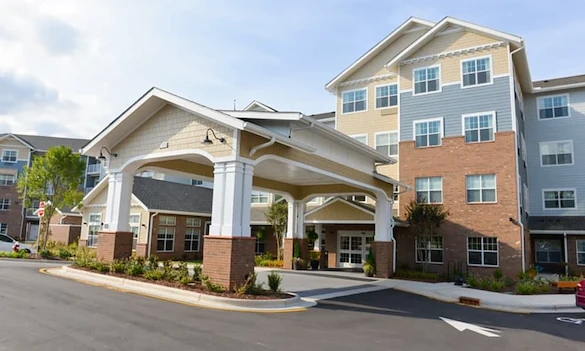 4.4Verified
Stoneridge Gracious Retirement Living
105 Convention Dr Cary, NC 27511
Independent Living


Assisted Living in Cary, North Carolina
View All Providers-
 4.6Premium+
Bloomsbury at Hayes Barton Place
2750 Oberlin Rd Raleigh, NC 27608
Assisted LivingMemory Care -
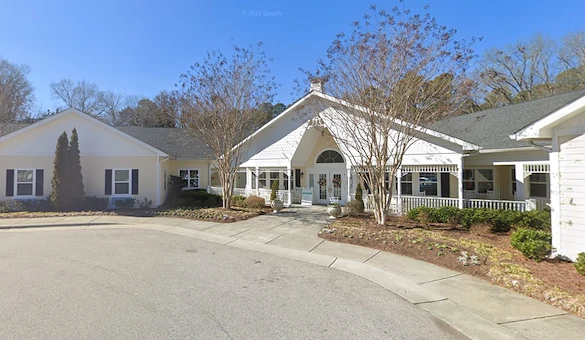 4.8Verified
Cadence North Raleigh
5219 Old Wake Forest Rd Raleigh, NC 27609
Assisted LivingMemory Care -

-
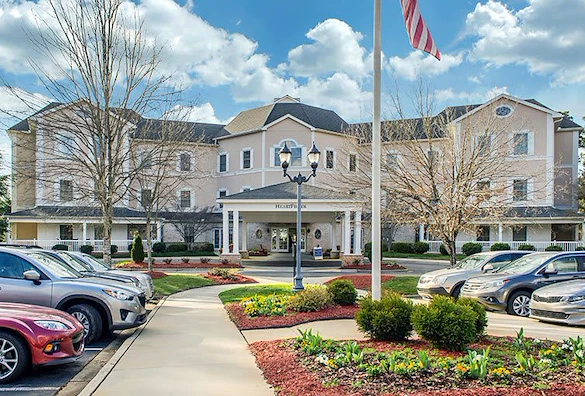 4.4Verified
HeartFields at Cary
1050 Crescent Green Cary, NC 27518
Assisted LivingMemory CareRespite Care -


Memory Care in Cary, North Carolina
View All Providers-
4.6Premium+
Bloomsbury at Hayes Barton Place
2750 Oberlin Rd Raleigh, NC 27608
Assisted LivingMemory Care -
4.8Verified
Cadence North Raleigh
5219 Old Wake Forest Rd Raleigh, NC 27609
Assisted LivingMemory Care -
-
4.4Verified
HeartFields at Cary
1050 Crescent Green Cary, NC 27518
Assisted LivingMemory CareRespite Care -
Long Term Care & Skilled Nursing in Cary, North Carolina
View All Providers-
 5.0
Rosewood Health Center
8801 Cypress Lakes Drive Raleigh, NC 27615
Long-Term Care / Skilled NursingSkilled RehabilitationLife Plan Community/CCRC -
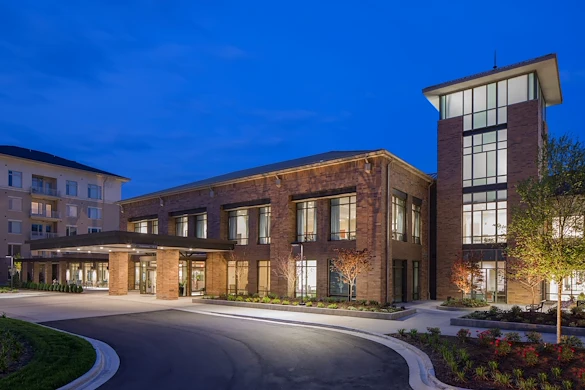 3.0Verified
The Cardinal At North Hills
311 Garden At North Hills Street Raleigh, NC 27609
Long-Term Care / Skilled NursingSkilled RehabilitationLife Plan Community/CCRC -
 5.0Verified
Glenaire Health Center
4000 Glenaire Circle Cary, NC 27511
Long-Term Care / Skilled NursingSkilled Rehabilitation -
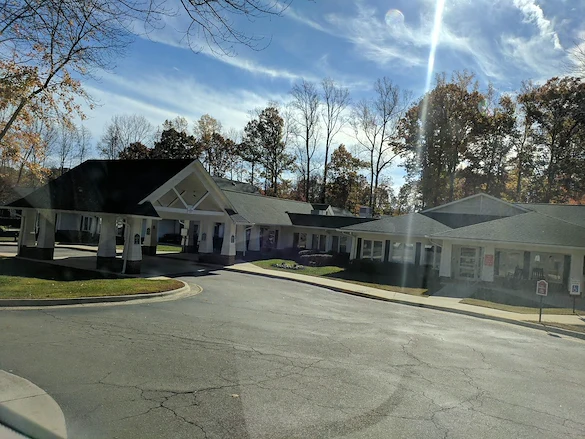 4.0Verified
Hillcrest Raleigh At Crabtree Valley
3830 Blue Ridge Road Raleigh, NC 27612
Long-Term Care / Skilled NursingSkilled Rehabilitation


Compare Assisted Living Costs in North Carolina
Use the chart to set North Carolina against the national picture for assisted living.
Statewide prices, with the ways families pay, sit on our North Carolina page. These links go straight to each section, assisted living first, then independent living, nursing homes, and home care.
Our state page hasn't added memory care prices so far. Anyone in Cary, NC, with memory care questions can call Central Pines Regional Council's Area Agency on Aging as a first step.
Local Resources for Older Adults in Cary, NC
These programs serve older adults in Cary, NC. Each name below links to the program itself, where you can check hours and who's eligible.
- Central Pines Area Agency on Aging. Region J's aging agency, with the long-term care ombudsman, options counseling, and help finding services. Central Pines Regional Council
- GoCary Door to Door. Shared, reservation-based rides for older residents of Cary, NC, and for riders with disabilities. GoCary
- GoWake Access. Wake County's shared rides that pick up at the door, for riders 60 and older, scheduled a day ahead. Wake County
- Wake County Senior and Adult Services. County help for older adults, including Adult Protective Services. Wake County
- Cary Regional Library. A Wake County Public Libraries branch with computers, WiFi, and Chromebook and hotspot lending. Wake County Public Libraries
- Downtown Cary Park. Accessibility details, including the free push wheelchair and assisted listening. Downtown Cary Park
- Medicare Care Compare. Medicare's site for looking up nursing homes and other providers. Care Compare
Frequently Asked Questions
Yes. The Cary Senior Center sits in Fred G. Bond Park at 120 Maury O'Dell Place. The North Carolina Division of Aging lists it as a public center run by the Town's parks and recreation, opened in 1993. The state also lists it as a Center of Excellence with national accreditation.
The state's listing doesn't cover classes, meals, or hours, so it helps to call or stop by and ask for the current schedule. Dropping in is also a relaxed way to meet a few people. It shows what a weekday there feels like, whatever kind of senior living someone is weighing.
GoCary Door to Door, the Town's paratransit service, gives shared rides by reservation to residents of Cary, NC, who are 60 or older. It also serves people whose disabilities keep them off fixed route buses. Riders book by 4:30 p.m. on the day before a trip, as far as seven days out.
Rides close to a GoCary bus route make up the first tier. Rides elsewhere in town, and medical trips to places such as Raleigh, NC, or Durham, NC, run when space allows. To sign up, send proof of age and residency by mail or email, or bring it to the Cary Senior Center. Processing can take up to 21 business days. Wake County's GoWake Access is another choice for people 60 and older, with door-to-door rides set up a day ahead.
Central Pines Regional Council, once called Triangle J, is the Area Agency on Aging for Region J, which takes in Cary, NC. Its aging team runs the Long-Term Care Ombudsman Program and Options Counseling, which helps people talk through choices. It also offers Information and Referral to help people find services.
Central Pines also explains adult day services. People spend the day in a group setting with care and supervision, and caregivers get a break. It describes PACE, too, a program for people 55 and older who qualify for skilled nursing but want to stay home. Most services it funds under the Older Americans Act are for people 60 and older.
Begin with the assisted living communities on this page, and choose a few to tour with the same written questions. Along the way, the region's long-term care ombudsman program is a helpful call. It speaks up for residents and their families, and it assigns an ombudsman to Wake County adult care homes.
Before touring, it helps to note the help needed daily, the budget, and where family members live. Those notes make every tour sharper. Afterward, set your notes side by side and lean toward the community whose answers matched what you saw.
Both. The Census Bureau's list of places by county shows the Town of Cary in Wake County and in Chatham County. One regional aging agency covers both counties, so older adults on either side of the county line reach the same Area Agency on Aging.
Some help is set up county by county, though. For family caregiver support, the agency lists The Center for Volunteer Caregiving, a volunteer caregiving nonprofit, for Wake County. For Chatham County, it lists Chatham County Aging Services. It also lists Powerful Tools for Caregivers, respite, and caregiver support groups. Knowing which county an address is in makes that first call quicker.
Wake County Public Libraries' Cary Regional Library lends Chromebooks and mobile hotspots. It also has public computers, printing, WiFi, and meeting space for adults. That covers many everyday needs, from a video call with family to printing the forms that come with a move.
Across the county, Library on the Go brings library services to older adults where they live and gather. One partner is Meals on Wheels Friendship Cafes. Since March 2026, the Library of North Carolina mails accessible reading materials free to Wake County residents who can't read standard print. That includes people with low vision, blindness, or another disability. Staff at any Wake County library can help with the application.
Sources, checked Oct. 13, 2026: U.S. Census Bureau, Downtown Cary Park, Cary Downtown Farmers Market, NC State Parks, NC Division of Aging senior center directory, GoCary, Wake County GoWake Access, Wake County Public Libraries, Wake County Senior and Adult Services, Wake County Sheriff's Office, Central Pines Regional Council, CMS hospital data, WakeMed, Wake Technical Community College, OLLI at NC State, NOAA climate normals, North Carolina General Assembly, and Medicare Care Compare.