
Senior Living Facts for Connecticut
Connecticut is a beautiful and welcoming state that offers an exceptional quality of life for older adults and their families. Nestled in the heart of New England, it combines scenic landscapes, historic charm, and modern amenities, making it an ideal place to enjoy retirement. Seniors in Connecticut can experience all four seasons, with warm summers perfect for outdoor strolls and crisp autumns that showcase vibrant foliage. From coastal communities like Westport and Mystic to charming inland towns such as Avon and Simsbury, Connecticut offers a range of senior-friendly communities that balance comfort, convenience, and connection.
Fast Facts
Senior Living & Care in Connecticut
| #29 | most populated state in the U.S. |
| $4,700 | average monthly assisted living cost in Connecticut |
| 800+ | assisted living communities and care providers across Connecticut |
| 715K + | adults age 65+ in Connecticut |
One of the standout features of Connecticut is its strong healthcare system. The state is home to renowned medical centers, including Yale New Haven Hospital, Hartford Hospital, and UConn Health, which provide top-tier care and specialized services for aging adults. Access to high-quality healthcare is a critical consideration for families searching for senior care in Connecticut, and the state consistently delivers in this area. Whether a loved one requires regular medical attention, rehabilitation services, or long-term skilled nursing, Connecticut's healthcare network ensures support at every stage of aging.
While Connecticut’s cost of living tends to be higher than the national average, many families find the investment worthwhile due to the state’s safety, cleanliness, and extensive senior support services. The variety of senior living options—ranging from independent living and assisted living to non-medical home care and skilled nursing—makes it easier for families to find care that fits their needs and budgets. Cities like Stamford, New Haven, and Norwalk offer both vibrant urban amenities and access to nearby natural retreats, giving seniors the best of both worlds.
For older adults who value cultural engagement and outdoor recreation, Connecticut offers an abundance of options. Seniors can explore local museums, enjoy performances at community theaters, or take peaceful walks in state parks and along the Long Island Sound. The state also supports active aging with programs that encourage wellness, education, and community involvement. With its mix of natural beauty, cultural richness, top-tier healthcare, and senior-oriented services, Connecticut is an outstanding place for older adults to thrive. Families searching for “assisted living in Connecticut,” “retirement communities in Connecticut,” or “home care services for seniors in Connecticut” will find a range of trustworthy and compassionate options to support their loved ones.
Top Cities for Senior Living and Care in Connecticut























Assisted Living in Connecticut
Assisted living in Connecticut offers older adults a supportive, community-based lifestyle that balances independence with access to personal care services. Designed for seniors who may need help with daily activities but do not require around-the-clock medical care, assisted living communities provide residents with a safe and engaging environment. Services typically include assistance with bathing, dressing, medication management, housekeeping, transportation, and nutritious meal plans. Many communities also offer enriching social activities, wellness programs, and access to amenities like fitness centers, salons, libraries, and communal dining rooms to support overall well-being.
In Connecticut, assisted living communities operate under strict state licensing and oversight. Facilities must be licensed as either Managed Residential Communities (MRCs) or Assisted Living Services Agencies (ALSAs) through the Connecticut Department of Public Health. These designations ensure that each community meets state standards for safety, staffing, and quality of care. Communities must also maintain proper emergency preparedness plans and offer residents access to 24-hour supportive services, which are delivered either directly or in partnership with licensed providers. Connecticut also has strong protections for residents' rights, which ensure individuals receive dignified care in a respectful, home-like environment.
The state features a wide range of assisted living options to meet various needs and preferences. Families can choose from luxury communities with upscale amenities and private suites, more affordable residences that focus on essential care and comfort, or memory care-focused facilities designed to support individuals with Alzheimer’s or other forms of dementia. Many assisted living communities in Connecticut are located in scenic, suburban settings near parks, shops, and hospitals, while others are integrated into urban neighborhoods for easy access to cultural attractions and public services.
When evaluating assisted living options in Connecticut, families should consider factors such as location, staff-to-resident ratio, range of care services, safety protocols, and resident satisfaction. Touring communities, speaking with current residents, and reviewing the facility’s inspection history through the Connecticut Department of Public Health can provide valuable insight into quality and fit. Whether seeking a cozy, budget-friendly setting or a vibrant, all-inclusive senior community, assisted living in Connecticut offers a variety of paths to help older adults maintain dignity, independence, and a high quality of life.
Top Assisted Living Communities in Connecticut
View All Providers-
4.3Premium
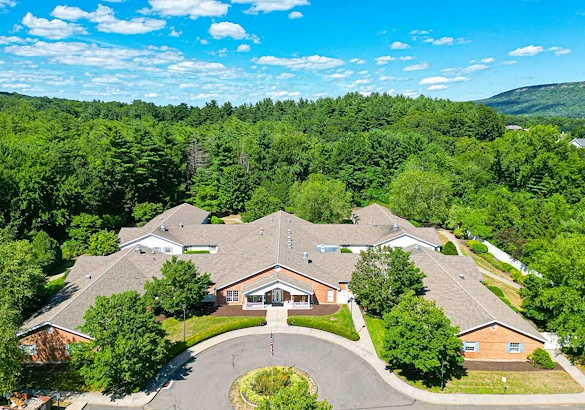
AVIVA West Hartford
1 Hamilton Heights Dr West Hartford, CT 06119
Independent LivingAssisted LivingMemory Care -
4.8Premium
Arden Courts at Farmington
45 South Rd Farmington, CT 06032
Assisted LivingMemory CareRespite Care -
4.1Premium
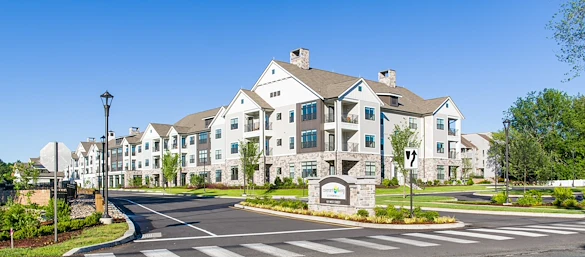
Alto Evergreen Walk
1000 Cottonwood Lane South Windsor, CT 06074
Assisted LivingMemory CareRespite Care -
-
4.8Premium+
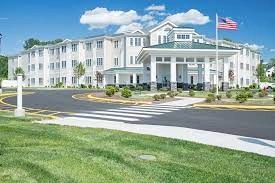
Covenant Living of Cromwell
101 West Street Cromwell, CT 06416
Independent LivingAssisted LivingMemory CareLife Plan Community/CCRC -

Cost of Assisted Living in Connecticut
Several factors shape these costs. Location plays a major role, with urban and coastal regions commanding higher prices due to elevated property values and higher staffing expenses. Communities offering upscale amenities—such as fitness centers, gourmet dining, salon services, and extensive social programming—also generally charge more. The level of care required, particularly for residents needing daily assistance or memory support, further increases costs. Additional variables include facility reputation and accreditation; well-established providers with strong quality records can justify higher rates through demonstrated outcomes and resident satisfaction.
Financial assistance options can help offset these expenses. Medicaid’s Connecticut Home Care Program for Elders (CHCPE) offers waivers that help cover care services in approved settings, though residents remain responsible for room and board. Veterans and surviving spouses may qualify for U.S. Department of Veterans Affairs Aid & Attendance benefits, which provide monthly stipends to offset assisted living costs. Long‑term care insurance policies can also supply coverage depending on policy terms and eligibility. Though Medicare typically does not cover assisted living, it may cover certain medical services provided within the community. In cases where care transitions are needed, Medicaid can assist with eligibility after spend-down, helping families adapt to evolving needs.
Ultimately, assisted living in Connecticut is costlier than in many other states, but families may find value in strong healthcare infrastructure, high-quality care options, and numerous financial programs designed to help manage the expense.
What to Know About Assisted Living in Connecticut
Assisted living in Connecticut typically costs $6,500–$8,000 per month, depending on location and level of care.
No. Medicare does not cover assisted living, including room and board.
Seniors who need assistance with activities of daily living (ADLs) but do not require 24/7 skilled nursing care generally qualify.
Assisted living is usually less expensive than a nursing home because it does not provide continuous medical supervision.
Independent Living in Connecticut
Independent living in Connecticut offers seniors a vibrant and maintenance-free lifestyle in a safe, supportive environment designed to encourage independence, community, and well-being. These communities are ideal for older adults who are largely self-sufficient and do not require daily medical or personal care but wish to downsize from their homes and enjoy the benefits of simplified living. Residents typically live in private apartments or cottages and enjoy the freedom of a home-like setting without the burdens of home maintenance, yard work, or property taxes.
Independent living communities in Connecticut provide a range of amenities that support a comfortable, socially enriched lifestyle. Services often include housekeeping, chef-prepared meals, transportation, and concierge assistance, as well as access to recreational and cultural activities. Many communities feature fitness centers, libraries, walking paths, art studios, and group outings that encourage physical and mental wellness. These features appeal to active seniors looking for both privacy and the option to engage with others on their own terms. Some independent living residences in Connecticut are part of larger continuing care retirement communities (CCRCs), which offer the added benefit of aging in place with access to higher levels of care if needed.
Connecticut is especially appealing to retirees who value a mix of New England charm and modern conveniences. Cities such as West Hartford, Fairfield, Guilford, and Glastonbury are known for their walkable downtowns, cultural attractions, and proximity to quality healthcare providers. The state boasts a moderate climate with four distinct seasons—perfect for seniors who enjoy seasonal variety without extreme weather patterns. Connecticut’s proximity to major metropolitan areas like New York City and Boston also offers added convenience for travel and family visits.
Additionally, Connecticut is recognized for its high-quality healthcare systems, with several top-ranked hospitals and specialists throughout the state. Seniors can also take advantage of local tax relief programs, transportation services, and community centers that offer lifelong learning, volunteer opportunities, and social support. For those seeking an active and independent retirement lifestyle in a scenic and culturally rich environment, Connecticut’s independent living communities offer an ideal solution. Whether you’re seeking coastal views, small-town charm, or easy access to urban amenities, Connecticut provides a compelling blend of comfort, independence, and peace of mind for older adults.
Top Independent Living Communities in Connecticut
View All Providers-
4.3Premium
AVIVA West Hartford
1 Hamilton Heights Dr West Hartford, CT 06119
Independent LivingAssisted LivingMemory Care -
4.8Premium+
Covenant Living of Cromwell
101 West Street Cromwell, CT 06416
Independent LivingAssisted LivingMemory CareLife Plan Community/CCRC -
Cost of Independent Living in Connecticut
These rates usually cover a private or semi-private apartment, operating expenses, utilities (excluding phone or cable), and access to shared amenities such as dining rooms, libraries, fitness facilities, art studios, and scheduled group outings. Meal plans are often included, with options ranging from one to three meals daily. More comprehensive plans that include utilities and additional housekeeping services push pricing toward the higher end. Communities offering greater social and lifestyle programming—like wellness classes, travel outings, and pet-friendly options—also command elevated costs.
Factors that influence these pricing differences include the community’s reputation and age, the extent of in-unit amenities, staff-to-resident ratios, inclusion of memory care or skilled nursing on-site, and whether continuing care (CCRC) options are available. Upscale, resort-style independent living residences with luxurious finishes, multiple dining venues, and advanced medical wellness programs typically exceed $6,000 per month, whereas smaller, non-profit, or faith-based communities often fall within the $3,000–4,500 range.
Financial resources to help offset costs include Connecticut’s State Supplemental Payments (SSP) through Medicaid, which can supplement low-income seniors’ ability to afford assisted living. Federal veteran benefits—through the Aid & Attendance pension, for example—can also assist eligible individuals. Many residents use long-term care insurance or reverse mortgages to bridge affordability gaps. It’s important for families to inquire about eligibility, plan restrictions, and community-supplied financial counselors, as many independent living communities host free information sessions with financial planners. Careful cost comparison, combined with assessment of services, lifestyle preferences, and location priorities, will help families select the most suitable and sustainable independent living option in Connecticut.
What to Know About Independent Living in Connecticut
Independent living typically ranges from $3,500–$5,500 per month, depending on amenities and location.
Medicare does not pay for independent living, as it is considered housing rather than medical care.
Independent living does not include hands-on personal care or medical services, so seniors may need to relocate if health declines.
Residents are generally 55+ or 62+ and must be able to live safely without daily personal assistance.
Home Care in Connecticut
Non-medical home care in Connecticut plays a vital role in supporting seniors who wish to age in place with dignity and independence. These in-home services encompass everyday assistance—such as help with bathing, dressing, grooming, tying shoes, and mobility—and practical support like meal preparation, light housekeeping, errands, laundry, and transportation. Caregivers also offer meaningful companionship, helping reduce isolation and promoting emotional well‑being through friendly conversation, shared walks, or reading. In Connecticut, home care agencies must be licensed by the Department of Public Health as Home Care Organizations (HCOs), ensuring caregivers receive background checks, training in infection control, client rights, and documentation of services rendered. Agencies must also meet administrative requirements and comply with periodic inspections to maintain quality standards. This regulatory oversight gives families confidence that caregivers meet minimum qualifications when seeking in‑home personal care or companion services.
Connecticut’s aging-friendly landscape includes robust options across regions—whether in the Metro Hartford area, shoreline communities, or rural areas in Litchfield County—though availability may vary. In urban centers like New Haven and Stamford, a higher number of agencies and bilingual caregivers enhance service access; in more rural settings, options may be more limited and subject to travel fees. This geography influences caregiver availability and scheduling flexibility depending on where seniors live. Moreover, Connecticut offers state-specific incentives to support home care. Licensed home care aides may qualify for certification through the Connecticut Home Care Program for Elders (CHCPE), which provides financial assistance and short-term respite care for qualifying low-income seniors. Veterans may also access in-home care through federal programs such as Aid & Attendance or Homemaker/Home Health Aide Benefits.
Out-of-pocket costs for non-medical care in Connecticut typically range from $25 to $35 per hour for agency-based services, with private caregivers potentially charging slightly less but without regulatory oversight. Weekly or flat-rate packages, including respite care, may also be available. Because many home care agencies accept Medicaid through CHCPE or other state programs, families can offset costs for those who qualify. Private pay users may employ long-term care insurance policies or Veteran Aid & Attendance pensions for additional support.
Families should carefully consider care goals—whether occasional support, round-the-clock companionship, or live‑in care—and must compare agency credentials, caregiver training, and oversight practices. Visiting agencies, meeting caregivers, and evaluating sample care plans are essential steps in finding reliable non‑medical home care that aligns with a loved one’s needs and Connecticut’s licensing regulations.
Top Home Care in Connecticut
View All Providers-
Not yet ratedVerified
Hartford Elderly Services, LLC
753 Maple Ave Hartford, CT 06114
Home Care (Non-Medical) -
Not yet ratedVerified
A Better Life Homecare
3580 Main Street Hartford, CT 06120
Home Care (Non-Medical) -
4.8Verified
JFS Care at Home LLC West Hartford
333 Bloomfield Avenue West Hartford, CT 06117
Home Care (Non-Medical)



Cost of Home Care Non-Medical in Connecticut
Connecticut offers several financial assistance options to help families manage the cost of non-medical home care. The Connecticut Home Care Program for Elders (CHCPE) offers income-qualified seniors access to subsidized in-home services like personal care and respite, which can significantly reduce out-of-pocket expenses. Medicaid may cover similar services when eligibility criteria are met, though waiting lists and state-defined service caps may apply. Veterans and their spouses can also explore federal resources such as Aid & Attendance or Homemaker/Home Health Aide benefits to offset costs. Additionally, families may tap into long-term care insurance policies, which often reimburse for agency-provided home care. Some families combine payment sources—for example, combining Medicaid with long-term care insurance—to build a more sustainable care model.
When budgeting for non-medical home care, families should consider not only hourly rates but also factors like caregiver consistency, agency reputation, liability coverage, scheduling flexibility, and any travel or cancellation fees. Thoroughly comparing agency contracts, conducting home visits, and reviewing sample care plans are vital steps for making a well-informed decision and ensuring that the available non-medical home care in Connecticut meets both the practical and emotional needs of loved ones.
What to Know About Non Medical Home Care in Connecticut
Non-medical home care is typically paid out of pocket, through long-term care insurance, or via Medicaid programs for eligible seniors.
Eligibility depends on medical need and income. Programs like CHCPE help seniors receive in-home services to avoid nursing home placement.
A non-medical caregiver assists with daily activities such as bathing, dressing, meal preparation, and companionship.
Non-medical home care provides daily living assistance, while home health care delivers skilled nursing and therapy services ordered by a physician.
Long-Term Care/Skilled Nursing in Connecticut
Long-term care in skilled nursing facilities in Connecticut provides comprehensive medical and personal support for seniors who need round-the-clock assistance due to chronic illness, recovery from surgery, or advanced age-related conditions. These facilities offer a range of medical services, including medication management, wound care, intravenous therapy, and regular health monitoring by licensed nurses and physicians. Rehabilitation services are also a key component, with physical, occupational, and speech therapy available to help residents regain or maintain mobility, independence, and daily functioning after surgeries or health setbacks.
Connecticut’s skilled nursing homes also provide specialized care options such as memory care programs tailored for residents with Alzheimer’s disease or other forms of dementia. These programs focus on safety, cognitive stimulation, and behavioral support, ensuring residents receive compassionate care in secure environments. Post-surgical recovery care is designed to help patients transition smoothly from hospital to home, emphasizing rehabilitation and prevention of complications.
The state enforces strict regulations to maintain high standards in nursing home care. Facilities must be licensed by the Connecticut Department of Public Health and meet federal Medicare and Medicaid certification requirements. This includes mandatory staffing ratios with qualified nursing staff available 24/7, infection control protocols, and individualized care planning. Connecticut also requires transparent reporting of quality measures such as infection rates, use of physical restraints, and patient outcomes, helping families make informed decisions.
When evaluating skilled nursing homes in Connecticut, families should consider factors like the facility’s licensing history, state inspection results, and quality ratings from sources like Medicare’s Nursing Home Compare tool. Visiting facilities to observe staff interactions, cleanliness, and resident engagement is crucial. Speaking with current residents and families can provide valuable insight into the quality of care and the community atmosphere.
By understanding Connecticut’s regulations and quality standards, families can confidently select skilled nursing homes that offer safe, personalized, and high-quality long-term care tailored to their loved ones’ needs.
Top Long-Term Care/Skilled Nursing in Connecticut
View All Providers-
2.0Verified
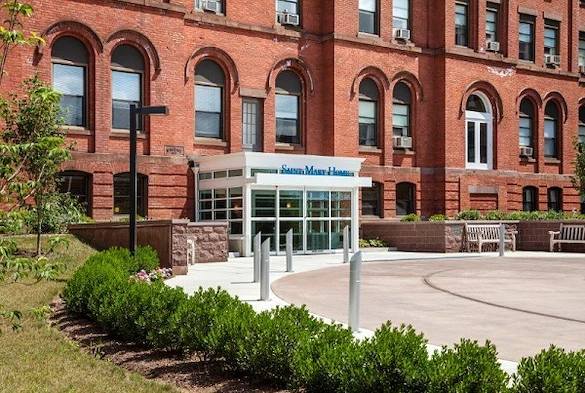
Saint Mary Home
2021 Albany Ave West Hartford, CT 06117
Long-Term Care / Skilled NursingSkilled Rehabilitation -
5.0Verified
Seabury
200 Seabury Drive Bloomfield, CT 06002
Long-Term Care / Skilled NursingSkilled Rehabilitation -
4.0Verified
Complete Care At Kimberly Hall-South
1 Emerson Drive Windsor, CT 06095
Long-Term Care / Skilled NursingSkilled Rehabilitation

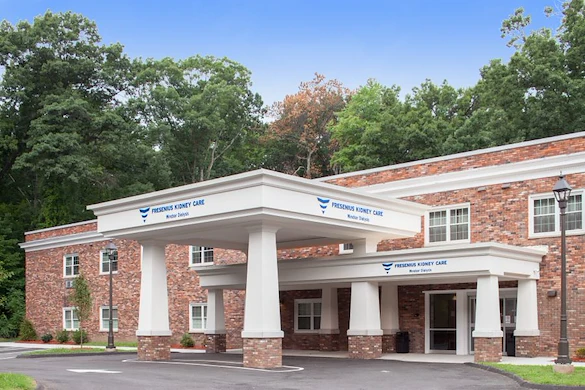
Cost of Nursing Homes in Connecticut
Regional variations exist within Connecticut. For instance, New Haven reported a daily rate of $480 for a semi-private room, translating to $175,200 annually. Factors influencing these costs include the level of medical care provided, facility reputation, and available amenities. Facilities offering specialized services such as memory care or post-surgical rehabilitation may charge higher rates due to the specialized care and resources required.
Financial assistance options are available for those who qualify. Medicare typically covers short-term skilled nursing care following hospitalization but does not cover long-term custodial care. Medicaid, however, can assist with long-term care costs for eligible individuals. In Connecticut, Medicaid payment rates for nursing homes are set on a cost-based prospective basis, and facilities must comply with specific regulations to participate in the program. Additionally, some facilities may offer private pay rates that are lower than the average, depending on their services and location.
When evaluating nursing home options in Connecticut, families should consider the level of care required, the facility's reputation, and the available financial assistance programs. It's advisable to visit multiple facilities, review their inspection reports, and consult with a financial advisor to make an informed decision.
What to Know About Nursing Homes in Connecticut
Nursing home care in Connecticut averages $13,000–$15,000 per month, among the highest in the country.
Medicare only covers short-term skilled nursing care following a qualifying hospital stay.
Payment options include private funds, long-term care insurance, Veterans benefits, and Medicaid for eligible seniors.
Yes. Connecticut Medicaid covers nursing home care for eligible individuals who meet financial and medical criteria.
Finding the Right Senior Care in Connecticut
Connecticut offers a wide range of senior living and long-term care options, including independent living, assisted living, in-home care, memory care, and skilled nursing facilities. While senior care costs in Connecticut are among the highest in the nation, the state provides strong healthcare access, comprehensive Medicaid programs like CHCPE, and well-regulated senior communities that emphasize safety and quality. Families considering senior living in Connecticut should carefully compare regional costs, especially between Fairfield County and more affordable eastern communities.
By understanding care levels, financial assistance programs, and state licensing standards, families can make informed decisions that balance affordability, quality, and long-term planning needs. Whether aging in place or transitioning into a senior living community, Connecticut offers supportive services and resources designed to help older adults maintain independence, dignity, and overall quality of life.
Frequently Asked Questions About Senior Living in Connecticut
Senior housing typically ranges from $2,000–$4,000 per month, with subsidized options available for income-qualified seniors.
West Hartford, Glastonbury, and coastal towns like Madison are often considered highly desirable for retirees.
Aging in place with part-time home care or qualifying for subsidized senior housing is often the most affordable option.
Eligibility typically requires meeting age requirements (55+ or 62+) and, for subsidized housing, income limits.
Frequently Asked Questions About Senior Care in Connecticut
Seniors age 65+ who meet income, asset, and functional eligibility requirements may qualify for CHCPE services.
Senior care in Connecticut averages $30–$40 per hour, depending on care type.
Through certain Medicaid consumer-directed programs, eligible family caregivers may receive compensation.
Senior living in Connecticut ranges from $3,500 per month for independent living to over $15,000 per month for nursing home care, depending on care level.