
Senior Living Facts for Colorado
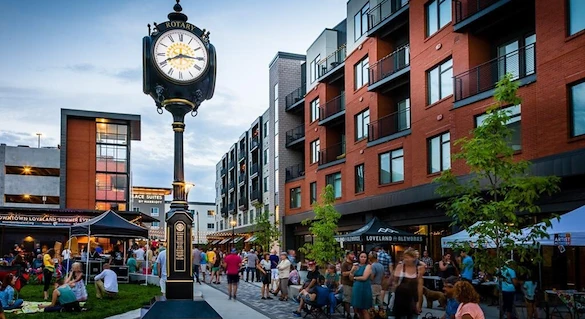
Colorado offers an exceptional quality of life for older adults and their families, blending natural beauty with vibrant communities and access to world-class healthcare. Known for its breathtaking mountain views, four-season climate, and active outdoor culture, Colorado appeals to seniors seeking both adventure and comfort. Cities like Denver, Boulder, Fort Collins, and Colorado Springs provide a unique mix of urban convenience and close proximity to nature, making it easy to enjoy scenic trails, national parks, and fresh alpine air. With over 300 days of sunshine a year and low humidity, the state’s climate supports year-round outdoor activity, which is particularly appealing for active retirees.
Fast Facts
Senior Living & Care in Colorado
| #21 | most populated state in the U.S. |
| $5,200 | average monthly assisted living cost in Colorado |
| 2,000+ | assisted living communities and care providers across Colorado |
| 900K+ | adults age 65+ in Colorado |
Beyond its natural beauty, Colorado is home to many senior-friendly communities that emphasize walkability, public transportation, and inclusive recreation programs. The state has a growing population of retirees, leading to a diverse array of senior living options ranging from independent living and assisted living to memory care and skilled nursing facilities. Whether seniors prefer upscale retirement communities with luxury amenities or more affordable, home-like settings, Colorado offers a wide variety of choices to meet different needs and budgets. The state is also known for progressive policies on aging, with initiatives that promote aging in place, caregiver support, and access to long-term care services.
Healthcare in Colorado is among the best in the nation, with top-ranked hospitals and medical centers like UCHealth, Denver Health, and the University of Colorado Hospital. Many facilities specialize in geriatric care, and residents have access to comprehensive wellness resources, including preventive care, rehabilitation, and specialty services. The cost of living in Colorado can be slightly above the national average, particularly in more urban or resort areas, but many families find the quality of services and environment to be well worth the investment. For those looking for senior care in Colorado, keywords such as “Colorado assisted living,” “senior communities in Denver,” and “memory care in Colorado Springs” are frequently searched by families beginning their care journey.
Whether you're drawn to the stunning views of the Rocky Mountains, the vibrant arts and culture scene, or the peace of mind that comes with access to high-quality care, Colorado remains one of the most desirable states in the U.S. for senior living.
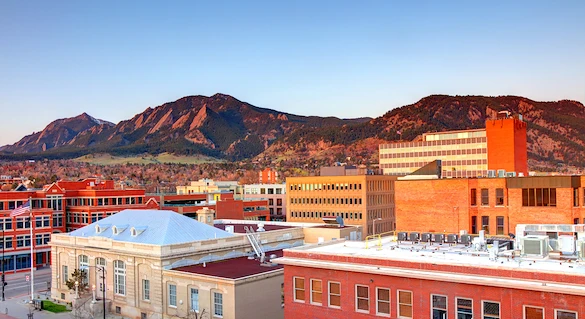
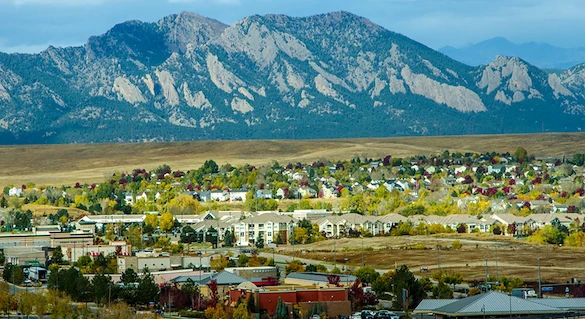
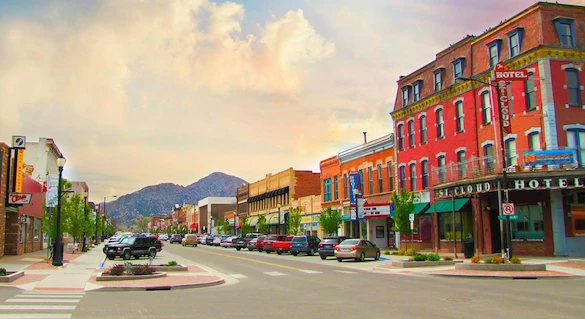
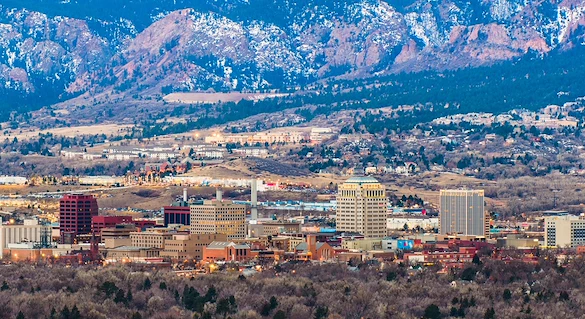
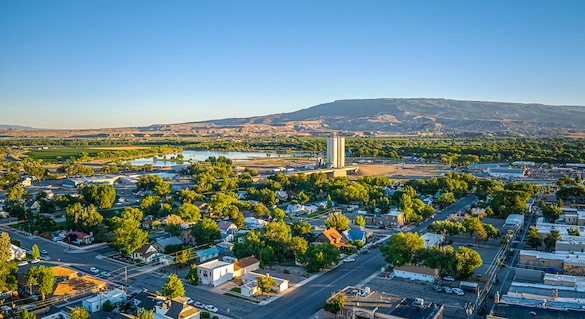
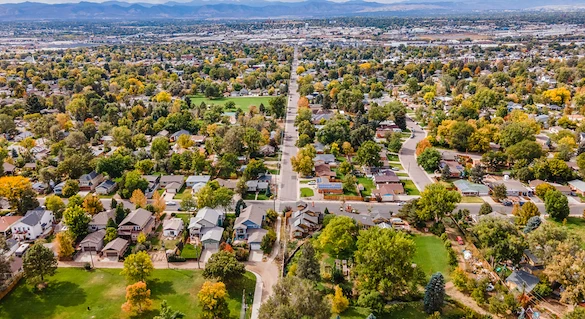
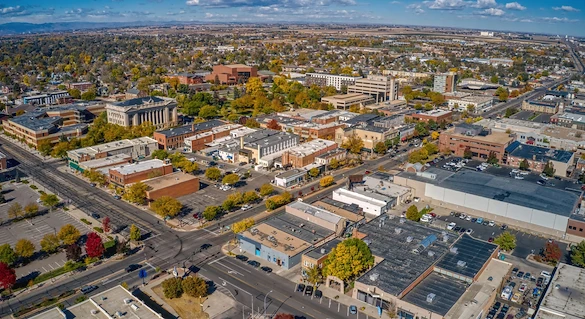
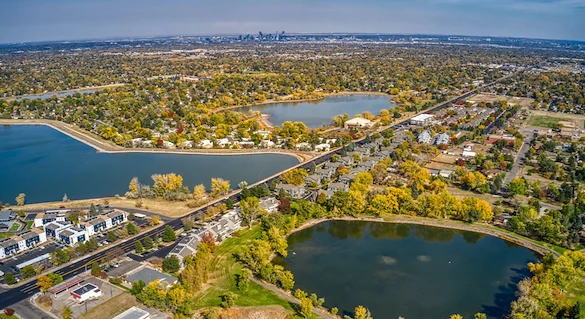
Top Cities for Senior Living and Care in Colorado










Assisted Living in Colorado
Assisted living in Colorado offers a supportive living environment designed for seniors who need help with daily activities but want to maintain their independence and quality of life. Assisted living communities provide personalized care tailored to each resident’s needs, including assistance with bathing, dressing, medication management, meal preparation, and transportation. These communities also focus on promoting social engagement through organized activities, wellness programs, and opportunities to connect with others, which are vital for emotional and mental well-being.
Colorado’s assisted living facilities are regulated by the Colorado Department of Public Health and Environment (CDPHE), which ensures that homes meet strict licensing requirements and maintain high standards of care and safety. The state requires assisted living residences to have trained staff, appropriate resident-to-caregiver ratios, and comprehensive care plans. Colorado also emphasizes quality through regular inspections and compliance with health and safety codes, helping families feel confident about the care their loved ones receive.
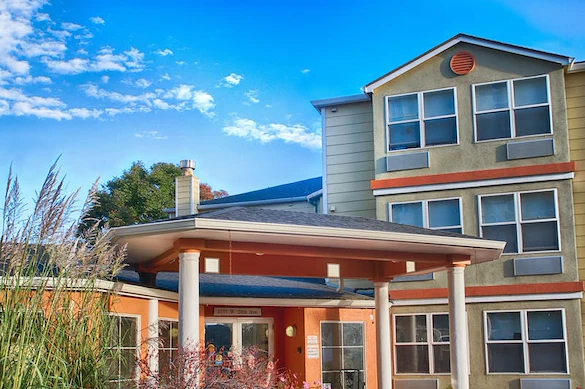
Assisted living options in Colorado vary widely to suit different preferences and budgets. Luxury communities often feature upscale amenities such as fitness centers, gourmet dining, spa services, and spacious private apartments. Budget-friendly facilities provide essential care with comfortable living spaces and access to social programs. Additionally, many assisted living communities in Colorado offer specialized memory care for residents with Alzheimer’s disease or other forms of dementia, providing a safe and nurturing environment with staff trained in cognitive care.
When evaluating assisted living communities in Colorado, families should consider factors like location, cost, the level of care provided, and the community’s reputation. Visiting multiple facilities, asking about staff qualifications, reviewing state inspection reports, and understanding contract terms can help families make informed decisions. By focusing on the individual needs and preferences of their loved ones, families can find an assisted living community in Colorado that balances care, comfort, and an enriching lifestyle.
Top Assisted Living Communities in Colorado
View All Providers-
-
Not yet ratedPremium
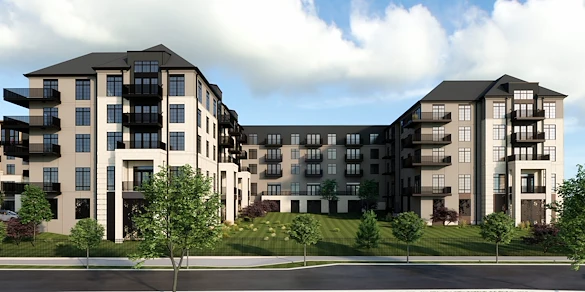
Mullen Residences at The Highlands - Coming in 2029!
3629 W 29th Ave Denver, CO 80211
Independent LivingAssisted LivingMemory Care -
4.5Premium
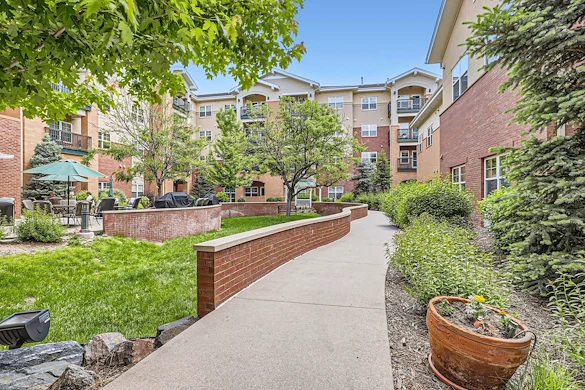
Clermont Park Senior Living
2479 S Clermont St Denver, CO 80222
Independent LivingAssisted LivingMemory CareAdult Day Services -
4.7Premium
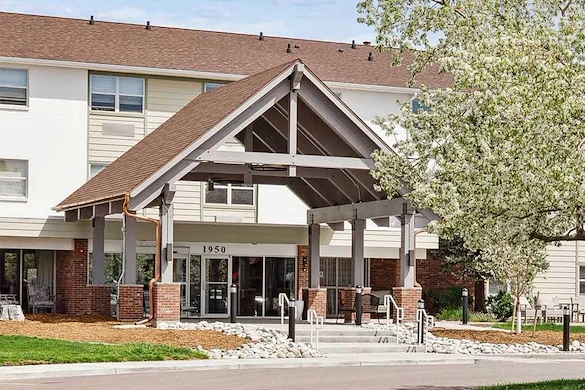
The Pines of Dayton Place
1950 S. Dayton Street Denver, CO 80247
Independent LivingAssisted LivingMemory Care -
4.3Premium+
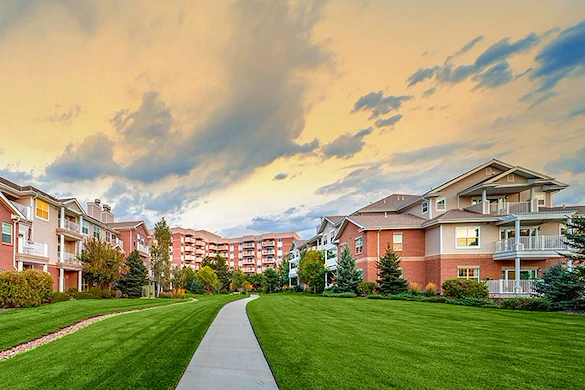
Covenant Living of Colorado
9153 Yarrow Street Westminster, CO 80021
Independent LivingAssisted LivingMemory CareLife Plan Community/CCRC -
4.6Premium
Holly Creek Retirement Community
5500 E Peakview Ave Centennial, CO 80121
Independent LivingAssisted LivingLife Plan Community/CCRC -
4.5Premium
Someren Glen Senior Living
5000 E Arapahoe Rd Centennial, CO 80122
Independent LivingAssisted LivingMemory CareLife Plan Community/CCRC -
4.5Premium
Balfour Littleton
8160 W Coal Mine Ave Littleton, CO 80123
Assisted LivingMemory CareAdult Day ServicesRespite Care

Cost of Assisted Living in Colorado
Several key factors affect the overall pricing of assisted living in Colorado. Location plays a major role, with urban areas and popular retirement destinations typically charging more due to higher demand and access to amenities. The level of care required also impacts cost; communities offering specialized services, such as memory care or post-surgical rehabilitation, generally come with higher fees. Amenities like gourmet dining, fitness centers, private suites, and transportation services can further increase the monthly price. Additionally, the size of the community and its reputation for quality care influence pricing, as well-established or luxury facilities often charge premium rates.
Colorado provides several financial assistance options to help offset these costs for eligible seniors. Medicaid waivers, including the Elderly, Blind, and Disabled (EBD) Waiver and Home and Community-Based Services (HCBS) Waivers, offer support for those who qualify to receive care in assisted living settings. Veterans and their spouses may be eligible for Aid & Attendance benefits, which help cover long-term care expenses. Additionally, some seniors have long-term care insurance policies that may cover assisted living costs, offering another avenue for financial relief.
When exploring assisted living options in Colorado, families should consider the specific needs and preferences of their loved ones, including the level of medical or personal care required. Comparing communities based on services, staff credentials, facility amenities, and resident satisfaction can help families make informed decisions that balance quality care with affordability. Understanding both the financial landscape and the unique features of each facility will ensure seniors receive the best possible care while managing costs effectively.
What to Know About Assisted Living in Colorado
Assisted living in Colorado typically costs $5,000–$6,500 per month, depending on location and care needs.
Seniors must need assistance with activities of daily living (ADLs) but not require full-time skilled nursing care.
No. Medicare does not pay for assisted living, including room and board.
Medicare does not contribute to assisted living housing or custodial care costs.
Independent Living in Colorado
Independent living in Colorado offers seniors a lifestyle that combines independence with the convenience and support of a community setting. Designed for older adults who are generally self-sufficient but prefer to live in an environment that reduces the burdens of home maintenance, independent living communities provide maintenance-free housing, such as apartments, condos, or cottages. These communities allow seniors to enjoy their golden years without the stress of yard work, home repairs, or housekeeping, freeing up time to focus on hobbies, social activities, and wellness.
One of the key benefits of independent living in Colorado is the vibrant social environment these communities foster. Seniors can engage in a wide range of activities, including fitness classes, cultural events, group outings, and hobby clubs, which help promote mental and physical health while combating isolation. Many communities also offer amenities like dining services, transportation, wellness programs, and on-site recreational facilities, all designed to support an active and fulfilling lifestyle.
Colorado’s attractive climate and natural beauty make it an ideal place for independent seniors. The state’s four distinct seasons offer outdoor enthusiasts opportunities for hiking, biking, skiing, and gardening. Cities like Colorado Springs, Fort Collins, and Boulder are popular retirement destinations, known for their senior-friendly amenities, access to quality healthcare, and thriving cultural scenes. Additionally, Colorado’s emphasis on healthy living and wellness fits well with many seniors’ desire to maintain an active lifestyle.
The cost of living in Colorado can be higher than the national average, but many seniors find value in the quality of life and access to services that independent living communities provide. With a range of options from luxury to more budget-friendly communities, families can find settings that align with their loved ones’ preferences and financial considerations.
For seniors seeking an active, social, and low-maintenance lifestyle in a beautiful and health-conscious environment, independent living in Colorado is an excellent choice. These communities not only support independence but also offer opportunities to connect, grow, and thrive in one of the nation’s most scenic states.
Top Independent Living Communities in Colorado
View All Providers-
Not yet ratedPremium
Mullen Residences at The Highlands - Coming in 2029!
3629 W 29th Ave Denver, CO 80211
Independent LivingAssisted LivingMemory Care -
4.5Premium
Clermont Park Senior Living
2479 S Clermont St Denver, CO 80222
Independent LivingAssisted LivingMemory CareAdult Day Services -
4.7Premium
Lakeview Senior Living
7390 W Eastman Place Lakewood, CO 80227
Active Adult LivingIndependent Living -
4.7Premium
The Pines of Dayton Place
1950 S. Dayton Street Denver, CO 80247
Independent LivingAssisted LivingMemory Care -
4.7Premium
The Addie at Metro Center
15025 E Center Ave Aurora, CO 80012
Active Adult LivingIndependent LivingLow Income / Affordable -
4.3Premium+
Covenant Living of Colorado
9153 Yarrow Street Westminster, CO 80021
Independent LivingAssisted LivingMemory CareLife Plan Community/CCRC -
4.6Premium
Holly Creek Retirement Community
5500 E Peakview Ave Centennial, CO 80121
Independent LivingAssisted LivingLife Plan Community/CCRC -
4.5Premium
Someren Glen Senior Living
5000 E Arapahoe Rd Centennial, CO 80122
Independent LivingAssisted LivingMemory CareLife Plan Community/CCRC -
4.4Premium
Heritage at Church Ranch
10050 Wadsworth Boulevard Westminster, CO 80021
Active Adult LivingIndependent LivingLow Income / Affordable -
4.0Premium
Centennial Crossings
15475 East Fair Place Centennial, CO 80016
Active Adult LivingIndependent LivingLow Income / Affordable

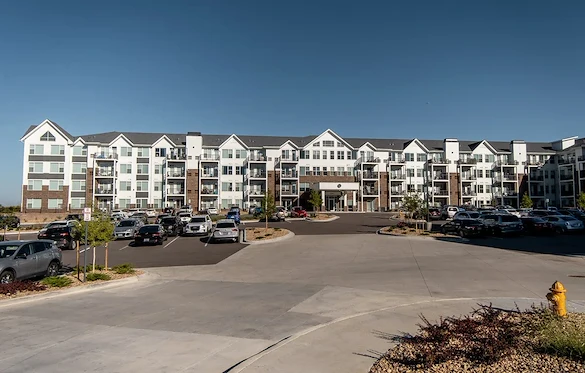
Cost of Independent Living in Colorado
Several factors influence the pricing of independent living in Colorado. Location plays a significant role, with urban centers like Denver and Boulder typically commanding higher costs due to demand and living expenses. Amenities and services offered by the community also impact pricing; communities with luxury features such as gourmet dining, concierge services, and wellness programs tend to be more expensive. The size and type of housing matter as well, with larger apartments or those with private kitchens and balconies often coming at a premium. Additionally, communities with strong reputations for quality care and resident satisfaction may charge higher rates.
For seniors seeking financial support, Colorado provides several options. While Medicaid usually does not cover independent living costs directly, certain waivers may help cover services that support seniors in these settings. Veterans and their spouses may be eligible for Aid & Attendance benefits to assist with long-term care expenses. Moreover, state and local programs offer various forms of assistance, including rental and energy assistance, to help offset housing costs.
When choosing independent living communities, families should carefully consider the preferences and needs of their loved ones, such as preferred amenities, location, and budget constraints. Visiting multiple communities, thoroughly reviewing contracts, and speaking with current residents can help families make well-informed decisions that ensure comfort, security, and a vibrant lifestyle for seniors in Colorado.
What to Know About Independent Living in Colorado
Independent living typically ranges from $3,000–$4,500 per month.
Independent living is designed for adults age 55+ or 62+ who can live safely without daily care assistance.
Colorado’s cost of living is above the national average, particularly in housing and healthcare expenses.
A 55+ community focuses on age-restricted housing, while independent living communities often include amenities like meals, housekeeping, and social activities.
Home Care in Colorado
Non-medical home care in Colorado plays a vital role in helping seniors maintain their independence and quality of life while remaining in the comfort of their own homes. This type of care focuses on assisting with daily personal tasks rather than providing medical treatment, making it a suitable option for individuals who do not require skilled nursing but need support with everyday activities. Common services provided by non-medical home care agencies include personal care, such as help with bathing, grooming, dressing, and toileting. Caregivers also offer companionship to provide social interaction and emotional support, which can help reduce feelings of loneliness and improve mental well-being. Additionally, household assistance such as light housekeeping, laundry, meal preparation, and grocery shopping is often available to help seniors maintain a clean and functional living space. Some agencies may also provide transportation to medical appointments, social events, or errands, further supporting seniors’ independence.
In Colorado, non-medical home care agencies are regulated by the Colorado Department of Public Health and Environment (CDPHE). Agencies providing personal care services must obtain a Class B Home Care Agency license, which allows them to offer these non-medical support services but does not permit skilled healthcare delivery, which requires a Class A license. To become licensed, agencies must submit an application that includes their policies and procedures, proof of insurance, background checks for staff, and an emergency preparedness plan. Caregivers working for licensed agencies must complete a minimum of 20 hours of training covering essential topics such as infection control, client safety, and basic caregiving skills, ensuring that care providers are well-prepared and compliant with state standards.
While non-medical home care services are generally accessible in Colorado’s urban areas, some rural regions face challenges due to a limited number of providers and logistical issues. Certain counties have experienced times with no available home health or hospice providers, highlighting disparities in service availability across the state. Despite these challenges, non-medical home care remains a crucial resource for many seniors in Colorado, offering the support needed to live independently and comfortably at home.
Top Home Care in Colorado
View All Providers-
4.9Premium
Homewatch CareGivers - Aurora
3033 S Parker Rd, Suite 325 Aurora, CO 80014
Home Care (Non-Medical) -
4.7Premium
Rhythms Home Care
6143 S Willow Dr Suite 102 Greenwood Village, CO 80111
Home Care (Non-Medical) -
4.2Verified
Maxim Healthcare Services Denver
455 Sherman St Suite 510 Denver, CO 80211
Home Care (Non-Medical)



Cost of Home Care Non-Medical in Colorado
Several factors influence the pricing of non-medical home care services in Colorado. Urban areas like Denver and Boulder tend to have higher rates due to increased demand and higher living expenses. Conversely, rural regions such as Pueblo and Grand Junction often offer more affordable options. The level of care required also impacts cost; services such as personal care, companionship, and assistance with activities of daily living (ADLs) may be priced differently based on the intensity and frequency of care needed.
Paying for Senior Care
Financial assistance programs are available to help offset the costs of non-medical home care in Colorado. The Home Care Allowance (HCA) program provides cash assistance to individuals aged five and older with disabilities to pay for home care services. The maximum 2024 HCA grants are Tier 1: $330, Tier 2: $472, and Tier 3: $605. Eligibility for HCA is based on financial need and functional capacity.
Colorado Department of Human Services
Additionally, Colorado's Consumer Directed Attendant Support Services (CDASS) program allows certain family members or friends to be hired and paid to provide personal care services, offering more flexibility and potential cost savings.
Long-term care insurance may also cover non-medical home care services, depending on the policy terms. It's advisable to review individual insurance plans to understand the extent of coverage.
In summary, while non-medical home care in Colorado can be costly, various financial assistance programs and insurance options are available to help manage expenses. Families should explore these resources and consider all factors when planning for in-home care services.
What to Know About Non Medical Home Care in Colorado
Under certain Medicaid waiver programs, family caregivers may earn approximately $16–$22 per hour, depending on eligibility and region.
A non-medical caregiver assists with daily activities such as bathing, dressing, meal preparation, and companionship.
Non-medical home care supports daily living needs, while home health care provides skilled medical services ordered by a physician.
Private home care in Colorado averages $30–$38 per hour, depending on location and service level.
Long-Term Care/Skilled Nursing in Colorado
Long-term care in Colorado’s skilled nursing facilities offers comprehensive medical services and rehabilitative support designed to meet the varied needs of older adults and chronically ill patients. These nursing homes provide 24-hour licensed nursing care—administered by registered nurses and aides—alongside therapies such as physical, occupational, speech, and respiratory services, wound and post-surgical care, IV therapy, and chronic disease management. Physicians are required to certify each resident’s need for skilled care, which must be reviewed regularly, and a Director of Nursing must oversee service delivery, ensuring clinical excellence and proper documentation. State inspections by the Colorado Department of Public Health and Environment occur every nine to fifteen months, including unannounced surveys, complaint investigations, and assessments of deficiencies ranked by severity.
Memory care units typically feature secure environments and specialized programs for residents with dementia or Alzheimer’s, adding an extra layer of safety and trained staff familiar with cognitive health needs. Post-surgical recovery spaces are equipped to support patients transitioning from hospitals, with tailored therapy plans and careful medical oversight to facilitate safe discharges. Licensed nursing facilities in Colorado also support long-term residents who need ongoing medical help or assistance with daily living tasks like bathing, dressing, feeding, medication management, and mobility support. Personalized care plans—developed within a week of admission—guide ongoing treatment and services.
Colorado nursing home quality varies by facility type and size. Smaller and nonprofit homes, as well as those affiliated with retirement communities, often perform better in quality metrics. Families can compare nursing homes using CMS’s Five-Star Quality Rating System and Care Compare tool, which aggregates data on health inspections, staffing levels, and quality measures. Visiting facilities in person, checking local EMS opinions, and reviewing grievance policies and residents’ advisory councils can also help families assess the best options.
In summary, Colorado’s skilled nursing homes deliver a full spectrum of medical and rehabilitative care, governed by state and federal regulations, regular oversight, and rigorous licensing standards. With robust clinical teams, individualized treatment, and clearly defined resident rights, families can choose facilities that support recovery, maintain dignity, and promote long-term health for their loved ones.
Top Long-Term Care/Skilled Nursing in Colorado
View All Providers-
4.0Verified
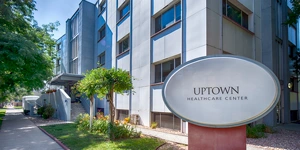
Uptown Care Center
745 E 18th Ave Denver, CO 80203
Long-Term Care / Skilled NursingSkilled Rehabilitation -
4.0
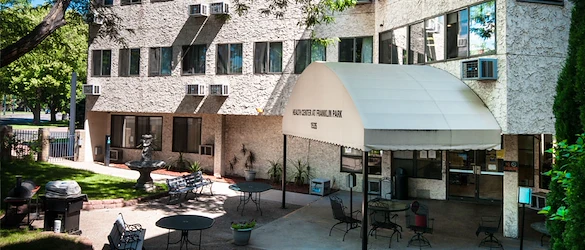
Health Center At Franklin Park
1535 Park Ave Denver, CO 80218
Long-Term Care / Skilled NursingSkilled Rehabilitation -
4.0Verified
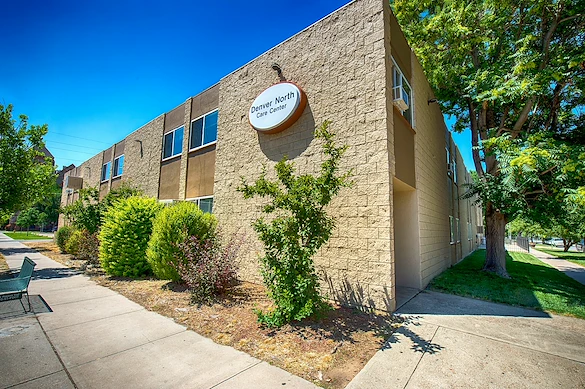
Denver North Care Center
2201 N Downing St Denver, CO 80205
Long-Term Care / Skilled NursingSkilled Rehabilitation
Cost of Nursing Homes in Colorado
Several key factors influence these price variations. The level of medical and clinical services provided greatly affects cost; facilities offering advanced wound care, cardiac rehabilitation, dialysis, or other specialized services typically charge more. A facility’s reputation and quality ratings also play a role—those with high staff‑to‑resident ratios, low staff turnover, robust recreational programming, or premium amenities (like private therapy gyms or on‑site salons) often carry higher price tags. Geographic location further drives cost differences, with mountain‑area facilities (like those in Boulder) often more expensive than rural settings.
When considering payment options, Medicaid provides significant support for eligible individuals, particularly in semi‑private rooms. Medicare may cover short-term skilled nursing stays following hospitalization but does not cover long-term care. State-funded programs such as Colorado’s Medicaid waiver also help bridge costs for residents who meet eligibility criteria. Many families turn to long‑term care insurance policies or veterans’ benefits to offset expenses, although private pay remains common for those seeking premium or short-term rehabilitative stays.
Ultimately, when evaluating skilled nursing facilities in Colorado, families should request detailed pricing breakdowns—including care costs, therapy charges, and ancillary fees—and compare services offered. Understanding each facility’s funding options and eligibility requirements is crucial to managing long-term budgets without compromising quality care.
What to Know About Nursing Homes in Colorado
Nursing home care in Colorado averages $9,000–$10,500 per month, depending on room type.
Medicare only covers short-term skilled nursing care following a qualifying hospital stay.
No. Social Security benefits may help offset expenses but do not directly pay facilities
Yes. Colorado Medicaid covers nursing home care for eligible seniors.
Finding the Right Senior Care in Colorado
Navigating senior living and care options in Colorado can feel overwhelming, but having the right information makes all the difference. Whether you're researching assisted living, exploring independent living communities, comparing home care services, or planning for long-term skilled nursing, Colorado offers a wide range of choices designed to support comfort, safety, and quality of life.
From affordable care options to luxury communities, rural towns to major metro hubs, families can find solutions that meet both personal needs and financial goals. With strong healthcare systems, state oversight, and numerous financial assistance programs, Colorado continues to be a trusted place for seniors seeking support and connection.
As you begin the search, remember that every senior needs are unique—use this guide as a starting point, and explore local providers, community reviews, and available resources to make the most informed decision possible.
Below are answers to the most common questions families ask when researching senior living and senior care in Colorado.
Frequently Asked Questions About Senior Living in Colorado
More affordable areas include Pueblo, Grand Junction, Greeley, and parts of Colorado Springs.
Colorado offers excellent healthcare access and active lifestyles but has higher housing costs compared to many states.
Senior living costs range from $3,000 per month for independent living to over $10,000 per month for nursing home care.
Popular areas include Colorado Springs, Fort Collins, Denver suburbs, and Boulder County, depending on budget and lifestyle preferences.
Frequently Asked Questions About Senior Care in Colorado
Senior care in Colorado averages $30–$40 per hour, depending on care type.
No. Medicare does not cover assisted living services.
The Program of All-Inclusive Care for the Elderly (PACE) provides comprehensive medical and long-term care services for eligible seniors who qualify for nursing-home-level care but prefer to remain in the community.