

18,722
Population of Wisconsin Rapids

3,675
Residents aged 65 and older in Wisconsin Rapids

64
Senior Living & Care Options in Wisconsin Rapids

$5,793/Month
Average cost of Senior Living & Care in the area.
Wisconsin Rapids, with a population of 18,722, is home to 3,675 residents aged 65 and older. The city offers 64 senior living and care options. The average monthly cost of senior living & care in the area is $5,793.
How does someone stay active through every season in Wisconsin Rapids, WI? The City's answer starts indoors, at the Lowell Center, its home base for adults 50 and older. The center has a blue, cushioned walking path, designed to go easy on the joints. About 13 laps make a mile.
That indoor loop earns its keep in winter. The Alexander Field weather station in Wisconsin Rapids, WI, has NOAA climate normals for 1991 to 2020. Its average January low is 7.7°F, a single-digit night far under freezing. July's average high reaches 82.4°F, so summer afternoons turn warm. Anyone weighing senior living in Wisconsin Rapids, WI, can count on both.
Once the snow melts, walking moves outside. In the summer months, a Nordic walking group from the Lowell Center meets to walk the path along the Wisconsin River, and nobody has to register. Mead Rapids View Park sits on the riverbank north of the Jackson Street bridge. It's a small, quiet park with benches, a paved path, and the Clock Bell Tower.
Downtown, the Grand Avenue and Jackson Street bridges carry decorative lights from sunset to sunrise, all year. Even a January drive home gets a little color.
The City places Wisconsin Rapids, WI, the Wood County seat, in the geographic center of the state. State routes 13, 34, 54, and 73 all meet here, so several state highways lead in from other parts of Wisconsin.
Medicare's hospital data lists Aspirus Riverview Hospital & Clinics on Dewey Street in Wisconsin Rapids, WI. Medicare's records file it under acute care, with emergency services marked yes. Aspirus calls that same Dewey Street site Aspirus Wisconsin Rapids Hospital, and emergency medicine is among its services. Marshfield Clinic Health System describes a campus of its own in Wisconsin Rapids, WI, on 24th Street South. It lists a 24-hour emergency department, daily urgent care, and a hospital unit there. In plain terms, the city has more than one place to go for a sudden illness or injury, or for a stay a doctor arranges.
Below, care is split into five types, from an aide's visits at home up through skilled nursing, each with questions suited to central Wisconsin. Senior living communities in Wisconsin Rapids, WI, are listed under their types, and any of them can be contacted directly.
Wisconsin Rapids, WI at a Glance




Independent Living & Active Adult Living in Wisconsin Rapids, Wisconsin
View All Providers-
 4.8Verified
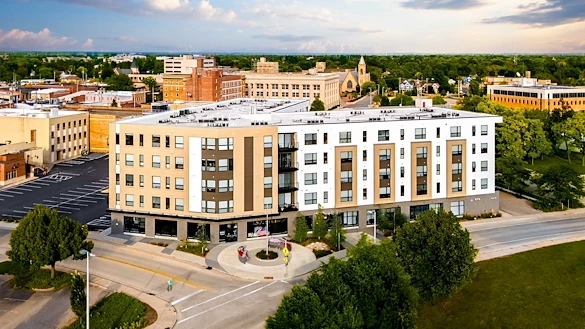
Dimensions Living Stevens Point
5625 Sandpiper Drive Stevens Point, WI 54482
Independent LivingAssisted LivingMemory CareLife Plan Community/CCRC -
 4.8
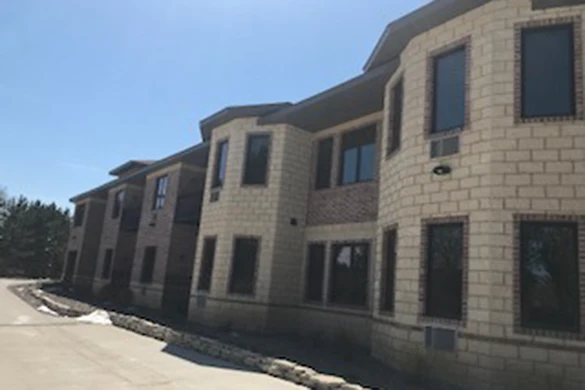
Berkshire Stevens Point
1443 Water Street Stevens Point, WI 54481
Independent LivingLow Income / Affordable -

-


Assisted Living in Wisconsin Rapids, Wisconsin
View All Providers-
 4.0Premium
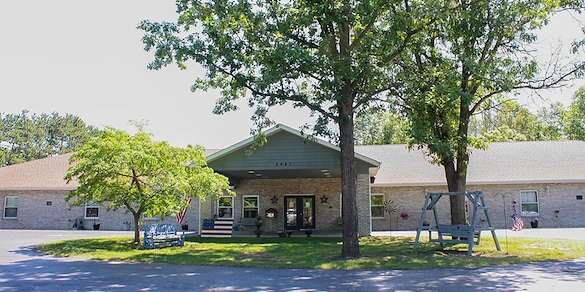
Renaissance by Rennes - Wisconsin Rapids
1500 Pepper Ave Wisconsin Rapids, WI 54494
Assisted Living -
 4.9Verified
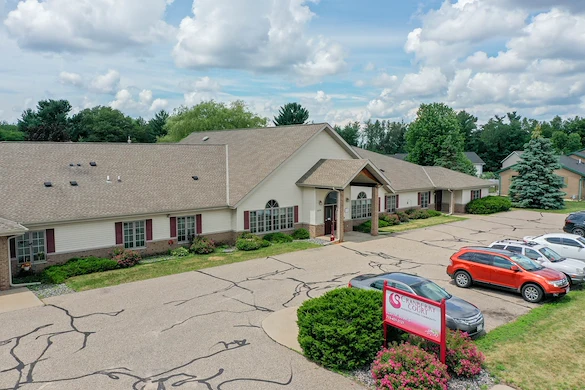
Our House - Wisconsin Rapids Assisted Living
2941 16th St S Wisconsin Rapids, WI 54494
Assisted Living -
4.8Verified
Dimensions Living Stevens Point
5625 Sandpiper Drive Stevens Point, WI 54482
Independent LivingAssisted LivingMemory CareLife Plan Community/CCRC -
-


Memory Care in Wisconsin Rapids, Wisconsin
View All Providers-
4.8Verified
Dimensions Living Stevens Point
5625 Sandpiper Drive Stevens Point, WI 54482
Independent LivingAssisted LivingMemory CareLife Plan Community/CCRC -
 4.9Verified
Care Partners Stevens Point A
3349 A Whiting Ave Stevens Point, WI 54481
Assisted LivingMemory CareRespite Care -
 4.0Verified
The Waterford at Wisconsin Rapids
491 25th St N Wisconsin Rapids, WI 54494
Assisted LivingMemory CareRespite Care -


Long Term Care & Skilled Nursing in Wisconsin Rapids, Wisconsin
View All Providers-
 5.0
Edgewater Haven Nursing Home
1351 Wisconsin River Dr Port Edwards, WI 54469
Long-Term Care / Skilled NursingSkilled Rehabilitation -
 2.0
Stevens Point Health Services
1800 Sherman Ave Stevens Point, WI 54481
Long-Term Care / Skilled NursingSkilled Rehabilitation -
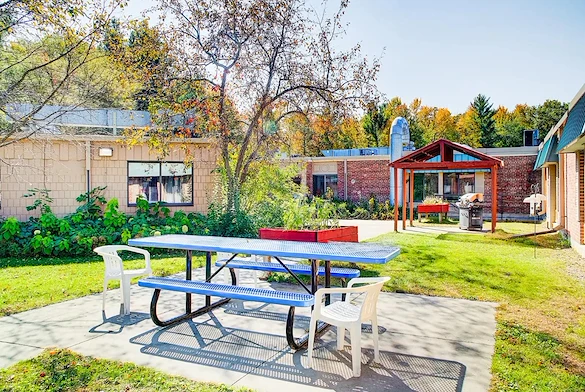 4.0Verified
Edenbrook Wisconsin Rapids
130 Strawberry Ln Wisconsin Rapids, WI 54494
Long-Term Care / Skilled NursingSkilled Rehabilitation -
4.0
Timber Ridge Health & Rehab
825 Whiting Ave Stevens Point, WI 54481
Long-Term Care / Skilled NursingSkilled Rehabilitation


Home Care in Wisconsin Rapids, Wisconsin
View All Providers-
 3.4Verified
SYNERGY HomeCare of Wisconsin Rapids
1120 Lincoln St, Ste. B Wisconsin Rapids, WI 54494
Home Care (Non-Medical) -


Compare Assisted Living Costs in Wisconsin
Here, the chart weighs what assisted living runs per month across Wisconsin against the national average.
For prices and payment by care type, see assisted living or home care on our Wisconsin page, plus independent living and nursing homes.
So far, that page doesn't give memory care its own price section. The ADRC of Central Wisconsin is Wood County's resource center on the state's ADRC list, and memory care questions can start there.
Local Resources for Older Adults in Wisconsin Rapids, WI
These programs serve Wisconsin Rapids, WI, through the City, the library, a four-county resource center, and the state. Follow each link for current details from the program itself.
- ADRC of Central Wisconsin. Its office in Wisconsin Rapids, WI, is on Third Avenue South, for questions about delivered meals, caregiver and dementia staff, and classes. Contact Us
- Lowell Center. The City's programs, fitness offerings, and monthly trips for adults 50 and older. Lowell Center
- Shared ride taxi. The City's page on the door-to-door taxi service, with how to reserve a ride. Shared Ride Taxi Service
- McMillan Memorial Library Homebound Delivery. Volunteer delivery of library materials for patrons who can't get out. Homebound Delivery
- Ombudsman coverage map. Wisconsin's long-term care ombudsman board shows which regional ombudsman is assigned to Wood County. Coverage Map
- GWAAR. Short for Greater Wisconsin Agency on Aging Resources, it serves every Wisconsin county outside Dane and Milwaukee, Wood County included. About GWAAR
Frequently Asked Questions
The City runs the Lowell Center on Third Avenue South for adults 50 and older. It offers programs, resources, and support. The City describes it as a hub for wellness, connection, and lifelong learning, serving Wisconsin Rapids, WI, and nearby communities. It's a natural place for a newcomer to meet people.
The center also plans monthly bus trips to destinations within Wisconsin. Seats are limited and filled first come, first served. Winter can change plans. On days the city's public or private schools close for weather, all Lowell Center programs are canceled. If you're unsure, the City suggests checking with the center before you go.
The City of Wisconsin Rapids lists a shared-ride taxi service that runs door to door. It covers the city and up to five miles past the city limits. Riders reserve online or by phone. Priority goes to passengers within the city limits, which matters for anyone living just outside them.
Because rides are shared, more than one passenger may be picked up on a trip. The City notes the service is independently managed, so schedules and fares are questions for the service itself. Some senior living communities keep a van for residents, so it's a good tour question.
The ADRC of Central Wisconsin, or ADRC-CW, appears on the Department of Health Services list as Wood County's aging and disability resource center. Wood County names it among its own departments, too. The ADRC-CW keeps an office in Wisconsin Rapids, WI, on Third Avenue South, at the same address as the Lowell Center.
GWAAR, the Greater Wisconsin Agency on Aging Resources, also works with Wood County. Its service area covers every Wisconsin county and tribe outside Dane and Milwaukee Counties, and it calls itself an area agency on aging. Options counseling, a service ADRCs offer, is explained in the Memory Care section.
Yes. The ADRC of Central Wisconsin serves senior dining at the Centralia Center on Third Avenue South. Each meal combines nutritious food, time to socialize, and a little education. Adults 60 or older may attend. A spouse can come too, as can a person with disabilities who lives with the older adult.
Reservations are due the business day before, so it helps to plan a day ahead. For anyone who can't leave home, the ADRC-CW's delivered meals appear in the Home Care section. A shared table is also an easy way to hear what's happening around town.
Caregiver Support Coordinators at the ADRC of Central Wisconsin work with families in Wisconsin Rapids, WI. A coordinator can meet at your home or at the ADRC-CW office. Together you can talk over whatever has gotten difficult. That conversation can come early, before anyone is worn down.
The ADRC-CW also teaches classes for caregivers. One is a 6-week workshop called Powerful Tools for Caregivers, held once a week. Class locations rotate around the region, so it's good to ask when one will be close by. The center's Dementia Care Specialists, covered under Memory Care, help with dementia questions.
Begin with the daily help that's needed, then trim the assisted living listings here to a handful that fit. Keep the name of Wood County's regional ombudsman, too. A state board posts it on its coverage map, and the contact is handy to have on file before and after a move.
Bring an identical page of questions to each tour. A return visit at another hour shows a different side of each place. If an adult family home is a contender, the bed count from the Assisted Living section tells you who regulates it. A few notes written right after each visit keep one place from blurring into the next.
Senior Living Near Wisconsin Rapids, WI
Checked Oct. 19, 2026: the City's pages on the city, the Lowell Center, its fitness programs and trips, the shared ride taxi, Mead Rapids View Park, Veteran's Memorial Park, the West River Bank Conservancy Area, the East River Bank Conservancy Area, and the bridge lights; Wood County; the ADRC of Central Wisconsin on contacts, nutrition, caregiver support, dementia support, and classes; the Department of Health Services on ADRC contacts, ADRCs, assisted living, and adult family homes; Wis. Stat. ch. 50; GWAAR; the state's ombudsman coverage map; McMillan Memorial Library on its home page, Homebound Delivery, and tech help; CMS hospital data; Aspirus; Marshfield Clinic Health System; and NOAA climate normals.