






West Virginia does not completely eliminate property taxes based on age alone, but some seniors may qualify for property tax relief or exemptions depending on income, disability status, and local county programs.
Senior Living Facts for West Virginia
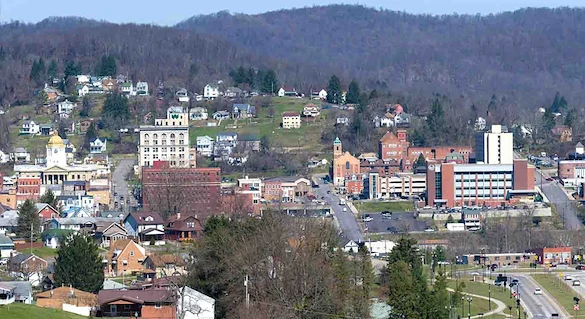
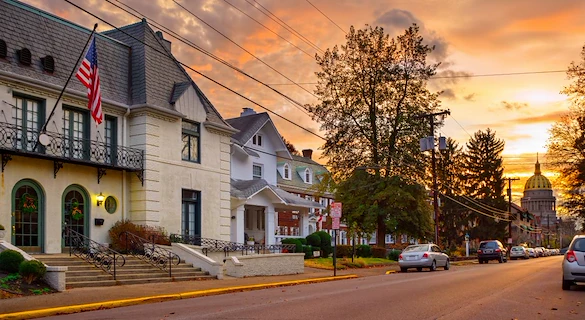
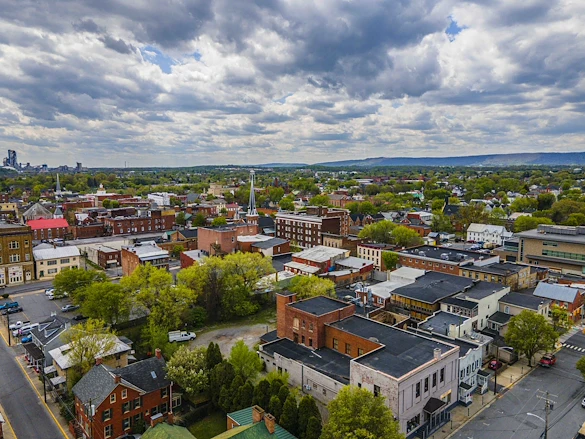
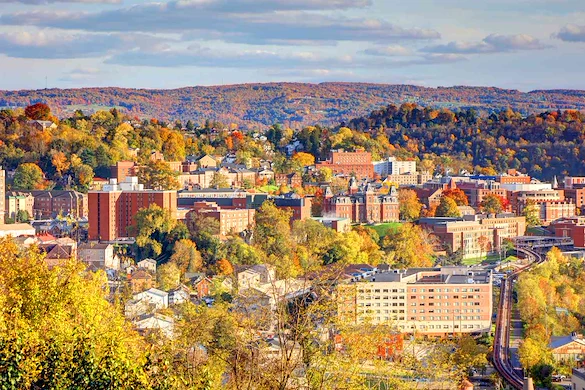
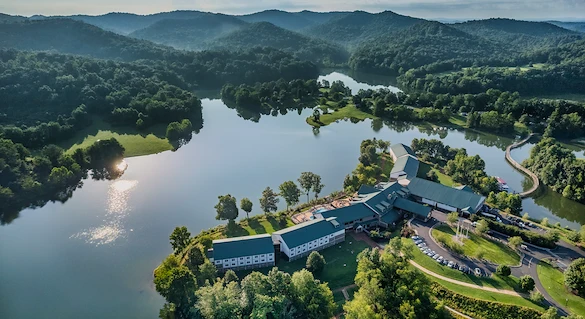
Nestled in the heart of the Appalachian Mountains, West Virginia offers a unique blend of natural beauty, small-town charm, and affordable living that makes it especially appealing to older adults and their families. Known as the “Mountain State,” West Virginia is rich in scenic landscapes, with rolling hills, forests, and rivers that provide endless opportunities for outdoor recreation and relaxation. Seniors who enjoy fishing, hiking, or simply taking in breathtaking mountain views will find West Virginia an ideal place to enjoy retirement years.
Fast Facts
Senior Living & Care in West Virginia
| #38 | most populated state in the U.S. |
| $4,200 | average monthly assisted living cost in West Virginia |
| 700+ | assisted living communities and care providers across West Virginia |
| 380K+ | individuals age 65+ in West Virginia |
One of West Virginia’s most attractive qualities is its low cost of living, which is significantly below the national average. Housing, utilities, and everyday expenses are more affordable here, allowing retirees to stretch their savings further while still enjoying a high quality of life. This affordability extends to senior living options, with communities offering a range of services from independent living to assisted living, skilled nursing, and in-home care. Families seeking senior care in West Virginia will appreciate the balance of affordability and quality.
The climate is another draw for many older adults. With four distinct seasons, residents experience vibrant spring blooms, colorful fall foliage, mild summers, and snowy winters. This variety allows seniors to enjoy both indoor and outdoor activities year-round, from community festivals and cultural events to cozy gatherings during cooler months.
Healthcare access is also a priority for families considering West Virginia. The state is home to respected healthcare providers such as WVU Medicine and Charleston Area Medical Center, along with regional hospitals and specialized clinics. Many communities are located near these facilities, giving families peace of mind that quality medical care is readily available.
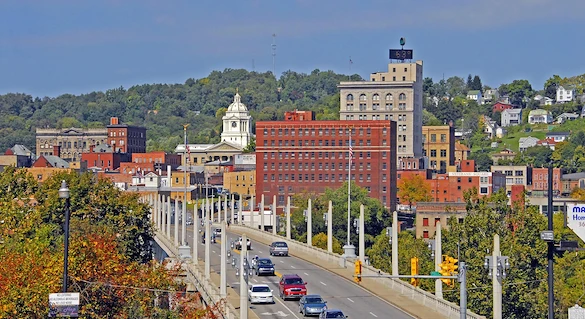
Beyond healthcare, West Virginia offers a lifestyle centered around community connection and family values. Seniors often find that smaller towns foster strong neighborly relationships, while larger cities such as Charleston, Morgantown, and Huntington provide cultural opportunities, shopping, and dining. Families can also explore the state’s rich history through museums, music festivals, and heritage sites, making intergenerational visits meaningful and enjoyable.
With its welcoming atmosphere, affordable living, and wide range of senior care services, West Virginia stands out as a wonderful place for retirees to live and thrive. Whether aging at home, moving into a senior community, or planning for long-term care, families can find supportive, senior-friendly options across the Mountain State.
With its favorable climate, reasonable cost of living, excellent healthcare, and vibrant communities, West Virginia stands out as a premier destination for seniors looking to enjoy a fulfilling, healthy, and engaged retirement.
Cities in West Virginia for Senior Living and Care
Assisted Living in West Virginia
Assisted living in West Virginia provides seniors with the support they need to maintain independence while receiving help with daily activities. Unlike skilled nursing facilities, assisted living focuses on personal care, medication management, and social engagement rather than continuous medical supervision. This type of care is ideal for older adults who may need help with bathing, dressing, mobility, or meal preparation but still want to live in a community setting that encourages autonomy and social connection.
Services in West Virginia assisted living communities typically include assistance with personal care tasks, medication reminders or administration, housekeeping, transportation, and access to recreational and social programs. Many communities also offer wellness activities, fitness programs, and outings that foster a sense of purpose and engagement. Families can find communities that specialize in memory care, catering to residents with Alzheimer’s or other forms of dementia, or choose luxury or budget-friendly options based on their needs and preferences.
West Virginia requires assisted living facilities to meet state-specific licensing standards through the Department of Health and Human Resources. Licensed facilities must adhere to regulations regarding staffing ratios, caregiver training, safety protocols, and resident rights. Families evaluating options should verify that a community is properly licensed, maintains a positive inspection record, and provides transparent information about services, costs, and policies.
Assisted living communities in West Virginia vary widely, offering choices from small, home-like settings to larger campuses with extensive amenities. Urban areas such as Charleston, Morgantown, and Huntington often provide more options and additional specialized services, while smaller towns offer close-knit communities that emphasize personalized care. Families should consider factors such as location, services offered, staffing levels, and community culture when selecting the best option for their loved ones.
Overall, assisted living in West Virginia combines personalized support, social engagement, and a focus on quality of life. By understanding the services provided, state licensing requirements, and types of communities available, families can make informed decisions that ensure their loved ones receive compassionate, safe, and supportive care tailored to their needs.
Best Assisted Living Communities in West Virginia
View All Providers-
-
 4.3Verified
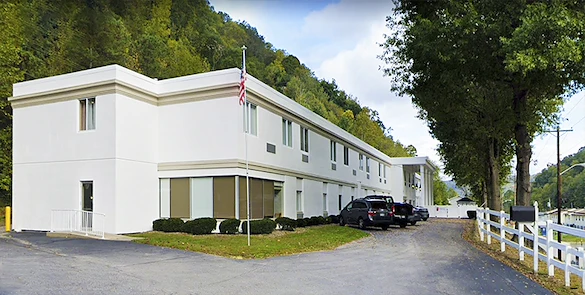
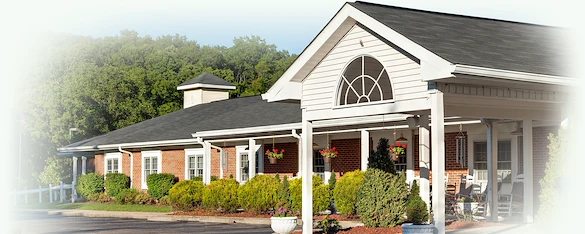
Edgewood Summit Senior Living
300 Baker Lane Charleston, WV 25302
Independent LivingAssisted LivingMemory Care -
-
 3.6Verified
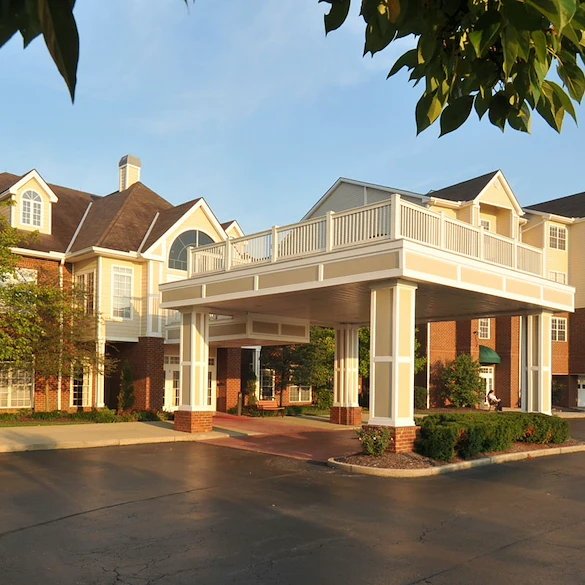
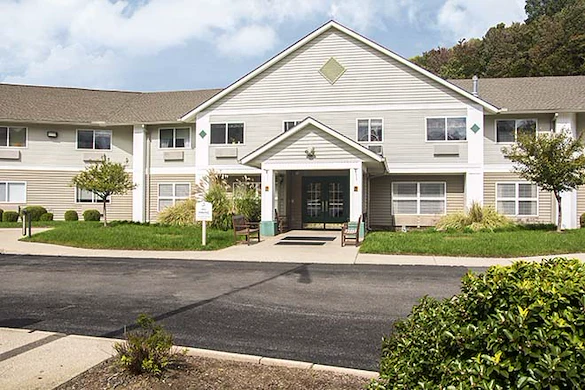
Brookdale Charleston Gardens
800 Association Drive Charleston, WV 25311
Assisted LivingMemory Care
Cost of Assisted Living in West Virginia
Several factors influence assisted living costs in West Virginia. The level of care required is a primary consideration; residents needing specialized services, such as memory care or assistance with complex daily activities, typically pay more. Amenities and services also play a role—facilities offering private suites, gourmet dining, wellness programs, or extensive recreational activities usually charge higher fees. Additionally, the community’s location affects pricing, as urban centers generally have higher costs compared to rural areas.
Families can also explore a variety of financial assistance programs to help offset expenses. West Virginia’s Aged and Disabled Waiver (ADW) allows eligible seniors to receive care in assisted living settings rather than nursing homes. Veterans and their spouses may qualify for the Aid and Attendance benefit, providing extra financial support for those needing assistance with daily living. Additionally, Supplemental Security Income (SSI) can help lower-income seniors cover part of their assisted living costs.
By understanding the average costs, regional variations, and available financial assistance, families can make more informed decisions when planning for assisted living in West Virginia. With careful research and consideration, seniors can access high-quality, supportive communities that meet their needs and budget, ensuring both safety and comfort in their next chapter of life.
What to Know About Assisted Living in West Virginia
What is the average cost of assisted living in West Virginia?
The average cost of assisted living in West Virginia is approximately $4,100–$4,400 per month, well below the national average.
Does Medicare pay for assisted living in WV?
No, Medicare does not pay for assisted living in West Virginia or any other state.
Independent Living in West Virginia
Independent living in West Virginia is designed for seniors who want to enjoy an active, maintenance-free lifestyle while living in a supportive community. Unlike assisted living or skilled nursing, independent living communities focus on convenience, social opportunities, and amenities rather than personal care or medical assistance. This makes it an ideal choice for older adults who are generally healthy but want a lifestyle that reduces the responsibilities of homeownership and encourages connection with peers.
Residents of independent living communities typically enjoy maintenance-free housing, including apartments, cottages, or townhomes, where landscaping, repairs, and housekeeping are taken care of by the community. Meals, transportation, and organized social activities are often included, giving seniors more time to pursue hobbies, fitness, travel, and other interests. Many communities also provide on-site amenities such as fitness centers, libraries, clubrooms, and wellness programs, creating an engaging environment for active seniors.
West Virginia offers a variety of independent living options across both urban and rural settings, allowing families to find communities that fit their lifestyle and budget. Cities like Charleston, Morgantown, Huntington, and Wheeling are known for their vibrant cultural scenes, recreational opportunities, and accessible healthcare facilities, making them popular choices for retirees. Meanwhile, smaller towns provide a slower pace of life, strong community connections, and a more affordable cost of living. Seniors can enjoy outdoor activities year-round, including hiking in the Appalachian Mountains, boating on rivers and lakes, or attending local festivals and events.
The state’s four-season climate provides seasonal variety that appeals to many retirees, from colorful fall foliage to mild summers and scenic snowy winters. Independent living communities often host seasonal programs and events that encourage participation and foster social interaction, helping residents build friendships and stay active.
Overall, independent living in West Virginia offers seniors the opportunity to enjoy a balanced lifestyle with freedom, convenience, and community engagement. By exploring options in both urban and rural areas and considering the amenities and social opportunities available, families can help their loved ones find a supportive environment that promotes independence, well-being, and an enriched quality of life.
Best Independent Living Communities in West Virginia
View All Providers-
4.3Verified
Edgewood Summit Senior Living
300 Baker Lane Charleston, WV 25302
Independent LivingAssisted LivingMemory Care -
 4.2Verified
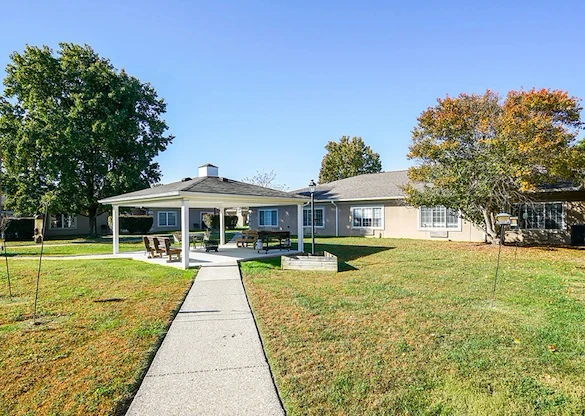
Rolling Meadows Place
5 Rolling Meadows Drive Scott Depot, WV 25560
Independent LivingAssisted LivingRespite Care -
 3.7Verified
Brooks Manor
23 Brooks St Charleston, WV 25301
Independent LivingLow Income / Affordable -
 3.6Verified
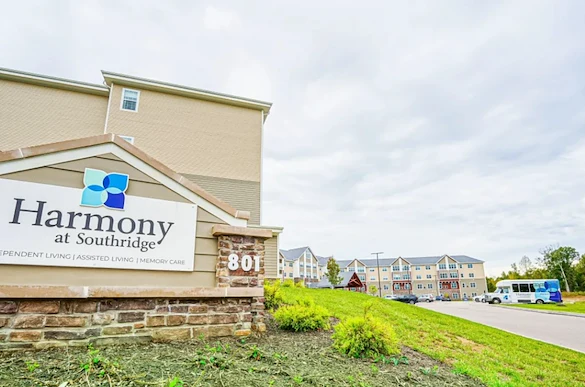
Harmony at Southridge
801 Peyton Way Charleston, WV 25309
Independent LivingAssisted LivingMemory Care
Cost of Independent Living in West Virginia
Several factors influence the cost of independent living in West Virginia. The location plays a significant role, as urban areas with higher living costs tend to have more expensive communities. Additionally, the size and type of housing—such as studio apartments versus two-bedroom units—can affect pricing. Included amenities also impact costs; communities offering services like housekeeping, meals, transportation, and recreational activities often have higher fees.
Financial assistance options are available to help offset costs. While Medicare typically does not cover independent living expenses, some seniors may qualify for Medicaid through the state's Aged and Disabled Waiver program, which can provide support for long-term care services. Additionally, Veterans Benefits may be available for eligible individuals, offering financial assistance for those needing help with daily activities.
In summary, West Virginia provides a range of independent living options at competitive prices, especially in smaller towns and rural areas. By considering factors like location, amenities, and available financial assistance, families can make informed decisions to find the best fit for their loved ones.
What to Know About Independent Living in West Virginia
What is the downfall of living in West Virginia?
Some challenges include limited healthcare access in rural areas, fewer public transportation options, and economic limitations, though many seniors appreciate the low cost of living and slower pace.
What is the average cost of independent living?
Independent living in West Virginia typically costs $2,000–$2,800 per month, making it one of the most affordable states for this housing option.
Where is the best place for seniors to live in West Virginia?
Many seniors prefer Morgantown, Charleston, and Wheeling due to healthcare access, cultural amenities, and senior-friendly services.
What are the disadvantages of independent living?
Independent living does not provide hands-on personal care or medical services, meaning seniors may need to relocate if care needs increase.
Home Care in West Virginia
Non-medical home care in West Virginia provides seniors with the support they need to live safely and comfortably in their own homes while maintaining independence. Unlike skilled nursing or medical care, non-medical home care focuses on assistance with daily living rather than medical treatment. This type of care is ideal for older adults who may need help with routine tasks but do not require continuous medical supervision, allowing them to remain in familiar surroundings and preserve a sense of autonomy.
Common services offered through non-medical home care include personal care, companionship, and household assistance. Personal care covers activities of daily living such as bathing, dressing, grooming, toileting, and mobility support. Companionship is another essential service, helping seniors combat loneliness and stay socially engaged through conversation, shared activities, and emotional support. Household assistance often includes meal preparation, light cleaning, laundry, and grocery shopping. Many agencies also provide transportation to medical appointments, errands, or social activities, helping seniors stay connected to their communities.
Home care agencies in West Virginia must comply with state-specific licensing and certification requirements. Agencies are licensed through the West Virginia Department of Health and Human Resources (DHHR) under the Office of Health Facility Licensure and Certification (OHFLAC). Regulations cover caregiver training, background checks, and service standards to ensure high-quality, reliable care. Caregivers often complete state-approved training programs in safety, infection control, and proper assistance techniques, providing peace of mind to families. It is important for families to verify that any agency they are considering is properly licensed and has a strong reputation for compassionate, professional care.
The availability of non-medical home care can vary depending on location. Urban areas like Charleston, Morgantown, and Huntington typically offer more agencies and shorter wait times, while rural communities may have fewer options, making early planning crucial. Financial resources such as Medicaid Personal Care Services, the Aged and Disabled Waiver, veterans benefits, and long-term care insurance can help families manage costs.
Non-medical home care in West Virginia offers a flexible and personalized approach to senior support, allowing older adults to remain at home with dignity and independence. By understanding available services, confirming agency licensing, and exploring financial assistance options, families can make informed decisions to ensure their loved ones receive safe, reliable, and compassionate care tailored to their needs.
Best Home Care Agencies in West Virginia
View All Providers-
 4.9Verified
Visiting Angels - Charleston, West Virginia
507 1st Ave S Charleston, WV 25303
Home Care (Non-Medical) -
-

-
 5.0Verified
Cornerstone Caregiving - Charleston
601 Morris St, Ste 205 Charleston, WV 25301
Home Care (Non-Medical)
Cost of Home Care Non-Medical in West Virginia
Regional variations exist within the state, influenced by factors such as local demand and cost of living. Urban areas like Charleston and Morgantown may have slightly higher rates due to increased demand and living costs. Conversely, rural regions might offer more competitive pricing, though service availability can vary. It's essential for families to research local providers to find the best balance between cost and quality of care.
Several factors influence the cost of non-medical home care in West Virginia. The level of care required plays a significant role; basic companionship and assistance with activities of daily living (ADLs) are generally more affordable than specialized care for conditions like dementia. Additionally, the number of care hours needed per week affects overall expenses; part-time care will naturally cost less than full-time or live-in arrangements. Choosing between agency-provided care and hiring a private caregiver can also impact costs, with agencies typically offering more comprehensive services but at a higher price point.
Financial assistance options are available to help offset the costs of non-medical home care. The Aged and Disabled Waiver (ADW), administered by the West Virginia Department of Health and Human Resources, provides support for eligible individuals who require assistance with ADLs. Additionally, Veterans Benefits may be available for eligible individuals, offering financial assistance for those needing help with daily activities.
In summary, West Virginia offers a range of affordable non-medical home care options for seniors, with costs significantly below the national average. By considering factors such as care needs, service providers, and available financial assistance, families can make informed decisions to ensure their loved ones receive the necessary support to live independently and comfortably at home.
What to Know About Non Medical Home Care in West Virginia
How much do family members get paid for caregiving in WV?
Family caregivers in West Virginia may earn $10–$15 per hour through certain Medicaid waiver or caregiver programs, depending on eligibility.
What is the difference between non medical home care and home health care?
Non-medical home care helps with daily activities like bathing and meals, while home health care provides medical services such as nursing or therapy ordered by a physician.
Who pays for non-medical home health?
Non-medical home care is typically paid for out-of-pocket, through long-term care insurance, or limited Medicaid programs for eligible seniors.
What is the West Virginia caregiver program?
West Virginia offers caregiver support through Medicaid waiver programs and the Bureau of Senior Services, which may provide compensation, training, and respite services.
Long-Term Care/Skilled Nursing in West Virginia
Skilled nursing facilities (SNFs) in West Virginia provide comprehensive long-term care for seniors who require 24-hour medical supervision, rehabilitation, or specialized services such as memory care and post-surgical recovery. These facilities are ideal for older adults with chronic illnesses, disabilities, or those recovering from surgery, offering a higher level of care than assisted living communities.
Residents in SNFs receive a wide range of medical services. Skilled nursing care, medication management, and assistance with activities of daily living (ADLs) such as bathing, dressing, and eating are standard. Facilities also provide physical, occupational, and speech therapy to support rehabilitation and recovery. Many SNFs offer specialized memory care units for individuals with Alzheimer’s disease or dementia, equipped with trained staff and secure environments to ensure safety and comfort. Post-surgical recovery services, including monitoring and rehabilitation, help prevent complications and support seniors in regaining independence.
In West Virginia, skilled nursing facilities are regulated by the Department of Health and Human Resources (DHHR) through the Office of Health Facility Licensure and Certification (OHFLAC). Facilities must meet both state and federal requirements, including minimum staffing levels, resident rights protections, quality of life standards, and regular inspections. These regulations ensure that residents receive safe, effective, and respectful care. Families can access inspection reports, citations, and compliance histories online, providing transparency and helping guide their decision-making.
When evaluating nursing home options in West Virginia, families should consider staffing levels, facility cleanliness and safety, resident and family satisfaction, and compliance history. Resources such as the DHHR OHFLAC website, the Medicare Care Compare tool, and the Long-Term Care Ombudsman Program provide valuable information for comparing facilities and advocating for residents. Visiting facilities in person and speaking with staff and current residents can also help families determine the best fit for their loved one.
Overall, skilled nursing facilities in West Virginia are equipped to provide high-quality, comprehensive care for seniors with diverse needs. By understanding the services offered, state regulations, and available resources, families can make informed decisions to ensure their loved ones receive safe, compassionate, and effective care in a supportive environment.
Best Nursing Homes and Skilled Nursing Facilities in West Virginia
View All Providers-
 2.0Verified
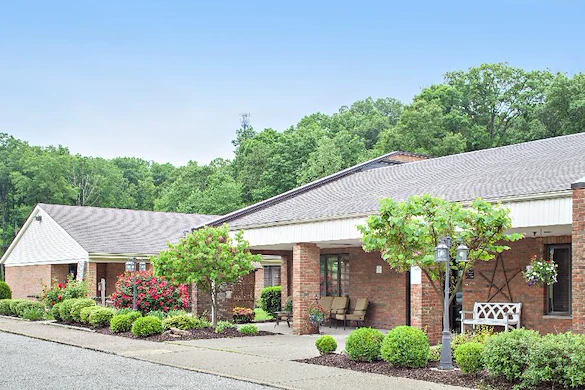
Dunbar Center
501 Caldwell Lane Dunbar, WV 25064
Long-Term Care / Skilled NursingSkilled Rehabilitation -
 3.0Verified
Meadowbrook Acres
2149 Greenbrier Street Charleston, WV 25311
Long-Term Care / Skilled NursingSkilled Rehabilitation -
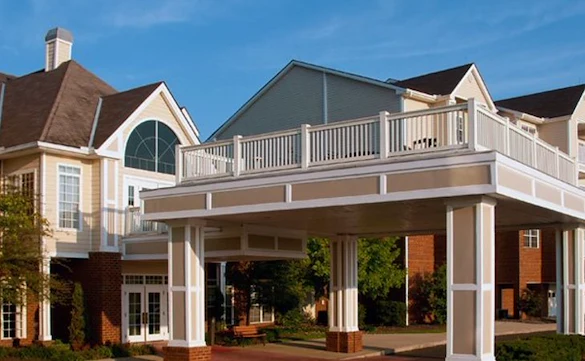 4.0Verified
Arthur B Hodges Center, The
300 Baker Lane Charleston, WV 25302
Long-Term Care / Skilled NursingSkilled Rehabilitation -
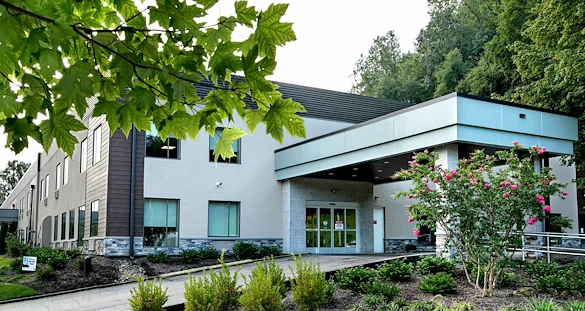 3.0Verified
Charleston Healthcare Center
3819 Chesterfield Avenue Charleston, WV 25304
Long-Term Care / Skilled NursingSkilled Rehabilitation
Cost of Nursing Homes in West Virginia
Costs can also vary regionally within the state. Urban areas or regions with higher living expenses tend to charge more due to increased demand and operational costs, while smaller towns or rural communities may be more affordable. Several factors influence pricing, including the level of medical care provided, the reputation of the facility, and the amenities offered. Facilities that provide specialized services, such as dementia care, post-surgical rehabilitation, or therapy programs, may charge higher rates to cover the additional resources, staff expertise, and equipment required.
Families planning for skilled nursing care in West Virginia can explore multiple financial assistance options. Medicaid covers long-term care for eligible individuals who meet income and asset requirements, including a monthly income under $2,901 and assets below $2,000 for a single applicant. Medicare offers limited coverage for skilled nursing, typically providing up to 100 days of care following a qualifying hospital stay. Additionally, seniors with long-term care insurance may use their benefits to cover some or all skilled nursing expenses, depending on their policy. It is important for families to review eligibility criteria, policy terms, and state-specific programs carefully to determine the most suitable financial approach.
By understanding cost averages, regional variations, and financial assistance options, families in West Virginia can make informed decisions about skilled nursing care. Researching facilities, comparing services, and planning ahead can help ensure that seniors receive the high-quality, compassionate care they need while managing expenses effectively.
What to Know About Nursing Homes in West Virginia
What is the average cost of a nursing home in West Virginia?
Nursing home care in West Virginia averages $7,500–$8,500 per month, lower than the national average.
How many nursing homes are in WV?
West Virginia has over 120 licensed nursing homes serving seniors across the state.
Is Almost Heaven a real place in West Virginia?
Medicare may pay for short-term skilled nursing care only following a qualifying hospital stay, not long-term nursing home care.
Does Medicare pay anything for a nursing home?
Yes, Medicare may pay for a nursing home stay in West Virginia, but only in limited situations. It typically covers short-term skilled nursing care after a qualifying hospital stay, not long-term nursing home care for ongoing daily assistance.
Finding the Right Senior Care in West Virginia
Navigating senior living and care options in West Virginia can feel overwhelming, but having the right information makes all the difference. Whether you're researching assisted living, exploring independent living communities, comparing home care services, or planning for long-term skilled nursing, West Virginia offers a wide range of choices designed to support comfort, safety, and quality of life.
From affordable care options to luxury communities, rural towns to major metro hubs, families can find solutions that meet both personal needs and financial goals. With strong healthcare systems, state oversight, and numerous financial assistance programs, West Virginia continues to be a trusted place for seniors seeking support and connection.
As you begin the search, remember that every senior’s needs are unique—use this guide as a starting point, and explore local providers, community reviews, and available resources to make the most informed decision possible.
Below are answers to the most common questions families ask when researching senior living and senior care in West Virginia.
Frequently Asked Questions About Senior Living in West Virginia
Is West Virginia a good place for seniors to live?
Yes, West Virginia is considered a good option for seniors seeking affordability, though access to healthcare and transportation should be evaluated.
What is the cheapest way for a senior to live?
The most affordable options include aging in place with non-medical home care, subsidized senior housing, or living with family.
What is the downfall of living in West Virginia?
West Virginia faces challenges related to healthcare access, workforce shortages, and economic growth, which can impact senior services in rural areas.
Frequently Asked Questions About Senior Care in West Virginia
Is West Virginia a good state for seniors?
West Virginia can be a good state for seniors who value affordability, natural scenery, and a slower pace of life, though access to healthcare may vary by rural area.
What is the biggest problem facing West Virginia?
One of the biggest challenges facing West Virginia is population decline and limited access to healthcare and jobs, especially in rural communities.
At what age do seniors stop paying property taxes in West Virginia?