

95,242
Population of Reading

10,184
Residents aged 65 and older in Reading

177
Senior Living & Care Options in Reading

$6,803/Month
Average cost of Senior Living & Care in the area.
Reading, with a population of 95,242, is home to 10,184 residents aged 65 and older. The city offers 177 senior living and care options. The average monthly cost of senior living & care in the area is $6,803.
Riders 65 and older can hop on any BARTA bus in Reading, PA, for free, on any route. The Berks Area Regional Transportation Authority runs this Senior Free Ride Program, which the Pennsylvania Lottery sponsors. A PennDOT Senior Citizen ID Card counts as ID, so a trip across town doesn't hinge on a car or a fare.
BARTA Special Services offers door-to-door shared rides for older adults and people with disabilities across Berks County. Anyone 65 or older can apply. The rider picks the reason for the trip, whether it's a doctor's visit, a grocery run, recreation, or a senior center.
Riders phone on weekdays to book, as far as two weeks out. BARTA can say how much notice a trip needs, and Find My Ride Schedule lets riders book, track, and cancel online. Grouped by time and place, these trips aren't taxis or nonstop rides, and they don't cover emergencies.
Those rides open up senior living in Reading, PA, well beyond the front door. The City of Reading says admission and parking at GoggleWorks Center for the Arts are always free, apart from special events.
The Reading Pagoda sits in the 1,595-acre Mount Penn Reserve and houses a small café and gift shop. It's city-owned, and a local foundation looks after it.
Winter takes some planning here. NOAA's 1991 to 2020 normals from the Reading Spaatz Field station put January's average low at 23.0°F, well below freezing, while July's average high reaches 86.5°F. While touring senior living communities in Reading, PA, it's fair to ask who salts the sidewalks and how residents reach their doctors when it's icy.
Medicare lists Penn State Health St. Joseph, on Bernville Road in Reading, PA, as an acute care hospital, one that treats sudden illness and injury. Penn State Health says the emergency department there is open every hour of every day. Medicare also lists Reading Hospital, in West Reading, PA, whose emergency department Tower Health says is open around the clock to all ages.
The guides below cover one care type apiece, from in-home help through nursing homes. Browse the providers under any of them and contact the ones you like directly, with no login required.
Reading, PA at a Glance




Independent Living & Active Adult Living in Reading, Pennsylvania
View All Providers-
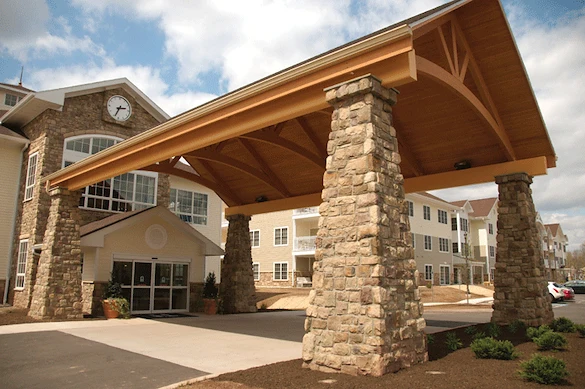 4.8
4.8Heritage of Green Hills
200 Tranquility Ln Shillington, PA 19607
Independent LivingAssisted LivingMemory Care -
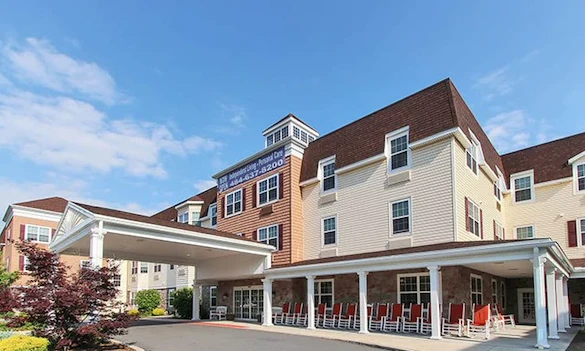 4.8Verified
Keystone Villa at Fleetwood
501 Hoch Rd Blandon, PA 19510
Independent LivingAssisted Living -
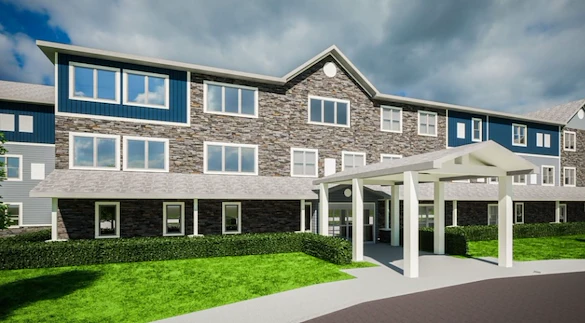 4.8
4.8The Residence at Village Greens
4400 Haines St. Sinking Spring, PA 19608
Independent LivingAssisted LivingMemory CareRespite Care -
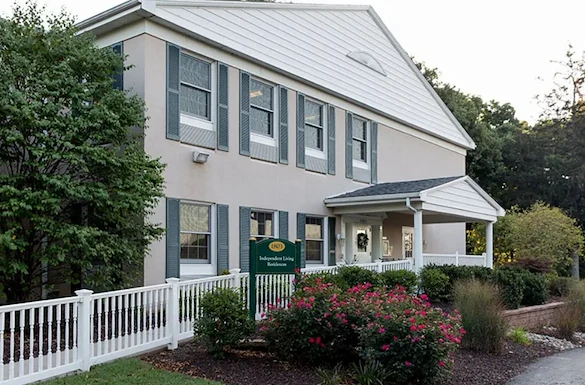 4.5Verified
Country Meadows of Wyomissing
1800 Tulpehocken Rd Wyomissing, PA 19610
Independent LivingAssisted LivingMemory Care


Assisted Living in Reading, Pennsylvania
View All Providers-
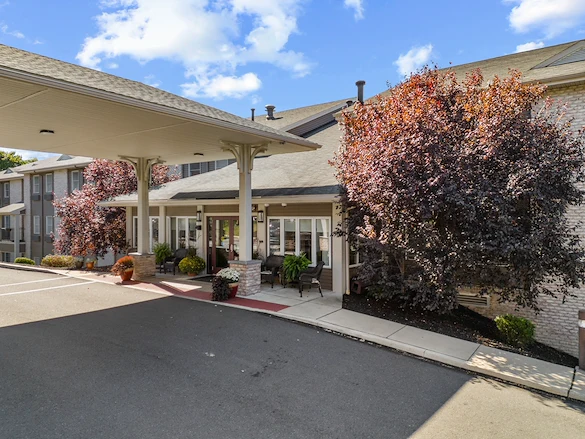
-
4.8
Heritage of Green Hills
200 Tranquility Ln Shillington, PA 19607
Independent LivingAssisted LivingMemory Care -
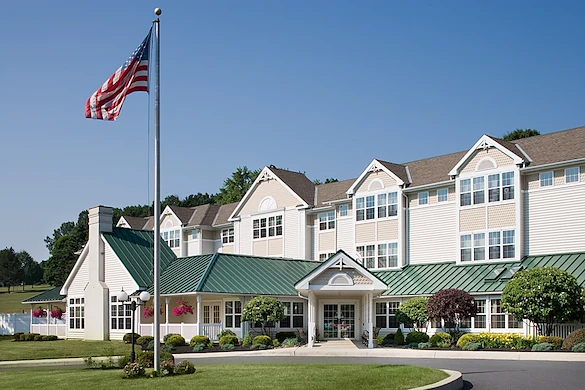
-
4.8
The Residence at Village Greens
4400 Haines St. Sinking Spring, PA 19608
Independent LivingAssisted LivingMemory CareRespite Care -
4.5Verified
Country Meadows of Wyomissing
1800 Tulpehocken Rd Wyomissing, PA 19610
Independent LivingAssisted LivingMemory Care


Memory Care in Reading, Pennsylvania
View All Providers-
4.8
Heritage of Green Hills
200 Tranquility Ln Shillington, PA 19607
Independent LivingAssisted LivingMemory Care -
-
4.8
The Residence at Village Greens
4400 Haines St. Sinking Spring, PA 19608
Independent LivingAssisted LivingMemory CareRespite Care -
4.5Verified
Country Meadows of Wyomissing
1800 Tulpehocken Rd Wyomissing, PA 19610
Independent LivingAssisted LivingMemory Care
Long Term Care & Skilled Nursing in Reading, Pennsylvania
View All Providers-
 5.0Verified
Garden Spot Village
433 S Kinzer Avenue New Holland, PA 17557
Long-Term Care / Skilled NursingSkilled RehabilitationLife Plan Community/CCRC -
 4.0Verified
Complete Care At Berkshire
5501 Perkiomen Avenue Reading, PA 19606
Long-Term Care / Skilled NursingSkilled Rehabilitation -
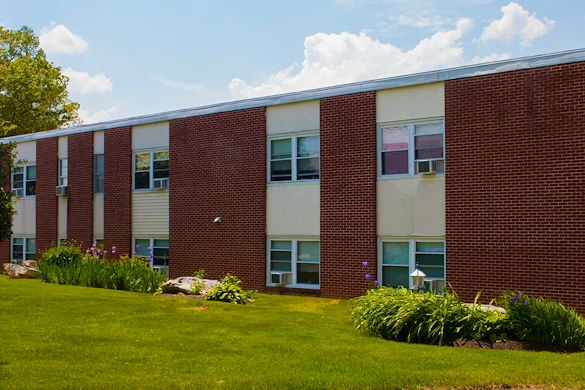 2.0Verified
Gardens At Stevens, The
400 Lancaster Avenue Stevens, PA 17578
Long-Term Care / Skilled NursingSkilled Rehabilitation -
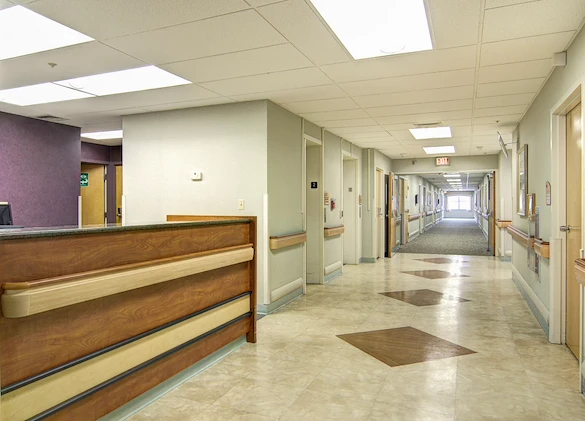 1.0Verified
West Reading Skilled Nursing and Rehab Center
425 Buttonwood Street West Reading, PA 19611
Long-Term Care / Skilled NursingSkilled Rehabilitation


Home Care in Reading, Pennsylvania
View All Providers-
 4.8Verified
Griswold Home Care For Berks County
947 Penn Avenue Wyomissing, PA 19610
Home Care (Non-Medical) -
 4.8Verified
Senior Helpers - Ephrata
1060 South State Street Ephrata, PA 17522
Home Care (Non-Medical) -

-
 Not yet ratedVerified
Seniors Helping Seniors Berks County
203 Ulrich Lane Leesport, PA 19533
Home Care (Non-Medical)


Compare Assisted Living Costs in Pennsylvania
Here, Pennsylvania's monthly average for assisted living sits next to the U.S. average.
Our state page covers prices and ways to pay for independent living and assisted living across Pennsylvania. Separate sections there cover home care and nursing homes, too.
Memory care prices don't appear on that page so far. For questions about memory care, the Berks County Area Agency on Aging is a sensible place to start.
Local Resources for Older Adults in Reading, PA
The organizations listed here work with older adults who live in Reading, PA, or elsewhere in Berks County. The links lead to each program's details on hours and eligibility.
- Berks County Area Agency on Aging. The county office for residents over 60, covering in-home services, caregiver support, adult day care, and more. Berks County Aging
- BARTA Special Services. Door-to-door shared rides across Berks County for older adults and people with disabilities, once an application is approved. Special Services
- BARTA Senior Free Ride Program. Fare-free trips on BARTA's regular buses for riders 65 and older, sponsored by the Pennsylvania Lottery. Senior Free Ride
- Berks County Senior Community Centers. The county's list of centers, two of them in Reading, PA, with a lunchtime meal. Senior Community Centers list
- Reading Public Library Senior Outreach. Books, movies, and music taken to senior retirement communities in the city, plus telemedicine support. Senior Outreach
- Nolde Forest Environmental Education Center. Benches and ADA accessible trails by the mansion and sawmill, in a Pennsylvania state park. Pennsylvania DCNR
- Medicare Care Compare. Medicare's tool for checking any nursing home's inspection, staffing, and quality results. Care Compare
Frequently Asked Questions
Yes, two. Berks County's Senior Community Centers list names the Berks Encore center at 40 N. Ninth St. and Casa de la Amistad at 25 N. Second St., both in Reading, PA. Each is run by a nonprofit, serves a meal at lunchtime, and lists BARTA transportation Monday through Friday.
Berks Encore says its center has a fitness room, billiards, a computer lab, and a free private parking lot. Lunch is served at noon on weekdays for people 60 or older who sign up two weekdays ahead. Classes such as seated Zumba and chair yoga fill out the week. Centro Hispano, a nonprofit, runs Casa de la Amistad.
The Berks County Area Agency on Aging serves people over 60 in Reading, PA, and the rest of the county. It's part of county government. The office keeps weekday hours, and the county also lists a 24-hour emergency service for older adults.
The agency can help families find senior center services, in-home help, care management, caregiver support, protective services, and adult day care. It also does assessments and shares information on local services. If you're unsure where to begin, it's a good first call.
Begin with a clear picture of the daily help needed. From there, choose a few assisted living communities on this page and carry one list of questions to every tour. It's also good to know that Berks County's long-term care ombudsman service is run by county aging staff and volunteers, and each volunteer is assigned to a specific community.
Questions about staff turnover, afternoon routines, and what shifts as care grows tend to draw useful answers. A meal visit shows the daily pace. Afterward, lay your notes out together so the tours don't run into one another.
The Reading Public Library, whose Main Library is at 100 S. Fifth St., runs a Senior Outreach program. It brings large and regular print books, CDs, and DVDs to senior retirement communities in the city. It also provides telemedicine support to seniors in Reading, PA, with the training and tools included.
A library card costs nothing for anyone who lives in Pennsylvania. Berks County residents also get the Libby digital collection. People who live, work, or go to school in the city get Hoopla as well. That leaves something to borrow even on days when getting out isn't easy.
Yes. Reading, PA, has been the county seat of Berks since 1752, the City of Reading says, and the Census places it in Berks County alone. That's handy to know when you search, since the aging office, the senior center list, and other programs for older adults here are run by Berks County.
The town itself is a little older. The City says Thomas and Richard Penn laid it out in 1748, where two great valleys meet the Schuylkill River. When you look for help, try searching under Berks County as well as the city's name.
Senior Living Near Reading, PA
Sources, checked Oct. 12, 2026: BARTA Senior Free Ride Program, BARTA Special Services, BARTA Senior Shared Ride Program, BARTA scheduling, City of Reading history, City of Reading visitors map, City of Reading playground map, CMS hospital data, Penn State Health, Tower Health, NOAA climate normals, Census place by county file, Berks County Aging, Berks County Care at Home, Berks County Health & Wellness Programs, Berks County Ombudsman, Berks County Senior Community Centers, Berks Encore, Berks County Parks, Pennsylvania DCNR, Reading Public Library Senior Outreach, Reading Public Library computer classes, Reading Public Library cards, Pennsylvania Code, assisted living residences, Pennsylvania Code, personal care homes, and Medicare Care Compare.