
Senior Living Facts for Georgia
Georgia is a wonderful place for seniors and their families looking for a welcoming community, comfortable lifestyle, and quality senior care options. Known for its mild climate and beautiful natural scenery, Georgia offers older adults the chance to enjoy outdoor activities year-round, from walking peaceful trails in the Blue Ridge Mountains to spending sunny afternoons on the Atlantic coast. This warm weather encourages an active, healthy lifestyle, which is essential for maintaining well-being in retirement.
Fast Facts
Senior Living & Care in Georgia
| #8 | most populated state in the U.S. |
| $4,500 | average monthly assisted living cost in Georgia |
| 4,500+ | assisted living communities and care providers across Georgia |
| 1.7M+ | adults age 65+ in Georgia |
One of Georgia’s greatest advantages is its affordable cost of living, which allows seniors to stretch their retirement savings without compromising comfort. The state features a wide range of senior-friendly communities, including independent living, assisted living, and memory care options designed to meet the diverse needs of aging adults. Cities like Atlanta, Savannah, Augusta, and Athens provide many choices for senior living, offering vibrant amenities, social programs, and support services to help residents stay engaged and connected.
Healthcare is a critical factor for seniors and their families, and Georgia delivers with a strong network of hospitals, rehabilitation centers, and specialized geriatric care providers. From routine check-ups to advanced medical treatments and post-surgical care, seniors in Georgia have access to quality healthcare close to home. Many communities also offer on-site health services and wellness programs tailored to older adults’ unique needs.
Beyond practical considerations, Georgia’s rich cultural heritage and lively arts scene add joy and fulfillment to daily life. Seniors can explore historic landmarks, attend music festivals, visit museums, and enjoy theater performances throughout the state. Outdoor enthusiasts will appreciate the abundance of parks, golf courses, and nature preserves, which provide peaceful spaces for relaxation and recreation.
Overall, Georgia combines affordability, excellent healthcare, natural beauty, and cultural richness, making it an ideal choice for senior living and care. Families searching for senior care in Georgia will find compassionate communities and a supportive environment where older adults can thrive, maintain their independence, and enjoy a high quality of life. Whether you’re planning for retirement or looking for the right senior care options, Georgia offers a warm, welcoming place to call home.
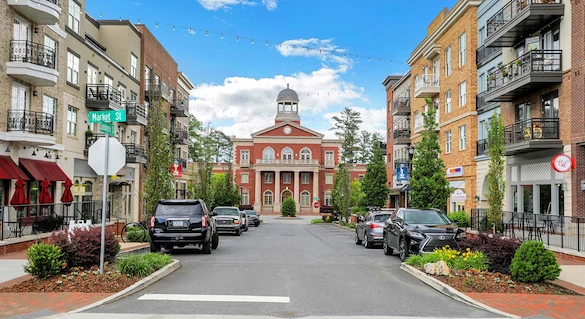
Top Cities for Senior Living and Care in Georgia





































Assisted Living in Georgia
Assisted living in Georgia offers a supportive and comfortable environment for older adults who need help with daily activities but want to maintain their independence. Assisted living communities provide personalized care tailored to each resident’s needs, including assistance with bathing, dressing, grooming, and mobility. Medication management is another key service, ensuring that residents take their prescriptions safely and on schedule. Beyond physical support, these communities focus on social engagement and wellness by offering group activities, fitness programs, dining options, and opportunities to build friendships, all designed to promote a vibrant, active lifestyle.
Georgia’s assisted living facilities are regulated by the Georgia Department of Community Health (DCH), which oversees licensing and ensures compliance with state safety and quality standards. These regulations cover staff training, resident rights, emergency preparedness, and facility operations, helping families feel confident in the care their loved ones receive. Georgia also requires regular inspections to maintain high standards, and families can access inspection reports to evaluate the quality of different communities.
The state offers a diverse range of assisted living options to fit varying preferences and budgets. Luxury communities often feature spacious apartments, upscale amenities, and specialized memory care programs for residents with Alzheimer’s or dementia. More budget-friendly options focus on essential services and comfortable living spaces without sacrificing quality care. Many communities also provide specialized memory care neighborhoods that emphasize safety and cognitive support through tailored programming and secure environments.
When choosing an assisted living community in Georgia, families should consider several factors. Visiting potential communities, asking about staff qualifications and turnover, reviewing care plans, and assessing the availability of medical support are essential steps. It’s also important to evaluate the community’s social and recreational offerings to ensure a good quality of life. Additionally, reviewing state inspection reports and resident reviews can provide valuable insights into the facility’s reputation.
Overall, assisted living in Georgia combines personalized care, regulatory oversight, and diverse community options, making it a strong choice for seniors seeking support and a fulfilling lifestyle in a safe and welcoming setting.
Top Assisted Living Communities in Georgia
View All Providers-
 3.4Premium
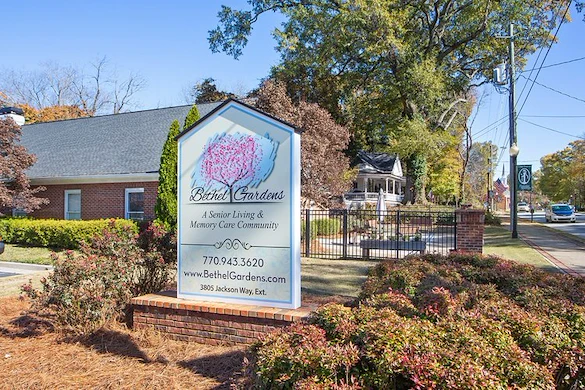
Bethel Gardens
3805 Jackson Way Powder Springs, GA 30127
Assisted LivingMemory CareRespite Care -
 3.8Premium
The Carriages of Mt. Zion
7493 Mt Zion Blvd Jonesboro, GA 30236
Assisted LivingMemory CareHospiceRespite Care -
 3.3Premium
Village Park West Cobb
3292 Ernest W Barrett Pkwy NW Marietta, GA 30064
Assisted LivingMemory CareRespite Care -
 4.5Verified
Legacy Ridge at Marietta
840 Lecroy Dr NE Marietta, GA 30068
Assisted LivingMemory CareRespite Care -
 4.4Verified
Brookside Stone Mountain
1745 Parke Plaza Cir Stone Mountain, GA 30087
Assisted LivingMemory Care -

-
 4.2Verified
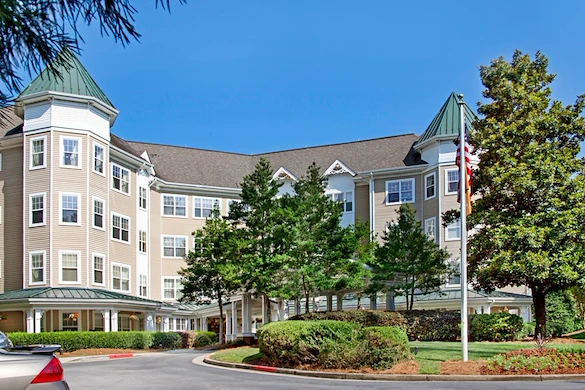
Sunrise at Huntcliff Summit II
8480 Roswell Rd Atlanta, GA 30350
Assisted LivingMemory Care


Cost of Assisted Living in Georgia
Several key factors influence the cost of assisted living in Georgia. Location plays a major role—facilities in urban centers generally charge more due to higher operational expenses and increased demand. Amenities are another consideration; luxury communities that provide gourmet dining, fitness centers, and concierge services typically have higher fees. Additionally, the level of care affects pricing, especially for residents who require specialized memory care services for Alzheimer’s or dementia, as these services require trained staff and secure environments.
When it comes to financial assistance, Georgia offers some support options, though they may not cover all costs. The state’s Medicaid Elderly and Disabled Waiver Program helps eligible individuals with personal care services in assisted living settings but does not cover room and board expenses. Veterans and their spouses may qualify for Aid and Attendance benefits, which can help offset assisted living costs. Additionally, long-term care insurance policies might cover some expenses depending on the specific plan.
Overall, assisted living in Georgia provides a range of options to fit different budgets and care needs. Families should carefully consider regional cost differences, amenities offered, and financial assistance programs when choosing the right community. Contacting local facilities directly can provide up-to-date pricing and guidance on eligibility for aid programs to help make informed decisions.
What to Know About Assisted Living in Georgia
Most assisted living communities in Georgia require that a senior needs help with activities of daily living (ADLs) such as bathing, dressing, mobility, or medication reminders—but does not require 24/7 skilled nursing. Communities typically complete an assessment to confirm the person’s care needs match what the community can safely provide.
The median cost of assisted living in Georgia is $59,280 per year, or about $4,940 per month
No—Medicare does not pay for assisted living in Georgia (or any state). Medicare generally covers medically necessary services (hospital care, doctor services, limited skilled care), not room, board, or custodial personal care in assisted living.
Assisted living is usually paid for through private pay (savings/income), long-term care insurance, and sometimes VA Aid & Attendance for eligible veterans. In limited cases, Medicaid waiver-related services may help with care supports, but families often still pay room and board.
Independent Living in Georgia
Independent living communities in Georgia offer seniors an ideal way to enjoy a vibrant, worry-free lifestyle while maintaining their independence. Designed for older adults who do not require daily medical care, these communities provide maintenance-free housing options—such as apartments, condos, or cottages—so residents can focus on enjoying their retirement without the hassle of home upkeep. This setup allows seniors to live comfortably while having access to a supportive community and plenty of social opportunities.
One of the key benefits of independent living in Georgia is the rich array of amenities that many communities provide. Residents often enjoy features such as fitness centers, swimming pools, organized activities, communal dining, and transportation services. These amenities foster social engagement, helping seniors build friendships and stay active both mentally and physically. Many communities also host clubs, hobby groups, and events tailored specifically to the interests of older adults, enhancing overall quality of life.
Georgia’s mild climate is another attractive factor for seniors choosing independent living here. With warm winters and moderate summers, older adults can take advantage of outdoor recreational opportunities year-round, whether it’s golfing, gardening, or simply enjoying walks in beautiful parks. Cities like Savannah, Athens, and parts of metro Atlanta are particularly popular among retirees for their combination of cultural activities, historic charm, and access to healthcare facilities.
Many retirement-friendly cities in Georgia offer independent living communities that balance relaxation and engagement. For example, places like Alpharetta and Roswell provide vibrant cultural scenes, shopping, dining, and healthcare access, all while maintaining a small-town feel that appeals to seniors seeking a close-knit community atmosphere.
In summary, independent living in Georgia is a smart choice for seniors who want to stay active, socialize, and enjoy a maintenance-free lifestyle in a warm, welcoming environment. With diverse community options and access to year-round outdoor activities and cultural amenities, Georgia offers a retirement lifestyle that supports independence, health, and happiness.
Top Independent Living Communities in Georgia
View All Providers-
 4.1Premium
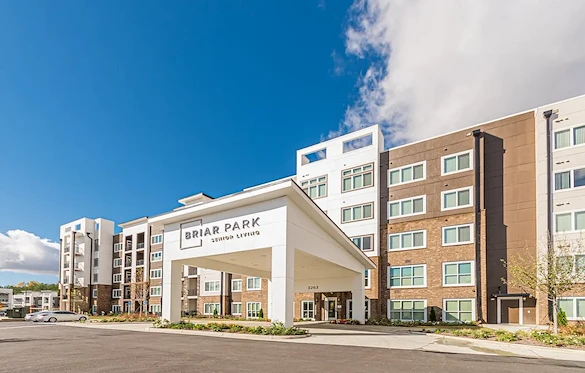
Briar Park
3263 Greenbriar Parkway SW Atlanta, GA 30331
Active Adult LivingIndependent LivingLow Income / Affordable -
-
 4.2Premium
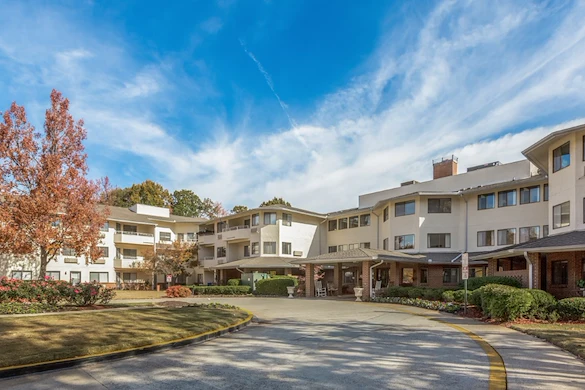
Village Park Peachtree Corners
5701 Spalding Dr Peachtree Corners, GA 30092
Independent LivingAssisted LivingMemory Care -
 3.6Premium
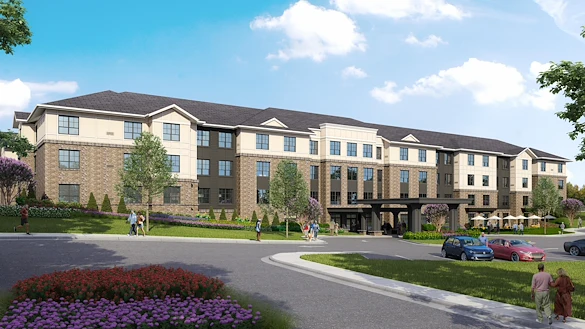
Renaissance at Garden Walk
669 Garden Walk Blvd College Park, GA 30349
Active Adult LivingIndependent Living -
 4.6Verified
Renaissance on Peachtree
3755 Peachtree Rd Atlanta, GA 30319
Independent LivingAssisted Living -
 4.6Verified
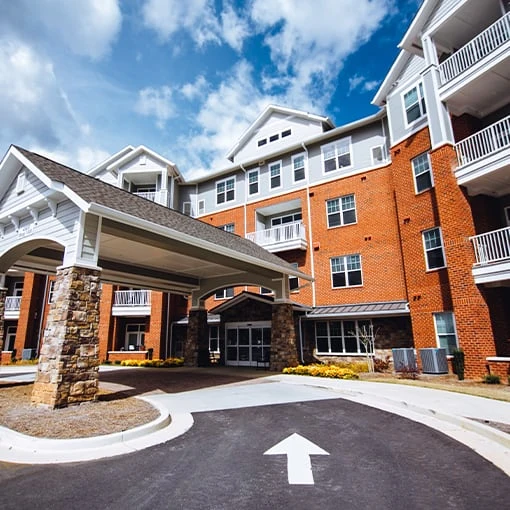
Silver Comet Village
4900 Richard D Sailors Pkwy Powder Springs, GA 30127
Independent LivingAssisted LivingMemory CareRespite Care -
 4.4Verified
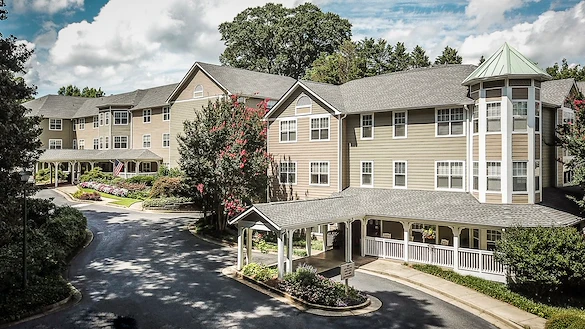
Winnwood Retirement Community
100 Whitlock Ave NW Marietta, GA 30064
Independent LivingAssisted LivingRespite Care -
 5.0Verified
Oaks at Eagle's Landing
2700 Patrick Henry Parkway Stockbridge, GA 30281
Independent LivingAssisted LivingMemory CareRespite Care


Cost of Independent Living in Georgia
Independent living communities in Georgia typically provide a range of services and amenities designed to enhance residents’ quality of life. These often include maintenance-free housing, housekeeping and laundry services, meal plans or dining options, transportation services, social and recreational activities, and access to fitness centers and common areas. These features make it easier for seniors to enjoy an active, social lifestyle without the worries of home maintenance.
Several factors influence the cost of independent living in Georgia. Location is a major driver—urban areas like Atlanta tend to have higher fees due to increased demand and higher living costs. The quality and variety of community features also affect pricing; communities offering upscale amenities such as gourmet dining or specialized fitness programs generally charge more. The type and size of housing, from studios to two-bedroom apartments, further influence monthly rates. Additionally, some services like transportation or housekeeping may be included in the base price or available for an extra fee.
Financial resources and affordability options are important considerations for seniors exploring independent living. While independent living communities are usually not licensed by the state, some offer additional services under an “Independent Level of Care” that can provide support when needed. Seniors may also benefit from long-term care insurance policies that cover some living costs, Veterans’ Aid and Attendance benefits, or reverse mortgages that convert home equity into funds for living expenses.
Overall, Georgia provides a range of independent living options that accommodate various budgets and preferences. With its affordability, amenities, and active senior communities, the state is a strong choice for seniors seeking a fulfilling and independent retirement lifestyle.
Agencies on Aging and nonprofit organizations in Georgia may offer guidance or resources for housing support.
With so many options across Georgia, independent living can be both a lifestyle upgrade and a smart financial move.
What to Know About Independent Living in Georgia
Independent living in Georgia often ranges from about $2,500 to $4,500+ per month, depending on the city, apartment size, and amenities (meals, housekeeping, transportation).
Independent living typically refers to private-pay senior housing (often 55+ or 62+) designed for older adults who want a maintenance-free lifestyle and social opportunities, without daily hands-on care.
Most communities require residents to meet an age minimum (often 55+ or 62+) and be able to live safely without routine personal care assistance (though services can often be added later).
Cost depends on rent, healthcare, and lifestyle, but many single adults budget for housing + utilities + food + transportation + healthcare, with totals varying significantly between metro Atlanta and smaller cities.
Home Care in Georgia
Non-medical home care in Georgia plays a crucial role in helping seniors live independently and comfortably in their own homes. Unlike medical care, non-medical home care focuses on assisting with everyday activities that support daily living but don’t require a nurse or medical professional. This type of care helps seniors maintain their dignity and quality of life by providing the right support at the right time.
Common services offered through non-medical home care include personal care such as assistance with bathing, dressing, grooming, and mobility. Companionship is another important service, helping reduce feelings of loneliness through conversation, shared activities, and emotional support. Additionally, many caregivers assist with household tasks like light housekeeping, laundry, meal preparation, and running errands. Some agencies also provide medication reminders to ensure seniors take their prescriptions on schedule.
In Georgia, home care agencies must be licensed by the Georgia Department of Community Health to operate legally. This licensing process ensures that agencies meet specific safety and quality standards designed to protect seniors and their families. Licensed agencies are required to train their caregivers thoroughly, typically mandating at least 40 hours of training. Background checks are also standard for all employees working directly with clients, providing an extra layer of security and trust.
Availability of non-medical home care in Georgia can vary depending on where you live. Urban areas like Atlanta, Savannah, and Augusta tend to have more home care agencies and caregivers available. In rural regions, it may be more challenging to find providers due to workforce shortages, which means families might need to start their search earlier or consider alternative care options.
Choosing the right non-medical home care provider in Georgia means looking for licensed agencies with well-trained caregivers who can meet your loved one’s specific needs. By understanding the services offered, licensing requirements, and local availability, families can make informed decisions that support their senior’s independence and well-being at home.
Top Home Care in Georgia
View All Providers-
 4.9Verified
Visiting Nurse Private Home Care
10 Glenlake Parkway, Suite 130 Atlanta, GA 30328
Home Care (Non-Medical) -
 4.8Verified
Visiting Angels - Marietta
2470 Windy Hill Rd Marietta, GA 30067
Home Care (Non-Medical) -
 4.9Verified
Senior Helpers - Northwest Atlanta
696 Concord Rd SE B Smyrna, GA 30082
Home Care (Non-Medical) -



Cost of Home Care Non-Medical in Georgia
Several factors affect the overall cost of non-medical home care. One key factor is the number of care hours needed: naturally, more hours mean higher total costs. Another important consideration is whether you hire caregivers through an agency or privately. Agencies usually charge higher rates because they provide additional benefits such as caregiver oversight, training, and backup staff. Private caregivers may be less expensive, but families should be aware that this option often comes with less supervision and fewer protections. Location also plays a role, as urban areas with higher living costs tend to have increased care rates.
To help manage these costs, Georgia families can explore several financial assistance programs. Medicaid offers coverage for home and community-based services to eligible low-income seniors, although the availability of these services varies by county. Long-term care insurance policies, if purchased in advance, may help cover non-medical home care expenses. Additionally, veterans and their spouses might qualify for benefits like Aid and Attendance, which can assist with the cost of home care.
Understanding the cost landscape and available financial resources is essential for families making decisions about non-medical home care in Georgia. With this knowledge, you can better plan and choose care options that fit your loved one’s needs and budget.
What to Know About Non Medical Home Care in Georgia
Pay varies by program and eligibility. Some families qualify through Medicaid-supported options like Structured Family Caregiving pathways associated with Georgia’s waiver programs; compensation is typically a stipend model, not an hourly wage, and requirements vary.
A non-medical caregiver helps with daily living and companionship—bathing, dressing, meals, light housekeeping, transportation, and supervision—without providing skilled medical services like injections or wound care.
Individual caregivers may not need a personal “license,” but agencies providing private home care services are regulated and must meet state rules, and many employers require background checks and training depending on the role.
Georgia personal care homes and assisted living communities must follow state regulations covering resident rights, staffing, admissions/assessments, safety standards, medication services, and reporting requirements.
Long-Term Care/Skilled Nursing in Georgia
Skilled nursing facilities in Georgia provide around‑the‑clock medical and personal care for seniors who need ongoing help, such as after surgery, during recovery, or when managing chronic conditions. These communities offer services like skilled nursing care, rehabilitation therapies (physical, occupational, speech), and specialized support for conditions such as Alzheimer’s and dementia. Whether your loved one is recovering from surgery or requires a higher level of day‑to‑day care, these facilities are equipped with licensed medical staff, rehabilitation professionals, and tailored care plans to support recovery, health, and dignity.
In Georgia, skilled nursing facilities are regulated by the Georgia Department of Community Health (DCH), which sets and enforces standards for resident rights, staffing levels, facility safety, and record‑keeping. The DCH routinely inspects facilities to ensure compliance with state and federal regulations, helping families trust that licensed nursing homes meet essential safety and care standards. Transparency tools like inspection histories and staffing levels are often publicly available through the DCH website or national resources such as Medicare’s Nursing Home Compare.
Evaluating the best skilled nursing option for a loved one involves more than star ratings. Families are encouraged to tour facilities, observe daily life in common areas, and speak directly with staff and current residents or their families. Look for clean, well‑maintained environments, respectful staff interactions, visible therapy areas, and menus that offer nutritious meals. Cancer recovery programs, dementia‑care wings, or memory‑friendly design features (such as secure outdoor spaces) add value to specialized care communities.
Georgia’s urban areas, including Atlanta, Savannah, and Augusta, generally offer more diverse facility types, including high‑quality, modern nursing homes and memory‑care neighborhoods. In rural regions, options may be more limited, so starting your search early can give you more time to find a good match for care needs and lifestyle preferences.
Overall, skilled nursing care in Georgia combines regulated medical and rehabilitation services with everyday support and specialized programming for seniors with complex needs. By reviewing licensing records, conducting visits, and considering clinical and lifestyle factors, families can confidently choose a facility that emphasizes professionalism, compassion, and quality of life for their loved ones.
Top Long-Term Care/Skilled Nursing in Georgia
View All Providers-
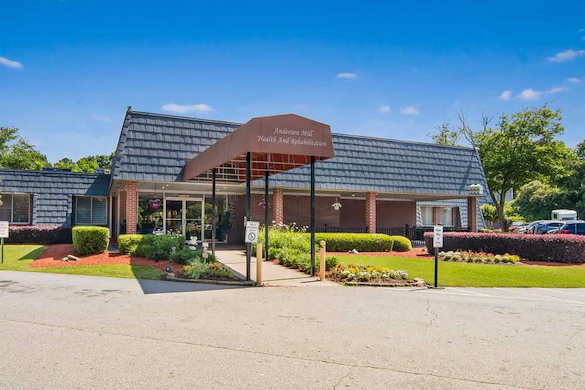 3.0Verified
Anderson Mill Center For Nursing And Healing LLC
2130 Anderson Mill Rd Austell, GA 30106
Long-Term Care / Skilled NursingSkilled Rehabilitation -
 4.2Verified
Riverdale Center
315 Upper Riverdale Rd SW Riverdale, GA 30274
Long-Term Care / Skilled NursingSkilled Rehabilitation -
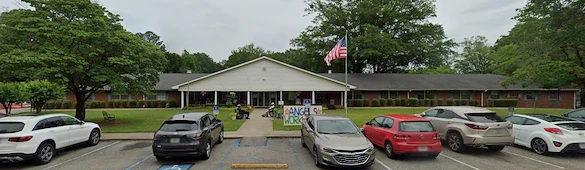 1.0Verified
Roswell Center For Nursing And Healing LLC
1109 Green Street Roswell, GA 30075
Long-Term Care / Skilled NursingSkilled Rehabilitation -
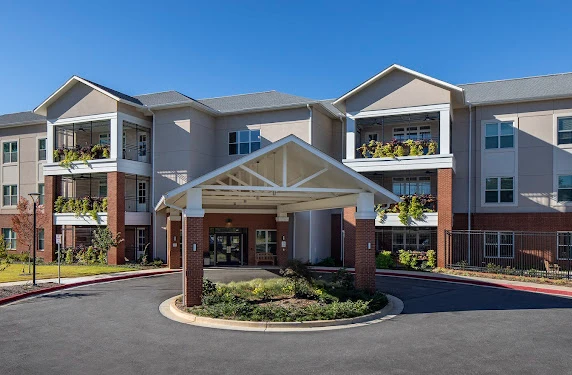 4.0Verified
A.G. Rhodes Home, Inc - Cobb
900 Wylie Road Marietta, GA 30067
Long-Term Care / Skilled NursingSkilled Rehabilitation


Cost of Nursing Homes in Georgia
Several key factors influence the price of skilled nursing care. The level of medical care required plays a major role—residents who need 24/7 supervision, rehabilitation, memory care, or specialized therapies will likely pay more. Facility reputation and amenities also affect pricing. Nursing homes with strong inspection records, high staff-to-resident ratios, updated accommodations, and enhanced services such as therapy gyms, private suites, and activity programs typically charge higher rates. In Georgia, urban facilities may also charge a premium for access to hospital networks or on-site specialists.
Fortunately, there are financial assistance options available to help Georgia families manage skilled nursing costs. Medicare may cover short-term skilled nursing care following a hospital stay, typically up to 100 days. For long-term care, Medicaid is the primary payer for eligible low-income seniors, covering room, board, and medical services. Georgia’s Medicaid program includes the Nursing Home Medicaid benefit and may offer waivers in certain cases. Additionally, long-term care insurance, veteran benefits, and state-funded support programs can provide supplemental help for qualifying individuals.
By understanding both the cost structure and available financial resources, families can make confident, informed choices about skilled nursing care for their loved ones in Georgia.
What to Know About Nursing Homes in Georgia
Georgia’s median annual cost is $105,850 for a semi-private room (about $8,821/month) and $113,150 for a private room (about $9,429/month).
Yes—Georgia Medicaid can cover nursing home care for eligible seniors who meet financial criteria and require a nursing-facility level of care.
If a person has limited income/assets and meets medical need requirements, Medicaid is typically the primary payer for long-term nursing home care. Some people also use Medicare briefly after a qualifying hospital stay, but Medicare is not long-term coverage.
Asset protection is highly individual and often involves early planning (sometimes years in advance). Families commonly consult an elder law attorney to understand Medicaid eligibility rules, permitted spend-down, and compliant planning strategies.
Finding the Right Senior Care in Georgia
Georgia offers a broad range of senior living and care options, including independent living, assisted living, in-home care, and skilled nursing facilities, making it possible for older adults to receive the right level of support as their needs evolve. With assisted living costs that are lower than the national average, access to Medicaid and community-based care programs, and a wide network of licensed senior care providers, Georgia remains an attractive option for seniors and families planning long-term care. By understanding care costs, financial assistance options, and state regulations, families can confidently choose quality senior care in Georgia that promotes safety, comfort, and long-term peace of mind.
Frequently Asked Questions About Senior Living in Georgia
Many seniors like areas such as Alpharetta, Roswell, Peachtree City, Savannah, and parts of Augusta for healthcare access, amenities, and community life—though “best” depends on budget, mobility, and proximity to family.
Often, the lowest-cost option is aging in place with part-time non-medical home care plus community supports (meals, transportation), or qualifying for income-based senior housing when available.
Counties frequently considered senior-friendly include Fulton, Cobb, Gwinnett, Fayette, and Chatham, largely due to healthcare access and services—though cost and traffic should be weighed.
No — Medicare does not pay for assisted living in Georgia or any other state. Medicare is designed to cover medical services, like hospital stays, doctor visits, and short-term skilled care (for example, physical therapy or nursing after a hospital stay). Assisted living expenses — including room, board, personal care, and help with daily activities — are considered long-term custodial care and are not covered by Original Medicare.
Frequently Asked Questions About Senior Care in Georgia
Yes — in some cases, family caregivers can get paid for taking care of a loved one in Georgia, but it depends on the program and eligibility. Georgia offers Medicaid waiver pathways (such as Structured Family Caregiving under the state’s Elderly & Disabled Waiver programs) that may allow an eligible family member to receive compensation for providing certain approved care services. These programs typically require the care recipient to qualify medically and financially for Medicaid long-term care benefits, and the caregiver must meet specific program requirements. Payment depends on the type and amount of care needed and whether the state’s waiver permits paying family providers.
Georgia’s median hourly rates are about $28/hour for homemaker services and $29/hour for a home health aide.
Senior benefits can include Medicare, potential Medicaid assistance for eligible seniors, local aging services, and tax-related benefits that vary by income and county (for example, some seniors may qualify for property tax relief or exemptions depending on local rules).
Yes — Georgia Medicaid covers home health care for eligible seniors who meet medical necessity and financial criteria. When a physician orders home health care services, Medicaid can help pay for skilled nursing, therapy (physical/occupational/speech), and other medically necessary services provided at home. Medicaid also covers personal care and home- and community-based services through waiver programs (such as CCSP or SOURCE) that help seniors remain safely at home rather than entering a nursing facility.