

8,902
Population of Miramar Beach
3,412
Residents aged 65 and older in Miramar Beach
48
Senior Living & Care Options in Miramar Beach

$5,777/Month
Average cost of Senior Living & Care in the area.
Miramar Beach, with a population of 8,902, is home to 3,412 residents aged 65 and older. The city offers 48 senior living and care options. The average monthly cost of senior living & care in the area is $5,777.
Miramar Park says a lot about daily life in Miramar Beach, FL. The park sits on 30A, with over 1,100 feet of public beach along the Gulf of Mexico. Visitors find restrooms, showers, and parking on both sides of Scenic 98. Of its three beach accesses, one is ADA accessible, a real help when a cane, walker, or wheelchair comes along to the sand.
Who runs that park tells the rest of the story. Walton County lists Miramar Park as owned and operated by the Walton County Tourist Development Council. Miramar Beach, FL, isn't incorporated, so no town government sits between residents and the county. To the Census Bureau, it's a Census designated place inside Walton County.
Anyone sizing up senior living in Miramar Beach, FL, ends up dealing mostly with Walton County. The county provides the public services here, from parks and libraries to senior centers and storm planning. Its County Administration offices sit in DeFuniak Springs, FL. Along the coast, the county counts 26 miles of white-sand Gulf beaches and 16 beach neighborhoods in South Walton, on the Northwest Florida Panhandle.
At a NOAA station near Miramar Beach, FL, the 1991 to 2020 normals give a January average low of 45.3°F and a July average high of 90.9°F. A light jacket covers most winter walks. Summer beach time is easiest in the morning or toward sunset.
Hospital care shares the place name. In Medicare's hospital data, Sacred Heart Hospital on the Emerald Coast carries a Miramar Beach, FL, address and is listed for acute care, with emergency services. Ascension Sacred Heart says its emergency department there treats patients 24/7. For a family, that means a hospital set up for sudden illness or injury is staffed for emergencies at night and on weekends, too.
The care sections further down run from a caregiver's visits at home through to nursing homes, each with questions for a tour. Every provider is listed, and families pay nothing to search. Near the end of the page, the questions turn to Walton County senior centers, rides, and hurricane season.
Miramar Beach, FL at a Glance




Assisted Living in Miramar Beach, Florida
View All Providers-
 4.8Premium
The Blake at Miramar Beach
90 Ponce DeLeon Street Miramar Beach, FL 32550
Assisted LivingMemory Care -
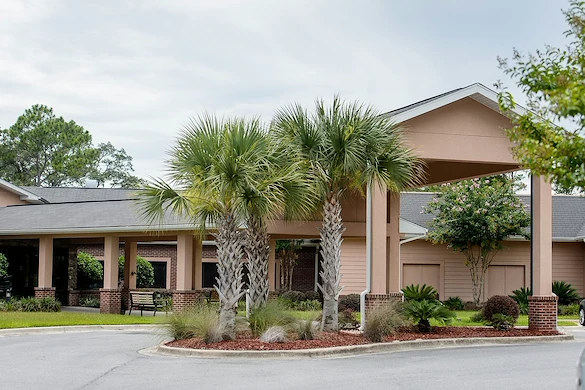 4.1Premium
Partin Place Senior Living
2300 Partin Drive North Niceville, FL 32578
Assisted LivingMemory CareRespite Care -
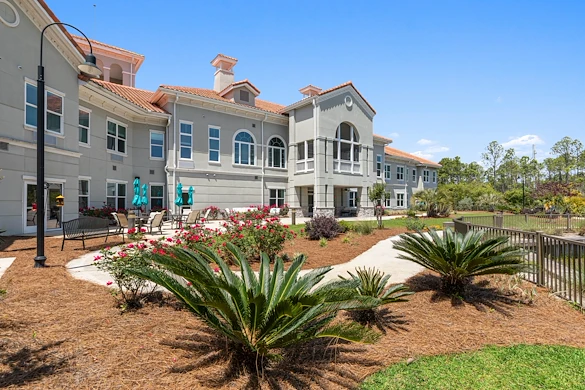 4.7Verified
Somerby Santa Rosa Beach
164 W Hewett Rd Santa Rosa Beach, FL 32459
Assisted LivingMemory CareRespite Care -
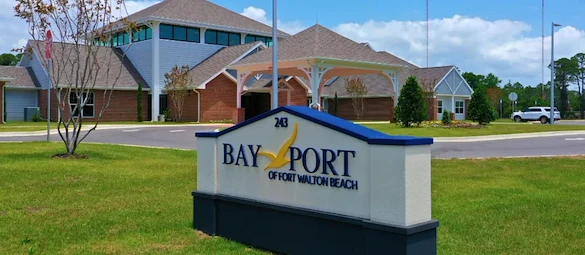 4.5Verified
The Retreat at Fort Walton Beach
243 Hollywood Blvd NW Fort Walton Beach, FL 32548
Assisted LivingMemory Care -
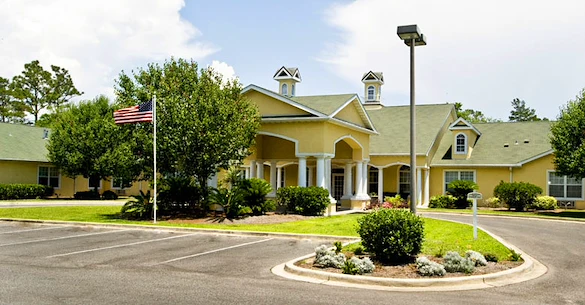 4.4Verified
Belvedere Commons of Fort Walton Beach
2000 Principal Ln Fort Walton Beach, FL 32547
Assisted LivingMemory Care -
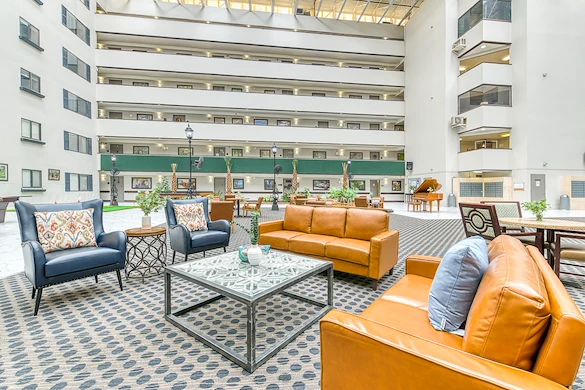 4.1Verified
Meridian at Westwood
1001 Mar Walt Drive Ft. Walton Beach, FL 32547
Independent LivingAssisted LivingMemory CareRespite Care


Memory Care in Miramar Beach, Florida
View All Providers-
4.8Premium
The Blake at Miramar Beach
90 Ponce DeLeon Street Miramar Beach, FL 32550
Assisted LivingMemory Care -
4.1Premium
Partin Place Senior Living
2300 Partin Drive North Niceville, FL 32578
Assisted LivingMemory CareRespite Care -
4.7Verified
Somerby Santa Rosa Beach
164 W Hewett Rd Santa Rosa Beach, FL 32459
Assisted LivingMemory CareRespite Care -
4.5Verified
The Retreat at Fort Walton Beach
243 Hollywood Blvd NW Fort Walton Beach, FL 32548
Assisted LivingMemory Care -
4.4Verified
Belvedere Commons of Fort Walton Beach
2000 Principal Ln Fort Walton Beach, FL 32547
Assisted LivingMemory Care -
4.1Verified
Meridian at Westwood
1001 Mar Walt Drive Ft. Walton Beach, FL 32547
Independent LivingAssisted LivingMemory CareRespite Care
Independent Living & Active Adult Living in Miramar Beach, Florida
View All Providers-
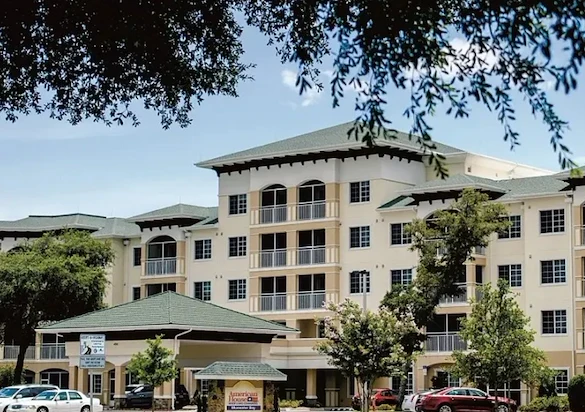 4.9Verified
American House Bluewater Bay
4595 E Highway 20 Niceville, FL 32578
Independent LivingRespite Care -
4.1Verified
Meridian at Westwood
1001 Mar Walt Drive Ft. Walton Beach, FL 32547
Independent LivingAssisted LivingMemory CareRespite Care -
 4.2Verified
Westminster Manor – Fort Walton Beach
40 Windham Ave. Fort Walton Beach, FL 32548
Independent LivingLow Income / Affordable


Long Term Care & Skilled Nursing in Miramar Beach, Florida
View All Providers-
 4.0
Westwood Nursing And Rehabilitation Center
1001 Mar-Walt Drive Fort Walton Beach, FL 32547
Long-Term Care / Skilled NursingSkilled Rehabilitation -
4.0
Emerald Coast Center
114 Third Street Se Fort Walton Beach, FL 32548
Long-Term Care / Skilled NursingSkilled Rehabilitation -
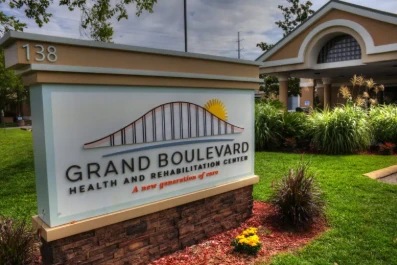 4.0Verified
Miramar Beach Rehabilitation
138 Sandestin Lane Miramar Beach, FL 32550
Long-Term Care / Skilled NursingSkilled Rehabilitation -
5.0
Destination Health And Rehabilitation Center
195 Mattie M Kelly Blvd Destin, FL 32541
Long-Term Care / Skilled NursingSkilled Rehabilitation

Home Care in Miramar Beach, Florida
View All Providers-
 5.0Verified
Always Best Care of Shalimar
60 2nd St., Suite C-1 Shalimar, FL 32579
Home Care (Non-Medical) -
 5.0Verified
Visiting Angels - Destin
#6 11th Ave suite H3 Shalimar, FL 32579
Home Care (Non-Medical) -
 4.3Verified
Comfort Keepers - Niceville
1049 John Sims Parkway, Ste 2 Niceville, FL 32578
Home Care (Non-Medical) -
 4.3Verified
Cornerstone Caregiving - Destin
4592 E Hwy 20 Niceville, FL 32578
Home Care (Non-Medical)


Compare Assisted Living Costs in Florida
The chart pairs Florida's assisted living average with the U.S. one.
Statewide costs, plus ways families pay, sit in separate parts of our Florida page: assisted living, then nursing homes, independent living, and last, home care.
Memory care gets no separate cost section on that page. Families sorting out memory care can contact the Northwest Florida Area Agency on Aging. It serves residents 60 and older in Escambia, Santa Rosa, Okaloosa, and Walton counties.
Local Resources for Older Adults in Miramar Beach, FL
The offices and groups below serve older adults in Miramar Beach, FL, and the rest of South Walton. Most are Walton County departments. The rest are regional or state programs or a local nonprofit, and each link shows who qualifies and how to sign up.
- Walton County Senior Centers. The county's two centers, including the John Horton Senior Center for South Walton. Senior Centers
- Coastal Seniors of South Walton. A nonprofit on the county's list, with fitness and art classes and monthly speakers. Coastal Seniors of South Walton
- Northwest Florida Area Agency on Aging. The Elder Helpline and caregiver support for Walton County and three other counties. Support for Caregivers
- Community transportation coordinators. The state's roster of shared-ride coordinators, county by county, with Walton County's contact. Community Transportation Coordinators
- Walton County Emergency Management. A hurricane preparedness page written for older adults. Older Adults
- Walton County Libraries. Four branches, including the Coastal Branch in Santa Rosa Beach, FL. Libraries
- Florida Long-Term Care Ombudsman Program. Its Northwest District covers Walton County. District offices
Frequently Asked Questions
Walton County has two senior centers, one in North Walton and one in South Walton. The South Walton center is the county's John Horton Senior Center in Santa Rosa Beach, FL. Neither center is in Miramar Beach, FL, itself, so the South Walton center is the one to look into first.
Lunch is offered there to seniors 60 and over, with a seat reserved the day before. The center also lists bingo, trivia, live music, Wi-Fi with two computers, and an above-ground garden. A quick call to the center is the easiest way to hear what's coming up.
Florida's Commission for the Transportation Disadvantaged lists a ride coordinator for each county. For Walton County, it's Tri-County Community Council, Inc., of Bonifay, FL. The council is the local contact for the state's shared-ride program. Its own list of services includes transportation in Walton County and three other counties.
The state uses the term transportation disadvantaged for people who can't drive because of age, income, or a disability, and who have no other ride. Trips are shared, and they must be booked ahead. The county coordinator is the one to ask about eligibility, and the council has an application to start.
Walton County Emergency Management, which serves the whole county, keeps a preparedness page just for older adults. The county says a few extra steps before hurricane season help people stay safe, comfortable, and independent. If someone may need help evacuating because of medical or functional needs, the county asks them to contact the office before an emergency.
The county also suggests signing up for AlertWalton alerts. It also suggests asking a health provider early what happens to treatments such as dialysis if the office closes. For care beyond basic first aid, the Special Needs Shelter is at Freeport High School. A disability alone doesn't mean someone needs it, and people can sign up through a state registry.
Florida has 11 Area Agencies on Aging, and each also works as an Aging and Disability Resource Center. In the Florida Department of Elder Affairs list, the Northwest Florida Area Agency on Aging, Inc., is PSA 1. That agency serves Walton County, so it's the regional office for aging services here.
For Walton County, the agency names a local council on aging as its partner. A legal aid group and a regional health education center appear on the same list. Asking the agency which partner handles a service can save time.
Finding the best fit starts with daily needs, the budget, and the distance family is willing to drive. Narrow the listings on this page to three or four assisted living communities. Then carry one set of written questions to every visit. It's also good to know that Florida's Long-Term Care Ombudsman Program puts Walton County in its Northwest District.
Escambia, Okaloosa, and Santa Rosa counties belong to that district as well. Before deciding, read each community's inspection report with the violation classes from the assisted living section in mind. Going back at another time of day shows more of daily life. Notes from each tour keep the details sorted.
The Northwest Florida Area Agency on Aging calls its Elder Helpline the place to start for seniors, adults with a disability, and caregivers. The helpline links callers to local agencies, services, and programs. For families caring for someone with dementia, the agency also offers respite through Florida's Alzheimer's Disease Initiative.
Respite is a pause for the caregiver while someone else steps in. It can happen at home or in a care setting. The initiative serves people 18 and older with Alzheimer's disease or a related memory disorder, and their caregivers. Training and support groups are in the memory care section above.
Senior Living Near Miramar Beach, FL
Sources, checked Oct. 15, 2026: Census Bureau place-by-county list for Florida, Walton County, Miramar Park, Walton County, Beaches, NOAA 1991 to 2020 normals, CMS hospital data, Ascension Sacred Heart Emerald Coast emergency care, Florida Department of Elder Affairs, ADRCs, Northwest Florida Area Agency on Aging, home and community services, the agency's caregiver page, ombudsman district list, Walton County Senior Centers, John Horton Senior Center, Coastal Seniors of South Walton, Florida Department of Health in Walton County, Florida CTD coordinators, Florida CTD community transportation system, Tri-County Community Council, Coastal Branch Library, Walton County Libraries, Walton County Emergency Management, Older Adults, Special Needs Shelter Registration, Florida Statutes, s. 408.813, Florida Statutes, s. 429.19, Alzheimer's Disease Initiative, Elder Affairs, and Medicare Care Compare.