
Senior Living Facts for Rhode Island
Rhode Island offers a charming blend of coastal beauty, rich history, and welcoming communities, making it an attractive place for seniors and families seeking a high quality of life. Known as the “Ocean State,” Rhode Island’s mild climate provides four distinct seasons, with relatively moderate winters compared to northern New England, allowing older adults to enjoy outdoor activities year-round. From serene beaches and scenic parks to picturesque towns and vibrant city life in Providence, the state offers plenty of opportunities for seniors to stay active, social, and engaged.
Fast Facts
Senior Living & Care in Rhode Island
| #44 | most populated state in the U.S. |
| $5,800 | average monthly assisted living cost in Rhode Island |
| 170+ | assisted living communities and care providers across Rhode Island |
| 215K+ | adults age 65+ in Rhode Island |
The lifestyle in Rhode Island balances small-town friendliness with access to cultural amenities, including museums, theaters, and festivals that celebrate the state’s diverse heritage. Senior-friendly communities abound, offering safe neighborhoods with convenient services and social programs tailored to older adults. The cost of living in Rhode Island is moderate compared to national averages, which appeals to retirees and families looking for affordability without sacrificing access to quality amenities.
Healthcare is a strong highlight for seniors in Rhode Island. The state boasts several nationally recognized hospitals and specialized care centers, providing comprehensive services ranging from routine medical care to advanced treatments and senior-specific programs. Many communities also emphasize home health care and assisted living options, ensuring seniors receive the support they need to maintain independence and well-being.
Rhode Island’s coastal charm, combined with its focus on accessible healthcare and senior-friendly living, makes it an ideal place for families planning for the future or seniors ready to embrace a fulfilling retirement. Whether it’s strolling along the Newport Cliff Walk, attending local art shows, or enjoying fresh seafood by the shore, older adults find both relaxation and vibrant engagement in the state’s welcoming environment.
For families researching senior care in Rhode Island, understanding the state’s unique combination of quality healthcare, affordable living, and active lifestyle options helps ensure informed decisions that support a loved one’s happiness and health. From independent living communities to skilled nursing facilities, Rhode Island offers diverse senior care solutions that meet a wide range of needs and preferences.
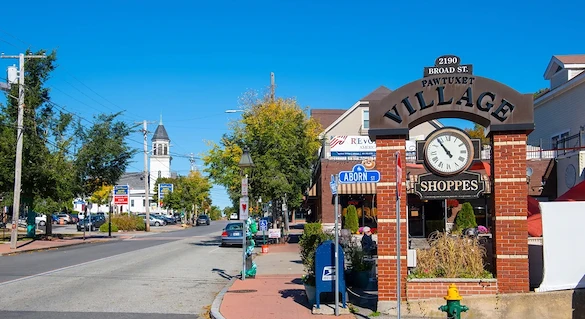
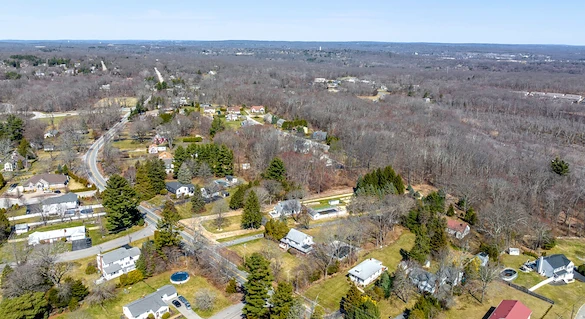
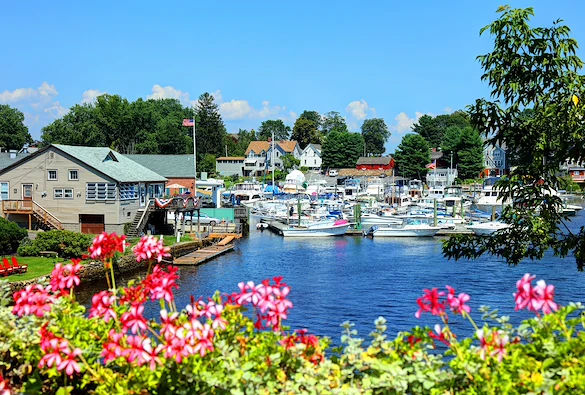
Top Cities for Senior Living and Care in Rhode Island




Assisted Living in Rhode Island
Assisted living in Rhode Island provides a supportive and comfortable environment for older adults who need help with daily activities but do not require the intensive medical care offered in a nursing home. These communities are designed to promote independence while ensuring residents receive assistance with tasks such as bathing, dressing, medication management, and meal preparation. In addition to personal care, many assisted living facilities in Rhode Island offer social engagement opportunities, transportation services, housekeeping, and wellness programs that support both physical and mental health.
Rhode Island regulates assisted living residences through the Department of Health, which ensures that each facility meets strict licensing requirements and maintains high standards of care. Facilities must undergo routine inspections and are required to offer core services such as emergency response systems, personal care assistance, medication administration, and social programming. This regulatory oversight helps families feel confident that their loved ones will receive safe, consistent, and compassionate care.
One unique feature of assisted living in Rhode Island is the wide variety of communities available to meet diverse needs and preferences. Options range from luxury communities offering gourmet dining, concierge services, and upscale amenities to more budget-friendly residences that provide essential support in a warm and homelike setting. There are also specialized memory care communities for seniors with Alzheimer’s or other forms of dementia, which offer secure environments, trained staff, and structured routines tailored to cognitive needs.
When evaluating assisted living options in Rhode Island, families should consider factors such as staff-to-resident ratio, the quality and variety of services, the facility’s location, and whether the environment feels like a good social and emotional fit. Touring multiple communities, reading inspection reports, and speaking with current residents or staff can provide valuable insight into the daily experience offered by each facility. For families navigating this important decision, Rhode Island’s combination of regulatory protections, care variety, and personalized service makes assisted living a safe and enriching choice for many older adults.
Top Assisted Living Communities in Rhode Island
View All Providers-
-
4.2Verified
Charlesgate Senior Living
100 Randall St. Providence, RI 02904
Independent LivingAssisted Living -
Cost of Assisted Living in Rhode Island
Several factors influence assisted living costs across Rhode Island. Location plays a central role, with coastal or urban areas like Portsmouth and Warwick commanding higher prices. The level of care required is another key driver. Memory care units, which include structured support for Alzheimer’s or dementia, often cost 20–30% more than standard assisted living. Amenities and services, such as private apartments, housekeeping, meals, wellness programs, and transportation, also significantly impact price.
For families managing affordability concerns, numerous financial assistance options are available. Rhode Island’s Medicaid program supports assisted living through its Global Consumer Choice Compact Waiver, which covers personal care, homemaker services, and adult day health care for eligible seniors. Income-eligible veterans and their spouses may qualify for Aid and Attendance pension benefits to help cover daily living support costs. Additional support might come via Supplemental Security Income, state pharmaceutical assistance, and local nonprofit or advocacy programs.
When comparing assisted living communities, families should inquire about what's included in the monthly fee—some communities charge flat rates covering care, meals, and amenities, while others use tiered pricing where care levels or add-on services add to the base cost. It’s also wise to tour facilities, review inspection reports, and understand factors like staffing levels and contract terms.
In summary, assisted living in Rhode Island carries a higher price tag than the national average, but with awareness of cost drivers and available aid programs, families can identify quality care that aligns with both needs and budget.
What to Know About Assisted Living in Rhode Island
Assisted living in Rhode Island typically costs $4,500–$6,500 per month, depending on location and care level.
Seniors must require assistance with activities of daily living (ADLs) but not need full-time skilled nursing care.
Rhode Island Medicaid may cover certain care services through waiver programs, but room and board are generally private pay.
Monthly costs generally range between $4,500 and $6,500, depending on amenities and care needs.
Independent Living in Rhode Island
Independent living in Rhode Island offers older adults the opportunity to enjoy a vibrant, maintenance-free lifestyle while maintaining their independence. Designed for seniors who are generally healthy and capable of living on their own, independent living communities provide convenience, comfort, and connection in a setting tailored to the needs of aging adults.
Residents in independent living communities typically live in private apartments or cottages, with services such as housekeeping, laundry, transportation, and meal options included. These communities also offer social programming, fitness activities, and on-site amenities like libraries, salons, and walking paths—allowing seniors to enjoy their retirement without the burdens of home maintenance. While medical care is not included, many communities are located near hospitals or can help residents coordinate outside care if needed.
Rhode Island is an appealing state for independent seniors thanks to its coastal beauty, manageable size, and strong sense of community. Cities like Providence, Warwick, and Newport offer retirement-friendly neighborhoods, cultural attractions, and access to healthcare facilities. Whether enjoying historic architecture in Providence, a scenic drive along the coast, or a local seafood festival, active seniors can find both relaxation and enrichment in the Ocean State.
Rhode Island’s temperate climate—with four distinct seasons and mild summers—adds to its appeal for those who enjoy nature or simply prefer seasonal variety. Parks, beaches, and bike trails provide easy access to outdoor recreation, while local libraries, theaters, and museums offer cultural engagement year-round. Seniors can also take advantage of community centers and wellness programs designed to support healthy, social aging.
For those researching retirement living options in Rhode Island, independent living communities range from budget-friendly apartment complexes to luxury resort-style developments. Families may want to consider factors like proximity to loved ones, transportation options, community size, and lifestyle amenities when evaluating the best fit.
Overall, independent living in Rhode Island provides a welcoming environment for seniors who want freedom, safety, and opportunities to connect with others—making it a popular choice for older adults seeking to enjoy their retirement years in comfort and community.
Top Independent Living Communities in Rhode Island
View All Providers-
4.2Verified
Charlesgate Senior Living
100 Randall St. Providence, RI 02904
Independent LivingAssisted Living -
-
4.6Verified
Wingate Residences on the East Side
1 Butler Ave Providence, RI 02906
Independent LivingAssisted LivingMemory CareRespite Care
Cost of Independent Living in Rhode Island
Several factors affect these price differences. Location is a major driver—urban coastal communities such as Providence or Newport tend to cost more. Community features and amenities also play a role: properties that include meals, housekeeping, fitness centers, transportation, and social activities tend to have higher fees. Housing type matters too: larger apartments or cottages command premium pricing.
Most independent living communities bundle the cost of housing, utilities, maintenance, meals, and access to shared amenities (like recreation areas and transportation). Additional fees may apply for services such as long-term care or scheduled personal assistance.
Affordability resources for seniors in Rhode Island include limited options, since traditional Medicaid does not cover independent living as a medical necessity. However, seniors may be eligible for Supplemental Security Income (SSI) or state-level supplements that can help with housing costs. Program eligibility varies by individual finances. Additionally, some retirement communities offer income-based or subsidized units, especially within local housing authority programs.
When evaluating independent living options, it’s important to visit multiple communities, compare what is included in monthly fees, and clarify any additional costs. Families should weigh proximity to healthcare, lifestyle fit, and financial resources to find a community that balances cost with the quality and independence an older adult wants.
What to Know About Independent Living in Rhode Island
Residents are typically 55+ or 62+ and must be able to manage daily activities without hands-on assistance.
A single senior often needs $3,000–$5,000+ per month, depending on housing and lifestyle.
Independent living does not provide medical or personal care services, requiring relocation if health declines.
Medicare does not cover independent living housing or custodial services.
Home Care in Rhode Island
Non-medical home care in Rhode Island plays a vital role in helping older adults age safely and comfortably in their own homes. This type of care focuses on supporting daily living rather than providing clinical or medical services. For seniors who do not require skilled nursing but need regular assistance, non-medical home care offers the ideal balance of independence and support.
Typical services include personal care—such as help with bathing, dressing, grooming, and toileting—as well as mobility support and medication reminders. Companionship care is another essential component, providing seniors with emotional support, conversation, and engagement in activities that reduce isolation. In addition, caregivers often assist with housekeeping tasks like meal preparation, laundry, light cleaning, and errands, ensuring a safe and comfortable living environment.
Rhode Island requires all non-medical home care agencies to be licensed through the Department of Health. Agencies must obtain a Certificate of Need before applying for licensure and are subject to regulations that ensure staff training, background checks, and ongoing oversight. While individual caregivers (such as private-hire aides) do not require licensing, families working through agencies can expect a higher standard of accountability, professionalism, and reliability.
Several factors affect the availability of non-medical home care across Rhode Island. Demand is high, particularly in urban areas like Providence, Warwick, and Cranston, which have larger senior populations and more home care providers. In more rural or coastal areas, families may face longer wait times or limited caregiver availability. The state’s aging population—particularly among residents aged 85 and older—continues to increase the need for in-home support.
Non-medical home care helps preserve seniors’ dignity, routines, and autonomy by allowing them to stay in familiar surroundings with personalized, compassionate support. Families looking for care in Rhode Island can find options ranging from part-time assistance a few hours per week to full-time, around-the-clock care. Choosing a licensed agency ensures services are delivered with consistency, professionalism, and adherence to state regulations, making non-medical home care a trusted option for aging in place.
Top Home Care in Rhode Island
View All Providers-
4.4Verified
Visiting Angels - East Providence
224 Taunton Ave East Providence, RI 02914
Home Care (Non-Medical) -
-

Cost of Home Care Non-Medical in Rhode Island
Prices can vary by region. In urban areas like Providence, Warwick, and Cranston, rates tend to align closely with the state average. In more rural or suburban parts of Rhode Island, rates may be slightly lower, but access to caregivers can be more limited due to fewer providers serving those areas. Several factors influence the overall cost of non-medical home care, including the number of hours needed, whether care is provided through an agency or an independent caregiver, and the level of support required. Agency-based care often costs more but includes services like caregiver vetting, supervision, liability coverage, and scheduling flexibility. Private caregivers may offer lower rates but often require families to manage employment and backup coverage themselves. In addition, specialized care needs—such as dementia support, fall prevention, or mobility assistance—may increase hourly rates due to the need for additional training or oversight.
Rhode Island families may have access to financial assistance to help offset these costs. The state’s Medicaid Long-Term Services and Supports (LTSS) program, including the Global Consumer Choice Compact Waiver, provides personal care assistance for eligible seniors who prefer to remain at home. The At HOME Cost Share Program also supports low- and moderate-income seniors with homemaker and personal care services based on income and need. Veterans and surviving spouses may qualify for Aid and Attendance benefits through the VA, and long-term care insurance can help cover in-home services if the policy was purchased before care is needed. These resources can help families find high-quality, affordable home care while honoring their loved one’s desire to age in place.
What to Know About Non Medical Home Care in Rhode Island
Family caregivers in Rhode Island can receive financial compensation through the RIte@Home program or Medicaid self-direction options like the Personal Choice Program.
Non-skilled home health services, also known as custodial care, provide essential assistance with activities of daily living (ADLs) such as meal preparation, light housekeeping, and personal grooming.
Rhode Island offers a full spectrum of home health care including skilled nursing, rehabilitative therapies, and non-medical companion care provided by licensed home nursing care agencies.
Yes, Rhode Island Medicaid covers both skilled and non-medical home health care services for eligible seniors through various Long-Term Services and Supports (LTSS) programs and home-based waivers.
Long-Term Care/Skilled Nursing in Rhode Island
Long-term care in skilled nursing facilities (SNFs) plays a critical role in supporting older adults and individuals with chronic medical needs in Rhode Island. These licensed facilities provide 24/7 nursing care, medical oversight, and daily assistance for residents who can no longer live independently. Services typically include medication management, wound care, IV therapy, and assistance with bathing, dressing, and mobility. Many facilities also offer on-site rehabilitative therapies—such as physical, occupational, and speech therapy—to help residents recover from surgery, illness, or injury.
Skilled nursing in Rhode Island also encompasses specialized services, such as memory care for residents with Alzheimer’s disease or other forms of dementia, as well as post-surgical recovery programs. Memory care units provide secure environments with structured routines, sensory-based activities, and staff trained in dementia care, helping promote safety and quality of life for residents experiencing cognitive decline.
Rhode Island’s Department of Health oversees licensing and quality standards for all nursing homes in the state. Facilities must meet specific staffing requirements, infection control measures, and resident care protocols. Unannounced inspections, public reporting, and compliance reviews are conducted regularly to help ensure that communities meet both state and federal guidelines. As of 2025, Rhode Island law allows residents or their legal representatives to consent to electronic monitoring in their rooms—adding an extra layer of transparency and peace of mind for families.
To evaluate the best skilled nursing options, families are encouraged to review inspection reports, health department quality ratings, and resident satisfaction scores. Touring facilities, asking about staff-to-resident ratios, therapy services, and safety practices can offer deeper insight into day-to-day operations. Highly rated nursing homes in Rhode Island, such as Briarcliffe Manor, Cherry Hill Manor, and Tockwotton on the Waterfront, have been recognized for strong performance in staffing, outcomes, and resident care.
Whether your loved one needs long-term medical care, memory support, or rehabilitative services, skilled nursing facilities in Rhode Island offer a range of services in a regulated, medically supportive environment. Families can use tools like Senior Care Finder to compare options and make informed decisions that align with their care goals and preferences.
Top Long-Term Care/Skilled Nursing in Rhode Island
View All Providers-
4.0Verified
Steere House Nursing And Rehabilitation Center
100 Borden Street Providence, RI 02903
Long-Term Care / Skilled NursingSkilled Rehabilitation -
3.0Verified
Elmwood Nursing And Rehabilitation Center
225 Elmwood Avenue Providence, RI 02907
Long-Term Care / Skilled NursingSkilled Rehabilitation -
1.0Verified
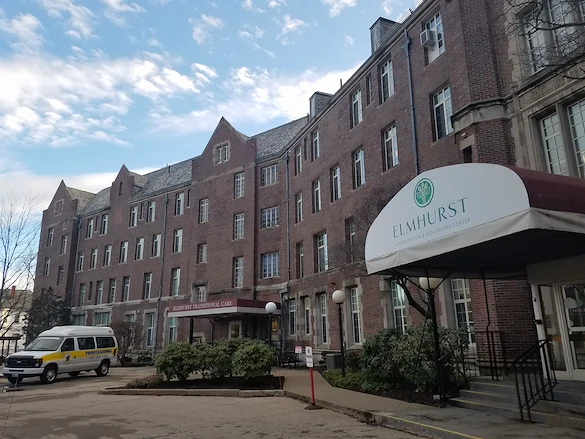
Elmhurst Rehab & Healthcare
50 Maude Street Providence, RI 02908
Long-Term Care / Skilled NursingSkilled Rehabilitation

Cost of Nursing Homes in Rhode Island
Several factors drive skilled nursing care pricing in Rhode Island. The level of medical care needed significantly affects cost. Residents requiring memory care, post-surgical rehabilitation, or management of chronic conditions typically pay higher rates. A facility’s reputation and quality ratings also impact pricing: highly rated nursing homes often command premium pricing. Amenities like private rooms, on-site therapy programs, fine dining, and structured activity schedules further influence rates.
Families should also weigh staffing and quality standards—Rhode Island nursing homes must comply with regulations from the Rhode Island Department of Health, including minimum staffing levels and regular inspections. Facilities with lower staff turnover and better quality outcomes may charge more, but offer improved care reliability.
Financial assistance options can help offset these high costs. Medicare covers skilled nursing care temporarily—up to 100 days following a qualifying hospital stay. Medicaid long‑term care programs in Rhode Island, such as LTSS under state Medicaid, provide full coverage for long-term stays for eligible low-income seniors. Residents may be placed in shared rooms, but some states allow supplemental family-funded upgrades to private rooms. Long‑term care insurance, if purchased beforehand, might also help cover skilled nursing costs. Additionally, Veterans and surviving spouses could qualify for the Aid and Attendance benefit to support care needs.
When evaluating skilled nursing homes, families should review state inspection ratings, compare staff ratios and therapy services, and tour multiple facilities. Tools like Senior Care Finder can help families compare options, ensuring they find a nursing home that balances cost, medical support, and quality care for their loved one.
What to Know About Nursing Homes in Rhode Island
“Best” varies by individual needs. Families should review Medicare star ratings, state inspection reports, and staffing ratios.
Medicare only covers short-term skilled nursing care following a qualifying hospital stay.
Nursing home care averages $9,000–$12,000 per month, depending on room type and facility.
Social Security benefits may help cover costs but do not directly pay nursing home facilities.
Finding the Right Senior Care in Rhode Island
Navigating senior living and care options in Rhode Island can feel overwhelming, but having the right information makes all the difference. Whether you're researching assisted living, exploring independent living communities, comparing home care services, or planning for long-term skilled nursing, Rhode Island offers a wide range of choices designed to support comfort, safety, and quality of life.
From affordable care options to luxury communities, rural towns to major metro hubs, families can find solutions that meet both personal needs and financial goals. With strong healthcare systems, state oversight, and numerous financial assistance programs, Rhode Island continues to be a trusted place for seniors seeking support and connection.
As you begin the search, remember that every senior needs are unique—use this guide as a starting point, and explore local providers, community reviews, and available resources to make the most informed decision possible.
Below are answers to the most common questions families ask when researching senior living and senior care in Rhode Island.
Frequently Asked Questions About Senior Living in Rhode Island
Aging in place with limited home care or qualifying for income-based senior housing is often the most affordable option.
Rhode Island offers coastal living, strong healthcare systems, and cultural amenities, though living costs are higher than the national average.
No. Medicare does not cover assisted living housing or custodial care.
Generally, age 60 or 65 is considered senior status for most programs.
Frequently Asked Questions About Senior Care in Rhode Island
Compensation varies by program but often aligns with state Medicaid reimbursement rates for personal care services.
Home care in Rhode Island typically costs $25–$32 per hour.
The Senior Companion Program provides volunteers who offer companionship and assistance to older adults with limited support.
Assistance with activities of daily living (ADLs) is the most requested service.