
Senior Living Facts for New Jersey
New Jersey offers a welcoming blend of comfort, convenience, and care, making it an ideal place for seniors and their families to call home. Nestled between the bustling cities of New York and Philadelphia, the Garden State combines access to world-class amenities with the charm of tight-knit communities and picturesque coastal and suburban living. For older adults seeking a retirement destination that balances lifestyle and care, New Jersey provides a rich mix of senior-friendly housing, healthcare excellence, and recreational opportunities—all within a relatively compact and easily navigable state.
Fast Facts
Senior Living & Care in New Jersey
| #11 | most populated state in the U.S. |
| $6,400 | average monthly assisted living cost in New Jersey |
| 2,500+ | assisted living communities and care providers across New Jersey |
| 1.7M+ | individuals age 65+in New Jersey |
The state’s four-season climate features crisp autumns, mild springs, warm summers, and scenic winters, making it perfect for those who enjoy changing seasons and outdoor activities. From the sandy shores of the Jersey Shore to the serene trails of the Watchung Mountains and the Delaware Water Gap, New Jersey is full of natural beauty and outdoor escapes. Access to parks, beaches, and walking trails makes it easy for active seniors to stay physically and socially engaged year-round.
New Jersey also shines when it comes to healthcare, with access to nationally recognized hospitals and specialty care centers, such as Hackensack Meridian Health and RWJBarnabas Health. Whether seniors need routine wellness checkups, chronic disease management, or memory care services, families can feel confident in the level of care available across the state.
In terms of lifestyle, New Jersey boasts a strong sense of community, especially in its senior-friendly towns like Toms River, Princeton, and Cherry Hill. Many of these areas offer age-restricted communities, independent living options, and assisted living facilities tailored to the needs of older adults. Local resources, such as New Jersey’s Aging & Disability Resource Connection (ADRC), provide families with access to support services, care coordination, and information about long-term care planning.
While the cost of living in New Jersey is slightly higher than the national average, many families find that the state’s proximity to major metropolitan areas, robust public transportation, and diverse housing options make it a worthwhile investment. Add to that an abundance of cultural activities, from historical sites to art museums and live theater, and it’s easy to see why New Jersey is a top choice for seniors who want to enjoy their retirement in a dynamic, supportive environment.
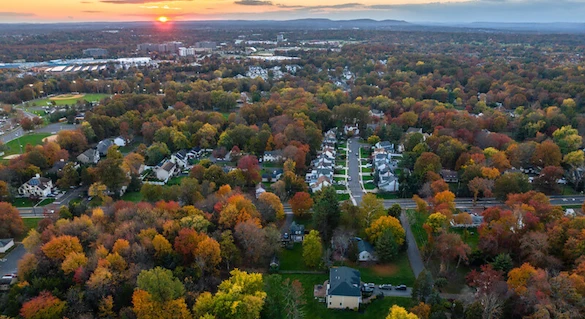
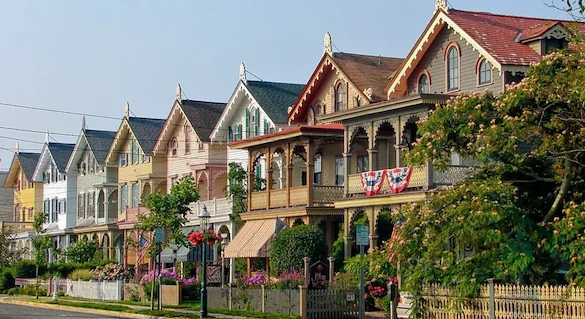
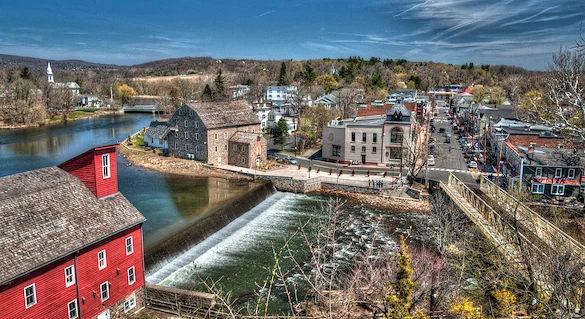
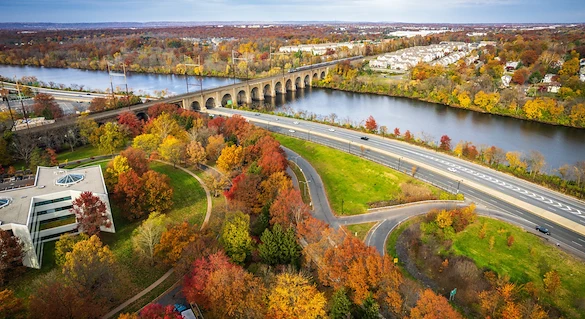
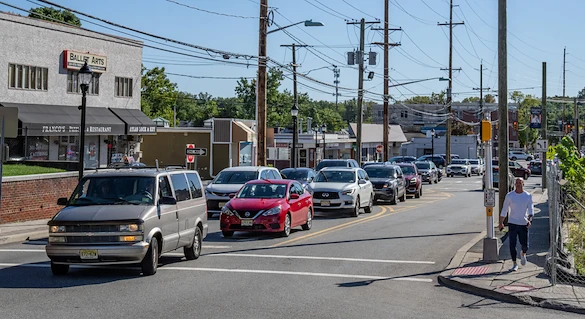
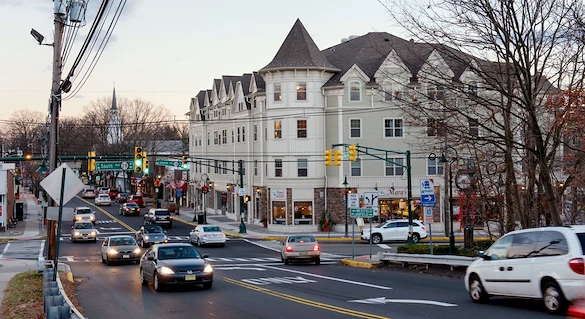
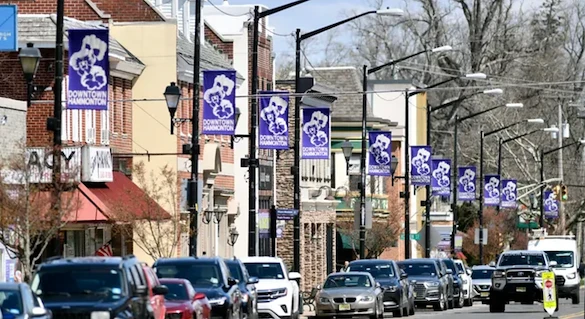
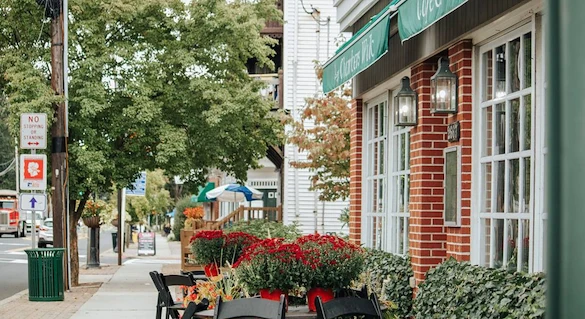
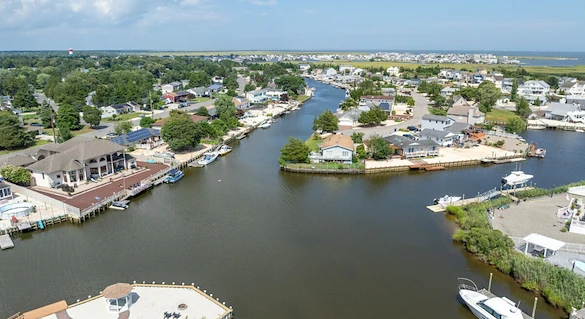
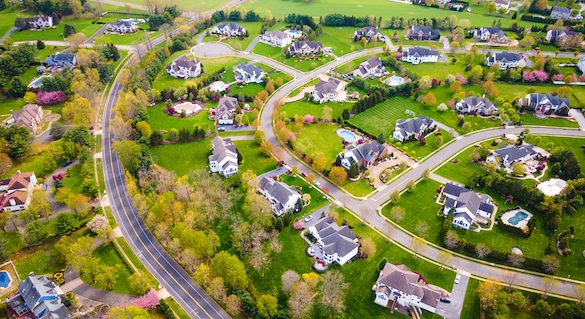
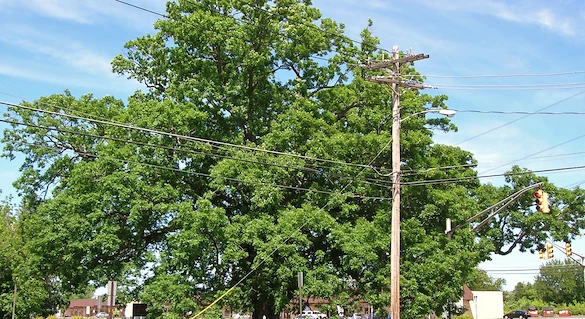
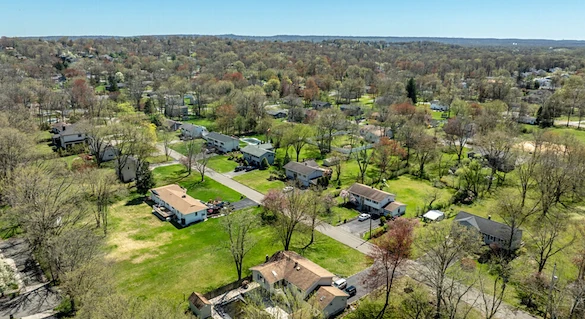
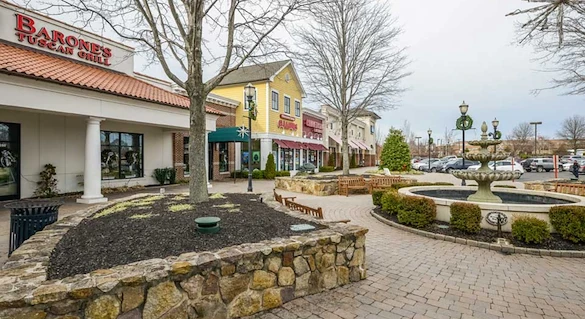
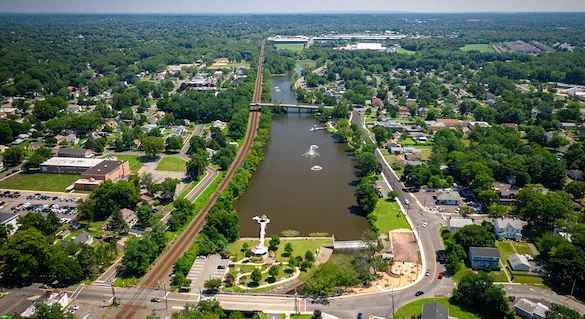
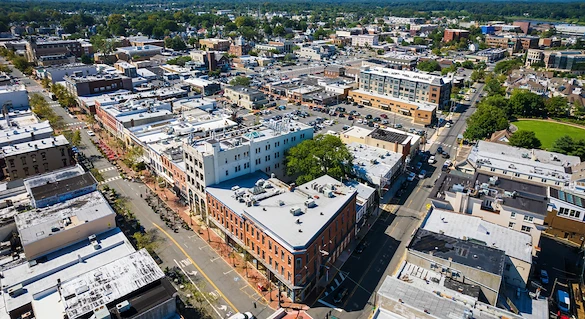
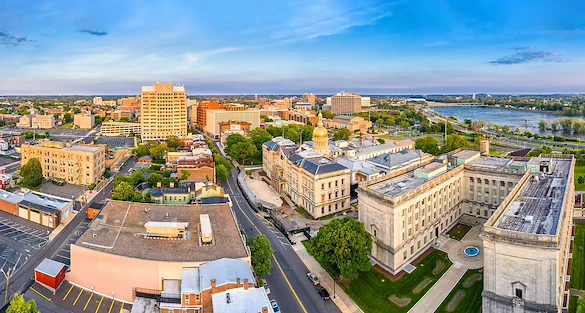
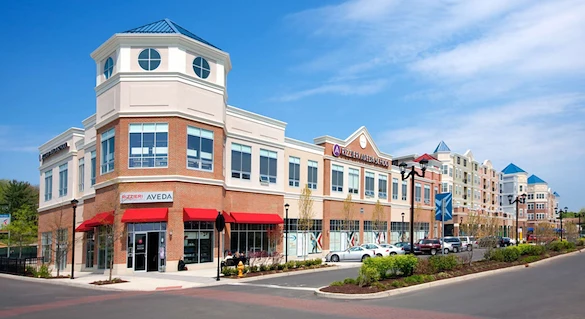
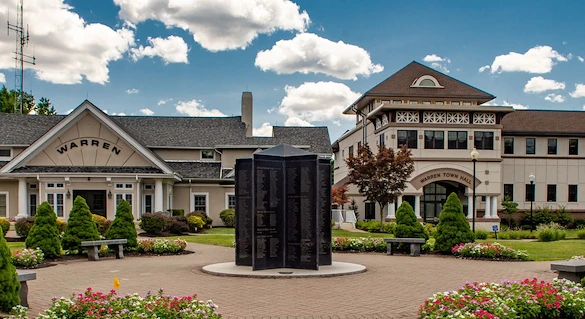
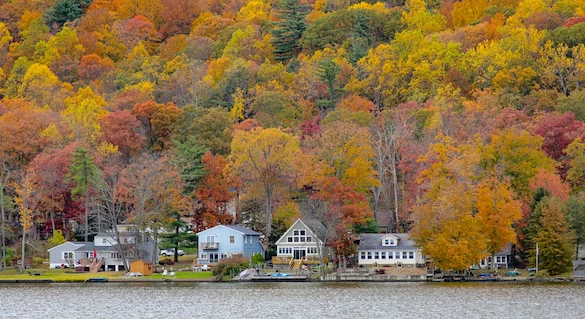
Top Cities for Senior Living and Care in New Jersey
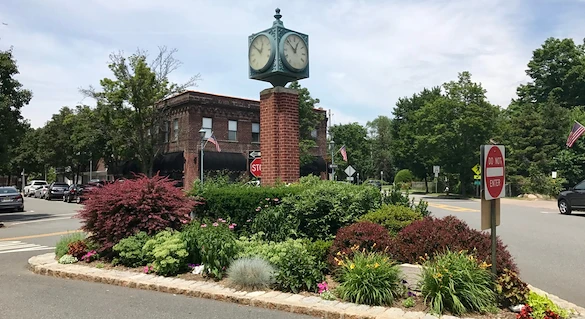

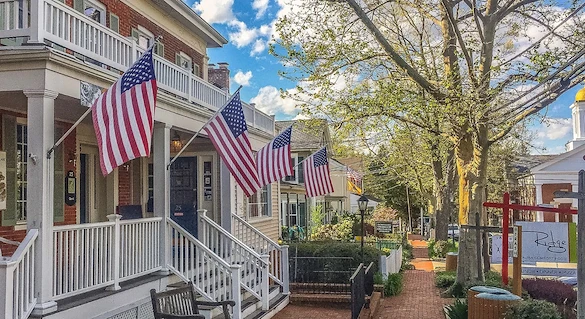
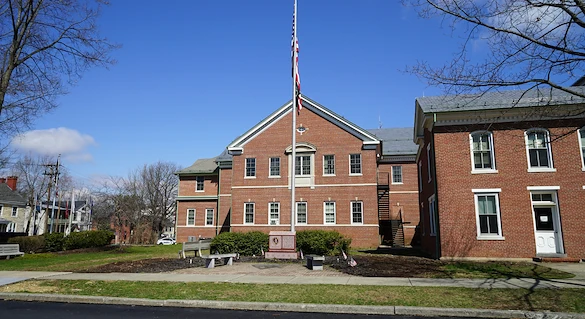
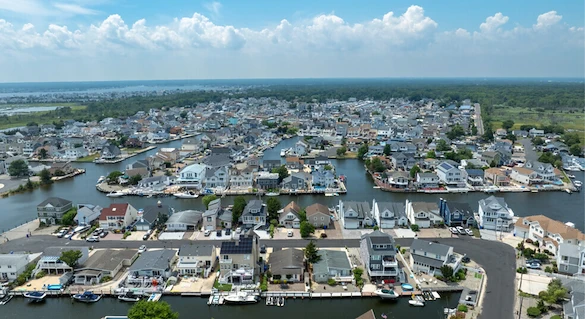







Assisted Living in New Jersey
Assisted living in New Jersey offers older adults a supportive, community-based lifestyle that bridges the gap between independent living and skilled nursing care. These communities are designed for seniors who need help with daily tasks like bathing, dressing, medication reminders, and mobility assistance but do not require full-time medical care. Assisted living promotes independence while offering peace of mind to families, knowing their loved ones are receiving personalized support in a secure and engaging environment.
New Jersey assisted living residences provide a wide range of services, including three daily meals, housekeeping, transportation, and access to social and recreational activities. Many communities also offer wellness programs, on-site healthcare coordination, and memory care services for residents with Alzheimer's or other forms of dementia. Residents typically live in private or semi-private apartments, allowing them to maintain a sense of independence and privacy while benefiting from 24-hour staff support.
The state regulates assisted living through the New Jersey Department of Health, which licenses communities as Assisted Living Residences (ALRs) or Comprehensive Personal Care Homes (CPCHs). These facilities must meet strict staffing, safety, and care standards, including emergency preparedness and individualized service plans. Facilities are also required to undergo regular inspections, and families can review reports to assess a community's quality of care.
New Jersey offers a variety of assisted living options to fit different needs and budgets. Luxury communities may include upscale dining, concierge services, fitness centers, and spa amenities, while more affordable communities provide essential services in comfortable, home-like settings. Memory care-focused communities offer secure environments and specially trained staff to support residents with cognitive impairments.
When evaluating assisted living options in New Jersey, families should consider the level of care required, monthly costs, staff-to-resident ratios, and community culture. Touring facilities, reviewing inspection reports, and speaking with residents or staff can provide valuable insights. With its diverse range of communities, strong regulatory framework, and access to top-tier healthcare providers, New Jersey offers a safe and supportive environment for seniors who want to thrive in their later years.
Top Assisted Living Communities in New Jersey
View All Providers-
-
4.9Premium
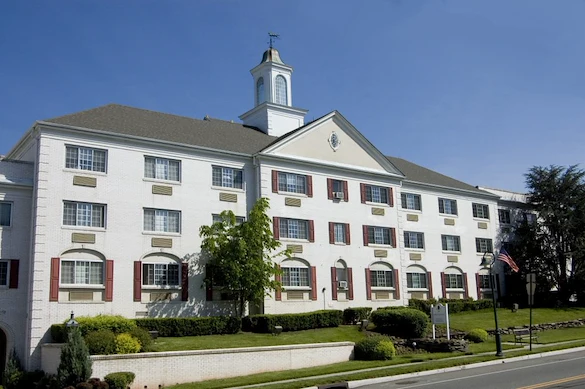
Arden Courts at West Orange
510 Prospect Avenue West Orange, NJ 07052
Assisted LivingMemory CareRespite Care -
-
4.4Premium
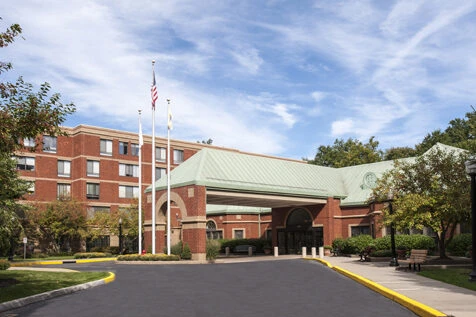
Mira Vie at Fanwood
295 South Ave Fanwood, NJ 07023
Independent LivingAssisted LivingMemory Care -
4.4Premium
The Pointe at Teaneck Senior Living
655 Pomander Walk Teaneck, NJ 07666
Independent LivingAssisted Living -
4.9Premium
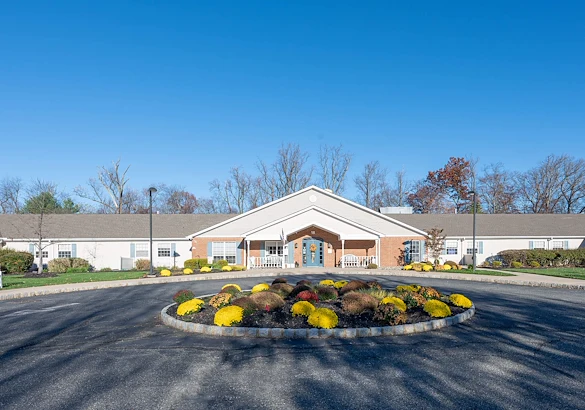
Arden Courts at Whippany
18 Eden Lane Whippany, NJ 07981
Assisted LivingMemory CareRespite Care -
4.4Premium
Mira Vie at Montville
165 Changebridge Rd Montville, NJ 07045
Assisted LivingMemory CareRespite Care -
4.6Premium
Arden Courts at Wayne
800 Hamburg Turnpike Wayne, NJ 07470
Assisted LivingMemory CareRespite Care -
4.8Premium
RiverSpring Residences Assisted Living
5901 Palisades Avenue Bronx, NY 10471
Assisted LivingMemory Care -
-
4.6Premium
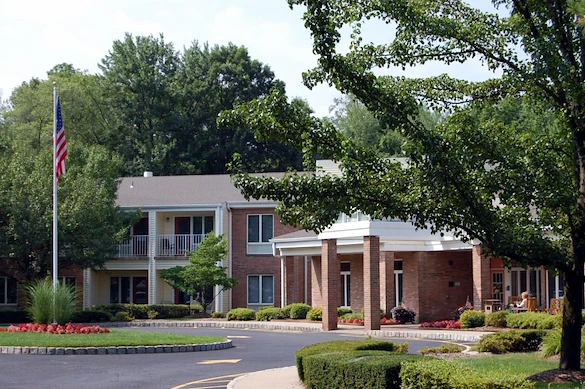
Allegro Harrington Park
200 Old Hook Road Harrington Park, NJ 07640
Independent LivingAssisted LivingMemory CareRespite Care

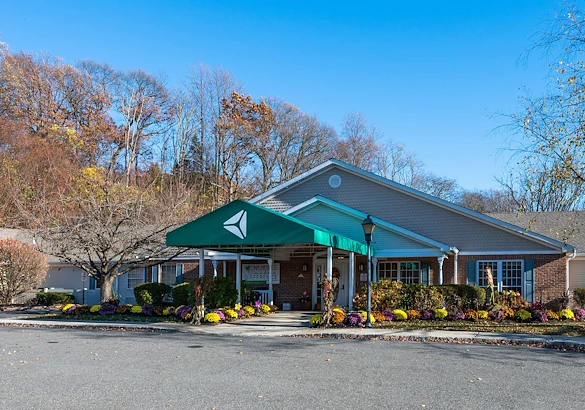
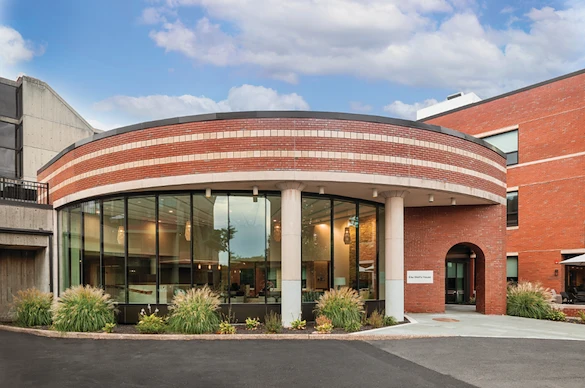
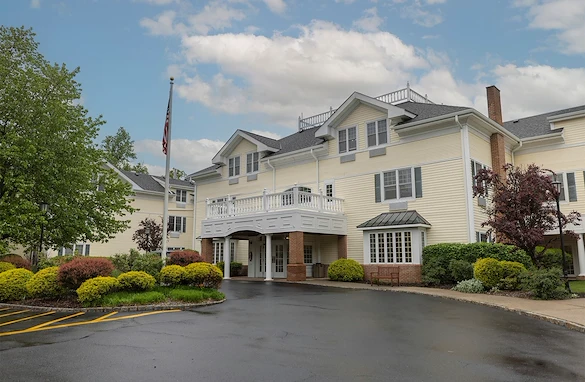
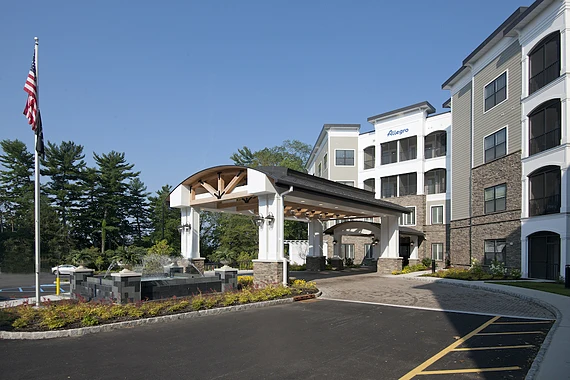
Cost of Assisted Living in New Jersey
Several key elements contribute to the overall cost of assisted living in New Jersey. Communities that offer more extensive amenities and lifestyle features—like fitness centers, chef-prepared meals, cultural programming, and concierge services—tend to charge higher rates. The level of care required is also a significant factor. Residents who need memory care or specialized support for conditions such as Alzheimer’s disease typically pay more because these services require specially trained staff and more intensive supervision. In addition, the type of apartment can influence pricing—larger floor plans or private accommodations with kitchenettes and en-suite bathrooms cost more than standard shared rooms.
Families in New Jersey have several options to help manage the cost of assisted living. Medicaid waivers, such as the Aged, Blind & Disabled (ABD) Long-Term Care Waiver and Section 1115 Demonstration Waivers, can help eligible residents cover part or all of their care expenses. Veterans and surviving spouses may also qualify for the VA Aid and Attendance benefit, which provides monthly financial support. In some cases, long-term care insurance policies can offset expenses, depending on plan coverage. Additionally, some communities offer tiered pricing models or Continuing Care Retirement Communities (CCRCs) that allow residents to pay an entrance fee and lock in lower monthly rates over time.
What to Know About Assisted Living in New Jersey
Assisted living in New Jersey averages $6,500–$8,000 per month, depending on location and level of care.
No. Medicare does not pay for assisted living, including room, board, or personal care services.
New Jersey Medicaid (MLTSS) may cover care services in assisted living for eligible seniors, but room and board are usually paid privately.
Assisted living is generally less expensive than a nursing home because nursing homes provide 24/7 skilled medical care.
Independent Living in New Jersey
Independent living is a great option for older adults in New Jersey who are looking for a low-maintenance, socially engaging lifestyle without the responsibilities of homeownership. Designed for seniors who are generally active and don’t require daily medical care, independent living communities provide private or semi-private residences—such as apartments, condos, or cottages—along with convenient services that make life easier and more enjoyable.
Residents of independent living communities benefit from maintenance-free living, with housekeeping, landscaping, and repair services typically included. Many communities also offer meal plans, laundry services, and scheduled transportation, giving seniors more time to focus on what they enjoy. Social connection is a key advantage—many communities offer enrichment activities, hobby clubs, exercise classes, cultural outings, and wellness programs to help residents stay engaged and active. Onsite amenities may include fitness centers, libraries, salons, and communal dining areas.
New Jersey offers a wide variety of independent living options throughout the state. Coastal towns like Cape May and Toms River appeal to retirees seeking scenic views, walkable communities, and access to beaches. For those looking for an urban lifestyle with cultural amenities, Hoboken, Princeton, and areas around Jersey City provide access to theaters, museums, shopping, and top-rated restaurants. Meanwhile, towns like Morristown, Cherry Hill, and Montclair strike a balance between suburban tranquility and convenient access to healthcare and recreation.
The climate in New Jersey is another benefit for active seniors. With four distinct seasons, residents can enjoy spring gardens, summer boardwalks, fall foliage, and mild winters compared to many northeastern states. For seniors who enjoy nature and outdoor activities, the state offers access to hiking trails, state parks, and beautiful coastal areas.
Overall, independent living in New Jersey provides a balance of freedom, comfort, and connection. With options ranging from luxury communities to more budget-friendly residences, it’s a flexible solution for older adults who want to simplify their daily lives while staying active and involved. Whether you’re drawn to the shore, the suburbs, or the city, New Jersey offers vibrant communities that support senior well-being and independence.
Top Independent Living Communities in New Jersey
View All Providers-
4.4Premium
Mira Vie at Fanwood
295 South Ave Fanwood, NJ 07023
Independent LivingAssisted LivingMemory Care -
4.4Premium
The Pointe at Teaneck Senior Living
655 Pomander Walk Teaneck, NJ 07666
Independent LivingAssisted Living -
4.6Premium
Allegro Harrington Park
200 Old Hook Road Harrington Park, NJ 07640
Independent LivingAssisted LivingMemory CareRespite Care
Cost of Independent Living in New Jersey
Monthly fees typically cover housing, housekeeping, utilities, and access to community amenities such as fitness centers, dining rooms, and social activities. However, some additional services—like transportation, personal care, or specialized wellness programs—may come with extra charges depending on the community’s offerings and level of service.
Several factors contribute to cost variations across independent living communities. Location plays a key role; communities situated in urban areas or near major metropolitan centers often have higher costs due to increased demand and proximity to amenities like hospitals, shopping, and cultural venues. Amenities and services also influence pricing—communities offering upscale features such as gourmet dining, concierge services, and extensive recreational programs generally charge higher fees. Additionally, apartment size and layout matter; larger apartments or units with premium features like private balconies, upgraded kitchens, or more spacious floor plans tend to have increased monthly costs.
For eligible seniors, several financial assistance programs can help offset costs. New Jersey’s Medicaid program may provide assistance to low-income seniors, though eligibility requirements and coverage can vary, so it’s important to review program specifics. Veterans and their spouses may qualify for the Aid and Attendance benefit, which can supplement the cost of independent living by covering some daily care expenses. Additionally, some long-term care insurance policies may cover independent living expenses, depending on the terms of the individual policy.
Families are encouraged to consult with financial advisors or elder care specialists to explore all available financial assistance options and develop a plan that fits their loved one’s needs and budget.
What to Know About Independent Living in New Jersey
Independent living typically costs $3,500–$5,500 per month, depending on location and amenities.
Residents must typically be 55+ or 62+ and able to live safely without daily personal care assistance.
A 55+ community is typically age-restricted housing that may offer a senior-friendly environment but does not necessarily include services like meals, housekeeping, or planned activities.
Independent living is a type of senior living community that often includes lifestyle services such as maintenance, dining options, social programming, and transportation, designed specifically for older adults who want convenience and community.
Under federal housing law, at least 80% of units must have one resident age 55+, while up to 20% may be occupied by younger residents.
Independent living does not include hands-on personal or medical care, meaning seniors may need to move if health needs increase.
Home Care in New Jersey
Non-medical home care is a vital support service that allows seniors to age in place safely and comfortably. Unlike skilled nursing or medical care, non-medical home care focuses on helping individuals with daily living activities and providing companionship to reduce isolation. For older adults in New Jersey who want to remain at home but need some help managing routine tasks, this type of care can be life-enhancing and empowering.
Common non-medical home care services include personal care—such as assistance with bathing, grooming, dressing, and toileting—as well as mobility support and medication reminders. Caregivers also provide companionship, helping to reduce loneliness by offering conversation, emotional support, and shared activities. Household assistance is another core component of care, including help with meal preparation, laundry, light housekeeping, and errands like grocery shopping or attending appointments.
In New Jersey, non-medical home care agencies must be licensed as Health Care Service Firms (HCSFs) by the New Jersey Division of Consumer Affairs. These agencies are required to employ a registered nurse (RN) to supervise care and ensure compliance with regulations. All caregivers must undergo background checks and meet training requirements, especially for tasks like personal care. The state also mandates regular oversight and continuing education to maintain quality and safety in home care services.
Several unique factors influence the availability of non-medical home care in New Jersey. The state’s high population density and large senior population drive demand, especially in suburban and urban areas. However, caregiver shortages and rising labor costs can impact staffing levels and service availability in some regions. Additionally, seniors with Medicaid may be eligible for assistance through New Jersey’s Managed Long Term Services and Supports (MLTSS) program, which helps cover the cost of in-home care for those who qualify financially and medically.
For families seeking dependable, compassionate care that allows their loved ones to live independently and with dignity, non-medical home care in New Jersey offers an essential solution. With the right support in place, aging adults can enjoy a higher quality of life in the comfort of their own homes.
Top Home Care in New Jersey
View All Providers-
5.0
Griswold Home Care for Essex County
111 South Orange Avenue South Orange, NJ 07079
Home Care (Non-Medical) -
4.9Verified
BAYADA - Elizabeth
100 Jefferson AvenueSuite 302 Elizabeth, NJ 07201
Home Care (Non-Medical) -
5.0Verified
Always Best Care of West Orange
111 Northfield Ave, Suite 204-A West Orange, NJ 07052
Home Care (Non-Medical)


Cost of Home Care Non-Medical in New Jersey
Regional variations play a significant role in determining hourly rates. In northern New Jersey cities like Newark and Jersey City—closer to the New York metro area—rates often range from $33 to $38 per hour. In contrast, more rural areas and towns in southern New Jersey, such as Vineland or Cape May, may see lower hourly rates averaging $21 to $26. The total monthly cost depends largely on the number of care hours needed. Seniors who only require part-time support may pay between $2,000 and $3,000 monthly, while those needing daily or full-time assistance may incur monthly costs upwards of $7,000.
Another factor influencing cost is whether families choose to hire through a licensed agency or directly employ an independent caregiver. Agencies typically charge more—between $35 and $45 per hour—due to the added benefits of caregiver vetting, scheduling, supervision, liability coverage, and access to backup staff. Private caregivers may charge between $22 and $30 per hour, but families take on more responsibility for background checks, payroll, and coverage in case of caregiver absence.
Fortunately, financial assistance is available for eligible seniors. New Jersey Medicaid offers coverage through the Managed Long Term Services and Supports (MLTSS) program, which may help cover personal care, housekeeping, and other in-home supports. Additional state-funded programs, such as the Jersey Assistance for Community Caregiving (JACC) and Statewide Respite Care Program, are also available to qualifying individuals. Long-term care insurance is another important option for offsetting home care expenses, depending on the policy's coverage terms. Understanding these cost factors and support programs helps families make informed decisions that align with both care needs and budget.
What to Know About Non Medical Home Care in New Jersey
Through New Jersey Medicaid’s self-directed programs, eligible family caregivers may earn approximately $15–$20 per hour, depending on program guidelines.
Home care in New Jersey averages $30–$38 per hour, among the highest rates nationally.
Non-medical home care provides daily living assistance, while home health care provides skilled medical services ordered by a physician.
A full 8-hour day of home health aide services in NJ may cost $240–$320 per day, depending on agency rates.
Long-Term Care/Skilled Nursing in New Jersey
Long-term care in skilled nursing facilities in New Jersey provides around-the-clock medical supervision, personal care, and rehabilitation services for seniors with chronic health conditions or complex medical needs. These facilities offer a higher level of care than assisted living communities and are designed for individuals who require continuous nursing oversight and assistance with daily activities such as bathing, dressing, mobility, and medication management. Many skilled nursing facilities in New Jersey also provide specialized services, including memory care for residents with Alzheimer’s or dementia, post-surgical recovery, and rehabilitation therapies such as physical, occupational, and speech therapy.
Skilled nursing facilities in New Jersey are licensed and regulated by the New Jersey Department of Health (NJDOH), which ensures compliance with state and federal standards related to staffing, infection control, safety, and quality of care. Facilities are subject to regular inspections and must meet rigorous criteria to maintain their licenses and certification for Medicare and Medicaid reimbursement. In addition, New Jersey’s Nursing Home Quality Initiative publishes detailed performance data online, giving families a transparent way to compare care quality across providers.
When evaluating nursing home options, families should consider a facility’s staffing ratios, resident satisfaction, cleanliness, and specialized services. Visiting in person, if possible, is key—speak with staff and observe interactions between caregivers and residents. Families can also use resources like Medicare’s Care Compare tool and the NJDOH’s Nursing Home Report Card to access inspection reports, quality ratings, and complaint histories. Prioritizing facilities with consistently high ratings in health inspections, staffing, and resident outcomes can help ensure a safer, more supportive environment for a loved one.
The availability of long-term skilled nursing care varies by region in New Jersey. Urban areas like Newark, Trenton, and Jersey City typically offer a wider range of options, including facilities affiliated with hospitals and health systems. In more rural parts of the state, nursing home availability may be more limited, so families should plan ahead and consider location, level of care needed, and whether a facility can provide continuity of care as health needs change. By understanding these factors, families can make informed decisions about long-term skilled nursing care in New Jersey.
Top Long-Term Care/Skilled Nursing in New Jersey
View All Providers-
2.0Verified
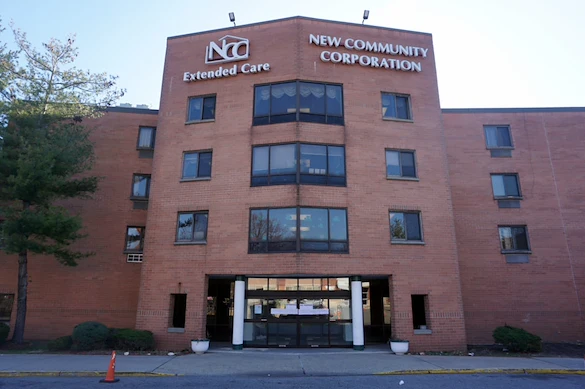
New Community Extended Care
266 S Orange Ave Newark, NJ 07103
Long-Term Care / Skilled NursingSkilled Rehabilitation -
4.0Verified
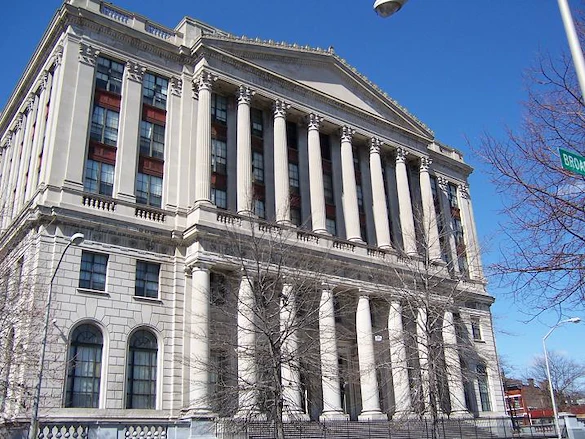
Broadway House For Continuing Care
298 Broadway Newark, NJ 07104
Long-Term Care / Skilled NursingSkilled Rehabilitation -
2.0Verified
Alaris Health at Kearny
206 Bergen Ave Kearny, NJ 07032
Long-Term Care / Skilled NursingSkilled Rehabilitation
Cost of Nursing Homes in New Jersey
Pricing can also vary by region within the state. For example, skilled nursing facilities in central New Jersey, such as those near Princeton or Trenton, often report some of the highest costs, with private rooms exceeding $14,000 per month. In contrast, southern New Jersey, including areas like Vineland or Atlantic City, may offer more affordable options, with private room rates closer to $10,500 per month. Other variables influencing price include the level of medical care required, facility reputation, staff-to-resident ratios, and available amenities such as rehabilitation gyms, private suites, or memory care programs.
Families often look to financial assistance programs to manage these high costs. Medicare may cover up to 100 days of skilled nursing care following a qualifying hospital stay, but it does not fund long-term custodial care. Medicaid, through New Jersey’s Managed Long-Term Services and Supports (MLTSS) program, provides funding for those who meet income and asset eligibility requirements. Individuals may be able to retain certain assets, like a home or vehicle, while still qualifying for coverage. Some residents also use long-term care insurance to help offset monthly costs, though these policies vary in benefits and eligibility. Additionally, the state offers support programs for veterans and low-income seniors, which can supplement care costs in approved facilities.
Understanding regional pricing and available assistance options is critical for families navigating long-term care planning. With proper preparation, it’s possible to find a skilled nursing facility in New Jersey that balances high-quality care with financial sustainability.
What to Know About Nursing Homes in New Jersey
Nursing home care in New Jersey averages $11,000–$13,000 per month, with private rooms costing more.
Yes. NJ Medicaid covers nursing home care for eligible seniors who meet financial and medical requirements.
The daily cost typically ranges from $350 to $450 per day, depending on room type and facility.
Payment options include private funds, long-term care insurance, Veterans benefits, and Medicaid once eligibility criteria are met.
Finding the Right Senior Care in New Jersey
New Jersey offers a wide range of senior living and care options, including independent living, assisted living, in-home care, memory care, and skilled nursing facilities. While senior care costs in New Jersey are higher than the national average, the state provides strong healthcare access, robust Medicaid programs, and comprehensive senior support services. By understanding care costs, financial assistance options, and licensing standards, families can confidently choose high-quality senior care in New Jersey that promotes safety, independence, and long-term peace of mind.
Frequently Asked Questions About Senior Living in New Jersey
Eligibility usually requires being 55+ or 62+, with income limits applying for subsidized housing.
Senior housing typically ranges from $1,800–$3,500 per month, depending on location and income qualification.
New Jersey offers strong healthcare access and services but has higher living costs and property taxes compared to many states.
The most affordable option is often aging in place with part-time home care, subsidized senior housing, or living with family.
Frequently Asked Questions About Senior Care in New Jersey
Programs include NJ FamilyCare (Medicaid), MLTSS, pharmaceutical assistance programs, housing aid, transportation services, and county aging services.
Senior care in NJ averages $30–$40 per hour, depending on care type.
New Jersey periodically offers property tax relief and senior assistance benefits, which may include up to $3,000 in property tax relief credits for eligible seniors through state programs such as ANCHOR and other relief initiatives.