
Senior Living Facts for Massachusetts
Massachusetts offers a unique blend of history, culture, and natural beauty that makes it an attractive place for seniors and their families seeking quality living and care. Known for its four distinct seasons, the state provides a comfortable climate that allows older adults to enjoy a variety of outdoor activities year-round, from vibrant fall foliage to refreshing coastal breezes in the summer. This seasonal variety encourages an active lifestyle, with many communities offering walking trails, parks, and senior-friendly recreational programs.
Fast Facts
Senior Living & Care in Massachusetts
The lifestyle in Massachusetts balances vibrant urban centers with charming suburban and rural areas, giving seniors plenty of choices based on their preferences. Cities like Boston, Worcester, and Springfield provide rich cultural experiences, including museums, theaters, and historical landmarks, perfect for seniors who enjoy the arts and social engagement. At the same time, smaller towns offer a quieter pace and tight-knit communities that are welcoming to older adults.
The cost of living in Massachusetts is higher than the national average, particularly in metropolitan areas. However, many seniors find the trade-off worthwhile due to the state’s top-tier healthcare options. Massachusetts is home to some of the best hospitals and medical centers in the country, including renowned facilities like Massachusetts General Hospital and Boston Medical Center. Access to quality healthcare is a crucial factor for seniors, and the state’s extensive network of providers ensures comprehensive care options ranging from primary care to specialized geriatric services.
The overall quality of life in Massachusetts is enhanced by its commitment to senior-friendly initiatives. Many communities feature age-friendly housing, accessible public transportation, and senior centers offering social, educational, and wellness programs. Programs focused on aging in place allow older adults to remain independent longer, supported by services like in-home care and community-based resources.
Nature lovers will appreciate Massachusetts’ abundant green spaces, coastal access, and scenic spots such as Cape Cod and the Berkshires, perfect for day trips and outdoor exploration. Whether seeking vibrant city life, peaceful countryside, or coastal charm, seniors and their families find Massachusetts a state rich in opportunities for connection, care, and fulfillment.
If you’re considering senior care in Massachusetts, this state’s blend of cultural vibrancy, healthcare excellence, and supportive communities makes it a compelling choice for aging well.
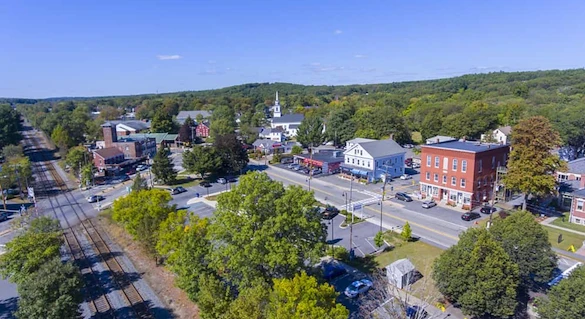
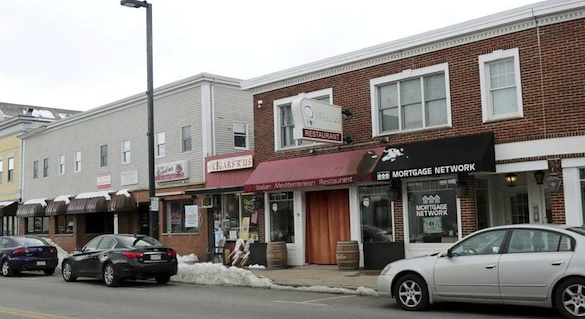
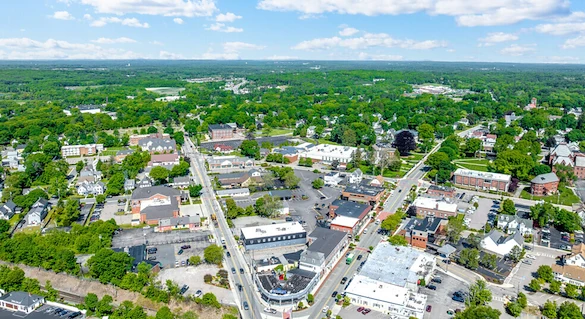
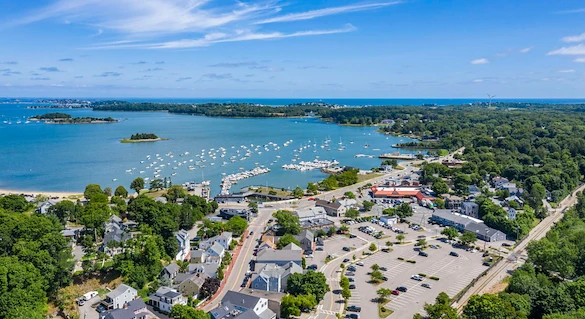
Top Cities for Senior Living and Care in Massachusetts










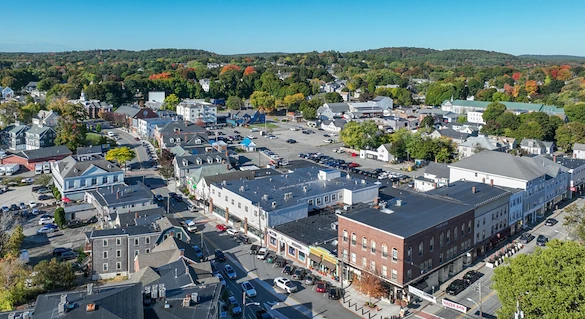


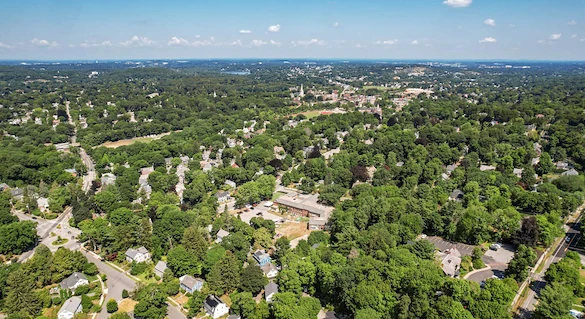



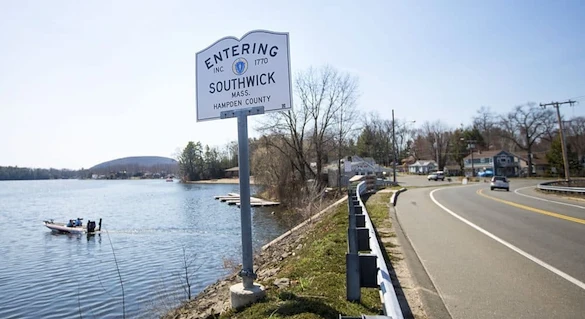

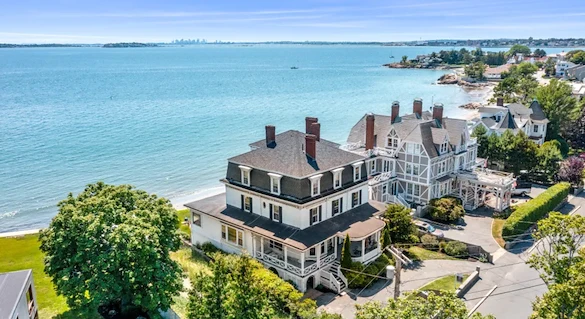

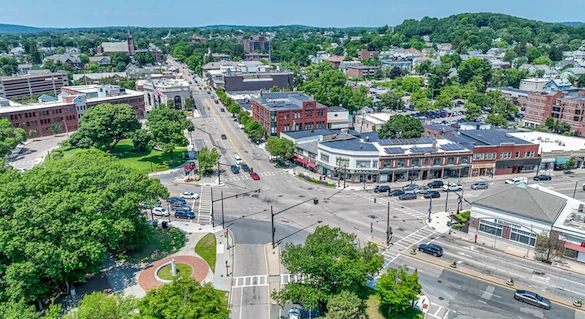
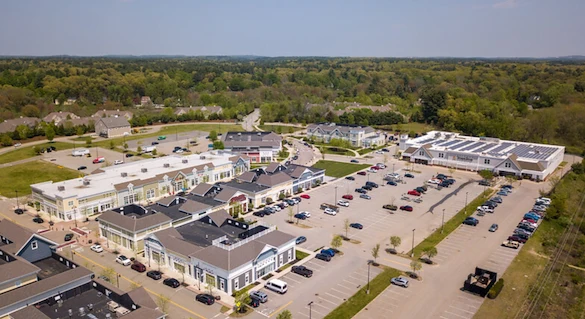
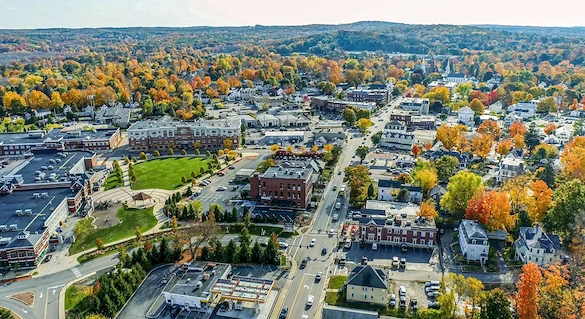
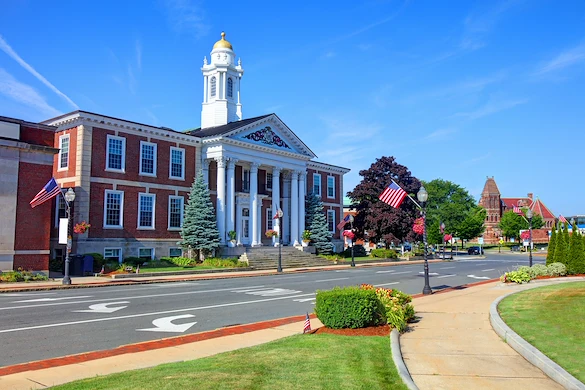



Assisted Living in Massachusetts
Assisted living in Massachusetts offers a supportive and comfortable option for seniors who need help with daily activities but want to maintain as much independence as possible. Assisted living communities provide personalized care tailored to each resident’s needs, including assistance with bathing, dressing, mobility, and medication management. Beyond practical support, these communities emphasize social engagement and wellness, offering group activities, fitness programs, and opportunities to connect with peers, which are vital for emotional health and quality of life.
Massachusetts regulates assisted living facilities through the Executive Office of Elder Affairs and requires all providers to be licensed under the state’s Assisted Living Residence regulations. These regulations set clear standards for resident care, staff training, safety protocols, and facility management. Assisted living communities in Massachusetts must adhere to strict quality requirements, including regular state inspections, to ensure residents receive safe, compassionate, and high-quality care.
The state features a wide range of assisted living options to meet diverse needs and budgets. Luxury communities often offer resort-style amenities such as gourmet dining, spa services, and elegant living spaces. More budget-friendly options provide essential care and comfortable accommodations without extra frills, making assisted living accessible to more families. Additionally, many assisted living communities include specialized memory care programs designed for residents with Alzheimer’s disease or other dementias, providing secure environments and staff trained in managing cognitive challenges.
When evaluating assisted living communities in Massachusetts, families should consider several factors. Visiting multiple communities, asking about staff qualifications and turnover, reviewing state inspection reports, and talking to current residents and their families can provide valuable insights. It’s also important to assess the availability of medical support and emergency response services tailored to the resident’s health needs.
Overall, assisted living in Massachusetts balances compassionate care with a lifestyle that promotes dignity and independence. With a variety of communities and strong state regulations, families can find supportive environments that meet their loved ones’ needs and preferences.
Top Assisted Living Communities in Massachusetts
View All Providers-
4.6Premium
The Arbors at Stoneham
140 Franklin St Stoneham, MA 02180
Independent LivingAssisted LivingMemory Care -
4.9Premium
The Gables at Winchester
299 Cambridge St Winchester, MA 01890
Independent LivingAssisted Living -
4.8Premium
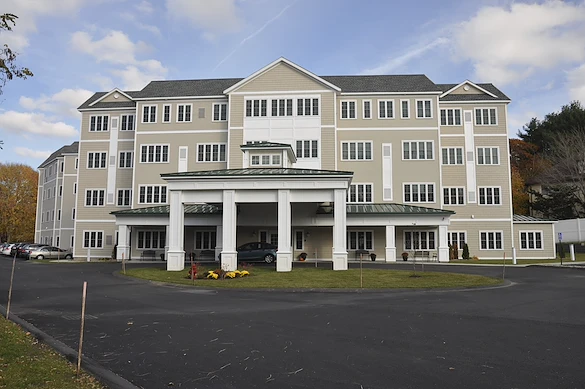
AVIVA Country Club Heights
3 Rehabilitation Way Woburn, MA 01801
Independent LivingAssisted LivingMemory Care

Cost of Assisted Living in Massachusetts
Several factors influence the cost of assisted living in Massachusetts. The level of care required, including assistance with activities of daily living and medication management, can impact pricing. Additionally, the amenities offered—such as private rooms, gourmet dining, and specialized memory care services—can contribute to higher costs. Location plays a significant role, with urban centers generally commanding higher fees due to increased demand and operational expenses.
To assist with these expenses, Massachusetts provides several financial aid options. The MassHealth Frail Elder Waiver allows eligible seniors to receive care in assisted living settings, covering services like personal care, case management, and homemaker assistance. Veterans may qualify for benefits through the U.S. Department of Veterans Affairs, which can help offset assisted living costs. Additionally, some long-term care insurance policies may cover part of the expenses, depending on the policy terms.
When evaluating assisted living options, it's essential for families to consider not only the cost but also the quality of care provided. Visiting facilities, reviewing state inspection reports, and discussing with staff and residents can provide valuable insights into the level of care and services offered. By thoroughly researching and considering all factors, families can make informed decisions that best meet the needs of their loved ones.
What to Know About Assisted Living in Massachusetts
Assisted living in Massachusetts averages $6,500–$7,500 per month, significantly higher than the national average.
Seniors who need help with activities of daily living (such as bathing, dressing, or medication management) but do not require 24/7 skilled nursing typically qualify.
No. Medicare does not pay for assisted living, including room, board, or personal care services.
Independent Living in Massachusetts
Independent living communities in Massachusetts offer seniors a vibrant and maintenance-free lifestyle designed for those who want to enjoy their retirement years with freedom and convenience. These communities provide residents with private apartments or homes where they can live independently without the responsibilities of home upkeep, such as lawn care, repairs, or housekeeping. This setup allows seniors to focus on enjoying life, socializing, and pursuing their interests without the stress of everyday chores.
One of the main benefits of independent living in Massachusetts is the strong sense of community. Many communities organize social events, group activities, fitness classes, and outings that encourage connection and engagement among residents. These social opportunities help reduce isolation and promote mental and emotional well-being, which are especially important as people age. Amenities such as dining options, transportation services, fitness centers, and hobby rooms add to the convenience and enjoyment of daily life.
Massachusetts is home to several retirement-friendly cities that appeal to active seniors seeking an enriching lifestyle. Cities like Cambridge, Newton, and Worcester offer a blend of cultural attractions, parks, and healthcare facilities. The state’s four-season climate provides a variety of outdoor activities year-round, from summer strolls along the coast to autumn hikes in the Berkshires. This diversity supports an active lifestyle that many seniors value.
Additionally, Massachusetts offers excellent healthcare services, including some of the nation’s top hospitals and specialists, ensuring that seniors have easy access to quality medical care. Many independent living communities are located near these healthcare hubs, providing peace of mind for residents and their families.
For seniors looking to maintain their independence while enjoying social interaction, cultural activities, and convenient amenities, independent living in Massachusetts is an excellent choice. The state’s rich history, natural beauty, and senior-friendly communities create an inviting environment for aging well and embracing life’s next chapter.
Top Independent Living Communities in Massachusetts
View All Providers-
4.6Premium
The Arbors at Stoneham
140 Franklin St Stoneham, MA 02180
Independent LivingAssisted LivingMemory Care -
4.9Premium
The Gables at Winchester
299 Cambridge St Winchester, MA 01890
Independent LivingAssisted Living -
4.8Premium
AVIVA Country Club Heights
3 Rehabilitation Way Woburn, MA 01801
Independent LivingAssisted LivingMemory Care
Cost of Independent Living in Massachusetts
The cost of independent living typically includes housing, meals, housekeeping, transportation, and access to social and recreational activities. Some communities may also offer additional services such as wellness programs, fitness centers, and concierge services, which can influence overall pricing.
Several factors impact the cost of independent living in Massachusetts. Location plays a significant role, with urban areas generally commanding higher fees due to increased demand and operational expenses. The level of amenities and services offered also contributes to pricing variations. Additionally, the size and type of accommodation, such as studio apartments versus one-bedroom units, can affect costs.
For seniors seeking financial assistance, Massachusetts provides several options. While Medicaid does not cover independent living, the state offers programs like the Massachusetts Home and Community-Based Services Waiver, which may assist with certain services. Veterans may qualify for benefits through the U.S. Department of Veterans Affairs, and some long-term care insurance policies may cover part of the expenses, depending on the policy terms.
When evaluating independent living communities, it's essential for families to consider not only the cost but also the quality of care provided. Visiting facilities, reviewing state inspection reports, and discussing with staff and residents can provide valuable insights into the level of care and services offered. By thoroughly researching and considering all factors, families can make informed decisions that best meet the needs of their loved ones.
What to Know About Independent Living in Massachusetts
Independent living typically costs $3,500–$5,000 per month, depending on location and amenities.
Independent living is designed for seniors age 55 or 62+ who can live safely without daily personal or medical assistance.
Living independently means managing daily activities such as bathing, dressing, meals, and mobility without routine caregiver assistance.
Independent living focuses on housing and lifestyle amenities, while assisted living includes personal care services for seniors who need daily assistance.
Home Care in Massachusetts
Non-medical home care in Massachusetts plays a vital role in helping seniors maintain independence and quality of life while aging in place. This type of care involves assistance with daily activities and support that promotes overall well-being without providing medical treatments. Common services include personal care—such as help with bathing, dressing, grooming, and mobility—as well as companionship like engaging in conversations, playing games, or accompanying clients to appointments and events. Additionally, non-medical home care often covers household assistance including light housekeeping, meal preparation, laundry, grocery shopping, and transportation to medical appointments or social outings.
In Massachusetts, the regulation of non-medical home care agencies varies depending on funding sources. Private-pay agencies, which do not accept Medicare or Medicaid, are not required to obtain state licensure or certification. However, reputable agencies often pursue accreditation from organizations like the Home Care Alliance of Massachusetts, which sets quality and ethical standards in home care. Many also voluntarily follow guidelines provided by the Massachusetts Home Care Aide Council, offering competency certifications and industry best practices. Agencies that accept Medicare or Medicaid—such as those offering services under the Frail Elder Waiver or Personal Care Attendant (PCA) programs—must comply with federal and state regulations, including staff training requirements, background checks, and service planning.
Several factors influence the availability and quality of non-medical home care in Massachusetts. Geographic location plays an important role: urban areas like Boston tend to have more agencies and caregivers, which can mean more choices but also higher costs. The reputation of the agency and the qualifications of caregivers are also critical, as agencies investing in comprehensive training and certification typically provide better care outcomes. Additionally, state-funded programs such as the PCA program and the Frail Elder Waiver help expand access to home care services for eligible seniors.
Families seeking non-medical home care in Massachusetts should research providers carefully, verify credentials, and consider the unique needs of their loved ones to ensure they receive compassionate, reliable, and high-quality care that supports their independence and well-being.
Top Home Care in Massachusetts
View All Providers-
5.0Premium
Assisting Hands - Boston Northwest
450 Bedford St, Ste 2200 Lexington, MA 02420
Home Care (Non-Medical) -
-
3.0Verified
FirstLight Home Care of Boston - Back Bay
361 Newbury Street Boston, MA 02115
Home Care (Non-Medical)



Cost of Home Care Non-Medical in Massachusetts
Pricing can differ significantly across the state. Urban areas like Boston often have higher fees because of increased demand and operational costs. In contrast, rural or suburban areas may offer lower rates, though fewer providers might be available. Specialized care, such as assistance for dementia or Alzheimer’s patients or support with medical equipment, can increase costs.
Families typically choose between licensed home care agencies and private caregivers. Agencies charge higher rates because they cover overhead expenses like insurance, caregiver training, background checks, and ongoing supervision to ensure quality and safety. Private caregivers may be less expensive but require families to manage hiring, payroll, and quality control themselves.
Massachusetts offers financial assistance programs to help eligible seniors cover home care expenses. The Massachusetts Home Care Program (HCP) serves adults 60 and older by providing personal care, homemaking, and supportive services based on income and functional need. The Enhanced Community Options Program (ECOP) assists those with higher care needs. Eligibility depends on financial criteria and assessments of daily living abilities.
Long-term care insurance may cover some home care costs depending on the policy, and veterans might qualify for aid through the U.S. Department of Veterans Affairs. Families should carefully explore these resources and consult experts to maximize financial support.
While non-medical home care in Massachusetts can be costly, understanding cost factors and available assistance programs helps families plan affordable, high-quality care tailored to their loved ones’ needs.
What to Know About Non Medical Home Care in Massachusetts
A non-medical caregiver provides help with daily living tasks and companionship, not medical treatment.
Yes. Through certain MassHealth consumer-directed programs, eligible seniors may compensate a family caregiver.
Non-medical home care assists with daily tasks, while home health care provides skilled medical services ordered by a physician.
Private home care in Massachusetts typically costs $32–$38 per hour, among the highest rates nationally.
Long-Term Care/Skilled Nursing in Massachusetts
Long-term care in skilled nursing facilities in Massachusetts provides around-the-clock medical and personal support for seniors who need intensive care that cannot be managed at home. These facilities offer a range of services including skilled nursing care, rehabilitation therapies (physical, occupational, and speech therapy), medication management, and specialized programs such as memory care for individuals with Alzheimer’s disease or other dementias. Skilled nursing homes also support post-surgical recovery, helping residents regain strength and independence after hospital stays.
Massachusetts regulates skilled nursing facilities through the Department of Public Health, which enforces strict licensing requirements and regularly inspects facilities to ensure compliance with state and federal quality standards. Facilities must meet guidelines related to staff qualifications, resident safety, infection control, and personalized care planning. The state also requires facilities to maintain appropriate nurse-to-resident ratios to provide timely and effective care.
Families looking for the best skilled nursing home options in Massachusetts should start by reviewing inspection reports and quality ratings published by the Massachusetts Department of Public Health and the federal Centers for Medicare & Medicaid Services (CMS). These reports offer valuable insights into facility performance, including health inspection results, staffing levels, and patient satisfaction scores. Visiting potential facilities and speaking with staff and residents can further help families gauge the environment and care quality.
Many Massachusetts skilled nursing homes offer specialized memory care units with tailored programs to support cognitive function and ensure safety for residents with dementia. Rehabilitation services in these facilities focus on helping individuals regain mobility and daily living skills through customized therapy plans. Facilities often provide additional amenities such as social activities, nutritious meals, and assistance with daily tasks to improve residents’ quality of life.
Choosing a skilled nursing facility in Massachusetts involves balancing care quality, location, available services, and cost. By leveraging state resources, inspection data, and in-person visits, families can make informed decisions to find a facility that meets their loved one’s unique medical and personal needs in a supportive and safe environment.
Top Long-Term Care/Skilled Nursing in Massachusetts
View All Providers-
1.0Verified
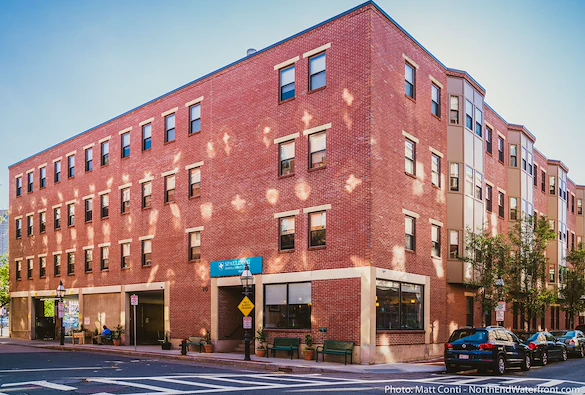
North End Rehab & Healthcare Center
70 Fulton Street Boston, MA 02109
Long-Term Care / Skilled NursingSkilled Rehabilitation -
5.0Verified
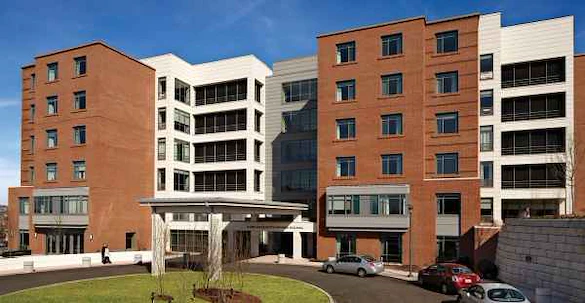
Leonard Florence Center For Living
165 Captain's Row Chelsea, MA 02150
Long-Term Care / Skilled NursingSkilled Rehabilitation -
4.0Verified
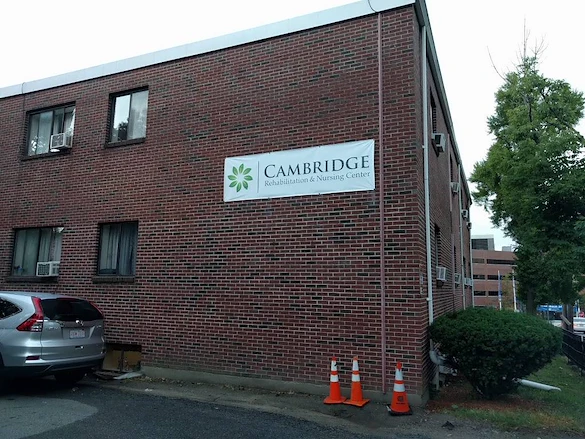
Cambridge Rehab & Nursing
8 Dana Street Cambridge, MA 02138
Long-Term Care / Skilled NursingSkilled Rehabilitation
Cost of Nursing Homes in Massachusetts
Several factors contribute to the high costs of skilled nursing care in Massachusetts. The level of medical care required, the facility's reputation, and the amenities offered can all influence pricing. Facilities that provide specialized care, such as memory care units or post-surgical rehabilitation, may charge higher rates due to the increased staffing and resources needed. Additionally, nursing homes in urban areas like Boston may have higher costs compared to those in rural regions, reflecting local economic conditions and demand for services.
Financial assistance options are available for eligible individuals seeking skilled nursing care. Medicare provides limited coverage for skilled nursing facility care, typically covering up to 100 days per benefit period, with specific conditions and requirements. Massachusetts Medicaid, known as MassHealth, offers long-term care coverage for seniors who meet financial and medical eligibility criteria. To qualify, individuals must have countable assets below $2,000. MassHealth reimbursement rates for nursing facilities are set by the Executive Office of Health and Human Services and are updated periodically.
Families considering skilled nursing care in Massachusetts should carefully evaluate their financial options and consult with financial advisors or elder law attorneys to understand the best strategies for covering these significant costs. Exploring all available resources and planning ahead can help ensure access to quality care without undue financial strain.
What to Know About Nursing Homes in Massachusetts
Nursing home care averages $12,000–$13,500 per month for a semi-private room, with private rooms costing more.
Medicare only covers short-term skilled nursing care after a qualifying hospital stay, not long-term nursing home care.
No. Social Security does not directly pay for nursing home care, though benefits may help with personal expenses.
Finding the Right Senior Care in Massachusetts
Massachusetts offers a comprehensive range of senior living and care options, including independent living, assisted living, memory care, in-home services, and skilled nursing facilities, ensuring older adults can receive appropriate support as their needs change. While senior care costs in Massachusetts are higher than the national average, the state provides strong healthcare infrastructure, robust elder services, and financial assistance programs through MassHealth and local agencies. By understanding care options, costs, and available resources, families can confidently choose quality senior care in Massachusetts that promotes safety, dignity, and long-term peace of mind.
Frequently Asked Questions About Senior Living in Massachusetts
Eligibility is typically based on age (55+ or 62+), income limits for subsidized housing, and the ability to live independently or with limited assistance.
Senior living costs range from $3,500 per month for independent living to over $13,000 per month for nursing home care.
The most affordable options include aging in place with part-time home care, subsidized senior housing, or living with family.
Frequently Asked Questions About Senior Care in Massachusetts
Options include independent living, assisted living, memory care, in-home care, adult day health programs, and skilled nursing facilities.
Most elder services are available to residents age 60+, with additional eligibility based on income, disability, or care needs.
Benefits may include MassHealth coverage, prescription assistance, housing support, nutrition programs, transportation services, and caregiver support.
Hourly senior care in Massachusetts generally ranges from $32 to $40 per hour, depending on care type and location.