
About Indiana
Indiana offers a comforting blend of Midwestern charm, affordability, and a high quality of life that makes it an appealing place for seniors and their families. Known for its friendly communities and relaxed pace of life, the Hoosier State provides a supportive environment where older adults can enjoy their retirement years with peace of mind. Whether you're drawn to the welcoming neighborhoods of suburban towns or the cultural vibrancy of cities like Indianapolis, Indiana has something to offer for every lifestyle.
Fast Facts
Senior Living & Care in Indiana
One of Indiana’s most attractive qualities is its cost of living. Compared to national averages, housing, healthcare, and daily expenses tend to be more affordable, allowing seniors to stretch their retirement savings further. This affordability extends to senior care services, making options like assisted living, independent living, and in-home care more accessible for many families. Cities such as Fort Wayne, Bloomington, and Lafayette are home to a growing number of senior-focused communities that combine comfort, care, and convenience
Indiana’s climate features all four seasons, with warm summers and snowy winters that provide a familiar rhythm for those who enjoy seasonal variety. Seniors who value time outdoors will appreciate the state’s access to parks, trails, and lakes. From scenic strolls along the Ohio River to afternoons exploring state parks like Brown County, nature is never far away.
Healthcare is another key strength. Indiana is home to well-regarded medical centers such as Indiana University Health and Ascension St. Vincent, offering seniors reliable access to specialized care. Many communities are located near these health systems, which is an important factor for families exploring senior care in Indiana or assisted living near Indianapolis.
Culturally, Indiana offers rich opportunities for social engagement. Seniors can enjoy museums, local theater, seasonal festivals, and college sports—all contributing to a vibrant and connected lifestyle. Towns across the state also host senior centers and community events that help foster connection and purpose.
With its affordable cost of living, well-established healthcare infrastructure, and welcoming communities, Indiana stands out as a thoughtful, well-rounded choice for senior living. Whether you’re beginning your search for home care in Fort Wayne or researching independent living options in Carmel, Indiana offers compassionate care and community for every stage of the journey.
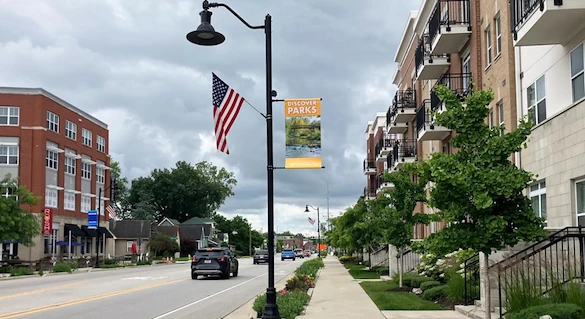
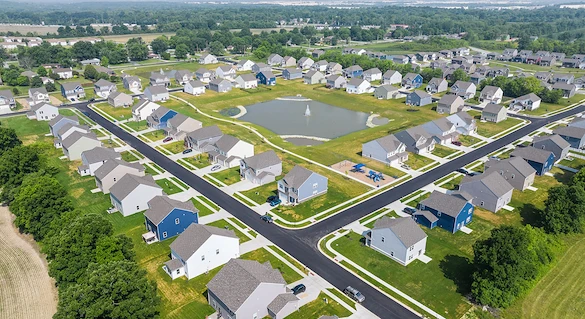
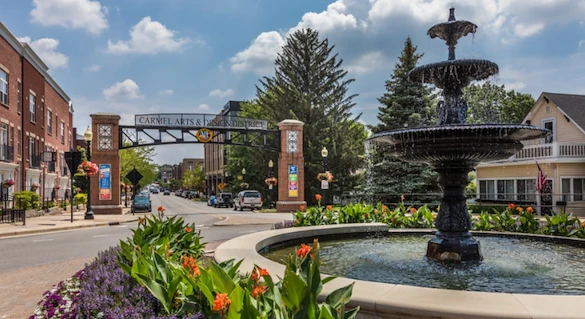
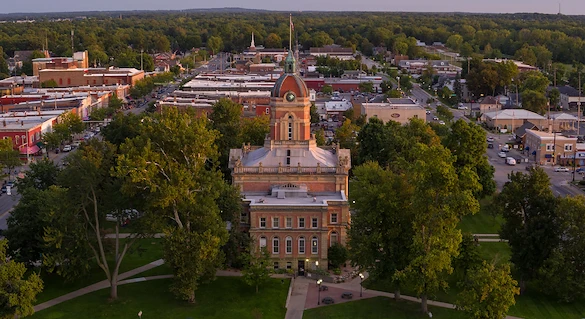
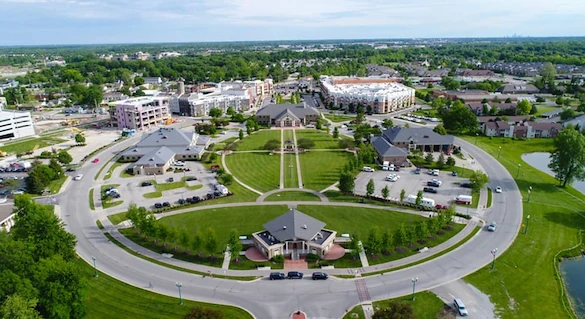
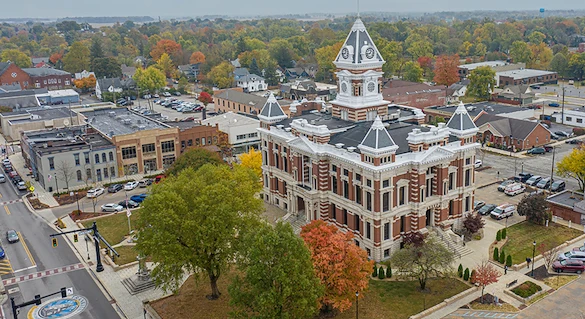
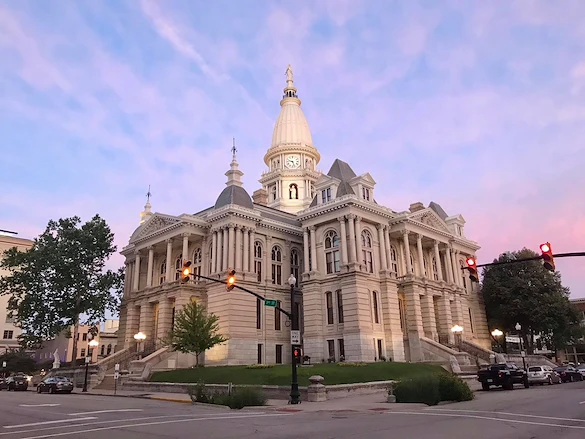
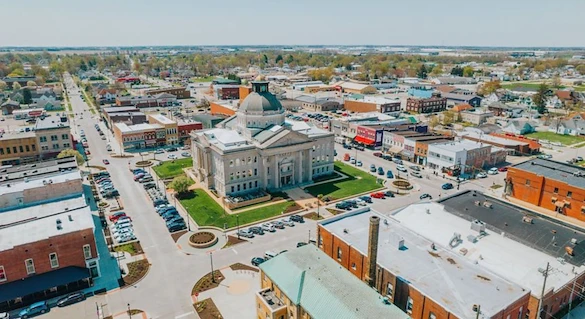
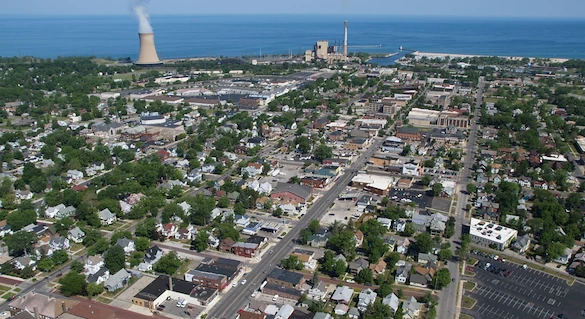
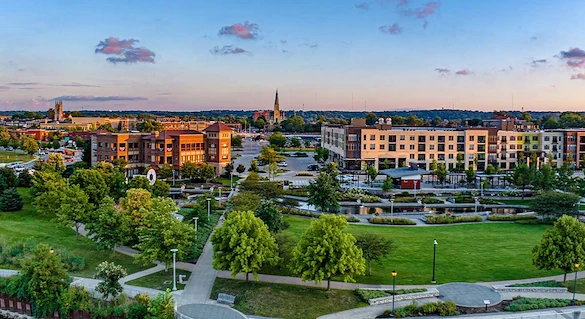
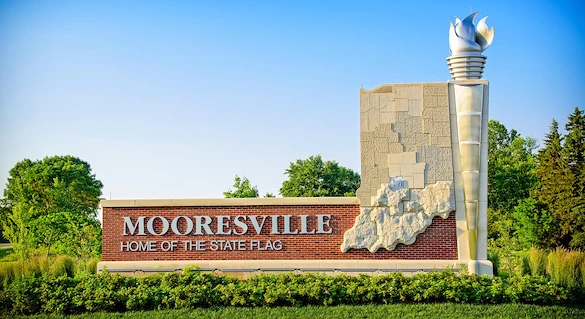
Top Cities for Senior Living and Care in Indiana





























Assisted Living in Indiana
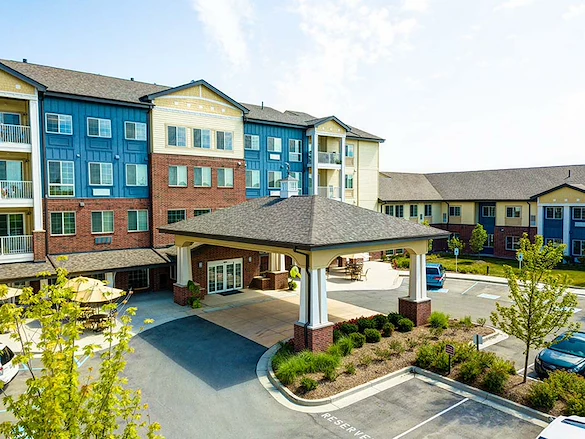
Assisted living in Indiana offers a supportive housing option designed to help seniors maintain their independence while receiving assistance with daily activities. Assisted living communities provide help with tasks such as bathing, dressing, medication management, meal preparation, and transportation. These communities also promote social engagement through planned activities, events, and communal dining, which contribute to residents’ overall well-being and quality of life.
In Indiana, assisted living facilities are regulated under the Indiana State Department of Health and must be licensed to operate. The state enforces specific quality standards to ensure residents receive safe and respectful care. Assisted living providers in Indiana must adhere to staff training requirements and maintain appropriate staff-to-resident ratios to meet residents’ needs effectively. Additionally, the state offers memory care services within some assisted living communities for residents living with Alzheimer’s or other forms of dementia, providing specialized programs and secure environments tailored to these individuals.
Indiana offers a variety of assisted living options, ranging from luxury communities that provide upscale amenities such as fitness centers, beauty salons, and restaurant-style dining, to more budget-friendly facilities that focus on essential care services in a comfortable, home-like setting. Some communities specialize in memory care or respite care, catering to families needing temporary support. When evaluating assisted living options, families should consider factors such as location, cost, level of care, staff qualifications, and the availability of specialized services that fit their loved one’s unique needs.
Visiting communities in person, reading reviews, and consulting with healthcare professionals can help families make informed decisions. Indiana’s diverse assisted living landscape means there is a community to fit nearly every budget and preference, making it easier for seniors and their families to find quality care and an engaging, supportive environment to call home.
Top Assisted Living Communities in Indiana
View All Providers-
4.7Premium
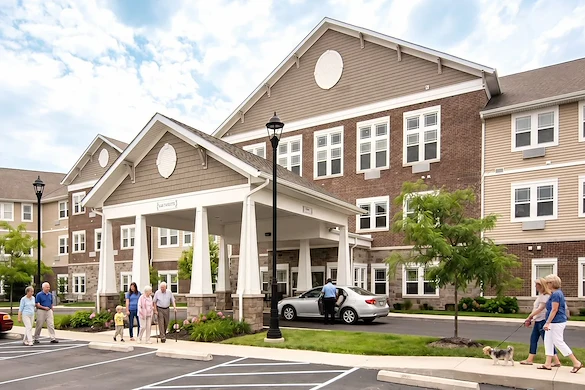
Woodland Terrace of New Palestine
4400 Terrace Drive New Palestine, IN 46163
Active Adult LivingIndependent LivingAssisted LivingMemory Care -
4.2Premium
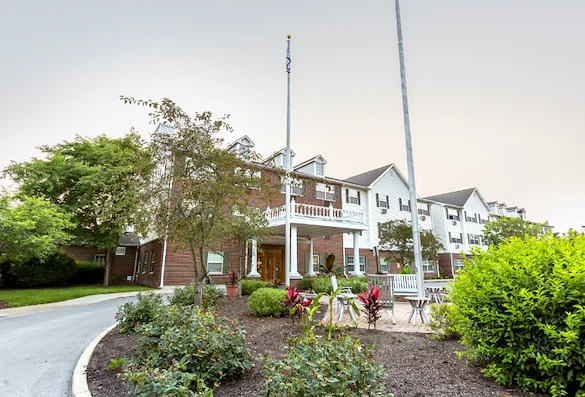
Independence Village of Avon (Prestwick)
182 S County Road 550 E Avon, IN 46123
Assisted LivingMemory CareRespite Care -
5.0Premium
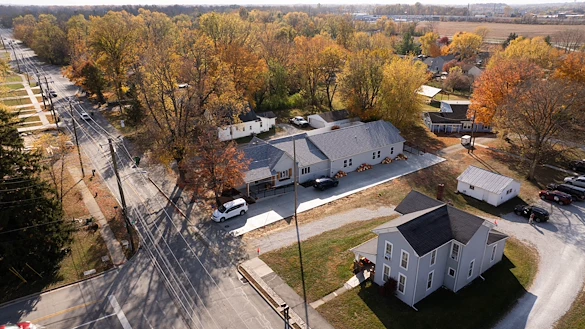
Legato Living at Union Street
601 S Union Street Westfield, IN 46074
Assisted LivingMemory CareAdult Day ServicesRespite Care -
-
4.3Premium
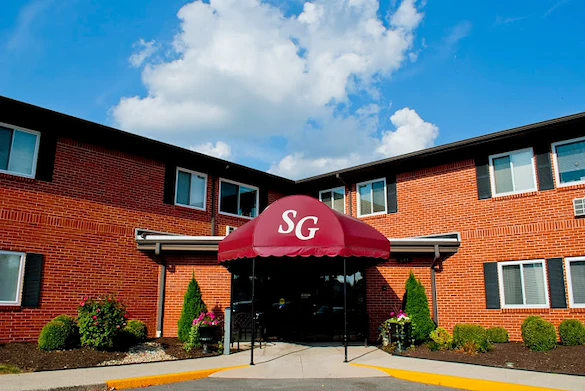
Independence Village of Fishers East (Saxony)
12950 Talblick St Fishers, IN 46037
Independent LivingAssisted LivingMemory Care
Cost of Assisted Living in Indiana
Several key factors influence these price differences: location, amenities, and level of care required. Urban areas typically come with higher living costs, while smaller towns may be more budget-friendly. Memory care services (for Alzheimer’s or dementia) tend to add about 20 – 30% extra, or roughly $1,000 to $1,800 more per month, due to specialized staffing and safety features. Facilities offering enhanced amenities—like restaurant-style dining, wellness programs, or private suites—also command higher rates.
To help offset costs, Indiana offers several financial assistance options. The Medicaid Waiver Assisted Living Program (MWAL) provides financial support for eligible residents in assisted living communities, including aid with rent, meals, and transportation. Additionally, Indiana’s PathWays for Aging and Health & Wellness Waivers offer Home and Community-Based Services (HCBS) to help seniors remain in community settings. Veterans and their spouses may qualify for VA benefits such as Aid and Attendance to assist with care expenses.
Families comparing assisted living options should consider not just the price, but what services and level of care are included. Visiting facilities, reviewing state inspection reports, and speaking with current residents can offer meaningful insight into value and quality. Balancing cost with care quality, location, and available support helps families find the right, sustainable option for their loved ones.
What to Know About Assisted Living in Indiana
The average cost of assisted living in Indiana is approximately $4,200–$4,600 per month, which is below the national average.
To qualify for assisted living in Indiana, a person must need help with activities of daily living but not require 24/7 skilled nursing care. Communities complete assessments to ensure they can meet the resident’s needs.
Indiana Medicaid may help cover care services in assisted living through waiver programs, but room and board are typically paid privately.
Medicare does not pay for assisted living in Indiana. Medicare covers medical care, not long-term custodial care.
Independent Living in Indiana
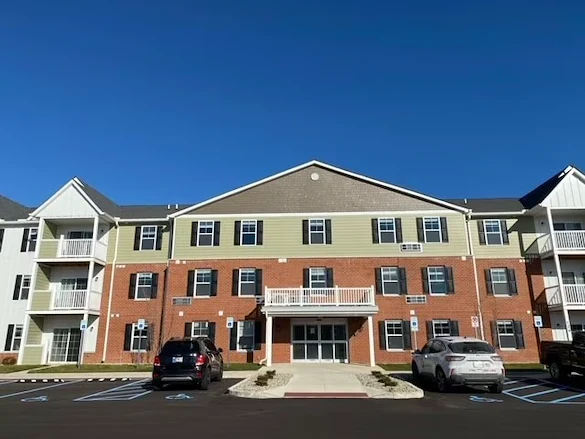
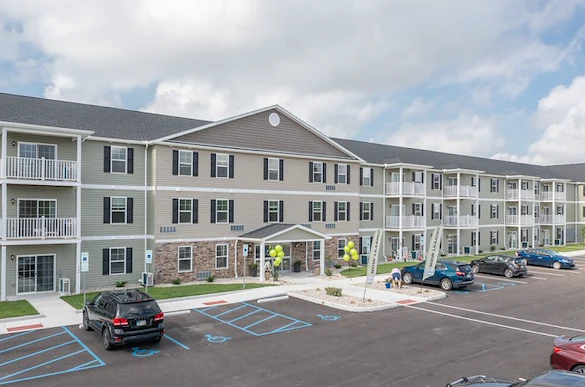
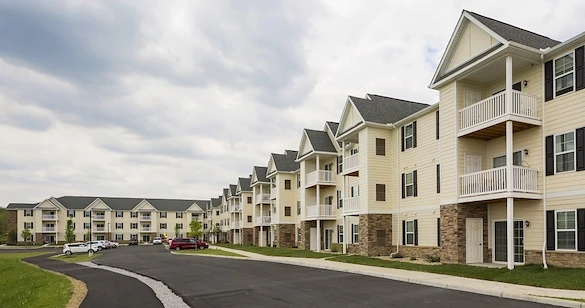
Independent living in Indiana offers a vibrant, maintenance-free lifestyle for older adults who are healthy, active, and seeking a sense of community without the responsibilities of homeownership. These communities are designed for seniors who do not require daily assistance with personal care but want to enjoy social engagement, on-site amenities, and peace of mind as they age in place.
Independent living communities in Indiana typically offer private apartments or cottages with housekeeping, laundry services, transportation, and dining options included. Many also feature fitness centers, walking trails, community gardens, libraries, game rooms, and regularly scheduled events or outings. This type of housing allows older adults to spend more time doing what they love—whether it’s joining a book club, enjoying local attractions, or exploring nature—without worrying about home repairs or yardwork.
Indiana’s affordable cost of living is a major benefit for retirees. Compared to many states, housing and daily expenses are relatively low, which helps older adults stretch their retirement dollars further. The state’s tax policies also support retirees, as Social Security benefits are not taxed, and there are deductions available for other forms of retirement income.
For those looking to enjoy all four seasons, Indiana’s moderate climate offers distinct seasonal experiences—from colorful autumn leaves to sunny summer days—while avoiding the extreme heat or heavy snowfall found in other regions. This makes it ideal for seniors who enjoy outdoor activities like hiking, fishing, or walking through community parks.
Some of the best cities for independent living in Indiana include Indianapolis, Fort Wayne, Bloomington, and Carmel. These areas combine access to top-rated healthcare, arts and culture, and senior-friendly recreational options. Smaller towns like Columbus and West Lafayette also appeal to seniors looking for a slower pace of life with the same benefits of safe, welcoming communities.
Indiana’s independent living communities support active, connected lifestyles while offering security and convenience. Whether a senior is downsizing, relocating to be closer to family, or simply looking for a more relaxed lifestyle, Indiana’s independent living options provide the freedom to enjoy retirement on their own terms. This makes it an appealing choice for older adults and their families exploring senior care options in the Midwest.
Top Independent Living Communities in Indiana
View All Providers-
4.0Premium
Pleasant Run Senior Apartments
4701 Todd Road Indianapolis, IN 46237
Active Adult LivingIndependent Living -
4.3Premium
Wynbrooke Senior Apartments
10318 E. County Road 200 N Indianapolis, IN 46234
Active Adult LivingIndependent Living -
4.7Premium
Woodland Terrace of New Palestine
4400 Terrace Drive New Palestine, IN 46163
Active Adult LivingIndependent LivingAssisted LivingMemory Care -
5.0Premium
Fishers Run Senior Apartments-Now Open
12915 Parkside Dr Fishers, IN 46038
Active Adult LivingIndependent Living -
4.3Premium
Independence Village of Fishers East (Saxony)
12950 Talblick St Fishers, IN 46037
Independent LivingAssisted LivingMemory Care
Cost of Independent Living in Indiana
Independent living communities typically include a wide range of amenities and services in their monthly fees. Residents can expect private apartments or cottages, as well as benefits like housekeeping, landscaping, meal plans, transportation services, and organized social or wellness activities. These communities are designed to simplify life for seniors by removing the responsibilities of home maintenance while offering opportunities for social engagement and convenience.
Several factors influence the cost of independent living in Indiana. Location plays a major role—urban and college towns often have higher rates due to increased demand and property values. The size and style of the residence also matter; larger units or stand-alone cottages generally come with higher price tags. Additionally, communities that offer extensive recreational programs, restaurant-style dining, or luxury amenities may charge more for the enhanced experience.
While Medicare and Medicaid typically do not cover independent living costs, seniors may be eligible for other financial resources. Veterans and their spouses might qualify for Aid and Attendance benefits, which can help offset certain living expenses. Additionally, some low-income seniors may find affordable housing options through HUD’s Section 202 Supportive Housing Program, though availability varies by region.
In summary, Indiana provides a cost-effective and lifestyle-friendly environment for independent seniors. With below-average monthly costs and a variety of community styles, families can explore options that suit both their loved ones’ needs and their financial goals.
What to Know About Independent Living in Indiana
Independent living in Indiana generally costs $2,200–$3,400 per month, depending on location and amenities.
Independent living is intended for seniors age 55 or 62+ who can live safely without daily personal or medical assistance.
Independent living does not include hands-on care or medical services, so seniors may need to relocate if health needs increase.
Living independently means managing daily activities such as bathing, dressing, meals, and mobility without routine assistance.
Home Care in Indiana
Non‑medical home care in Indiana provides critical support for seniors who wish to remain safely in their own homes while receiving assistance with everyday tasks. Unlike medical home health care, this type of care emphasizes assistance with daily living rather than clinical treatment. Examples of services include help with bathing, dressing, grooming, meal preparation, light housekeeping, errands, transportation, and companionship—activities that help older adults maintain independence and emotional well‑being without requiring skilled medical interventions.
In Indiana, agencies that provide these services are licensed by the Indiana Department of Health (IDOH) through the Personal Care Services Agency (PCSA) licensing program. This ensures that agencies are accountable and follow strict standards around caregiver screening, staff training, reporting, and compliance. Services defined under state law include attendant care, homemaker services, and companion services, as outlined in Indiana Code. Home health aids must receive a minimum of 75 hours of initial training plus continuing education annually, and agencies are required to maintain oversight of care plans and caregiver competencies.
Care availability tends to be stronger in urban and suburban areas such as Indianapolis, Fort Wayne, and Evansville, where more agencies operate. In rural regions, families often face limited provider availability and longer waitlists due to workforce shortages. Indiana has reported challenges attracting and retaining home health aides—partially due to low wages and high demand—making scheduling care more difficult in less populated areas.
To access non‑medical home care financially, Indiana offers the Aged & Disabled Medicaid Waiver, which assists eligible seniors in paying for homemaker and attendant services, transportation, and other supportive resources. The PACE (Program of All‑Inclusive Care for the Elderly) is also available in select regions, delivering coordinated medical and in-home support to help seniors live in their communities. Veterans may further benefit from VA programs like Aid & Attendance for in-home support.
In summary, non‑medical home care in Indiana is a flexible and essential service that supports seniors’ independence and dignity at home. With regulated agencies, defined training standards, and state and federal financial programs, families can access reliable care. However, provider availability may vary, so it’s important to plan ahead—especially in rural areas—and verify agency credentials, caregiver training, and funding eligibility when evaluating options.
Top Home Care in Indiana
View All Providers-
5.0Verified
Right at Home - Southeast Indianapolis
5251 S East St STE 3 Indianapolis, IN 46227
Home Care (Non-Medical) -
-
4.1Verified
Comfort Keepers - Indianapolis
1335 Sadlier Circle East Dr. Indianapolis, IN 46239
Home Care (Non-Medical)



Cost of Home Care Non-Medical in Indiana
Several factors influence the cost of non-medical home care in Indiana. These include the amount of care required each week, the provider’s credentials, whether care is provided through an agency or independently, and the specific services needed. For example, basic companionship is generally more affordable than personal care involving bathing, toileting, or mobility assistance.
Fortunately, there are financial assistance options that can help cover the cost of non-medical home care. Indiana’s Medicaid program offers Home and Community-Based Services (HCBS) waivers, including the Aged and Disabled Waiver and the PathWays for Aging program, which may help eligible seniors access in-home care. Veterans may also qualify for Aid and Attendance benefits, and some long-term care insurance policies cover non-medical home care services. These programs can significantly offset costs and make care more accessible for seniors and their families.
What to Know About Non Medical Home Care in Indiana
Non-medical home care agencies in Indiana must be licensed by the Indiana Department of Health and meet staffing, training, and safety requirements.
Non-medical home care is typically paid out of pocket, through long-term care insurance, or limited Medicaid programs for eligible individuals.
A non-medical caregiver provides help with daily living tasks and companionship, but does not provide medical treatment.
At-home caregivers in Indiana typically earn $14–$18 per hour, depending on experience and location.
Long-Term Care/Skilled Nursing in Indiana
Long-term care in skilled nursing facilities in Indiana provides 24/7 medical and personal care for individuals who require assistance beyond what can be provided at home or in assisted living settings. These facilities offer a range of services, including skilled nursing care, rehabilitation therapies, memory care, and post-surgical recovery support. Skilled nursing services, as defined by Indiana regulations, must be ordered by a physician and provided on a daily basis, essentially seven days a week. Rehabilitation services for an acute rehabilitative condition may be provided at either skilled or intermediate level of care, depending upon the resident's overall condition and nursing care needs. To qualify for skilled rehabilitation services, the services must be ordered by a physician and must be required and provided at least five days a week. The therapy must be of such complexity and sophistication that the judgment, knowledge, and skills of a licensed therapist are required. The overall condition of the patient must be such that the judgment, knowledge, and skills of a licensed therapist are required.
Indiana skilled nursing facilities are regulated by the Indiana State Department of Health (ISDH), which conducts annual inspections and complaint investigations to ensure compliance with state and federal standards. Facilities are required to maintain a safe and clean environment, provide appropriate staffing, and deliver care that meets the individual needs of residents. The ISDH also enforces resident rights, including the right to be informed of care plans, the right to privacy, and the right to voice grievances without fear of retaliation.
To evaluate the quality of skilled nursing facilities in Indiana, families can utilize resources such as the ISDH Facility Profile Reports and the Centers for Medicare & Medicaid Services (CMS) Nursing Home Compare tool. These platforms provide information on facility inspections, staffing levels, and quality measures. Additionally, the Indiana Long-Term Care Ombudsman Program offers advocacy services to residents and families, assisting with concerns related to care and ensuring that residents' rights are upheld.
When considering a skilled nursing facility in Indiana, it's important to visit potential facilities, ask questions about staffing ratios, care plans, and available services, and review recent inspection reports. Engaging with the Long-Term Care Ombudsman Program can also provide valuable insights and support in making an informed decision.
Top Long-Term Care/Skilled Nursing in Indiana
View All Providers-
3.0Verified
North Capitol Nursing & Rehabilitation Center
2010 N Capitol Ave Indianapolis, IN 46202
Long-Term Care / Skilled NursingSkilled Rehabilitation -
5.0Verified
Fairway Village
2630 S Keystone Ave Indianapolis, IN 46203
Memory CareLong-Term Care / Skilled NursingSkilled RehabilitationRespite Care -
1.0Verified
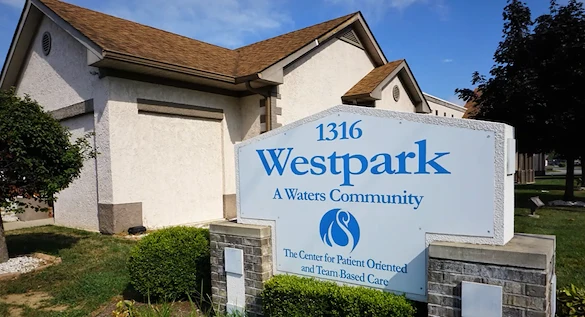
Westpark A Waters Community
1316 N Tibbs Ave Indianapolis, IN 46222
Long-Term Care / Skilled NursingSkilled Rehabilitation


Cost of Nursing Homes in Indiana
Several factors influence these differences in cost. The level of medical care needed is a major driver—facilities offering memory care, post-surgical rehabilitation, or advanced clinical services generally charge more due to higher staffing and resource needs. A community’s reputation and quality ratings also affect price: highly rated nursing homes with strong staffing ratios and consistent care tend to be at the upper end of the cost spectrum. Amenities like private suites, enhanced dining, therapy spaces, and recreational options also play a role in pricing.
Families can access several financial assistance options to help manage long-term care expenses in Indiana. Medicaid covers skilled nursing facility costs for eligible individuals meeting income and medical criteria, including personal care, meals, skilled nursing, and therapy services. Indiana also offers asset protection provisions to shield savings while qualifying for Medicaid, such as through Medicaid Asset Protection policies and spend-down strategies. In addition, Medicare may cover short-term rehabilitative stays following hospitalization, but it does not cover long-term custodial care. Seniors with long-term care insurance may have benefits that assist with ongoing nursing home costs, though policy coverage varies.
When exploring skilled nursing facilities, families should weigh cost alongside quality of care. Tools such as the Indiana State Department of Health’s facility reports and Medicare’s Nursing Home Compare offer inspection data, staffing levels, and quality ratings. Visiting communities in person, reviewing service inclusions, and understanding provider contracts can also clarify whether pricing aligns with care needs and value.
What to Know About Nursing Homes in Indiana
Nursing home care in Indiana averages $7,200–$8,000 per month for a semi-private room.
Medicare only pays for short-term skilled nursing care after a qualifying hospital stay, not long-term nursing home care.
Yes. Indiana Medicaid covers nursing home care for eligible seniors who meet financial and medical criteria.
Most nursing homes in Indiana cost between $7,000 and $8,500 per month, depending on room type and location.
Finding the Right Senior Care in Indiana
Indiana offers a wide range of senior living and care options, including independent living, assisted living, in-home care, and skilled nursing facilities, allowing older adults to receive appropriate support as their needs change. With assisted living costs below the national average, access to Medicaid waiver programs, and a strong network of licensed care providers, Indiana is an appealing choice for seniors and families planning long-term care. By understanding care options, costs, and available assistance programs, families can confidently find quality senior care in Indiana that promotes independence, safety, and long-term peace of mind.
Frequently Asked Questions About Senior Living in Indiana
The most affordable option is often aging in place with part-time home care or qualifying for subsidized senior housing.
Yes. Indiana is considered senior-friendly due to its lower cost of living, affordable senior care options, and access to healthcare in many regions.
Seniors who need help with daily activities but do not require constant medical care typically qualify for assisted living.
No. Medicare does not cover senior living facilities, including assisted or independent living.
Frequently Asked Questions About Senior Care in Indiana
Assistance includes Medicaid waivers, Area Agencies on Aging programs, nutrition services, transportation, caregiver support, and housing assistance.
Senior care in Indiana typically costs $24–$28 per hour, depending on care type and location.
Yes. Through certain Indiana Medicaid waiver programs, eligible seniors may compensate a family caregiver.
When seniors have no family caregivers, state agencies, social services, guardianship programs, and professional care providers help arrange care and protection.