
Senior Living Facts for South Dakota
South Dakota offers a warm and welcoming environment for seniors and their families, blending a peaceful lifestyle with access to quality healthcare and abundant natural beauty. Known for its wide-open spaces, four distinct seasons, and friendly communities, the state provides a balanced climate that appeals to those who enjoy snowy winters and warm, pleasant summers. Compared to many parts of the country, South Dakota boasts a relatively low cost of living, allowing seniors to maximize their retirement income without compromising on comfort or quality of life.
Fast Facts
Senior Living & Care in South Dakota
| #46 | most populated state in the U.S. |
| $5,500 | average monthly assisted living cost in South Dakota |
| 100+ | assisted living communities and care providers across South Dakota |
| 158K+ | adults age 65+ in South Dakota |
Many cities in South Dakota, including Sioux Falls, Rapid City, and Aberdeen, are known for their senior-friendly communities. These areas offer active lifestyles through a variety of recreational activities, cultural events, and social clubs designed specifically for older adults. From exploring the scenic Black Hills and Badlands National Park to attending local art shows and farmers' markets, seniors have numerous opportunities to stay engaged and connected. The state’s strong sense of community and slower pace of life help foster a supportive atmosphere where older adults can feel both safe and valued.
Access to quality healthcare is a priority in South Dakota, and the state provides a robust network of hospitals, clinics, and specialized senior care facilities. This includes a growing number of assisted living communities, skilled nursing facilities, and home health care services that allow seniors to receive care in their preferred setting. Rural health initiatives also help ensure that seniors living outside urban centers have access to essential medical and supportive services, reducing barriers related to distance or transportation.
Families seeking senior living and care options in South Dakota can benefit from a variety of transparent resources designed to simplify the search process. The state emphasizes affordability, accessibility, and a high standard of care, making it easier for families to find the right fit for their loved ones. Whether considering independent living, assisted living, memory care, or long-term skilled nursing, South Dakota offers diverse options tailored to meet different needs and preferences.
With its combination of affordable living, strong healthcare infrastructure, and rich natural surroundings, South Dakota stands out as a great place for seniors to enjoy their golden years. For families, the state’s supportive communities and trusted care providers offer peace of mind in making important decisions about senior care. Overall, South Dakota provides a quality of life that embraces independence, connection, and well-being for older adults.
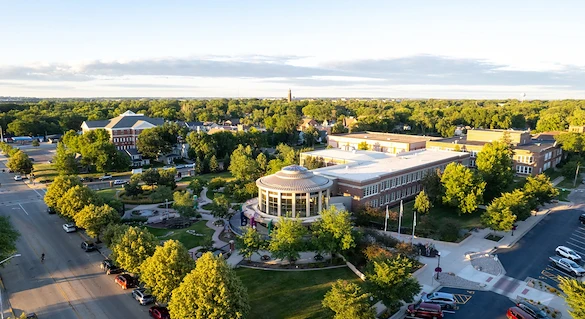
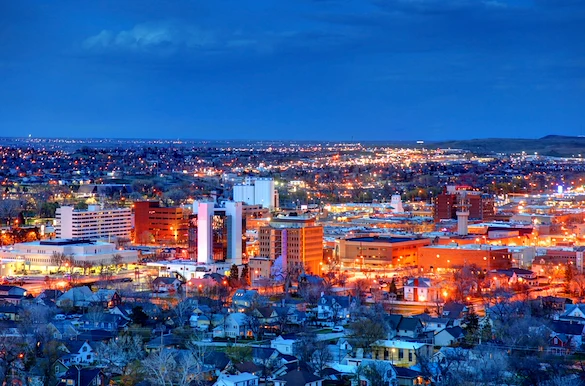
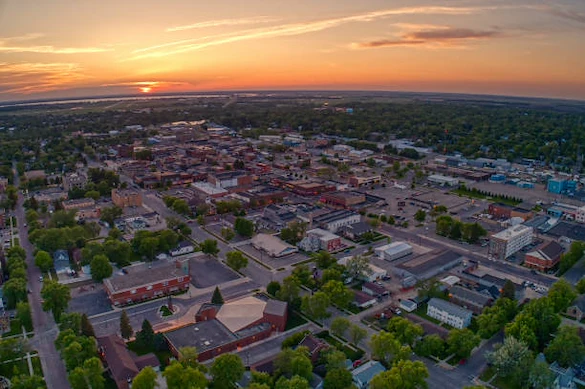
Top Cities for Senior Living and Care in South Dakota




Assisted Living in South Dakota
Assisted living in South Dakota offers a supportive and engaging environment for older adults who need help with daily activities but still want to maintain their independence. These communities are designed to provide personalized assistance with tasks such as bathing, dressing, medication management, and meal preparation, while also promoting social engagement and a high quality of life. Residents typically enjoy private or semi-private apartments, shared dining areas, activity rooms, and access to organized programs that encourage physical, mental, and emotional well-being.
In South Dakota, assisted living centers (ALCs) are licensed and regulated by the South Dakota Department of Health. To operate legally, each facility must meet specific standards regarding staffing ratios, safety protocols, care planning, and resident rights. This regulatory oversight ensures a consistent level of quality and safety across the state. Additionally, South Dakota uses a tiered system of licensure that reflects the level of care a facility is authorized to provide, which helps families match their loved ones with the right type of support.
Assisted living communities across South Dakota vary in size, style, and pricing, offering options for a wide range of preferences and budgets. Luxury communities often feature upscale amenities such as fitness centers, on-site salons, chef-prepared meals, and concierge services. More budget-friendly communities may focus on essential care and comfort, providing a homelike atmosphere without unnecessary extras. Some facilities are specially designed for individuals living with Alzheimer’s disease or other forms of dementia, offering memory care programs with enhanced supervision, specialized staff training, and secure environments.
When evaluating assisted living options in South Dakota, families should consider several factors including the facility’s licensing status, staff-to-resident ratio, reputation, range of services, location, and cost. Visiting in person, asking detailed questions about care protocols, and reviewing inspection reports can help families make informed decisions. Whether located in larger cities like Sioux Falls and Rapid City or smaller rural communities, assisted living facilities in South Dakota strive to provide compassionate, individualized care that allows seniors to thrive with dignity and purpose. This combination of regulated care, lifestyle enrichment, and community support makes assisted living a valuable option for many older adults in the state.
Top Assisted Living Communities in South Dakota
View All Providers-
 4.7Verified
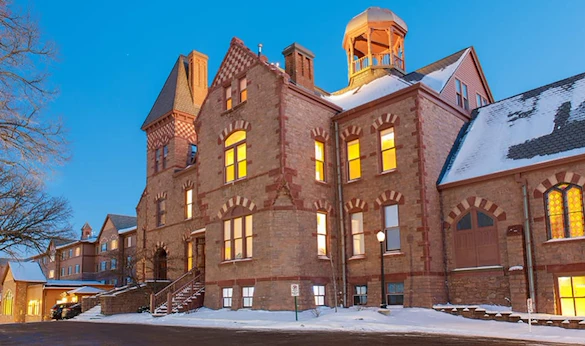
Touchmark at All Saints
111 W 17th St Sioux Falls, SD 57104
Independent LivingAssisted LivingMemory Care -
 5.0Verified
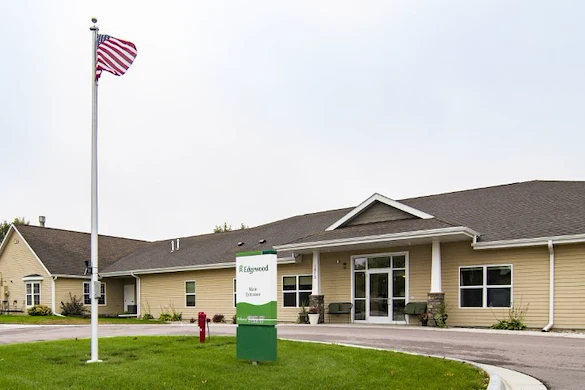
Edgewood Prairie Crossings
1810 South Dorothy Avenue Sioux Falls, SD 57106
Assisted Living -
 4.6Verified
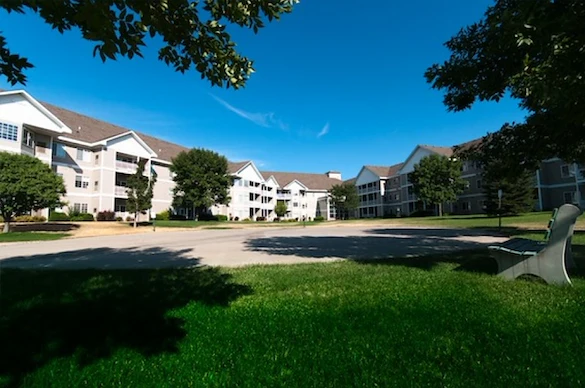
Trail Ridge Retirement Community
3408 W Ralph Rogers Rd Sioux Falls, SD 57108
Independent LivingAssisted LivingMemory Care -
 4.3Verified
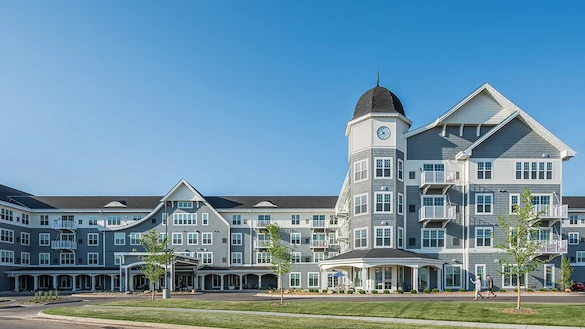
Legends on Lake Lorraine
2815 South Westlake Drive Sioux Falls, SD 57106
Independent LivingAssisted LivingMemory Care


Cost of Assisted Living in South Dakota
Several factors influence the cost of assisted living in South Dakota. The level of care required is a primary consideration—residents needing more intensive personal or medical support generally face higher fees. Amenities also play a key role; facilities offering private suites, gourmet dining, and specialized programs often charge premium rates. Location is another significant factor, as urban centers with higher living expenses typically have higher assisted living costs compared to rural areas. Additionally, facilities with established reputations for quality care may command higher prices.
To help manage these expenses, South Dakota offers various financial assistance programs. The HOPE Waiver, a Medicaid program, provides services for individuals who meet nursing home level of care criteria, allowing them to receive assistance in assisted living settings, provided the costs do not exceed 85% of nursing home care. Veterans and their spouses may be eligible for Aid and Attendance benefits, which can help cover assisted living expenses. Moreover, the state has additional aid programs designed to support long-term care needs based on individual eligibility.
Families exploring assisted living options in South Dakota are encouraged to carefully consider these cost factors and financial assistance programs. Understanding regional price variations and available aid can help ensure they find a community that meets both their loved one’s care needs and their budget, making the decision-making process more manageable and confident.
What to Know About Assisted Living in South Dakota
Assisted living in South Dakota typically costs $3,500–$4,500 per month, which is below the national average.
No. Medicare does not cover assisted living costs, including room and board.
Seniors who require help with activities of daily living (ADLs) such as bathing, dressing, medication management, or mobility may qualify for assisted living services.
Most seniors pay using private funds, retirement income, long-term care insurance, veterans benefits, or Medicaid waiver programs if eligible.
Independent Living in South Dakota
Independent living communities offer seniors in South Dakota a vibrant, maintenance-free lifestyle that combines independence with convenience and social engagement. Designed for older adults who are able to live on their own but prefer to minimize the responsibilities of homeownership, these communities provide housing options such as apartments, cottages, or villas, where residents enjoy a worry-free living environment. Maintenance, landscaping, and repairs are typically managed by the community, allowing seniors to focus on enjoying their retirement years.
One of the primary benefits of independent living in South Dakota is the strong sense of community and the abundant social opportunities available. Many communities organize events, clubs, fitness classes, and outings that encourage residents to stay active and connected. Access to amenities like dining facilities, fitness centers, swimming pools, and hobby rooms enhances the lifestyle, catering to a variety of interests and promoting overall wellness.
South Dakota’s climate and lifestyle make it an appealing state for seniors seeking active retirement options. While winters can be cold, the state’s four distinct seasons offer opportunities for outdoor activities such as hiking, fishing, and golf during warmer months. Cities like Sioux Falls and Rapid City are known for their welcoming senior communities, affordable cost of living, and access to quality healthcare facilities, all important factors for retirement planning. Sioux Falls, in particular, offers a range of independent living options with nearby cultural attractions, parks, and medical centers, making it a popular choice for retirees.
In addition to a peaceful lifestyle, independent living communities in South Dakota often provide safety features and optional support services, giving residents and their families peace of mind without sacrificing autonomy. Seniors can tailor their living arrangements to match their preferences and needs while enjoying the comfort of knowing help is available if necessary.
Overall, independent living in South Dakota combines an affordable, low-maintenance lifestyle with a supportive community and rich recreational opportunities. It’s an excellent choice for seniors who want to stay active, socialize, and enjoy the natural beauty and welcoming atmosphere that South Dakota offers.
Top Independent Living Communities in South Dakota
View All Providers-
4.7Verified
Touchmark at All Saints
111 W 17th St Sioux Falls, SD 57104
Independent LivingAssisted LivingMemory Care -
 4.7Verified
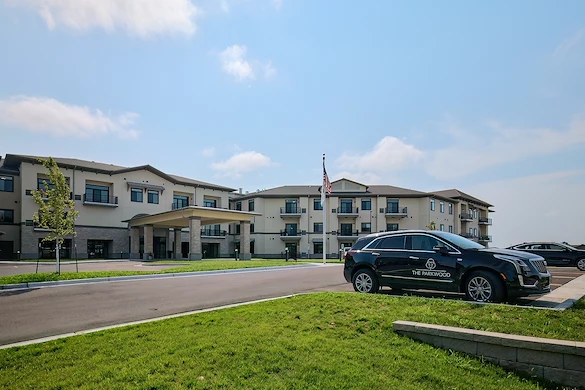
The Parkwood
7800 South Western Ave. Sioux Falls, SD 57108
Active Adult LivingIndependent Living -
4.6Verified
Trail Ridge Retirement Community
3408 W Ralph Rogers Rd Sioux Falls, SD 57108
Independent LivingAssisted LivingMemory Care -
4.3Verified
Legends on Lake Lorraine
2815 South Westlake Drive Sioux Falls, SD 57106
Independent LivingAssisted LivingMemory Care

Cost of Independent Living in South Dakota
Independent living communities in South Dakota provide seniors with a lifestyle that emphasizes convenience, independence, and social engagement. These communities typically offer maintenance-free housing options such as private apartments or cottages, along with access to amenities like fitness centers, transportation, housekeeping, and social activities. The cost of independent living varies by region and community features, with important factors influencing pricing including location, services offered, and housing type.
Typical costs generally include rent for private living units, meal plans or dining services, and utilities such as water, electricity, and internet. Additional services like personal care or healthcare support are often available but may come at extra cost, depending on the community.
Pricing is also influenced by community features and housing options. Urban areas like Sioux Falls tend to have higher costs due to more comprehensive amenities and higher demand. Luxury or resort-style communities with enhanced wellness programs typically charge premium rates. The size and layout of the living unit further impact monthly fees, with larger or upgraded apartments costing more.
Though independent living is primarily a private-pay option, seniors in South Dakota can explore financial assistance programs. Veterans' benefits, such as Aid and Attendance, provide support for eligible veterans and their spouses. The state also offers low-income housing programs and tax relief options designed to help seniors afford quality living arrangements.
Families and seniors considering independent living in South Dakota are encouraged to consult with elder care advisors or financial planners. These professionals can help identify eligibility for assistance programs and guide families toward affordable, sustainable senior living solutions.
What to Know About Independent Living in South Dakota
Many retirees can live comfortably on $2,500–$4,000 per month, depending on housing and lifestyle.
Independent living communities typically require residents to be 55+ or 62+ and capable of living independently without daily personal care.
Smaller cities and rural communities such as Aberdeen, Huron, and Watertown often have lower housing and living costs.
To qualify for state programs such as Medicaid, individuals must establish South Dakota residency.
Home Care in South Dakota
Non-medical home care plays a vital role in helping seniors in South Dakota maintain their independence while living safely at home. This type of care focuses on providing support with everyday tasks that do not require medical expertise. Common services include assistance with personal care such as bathing, dressing, grooming, and mobility support. Additionally, non-medical caregivers offer companionship to help reduce feelings of loneliness and isolation, as well as household assistance including meal preparation, light housekeeping, laundry, and errands.
In South Dakota, non-medical home care is typically provided by agencies or private caregivers who are trained to support seniors with these daily activities. Although non-medical caregivers do not provide medical treatment, they are essential in promoting quality of life and helping seniors stay in familiar surroundings for as long as possible. This kind of care can be tailored to meet individual needs, ranging from a few hours per week to full-time support.
South Dakota requires home care agencies to be licensed through the Department of Health, ensuring that providers meet state-specific standards for quality and safety. Licensed agencies undergo regular inspections and must comply with regulations regarding caregiver training, background checks, and care standards. These measures help protect vulnerable seniors and maintain a high level of service quality throughout the state.
Availability of non-medical home care in South Dakota can vary based on location. Urban areas like Sioux Falls and Rapid City tend to have more agencies and options, while rural communities may face limited availability due to fewer providers. This can sometimes lead to longer wait times or higher costs for care in less populated regions.
Families exploring non-medical home care in South Dakota should consider licensing status, caregiver qualifications, and the range of services offered. Whether choosing an agency or a private caregiver, selecting a trusted provider ensures seniors receive compassionate and reliable support to help maintain their independence at home.
Top Home Care in South Dakota
View All Providers-
-
 4.8
4.8Village Caregiving of Sioux Falls
101 S. Reid St. Suite 307 Sioux Falls, SD 57103
Home Care (Non-Medical) -
 4.7Verified
Cornerstone Caregiving - Sioux Falls
108 E 38th St B 100 Sioux Falls, SD 57105
Home Care (Non-Medical) -
 4.6Verified
SYNERGY HomeCare of Sioux Falls
108 East 38th Street, Suite 600 Sioux Falls, SD 57105
Home Care (Non-Medical)


Cost of Home Care Non-Medical in South Dakota
Non-medical home care in South Dakota helps seniors maintain independence by providing support with daily activities such as bathing, dressing, meal preparation, medication reminders, companionship, and light housekeeping. When it comes to cost, South Dakota generally offers more affordable rates compared to national averages, making it a cost-effective option for many families.
Cost factors also include the number of care hours required. More hours naturally increase total expenses, and families should carefully assess their loved one’s needs to balance care quality with affordability. Another important consideration is whether to hire a caregiver through an agency or privately. Agencies typically charge higher rates due to administrative fees and provide benefits like background checks, caregiver training, and oversight. Private caregivers may be less expensive but require families to manage scheduling and oversight independently.
Financial assistance can help offset these costs. South Dakota offers Medicaid Home and Community-Based Services (HCBS) waiver programs, including the HOPE Waiver, which supports seniors needing nursing home-level care but who prefer to remain at home. These programs cover various home care services for eligible individuals. Additionally, some seniors may qualify for long-term care insurance, which can help cover non-medical home care costs depending on the policy. Veterans and their families may also access benefits that assist with home care expenses.
By understanding local costs and exploring available financial aid, families can make informed decisions about non-medical home care in South Dakota that provide comfort, safety, and independence for their loved ones.
What to Know About Non Medical Home Care in South Dakota
Yes. Certain Medicaid consumer-directed care programs allow eligible seniors to select family members as paid caregivers.
Yes. Medicaid and local aging programs offer home care and personal assistance services that help seniors remain in their homes.
Home health services may include skilled nursing care, physical therapy, occupational therapy, and personal care assistance ordered by a physician.
Long-Term Care/Skilled Nursing in South Dakota
Long-term care in skilled nursing facilities in South Dakota provides comprehensive medical and personal care for seniors who need ongoing support due to chronic illness, disability, or recovery from surgery. These facilities offer a range of services including 24-hour nursing care, medication management, physical and occupational rehabilitation, and specialized care for conditions such as Alzheimer’s disease and other forms of dementia. Skilled nursing homes also support post-surgical recovery, helping residents regain strength and mobility through tailored therapy programs.
South Dakota regulates skilled nursing facilities through the Department of Health, which enforces licensing requirements and conducts regular inspections to ensure compliance with safety and quality standards. Facilities must meet criteria related to staffing levels, care planning, infection control, and resident rights. These regulations help maintain a baseline of quality and protect the well-being of residents.
Families evaluating nursing home options in South Dakota should consider several key factors. Checking the facility’s state inspection reports can reveal any past violations or areas needing improvement. The federal Nursing Home Compare tool provides ratings on health inspections, staffing, and quality measures, offering a transparent overview. Visiting potential facilities in person allows families to assess cleanliness, staff professionalism, and resident satisfaction. Additionally, understanding the types of specialized care available is important, especially if a loved one requires memory care or rehabilitation services.
Cost and location are also important considerations. South Dakota has nursing homes in urban centers like Sioux Falls and Rapid City, as well as rural communities, which can affect pricing and availability. Families should review payment options, including Medicare, Medicaid, and private insurance, to plan for both short-term rehabilitation stays and long-term residency.
By thoroughly researching South Dakota’s skilled nursing facilities and considering state-specific regulations and quality standards, families can find the best care setting to meet their loved one’s medical and personal needs with confidence and peace of mind.
Top Long-Term Care/Skilled Nursing in South Dakota
View All Providers-
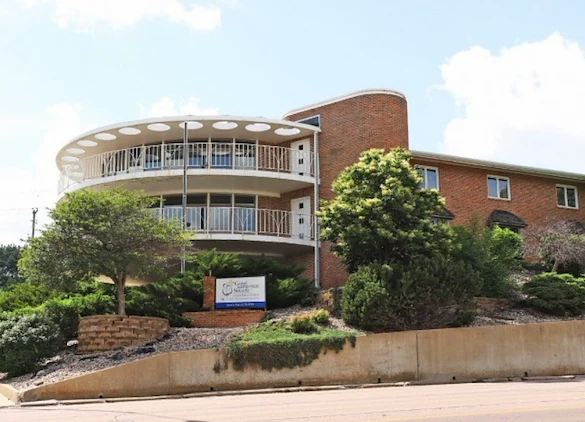 2.0Verified
Good Samaritan - Sioux Falls Center Health Services
401 West Second Street Sioux Falls, SD 57104
Long-Term Care / Skilled NursingSkilled Rehabilitation -
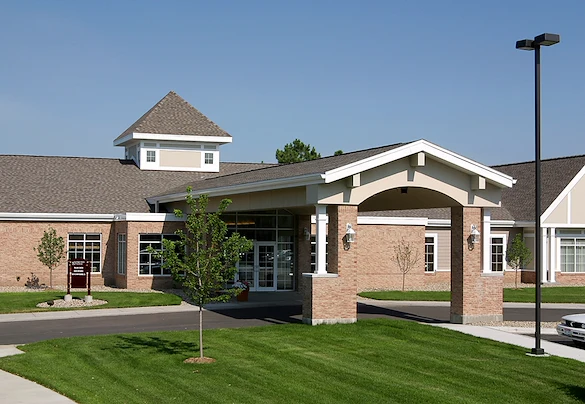 3.0Verified
Dow Rummel Village
1321 W Dow Rummel St Sioux Falls, SD 57104
Memory CareLong-Term Care / Skilled NursingSkilled RehabilitationLife Plan Community/CCRC -
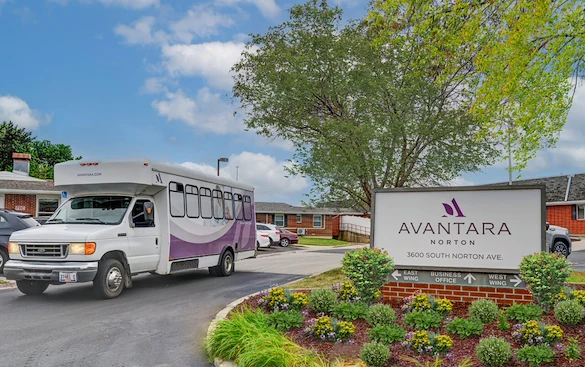 1.0Verified
Avantara Norton
3600 South Norton Avenue Sioux Falls, SD 57105
Long-Term Care / Skilled NursingSkilled RehabilitationRespite Care -
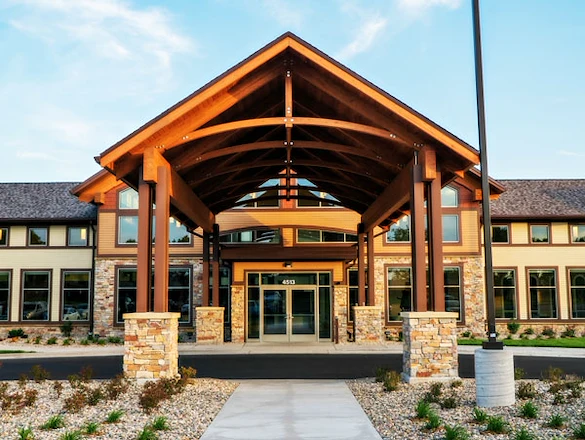 4.0Verified
Avera Prince of Peace
4513 South Prince Of Peace Place Sioux Falls, SD 57103
Long-Term Care / Skilled NursingSkilled Rehabilitation


Cost of Nursing Homes in South Dakota
Several key factors influence the pricing of skilled nursing care in South Dakota. The intensity and type of medical services required—such as specialized memory care or post-surgical rehabilitation—can significantly raise costs. Facilities with strong reputations, higher quality ratings, and enhanced amenities, such as private rooms, specialized therapy programs, and comprehensive wellness activities, often charge premium fees. Additionally, amenities like private dining areas, beauty salons, and landscaped outdoor spaces may also affect the overall price.
Financial assistance plays a critical role in managing the costs of skilled nursing care. Medicare covers up to 100 days of skilled nursing following a qualifying hospital stay but does not pay for long-term care. Medicaid serves as the primary funding source for long-term skilled nursing stays for eligible low-income seniors, providing substantial support through South Dakota’s state Medicaid program. Veterans and their families may qualify for benefits from the Department of Veterans Affairs to help offset these expenses. South Dakota also offers state-funded long-term care programs aimed at assisting qualifying seniors with care costs.
For families exploring skilled nursing care options, understanding these cost factors and financial aid programs is essential. Comparing costs across facilities, considering the types of services offered, and assessing eligibility for assistance can help families find the best care that fits both their needs and budget. State resources like the South Dakota Department of Health and federal tools such as Medicare’s Nursing Home Compare website offer valuable information to guide informed decision-making.
What to Know About Nursing Homes in South Dakota
Nursing home care in South Dakota typically costs $6,500–$7,500 per month, depending on the facility and room type.
Assisted living is generally less expensive than nursing home care, because nursing homes provide 24-hour medical supervision.
Midwestern and southern states often have lower nursing home costs compared with coastal states.
Finding the Right Senior Care in South Dakota
South Dakota offers seniors a combination of affordable living, welcoming communities, and access to quality long-term care services. With independent living communities, assisted living facilities, home care providers, and skilled nursing homes available across the state, families can find care solutions that match both their loved one’s needs and their financial situation. Programs through South Dakota Medicaid and local Area Agencies on Aging also provide valuable support for seniors who qualify for financial assistance.
By understanding the costs, care options, and state regulations that guide senior living in South Dakota, families can confidently plan for the future. Whether choosing assisted living in Sioux Falls, home care in Rapid City, or long-term care services in smaller communities, South Dakota provides supportive environments that help older adults maintain independence, dignity, and quality of life.
Frequently Asked Questions About Senior Living in South Dakota
Cities such as Sioux Falls, Rapid City, and Brookings are popular for retirees due to healthcare access, community amenities, and senior services.
Many seniors reduce expenses by aging in place with part-time home care or living in income-based senior housing.
Luxury senior communities like Touchmark typically charge several thousand dollars per month, depending on housing type and care services.
Frequently Asked Questions About Senior Care in South Dakota
The hourly rate for senior home care in South Dakota typically ranges from $20 to $28 per hour, depending on the provider, location, and level of care required. Non-medical home care services such as companionship, meal preparation, and help with daily activities tend to fall on the lower end of that range, while specialized personal care or skilled nursing services may cost more. Costs may also vary between larger cities like Sioux Falls and Rapid City and smaller rural communities.
Yes, in some cases family members can get paid to be caregivers in South Dakota through Medicaid programs that allow consumer-directed care. Eligible seniors who qualify for South Dakota Medicaid Home and Community-Based Services (HCBS) may be able to choose a trusted family member to provide personal care assistance. These programs are designed to help older adults remain safely in their homes while receiving support with activities of daily living such as bathing, dressing, and meal preparation.
No, Medicare does not pay for assisted living in South Dakota. Medicare is designed to cover medically necessary services such as hospital stays, doctor visits, and short-term skilled nursing care after a qualifying hospital stay. However, assisted living primarily provides custodial care and housing, which are not covered by Medicare. Seniors typically pay for assisted living using private funds, long-term care insurance, veterans benefits, or Medicaid waiver programs if they qualify.
Some of the best places for seniors to live in South Dakota include Sioux Falls, Rapid City, Brookings, and Aberdeen. Sioux Falls is the largest city in the state and offers excellent healthcare access, senior services, and community amenities. Rapid City is popular for its scenic surroundings and active retirement lifestyle near the Black Hills. Smaller cities like Brookings and Aberdeen provide affordable housing and a quieter pace of life while still offering healthcare and senior living options.