











Yes, South Carolina Medicaid may help cover certain assisted living services for eligible seniors through specific programs. While Medicaid typically does not cover room and board, it can help pay for care-related services for qualifying individuals, depending on eligibility and availability.
Senior Living Facts for South Carolina
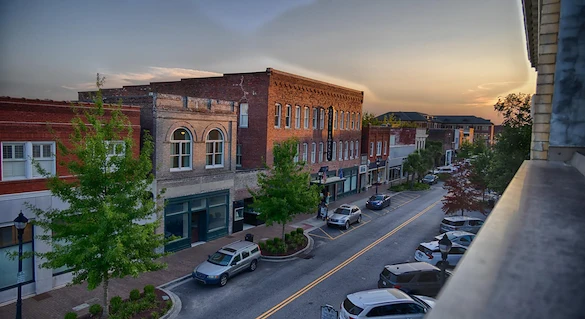
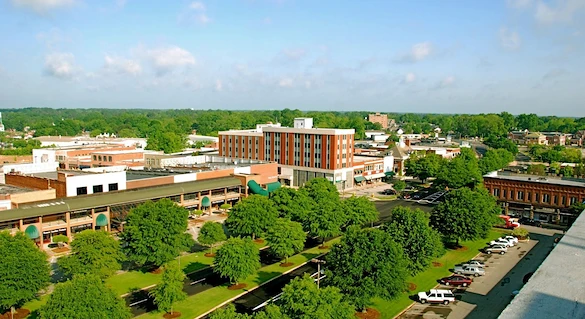
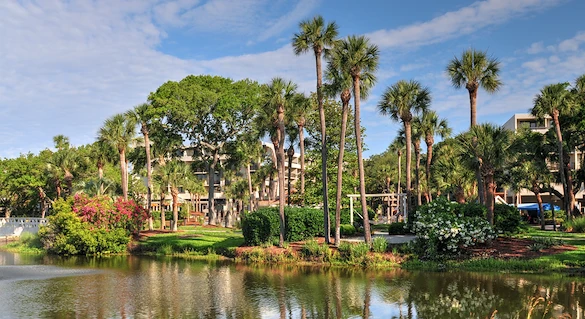
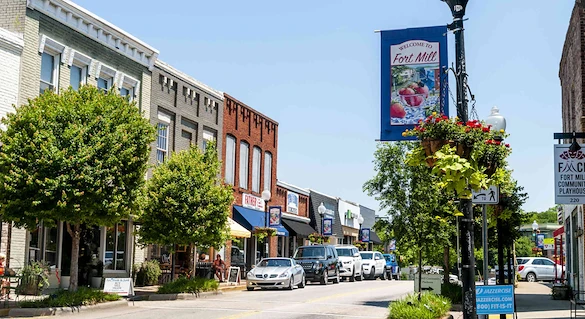
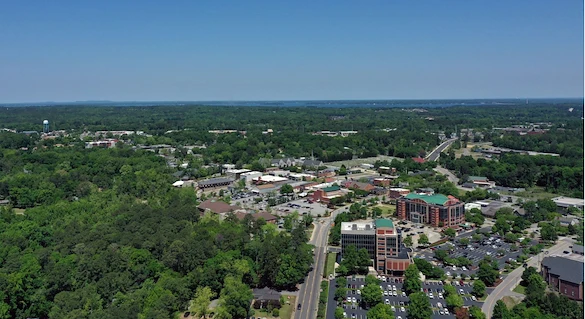
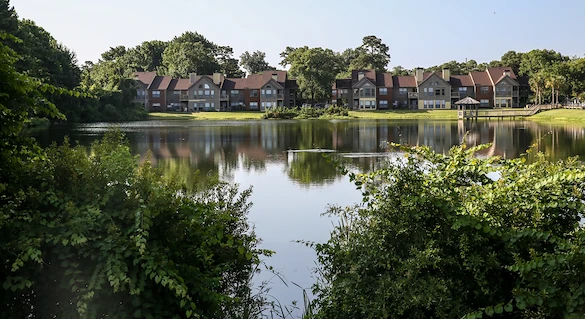
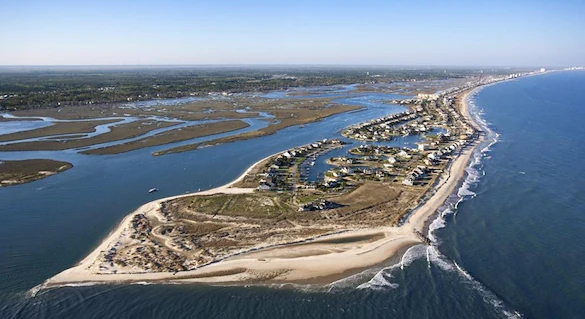
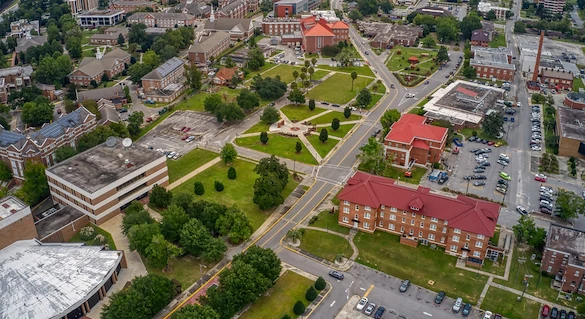
South Carolina is quickly becoming a top destination for seniors and their families—and it’s easy to see why. With its mild year-round climate, welcoming communities, and rich blend of natural beauty and Southern hospitality, South Carolina offers older adults a lifestyle that’s both comfortable and fulfilling. Whether you’re drawn to the scenic coastline, peaceful inland towns, or vibrant cities like Charleston, Greenville, or Columbia, South Carolina offers a range of senior living options to suit every need and preference.
Fast Facts
Senior Living & Care in South Carolina
| #23 | most populated state in the U.S. |
| $4,700 | average monthly assisted living cost in South Carolina |
| 450 | licensed assisted living and care providers in South Carolina |
| 1M+ | people are age 65+ in South Carolina |
One of the most appealing aspects of South Carolina for retirees is its affordable cost of living, which is consistently below the national average. This includes housing, utilities, and even healthcare—an important factor for families planning long-term care. The state does not tax Social Security benefits and offers additional retirement income deductions, making it a smart financial choice for older adults seeking a quality lifestyle on a fixed income.
South Carolina also shines when it comes to healthcare access for seniors. The state is home to a growing network of senior care providers, including skilled nursing facilities, assisted living communities, independent living residences, and in-home care services. Top-ranked medical centers like MUSC Health in Charleston and Prisma Health in the Upstate ensure residents have access to high-quality care, specialized geriatric services, and innovative treatment options.
Nature lovers will appreciate the state’s abundance of outdoor recreation—from the Blue Ridge Mountains to the Atlantic coast. Seniors can enjoy walking trails, golf courses, and botanical gardens, as well as year-round festivals and farmer’s markets. For those who prefer cultural engagement, South Carolina offers museums, historic sites, art galleries, and community centers that host social events and lifelong learning classes tailored to older adults.
Senior-friendly cities and towns across South Carolina offer a warm, neighborly feel with easy access to amenities, shopping, and recreation. Whether your loved one is searching for a peaceful retirement setting or a vibrant community with active social programming, South Carolina provides a welcoming environment where seniors can truly thrive.
If you’re exploring senior living in South Carolina, the Palmetto State delivers an ideal mix of affordability, quality healthcare, and lifestyle advantages—making it a wonderful place for aging adults and the families who love them.
Cities in South Carolina for Senior Living and Care
Assisted Living in South Carolina
Assisted living in South Carolina offers a supportive living environment for seniors who need help with daily activities but want to maintain as much independence as possible. These communities provide personalized care tailored to each resident’s needs, including assistance with bathing, dressing, meal preparation, medication management, and mobility. In addition to physical support, many assisted living facilities emphasize social engagement and wellness through organized activities, fitness programs, and opportunities to connect with other residents.
South Carolina regulates assisted living facilities through the Department of Health and Environmental Control (DHEC). Facilities must be licensed and comply with state standards that ensure resident safety, quality of care, and staff qualifications. Licensing requirements include regular inspections, staffing ratios that guarantee adequate supervision, and emergency preparedness plans. These regulations help maintain a high standard of care and protect residents’ well-being.
Assisted living communities in South Carolina vary widely to meet diverse needs and budgets. Luxury communities often feature spacious apartments, upscale amenities, gourmet dining, and specialized wellness programs. Budget-friendly options provide essential services in a comfortable setting without the extra frills, making assisted living accessible to more families. Many communities also offer specialized memory care units designed for individuals with Alzheimer’s or other dementias, providing a secure environment and staff trained in dementia care.
Families evaluating assisted living options in South Carolina should consider factors like the facility’s reputation, staff credentials, resident-to-staff ratio, available services, and cost. Visiting communities in person and asking detailed questions about care plans, medication management, and social activities can provide valuable insights. Reviewing state inspection reports and seeking feedback from current residents and families can also help identify high-quality communities.
Overall, assisted living in South Carolina combines compassionate care, safety, and vibrant community life. Whether looking for luxury amenities or budget-conscious care, families can find options that support their loved ones’ health, independence, and happiness in the Palmetto State.
Best Assisted Living Communities in South Carolina
View All Providers-
 4.2Premium+
Shem Creek at South Bay
1400 Liberty Midtown Dr. Suite 420 Mount Pleasant, SC 29464
Assisted LivingMemory Care -
 4.1Premium
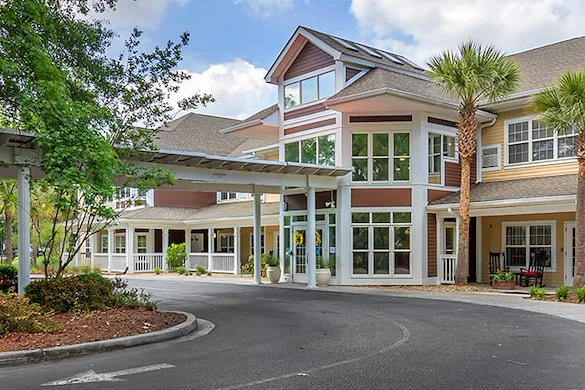
The Colonnade at West Ashley
2030 Charlie Hall Blvd Charleston, SC 29414
Assisted LivingMemory Care -
 4.7Verified
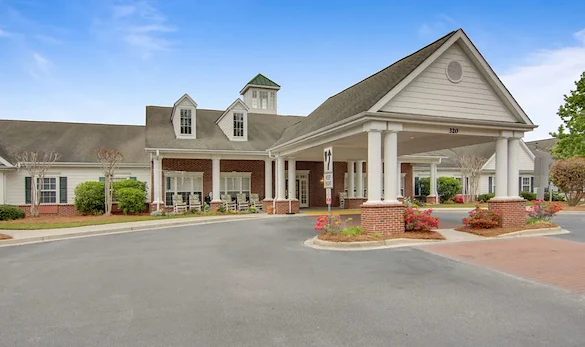
Revela at Daniel Island
320 Seven Farms Dr Daniel Island, SC 29492
Assisted LivingRespite Care -
 4.4Verified
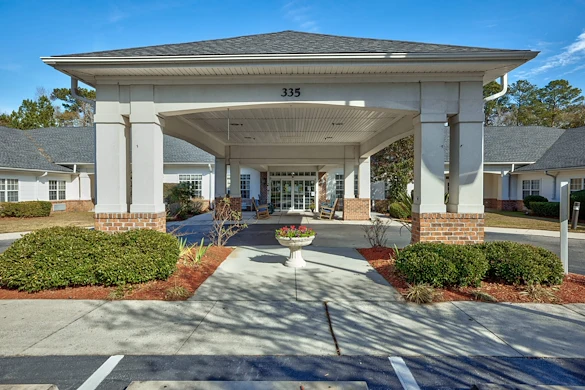
The Bridge at Charleston
2590 Elms Plantation Blvd North Charleston, SC 29406
Assisted Living -
-
 4.3Verified
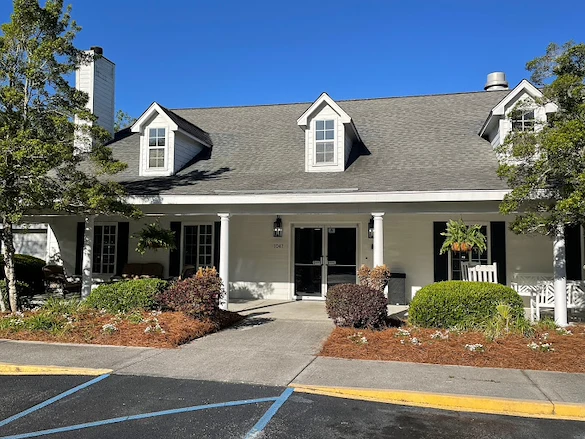
Cooper River Assisted Living
1047 Anna Knapp Blvd Mount Pleasant, SC 29464
Assisted Living
Cost of Assisted Living in South Carolina
Several factors influence the price of assisted living in South Carolina. Location plays a key role, as urban areas typically have higher costs due to demand and access to advanced healthcare facilities. The level of care required by the resident also impacts cost—those needing specialized memory care or higher levels of assistance generally pay more. Additionally, amenities like gourmet dining, fitness centers, transportation services, and social programs add to monthly fees.
Financial assistance programs in South Carolina help eligible seniors manage these costs. The state’s Medicaid program, called Healthy Connections, offers the Community Choices Waiver, which helps cover assisted living services for individuals who meet nursing home-level of care criteria. Another important program is the Optional State Supplementation (OSS), providing monthly payments to qualified individuals to assist with the cost of community residential care facilities. Eligibility for these programs depends on income, assets, and medical need, making it essential for families to understand the application requirements.
When considering assisted living communities in South Carolina, families should balance cost with quality of care, amenities, and compliance with state regulations. Visiting multiple communities, reviewing state inspection reports, and seeking feedback from current residents and their families can help ensure the best choice for their loved one’s health, safety, and happiness.
What to Know About Assisted Living in South Carolina
What is the average monthly cost of assisted living in South Carolina?
The average monthly cost of assisted living in South Carolina is about $4,600–$4,700, which is slightly below the national average. Costs vary by city, apartment size, and level of care, with more affordable options often found outside major metro and coastal areas.
How do you qualify for assisted living in South Carolina?
To qualify for assisted living in South Carolina, an individual typically must need help with daily activities such as bathing, dressing, medication management, or mobility, but not require 24/7 skilled nursing care. A health assessment is usually completed to determine care needs and ensure the community can safely support the resident.
Does Medicare pay for assisted living in South Carolina?
No, Medicare does not pay for assisted living in South Carolina or any other state. Medicare only covers short-term medical care, such as hospital stays, rehabilitation, or skilled nursing following an illness or injury.
Does Medicaid in South Carolina cover assisted living?
Independent Living in South Carolina
Independent living communities in South Carolina offer seniors a vibrant and maintenance-free lifestyle, making them an excellent option for those who value independence but want a supportive, social environment. These communities are designed for active older adults who no longer want to worry about home upkeep, such as lawn care, repairs, or cooking, while enjoying a range of amenities and social opportunities tailored to their interests and needs.
In South Carolina, independent living options often include apartments, cottages, or villas within a secure community setting. Residents can enjoy features like fitness centers, swimming pools, organized outings, hobby clubs, and communal dining. These amenities promote physical health, mental well-being, and social connection—key factors in healthy aging. The climate in South Carolina, known for its mild winters and warm summers, allows residents to take advantage of outdoor activities year-round, from golfing and hiking to visiting beaches and parks.
Several cities in South Carolina are particularly popular among retirees and seniors seeking independent living. Places like Charleston, Greenville, and Myrtle Beach combine affordable living costs with quality healthcare access, cultural activities, and a welcoming community atmosphere. For example, Charleston offers historic charm, coastal living, and vibrant arts scenes, while Greenville provides a mix of urban amenities and natural beauty with its parks and trails. Myrtle Beach appeals to seniors who enjoy an active lifestyle with plentiful recreational options.
Beyond lifestyle and location benefits, independent living communities in South Carolina emphasize safety and convenience. Many offer emergency response systems, transportation services, and access to nearby medical facilities, providing peace of mind without sacrificing freedom.
Overall, independent living in South Carolina supports seniors who want to maintain their autonomy while enjoying social engagement, convenient services, and a comfortable lifestyle. With its favorable climate, diverse community options, and rich cultural environment, South Carolina is an appealing place for seniors to live independently and thrive.
Best Independent Living Communities in South Carolina
View All Providers-
 4.6Premium
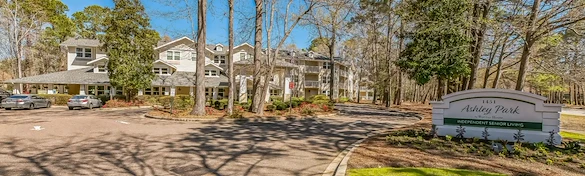
Ashley Park by Barclay House
1451 Tobias Gadson Blvd Charleston, SC 29407
Independent Living -
 4.2Premium
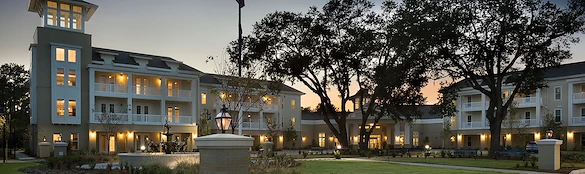
South Bay at Mt. Pleasant
1400 Liberty Midtown Dr Mount Pleasant, SC 29464
Independent Living -
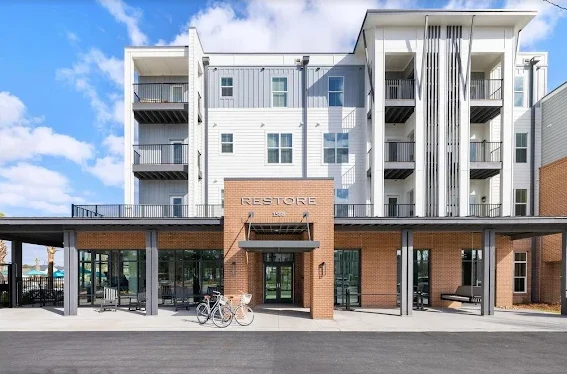 4.8Verified
Restore at Carolina Park
1588 Bloom St Mt Pleasant, SC 29466
Active Adult LivingIndependent Living -
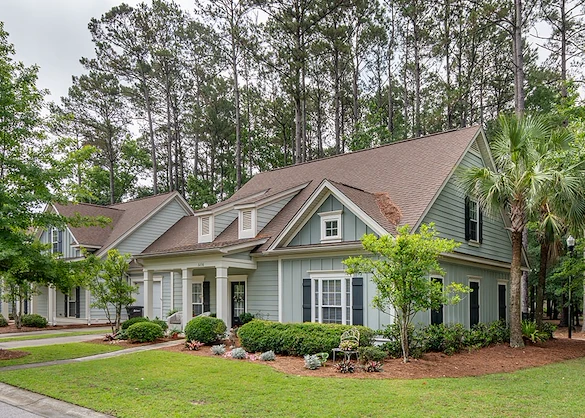 4.5Verified
Somerby Mount Pleasant
3100 Tradition Cir Mount Pleasant, SC 29466
Independent LivingAssisted LivingMemory CareRespite Care -
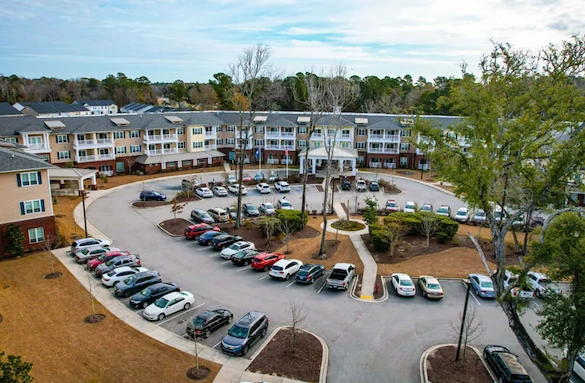 4.1Verified
Harmony at Wescott
5130 Wescott Blvd Summerville, SC 29485
Independent LivingAssisted LivingMemory Care -
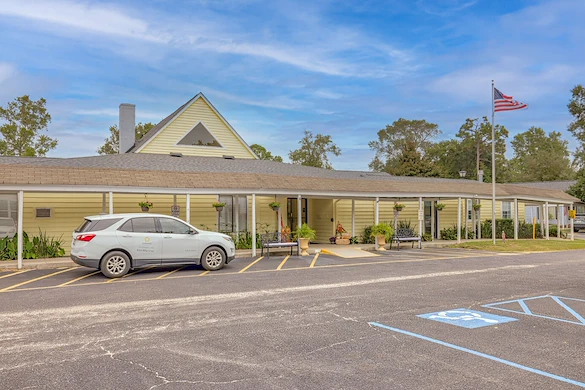 3.9Verified
Sandpiper at Shem Creek
1224 Village Creek Ln Mount Pleasant, SC 29464
Independent Living


Cost of Independent Living in South Carolina
Independent living communities in South Carolina typically provide private apartments or cottages designed for seniors who want to maintain their independence without the burdens of home maintenance. Many communities include daily nutritious meals, housekeeping services, scheduled transportation for errands or outings, and a variety of social activities, fitness programs, and educational classes. These amenities support an active, engaging, and comfortable lifestyle for residents.
Several key factors influence the cost of independent living. Location is a primary consideration, with urban areas and popular retirement destinations usually commanding higher prices due to greater demand and more upscale amenities. The level and quality of amenities offered also impact pricing, as communities with specialized services or luxury features may charge premium fees. Additionally, the size and type of residence, such as larger apartments or private cottages, typically affect the overall cost.
While Medicaid and Medicare generally do not cover independent living expenses, seniors and their families in South Carolina can explore alternative financial resources. Options include using proceeds from the sale of a home or tapping into a home equity line of credit, drawing from retirement savings, and accessing veterans’ benefits such as Aid and Attendance for eligible individuals. The state also offers various programs that provide financial assistance to low-income seniors. It is recommended that families consult with financial advisors or local agencies to fully understand and explore these options.
Overall, independent living in South Carolina offers a cost-effective, enriching lifestyle with plenty of supportive services and vibrant community environments. By considering factors like location, amenities, and available financial resources, families can make well-informed decisions to ensure their loved ones live comfortably and independently.
What to Know About Independent Living in South Carolina
What is the average cost of independent living in South Carolina?
The average cost of independent living in South Carolina ranges from $2,200 to $3,200 per month, depending on location, apartment size, and amenities. Independent living is generally more affordable than assisted living because it does not include personal care services, making it a popular option for active seniors.
What is the biggest risk of living in South Carolina?
One of the biggest risks of living in South Carolina is exposure to extreme weather, including hurricanes, flooding, and high summer heat, particularly in coastal areas. Seniors should also consider access to healthcare in rural regions, where medical services may be more limited compared to larger cities.
Who qualifies for independent living?
Independent living is designed for older adults, typically age 55 or 62 and older, who can live safely on their own without daily personal or medical care. Residents must be able to manage their activities of daily living independently while benefiting from a maintenance-free lifestyle and social amenities.
What's the most affordable place to live in South Carolina?
Some of the most affordable places to live in South Carolina include Spartanburg, Sumter, Florence, Orangeburg, and Rock Hill, where housing costs, taxes, and senior living expenses are generally lower than in coastal or high-growth metro areas.
Home Care in South Carolina
Non-medical home care is a vital service that helps seniors maintain their independence and live safely in their own homes for as long as possible. Unlike medical care, non-medical home care focuses on assisting with everyday tasks that support a senior’s daily living needs. Common services include personal care such as help with bathing, dressing, grooming, and mobility. Caregivers also provide companionship to reduce feelings of loneliness and isolation, which can significantly impact a senior’s mental and emotional well-being. Additionally, non-medical home care includes household assistance such as meal preparation, light housekeeping, medication reminders, and transportation to appointments or social activities.
In South Carolina, non-medical home care agencies operate under specific state guidelines to ensure safe and quality care. While South Carolina does not require all non-medical home care providers to have a formal state license, many reputable agencies pursue voluntary certification or accreditation to demonstrate their commitment to high standards. Families looking for home care services should verify that agencies perform thorough caregiver background checks, provide ongoing training, and adhere to ethical care practices. This helps ensure seniors receive compassionate and reliable assistance tailored to their individual needs.
The availability of non-medical home care services varies across South Carolina. Urban areas such as Charleston, Columbia, and Greenville tend to have a broader selection of providers and care options, offering families more choices. In contrast, rural regions may experience limited service availability and longer wait times, which can affect access and cost. Families should consider these regional differences when planning for care, especially if they require specific services or flexible scheduling.
Non-medical home care plays an essential role in supporting seniors who want to age in place. It promotes independence, safety, and quality of life by providing practical help and meaningful social interaction. When selecting a provider in South Carolina, families should prioritize agencies that emphasize caregiver training, transparency, and personalized care plans. Doing so helps ensure a positive experience for their loved ones while giving families peace of mind.
Best Home Care Agencies in South Carolina
View All Providers-
 3.0Premium
BeWell HomeCare Lowcountry
1885 Rifle Range Rd. Mt. Pleasant, SC 29464
Home Care (Non-Medical) -
 4.9Verified
Home Instead - Charleston
11 Gamecock Avenue, Ste 1105 Charleston, SC 29407
Home Care (Non-Medical) -
 4.9Verified
FirstLight Home Care of Charleston
990 Lake Hunter Cir, Suite One Mt. Pleasant, SC 29464
Home Care (Non-Medical) -
 5.0Verified
Amada Charleston
1156 Bowman Road, Suite 200 Mount Pleasant, SC 29464
Home Care (Non-Medical) -
 5.0Verified
Visiting Angels - Charleston
1041 Johnnie Dodds Blvd Mt Pleasant, SC 29464
Home Care (Non-Medical)


Cost of Home Care Non-Medical in South Carolina
Several factors influence the cost of non-medical home care in South Carolina. The number of care hours needed plays a significant role—the more hours required, the higher the total expense. Additionally, there is often a cost difference between agency-provided care and private caregivers. Agencies usually charge higher rates due to overhead costs, while private caregivers may offer more flexibility but require careful vetting to ensure quality and safety. The type of services requested can also affect pricing, as specialized care, such as dementia support or other focused assistance, might come with additional fees.
While Medicare generally does not cover non-medical home care, South Carolina offers several financial assistance options to help offset costs. Medicaid covers certain non-medical home care services through programs like the Community Choices Waiver, available to eligible individuals. Long-term care insurance policies may also cover in-home care, depending on the plan’s terms. Veterans and their families can access Aid and Attendance benefits to help with care expenses, and there are state-funded programs designed to assist low-income seniors in obtaining needed services. Given the variety of options, families are encouraged to consult with financial advisors or local agencies to understand eligibility and identify the most cost-effective solutions.
Overall, non-medical home care in South Carolina provides an affordable, flexible way for seniors to remain safely in their homes while receiving essential support. By considering regional price differences, understanding cost factors, and exploring available financial assistance, families can make well-informed decisions to ensure their loved ones receive quality care tailored to their needs.
What to Know About Non Medical Home Care in South Carolina
How much does a home health aide cost in South Carolina?
A home health aide in South Carolina costs an average of $23–$26 per hour, depending on the level of care and location. Home health aides provide medical-related services ordered by a physician, such as monitoring vital signs or assisting with recovery.
What is the difference between non medical home care and home health care?
Non-medical home care helps with daily living tasks like bathing, meal preparation, companionship, and light housekeeping, while home health care provides skilled medical services such as nursing care, therapy, or wound care prescribed by a doctor.
Can I get paid to be a caregiver in South Carolina?
Yes — in South Carolina, you can get paid to be a caregiver in certain situations. Some programs (such as Medicaid-related caregiver support) may allow family members to be compensated for providing care if the care recipient qualifies and the caregiver meets program requirements.
What is the meaning of non-medical care?
Non-medical care refers to support with daily living activities that do not involve medical treatment. It typically includes help with tasks like companionship, meal preparation, light housekeeping, transportation, and assistance with bathing or dressing.
Long-Term Care/Skilled Nursing in South Carolina
Long-term care in skilled nursing facilities in South Carolina plays a critical role in supporting seniors and individuals with complex medical needs. These facilities provide round-the-clock skilled nursing care, including advanced medical services such as medication management, wound care, intravenous therapy, and monitoring of chronic conditions. Rehabilitation services—physical, occupational, and speech therapy—are also integral parts of care, helping residents regain function and improve their quality of life after surgery, injury, or illness. Many skilled nursing homes also offer specialized care units, such as memory care, designed specifically for individuals with Alzheimer’s disease or other dementias. These units provide secure, structured environments with personalized programming aimed at maintaining cognitive function and ensuring safety.
In South Carolina, skilled nursing facilities are closely regulated by the Department of Health and Environmental Control (DHEC). Facilities must comply with rigorous state licensing requirements and federal standards enforced through the Centers for Medicare & Medicaid Services (CMS). These regulations cover staff qualifications, staffing ratios, infection control, resident rights, and facility safety. Regular inspections and audits ensure that nursing homes meet quality benchmarks, protecting residents and maintaining high standards of care.
For families navigating the search for the right skilled nursing facility in South Carolina, a variety of tools and resources are available. The CMS Nursing Home Compare website provides comprehensive data on inspection results, staffing levels, and quality ratings, enabling families to compare facilities objectively. U.S. News & World Report also offers detailed nursing home rankings based on health and safety outcomes. Additionally, the South Carolina Office of State Long-Term Care Ombudsman serves as an advocate for residents, offering assistance and guidance throughout the decision-making process. Visiting facilities in person, talking to staff and residents, and reviewing state inspection reports are crucial steps to understanding the culture and quality of care provided.
Overall, South Carolina’s skilled nursing facilities deliver essential medical, rehabilitative, and specialized support within a regulated framework designed to ensure safety and dignity. By leveraging available resources and asking the right questions, families can confidently choose nursing homes that align with their loved one’s unique health needs and personal preferences.
Best Nursing Homes and Skilled Nursing Facilities in South Carolina
View All Providers-
 5.0Verified
Ashley River Healthcare
1137 Sam Rittenburg Blvd. Charleston, SC 29407
Long-Term Care / Skilled NursingSkilled Rehabilitation -
 5.0Verified
Kempton of Charleston Health Services
194 Spring St Charleston, SC 29403
Long-Term Care / Skilled NursingSkilled Rehabilitation -
 2.0Verified
Wellmore of Daniel Island
580 Robert Daniel Drive Charleston, SC 29492
Long-Term Care / Skilled NursingSkilled RehabilitationLife Plan Community/CCRC -
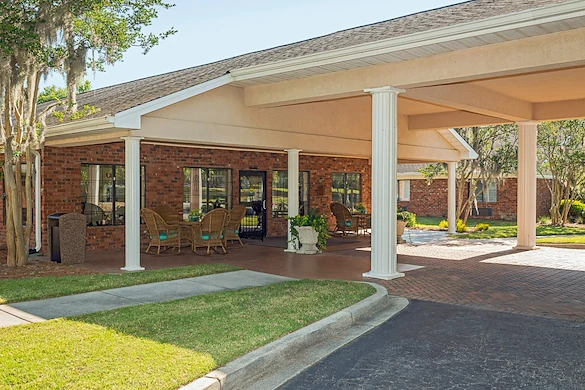 3.0Verified
Life Care Center Of Charleston
2600 Elms Plantation Blvd N Charleston, SC 29406
Long-Term Care / Skilled NursingSkilled Rehabilitation


Cost of Nursing Homes in South Carolina
Several factors influence the pricing of skilled nursing care in South Carolina. The level of medical care required plays a significant role; individuals needing intensive medical attention or specialized services, such as memory care or post-surgical rehabilitation, may incur higher costs. Additionally, the reputation and quality of the facility can impact pricing; well-established facilities with higher staffing ratios and better amenities often charge more. Other factors include the location of the facility, with urban areas typically having higher costs, and the type of room selected, as private rooms are more expensive than semi-private ones.
Financial assistance options are available to help offset the costs of skilled nursing care. Medicare typically covers short-term stays in skilled nursing facilities following a qualifying hospital stay, but it does not cover long-term custodial care. Medicaid, known as Healthy Connections in South Carolina, provides coverage for long-term care services for eligible individuals who meet financial and medical criteria. Eligibility for Medicaid is based on income and asset limits, and not all facilities accept Medicaid. It's important to verify whether a facility participates in the Medicaid program. Additionally, long-term care insurance policies may cover some or all of the costs, depending on the policy's terms and conditions. Families are encouraged to explore all available financial assistance options and consult with financial advisors or elder law attorneys to navigate the complexities of funding long-term care.
What to Know About Nursing Homes in South Carolina
What's the average cost of a nursing home in South Carolina?
The average cost of a nursing home in South Carolina is approximately $7,200 per month for a semi-private room and $8,000 or more per month for a private room, depending on location and facility.
Does Medicare pay for nursing homes in South Carolina?
Medicare only pays for short-term skilled nursing care after a qualifying hospital stay and does not cover long-term nursing home stays in South Carolina.
Does Medicaid pay for nursing homes in SC?
Yes, South Carolina Medicaid does cover nursing home care for eligible seniors who meet income, asset, and medical-necessity requirements. Medicaid is the primary payer for long-term nursing home care in the state.
Will Medicare pay for a nursing home?
Medicare may pay for a short rehabilitation stay in a nursing facility, but it does not cover long-term or custodial nursing home care.
Finding the Right Senior Care in South Carolina
Navigating senior living and care options in South Carolina can feel overwhelming, but having the right information makes all the difference. Whether you're researching assisted living, exploring independent living communities, comparing home care services, or planning for long-term skilled nursing, South Carolina offers a wide range of choices designed to support comfort, safety, and quality of life.
From affordable care options to luxury communities, rural towns to major metro hubs, families can find solutions that meet both personal needs and financial goals. With strong healthcare systems, state oversight, and numerous financial assistance programs, South Carolina continues to be a trusted place for seniors seeking support and connection.
As you begin the search, remember that every senior’s needs are unique—use this guide as a starting point, and explore local providers, community reviews, and available resources to make the most informed decision possible.
Below are answers to the most common questions families ask when researching senior living and senior care in South Carolina.
Frequently Asked Questions About Senior Living in South Carolina
Is South Carolina a good place for seniors to live?
Yes, South Carolina is considered a good state for seniors, offering a mild climate, lower-than-average senior living costs, tax benefits for retirees, and a wide range of care options.
What is the best town in South Carolina for seniors?
Popular towns for seniors in South Carolina include Greenville, Charleston, Columbia, and Hilton Head, each offering strong healthcare access, senior services, and retirement-friendly amenities. The “best” town depends on lifestyle, budget, and care needs.
What's the most affordable place to live in South Carolina?
Some of the most affordable places to live in South Carolina include Spartanburg, Sumter, Florence, and Orangeburg, where housing and senior care costs tend to be lower than coastal or high-growth areas.
Do seniors pay state income tax in South Carolina?
Yes, but South Carolina offers generous tax breaks for seniors. Residents age 65 and older may deduct up to $15,000 of retirement income from state taxes.
Frequently Asked Questions About Senior Care in South Carolina
Does South Carolina pay you to take care of elderly parents?
Yes, but South Carolina offers generous tax breaks for seniors. Residents age 65 and older may deduct up to $15,000 of retirement income from state taxes.
Does South Carolina have good healthcare for seniors?
Yes, South Carolina has strong healthcare systems, including major hospital networks, specialists, and growing access to senior-focused services, particularly in metro areas like Charleston, Columbia, and Greenville.
How much does a family caregiver get paid in SC?
Family caregiver pay in South Carolina varies by program but typically ranges from $10–$15 per hour when compensation is available through Medicaid or other assistance programs.
At what age do seniors stop paying property taxes in South Carolina?
South Carolina offers a Homestead Exemption starting at age 65, which exempts seniors from paying property taxes on the first $50,000 of their home’s value, significantly reducing tax burden.