
Senior Living Facts for North Dakota
North Dakota is a welcoming and peaceful place to call home—especially for older adults looking to enjoy a slower pace of life surrounded by natural beauty, strong community values, and affordable living. With its wide-open spaces, clean air, and low population density, North Dakota offers seniors an ideal setting to age gracefully and comfortably. Whether you're seeking independent living, assisted living, or skilled nursing care in North Dakota, families will find options that are both high-quality and cost-effective.
Fast Facts
Senior Living & Care in North Dakota
| #47 | most populated state in the U.S. |
| $5,700 | average monthly assisted living cost in North Dakota |
| 75+ | assisted living communities and care providers across North Dakota |
| 112K+ | adults age 65+ in North Dakota |
The state’s low cost of living is a major draw for retirees and their loved ones. Housing, healthcare, and everyday expenses tend to be more affordable than national averages, making North Dakota senior care an attractive option for families seeking value without sacrificing quality. Healthcare access is another strength—North Dakota is home to top-rated hospitals and senior health providers in cities like Fargo, Bismarck, and Grand Forks. Rural communities also benefit from expanding telehealth services and community-based care, helping seniors stay connected and supported wherever they live.
Seniors in North Dakota enjoy a strong sense of belonging. The state is known for its friendly, close-knit communities that value family and neighborly support. Many towns and cities offer senior centers, faith-based programs, lifelong learning opportunities, and volunteer networks tailored to older adults. Nature lovers can explore North Dakota’s scenic beauty, from peaceful prairie landscapes and state parks to wildlife refuges and river trails—perfect for staying active and enjoying the outdoors.
Cultural and recreational opportunities abound, with local museums, music festivals, and historical sites offering year-round enrichment. Cold winters are balanced by cozy communities, indoor wellness programs, and services designed to help seniors stay safe, warm, and engaged throughout the year.
Whether you're planning ahead or navigating a sudden change in care needs, North Dakota offers a high quality of life for aging adults. From independent living communities in Fargo to skilled nursing facilities in Bismarck and compassionate in-home care in rural counties, families can feel confident exploring senior living in North Dakota as a place where loved ones can thrive.
Top Cities for Senior Living and Care in North Dakota




Assisted Living in North Dakota
Assisted living in North Dakota offers a safe, supportive, and engaging environment for seniors who need help with daily activities but wish to maintain a sense of independence. These communities provide personalized assistance with tasks such as bathing, dressing, mobility, and medication management. Many also offer housekeeping, laundry services, transportation, and daily meals, creating a stress-free lifestyle that allows residents to focus on their health and happiness.
North Dakota assisted living communities place a strong emphasis on social connection and enrichment. Residents often enjoy activity calendars filled with group outings, fitness classes, creative arts, and opportunities for lifelong learning. This focus on holistic well-being makes assisted living especially appealing for older adults seeking meaningful community life.
The state regulates assisted living facilities through the North Dakota Department of Health and Human Services, ensuring they meet high standards for safety, staffing, and resident care. Facilities must be licensed and are routinely inspected to ensure compliance. While “assisted living” and “basic care” are sometimes used interchangeably in North Dakota, basic care facilities are a specific category licensed to provide room, board, and health-related services under state guidelines.
North Dakota offers a range of assisted living communities to suit different needs and budgets. From smaller, home-like residences to larger campuses with resort-style amenities, families can choose from options including luxury senior living, affordable assisted living, and memory care-focused communities designed for individuals with dementia or Alzheimer’s. Some communities even offer tiered levels of care, allowing residents to age in place as their needs evolve.
When evaluating assisted living options in North Dakota, families should consider factors such as staff-to-resident ratios, medical oversight, proximity to local hospitals or family members, and the community’s social and wellness offerings. Visiting in person, reviewing inspection reports, and speaking with current residents and staff can help ensure the right fit.
Assisted living in North Dakota supports older adults with the care they need—while promoting independence, dignity, and connection. With its regulated standards and a variety of community types, the state offers dependable, compassionate solutions for families navigating this important decision.
Top Assisted Living Communities in North Dakota
View All Providers-
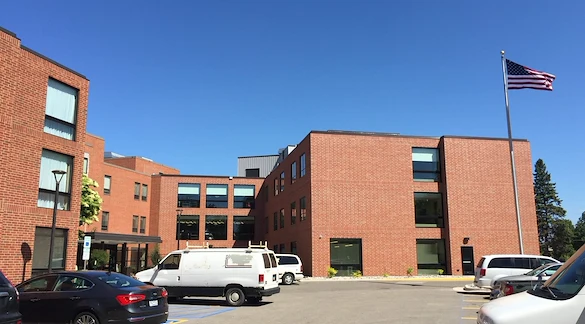 4.7Verified
Bethany on University Senior Living
201 University Drive South Fargo, ND 58103
Independent LivingAssisted LivingMemory Care -
 4.7Verified
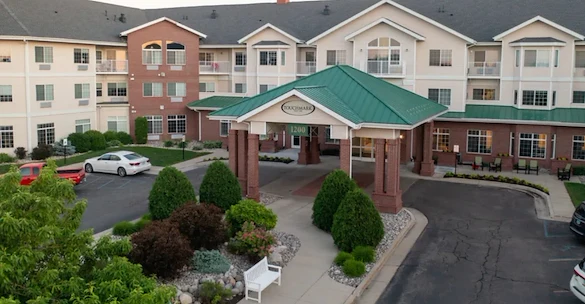
Touchmark at Harwood Groves
1200 Harwood Dr S Fargo, ND 58104
Independent LivingAssisted LivingMemory Care -
 4.5Verified
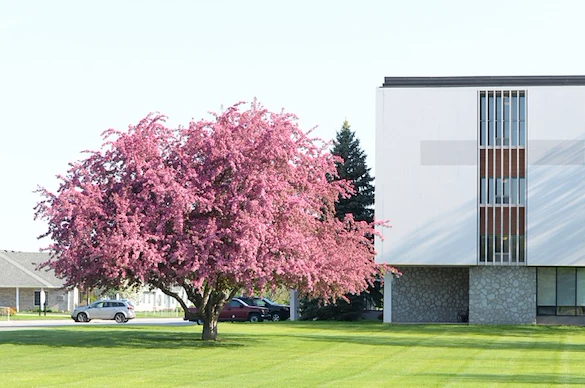
Riverview Place
5300 12th Street South Fargo, ND 58104
Independent LivingAssisted Living -
 4.3Verified
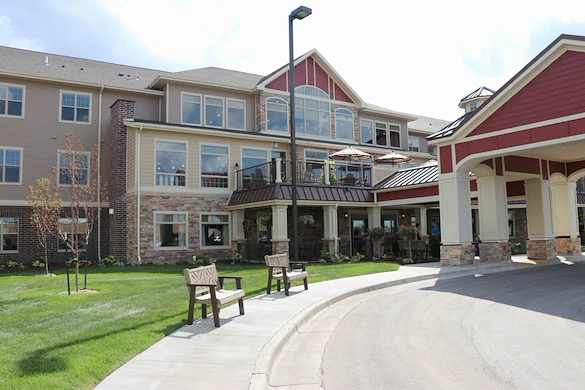
New Perspective | West Fargo
645 33rd Ave East West Fargo, ND 58078
Independent LivingAssisted LivingMemory Care


Cost of Assisted Living in North Dakota
Understanding the cost of assisted living in North Dakota is essential for families exploring senior care options. According to the 2024 Genworth Cost of Care Survey, the average monthly cost of assisted living in the state is approximately $5,050. This figure is slightly lower than the national average of $5,900, making North Dakota a relatively affordable option for older adults seeking supportive housing with personalized care. However, pricing can vary widely depending on the city or region.
For instance, families in Bismarck can expect to pay around $4,386 per month, while assisted living communities in Fargo average closer to $4,299. These rates fall below the state average, offering more budget-friendly options for care. On the other hand, Grand Forks has some of the highest assisted living costs in the state, with monthly fees approaching $7,000, largely due to local demand and limited availability. Rural areas may offer even more affordable pricing, especially where competition among providers is lower.
Several factors contribute to the overall cost of assisted living in North Dakota. The level of care needed plays a major role—residents who require specialized services such as memory care for Alzheimer’s or dementia often pay 20–30% more due to enhanced staffing, programming, and safety measures. Additionally, amenities such as private apartments, chef-prepared meals, wellness programs, and on-site therapy services can significantly increase monthly rates. Facilities located in urban or high-demand areas also tend to charge more, as do communities with strong reputations, high-quality ratings, and experienced staff.
For families concerned about affordability, financial assistance options are available. North Dakota offers an Aged & Disabled Medicaid Waiver, which can help cover services like personal care and homemaker assistance in assisted living settings. While this waiver does not cover room and board, it can significantly reduce overall expenses. Other state-administered programs and Medicaid pathways, including ABD Medicaid, may provide additional support for seniors who meet income and care requirements. Veterans and surviving spouses may qualify for Aid and Attendance benefits, which can be applied toward assisted living costs. In addition, those with long-term care insurance may receive partial or full coverage depending on their policy.
For families evaluating assisted living in North Dakota, understanding these cost variables and funding resources is key to making confident, informed care decisions.
What to Know About Assisted Living in North Dakota
The average cost of assisted living in North Dakota is approximately $4,000–$5,200 per month, depending on the community, services offered, and location.
Yes. North Dakota Medicaid may help cover certain assisted living services through waiver programs for eligible seniors, though room and board costs may still be partially private pay.
Most seniors pay using private savings, retirement income, long-term care insurance, veterans benefits, or Medicaid programs if they qualify.
Seniors with limited income may qualify for Medicaid waiver programs, subsidized senior housing, or state financial assistance programs that help cover long-term care costs.
Independent Living in North Dakota
Independent living in North Dakota offers older adults a balanced lifestyle of freedom, comfort, and community. Designed for active seniors who are mostly self-sufficient but prefer a simplified, maintenance-free lifestyle, these communities provide a safe and engaging environment where residents can enjoy their retirement years with ease. Independent living is ideal for older adults who want to downsize from a traditional home, reduce household responsibilities, and gain more opportunities for connection and recreation.
Independent living communities typically offer private apartments or cottages, with services such as housekeeping, lawn care, and home maintenance included. Residents often have access to a wide range of amenities like fitness centers, walking paths, game rooms, libraries, and on-site dining. One of the biggest benefits is the social environment—planned events, outings, and clubs make it easy for seniors to build friendships and stay active. While independent living does not provide medical care or personal assistance, it often shares campuses with assisted living or continuing care facilities, offering peace of mind as needs change.
North Dakota’s friendly, close-knit communities and slower pace of life make it an appealing option for retirement. Cities like Bismarck, Fargo, and Grand Forks offer vibrant senior-friendly amenities including cultural events, access to quality healthcare, and walkable neighborhoods. For those who prefer more rural settings, smaller towns across the state offer a peaceful atmosphere with lower living costs and a strong sense of community.
The state’s low population density, relatively affordable cost of living, and four-season climate attract seniors looking for a more relaxed and scenic retirement. While winters can be cold, many independent living communities offer indoor amenities and transportation services that help residents stay active and connected year-round. North Dakota’s high quality of life, low crime rates, and access to nature—from expansive prairies to nearby lakes and state parks—add to its appeal for older adults seeking a safe and enriching retirement lifestyle.
For seniors in North Dakota who are ready to simplify daily life while staying independent and socially engaged, independent living communities offer a thoughtful balance of privacy, convenience, and connection.
Top Independent Living Communities in North Dakota
View All Providers-
4.7Verified
Bethany on University Senior Living
201 University Drive South Fargo, ND 58103
Independent LivingAssisted LivingMemory Care -
4.7Verified
Touchmark at Harwood Groves
1200 Harwood Dr S Fargo, ND 58104
Independent LivingAssisted LivingMemory Care -
4.5Verified
Riverview Place
5300 12th Street South Fargo, ND 58104
Independent LivingAssisted Living -
4.3Verified
New Perspective | West Fargo
645 33rd Ave East West Fargo, ND 58078
Independent LivingAssisted LivingMemory Care
Cost of Independent Living in North Dakota
Independent living in North Dakota offers active, self-sufficient seniors an affordable way to enjoy a low-maintenance lifestyle among peers. According to Genworth-based estimates, the average monthly cost is around $2,204 to $2,662, which is significantly lower than the national average of about $2,880 to $3,162, making it a budget-friendly option for many families.
Costs vary notably by region. In Grand Forks, for example, rates can be as low as $1,430 per month, while Bismarck averages around $2,412, and Fargo sits slightly higher at approximately $2,496–$2,873 per month. Some smaller towns may offer ranges between $594 and $2,543 per month, depending on community size and amenities. In Fargo specifically, independent living is estimated at around $1,994 per month, with monthly rates ranging from $1,128 to $2,530.
What’s typically included in these fees varies by community, but most independent living options bundle housing and maintenance—like housekeeping, yard care, and repairs—with access to amenities such as social activities, dining areas, fitness classes, libraries, and transportation. Some continuing care retirement communities (CCRCs) also include meal plans and shared common spaces in their pricing structure.
Several factors influence pricing. Location is a major consideration—urban communities in Fargo or Bismarck generally cost more than rural ones due to higher land and staffing costs. The level of amenities offered—like private apartments, fitness centers, concierge services, and organized events—also plays a key role in monthly fees. Facilities with higher reputation or membership in continuing care communities may charge a premium for added services and future care options.
While independent living typically doesn’t qualify for Medicare or Medicaid funding, some older adults may benefit from long-term care insurance that covers housing in CCRC settings. Veterans may also be eligible for Aid and Attendance benefits, depending on their service record and care expenses. Furthermore, some communities offer entry fee options with flexible payment plans or partial refunds that can help with affordability.
Understanding the cost and inclusions of independent living in North Dakota—along with comparing community fee structures and aid eligibility—helps families make confident, informed decisions about retirement living that match their budget and lifestyle needs.
What to Know About Independent Living in North Dakota
Independent living communities typically cost $2,500–$3,500 per month, depending on amenities and location.
Residents usually must be 55+ or 62+ and capable of living independently without daily personal care assistance.
Monthly costs generally range between $2,500 and $3,500, depending on services and housing type.
Independent living communities do not provide medical or personal care services, so residents may need to relocate if their health needs increase.
Home Care in North Dakota
Non‑medical home care provides everyday support that helps seniors remain safe and independent in their own homes. These services—often called companion care or homemaker assistance—focus on daily living needs rather than clinical medical care. In North Dakota, caregivers offer help with personal care tasks like bathing, dressing, toileting, and mobility. They also assist with household chores such as meal preparation, light housekeeping, shopping, and transportation. Equally important, caregivers provide vital companionship—engaging in conversation, running errands together, or joining residents for walks—helping reduce isolation and improve emotional well-being.
In North Dakota, the Department of Human Services (ND DHS) oversees the licensing and regulation of non‑medical home care providers. Agencies offering personal care services must secure a license, pass criminal background checks, and meet training requirements. Home health aides (HHAs) employed by Medicaid‑qualified agencies complete at least 75 hours of training, including 16 clinical hours, along with ongoing continuing education. Other caregivers working in non‑medical roles typically follow agency-specified training guidelines and must also pass background checks. Each care plan must be developed by a registered nurse and reviewed every 62 days to ensure proper service delivery and client safety.
North Dakota offers multiple programs to help seniors access non‑medical home care. The Medicaid Personal Care Services program (also known as MSP‑PC) covers support for bathing, dressing, housekeeping, and errands and is available in one of three care levels, depending on assessed hours needed per month. Additionally, the Aged & Disabled Waiver (Home and Community‑Based Services) helps eligible seniors remain at home by funding chore assistance, personal care, caregiver respite, meals, transportation, and minor home modifications; spouses or adult children may be paid caregivers under this program. Families can contact North Dakota’s Aging & Disability Resource LINK to apply and check eligibility.
Demand for non‑medical home care is rising in North Dakota, particularly in rural counties where older adults often live alone and access to facilities can be limited. Despite this, limited workforce availability means that services may be harder to find in less populated areas. According to AARP, Medicaid spending for home and community-based services has increased, demonstrating a strong shift toward supporting aging in place rather than in nursing homes.
With clear licensing standards, structured care planning, and a range of state-supported programs, non‑medical home care in North Dakota offers a compassionate, flexible solution for seniors and their families. It enables older adults to maintain dignity, comfort, and independence at home—even as needs change over time.
Top Home Care in North Dakota
View All Providers-
 4.9Verified
Griswold Home Care for Fargo
3227 Oak Ridge Loop E West Fargo, ND 58078
Home Care (Non-Medical) -
-

-
 4.8Verified
Cornerstone Caregiving - Fargo
2631 12th Ave S Suite D Fargo, ND 58103
Home Care (Non-Medical)


Cost of Home Care Non-Medical in North Dakota
In 2025, the median hourly rate for non-medical home care in North Dakota is approximately $33 per hour, which closely aligns with the national median for similar services. This rate tends to be fairly consistent across the state, including in larger cities such as Fargo, Bismarck, and Grand Forks. However, families living in more rural areas may encounter slightly higher costs, largely due to caregiver shortages and the additional travel time required for providers servicing remote locations.
For families seeking full-time care, the monthly cost for approximately 44 hours of care per week averages around $6,328, based on the $33 hourly rate. For those requiring part-time support, such as 15 hours of care per week, the monthly expenses could be closer to $2,145. These figures offer a helpful starting point, but the exact cost can vary depending on the specific care needs and circumstances of the individual.
Several factors influence the overall cost of non-medical home care. The total number of hours a caregiver is needed per week is a primary driver—more hours mean higher monthly costs. Additionally, the choice between hiring a private caregiver or working with an agency impacts pricing. While private caregivers often charge lower rates, agency-based care typically costs 20–40% more because agencies provide valuable services such as background checks, insurance coverage, scheduling, and backup staffing. The level of care required also matters; for example, specialized care such as dementia or memory support usually commands higher rates due to the need for additional training and expertise.
To help families manage these costs, North Dakota offers financial assistance programs. Medicaid waivers like the Aged & Disabled Waiver and Personal Care Services Waiver can cover non-medical home care for eligible seniors. The state’s Service Payments for the Elderly and Disabled (SPED) program also provides support for those needing assistance with daily activities. Moreover, some individuals may use long-term care insurance policies to offset the cost of care, depending on the terms of their coverage.
Understanding the typical costs and available financial resources can empower families to make informed, confident decisions about non-medical home care in North Dakota, balancing quality care with affordability.
What to Know About Non Medical Home Care in North Dakota
Yes. Certain Medicaid consumer-directed programs allow eligible seniors to choose family members as paid caregivers.
Home health services may include skilled nursing, physical therapy, occupational therapy, and personal care assistance ordered by a physician.
Yes, North Dakota Medicaid pays for care services in assisted living through the Home and Community-Based Services (HCBS) Waiver, provided the applicant requires a nursing home level of care. While the waiver covers personal care, homemaker services, and 24-hour supervision, it does not pay for the "room and board" portion of assisted living costs. For those who qualify, the Basic Care Assistance Program (BCAP) may offer additional state-funded support to help cover those remaining residential expenses.
Care requirements vary depending on the level of care needed and may include assistance with daily living activities or skilled medical services.
Long-Term Care/Skilled Nursing in North Dakota
Long-term care in skilled nursing facilities in North Dakota provides comprehensive medical and personal support for seniors and individuals with chronic illnesses or disabilities who require around-the-clock care. These facilities offer a range of services, including skilled nursing care, rehabilitation therapies, medication management, and assistance with daily activities like bathing, dressing, and eating. Many nursing homes in North Dakota also have specialized units for memory care, supporting residents with Alzheimer’s or other forms of dementia with tailored programs designed to enhance safety and cognitive function. Post-surgical recovery is another critical service provided, with skilled nursing staff monitoring patients closely to promote healing and prevent complications.
North Dakota regulates skilled nursing facilities through the Department of Health and Human Services (NDHHS), ensuring they meet strict quality and safety standards. Facilities must be licensed and regularly inspected for compliance with state and federal regulations, including staffing levels, resident rights, and infection control practices. Families can access inspection reports and quality ratings through public databases, helping them compare nursing homes based on safety records, staffing quality, and resident satisfaction.
When evaluating nursing home options in North Dakota, families should consider several key factors. Location and proximity to loved ones can impact visitation frequency and emotional support. The facility’s reputation for quality care, including staff training and turnover rates, is crucial for peace of mind. Amenities such as private rooms, social activities, and rehabilitation services also contribute to the overall resident experience. Additionally, understanding payment options—including Medicaid, Medicare, and long-term care insurance—is essential when planning for skilled nursing care costs.
North Dakota’s skilled nursing facilities strive to balance medical expertise with compassionate care, supporting residents’ health and quality of life. By researching state-licensed providers and reviewing available quality metrics, families can make informed decisions that ensure their loved ones receive safe, respectful, and personalized care in this important stage of life.
Top Long-Term Care/Skilled Nursing in North Dakota
View All Providers-
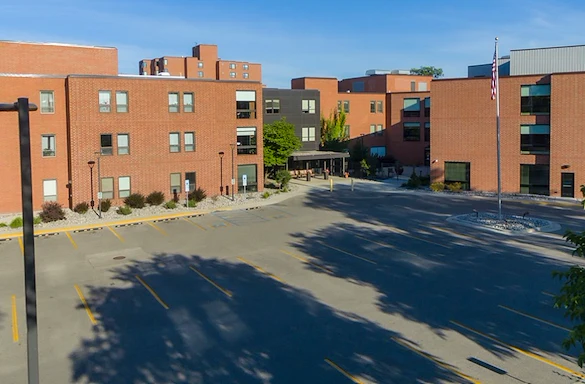 5.0Verified
Bethany on University
201 S University Dr Fargo, ND 58103
Long-Term Care / Skilled NursingSkilled Rehabilitation -
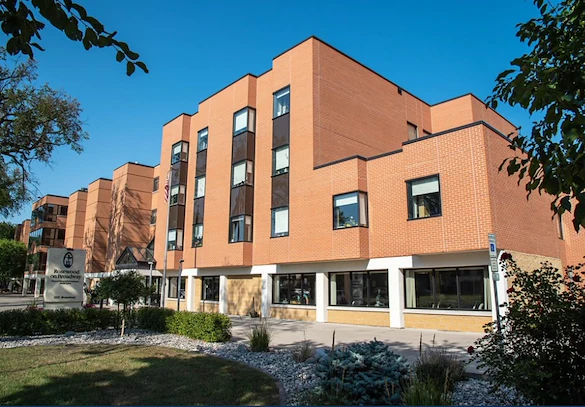 4.0Verified
Smp Health - St Catherine North
1351 N Broadway Fargo, ND 58102
Long-Term Care / Skilled NursingSkilled RehabilitationAdult Day Services -
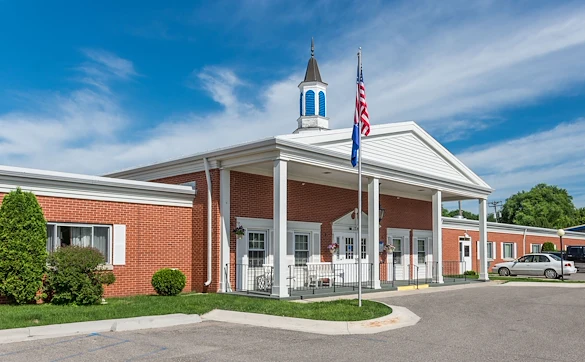 1.0Verified
The Meadows On University
1315 S University Dr Fargo, ND 58103
Long-Term Care / Skilled NursingSkilled Rehabilitation -
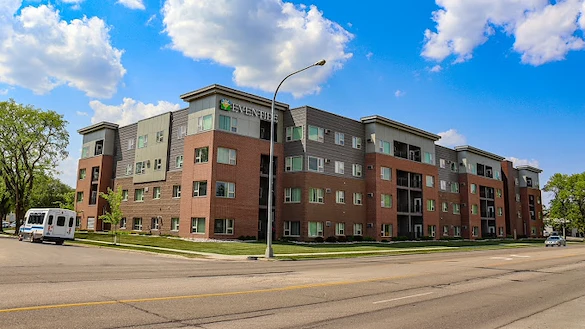 4.0Verified
Eventide on Eighth Care Center
1405 7th St S Moorhead, MN 56560
Long-Term Care / Skilled NursingSkilled Rehabilitation


Cost of Nursing Homes in North Dakota
Understanding the cost of skilled nursing care is crucial for families planning for long-term care. In North Dakota, the median monthly cost for a semi-private room in a skilled nursing facility is approximately $9,148, while a private room averages around $9,963 per month. These figures are slightly above the national averages of about $9,555 for semi-private and $10,965 for private rooms, making North Dakota's pricing fairly typical but leaning toward the higher side for shared accommodations.
Costs within the state can vary depending on location and facility type. In larger urban centers like Fargo and Bismarck, pricing tends to hover closer to the state median. Rural and smaller cities may offer more affordable options, though fewer facilities and limited services can affect availability. Location impacts not only cost but also access to specialty care and amenities.
Several elements drive these costs. Facilities offering higher levels of medical care—including stroke recovery, wound care, and post-surgical rehab—typically have higher rates. Skilled nursing homes with strong reputations, higher staffing ratios, and robust clinical programs also command premium pricing. Amenities like private rooms, therapy services, recreational activities, and beautician or dietary services add to the monthly cost. Additionally, buildings with luxurious features, landscaped grounds, or on-site transportation often come with higher fees.
Fortunately, several funding sources can alleviate out-of-pocket expenses. Medicare covers skilled nursing care, short-term—100 days per benefit period—following a qualifying hospital stay. For long-term stays, Medicaid offers nursing home coverage to eligible individuals meeting income and resource limits. North Dakota uses a case-mix payment system, where private-pay and Medicaid residents are charged the same base rate, with additional fees like private room charges allowed. State-funded programs also supplement room and board costs when beneficiaries meet specific functional requirements. Finally, veteran benefits (Aid & Attendance) and long-term care insurance can further help offset expenses.
Understanding the cost of skilled nursing care in North Dakota helps families plan confidently for their loved one’s needs. With a range of financial support options available, quality long-term care is within reach for many seniors.
What to Know About Nursing Homes in North Dakota
Medicare does not pay for long-term nursing home care but may cover short-term skilled nursing care after a qualifying hospital stay.
Social Security benefits may help offset nursing home costs but do not directly pay facilities.
Medicaid income limits vary depending on household size and eligibility requirements for long-term care programs.
Assisted living is usually less expensive than nursing home care because nursing homes provide 24-hour medical supervision.
Finding the Right Senior Care in North Dakota
North Dakota offers seniors a range of long-term care options including independent living communities, assisted living facilities, home care services, and skilled nursing care. With a relatively moderate cost of living and access to financial assistance programs through North Dakota Medicaid and local aging services, many families are able to find affordable solutions that meet their loved one’s care needs. Cities such as Fargo, Bismarck, and Grand Forks provide access to healthcare systems and established senior living communities across the state.
By understanding the cost of senior care, eligibility for financial assistance programs, and the differences between independent living, assisted living, and nursing home care, families can make informed decisions about long-term care planning. Whether aging in place with home care services or transitioning into a supportive senior living community, North Dakota provides safe and supportive environments designed to help older adults maintain independence, dignity, and quality of life.
Frequently Asked Questions About Senior Living in North Dakota
Yes. North Dakota offers relatively affordable living, strong community support, and access to healthcare services in larger cities like Fargo and Bismarck.
Luxury retirement communities such as Touchmark in Fargo can cost several thousand dollars per month depending on housing type and services.
Many seniors reduce costs by aging in place with home care services or living in subsidized senior housing communities.
Senior living costs typically range from $2,500 to $5,500 per month, depending on the level of care required.
Frequently Asked Questions About Senior Care in North Dakota
Programs may include Medicaid long-term care services, nutrition programs, transportation services, and home-based care assistance.
Medicare may cover short-term skilled home health services, but it generally does not pay for long-term personal caregivers.
Social services agencies and healthcare providers can help connect seniors with home care programs, assisted living communities, or nursing facilities that provide necessary support.