
Senior Living Facts for New Hampshire
New Hampshire offers an inviting and peaceful setting for seniors and families seeking a high quality of life in the heart of New England. Known for its scenic landscapes, historic charm, and vibrant communities, the Granite State is a standout destination for older adults who value safety, natural beauty, and a strong sense of community. From the quiet towns nestled in the White Mountains to the bustling city centers of Manchester and Nashua, New Hampshire combines small-town appeal with modern amenities.
Fast Facts
Senior Living & Care in New Hampshire
| #41 | most populated state in the U.S. |
| $6,100 | average monthly assisted living cost in New Hampshire |
| 350+ | assisted living communities and care providers across New Hampshire |
| 310K+ | individuals age 65+ in New Hampshire |
One of the key draws for seniors is New Hampshire’s favorable financial environment. The state has no income tax on wages or Social Security, and no sales tax, helping older adults stretch their retirement savings further. While the overall cost of living is slightly higher than the national average, this is offset by the state’s high quality of services, safety, and access to healthcare. Top-ranked hospitals, such as Dartmouth Hitchcock Medical Center and Elliot Hospital, provide advanced medical care, while a network of smaller community health centers ensures that even rural areas are well-served.
New Hampshire also supports an active and fulfilling lifestyle for seniors. Whether enjoying a scenic drive during foliage season, visiting local art galleries, attending seasonal festivals, or participating in lifelong learning programs, older adults can stay socially and intellectually engaged. The state’s senior centers, public libraries, and local universities offer classes, volunteer opportunities, and recreational activities that promote connection and personal growth.
Nature lovers will find no shortage of inspiration here. With access to lakes, forests, and coastal areas, seniors can enjoy outdoor activities year-round—from boating and hiking in the summer to snowshoeing and cozy fireside gatherings in the winter. Communities across the state often include features like walking trails, community gardens, and wellness programs tailored to senior needs.
For those exploring care options such as “memory care in southern New Hampshire,” “independent living near the Lakes Region,” or “non-medical home care in Manchester,” the state offers a diverse range of senior care services. These options are designed to support independence, comfort, and dignity while providing families peace of mind. With its balance of affordability, high-quality care, and natural charm, New Hampshire remains a top destination for senior living.
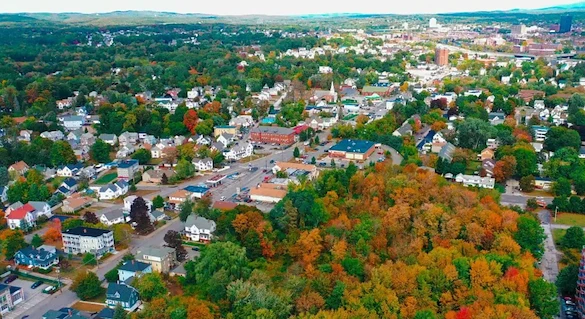
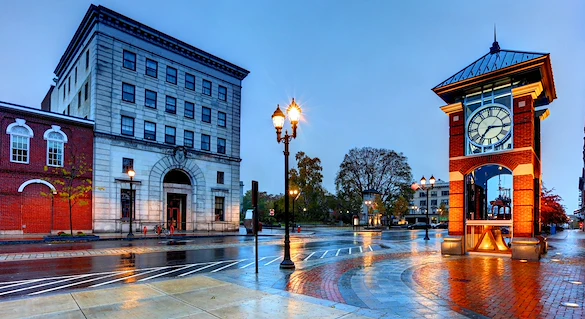
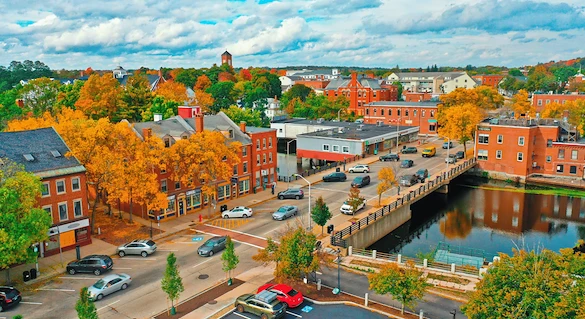
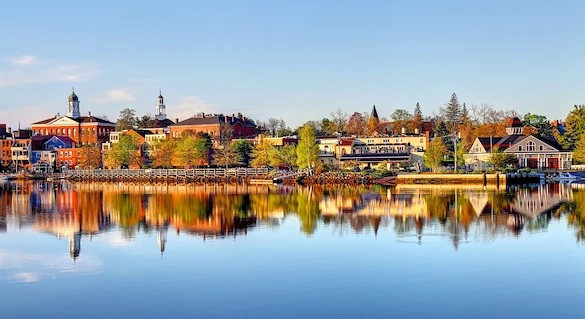
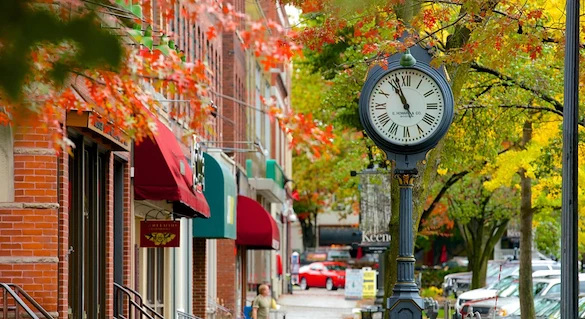
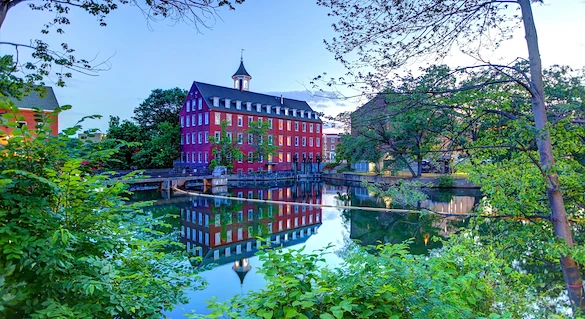
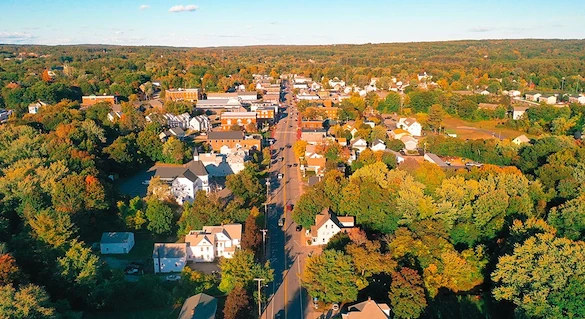
Top Cities for Senior Living and Care in New Hampshire





Assisted Living in New Hampshire
Assisted living in New Hampshire offers a supportive environment for older adults who need help with daily tasks but still want to maintain a level of independence. These communities provide a residential setting where seniors can receive personalized assistance with activities such as bathing, dressing, grooming, mobility, and medication management. In addition to these essential services, residents typically benefit from meal preparation, housekeeping, transportation, and a wide range of social, recreational, and wellness programs designed to keep them engaged and connected.
In New Hampshire, assisted living facilities are licensed and regulated by the New Hampshire Department of Health and Human Services (DHHS), Bureau of Health Facilities Administration. The state uses the term "Residential Care Facilities" (RCFs) or "Assisted Living Residences", depending on the level of care and services provided. Licensing requirements include standards for staff training, resident rights, health and safety protocols, and care planning. Facilities must undergo regular inspections to ensure compliance with these state-mandated quality standards. This regulatory oversight helps families feel more confident in their choice of care setting.
What makes assisted living in New Hampshire unique is its blend of scenic tranquility and high-quality care. Many communities are set in peaceful, nature-rich locations while remaining close to vibrant cities like Manchester, Nashua, and Concord, offering easy access to healthcare, shopping, and cultural experiences. The state is known for its strong healthcare infrastructure, and some assisted living communities are affiliated with local hospitals or medical groups, providing seamless care coordination.
New Hampshire offers a variety of assisted living options to suit different needs and budgets. Families can choose from luxury communities with upscale amenities like fitness centers, private chef-prepared meals, and concierge services; budget-conscious residences that focus on essential care and comfort; and specialized memory care communities designed for individuals with Alzheimer’s or other forms of dementia. Some facilities offer tiered pricing or levels of care so residents can age in place as their needs evolve.
When evaluating options, families should consider location, staff-to-resident ratios, range of services, licensing status, and community culture. Touring multiple communities, reading inspection reports, and speaking with current residents or family members can help ensure a well-informed decision for a loved one’s care and well-being.
Top Assisted Living Communities in New Hampshire
View All Providers-
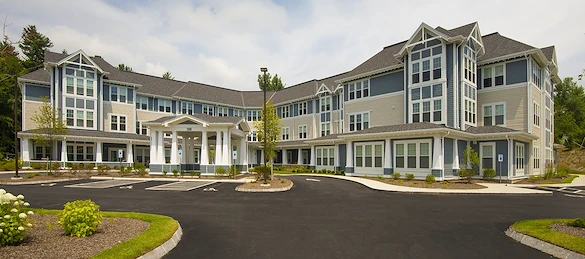 4.7Verified
The Residence at Silver Square
100 Sterling Way Dover, NH 03820
Independent LivingAssisted Living -
-

-


Cost of Assisted Living in New Hampshire
Assisted living in New Hampshire offers supportive housing and personal care services tailored to older adults who need help with daily activities but don’t require around-the-clock medical care. While these communities promote independence, they also provide essential services like assistance with bathing, dressing, and medication management, along with meals, housekeeping, transportation, and social activities.
Several factors influence assisted living costs, including the size and type of apartment, the level of personal care required, and the amenities available. Communities that provide specialized services like memory care, chef-prepared meals, fitness centers, or luxury accommodations typically have higher rates. Staffing levels, licensing standards, and the availability of onsite healthcare can also affect pricing.
Fortunately, financial assistance is available for qualifying residents. New Hampshire’s Choices for Independence (CFI) Waiver, part of the state Medicaid program, helps cover personal care services in assisted living settings for low-income seniors. Veterans and their spouses may qualify for VA Aid and Attendance benefits, which can be applied toward care costs. Additionally, many families use long-term care insurance or a combination of private savings and home equity to afford care.
With careful planning and an understanding of the financial resources available, families can find high-quality assisted living options in New Hampshire that meet both care needs and budget considerations.
What to Know About Assisted Living in New Hampshire
The average cost of assisted living in New Hampshire is approximately $6,500–$7,000 per month, making it one of the most expensive states for assisted living in the U.S.
No, Medicare does not pay for assisted living in New Hampshire. Medicare only covers short-term medical services such as hospital care, rehabilitation, and skilled nursing following a qualifying hospital stay
To qualify for assisted living in New Hampshire, an individual must need help with activities of daily living such as bathing, dressing, mobility, or medication management, but not require 24/7 skilled nursing care.
New Hampshire Medicaid does not usually cover room and board in assisted living but may help pay for certain personal care or supportive services for eligible seniors in approved settings.
Independent Living in New Hampshire
Independent living is a senior living option designed for older adults who are able to live independently but want the convenience of a maintenance-free lifestyle, access to amenities, and a built-in social community. These communities typically offer private apartments or cottages, meal plans, housekeeping, transportation services, and organized activities, all in a secure and supportive environment. While they do not provide medical care or assistance with daily tasks like assisted living, independent living communities are ideal for active seniors who value autonomy and want to downsize while staying socially connected.
In New Hampshire, independent living is especially appealing due to the state’s scenic beauty, active lifestyle, and retirement-friendly communities. Seniors can enjoy the natural surroundings of the White Mountains, the Lakes Region, and the Seacoast, all offering year-round recreation like hiking, boating, skiing, and nature walks. The state’s four-season climate provides a rich variety of outdoor activities, and while winters can be cold, many seniors enjoy the seasonal charm and cozy indoor amenities offered by independent living communities.
Popular cities for retirement in New Hampshire include Concord, Portsmouth, Keene, and Hanover. These areas offer a blend of cultural attractions, accessible healthcare, and vibrant downtowns with restaurants, museums, and local events. Many communities are located near top-rated hospitals and primary care providers, which adds peace of mind for aging residents. Portsmouth, for example, offers both coastal charm and access to cultural events, while Concord and Keene are known for their welcoming small-town atmosphere and affordability relative to more metropolitan areas.
The benefits of independent living in New Hampshire go beyond convenience. Residents enjoy an active lifestyle with planned activities, fitness classes, and social clubs. With household chores, home maintenance, and landscaping taken care of, seniors are free to focus on hobbies, friendships, and personal wellness. Many communities also include amenities like walking trails, libraries, and wellness centers, making them ideal for seniors who want to remain active and engaged.
For seniors who value independence but seek connection, comfort, and lifestyle perks, independent living in New Hampshire offers an enriching and low-maintenance way to enjoy retirement in one of New England’s most naturally beautiful and culturally rich states.
Top Independent Living Communities in New Hampshire
View All Providers-
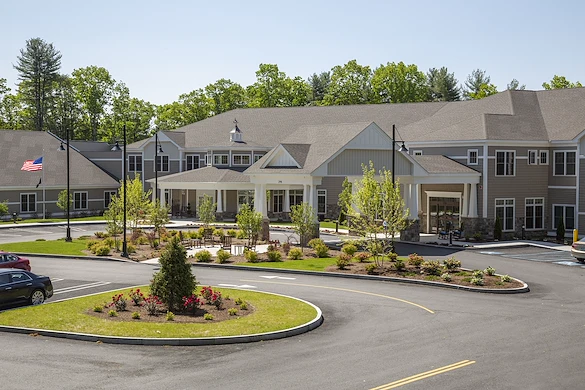 5.0Verified
Cornerstone at Hampton
298 Exeter Rd. Hampton, NH 03842
Independent LivingAssisted LivingMemory CareRespite Care -
4.7Verified
The Residence at Silver Square
100 Sterling Way Dover, NH 03820
Independent LivingAssisted Living -
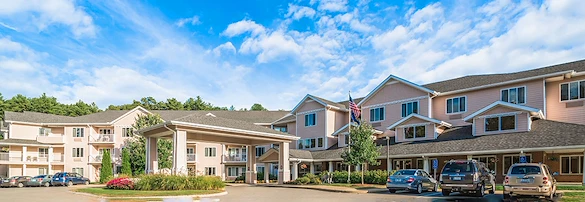
-


Cost of Independent Living in New Hampshire
Regional price variations are noticeable across the state. Independent living in Manchester and Nashua, two of New Hampshire’s larger cities, tends to be at the upper end of the cost spectrum, typically ranging from $3,500 to $4,500 per month due to urban amenities, proximity to hospitals, and demand. In contrast, smaller towns like Keene, Claremont, and Laconia may offer more affordable options, starting around $2,800 to $3,200 monthly, while still providing strong community support and natural beauty.
Monthly fees in independent living communities often include housing, utilities, basic housekeeping, maintenance, and access to on-site amenities such as fitness centers, libraries, dining rooms, transportation services, and scheduled social activities. Some communities also offer meal plans, concierge services, and optional healthcare support for an added fee.
Several factors influence pricing beyond location. Newer or luxury communities with high-end finishes, resort-style amenities, and private accommodations generally cost more. Likewise, communities that cater to active seniors with extensive lifestyle programming or those located near vibrant downtowns or coastal areas may have higher fees.
While independent living is usually paid out-of-pocket, there are some financial planning tools that may help. Seniors may use retirement savings, Social Security benefits, or pensions to cover costs. In some cases, veterans’ benefits or selling a home can free up assets. Though traditional Medicare and Medicaid do not cover independent living, some long-term care insurance policies may offer limited assistance if healthcare services are bundled in. For affordability, seniors might explore age-restricted apartment communities or subsidized senior housing programs offered through local housing authorities.
Overall, independent living in New Hampshire provides a well-rounded lifestyle with scenic appeal and community support, though it comes at a slightly higher cost than the national average.
What to Know About Independent Living in New Hampshire
Independent living is designed for older adults, typically age 55 or 62 and older, who can live safely on their own without daily personal or medical care.
Many retirees choose Concord, Hanover, Keene, and Laconia for their balance of healthcare access, walkability, cultural amenities, and senior services. The best town depends on lifestyle preferences and budget.
Independent living does not include hands-on personal care or medical services, which may require a move if health needs increase. Costs may also rise if additional services are added later.
Independent living in New Hampshire typically costs $2,800–$3,800 per month, depending on location, housing type, and amenities.
Home Care in New Hampshire
Non‑medical home care in New Hampshire provides essential daily living support that helps seniors remain comfortable and independent in their own homes. These services cover personal care—like bathing, dressing, and grooming—meal preparation, light housekeeping, transportation, medication reminders, and companionship. Unlike medical or home health care, this support does not include clinical treatments and is intended to bolster daily functioning and emotional well‑being. Services are tailored to each individual’s preferences and needs, enabling older adults to maintain dignity and routine.
In New Hampshire, agencies offering non‑medical home care are licensed and regulated by the Department of Health and Human Services (DHHS), Bureau of Health Facilities Administration. Agencies that provide only personal care or homemaker services must obtain specific licensing categorized under RSA 151:2‑b, and are subject to background checks, site inspections, and criminal registry clearance for all staff members with client contact. Caregivers must complete at least eight hours of initial training before starting work, and receive annual training on topics such as infection control, mandatory reporting, and client rights. If serving Medicaid recipients, employees must also undergo dementia training hours, depending on hire dates.
The licensing structure creates two classifications: one for personal care services and another for homemaker tasks, ensuring clarity in care scope and quality standards. Providers must also craft and review individual care plans within three days of admission, with six‑month updates as needs evolve.
Unique factors affecting home care availability in the state include its largely rural geography and relatively small workforce. Urban centers like Manchester, Nashua, and Concord have more licensed agencies, while rural regions face caregiver shortages and longer response times. DHHS’s ServiceLink network helps connect families to qualified providers, benefits options, and community support.
Non‑medical home care plays a key role in aging-in-place strategies in New Hampshire, especially as the senior population continues to grow. Families benefit from knowing caregivers are state‑licensed and required to follow comprehensive safety, training, and care planning guidelines. This regulatory environment builds trust and ensures that seniors receive dependable assistance right in the home they cherish.
Top Home Care in New Hampshire
View All Providers-

-
-

-
 4.6Verified
Assisting Hands - Seacoast
14 Manchester Square Suite 275 Portsmouth, NH 03801
Home Care (Non-Medical)


Cost of Home Care Non-Medical in New Hampshire
Non‑medical home care in New Hampshire offers personalized support that allows seniors to remain safely in their own homes. This type of care generally includes help with daily living—such as bathing, dressing, meal prep, medication reminders, light housekeeping, companionship, and transportation—and is billed hourly rather than bundled into a fixed monthly cost.
Choosing between an agency or a private caregiver affects pricing as well. Agency rates typically run higher due to administrative overhead, background checks, and backup staffing, but offer greater reliability. Private caregivers often charge lower rates but shift responsibility for screening, scheduling, and liability to the family. Specialized care services, such as dementia support, also carry a premium because of the additional training required.
Financial assistance may be available to reduce out-of-pocket costs. While Medicare covers only limited, short-term, medically ordered home care, New Hampshire’s Medicaid program—through its Home and Community-Based Services Waivers—may help fund non-medical assistance for eligible individuals. Veterans and their spouses may also be eligible for VA Aid and Attendance benefits to offset caregiving costs. Additionally, long-term care insurance policies may cover home care depending on policy terms.
Understanding hourly rates, regional variation, care hours, and available support options empowers families to make well-informed decisions about arranging affordable in-home care for their loved ones in New Hampshire.
What to Know About Non Medical Home Care in New Hampshire
Non-medical home care provides assistance with daily living activities such as bathing, dressing, meal preparation, companionship, transportation, and light housekeeping, without providing medical treatment.
Yes, some family caregivers in New Hampshire may get paid through Medicaid-funded programs, Veterans benefits, or private arrangements, depending on eligibility and care needs.
The three main types of home care services are non-medical home care, home health care (medical), and hospice care.
Home care refers to the service provided by an agency, while a caregiver is the individual person who delivers care, either through an agency or as a family member.
Long-Term Care/Skilled Nursing in New Hampshire
Long-term care in skilled nursing facilities (SNFs) in New Hampshire provides comprehensive, around-the-clock medical and personal support for individuals who need ongoing assistance with health conditions, chronic illnesses, or disabilities. These facilities serve older adults who are no longer able to live independently or safely at home, offering a higher level of care than assisted living communities. Residents receive assistance with daily activities such as bathing, dressing, and eating, as well as skilled medical services including medication administration, wound care, and vital sign monitoring.
In addition to medical oversight, skilled nursing facilities in New Hampshire often offer on-site rehabilitation services, including physical therapy, occupational therapy, and speech-language pathology. These services are especially valuable for individuals recovering from surgery, illness, or injury. Many SNFs also provide specialized care for residents with Alzheimer’s disease or other forms of dementia, often through dedicated memory care units designed for safety and cognitive support.
New Hampshire’s skilled nursing facilities are regulated by the New Hampshire Department of Health and Human Services (DHHS), Health Facilities Administration, which ensures that all nursing homes meet established health, safety, and staffing standards. Facilities must be licensed by the state and are subject to routine inspections and audits. Many SNFs also participate in the federal Medicare and Medicaid programs, requiring them to comply with additional quality measures set by the Centers for Medicare & Medicaid Services (CMS).
Families evaluating nursing home options in New Hampshire should consider several key factors: the facility’s state inspection history, staff-to-resident ratio, specialized services, and overall environment and culture. Touring potential facilities, reviewing state inspection reports, and speaking with current residents and family members can offer valuable insight into the quality of care provided. Tools such as the New Hampshire DHHS facility search and CMS’s Nursing Home Compare can also help families make informed decisions.
Ultimately, long-term skilled nursing care in New Hampshire is designed to meet both medical and emotional needs, offering compassionate support in a structured, professional setting. With a strong regulatory framework and a variety of facility types across the state, families have access to quality care options that support their loved one’s health, dignity, and well-being.
Top Long-Term Care/Skilled Nursing in New Hampshire
View All Providers-
 3.0Verified
Edgewood Centre
928 South Street Portsmouth, NH 03801
Long-Term Care / Skilled NursingSkilled Rehabilitation -
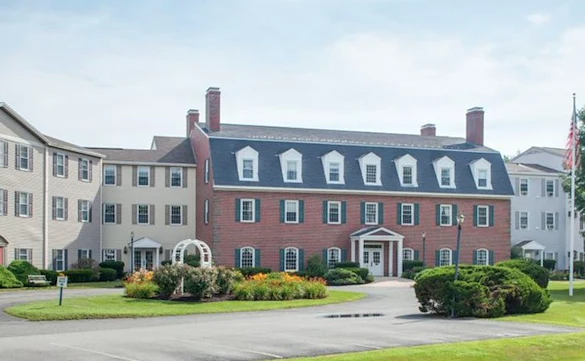 5.0Verified
Langdon Place of Dover
60 Middle Road Dover, NH 03820
Long-Term Care / Skilled NursingSkilled Rehabilitation -
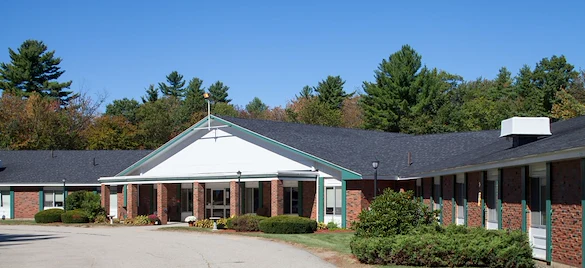 2.0Verified
Rochester Manor
40 Whitehall Road Rochester, NH 03867
Long-Term Care / Skilled NursingSkilled Rehabilitation -
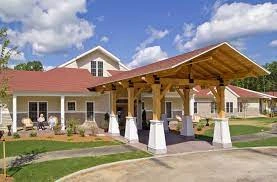 5.0Verified
Durgin Pines
9 Lewis Rd Kittery, ME 03904
Long-Term Care / Skilled NursingSkilled Rehabilitation


Cost of Nursing Homes in New Hampshire
Several factors influence the price of skilled nursing care. Facilities that offer specialized services such as memory care or post-surgical rehabilitation often charge more. Likewise, nursing homes with strong reputations, modern amenities, and higher staff-to-resident ratios typically have higher fees. Location also plays a role—urban areas with higher living costs generally have more expensive care options.
Fortunately, financial assistance options exist to help families manage these expenses. Medicare covers up to 100 days of skilled nursing care following a qualifying hospital stay, with full coverage for the first 20 days and a daily co-pay afterward. Medicaid offers long-term care coverage for eligible low-income individuals, including nursing home care in New Hampshire. Additionally, state programs like the Money Follows the Person initiative support individuals transitioning from institutional care back to community-based settings.
Understanding the costs and available assistance is crucial when planning skilled nursing care in New Hampshire. Families are encouraged to consult with financial planners or elder law experts to explore all resources and make informed decisions that ensure their loved ones receive quality care without undue financial strain.
What to Know About Nursing Homes in New Hampshire
Nursing home care in New Hampshire averages $10,500–$12,000 per month, making it one of the most expensive states for skilled nursing care.
Yes, New Hampshire Medicaid does cover nursing home care for eligible seniors who meet financial and medical criteria.
Medicare does not pay monthly nursing home costs. It only covers short-term skilled nursing care for a limited time following a qualifying hospital stay.
Yes, assisted living is generally significantly cheaper than a nursing home, especially in New Hampshire, where nursing home costs can exceed $10,000 per month.
Finding the Right Senior Care in New Hampshire
Navigating senior living and care options in New Hampshire can feel overwhelming, but having the right information makes all the difference. Whether you're researching assisted living, exploring independent living communities, comparing home care services, or planning for long-term skilled nursing, New Hampshire offers a wide range of choices designed to support comfort, safety, and quality of life.
From affordable care options to luxury communities, rural towns to major metro hubs, families can find solutions that meet both personal needs and financial goals. With strong healthcare systems, state oversight, and numerous financial assistance programs, New Hampshire continues to be a trusted place for seniors seeking support and connection.
As you begin the search, remember that every senior’s needs are unique—use this guide as a starting point, and explore local providers, community reviews, and available resources to make the most informed decision possible.
Below are answers to the most common questions families ask when researching senior living and senior care in New Hampshire.
Frequently Asked Questions About Senior Living in New Hampshire
Senior housing costs in New Hampshire range from $2,500 per month for independent living to over $10,000 per month for nursing home care, depending on care level.
New Hampshire offers high-quality healthcare, low crime rates, and strong community services, but its higher cost of living and long winters may be challenging for some seniors.
More affordable areas for seniors include Berlin, Claremont, Laconia, and parts of northern New Hampshire, where housing and care costs tend to be lower.
Yes, New Hampshire offers a wide range of senior housing options, including independent living, assisted living, subsidized senior apartments, and nursing homes.
Frequently Asked Questions About Senior Care in New Hampshire
Senior assistance programs in New Hampshire include Medicaid, Area Agencies on Aging services, nutrition programs, housing assistance, caregiver support programs, and Veterans benefits.
Hourly senior care rates in New Hampshire typically range from $28–$35 per hour, reflecting the state’s higher labor and living costs.
New Hampshire does not have a statewide property tax exemption by age, but many towns offer local senior property tax relief programs, often starting at age 65.
The most requested support service for seniors is help with daily living activities, including bathing, dressing, meal preparation, and mobility assistance.