
Senior Living Facts for Nevada
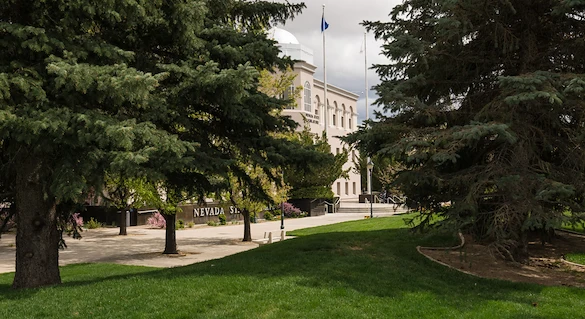
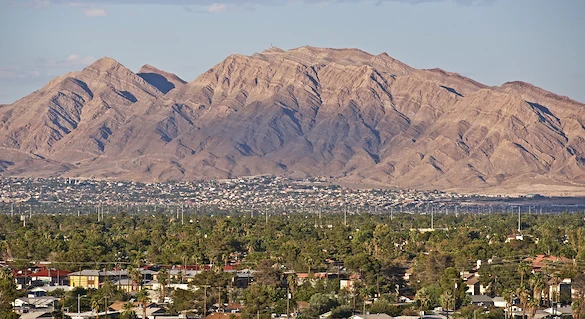
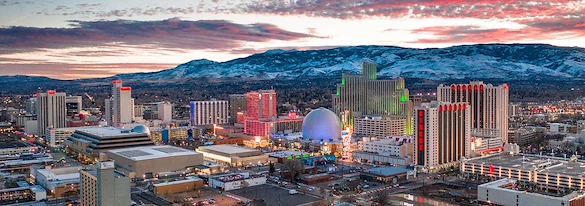
Nevada offers a compelling mix of natural beauty, vibrant communities, and excellent healthcare that makes it an increasingly popular choice for seniors and their families. Known for its warm, dry climate, Nevada provides ideal conditions for older adults who want to enjoy an active, outdoor lifestyle throughout the year. Whether it’s hiking in Red Rock Canyon near Las Vegas, fishing at Lake Tahoe, or exploring the charming downtown areas of Reno, seniors have access to a wide range of recreational opportunities that promote health and social engagement.
Fast Facts
Senior Living & Care in Nevada
| #31 | most populated state in the U.S. |
| $5,000 | average monthly assisted living cost in Nevada |
| 500+ | assisted living communities and care providers across Nevada |
| 575K+ | adults age 65+ in Nevada |
One of Nevada’s greatest appeals is its affordability. Compared to the national average, the cost of living in Nevada is generally lower, making it easier for seniors on fixed incomes to enjoy a comfortable retirement. Housing options range from independent living communities and assisted living facilities to skilled nursing homes and in-home care services, all designed to support seniors’ independence and well-being. Many senior living communities in Nevada emphasize maintenance-free living, social engagement, and access to health and wellness programs.
Healthcare access is another strong point for seniors in Nevada. The state is home to numerous nationally recognized hospitals, specialized clinics, and rehabilitation centers, ensuring seniors receive high-quality medical care close to home. Cities like Houston, Dallas, San Antonio, and Austin boast advanced medical facilities and a broad network of senior care providers, including memory care and long-term care options.
Nevada also offers abundant opportunities for outdoor activities and cultural enrichment. Seniors can explore scenic state parks, golf courses, and walking trails or enjoy local festivals, museums, and performing arts venues. The state’s rich history and diverse communities provide a welcoming environment where older adults can remain socially active and connected.
Families searching for senior care in Nevada will find a wide selection of resources, including non-medical home care providers, assisted living facilities, and skilled nursing homes. Whether seeking affordable senior care in Houston or luxury memory care in Dallas, Nevada, offers something for everyone.
With its favorable climate, reasonable cost of living, excellent healthcare, and vibrant communities, Nevada stands out as a premier destination for seniors looking to enjoy a fulfilling, healthy, and engaged retirement.





Assisted Living in Nevada
The state’s cost of living is relatively moderate compared to other retirement hotspots, which makes it easier for families to find quality senior care without overspending. Affordable housing options, coupled with no state income tax, add to Nevada’s appeal for retirees and adult children helping their parents plan for the future. This financial accessibility helps many seniors maintain their independence and quality of life well into retirement.
Nevada boasts a growing network of senior-friendly communities, ranging from independent living to assisted living and memory care facilities. These communities prioritize comfort, safety, and social connection, with many offering amenities like fitness centers, communal dining, and organized social events.
Healthcare access is another key strength of Nevada’s senior living landscape. The state features several highly regarded hospitals and specialty clinics, including those in major metropolitan areas such as Las Vegas and Reno, ensuring seniors receive the medical attention they need close to home. Many senior living communities partner with healthcare providers to offer on-site services, making it easier for residents to manage chronic conditions and receive rehabilitation or skilled nursing care when necessary.
Cultural and social activities also enrich life for seniors in Nevada. From art galleries and museums to golf courses and community centers, there’s no shortage of ways for older adults to stay active and connected. Nevada’s focus on safety, accessibility, and a welcoming environment makes it an excellent choice for families seeking comprehensive senior care options and vibrant retirement living.
For those exploring “senior living in Nevada,” “affordable assisted living,” or “senior care communities in Nevada,” the state offers a balanced combination of climate, lifestyle, healthcare, and affordability that supports both seniors’ independence and families’ peace of mind.
Top Assisted Living Communities in Nevada
View All Providers-
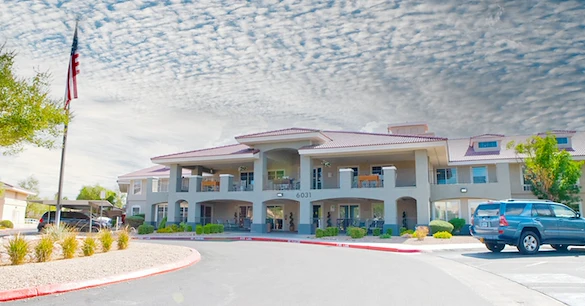 4.3Premium
Avamere at Cheyenne
6031 W Cheyenne Ave Las Vegas, NV 89108
Independent LivingAssisted LivingRespite Care -
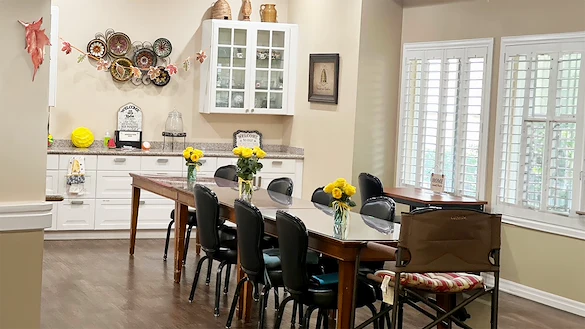 5.0Verified
BeeHive Homes of Henderson I & II
1000 Greenway Road Henderson, NV 89002
Assisted LivingMemory CareRespite Care -
-
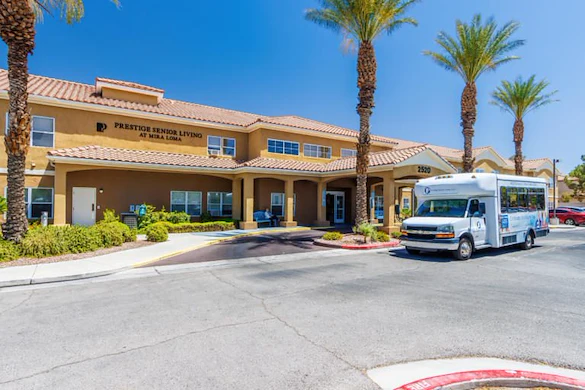 4.5Verified
Vista Pointe at Mira Loma
2520 Wigwam Pkwy Henderson, NV 89074
Assisted LivingMemory Care -
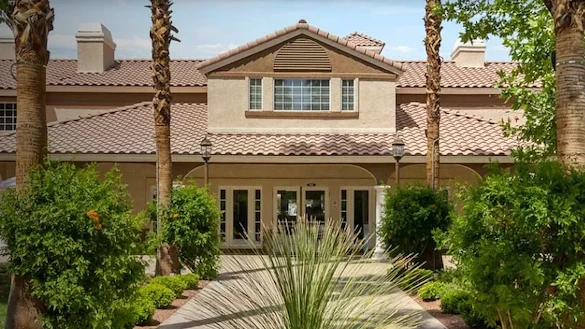 4.3Verified
Oakmont of Las Vegas
3185 E Flamingo Road Las Vegas, NV 89121
Assisted LivingMemory Care


Cost of Assisted Living in Nevada
The average monthly cost of assisted living in Nevada is approximately $3,750, which is notably lower than the national median of about $5,190 per month. This makes Nevada a more affordable choice for families seeking quality senior care. However, costs can vary depending on the city or region within the state. For example, assisted living in the Las Vegas area averages around $2,850 per month, while in Carson City and Reno, costs tend to be higher—approximately $3,298 and $3,315 per month, respectively. These regional differences reflect local market demand and living expenses.
Several factors influence the cost of assisted living in Nevada. Communities that offer upscale amenities such as gourmet dining, fitness centers, and concierge services typically charge higher fees. Location also plays a significant role, with facilities closer to urban centers or major healthcare providers often costing more. Additionally, the level of care provided affects pricing; facilities that offer specialized services like memory care for residents with Alzheimer’s disease or other dementias usually have higher costs due to the need for trained staff and extra resources.
Nevada offers several financial assistance options to help families manage the cost of assisted living. The state’s Medicaid program includes the Frail Elderly Waiver, which covers personal care and supervision services in assisted living for eligible individuals. Veterans and their families may benefit from the federal Aid and Attendance pension, which can offset senior care expenses. Moreover, the Nevada Department of Veterans Services administers various benefits and support programs, including healthcare and housing assistance. Families interested in these resources should contact local Medicaid offices or veterans’ services to learn about eligibility and application procedures.
In summary, Nevada provides a range of assisted living options at more affordable rates than many states, with costs varying by region and facility type. By understanding what influences pricing and exploring available financial aid programs, families can make well-informed decisions to find the best care solutions for their loved ones.
What to Know About Assisted Living in Nevada
Assisted living in Nevada typically costs $4,500–$5,500 per month, depending on location and care level.
No. Medicare does not cover assisted living, including room and board.
Nevada Medicaid may cover certain care services through waiver programs, but room and board are usually private pay.
Assisted living is generally less expensive than nursing home care because it does not provide 24/7 skilled nursing services.
Independent Living in Nevada
Independent living communities in Nevada offer seniors a vibrant, maintenance-free lifestyle that balances independence with convenience and social connection. Designed for older adults who do not require daily medical care but want a supportive environment, these communities provide residents with private housing—such as apartments or cottages—without the hassle of home maintenance, repairs, or chores. This setup allows seniors to focus on enjoying their retirement, pursuing hobbies, and spending time with friends.
One of the biggest benefits of independent living in Nevada is the rich array of social opportunities and amenities available. Many communities feature organized events, fitness centers, dining options, transportation services, and recreational facilities, all designed to encourage active engagement and foster friendships. Seniors can participate in group activities like fitness classes, arts and crafts, or outings to nearby attractions, promoting both physical and mental well-being.
Nevada’s climate and lifestyle make it an especially appealing place for seniors to enjoy independent living. The state’s warm, dry weather allows for year-round outdoor activities, from golfing on scenic courses to hiking in places like Red Rock Canyon or exploring lakefront parks. Cities such as Las Vegas, Henderson, and Reno offer retirement-friendly environments with access to quality healthcare facilities, cultural attractions, and senior services. These urban areas provide a mix of entertainment, dining, and community programs tailored to older adults.
Additionally, Nevada’s cost of living is generally affordable compared to other retirement hotspots, making independent living communities accessible to many seniors. The absence of state income tax is another financial advantage that helps retirees stretch their budgets further.
Overall, independent living in Nevada combines the freedom to live on one’s own terms with the benefits of a close-knit community, comfortable amenities, and a lifestyle rich in activities and natural beauty. For seniors seeking an active, social, and low-maintenance way of life, Nevada’s independent living options offer an excellent choice for retirement.
Top Independent Living Communities in Nevada
View All Providers-
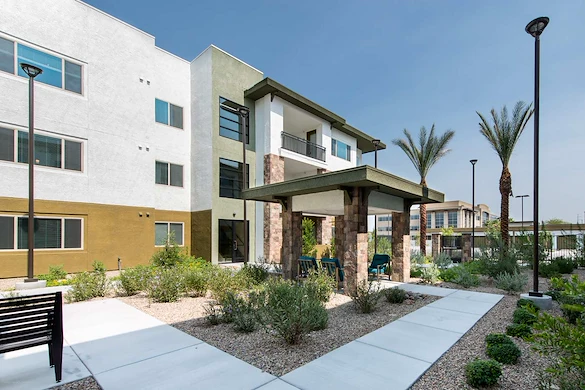
4.3Premium
Avamere at Cheyenne
6031 W Cheyenne Ave Las Vegas, NV 89108
Independent LivingAssisted LivingRespite Care -
-
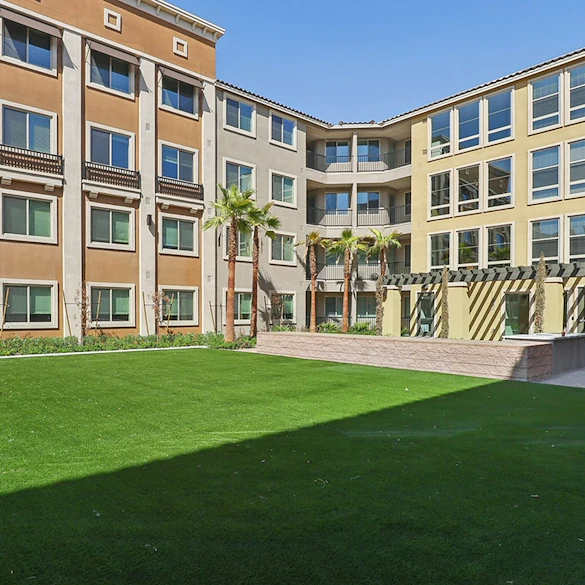 4.6
4.6Tempo Senior Living
5625 S Hollywood Blvd Las Vegas, NV 89122
Active Adult LivingIndependent Living -
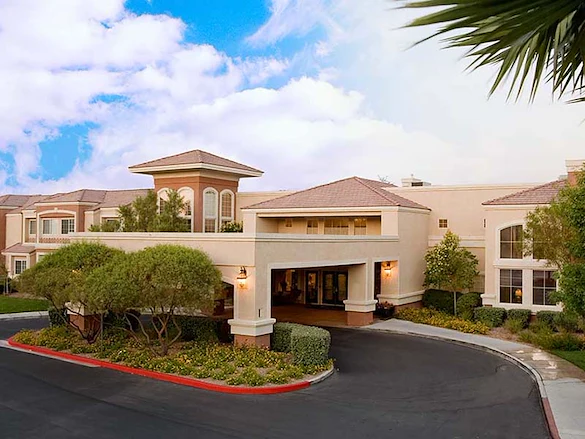 4.2Verified
Atria Seville
2000 N Rampart Blvd Las Vegas, NV 89128
Independent LivingAssisted Living -
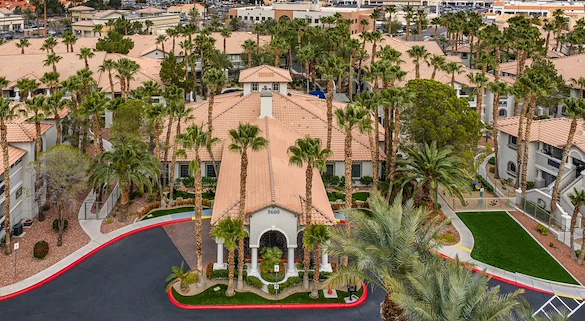 4.2Verified
Destinations Pueblo
8600 Scholar Ln Las Vegas, NV 89128
Active Adult LivingIndependent Living


Cost of Independent Living in Nevada
Independent living in Nevada offers seniors an affordable and active lifestyle, with average monthly costs significantly below the national average. As of 2024, the average cost for independent living in the state is approximately $2,593 per month, compared to the national average of about $3,162. This affordability makes Nevada an attractive option for retirees seeking quality living with access to essential services and amenities without the high price tag found in many other states.
Costs vary depending on the city or region. In Las Vegas, independent living averages around $2,373 per month, making it one of the most budget-friendly areas. Carson City follows closely with an average cost of about $2,483 per month, while Reno tends to be slightly higher, at approximately $2,763 monthly. These variations reflect differences in local market demand and the range of amenities offered.
Independent living communities typically include private housing options such as studios, one-bedroom, or two-bedroom apartments. Many communities provide meal plans featuring nutritious dining options, regular housekeeping and maintenance services, and transportation for errands or medical appointments. Social and recreational activities are common, promoting engagement and helping residents build friendships in a vibrant community setting. These amenities combine to offer seniors a hassle-free lifestyle focused on comfort and connection.
Several factors influence the overall cost. Location plays a major role—urban centers often have higher prices due to demand and available services. Community features such as upscale amenities, fitness centers, or specialized programs may also increase fees. Additionally, the size and layout of the housing unit impact pricing, with larger or premium apartments costing more.
While independent living is typically a private-pay arrangement, some financial assistance options exist. Veterans may qualify for the federal Aid and Attendance pension, which can help offset expenses. Nevada also offers state programs through the Department of Veterans Services that provide healthcare, housing, and pension support. Families are encouraged to explore these resources to determine eligibility.
Overall, Nevada’s independent living communities provide affordable, amenity-rich options for seniors. Understanding costs, what’s included, and available financial assistance can help families confidently choose the best senior living solution.
What to Know About Independent Living in Nevada
Independent living is designed for adults 55+ or 62+ who can safely manage daily activities without hands-on assistance.
Living independently means being able to perform activities of daily living (ADLs) such as bathing, dressing, and meal preparation without daily support.
Independent living communities in Nevada typically charge $2,500–$4,000 per month, depending on amenities and location.
No. Independent living is considered housing and is not covered by Medicare or standard health insurance.
Home Care in Nevada
Non-medical home care plays a vital role in helping seniors maintain their independence while living safely and comfortably in their own homes. Unlike medical care, non-medical home care focuses on assistance with everyday tasks that support daily living but do not require licensed medical professionals. This type of care allows seniors to receive personalized support tailored to their needs without relocating to a facility, helping them preserve their routines, dignity, and quality of life.
Common services provided through non-medical home care include personal care, such as help with bathing, dressing, grooming, and mobility. Caregivers also offer companionship, providing social interaction that can reduce feelings of isolation and promote emotional well-being. Additionally, household assistance is often part of the service, including meal preparation, light housekeeping, laundry, and running errands. Transportation to appointments or social events may also be offered, making it easier for seniors to stay connected with their communities.
In Nevada, home care agencies must adhere to state-specific licensing and certification requirements to operate legally. The Nevada Department of Health and Human Services oversees these regulations, which aim to ensure that providers meet minimum standards for caregiver training, background checks, and quality of care. Agencies are required to maintain clear records and comply with safety protocols to protect vulnerable seniors receiving care at home. This regulatory framework promotes consumer confidence and accountability within the home care industry.
Unique factors influencing home care availability in Nevada include its mix of urban and rural areas. While cities like Las Vegas, Reno, and Henderson have numerous licensed home care providers, rural regions may experience limited access due to workforce shortages or geographic challenges. Additionally, Nevada’s growing senior population has increased demand for home care services, prompting agencies to expand offerings and improve training to meet diverse needs.
Overall, non-medical home care in Nevada supports seniors by providing essential daily living assistance and companionship while promoting independence in a familiar setting. Understanding licensing requirements and local availability helps families choose trustworthy providers who can deliver personalized care at home.
Top Home Care in Nevada
View All Providers-
 4.8Premium
Assisting Hands - South Las Vegas
305 N Pecos Rd, Suite C Henderson, NV 89074
Home Care (Non-Medical) -
 4.7Verified
Senior Helpers - North Las Vegas
955 W Craig Road North Las Vegas, NV 89032
Home Care (Non-Medical) -
 4.6Verified
Home Instead - Las Vegas, NV
2340 Paseo Del Prado Las Vegas, NV 89102
Home Care (Non-Medical) -
 4.7Verified
Comfort Keepers - Henderson
2920 N. Green Valley Pkwy, Ste. 412 Henderson, NV 89014
Home Care (Non-Medical) -
 4.8Verified
Homewatch CareGivers of Henderson
2551 N Green Valley Pkwy Henderson, NV 89014
Home Care (Non-Medical)


Cost of Home Care Non-Medical in Nevada
Non-medical home care in Nevada plays a vital role in supporting seniors who wish to remain safely and comfortably in their own homes. This type of care includes help with daily activities such as bathing, dressing, meal preparation, medication reminders, companionship, and light housekeeping. On average, the cost of non-medical home care in Nevada is approximately $28 to $35 per hour, which is slightly above the national average of about $25 per hour. This price range reflects Nevada’s regional economic factors, demand for services, and caregiver wages.
Pricing varies significantly depending on location. In urban centers like Las Vegas and Henderson, hourly rates typically fall between $30 and $40, influenced by higher living costs and caregiver demand. In smaller cities or rural areas, such as parts of northern Nevada, rates may be lower—around $25 to $30 per hour—but availability can be more limited. These geographic variations are important for families to consider when budgeting for care.
The total cost also depends heavily on how many care hours a senior requires. Light assistance might only require a few hours per week, while more intensive support—such as for those with mobility challenges or early-stage dementia—could mean daily care, often 20 or more hours per week. The more hours needed, the higher the overall expense.
Another factor is whether care is arranged through an agency or a private caregiver. Agency services often cost more due to administrative overhead but provide peace of mind through caregiver screening, training, and backup staffing. Private caregivers may charge less hourly but require families to manage scheduling, payroll, and liability concerns.
Specialized care for conditions like Alzheimer’s or post-surgical recovery often comes at a premium, as caregivers with specialized training command higher rates.
To help manage costs, Nevada offers financial assistance options. Medicaid provides Home and Community-Based Services (HCBS) Waivers, including the Waiver for the Frail Elderly, which can cover non-medical home care for qualifying seniors. Long-term care insurance may also help cover expenses, depending on individual policies. Families are encouraged to consult with elder law professionals or financial advisors to explore eligibility and maximize benefits.
Understanding these cost factors, regional differences, and available financial supports empowers families to make well-informed decisions for their loved ones’ care needs in Nevada.
What to Know About Non Medical Home Care in Nevada
Non-medical home care provides assistance with daily tasks such as bathing, dressing, meal preparation, transportation, and companionship.
Agencies must be licensed by the state. Individual caregivers working privately may need to meet registration and background check requirements.
-
Non-medical home care
-
Home health care (skilled nursing/therapy)
-
Hospice care
Yes. Nevada offers in-home support programs through Medicaid waivers and Personal Care Services (PCS).
Long-Term Care/Skilled Nursing in Nevada
Long-term care in skilled nursing facilities provides comprehensive medical and personal care for seniors who need ongoing assistance with health management and daily activities. These facilities offer 24-hour nursing care, rehabilitation services, and specialized support for conditions such as memory loss, post-surgical recovery, and chronic illnesses. Skilled nursing homes are designed for individuals who require more intensive care than what can be provided at home or in assisted living communities.
In Nevada, skilled nursing facilities deliver a range of medical services including medication management, wound care, physical and occupational therapy, and monitoring of chronic conditions. Rehabilitation services are a key component, helping residents regain strength and independence after surgery, injury, or illness. Specialized memory care units within these facilities provide tailored programs for residents with Alzheimer’s disease or other forms of dementia, focusing on safety, cognitive stimulation, and behavioral support.
Nevada’s skilled nursing facilities are regulated by the Nevada Division of Public and Behavioral Health, which enforces licensing requirements and conducts regular inspections to ensure compliance with state and federal quality standards. These standards cover staffing ratios, resident rights, safety protocols, and care quality. The state also participates in the federal Nursing Home Compare program, which offers ratings based on health inspections, staffing, and quality measures, helping families assess facility performance.
When evaluating nursing home options in Nevada, families should consider factors such as the facility’s reputation, staff qualifications, range of services, and resident satisfaction. Visiting potential facilities, speaking with staff and current residents, and reviewing inspection reports can provide valuable insights. It’s also important to verify that the facility accepts the resident’s insurance or Medicaid coverage and to understand the cost structure.
Overall, skilled nursing facilities in Nevada provide critical medical and personal care for seniors needing round-the-clock support. Understanding state regulations, quality measures, and evaluation tips empowers families to find a nursing home that meets their loved one’s health needs and promotes their well-being.
Top Long-Term Care/Skilled Nursing in Nevada
View All Providers-
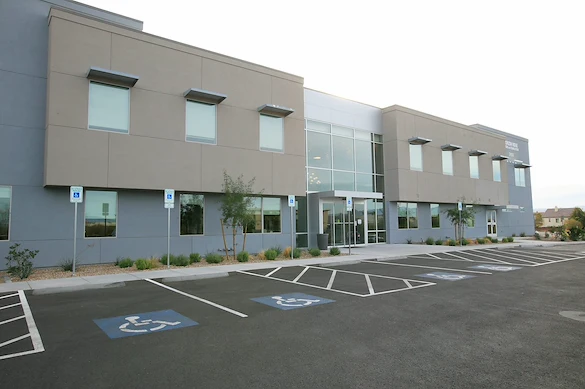 3.0Verified
Coronado Ridge Skilled Nursing & Rehabilitation
2855 W. Horizon Ridge Parkway Henderson, NV 89052
Long-Term Care / Skilled NursingSkilled Rehabilitation -
 5.0Verified
Las Ventanas Skilled Nursing & Rehab
10401 West Charleston Blvd Las Vegas, NV 89135
Long-Term Care / Skilled NursingSkilled RehabilitationLife Plan Community/CCRC -
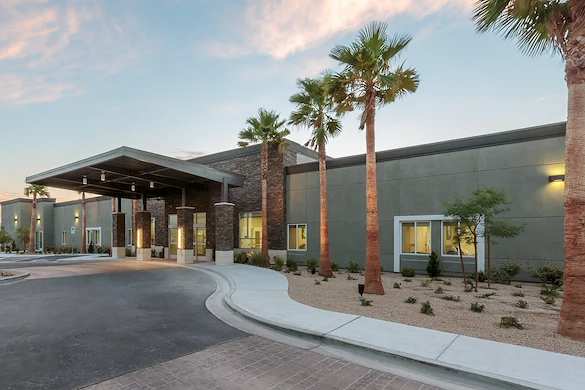 5.0
5.0Sage Creek Post Acute
2350 Ione Road Las Vegas, NV 89123
Long-Term Care / Skilled NursingSkilled Rehabilitation -
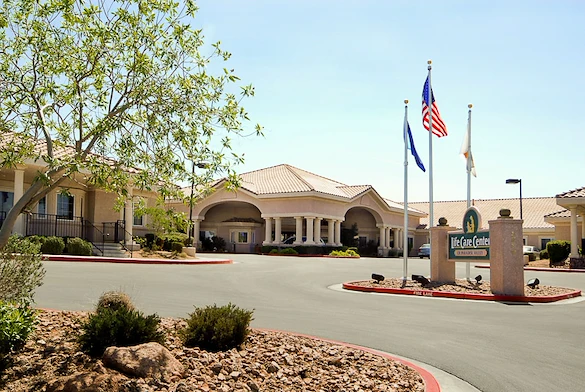 2.0Verified
Life Care Center Of South Las Vegas
2325 E. Harmon Ave. Las Vegas, NV 89119
Long-Term Care / Skilled NursingSkilled Rehabilitation


Cost of Nursing Homes in Nevada
Skilled nursing care in Nevada provides comprehensive medical and personal support for seniors who require round-the-clock supervision and assistance. The cost of skilled nursing varies depending on factors such as room type, location, and the level of care needed. As of 2024, the average monthly cost for a semi-private room in a Nevada nursing home is approximately $10,205, while a private room typically costs around $12,395 per month. These rates are notably higher than the national averages, which are about $7,908 for a semi-private room and $9,034 for a private room.
Regional differences within Nevada also impact pricing. For example, in Carson City, the monthly cost for a semi-private room is approximately $9,566, whereas in Reno, it can reach as high as $22,813. These variations are influenced by the cost of living in different areas and the availability of facilities offering specialized services.
Several factors affect the overall price of skilled nursing care. Facilities that provide specialized medical services, such as memory care or post-surgical rehabilitation, generally charge higher rates due to the need for expert staff and additional resources. The reputation and quality rating of a nursing home also play a role in pricing, with highly rated facilities often commanding premium prices. Furthermore, amenities like private rooms, enhanced dining options, and recreational activities, as well as the facility’s location—urban or rural—can significantly influence costs.
To help manage the high cost of skilled nursing care, several financial assistance programs are available in Nevada. Medicare covers short-term stays in skilled nursing facilities, usually up to 100 days per benefit period, primarily for rehabilitation after hospital stays. Medicaid offers long-term care coverage for eligible seniors who meet income and medical criteria. The state also provides programs such as the Personal Assistance Services and Supports (PASS) program, which assists with non-medical home care but can indirectly support transitions into skilled care. Additionally, long-term care insurance policies may cover nursing home costs depending on the terms of the plan.
Families considering skilled nursing care in Nevada should consult with financial advisors or elder law professionals to explore eligibility and options for assistance. Understanding the cost factors and available financial resources can help families make informed decisions and find the best care for their loved ones.
What to Know About Nursing Homes in Nevada
Nursing home care in Nevada averages $8,500–$9,500 per month, depending on room type and location.
Yes. Nevada Medicaid covers nursing home care for eligible seniors who meet financial and medical criteria.
Medicare covers only short-term skilled nursing care following a hospital stay.
Nevada has approximately 60–70 licensed nursing facilities statewide.
Finding the Right Senior Care in Nevada
Nevada offers a wide range of senior living and long-term care options, including independent living, assisted living, in-home care, memory care, and skilled nursing facilities. While senior care costs in Nevada are generally near the national average, the state’s lack of income tax, warm climate, and expanding retirement communities make it an attractive option for many older adults. Financial assistance programs such as Medicaid waivers and in-home support services can help eligible seniors manage long-term care expenses.
By understanding care levels, regional cost differences, and available financial aid programs, families can make informed decisions that balance affordability, quality, and lifestyle preferences. Whether choosing assisted living in Henderson, retirement communities in Reno, or in-home care services throughout the state, Nevada provides diverse options designed to support independence, dignity, and long-term well-being for seniors.
Frequently Asked Questions About Senior Living in Nevada
Nevada is attractive for retirees due to no state income tax, warm climate, and growing senior communities, though healthcare access can vary by region.
Aging in place with part-time home care or qualifying for subsidized senior housing is often the most affordable option.
The “best” state depends on affordability, healthcare access, climate, and tax advantages. States like Florida, Arizona, and Texas are popular for retirees.
The 80/20 rule means at least 80% of occupied units must have one resident age 55 or older, allowing limited flexibility for younger occupants.
Frequently Asked Questions About Senior Care in Nevada
Yes. Through certain Medicaid waiver programs, eligible seniors may participate in consumer-directed care that allows family caregivers to receive compensation.
While not universally free, eligible seniors may receive healthcare coverage through Medicaid programs.
Hourly senior care in Nevada averages $25–$32 per hour, depending on care type.
Low-income thresholds vary by program and are generally based on Federal Poverty Level (FPL) guidelines and Medicaid eligibility requirements.