
Senior Living Facts for Nebraska
Nebraska offers a welcoming and vibrant environment that makes it an excellent place for seniors and families looking to enjoy a high quality of life. Known for its friendly communities and affordable cost of living, Nebraska provides seniors with a comfortable lifestyle that balances the charm of small-town living with access to modern amenities. The state experiences all four seasons, with warm summers and crisp, snowy winters, giving residents the opportunity to enjoy a variety of outdoor activities year-round, from hiking and fishing to exploring local parks and nature reserves.
Fast Facts
Senior Living & Care in Nebraska
| #37 | most populated state in the U.S. |
| $4,300 | average monthly assisted living cost in Nebraska |
| 1,200+ | assisted living communities and care providers across Nebraska |
| 330K+ | adults age 65+ in Nebraska |
Seniors in Nebraska benefit from numerous senior-friendly communities that prioritize safety, social engagement, and wellness. Cities like Omaha, Lincoln, and Grand Island feature a range of housing options, including independent living, assisted living, and skilled nursing facilities, tailored to meet diverse needs. Access to quality healthcare is a major advantage in Nebraska, with top-rated hospitals and specialized senior care providers throughout the state, ensuring that residents receive the medical support they require close to home.
Nebraska’s cultural scene enriches daily life, with local theaters, museums, art galleries, and music festivals offering entertainment and opportunities for lifelong learning. Many communities host senior centers and recreational programs that promote active and engaged living. The state’s emphasis on family values and community connection creates a supportive atmosphere that helps seniors thrive both socially and physically.
For families researching senior care in Nebraska, key factors include affordable housing, excellent healthcare facilities, and access to nature and cultural activities. Whether seeking retirement communities, home care services, or memory care options, Nebraska’s diverse care landscape caters to seniors with compassion and professionalism.
Overall, Nebraska combines a balanced climate, affordable living, rich cultural experiences, and outstanding healthcare resources to provide seniors and their families with an inviting place to call home. Its senior-friendly communities and commitment to quality of life make Nebraska a top choice for aging well in the heart of the Midwest.
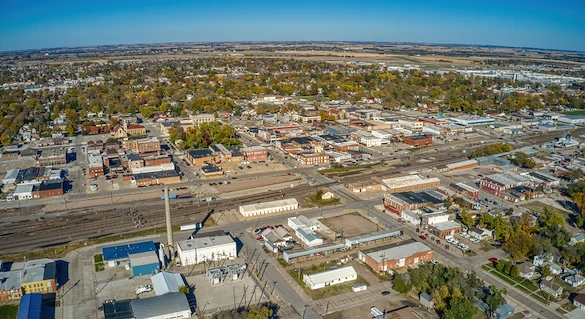
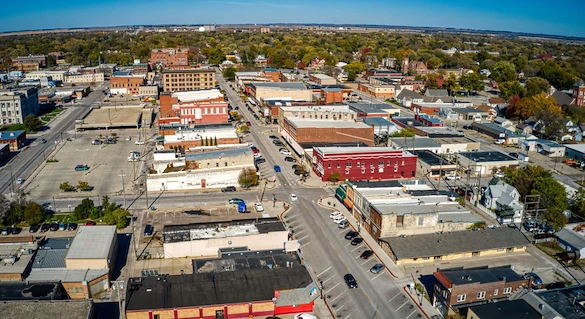
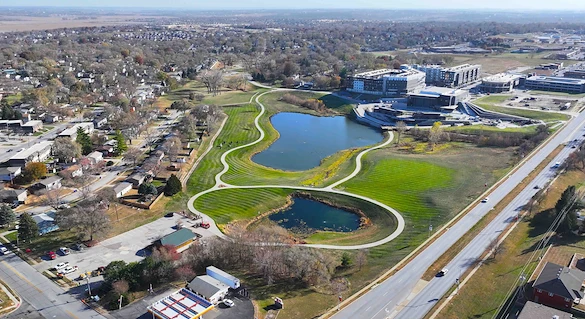
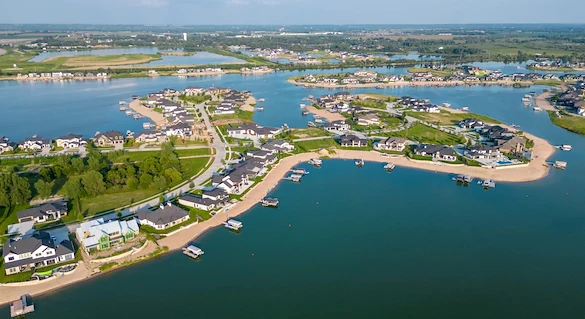
Top Cities for Senior Living and Care in Nebraska


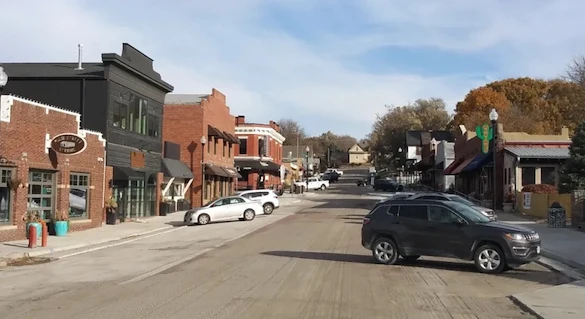

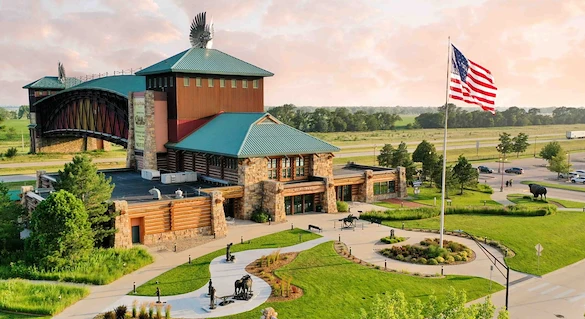
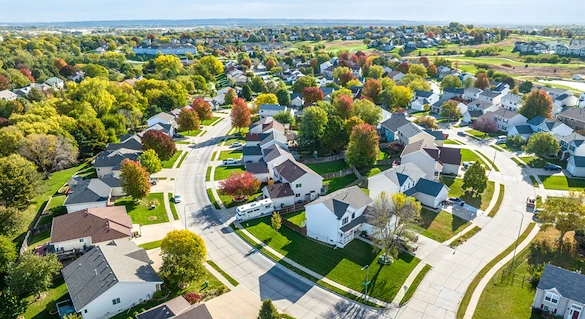
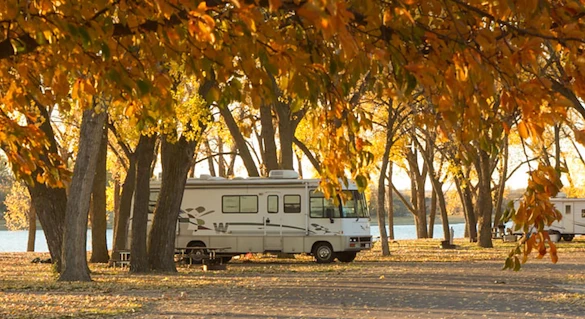




Assisted Living in Nebraska
Assisted living in Nebraska offers a supportive and compassionate environment for seniors who need help with daily activities while maintaining as much independence as possible. These communities provide assistance with personal care tasks such as bathing, dressing, medication management, and mobility, ensuring residents receive the care they need in a comfortable, home-like setting. Beyond daily living support, many assisted living facilities also focus on social engagement and wellness by offering group activities, fitness programs, and opportunities to connect with peers, promoting both mental and physical well-being.
Nebraska has specific licensing requirements for assisted living communities, overseen by the Nebraska Department of Health and Human Services (DHHS). These regulations ensure that facilities meet safety standards, provide qualified staff, and adhere to quality care guidelines. The state requires regular inspections and compliance with resident rights and care protocols, making it easier for families to trust that their loved ones are in safe hands.
Nebraska’s assisted living options vary widely to meet diverse needs and budgets. From luxury communities with upscale amenities and spacious private apartments to budget-friendly residences offering essential services, families can find options tailored to their preferences. Many communities also include specialized memory care units designed to support residents with Alzheimer’s or other forms of dementia, featuring secure environments and trained staff focused on cognitive care.
When evaluating assisted living communities in Nebraska, families should consider factors such as staff qualifications, the range of services offered, community culture, and location. Visiting facilities, reviewing state inspection reports, and speaking with current residents and their families can provide valuable insights. Understanding cost structures and available financial assistance programs is also important to make the best decision.
Overall, assisted living in Nebraska combines compassionate care, community engagement, and regulatory oversight to provide seniors with a safe, supportive place to live well and maintain their quality of life.
Top Assisted Living Communities in Nebraska
View All Providers-
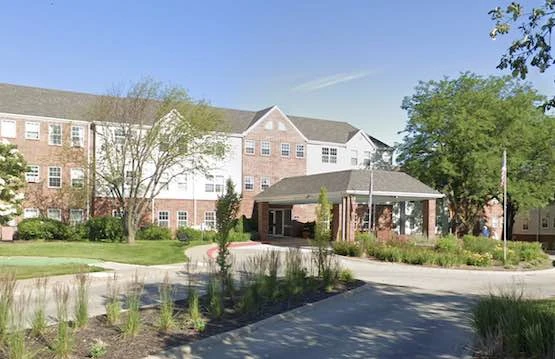 4.1Premium
The Residence at Gramercy
6800 A St Lincoln, NE 68510
Independent LivingAssisted LivingRespite Care -
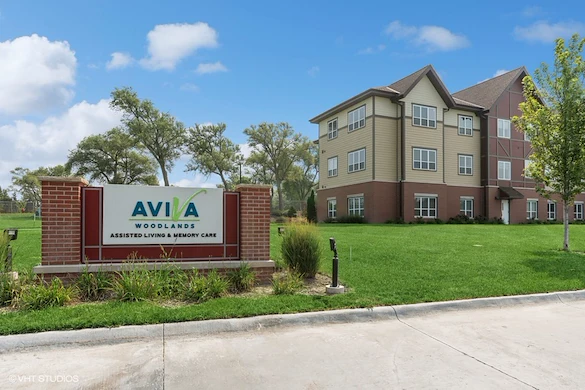 4.6Premium
AVIVA Woodlands
9421 Gable Pines Road Lincoln, NE 68520
Assisted LivingMemory CareRespite Care -

-
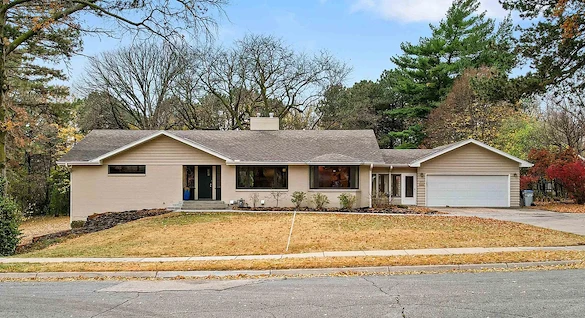 4.9Verified
The Harbor at Calvert
3737 Calvert Lincoln, NE 68506
Assisted LivingMemory CareRespite Care -
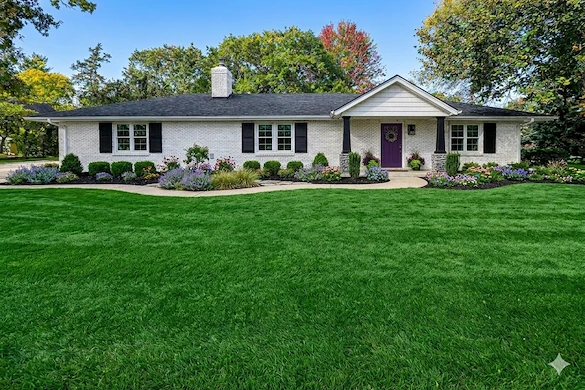 4.7Verified
Legato Living at Piedmont - Coming Soon
929 South Cotner Boulevard Lincoln, NE 68510
Assisted LivingMemory Care -
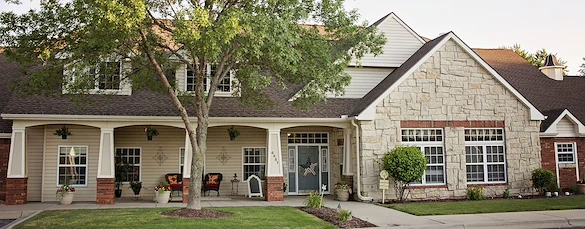


Cost of Assisted Living in Nebraska
Several key factors influence the cost of assisted living in Nebraska. Communities that offer higher-end amenities—such as restaurant-style dining, fitness centers, and private apartments—tend to charge more. Additionally, seniors who require greater assistance with daily living activities (like bathing, dressing, or managing medications) or specialized memory care can expect higher monthly fees. Staffing costs and inflation have also contributed to rising prices across the state and nationwide.
For families concerned about affordability, Nebraska offers several financial assistance programs. The state’s Aged and Disabled Medicaid Waiver can help cover certain long-term care services in assisted living settings, depending on eligibility. Veterans and surviving spouses may qualify for VA Aid & Attendance benefits, which can be used toward monthly care costs. Other options, such as long-term care insurance or assistance through Nebraska’s Area Agencies on Aging, can provide additional financial relief or planning support.
Understanding assisted living costs is a critical first step in planning for senior care. With Nebraska’s slightly below-average rates and a variety of support programs available, families have options to find high-quality care that fits both their needs and budget.
What to Know About Assisted Living in Nebraska
The average cost of assisted living in Nebraska is approximately $4,500–$5,000 per month, depending on location, apartment size, and level of care.
No. Medicare does not pay for assisted living in Nebraska. Medicare only covers medically necessary services, not long-term custodial care.
To qualify for assisted living, a person must need help with activities of daily living such as bathing, dressing, mobility, or medication management, but not require 24/7 skilled nursing care.
Nebraska Medicaid may help cover care services in assisted living through waiver programs, but room and board are typically paid privately.
Independent Living in Nebraska
Independent living is a senior housing option designed for older adults who are active, self-sufficient, and looking to enjoy a low-maintenance lifestyle in a community setting. Unlike assisted living, independent living does not provide personal care or medical services. Instead, it focuses on convenience, connection, and comfort—making it a great fit for seniors who want to simplify daily life without sacrificing freedom.
In Nebraska, independent living communities offer a range of services and amenities that make day-to-day living easier and more enjoyable. Most provide private apartments or cottages with housekeeping, lawn care, and basic utilities included. Many also offer dining plans, scheduled transportation, and on-site recreational opportunities like fitness centers, libraries, hobby clubs, and group outings. This maintenance-free lifestyle allows seniors to focus on what matters most—whether that's spending time with friends, pursuing hobbies, or traveling without worrying about home upkeep.
For active retirees, Nebraska offers a variety of retirement-friendly communities across the state. Larger cities like Omaha and Lincoln are home to a wide selection of independent living communities, often located near parks, healthcare centers, and cultural attractions. Seniors in these areas can enjoy access to museums, performing arts venues, walking trails, and continuing education programs.
Those looking for a quieter pace may appreciate Nebraska’s smaller towns, such as Kearney, Hastings, or Fremont—all known for their strong sense of community, local amenities, and access to nature. These towns often feature lower costs of living, scenic outdoor spaces, and active senior centers that keep residents engaged year-round.
Nebraska’s four-season climate is another draw for many seniors. While winters can be brisk, they bring cozy indoor activities and festive community events. Spring and fall offer mild weather perfect for gardening and neighborhood strolls, and summer brings farmers markets, outdoor concerts, and family visits.
Independent living in Nebraska is ideal for seniors who want to enjoy retirement on their own terms—without the burden of home maintenance and with the benefit of a vibrant, supportive community. Whether in a city or small town, Nebraska offers options that blend affordability, activity, and peace of mind.
Top Independent Living Communities in Nebraska
View All Providers-
4.1Premium
The Residence at Gramercy
6800 A St Lincoln, NE 68510
Independent LivingAssisted LivingRespite Care -
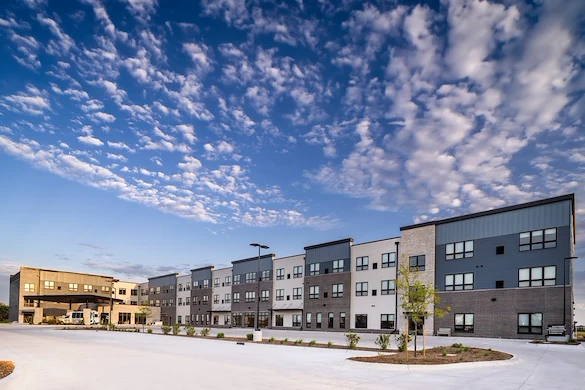 4.9Verified
Salt Creek Senior Living
7360 Husker Circle Lincoln, NE 68504
Independent LivingAssisted LivingMemory Care -
-
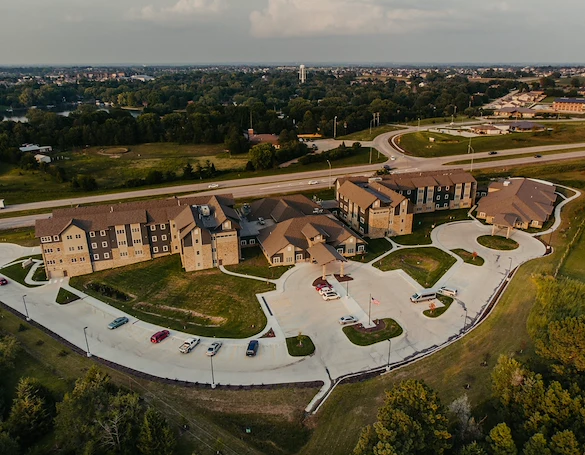 4.9Verified
Pemberly Place Senior Living Community
7655 Archer Place Lincoln, NE 68516
Independent LivingAssisted LivingMemory CareAdult Day Services -


Cost of Independent Living in Nebraska
Costs can vary significantly by region. In larger cities like Omaha, rates tend to be on the higher end, with some communities offering upscale amenities and larger floor plans that increase monthly fees. Lincoln generally offers moderate pricing while still providing a wide selection of services and amenities. Smaller towns such as Kearney, Fremont, and Hastings often feature lower monthly costs, offering a more budget-friendly lifestyle for seniors who prefer a quieter setting with access to community resources and outdoor recreation.
Monthly fees at independent living communities in Nebraska usually cover housing, utilities, maintenance, and access to shared amenities such as fitness centers, libraries, activity rooms, and outdoor spaces. Many communities also offer optional services such as meal plans, housekeeping, transportation, and concierge services. While basic services are often included in the base cost, additional fees may apply for premium amenities or more personalized lifestyle packages.
Several factors influence the price of independent living, including the location of the community, the size and layout of the apartment, and the scope of amenities provided. Urban communities with high-end features—such as chef-prepared dining, wellness programs, and on-site salons—tend to charge more than smaller, more modest options in rural areas.
While independent living is typically a private-pay option, many seniors fund their move using a combination of personal savings, retirement income, Social Security, or proceeds from the sale of a home. Veterans and surviving spouses may also qualify for benefits that can help offset monthly costs. In addition, local organizations such as Nebraska’s Area Agencies on Aging offer financial counseling and planning assistance to help seniors find affordable housing solutions that meet their needs and budget.
What to Know About Independent Living in Nebraska
Independent living is designed for seniors age 55 or 62+ who can live safely without daily personal or medical assistance.
Medicare does not pay for independent living, as it is considered housing rather than medical care
Independent living does not provide hands-on personal care or medical services, meaning seniors may need to relocate if health needs increase.
Independent living in Lincoln, Nebraska typically costs $2,500–$3,500 per month, depending on amenities and housing type.
Home Care in Nebraska
Non‑medical home care is personal support that allows seniors to remain safely and comfortably in their own homes—without clinical or medical treatment. In Nebraska, these services fall outside nursing care and focus on assistance with daily living: personal hygiene (bathing, dressing, grooming), mobility help, meal preparation, light housekeeping, errands, transportation, medication reminders, and companionship. This kind of care supports independence while easing the burden on family caregivers.
Across Nebraska, increasing demand for aging-in-place services has outpaced available options in some regions—especially rural counties. The state’s aging population is projected to reach nearly 25% aged 65 or older by 2030, amplifying the need for in-home support.
In Nebraska, non-medical home care agencies must be licensed by the Department of Health and Human Services (DHHS) if they provide personal care or chore services under Medicaid waivers, such as the Aged and Disabled Waiver Program. Private-pay caregivers are not required to meet training standards, though DHS requires background checks and agencies must conduct them. For roles such as Home Health Aides, federal and state rules require 75 hours of initial training and annual continuing education.
Services are commonly arranged through licensed agencies or verified caregiver registries, which match families with screened care partners. These caregivers typically undergo background checks, share experience profiles, and deliver customized support—from friendship and activity companionship to assistance with household tasks.
Nebraska’s regulatory landscape enables agencies to operate with relatively minimal startup hurdles—there’s no state certificate of need and licensing fees are lower than in many other states. This flexibility helps expand access across both urban and rural areas, though rural communities may still face shortages of available caregivers.
Availability can also vary by geography: densely populated areas like Omaha and Lincoln typically have more provider options and diverse service offerings, whereas smaller towns may depend on regional agencies or caregiver registries to meet demand.
In summary, non-medical home care in Nebraska provides essential daily support—including hygiene, meals, social companionship, errands, and light housekeeping—to help seniors stay at home with dignity. While private-pay options have minimal formal training mandates, Medicaid-participating agencies must meet licensing requirements and safety standards. As the senior population rises and demand grows—especially in rural areas—these services play a vital role in extending independence and peace of mind.
Top Home Care in Nebraska
View All Providers-
 4.9Premium
CCA Home Care Lincoln
1530 S 70th Street, Suite 202 Lincoln, NE 68506
Home Care (Non-Medical) -
 4.4Premium
Cornerstone Caregiving - Lincoln
6201 S. 58th St. Suite C Lincoln, NE 68516
Home Care (Non-Medical) -

-
 5.0Verified
Genuine Global Care - Lincoln
4535 Normal Blvd #295 Lincoln, NE 68506
Home Care (Non-Medical) -
-
 4.9Verified
Hallmark Homecare Lincoln
4940 O Street #1059 Lincoln, NE 68510
Home Care (Non-Medical)


Cost of Home Care Non-Medical in Nebraska
Several factors affect pricing, including the number of hours required, the type of provider (agency vs. private hire), the location, and the complexity of care needed. Services focused on companionship or light housekeeping generally cost less than personal care or overnight assistance.
Financial assistance is available for qualifying seniors. Nebraska’s Aged & Disabled Medicaid Waiver helps cover in-home support for low-income individuals who meet medical and financial eligibility criteria. Veterans may qualify for VA Aid and Attendance benefits, which can be applied toward in-home care. Long-term care insurance is another option, and many policies include provisions for non-medical services. Additionally, Nebraska’s Area Agencies on Aging can help families explore cost-saving programs and connect with affordable providers in their region.
What to Know About Non Medical Home Care in Nebraska
Yes. Through certain Nebraska Medicaid HCBS programs, eligible seniors may compensate a family caregiver, depending on program rules and eligibility.
A non-medical caregiver assists with daily living tasks and companionship, such as bathing, dressing, meal preparation, transportation, and light housekeeping.
Starting a non-medical home care business in Nebraska involves registering the business, meeting state licensing requirements, securing insurance, and complying with caregiver training and background check regulations.
Non-medical home care focuses on daily living support, while home health care provides skilled medical services ordered by a physician.
Long-Term Care/Skilled Nursing in Nebraska
Long-term care in Nebraska’s skilled nursing facilities provides comprehensive medical and personal support for seniors who need ongoing clinical care, rehabilitation, or specialized services. These facilities offer 24-hour nursing care by registered nurses (RNs) and licensed practical nurses (LPNs), along with assistance in daily activities such as bathing, dressing, medication management, and mobility support. Skilled nursing centers also provide physical, occupational, and speech therapy to help residents recover from surgeries, injuries, or illnesses. For seniors with memory-related conditions like Alzheimer’s disease or other forms of dementia, many facilities have dedicated memory care units designed to offer specialized supervision, safety, and therapeutic activities tailored to their needs.
In Nebraska, skilled nursing homes must be licensed through the Department of Health & Human Services (DHHS) and comply with state-specific regulations under Title 175, Chapter 12, as well as federal standards required for Medicare and Medicaid certification. These regulations ensure facilities meet staffing requirements, maintain proper sanitation, and uphold resident safety and rights. For example, facilities are required to have at least one RN or LPN on duty for a minimum of eight consecutive hours daily, and to provide an average of 2.8 hours of hands-on care per resident each day. Staff members, including certified nursing assistants, must complete state-approved training programs and annual continuing education to maintain quality care.
Families evaluating nursing home options in Nebraska can use resources like Medicare’s Care Compare tool and Nebraska’s DHHS licensing database to review inspection reports, staffing levels, and quality ratings. There are around 50 nursing homes statewide that hold the highest five-star quality rating, providing a benchmark for excellent care. Visiting facilities in person, asking about staff turnover, therapy services, safety protocols, and resident engagement opportunities can help families find a community that offers both clinical expertise and compassionate support tailored to their loved one’s needs.
Top Long-Term Care/Skilled Nursing in Nebraska
View All Providers-
 3.0Verified
Gateway Vista Health and Rehabilitation Center
225 N 56th Street Lincoln, NE 68504
Long-Term Care / Skilled NursingSkilled RehabilitationLife Plan Community/CCRC -
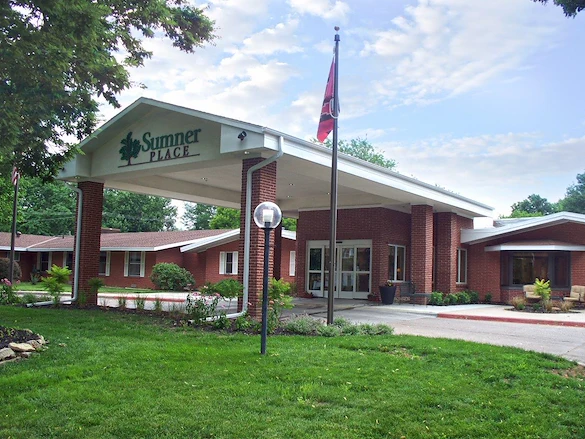 4.0Verified
Sumner Place
1750 South 20th Street Lincoln, NE 68502
Memory CareLong-Term Care / Skilled NursingSkilled RehabilitationAdult Day Services -
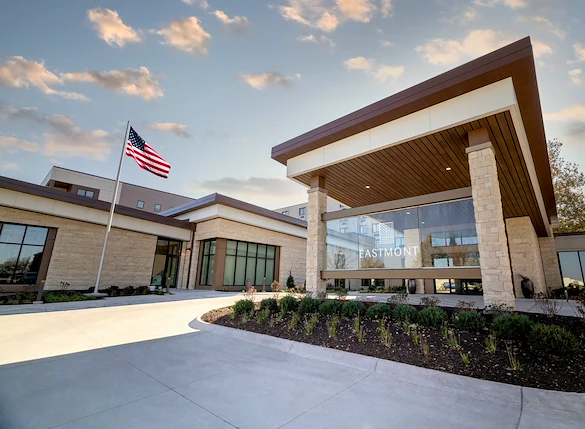 3.0Verified
Eastmont Health Services
6315 O Street Lincoln, NE 68510
Long-Term Care / Skilled NursingSkilled RehabilitationLife Plan Community/CCRC -
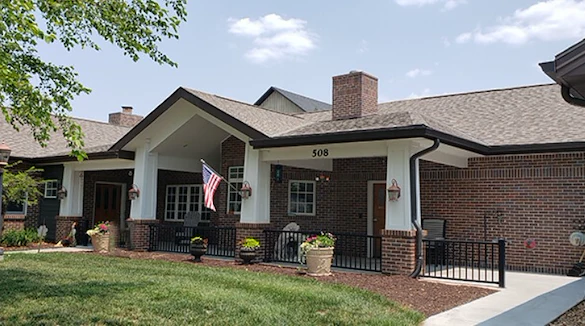


Cost of Nursing Homes in Nebraska
Costs vary by region within the state. Urban centers like Omaha and Lincoln tend to have higher prices due to greater demand and operating expenses. Rural areas often offer more competitive rates but may have fewer facility options and specialized services. Facility reputation and quality also impact pricing, with top-rated nursing homes charging more for their proven care standards. Amenities such as private rooms, enhanced dining, and recreational activities can further increase costs.
The level of medical care needed is a significant cost driver. Facilities providing specialized services, like memory care for dementia or post-surgical rehabilitation, require more staff and resources, which raises fees. Families should consider both the clinical needs of their loved ones and the quality of life factors offered by the facility.
Financial assistance is available to help families manage these expenses. Nebraska’s Medicaid program covers nursing home care for eligible seniors who meet financial and medical requirements, including room, board, and skilled nursing services. Medicare may cover short-term skilled nursing stays—typically up to 100 days after a hospital stay—but does not fund long-term custodial care. Long-term care insurance policies may also cover some costs, depending on the plan. Additionally, veterans and their spouses can access benefits through the U.S. Department of Veterans Affairs to assist with nursing home expenses.
Navigating skilled nursing costs can be complex, but Nebraska offers a range of options and assistance programs to support families. Careful research, consultation with specialists, and exploring all available resources can help families find quality care that fits both their needs and budget.
What to Know About Nursing Homes in Nebraska
Nursing home care in Nebraska averages $7,500–$8,500 per month for a semi-private room, with private rooms costing more.
Medicare only pays for short-term skilled nursing care following a qualifying hospital stay, not long-term nursing home care.
Asset protection often involves early Medicaid planning, sometimes with the help of an elder law attorney, to understand allowable spend-down and exemptions.
Yes. Nebraska Medicaid covers nursing home care for eligible seniors who meet financial and medical criteria.
Finding the Right Senior Care in Nebraska
Nebraska offers a wide range of senior living and care options, including independent living, assisted living, in-home care, and skilled nursing facilities, making it possible for older adults to age comfortably as their needs evolve. With moderate senior care costs, access to Medicaid and community-based assistance programs, and a strong network of licensed providers, Nebraska remains an attractive option for seniors and families planning long-term care. By understanding care costs, legal considerations, and available financial support, families can confidently find quality senior care in Nebraska that supports independence, safety, and long-term peace of mind.
Frequently Asked Questions About Senior Living in Nebraska
The most affordable option is often aging in place with part-time home care or qualifying for subsidized senior housing.
No — Medicare does not pay for assisted living in Nebraska or anywhere else in the United States. Medicare only covers medically necessary services, such as hospital stays, doctor visits, and limited skilled nursing or therapy services in specific circumstances (like short-term rehabilitation after a qualifying hospital stay). Costs associated with assisted living — including room, board, personal care, and help with daily activities — are considered long-term custodial care, which Medicare does not cover.
Senior living facility costs in Nebraska range from $2,500 per month for independent living to over $8,500 per month for nursing home care, depending on services.
Frequently Asked Questions About Senior Care in Nebraska
Hourly senior care in Nebraska typically costs $25–$30 per hour, depending on care type and location.
In Nebraska, a senior citizen is generally considered age 65, though some housing communities define seniors as 55+.
The most requested support service is help with activities of daily living, including bathing, dressing, and meal preparation.