
Senior Living Facts for Missouri
Missouri offers a welcoming blend of Midwestern charm, affordability, and natural beauty, making it an appealing destination for seniors and their families seeking a high quality of life. With four distinct seasons, the state enjoys a relatively moderate climate—warm summers, crisp autumns, and mild to cold winters—giving older adults the opportunity to experience seasonal activities while enjoying a slower pace of life. From scenic drives through the Ozarks to peaceful walks along the Missouri River, the state’s rich natural landscapes provide an ideal backdrop for relaxation, recreation, and retirement.
Fast Facts
Senior Living & Care in Missouri
| #19 | most populated state in the U.S. |
| $4,300 | average monthly assisted living cost in Missouri |
| 2,500+ | assisted living communities and care providers across Missouri |
| 1.1M+ | adults age 65+ in Missouri |
One of Missouri’s most attractive features for retirees is its low cost of living. Housing, groceries, and healthcare are generally more affordable here than the national average, helping seniors make the most of their retirement income. The state also offers a wide range of senior living options, from vibrant independent living communities in cities like St. Louis and Kansas City to assisted living and skilled nursing facilities nestled in more rural settings. Many of these communities are designed with older adults in mind, offering accessible layouts, social activities, wellness programs, and transportation services to help seniors remain active and connected.
Healthcare is another key advantage in Missouri, with a broad network of hospitals, specialists, and senior care providers. Leading medical institutions like Barnes-Jewish Hospital in St. Louis and the University of Missouri Health Care system in Columbia ensure access to top-quality care. The state also supports older adults through programs such as Missouri’s Department of Health and Senior Services, which provides resources, advocacy, and support for seniors and their caregivers.
Cultural life in Missouri is rich and diverse, from symphonies and museums in metropolitan hubs to small-town festivals and historic landmarks. Seniors can enjoy live performances, local cuisine, and community events year-round. For those who love the outdoors, Missouri offers over 90 state parks, miles of hiking and biking trails, and beautiful lakes for fishing and boating.
With its mix of affordability, natural beauty, senior-friendly amenities, and strong healthcare infrastructure, Missouri stands out as a great place to enjoy retirement. Families exploring senior care in Missouri will find a wide range of options that meet different needs and preferences, all within a state that values community, wellness, and quality of life.
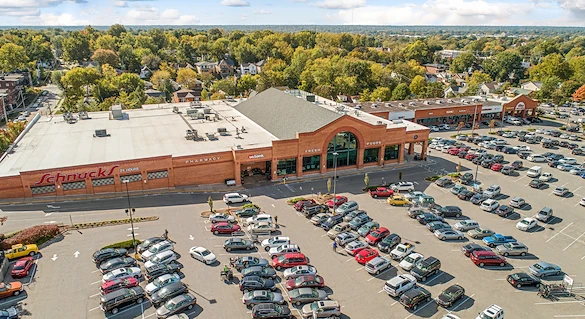
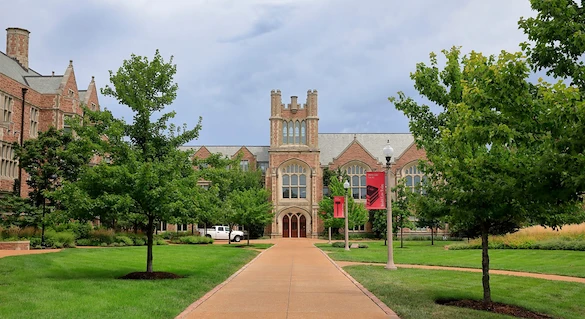
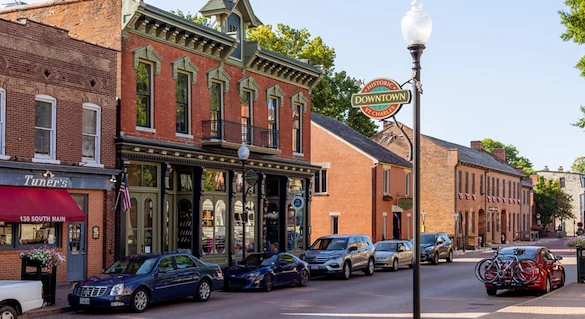
Top Cities for Senior Living and Care in Missouri












Assisted Living in Missouri
Assisted living in Missouri offers a supportive, community-based option for older adults who need help with daily activities but do not require the intensive medical care provided in a nursing home. These communities provide assistance with personal care tasks such as bathing, dressing, grooming, toileting, and mobility, along with medication management, meal preparation, housekeeping, and transportation services. Social engagement is a key component, with many facilities offering planned activities, group outings, wellness programs, and communal dining to help residents stay active and connected.
In Missouri, assisted living facilities are licensed and regulated by the Missouri Department of Health and Senior Services (DHSS). The state offers two main licensure types: Assisted Living Facilities (ALFs) and Residential Care Facilities (RCFs). ALFs provide a higher level of care, including assistance with medication administration and support for residents with physical or cognitive impairments. RCFs provide a lower level of care and are more suitable for individuals who are mostly independent but still benefit from support and supervision. All licensed facilities must meet state-mandated staffing ratios, safety standards, and resident care protocols. Regular inspections are conducted to ensure compliance and to maintain quality standards.
Families searching for assisted living in Missouri will find a range of community types, from luxury senior residences with upscale amenities to more budget-conscious options. There are also memory care-focused communities specifically designed to serve individuals with Alzheimer’s or other forms of dementia, offering secure environments and specialized programming. Missouri’s affordability, combined with its blend of urban and rural settings, gives families a variety of choices across the state, from vibrant areas like St. Louis and Kansas City to quieter, scenic regions in the Ozarks.
When evaluating assisted living communities, families should consider the level of care provided, staff training and availability, cleanliness, safety measures, and resident satisfaction. Visiting communities in person, reviewing state inspection reports, and asking questions about care plans and lifestyle offerings can help ensure a good fit. Assisted living in Missouri is designed to promote independence while providing the support and peace of mind older adults and their families need.
Top Assisted Living Communities in Missouri
View All Providers-
 3.9Premium
Lakeview Village Senior Living
9100 Park Street Lenexa, KS 66215
Independent LivingAssisted LivingLife Plan Community/CCRC -
 4.2Premium
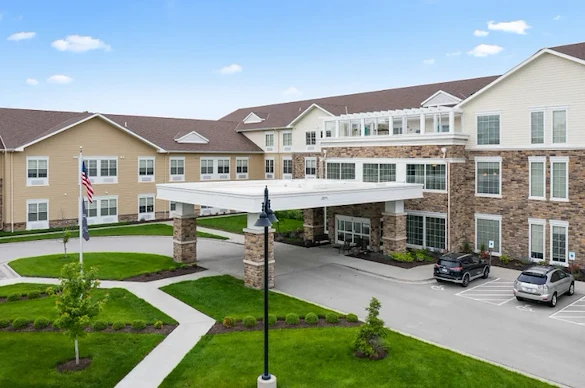
Alto Overland Park
10300 Indian Creek Pkwy Overland Park, KS 66210
Assisted LivingMemory Care -
 4.4Premium
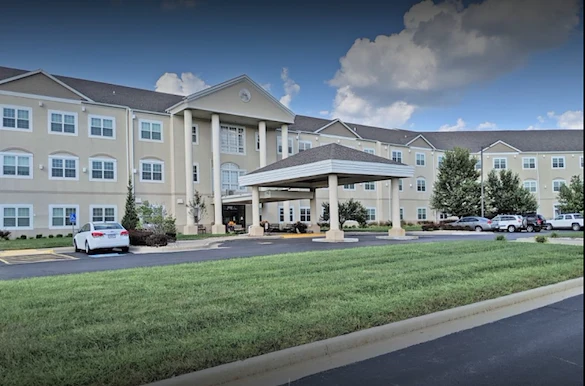
Primrose Retirement Community of Kansas City
8559 North Line Creek Parkway Kansas City, MO 64154
Independent LivingAssisted Living -
 4.6Verified
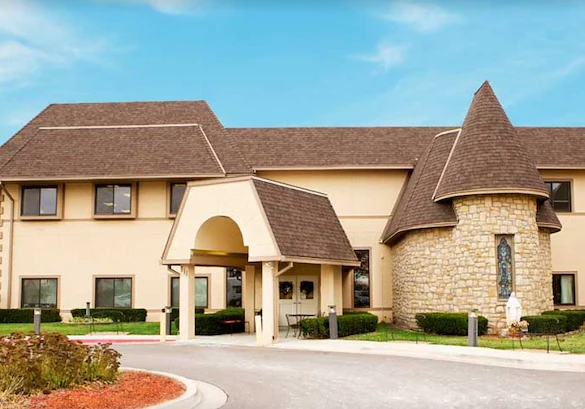
Ignite of St Mary's Assisted Living
111 NW Mock Ave Blue Springs, MO 64014
Assisted LivingMemory Care -
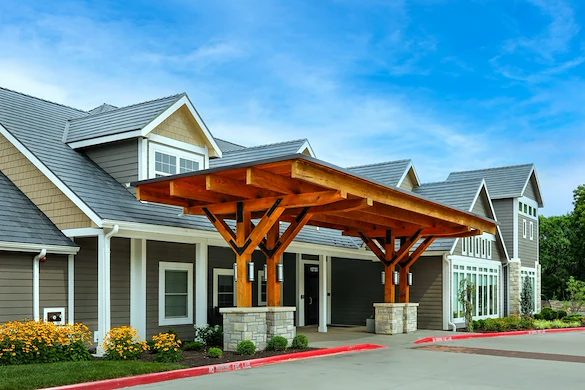
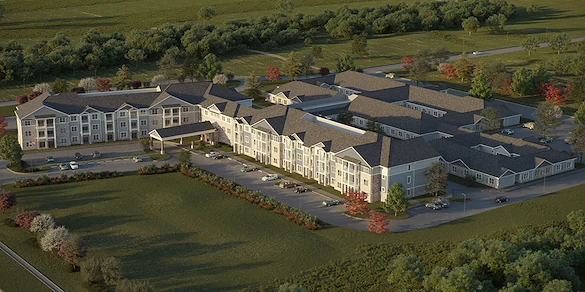 4.6Verified
The Princeton Senior Living
1701 SE Oldham Parkway Lees Summit, MO 64081
Independent LivingAssisted LivingMemory Care -
-
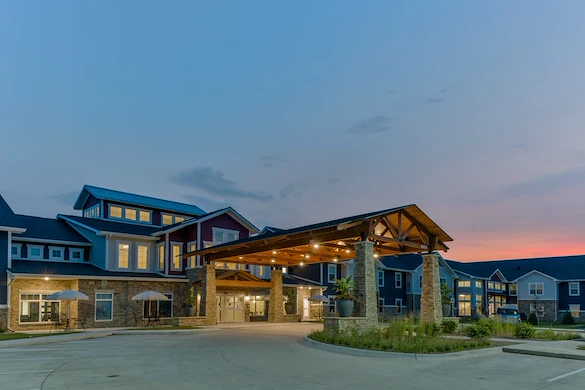 4.8Verified
Raintree Village Senior Living
1501 SW Arborwalk Blvd Lee's Summit, MO 64082
Independent LivingAssisted LivingLife Plan Community/CCRC


Cost of Assisted Living in Missouri
Factors influencing pricing include the level of care required—residents needing assistance with daily activities or memory care typically face higher costs. For example, dementia care often adds 20–30% to base rates. Amenities such as private apartments, gourmet dining, fitness programs, and enhanced wellness services also drive up fees. Units with premium layouts or views, as well as communities offering all-inclusive pricing, may come at an additional cost.
Financial assistance options in Missouri can help ease the burden. Families can explore the Missouri Aged & Disabled Medicaid Waiver and the Supplemental Nursing Care program, which help cover care services for eligible seniors. Other resources include veteran benefits, such as VA Aid & Attendance, and long-term care insurance, which may offset specific assisted living expenses. Some communities also partner with local grants or state aid initiatives to support affordability.
When considering assisted living in Missouri, families should tour multiple communities, compare what’s included in monthly fees, and review contract terms, such as extra charges for care levels or services like transportation. Also, checking facility licensing and inspection reports through the Missouri Department of Health & Senior Services and CMS’s Nursing Home Compare tool can provide added assurance.
With transparency, comparisons, and awareness of assistance programs, families can confidently secure a supportive and comfortable assisted living community in Missouri—one that aligns with both care needs and financial peace of mind.
What to Know About Assisted Living in Missouri
Assisted living in Missouri averages $4,000–$4,500 per month, below the national average.
Residents must need help with activities of daily living (ADLs) but not require 24/7 skilled nursing care.
No. Medicare does not cover assisted living, including room and board.
Missouri Medicaid may cover certain care services, but room and board are typically private pay.
Independent Living in Missouri
Independent living in Missouri is a popular option for older adults who want to enjoy an active, low-maintenance lifestyle without the responsibilities of traditional homeownership. Designed for seniors who do not require daily medical assistance but appreciate the convenience of support services, independent living communities offer private apartments or cottages along with access to shared amenities, social activities, and community events. These settings promote autonomy while reducing the stress of chores like yardwork, home maintenance, and meal preparation, allowing residents to spend more time doing what they love.
Missouri’s independent living options are especially attractive thanks to the state’s affordable cost of living and variety of retirement-friendly cities. Places like Columbia, Springfield, and St. Charles offer vibrant downtowns, accessible healthcare, and strong community life, all within a manageable budget. St. Louis and Kansas City also provide urban options for those who prefer cultural attractions, fine dining, and entertainment, while smaller towns such as Branson or Jefferson City offer a quieter pace with easy access to nature and local charm.
The state's four-season climate appeals to many seniors who enjoy experiencing each part of the year—especially the colorful autumns and mild springs. Missouri also offers an active lifestyle for those who love the outdoors, with scenic parks, rivers, and lakes ideal for walking, boating, and nature watching. For seniors interested in continuing education, volunteerism, or fitness, many independent living communities offer onsite wellness programs, enrichment classes, and scheduled outings.
In addition to lifestyle benefits, many communities in Missouri provide features like on-site dining, housekeeping, scheduled transportation, and 24-hour staff for added peace of mind. Some are part of larger campuses that also offer assisted living or skilled nursing, allowing for a smoother transition if care needs increase over time.
Independent living in Missouri is ideal for seniors who are looking for connection, convenience, and choice. With a range of community styles—from upscale to budget-friendly—older adults and their families can find a setting that feels like home while offering the freedom to enjoy retirement on their terms. For many, it’s a smart step toward a more engaged and supported lifestyle in the heart of the Midwest.
Top Independent Living Communities in Missouri
View All Providers-
3.9Premium
Lakeview Village Senior Living
9100 Park Street Lenexa, KS 66215
Independent LivingAssisted LivingLife Plan Community/CCRC -
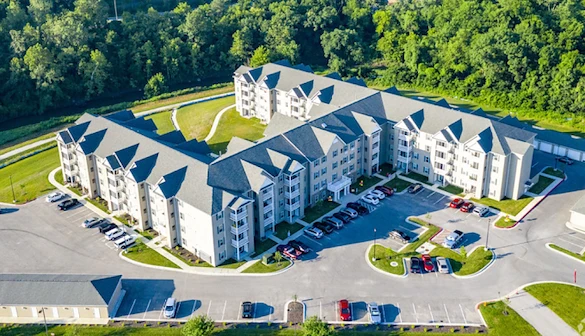 3.4Premium
Eastland Court Senior Apartments
19301 E Eastland Center Ct Independence, MO 64055
Active Adult LivingIndependent Living -
4.4Premium
Primrose Retirement Community of Kansas City
8559 North Line Creek Parkway Kansas City, MO 64154
Independent LivingAssisted Living -
 4.8Verified
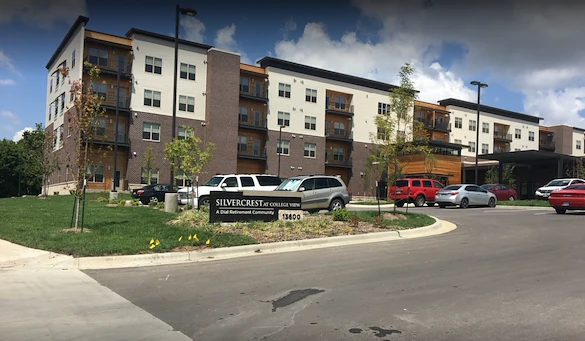
Silvercrest at College View
13600 W 110th Terrace Lenexa, KS 66215
Independent LivingAssisted LivingMemory Care -
4.6Verified
The Princeton Senior Living
1701 SE Oldham Parkway Lees Summit, MO 64081
Independent LivingAssisted LivingMemory Care -
-
4.8Verified
Raintree Village Senior Living
1501 SW Arborwalk Blvd Lee's Summit, MO 64082
Independent LivingAssisted LivingLife Plan Community/CCRC


Cost of Independent Living in Missouri
What’s included in these costs generally encompasses housing, some utilities, shared amenities (fitness, dining, community events), maintenance, and common-area upkeep. Meal plans, wellness programs, transportation, housekeeping, and social programming are frequently part of the package, but details vary by community, so families should verify what’s included in the monthly fee.
Several key factors influence pricing. Location plays a major role—higher housing costs and urban demand drive prices up in cities like Kansas City and St. Louis. Features such as upscale finishes, larger apartments, inclusive billing models, or access to continuing care campuses also lead to higher costs. Smaller communities and basic independent living arrangements usually come at lower prices.
In terms of affordability support, while Medicare does not cover independent living, seniors may qualify for Veterans’ Aid & Attendance benefits or tap into HUD Section 202 housing programs for low-income individuals. Long-term care insurance doesn’t typically pay for independent living directly, but some policies may cover service needs that arise down the road. Private savings and pension income are most commonly used to cover monthly costs.
What to Know About Independent Living in Missouri
Independent living generally costs $2,200–$3,200 per month, depending on location and amenities.
Independent living is designed for seniors age 55+ or 62+ who can live safely without daily personal care assistance.
Missouri offers Medicaid waiver programs that support community-based services, though independent living housing itself is usually private pay.
Most independent living communities in Missouri charge $2,200–$3,200 per month.
Home Care in Missouri
Non‑medical home care in Missouri helps seniors remain comfortable, independent, and safe in their own homes by providing essential support without medical intervention. Services typically include personal care like bathing, dressing, grooming, mobility assistance, and toileting; companionship to combat isolation; and household help such as meal preparation, light housekeeping, laundry, errands, and transportation. These services are ideal for older adults who are generally healthy but need extra help with daily tasks—providing families with reassurance and flexibility.
Licensing and regulation of non‑medical home care in Missouri follow clear guidelines set by the Missouri Department of Health & Senior Services (DHSS). Agencies offering personal care or homemaker services must obtain state licensure under RSMo 197.400–475, which ensures they meet standards for staffing, training, and supervision. While independent caregivers aren’t required to be licensed, those who provide Medicaid‑funded services must work for a registered agency and pass rigorous background checks via the Family Care Safety Registry and Missouri State Highway Patrol.
Under Missouri law, licensed agencies must develop and follow an individualized written service plan that outlines the types of services, frequency of visits, and caregiver responsibilities. Caregivers receive state-approved training and annual in-service updates that include dementia-specific education and skills to assist with activities of daily living, but they are not permitted to perform medical tasks such as wound care or medication administration beyond self-administered reminders.
Available caregiver services in Missouri vary by region. Urban areas like St. Louis, Kansas City, and Springfield generally have more licensed agencies and a broader staffing pool. Rural areas may face caregiver shortages and longer waitlists, so early planning is key. Many agencies choose to become accredited by organizations such as ACHC or CHAP to further demonstrate quality and eligibility for Medicaid-funded programs.
Families choosing non‑medical home care in Missouri should evaluate providers based on agency licensing status, caregiver training records, background check transparency, and the clarity of care plans. Accreditation from independent bodies—combined with Medicaid participation—can add confidence. By choosing a licensed and well-regulated provider, families can support their loved one's desire to stay at home while ensuring safety, consistency, and compassionate care.
Top Home Care in Missouri
View All Providers-
 4.9Verified
Home Instead - Kansas City
9229 Ward Parkway Kansas City, MO 64114
Home Care (Non-Medical) -
 4.7Verified
Senior Helpers - North Kansas City
851 NW 45th Street Gladstone, MO 64116
Home Care (Non-Medical) -
 4.6Verified
SYNERGY HomeCare of Overland Park
9240 Glenwood Street, Suite B Overland Park, KS 66212
Home Care (Non-Medical) -
 5.0Verified
Aspen Homecare
3100 Broadway Blvd, Suite 505 Kansas City, MO 64111
Home Care (Non-Medical)


Cost of Home Care Non-Medical in Missouri
Several factors influence home care pricing in Missouri. The total number of hours a senior requires each week is a major consideration, as more hours result in higher overall monthly costs. Whether a family hires a caregiver through an agency or independently also plays a role. Agencies typically charge higher rates but offer the benefit of trained, insured, and supervised staff. Hiring a private caregiver can be more cost-effective, but families take on the responsibility for screening, scheduling, and managing care. Location also affects pricing, with urban areas generally commanding higher hourly rates due to higher living and wage costs. Additionally, the type of care needed—such as specialized dementia support or overnight assistance—can increase the cost.
To help manage these expenses, Missouri offers several financial assistance options. MO HealthNet, the state’s Medicaid program, provides Home and Community-Based Services (HCBS) through waivers like the Aged and Disabled Waiver and the Independent Living Waiver. These programs may cover personal care, homemaker services, and respite care for eligible individuals. Seniors may also use long-term care insurance to offset costs, and veterans and their spouses could qualify for Aid & Attendance benefits. With a thoughtful approach and understanding of available supports, families can find high-quality, affordable care that supports their loved one’s independence and comfort at home.
What to Know About Non Medical Home Care in Missouri
A non-medical caregiver provides assistance with daily tasks such as bathing, dressing, meals, and companionship.
Yes. Through certain Missouri Medicaid waiver programs, eligible seniors may compensate family caregivers.
Individuals who require skilled medical services ordered by a physician and meet eligibility requirements may qualify.
-
Non-medical home care
-
Home health care (skilled nursing/therapy)
-
Hospice care
Long-Term Care/Skilled Nursing in Missouri
Long-term care in Missouri’s skilled nursing facilities offers comprehensive, 24-hour support for older adults who require ongoing medical attention and personal care. These facilities serve seniors recovering from surgery or serious illness, managing chronic conditions, or living with advanced memory loss. Services typically include medication management, assistance with daily living activities, physical, occupational, and speech therapy, and coordinated care overseen by licensed nurses and physicians. Many communities also offer specialized programs such as memory care for residents with Alzheimer’s or dementia, as well as rehabilitation services to help seniors regain strength, mobility, and independence after hospitalization.
In Missouri, skilled nursing facilities are regulated by the Missouri Department of Health and Senior Services (DHSS), which ensures facilities meet safety, staffing, and care quality standards. The state requires each facility to be licensed and regularly inspected, with publicly available reports that detail compliance history, health and safety outcomes, and resident satisfaction. Most skilled nursing facilities in Missouri also participate in federal programs like Medicare and Medicaid, which require adherence to additional quality benchmarks, including minimum staffing ratios and care planning standards.
When evaluating skilled nursing options in Missouri, families can begin by exploring the DHSS’s “Show Me Long Term Care” website, which offers an interactive tool to search and compare licensed facilities across the state. This platform includes inspection reports, staffing levels, and quality ratings to help families make informed decisions. It’s also helpful to schedule tours, speak with administrators and nursing staff, and observe daily routines and mealtimes to get a feel for the environment and care culture. Facilities that encourage resident choice, provide personalized care plans, and support family involvement often foster stronger quality of life outcomes.
Missouri’s skilled nursing communities vary widely—from smaller, rural facilities with close-knit staff to larger urban centers with advanced medical equipment and on-site specialists. No matter the setting, families should look for facilities that prioritize safety, dignity, and meaningful engagement. Choosing a skilled nursing facility is a deeply personal decision, and with the right guidance and tools, families in Missouri can find the support they need to ensure their loved ones receive compassionate, professional care in a setting that feels like home.
Top Long-Term Care/Skilled Nursing in Missouri
View All Providers-
 1.0Verified
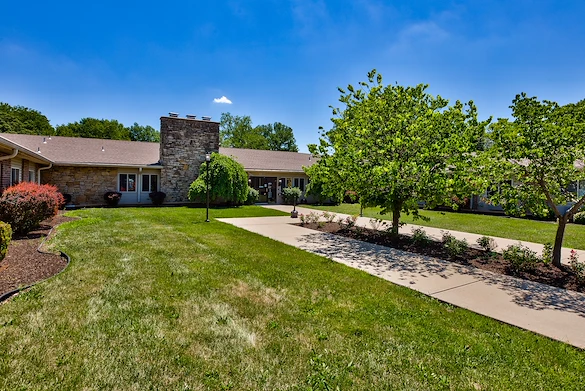
Rehab Of Kansas City South
8033 Holmes Kansas City, MO 64131
Long-Term Care / Skilled NursingSkilled Rehabilitation -
 5.0Verified
Claridge Court Health Services
8101 Mission Road Prairie Village, KS 66208
Long-Term Care / Skilled NursingSkilled RehabilitationLife Plan Community/CCRC -
 2.0Verified
The Village at Mission Rehabilitation & Health Care Center
7105 Mission Road Prairie Village, KS 66208
Long-Term Care / Skilled NursingSkilled Rehabilitation -
 2.0Verified
McCrite Plaza at Briarcliff Skilled
1301 Tullison Rd Kansas City, MO 64116
Long-Term Care / Skilled NursingSkilled Rehabilitation


Cost of Nursing Homes in Missouri
Several factors influence the price of care in a skilled nursing facility. The level and intensity of medical care needed is one of the most significant—residents requiring advanced support, rehabilitation, or memory care often face higher costs. Facility reputation, availability of amenities like on-site therapy and recreational programs, and overall demand also play a role. In addition, private rooms generally carry a premium of about 10–15% more than semi-private options, which can impact overall affordability for some families.
Fortunately, Missouri offers several financial assistance options. Medicare Part A may cover up to 100 days of skilled nursing care following a qualifying hospital stay, though it does not support ongoing long-term care. Missouri Medicaid (MO HealthNet) helps eligible low-income seniors cover nursing home costs, often with a preference for semi-private accommodations. Additional resources like long-term care insurance, veterans’ Aid and Attendance benefits, and Missouri’s Supplemental Nursing Care program can provide added financial relief.
By understanding these variables and exploring available assistance, families can make informed, confident decisions that align with both their loved one’s needs and their financial comfort. With a thoughtful approach, high-quality skilled nursing care in Missouri can be both accessible and manageable.
What to Know About Nursing Homes in Missouri
Nursing home care averages $6,500–$7,500 per month for a semi-private room.
Quality varies by location; families should review state inspection reports and Medicare ratings when comparing facilities.
Yes. Missouri Medicaid covers nursing home care for eligible seniors who meet income and medical criteria.
Costs generally range from $6,500 to $8,000 per month, depending on room type and location.
Finding the Right Senior Care in Missouri
Missouri offers a wide range of senior living and care options, including independent living, assisted living, in-home care, and skilled nursing facilities, making it an affordable and accessible choice for aging adults. With senior care costs below the national average, access to Medicaid waiver programs, and a strong network of licensed providers, Missouri remains an attractive state for retirees and families planning long-term care. By understanding care options, financial assistance programs, and local resources, families can confidently find quality senior care in Missouri that promotes independence, safety, and long-term peace of mind.
Frequently Asked Questions About Senior Living in Missouri
Popular senior-friendly cities include Columbia, Springfield, St. Charles, Kansas City suburbs, and parts of St. Louis County.
Senior living costs range from $2,200 per month for independent living to $7,500+ per month for nursing home care.
Eligibility typically requires being 55+ or 62+, with income limits applying for subsidized housing programs.
The most affordable option is often aging in place with part-time home care or qualifying for income-based senior housing.
Frequently Asked Questions About Senior Care in Missouri
Senior care in Missouri typically costs $22–$28 per hour, depending on care type and region.
Through Missouri Medicaid waiver programs, eligible seniors may participate in consumer-directed services that allow family caregivers to receive compensation.
Medicare does not pay for assisted living services.
Compensation varies, but family caregivers under approved Medicaid programs may earn $12–$18 per hour, depending on program guidelines.