
Senior Living Facts for Minnesota
Minnesota offers a welcoming blend of natural beauty, vibrant communities, and high-quality healthcare, making it an ideal place for seniors and their families to call home. Known as the “Land of 10,000 Lakes,” Minnesota invites older adults to enjoy scenic landscapes, peaceful outdoor recreation, and a relaxed pace of life that supports both wellness and independence. From bustling urban centers like Minneapolis and St. Paul to quieter towns such as Rochester, Duluth, and Mankato, Minnesota provides a range of senior-friendly communities that cater to different lifestyles and care needs.
Fast Facts
Senior Living & Care in Minnesota
| #22 | most populated state in the U.S. |
| $5,400 | average monthly assisted living cost in Minnesota |
| 2,300+ | assisted living communities and care providers across Minnesota |
| 1.6 M+ | adults age 65+ in Minnesota |
One of Minnesota’s most attractive features is its strong commitment to healthcare. The state consistently ranks among the top in the nation for access to quality medical care, thanks in part to renowned health systems like the Mayo Clinic and M Health Fairview. Seniors in Minnesota benefit from a wide network of hospitals, specialized care providers, and home health services, giving families peace of mind as care needs evolve.
Minnesota’s four-season climate brings crisp autumns, snowy winters, refreshing springs, and sunny summers—perfect for those who enjoy seasonal variety and outdoor activities like walking, birdwatching, or visiting local parks. Cities and towns throughout the state prioritize senior services, offering community centers, wellness programs, and transportation options that make staying active and connected easy and enjoyable. Whether it's participating in a local arts class, attending a symphony performance, or joining a nature walk, Minnesota seniors have countless ways to stay engaged.
The cost of living in Minnesota is moderate, and the state offers a variety of senior living options—from independent living communities to assisted living, non-medical home care, and skilled nursing facilities. Financial assistance programs such as Elderly Waiver services and MinnesotaCare help eligible seniors access affordable support while maintaining their independence for as long as possible.
Minnesota’s commitment to aging with dignity, combined with its strong sense of community, cultural richness, and access to care, makes it a top choice for seniors living in the Midwest. Families searching for senior care in Minnesota will find a supportive, scenic, and health-focused environment where older adults can thrive.
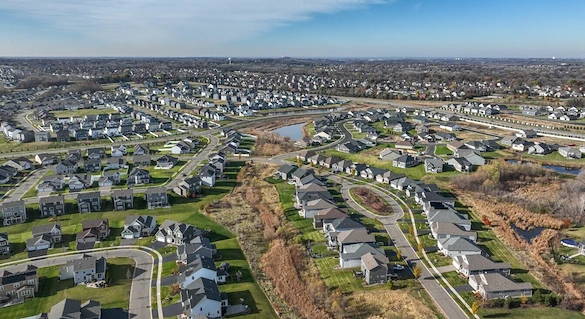
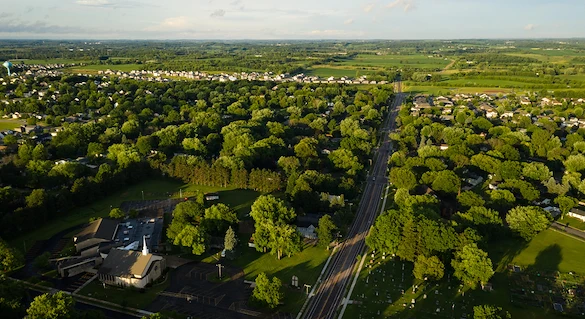
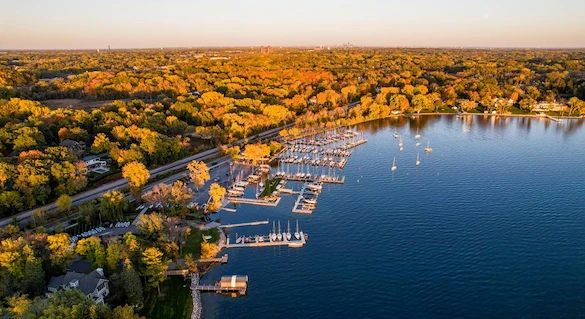
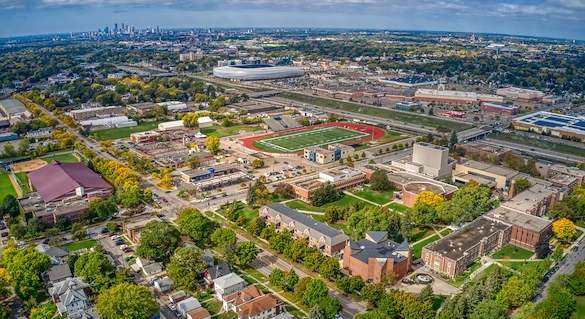
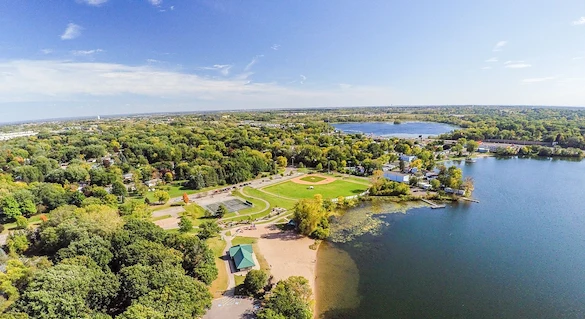
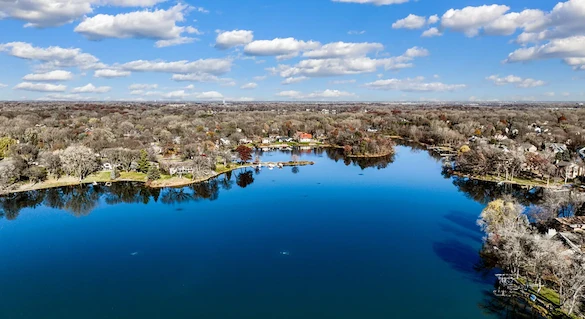
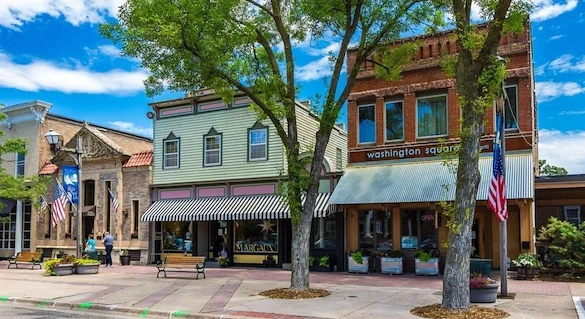
Top Cities for Senior Living and Care in Minnesota






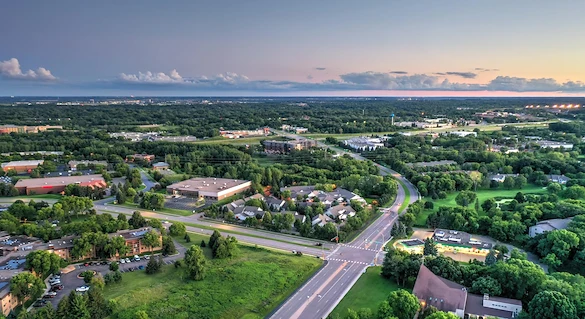
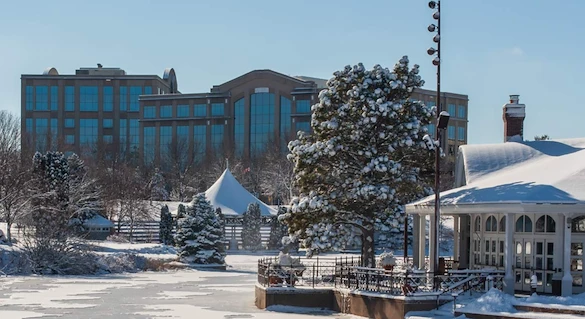
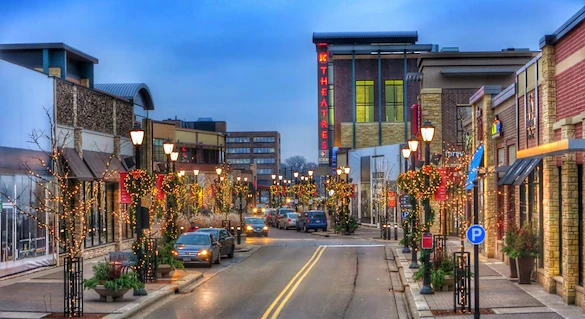
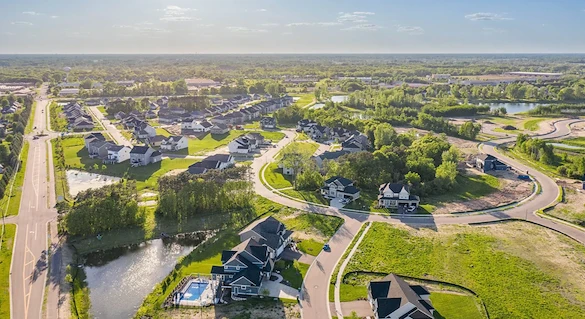




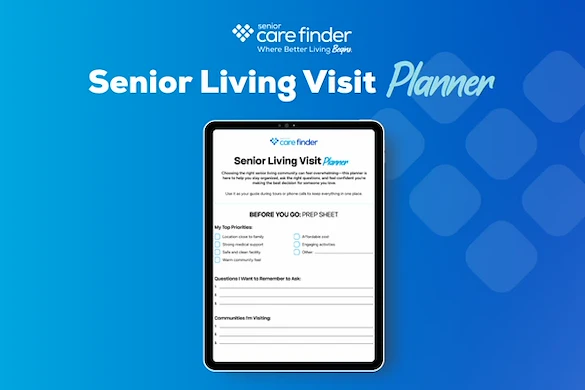

Assisted Living in Minnesota
Assisted living in Minnesota offers a supportive, community-based environment for older adults who need help with daily activities but want to maintain their independence. These communities provide personalized care services that typically include assistance with bathing, dressing, grooming, medication management, mobility support, housekeeping, and meal preparation. Many also offer enriching social activities, fitness programs, transportation, and 24-hour staff availability, helping residents stay active, connected, and safe.
Minnesota’s approach to assisted living is guided by clear state regulations that aim to ensure safety and quality. As of 2021, all assisted living providers must be licensed by the Minnesota Department of Health (MDH). The state requires these communities to meet specific standards related to staffing, emergency preparedness, resident rights, and individualized service plans. Facilities must also undergo regular inspections, and families can review public quality reports when evaluating communities.
What sets assisted living in Minnesota apart is the wide range of options available. From luxurious senior living communities in cities like Minneapolis and Edina to more budget-friendly residences in smaller towns and rural areas, families can find a community that aligns with their preferences and budget. Specialized assisted living options are also available, including memory care communities for those living with Alzheimer’s or other forms of dementia, as well as communities that emphasize wellness, nature, or faith-based living.
To choose the best assisted living community for a loved one, families should consider several factors: the type and level of care offered, staff-to-resident ratio, on-site medical support, resident reviews, and the overall atmosphere and amenities. Touring facilities, asking questions about care plans, and reviewing inspection records from the MDH can provide helpful insights.
Minnesota’s senior-friendly environment, strong healthcare systems, and commitment to high-quality long-term care make it a trusted place for assisted living. Whether your loved one seeks vibrant community life or a quieter, personalized setting, Minnesota offers compassionate care and meaningful support for older adults and their families.
Top Assisted Living Communities in Minnesota
View All Providers-
4.0Premium+
Covenant Living of Golden Valley
5800 St. Croix Avenue North Golden Valley, MN 55422
Independent LivingAssisted LivingMemory CareLife Plan Community/CCRC -
4.5Premium
StoryPoint White Bear Lake
3820 Hoffman Rd White Bear Lake, MN 55110
Independent LivingAssisted LivingMemory Care -
4.8Verified
York Gardens
3451 Parklawn Ave Edina, MN 55435
Independent LivingAssisted LivingMemory Care -
4.4
Edina Heights Senior Living
3330 Edinborough Way Edina, MN 55435
Independent LivingAssisted LivingMemory Care -
-
4.3Verified
The Glenn Hopkins
1011 Feltl Ct Hopkins, MN 55343
Independent LivingAssisted LivingMemory Care
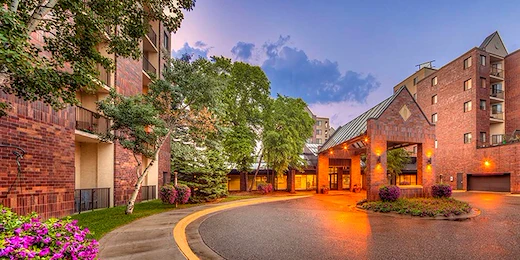
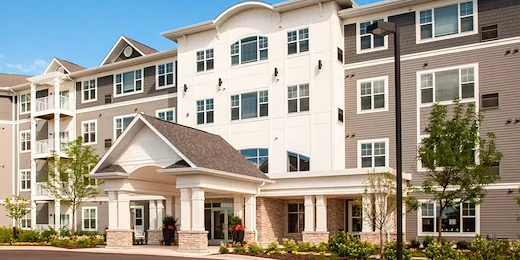
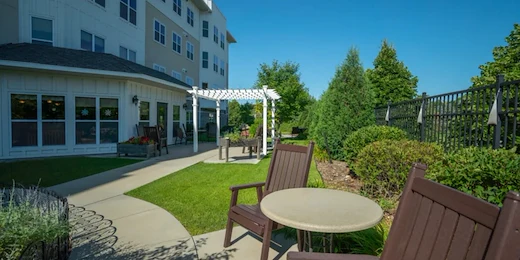
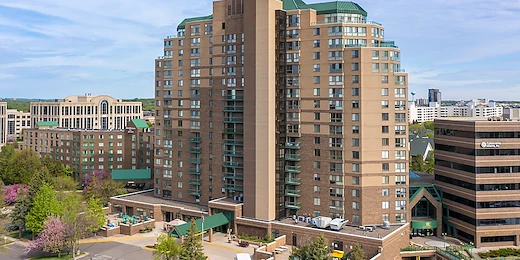
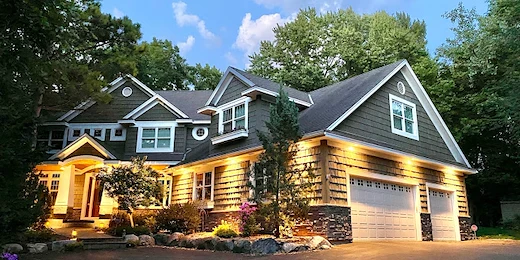
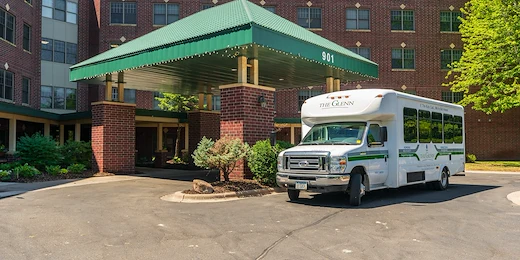
Cost of Assisted Living in Minnesota
Minnesota families considering assisted living should know that costs vary based on location, amenities, and level of care. On average, assisted living in Minnesota costs about $5,350 per month, matching the national median and reflecting a modest increase year-over-year. However, different sources report a range between $3,600 and $5,350, depending on region and service levels.
Multiple factors influence these costs. Facilities offering larger apartment floor plans, high-quality amenities like fitness centers or gourmet dining, plus memory-care services (typically 20–30% more) command premium pricing. The level of care needs—from basic ADL help (bathing, medication reminders) to 24/7 nursing—also affects monthly charges. Some communities use an all-inclusive pricing model, while others charge tiered or à la carte rates.
For families seeking financial support, Minnesota offers several avenues. The Elderly Waiver and Alternative Care programs through Medicaid can help cover assisted living costs for eligible seniors. Many veterans may be entitled to VA benefits. While Medicare typically doesn’t cover assisted living, it may pay for short-term skilled services under certain conditions. Additionally, long‑term care insurance can offset costs depending on the policy.
It’s important for families to compare pricing, facility standards, and contract structures. Visiting communities, understanding what is included (meals, transportation, housekeeping, care coordination), and reviewing Minnesota Department of Health inspection reports helps ensure families find a safe, high-quality option.
What to Know About Assisted Living in Minnesota
Assisted living in Minnesota averages $5,000–$6,500 per month, depending on location and care level.
No. Medicare does not cover assisted living, including room, board, or custodial care services.
Seniors must require assistance with activities of daily living (ADLs) but not require 24/7 skilled nursing care.
Assisted living is generally less expensive than a nursing home due to lower medical staffing requirements.
Independent Living in Minnesota
Independent living communities in Minnesota provide an ideal option for active seniors who want to enjoy maintenance-free living while staying connected to a vibrant social environment. These communities are designed for older adults who no longer want the burdens of home upkeep but do not require regular medical or personal care. Independent living offers private apartments or cottages along with access to a range of amenities tailored to promote a healthy, engaged lifestyle.
Minnesota’s independent living options are well-suited to seniors who value social opportunities, wellness programs, and convenient services. Many communities feature planned activities, fitness centers, dining venues, transportation services, and housekeeping—all designed to free residents from daily chores and encourage friendships and active living. This combination supports seniors in maintaining their independence, dignity, and quality of life.
The state’s climate, with its four distinct seasons, offers seniors the chance to enjoy outdoor activities like walking trails, lakeside parks, and winter sports, especially in retirement-friendly cities such as Rochester, Duluth, and the Twin Cities metro area. These areas also boast strong healthcare systems, including world-class facilities like the Mayo Clinic in Rochester, which is a significant draw for seniors prioritizing access to excellent medical care.
Minnesota’s cost of living is moderate compared to other northern states, making independent living communities accessible for many seniors. In addition, Minnesota places emphasis on senior-friendly public transportation and community engagement programs that foster connections and support aging in place.
Choosing independent living in Minnesota means benefiting from a lifestyle that balances privacy with community involvement, all within a state known for its natural beauty, cultural events, and high quality of life. Whether near bustling Minneapolis or in a quieter town, seniors can find communities that cater to their interests and needs, providing a comfortable and fulfilling next chapter.
Top Independent Living Communities in Minnesota
View All Providers-
4.0Premium+
Covenant Living of Golden Valley
5800 St. Croix Avenue North Golden Valley, MN 55422
Independent LivingAssisted LivingMemory CareLife Plan Community/CCRC -
3.7Premium
The Legends at Berry
777 Berry Street St. Paul, MN 55114
Active Adult LivingIndependent LivingLow Income / Affordable -
4.5Premium
StoryPoint White Bear Lake
3820 Hoffman Rd White Bear Lake, MN 55110
Independent LivingAssisted LivingMemory Care -
4.5Premium
Good Samaritan - Heritage Place of Roseville
563 County Road B W Roseville, MN 55113
Active Adult LivingIndependent Living -
4.8Verified
Gramercy Park Cooperative at Lake Shore Dr.
6711 Lake Shore Dr. Richfield, MN 55423
Active Adult LivingIndependent Living -
4.4
Edina Heights Senior Living
3330 Edinborough Way Edina, MN 55435
Independent LivingAssisted LivingMemory Care -
4.2
Risor Bloomington
8131 34th Avenue S. Bloomington, MN 55425
Active Adult LivingIndependent Living -
4.3Verified
The Glenn Hopkins
1011 Feltl Ct Hopkins, MN 55343
Independent LivingAssisted LivingMemory Care
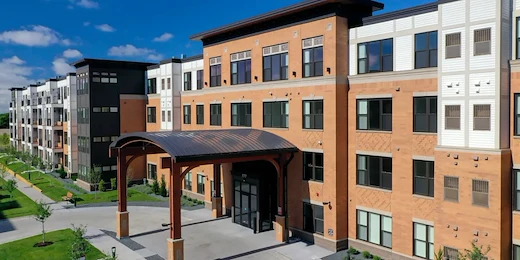
Cost of Independent Living in Minnesota
Independent living communities typically include maintenance-free housing, housekeeping, transportation services, and access to communal amenities such as fitness centers, dining rooms, and social activities. Some communities also offer meal plans, utilities, and internet services, though these may be charged separately depending on the community.
Several factors influence the overall cost. Location is key—urban areas with higher living expenses tend to have pricier independent living options. Amenities also impact cost; communities offering concierge services, wellness programs, or gourmet dining often charge more. Additionally, apartment size and features can raise monthly fees, with larger or premium units costing more.
While Medicare does not cover independent living, seniors have several financial resources to explore. Veterans may qualify for Aid and Attendance benefits to help with living expenses. Long-term care insurance policies may cover some services within these communities. Additionally, certain state and local programs in Minnesota offer subsidies or assistance to help seniors afford independent living.
Families considering independent living in Minnesota should carefully research communities, compare pricing and services, and explore available financial aid options to find the best fit for their loved ones.
What to Know About Independent Living in Minnesota
Independent living typically costs $3,000–$4,500 per month.
Independent living communities provide age-restricted housing (usually 55+ or 62+) with optional services but no daily personal care.
Seniors who can live safely without hands-on personal or medical assistance qualify.
Independent living does not include daily care services, meaning residents may need to move if health declines.
Home Care in Minnesota
Non‑medical home care in Minnesota supports seniors who wish to stay safely in their own homes while receiving help with daily tasks, helping families feel confident that their loved one can remain independent and cared for. This level of care includes personal assistance (bathing, dressing, mobility), companionship, household support (light housekeeping, meal prep, laundry, errands), and transportation to appointments or social outings.
In Minnesota, home care agencies must be licensed by the Minnesota Department of Health, as defined under Minn. Stat. § 144A.471. Agencies offering more extensive services need a comprehensive home care license, while those providing basic daily support may be licensed under a basic home care license. Providers who deliver only home management services—like housekeeping or meal prep—are registered rather than licensed, though they must also comply with the Home Care Bill of Rights.
Licensed providers are required to create a formal service plan outlining services, frequency, fees, responsible staff, and emergency procedures, which must be signed and updated over time. Agencies must conduct background studies for all owners and staff, and qualifications vary by role, ranging from Certified Nursing Assistants (CNAs) and Personal Care Assistants (PCAs) to Home Health Aides (HHAs)—some licensed, some under agency training and supervision.
Availability of non‑medical home care in Minnesota can vary across geographic areas. Urban centers like Minneapolis–St. Paul and Rochester offer a higher concentration of agency options, while rural regions may face staffing shortages and longer waitlists. Recent legislation increasing wages for personal care workers has aimed to address this workforce gap.
Families evaluating home care options in Minnesota should look for agencies with proper licensing, accredited staff training, comprehensive service plans, and strong reputations for client-centered care. Accreditation from bodies like ACHC or CHAP can further signal quality and reliability, particularly for agencies billing Medicare or Medicaid-funded programs.
In summary, non‑medical home care in Minnesota enables seniors to live safely at home with the support they need, backed by state licensing standards, trained caregivers, and care plans. By choosing licensed, credentialed providers and reviewing service agreements, families can help ensure their loved ones receive respectful, reliable, and personalized in‑home care.
Top Home Care in Minnesota
View All Providers-
4.6Premium
Right at Home - Twin Cities
2626 E 82nd St, Ste 150 Bloomington, MN 55425
Home Care (Non-Medical) -
-
5.0Verified
Joyful Companions Home Care
10700 Old County Rd 15, Ste 290 Plymouth, MN 55441
Home Care (Non-Medical) -
4.9Verified
Visiting Angels - St. Louis Park
5000 W 36th St St Louis Park, MN 55416
Home Care (Non-Medical) -
4.8Verified
SYNERGY HomeCare of Golden Valley
7575 Golden Valley Road, Suite 378 Golden Valley, MN 55427
Home Care (Non-Medical)


Cost of Home Care Non-Medical in Minnesota
Several factors affect pricing. The number of care hours required plays the most direct role: increased weekly hours lead to higher monthly totals. Agency-based care typically costs more—averaging closer to $40+/hour—because it includes administrative overhead, insurance, caregiver training, and scheduling and payroll support. Private caregivers may charge less (sometimes $25–$30/hour), but families are responsible for hiring, taxes, supervision, and back‑up coverage.
Minnesota offers financial support options to help seniors and families manage these costs. Programs like the Elderly Waiver and the Alternative Care Program, funded through Medicaid, may cover non-medical home care for those meeting eligibility criteria. Long‑term care insurance policies—if already in place—often include non‑medical home care benefits. Additionally, veterans and their spouses may qualify for VA programs like Aid & Attendance.
To minimize out-of-pocket expenses, families should carefully compare providers—review hourly rates, minimum visit requirements, overtime or evening premiums, and service plan flexibility. Understanding which services are included (e.g. bathing assistance, meals prep, errands) and evaluating whether a licensed, bonded agency or a private caregiver better meets their needs can help families secure quality care while controlling costs.
What to Know About Non Medical Home Care in Minnesota
A non-medical caregiver assists with daily activities such as bathing, dressing, meals, and companionship.
The Alternative Care (AC) program helps seniors who do not yet qualify for Medicaid receive community-based services to delay nursing home placement.
Non-medical home care supports daily living tasks, while home health care provides skilled medical services ordered by a physician.
Responsibilities include assisting with hygiene, meal preparation, light housekeeping, medication reminders, transportation, and companionship.
Long-Term Care/Skilled Nursing in Minnesota
Long-term care in Minnesota’s skilled nursing facilities provides intensive medical and personal support for seniors who require ongoing clinical care or rehabilitation. These facilities offer around-the-clock nursing care, including physical, occupational, and speech therapy, as well as medication administration, wound care, and post-surgical recovery services. All care is guided by individualized plans developed to meet each resident’s unique health needs and personal goals.
Skilled nursing facilities in Minnesota are licensed and regulated by the Minnesota Department of Health (MDH) and must comply with both state and federal standards. Facilities are required to have licensed nursing staff, including a registered nurse available 24 hours a day, and to follow Centers for Medicare & Medicaid Services (CMS) quality standards. Upcoming federal minimum staffing rules will require at least 3.48 hours of direct care per resident per day, including a minimum of 0.55 hours provided by a registered nurse. These changes will be phased between 2026 and 2029, depending on whether the facility is located in an urban or rural area.
Many skilled nursing homes in Minnesota also offer specialized services such as memory care for individuals with Alzheimer’s or other forms of dementia. Memory care units must hold a specialized “Assisted Living Facility with Dementia Care” license, which requires enhanced safety measures such as secure entry systems, individualized service planning, and annual dementia-specific training for caregivers. These strict standards ensure that seniors with cognitive conditions receive care in a safe, structured, and compassionate environment.
Families evaluating skilled nursing options can benefit from several resources, including Minnesota’s Nursing Home Report Card and the federal Nursing Home Compare website, which offer insights into quality ratings, staffing levels, and inspection results. The Minnesota Long-Term Care Ombudsman Program, along with resident councils and advisory committees, provide ongoing oversight and advocacy to ensure resident safety and satisfaction. State regulations like the Nursing Home Admission Contracts Act protect families by requiring clear, written service agreements that explain fees, services, and resident rights.
Minnesota’s skilled nursing system emphasizes transparency, safety, and resident-centered care. By understanding the licensing standards, specialized care offerings, and evaluation tools available, families can make informed decisions and feel confident in selecting a high-quality long-term care facility for their loved ones.
Top Long-Term Care/Skilled Nursing in Minnesota
View All Providers-
3.0Verified
Woodlake Care Center
8000 Bass Lake Road Crystal, MN 55428
Long-Term Care / Skilled NursingSkilled RehabilitationLife Plan Community/CCRC -
3.0Verified
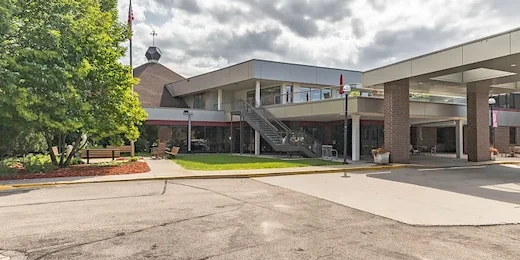
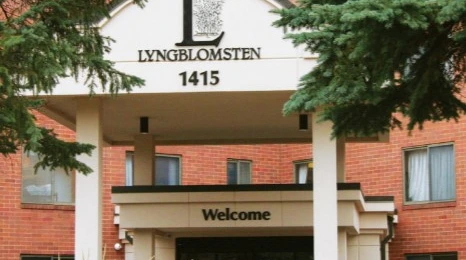
Lyngblomsten Care Center
1415 Almond Avenue Saint Paul, MN 55108
Long-Term Care / Skilled NursingSkilled Rehabilitation -
3.0Verified
MN Veterans Home Minneapolis
5101 Minnehaha Avenue South Minneapolis, MN 55417
Long-Term Care / Skilled NursingSkilled Rehabilitation -
3.0Verified
Saint Therese At Oxbow Lake Health Center
9751 Regent Avenue North Brooklyn Park, MN 55443
Long-Term Care / Skilled NursingSkilled Rehabilitation
Cost of Nursing Homes in Minnesota
Several factors influence pricing. Facilities that offer more intensive medical services—such as complex medication management, wound care, rehabilitation therapy, or specialized memory care—typically charge more. Amenities like private bathrooms, fine dining, secure memory care units, and enhanced wellness programs also elevate costs. Facilities with stronger reputations and higher staff-to-resident ratios tend to be more expensive, but often offer a higher standard of care and personalized attention.
Families can offset these costs through several assistance programs. Medicare Part A may cover short-term stays (up to 100 days) following a qualifying hospital visit, while Medicaid in Minnesota helps cover long-term care for eligible low-income seniors who meet asset and medical requirements. The state’s MI Choice Waiver program allows qualifying seniors to receive nursing-level support at home or in community-based settings. Long-term care insurance and veterans’ benefits, such as VA Aid & Attendance, may further reduce out-of-pocket expenses.
Understanding Minnesota’s skilled nursing costs—and the support options available—is crucial for families planning long-term care for their loved ones. By comparing facility rates, evaluating included services, and exploring all financial assistance options, families can make well-informed decisions that prioritize both care quality and financial peace of mind.
What to Know About Nursing Homes in Minnesota
Nursing home care averages $10,000–$11,500 per month.
Medicare covers only short-term skilled nursing care following a hospital stay.
Costs generally range from $9,500 to $12,000 per month, depending on room type.
Social Security benefits may help offset costs but do not directly pay facilities.
Finding the Right Senior Care in Minnesota
Minnesota offers a comprehensive range of senior living and long-term care options, including independent living, assisted living, memory care, in-home services, and skilled nursing facilities. While senior care costs in Minnesota are higher than the national average, the state provides exceptional healthcare access, strong Medicaid waiver programs, and innovative community-based services like the Elderly Waiver and Alternative Care programs. Families can find high-quality, well-regulated senior living communities across both urban and rural regions of the state.
By understanding care levels, financial assistance programs, and regional cost differences, families can make informed decisions that balance quality, affordability, and long-term planning. Whether aging in place or transitioning to a senior living community, Minnesota offers resources and support systems designed to help older adults maintain independence, dignity, and overall quality of life.
Frequently Asked Questions About Senior Living in Minnesota
Yes, Minnesota offers strong healthcare systems and senior services, though costs and winter weather are important considerations.
Senior living costs range from $3,000 per month for independent living to over $11,000 per month for nursing home care.
Aging in place with part-time home care or qualifying for subsidized housing is often the most affordable option.
Frequently Asked Questions About Senior Care in Minnesota
Minnesota offers nationally ranked hospital systems, Medical Assistance programs, Elderly Waiver services, and integrated senior healthcare options.
Hourly senior care in Minnesota typically costs $30–$38 per hour.
Low-income thresholds vary by program and are generally based on Federal Poverty Level (FPL) guidelines and state Medicaid income limits.
The most requested service is assistance with activities of daily living, including bathing, dressing, and medication reminders.