

28,620
Population of Port Huron

5,144
Residents aged 65 and older in Port Huron

63
Senior Living & Care Options in Port Huron

$6,631/Month
Average cost of Senior Living & Care in the area.
Port Huron, with a population of 28,620, is home to 5,144 residents aged 65 and older. The city offers 63 senior living and care options. The average monthly cost of senior living & care in the area is $6,631.
Port Huron, MI, sits at the far eastern edge of the state. The City of Port Huron calls it the easternmost point in Michigan. It became a city on Feb. 3, 1857, and the county seat of St. Clair County in 1871. That corner of the map shapes a week here, from family visits to evenings by the water.
Relatives can reach town without much trouble. Port Huron, MI, is the eastern end of both I-69 and I-94. The City places it one hour north of Detroit, MI, and east of Flint, MI, and it notes bus and train service, too.
Much of the day here can happen along the shore. Thomas Edison Parkway stretches 4,700 feet where the St. Clair River meets Lake Huron, with views of the Blue Water Bridge. The City says its measured walkway stays popular all year with walkers, joggers, and cyclists.
On the river side, the City's boardwalk looks out on freighters passing by. It's also a link in the Bridge to Bay Trail System. St. Clair County Parks and Recreation calls the Bridge to Bay Trail a paved trail through Port Huron, MI, for walkers, joggers, and bicyclists of all ages. The City counts over 20 parks in all, and it lists Gratiot Park as ADA accessible.
The weather runs from deep cold to summer warmth. A NOAA weather station in Port Huron, MI, shows an average January low of 19.9°F in its 1991 to 2020 normals. That's about 12 degrees below freezing, so warm layers and careful steps matter on winter mornings. July's average high is 81.3°F, warm enough for a long evening outdoors.
Hospital care is close at hand. Two acute care hospitals in Port Huron, MI, offer emergency services, according to Medicare's hospital data. Lake Huron Medical Center is on Electric Avenue, and McLaren's hospital is on Pine Grove Ave. In plain terms, acute care is hospital treatment for a sudden illness or injury. McLaren lists emergency care around the clock for urgent medical needs.
Next come five guides, from in-home help to nursing homes, each one wrapping up with things to ask agencies and communities. Browsing senior living communities in Port Huron, MI, is free, and you're welcome to reach any provider here directly, whenever you're ready.
Port Huron, MI at a Glance




Independent Living & Active Adult Living in Port Huron, Michigan
View All Providers-
-
-
 4.7Verified
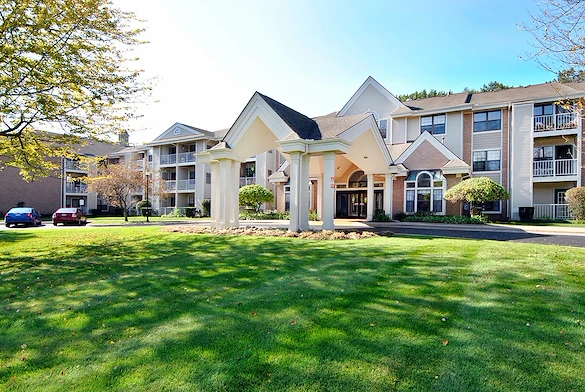
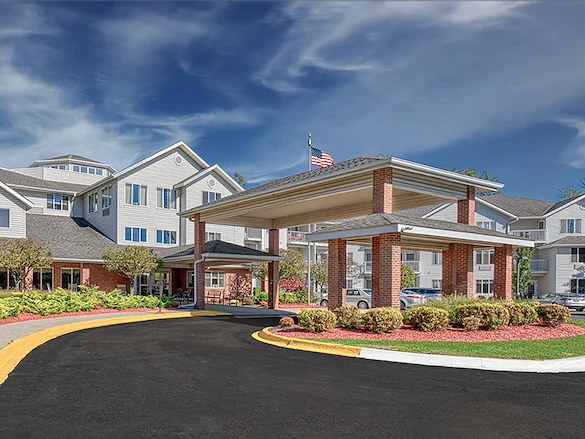
Mercy Village
4170 24th Ave Fort Gratiot, MI 48059
Independent LivingAssisted LivingMemory Care -
 4.3Verified
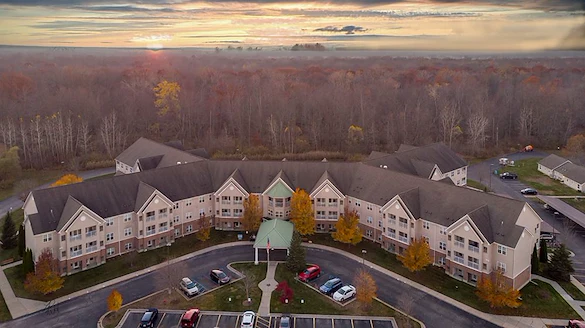
The Village of Lake Huron Woods
5221 Lakeshore Road Ft. Gratiot Township, MI 48059
Independent Living -


Assisted Living in Port Huron, Michigan
View All Providers-
4.7Verified
Mercy Village
4170 24th Ave Fort Gratiot, MI 48059
Independent LivingAssisted LivingMemory Care -
 4.4Verified
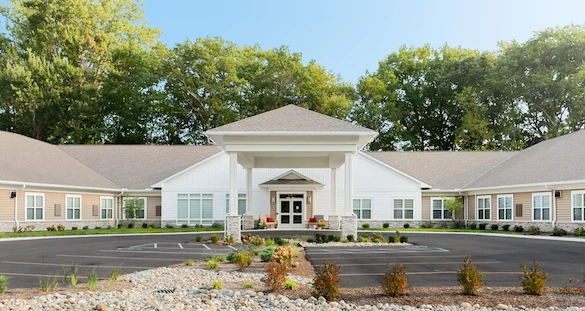
Lakeshore Woods
4851 Lakeshore Rd Fort Gratiot Township, MI 48059
Assisted LivingMemory Care -
-
Not yet rated
Sanctuary at Marydale
3147 10th Ave Port Huron, MI 48060
Independent LivingAssisted Living

Memory Care in Port Huron, Michigan
View All Providers-
4.7Verified
Mercy Village
4170 24th Ave Fort Gratiot, MI 48059
Independent LivingAssisted LivingMemory Care -
4.4Verified
Lakeshore Woods
4851 Lakeshore Rd Fort Gratiot Township, MI 48059
Assisted LivingMemory Care
Long Term Care & Skilled Nursing in Port Huron, Michigan
View All Providers-
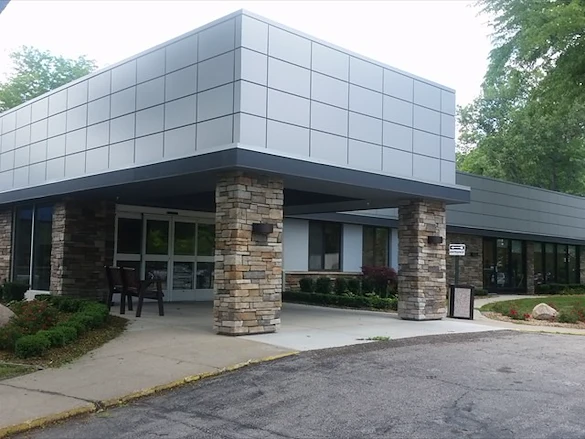 5.0
5.0Medilodge of Port Huron
5635 Lakeshore Fort Gratiot, MI 48059
Long-Term Care / Skilled NursingSkilled Rehabilitation -
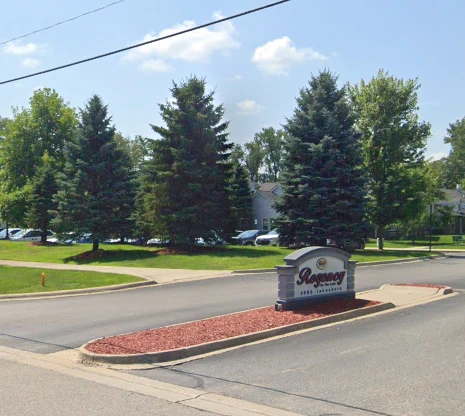 5.0
5.0Regency On The Lake - Fort Gratiot
5669 Lakeshore Road Fort Gratiot, MI 48059
Long-Term Care / Skilled NursingSkilled Rehabilitation -
 5.0
5.0Marwood Manor Nursing Home
1300 Beard Street Port Huron, MI 48060
Long-Term Care / Skilled NursingSkilled Rehabilitation


Home Care in Port Huron, Michigan
View All Providers-
 4.9Verified
Visiting Angels - St. Clair
1530 Pine Grove Ave Port Huron, MI 48060
Home Care (Non-Medical) -
 Not yet rated
Comfort Keepers - Port Huron
936 Military St Port Huron, MI 48060
Home Care (Non-Medical)


Compare Assisted Living Costs in Michigan
In the chart, Michigan's per-month assisted living cost is paired with the U.S. number for comparison.
Our Michigan page lays out statewide prices and the usual ways to pay them. Jump to nursing homes, assisted living, independent living, or home care.
Memory care prices aren't covered there yet. AgeWays serves St. Clair County as its Area Agency on Aging. For memory care questions, a call there can point you in a useful direction.
Local Resources for Older Adults in Port Huron, MI
The groups below serve older adults in Port Huron, MI, and across St. Clair County. Their own pages, linked here, give current hours and the rules on who can use each service.
- St. Clair County Council on Aging. A private nonprofit that has worked with county residents age 60 and up since 1968. It offers rides, meals, in-home help, and four senior centers. Council on Aging
- Port Huron Senior Center. The Council on Aging's center on Grand River Ave., with weekly classes and monthly support groups. Port Huron Senior Center
- AgeWays Nonprofit Senior Services. Serves St. Clair County and five other counties as the Area Agency on Aging, and hosts the region's Long-Term Care Ombudsman Program. AgeWays
- Blue Water Area Transit. Fixed route buses in Port Huron, MI, and Fort Gratiot Township, plus on-call rides for people with disabilities. Blue Water Area Transit
- St. Clair County Library System, Main Library. On McMorran Blvd., with home delivery, talking books, and tech help with a librarian. Main Library
- City of Port Huron parks. Over 20 parks, including Thomas Edison Parkway and two beaches on Lake Huron. City parks and beaches
- Medicare Care Compare. Federal ratings for each certified nursing home, covering inspections, staffing, and quality. Care Compare
Frequently Asked Questions
Yes. The Port Huron Senior Center, at 600 Grand River Ave., is one of four centers run by the St. Clair County Council on Aging. The private nonprofit has served county residents 60 and older since 1968, with help from the county's senior millage. Its weekly lineup has included strength and tone classes, Tai Chi, line dancing, ping pong, and chair volleyball.
The schedule changes from month to month, so it helps to check the current calendar before a visit. Each center also has information and referral staff. The Council on Aging's Community Liaisons help seniors and families line up services that support living independently.
Blue Water Area Transit runs seven fixed route buses in the City of Port Huron and Fort Gratiot Township. Service runs Monday through Saturday, with none on Sundays. The agency says riders can catch a bus anywhere in its system every 45 minutes. Each fixed route bus kneels and has a ramp for wheelchairs and other mobility devices.
Riders with disabilities can also book on-call buses with ramps, from the day before up to two weeks ahead. A rider with an ADA or Handicap Card may bring one personal care attendant for free. The St. Clair County Council on Aging adds weekday door-to-door rides throughout the county. Medical trips come first, a week's notice is preferred, and each person gets two return trips a week unless there's room for more.
AgeWays Nonprofit Senior Services serves Port Huron, MI, as its Area Agency on Aging. It covers six counties, including St. Clair County. It started in 1974, under the name Area Agency on Aging 1-B. AgeWays links seniors to local resources and help, and it supports people caring for an older relative or friend.
Closer to home, the St. Clair County Commission on Aging oversees the county's senior millage money. The county board set it up in 1979, and its nine members come from around the county. A call to AgeWays is a simple first step to learn which programs fit before you compare care.
Begin by writing down the daily help that's needed. Next, choose two or three assisted living communities listed on this page to tour, and put the same questions to each. For a worry before or after a move, AgeWays hosts St. Clair County's Long-Term Care Ombudsman Program. It offers residents and families free, confidential advocacy.
Its trained advocates serve residents of adult foster care homes, nursing homes, homes for the aged, and licensed assisted living. Useful tour questions include who writes the care plan, how many staff are on at night, and what the monthly rate leaves out. Jotting notes in the car after each visit keeps the details straight.
The St. Clair County Library System's Main Library is at 210 McMorran Blvd., with elevator access on request. Its Tech Drop-Ins let you book time with a librarian for technology questions. The Michigan Room, on the lower level, holds the system's largest local history and genealogy collection. Any county resident can get a free card with ID and proof of address.
Home Connections is for county residents kept from the library by a long illness, surgery recovery, a physical challenge, or winter weather. It brings materials to them for free, and items can be kept for seven weeks. The Main Library also houses the Library for Assistive Media and Talking Books. It serves residents who can't use standard print, by application.
Yes. St. Clair County Community College has its main campus on Erie St. in Port Huron, MI. Residents of its college district who are 60 and older get a 50% tuition reduction on most credit courses. Course fees aren't reduced, and a few special classes are left out, so it helps to check before you register.
A college class can be a steady way to meet people and keep learning. Before enrolling, it's smart to confirm which courses qualify and how the discount shows up on the bill. Since the main campus is right in town, getting to class can fit into a normal week without a long trip.
Senior Living Near Port Huron, MI
Checked Oct. 12, 2026: NOAA climate normals, City of Port Huron, Interesting Facts, City of Port Huron, Getting Around, City of Port Huron parks, City of Port Huron attractions, St. Clair County Parks and Recreation, City of Port Huron Farmers Market, CMS hospital data, McLaren, St. Clair County Council on Aging, Michigan adult foster care licensing rules, AgeWays, AgeWays Long-Term Care Ombudsman, St. Clair County Commission on Aging, Blue Water Area Transit, St. Clair County Community College, and St. Clair County Library System.