
Senior Living Facts for Maryland
Maryland offers seniors and their families a unique blend of vibrant city life, serene natural beauty, and exceptional healthcare options, making it an ideal place for aging with comfort and dignity. With a moderate Mid-Atlantic climate, Maryland enjoys four distinct seasons without the extreme weather that challenges many seniors elsewhere, providing opportunities for year-round outdoor activities. From the scenic Chesapeake Bay to the rolling hills of Western Maryland, nature lovers will find abundant parks, trails, and waterfronts to explore, promoting an active and healthy lifestyle.
Fast Facts
Senior Living & Care in Maryland
| #18 | most populated state in the U.S. |
| $6,900 | average monthly assisted living cost in Maryland |
| 1,400+ | assisted living communities and care providers across Maryland |
| 1.1M + | adults age 65+ in Maryland |
The state boasts a wide range of senior-friendly communities that cater to diverse preferences and needs, from independent living and assisted living communities to specialized memory care and skilled nursing facilities. Maryland’s proximity to major metropolitan areas like Baltimore and Washington, D.C., ensures easy access to cultural attractions, shopping, dining, and entertainment, enriching the lives of older adults. Seniors can enjoy museums, theaters, festivals, and historic sites, all contributing to a socially engaging lifestyle.
The cost of living in Maryland is generally moderate compared to other East Coast states, with affordable housing options available, especially in suburban and rural areas. Many seniors benefit from Maryland’s comprehensive healthcare system, which includes nationally recognized hospitals and specialized care centers. The state’s strong focus on senior health is reflected in its robust network of home care agencies, rehabilitation services, and long-term care providers.
Families searching for senior care in Maryland will find ample resources, including state-specific programs designed to support aging in place and financial assistance for long-term care. Maryland’s commitment to quality care and senior well-being makes it a sought-after destination for retirees and families planning for the future. Whether seeking a peaceful coastal retreat, a lively urban environment, or a supportive community tailored to seniors’ needs, Maryland offers the perfect balance of lifestyle, healthcare, and opportunities for connection.
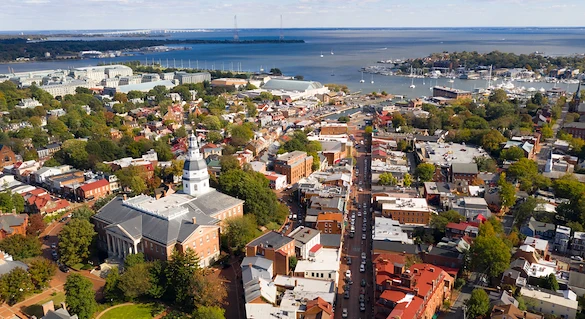
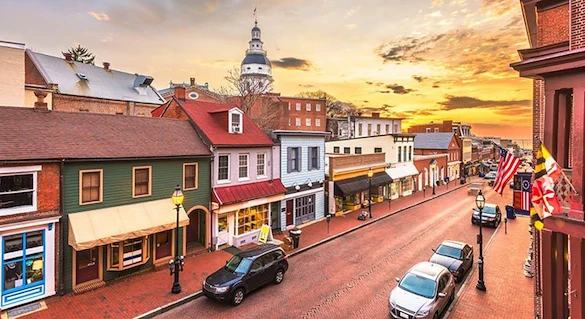
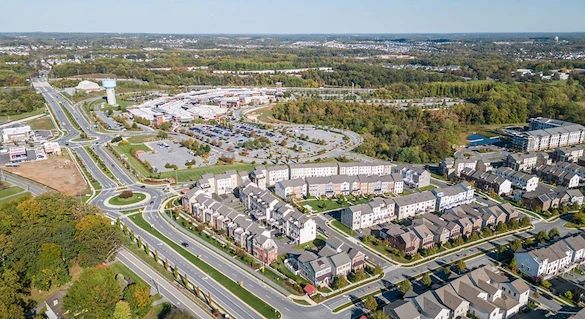
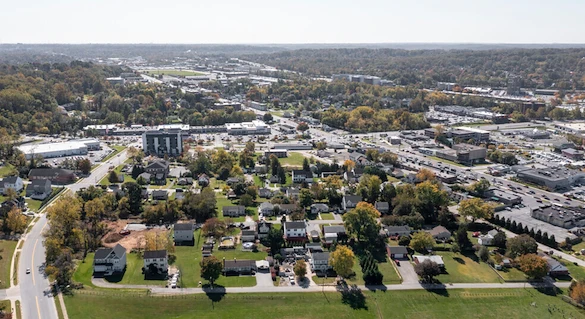
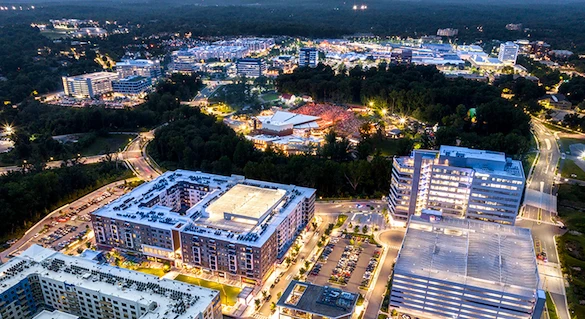
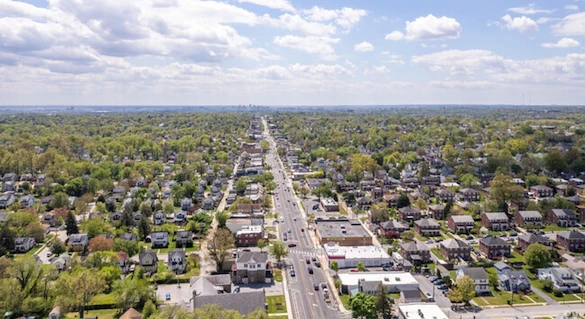
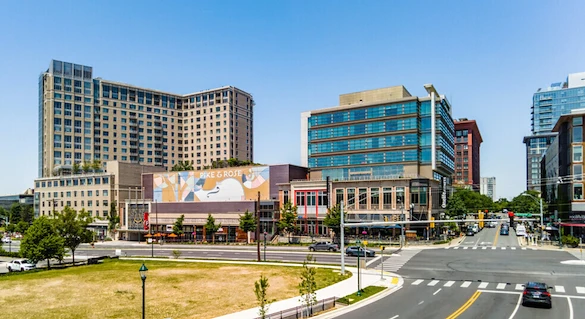
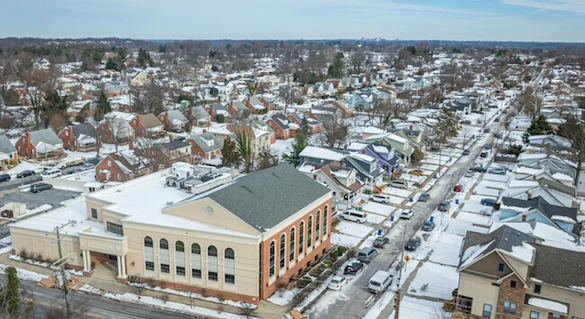
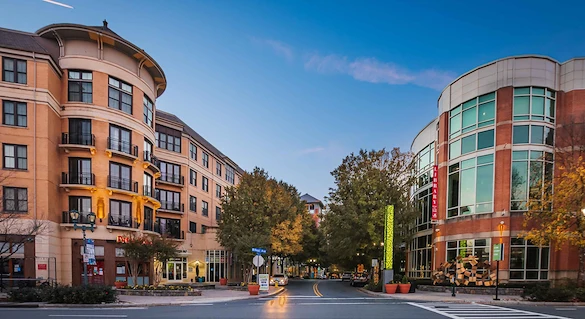
Cities in Maryland for Senior Living and Care









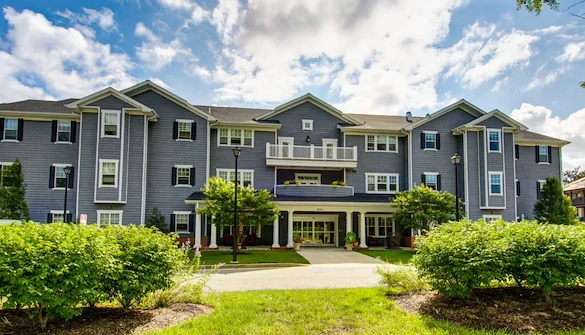
Assisted Living in Maryland
Assisted living in Maryland is a popular option for older adults who need some help with daily activities but wish to maintain an independent and socially active lifestyle. These communities provide a safe, supportive environment with access to personalized assistance, including help with bathing, dressing, medication management, meal preparation, and mobility. Residents also benefit from engaging social opportunities, fitness classes, on-site dining, housekeeping, transportation services, and recreational activities that promote overall well-being and connection.
Maryland’s assisted living facilities are regulated by the Maryland Department of Health’s Office of Health Care Quality (OHCQ). All providers must be licensed and meet specific standards related to safety, staffing, care planning, and resident rights. Facilities are categorized by levels of care—low, moderate, or high—based on the services they offer, allowing families to choose a setting that aligns with their loved one’s current and future needs. Staff must complete state-approved training, and facilities are subject to routine inspections to maintain licensure and ensure quality care.
The state offers a diverse range of assisted living communities, including luxury residences with premium amenities, budget-conscious options with essential services, and memory care communities specializing in support for residents with Alzheimer’s or other forms of dementia. Many facilities are located near major cities like Baltimore, Annapolis, and Silver Spring, offering convenient access to hospitals, specialty care providers, and cultural attractions. For seniors who prefer quieter surroundings, there are also communities in scenic, rural areas like the Eastern Shore and Western Maryland.
When evaluating assisted living options in Maryland, families should consider the level of care needed, community atmosphere, staff qualifications, resident reviews, and whether specialized services like memory care are available. Touring communities, reviewing inspection reports from OHCQ, and asking detailed questions about staffing, daily routines, and resident engagement can help families make informed decisions.
Ultimately, Maryland’s assisted living communities provide a balance of independence and support in a setting that promotes safety, dignity, and quality of life. With strong regulatory oversight, varied community types, and access to excellent healthcare, assisted living in Maryland can be an excellent solution for seniors and their families.
Top Assisted Living Communities in Maryland
View All Providers-
-
 4.6Verified
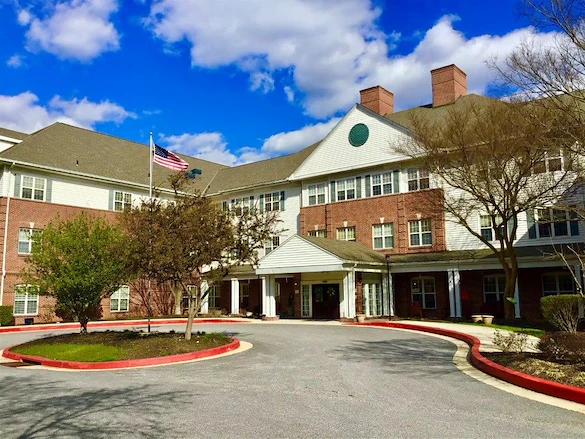
Charter Senior Living of Towson
6451 N Charles St Baltimore, MD 21212
Assisted LivingMemory Care -
-
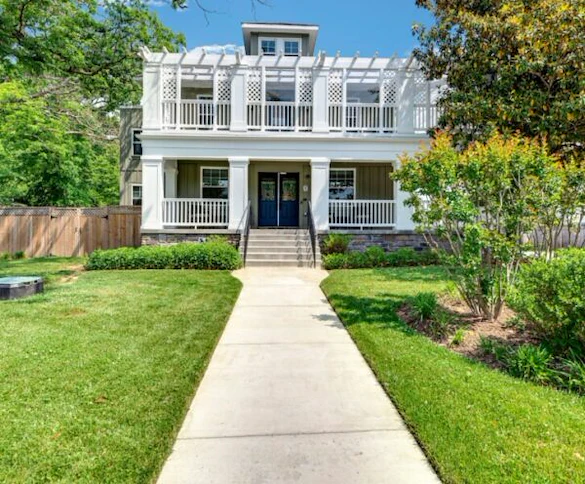 5.0Verified
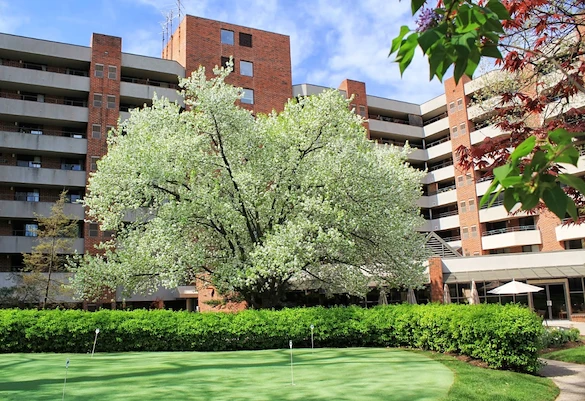
The Maples of Stoneleigh
812 Regester Ave Baltimore, MD 21239
Assisted LivingMemory Care


Cost of Assisted Living in Maryland
Several factors drive the cost differences. Location plays a major role, with metro areas and high-demand regions carrying premium pricing. Level of care and community features also matter—a basic studio without extras will cost less than a larger unit with housekeeping, enhanced meals, fitness centers, or memory-care support. Some providers offer an all-inclusive monthly fee, while others split costs into base rates and add-ons for services like medication management, transportation, or enhanced care plans.
Financial assistance can help ease the burden. Maryland’s Senior Assisted Living Subsidy Program offers support for eligible low- to moderate-income seniors, covering meals, personal care, and 24-hour supervision. Additionally, Medicaid waivers, such as the Community Options Waiver, provide funding for in-community care, although beneficiaries still cover the costs of room and board. Veterans’ benefits, including Aid & Attendance, and private long-term care insurance, are other options families often explore
Understanding these variables helps families make informed choices. Comparing monthly costs alongside care levels, amenities, location, and eligibility for financial aid lets caregivers move beyond sticker price to evaluate real value and quality. Visiting communities, reviewing state inspection reports, and asking providers about cost transparency and included services are essential next steps toward finding a supportive, dignified assisted living option in Maryland.
What to Know About Assisted Living in Maryland
Assisted living in Maryland typically costs $5,000–$6,500 per month, depending on location and care level.
No. Medicare does not cover assisted living, including room, board, or custodial care services.
Seniors who need help with activities of daily living (ADLs) but do not require 24/7 skilled nursing care typically qualify.
Payment usually comes from private funds, long-term care insurance, Veterans benefits, or Medicaid waiver programs (for eligible seniors).
Independent Living in Maryland
Independent living in Maryland offers older adults the freedom to enjoy a vibrant lifestyle without the burdens of home maintenance or daily chores. Designed for seniors who are largely self-sufficient but desire a supportive and socially enriching environment, independent living communities typically provide private apartments or cottages, along with a wide range of amenities that promote wellness, connection, and convenience. These may include housekeeping, dining services, transportation, fitness programs, and scheduled activities, allowing residents to focus on doing what they love while staying engaged and active.
For seniors in Maryland, independent living can be especially appealing due to the state’s diverse mix of coastal towns, suburban neighborhoods, and charming small cities. Retirement-friendly areas like Annapolis, Columbia, Frederick, and Salisbury offer a blend of cultural attractions, walkable communities, and easy access to healthcare. Seniors can enjoy Maryland’s relatively mild four-season climate, which includes colorful autumns, mild winters compared to the Northeast, and plenty of sunny days for outdoor activities like walking, gardening, and golf.
Maryland’s location on the Eastern Seaboard also makes it a great place for seniors who want to stay connected to family. It offers proximity to major metro areas like Washington, D.C., Baltimore, and Philadelphia—ideal for those who want the conveniences of city life without living in the middle of it. Many independent living communities are nestled in peaceful, landscaped settings just outside these hubs, balancing privacy and accessibility.
Another perk of choosing independent living in Maryland is access to a wide range of cultural and recreational activities. From museums and historic landmarks to Chesapeake Bay cruises and farmers markets, there’s always something to do. Many communities offer group outings, continuing education classes, and wellness programs that encourage lifelong learning and social connection.
Whether a senior is looking to downsize, reduce household responsibilities, or simply enjoy a more community-oriented lifestyle, independent living in Maryland offers the right balance of autonomy, support, and enrichment. With an array of options that cater to different preferences and budgets, older adults can find a setting that fits their needs while enjoying all that the state has to offer.
Top Independent Living Communities in Maryland
View All Providers-
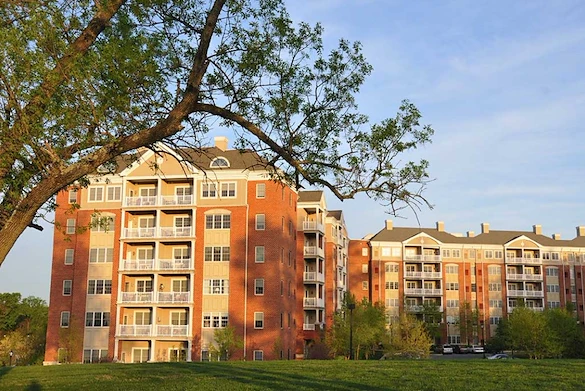 4.9Verified
Mercy Ridge
2525 Pot Spring Rd Timonium, MD 21093
Independent LivingAssisted LivingMemory Care -
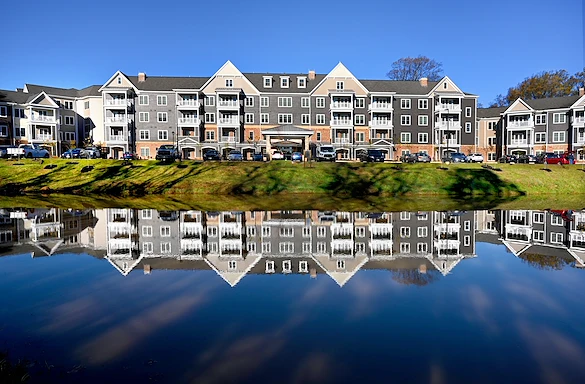 4.3Verified
Springwell Senior Living Community
2211 W Rogers Ave Baltimore, MD 21209
Independent LivingAssisted LivingMemory Care -
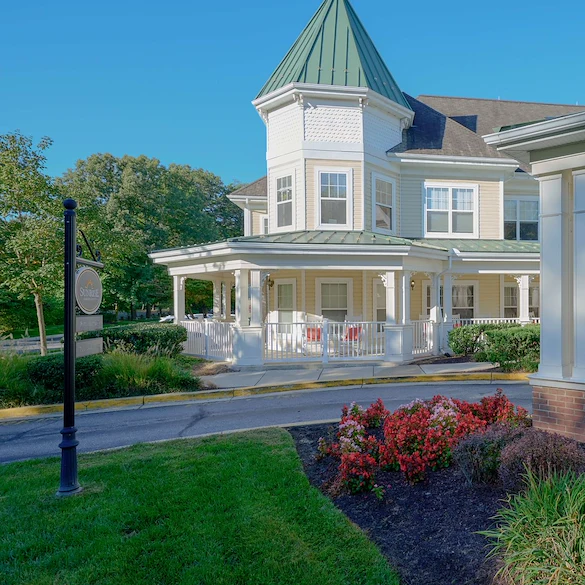 4.2Verified
Sunrise of Severna Park
43 W McKinsey Rd Severna Park, MD 21146
Independent LivingAssisted LivingMemory Care -
4.1Verified
Atrium Village
4730 Atrium Ct Owings Mills, MD 21117
Independent LivingAssisted LivingMemory Care


Cost of Independent Living in Maryland
Several key factors influence pricing. Location is a major driver—communities closer to urban centers such as Washington, D.C. or Bethesda often come with higher rates due to local cost-of-living differences. Amenities and services also play a role: properties with full-service dining, fitness centers, transportation, wellness programming, or cottage-style units usually cost more. Unit size and type matter, too—studios typically cost less than one- or two-bedroom units, and homes with patios or private outdoor space come at a premium.
While independent living is mostly funded through private means—retirement savings, pensions, or Social Security—seniors may be able to offset monthly costs through programs like HUD Section 202 affordable housing, voucher-based senior apartments, or income-based pricing models offered by select communities. Some residents also tap into long-term care insurance or veterans’ Aid & Attendance benefits to support housing-related expenses.
As part of planning, families should compare not just monthly rates but what’s included—housing, dining, utilities, amenities—to assess value. Visiting communities, reviewing contract types, and discussing affordability with local resources like Maryland Access Point or Area Agencies on Aging can help ensure a clear understanding of costs and options. These steps can guide families to choose an independent living setting that balances lifestyle, comfort, and long-term affordability.
What to Know About Independent Living in Maryland
Independent living generally costs $3,000–$4,500 per month.
Independent living communities typically require residents to be 55+ or 62+ and capable of living safely without daily personal care.
Independent living does not provide hands-on medical or personal care, which may require relocation if health declines.
Medicare does not pay for independent living housing costs.
Home Care in Maryland
Non-medical home care in Maryland plays a vital role in helping seniors maintain their independence and live comfortably in their own homes. These services focus on assisting with everyday tasks that may become difficult due to aging, illness, or disability, without involving medical or clinical procedures. For many older adults, non-medical home care provides the necessary support to safely continue daily living activities while preserving their dignity and lifestyle.
Common non-medical home care services in Maryland include personal care assistance such as help with bathing, dressing, grooming, toileting, and mobility. Additionally, companionship services offer social engagement through conversation, recreational activities, and accompaniment to appointments or community outings, which help reduce feelings of isolation and loneliness. Household assistance is another essential service, covering light housekeeping, meal preparation, laundry, and grocery shopping to maintain a clean and comfortable living environment. Many agencies also provide medication reminders to ensure clients take their prescribed medicines on time, although actual administration of medications typically requires licensed medical personnel.
Maryland requires non-medical home care agencies to hold a Residential Service Agency (RSA) license issued by the Maryland Department of Health. To obtain this license, agencies must develop detailed policies and procedures that comply with state regulations, hire qualified staff—including a registered nurse supervisor after licensure—and secure workers’ compensation insurance for their employees. While an RSA license permits agencies to offer personal care services, they are not authorized to perform skilled nursing or medical tasks unless they also hold a Home Health Agency (HHA) license, which involves additional certification and oversight.
Several factors affect the availability and quality of non-medical home care in Maryland. Urban areas tend to have a wider selection of home care providers, whereas rural communities may face limited access to services. Funding options such as Medicaid programs—including the Community Personal Assistance Services (CPAS) and Community First Choice (CFC)—can help eligible seniors afford home care. However, the demand for trained caregivers often exceeds supply, which can impact service availability and wait times in some areas.
Families exploring non-medical home care in Maryland should carefully research licensed agencies, verify their credentials, and consider the unique needs and preferences of their loved ones. This approach helps ensure they find the right balance of care, companionship, and household support to keep seniors safe, comfortable, and independent at home.
Top Home Care in Maryland
View All Providers-
 5.0Verified
Always Best Care of Parkville
8606 Harford Road Baltimore, MD 21234
Home Care (Non-Medical) -

-
 5.0Verified
ComForCare - Glen Burnie
7310 Ritchie Hwy. Suite 405 Glen Burnie, MD 21061
Home Care (Non-Medical) -
 4.7Verified
Griswold Home Care for Baltimore
3104 Lord Baltimore Dr Windsor Mill, MD 21244
Home Care (Non-Medical)


Cost of Home Care Non-Medical in Maryland
Several factors influence the overall cost of non-medical home care. The number of care hours needed is a primary consideration: care can range from a few hours a week for light assistance to around-the-clock support for more extensive needs. Another important factor is whether families hire through a licensed agency or contract directly with private caregivers. Agency services typically cost more because agencies handle staff vetting, training, insurance, and administrative tasks. In contrast, private caregivers may offer lower hourly rates but require families to manage payroll taxes, background checks, and liability considerations.
Financial assistance can help offset these costs. Maryland’s Medicaid program offers in-home personal care services through programs such as Community Personal Assistance Services (CPAS) and Community First Choice (CFC), which support eligible seniors based on income and care requirements. Additionally, some seniors may benefit from long-term care insurance policies that cover part or all of home care expenses. Families are encouraged to consult with elder care advisors or financial planners to explore all available options and plan effectively.
In summary, while non-medical home care costs in Maryland align with national trends, costs vary by region, hours of care, and service type. Understanding these factors and available financial support can help families make informed, confident decisions about care.
What to Know About Non Medical Home Care in Maryland
A non-medical caregiver assists with daily tasks such as bathing, dressing, meal preparation, transportation, and companionship.
Private home care in Maryland averages $28–$35 per hour, depending on services and region.
Non-medical home care supports daily living needs, while home health care provides skilled medical services ordered by a physician.
Revenue varies by size and location, but profitability depends heavily on staffing costs, demand, and operational efficiency.
Long-Term Care/Skilled Nursing in Maryland
Long-term care in skilled nursing facilities in Maryland provides comprehensive support for seniors and adults who require ongoing medical attention, rehabilitation, or specialized care that cannot be managed at home. These facilities offer 24-hour nursing care delivered by licensed professionals, including registered nurses and certified nursing assistants, ensuring that residents receive constant supervision and assistance tailored to their individual health needs.
Skilled nursing facilities in Maryland provide a range of medical services such as medication management, wound care, intravenous therapy, and chronic disease monitoring. Rehabilitation therapies—physical, occupational, and speech therapy—are often available on-site to help residents regain independence after surgery, injury, or illness. Many facilities also offer specialized care programs to meet unique needs, including memory care units designed for individuals with Alzheimer’s disease or other forms of dementia. These specialized units provide structured environments and staff trained in managing cognitive decline and behavioral challenges, enhancing residents’ safety and quality of life.
Maryland regulates skilled nursing facilities through the Maryland Department of Health, which enforces strict licensing requirements and regularly conducts inspections to ensure compliance with state and federal quality standards. Facilities must meet criteria related to staffing ratios, resident rights, infection control, and care planning. The state also participates in federal Medicare and Medicaid programs, which include quality rating systems accessible to families researching nursing homes.
When evaluating nursing home options in Maryland, families should consider multiple factors such as facility reputation, quality ratings, staff qualifications, and the availability of specialized services relevant to their loved one’s condition. Visiting potential facilities in person, asking about staff turnover rates, and reviewing inspection reports are important steps in making an informed choice. Families can also consult resources such as the Maryland Nursing Home Compare website and seek recommendations from healthcare professionals.
Overall, skilled nursing facilities in Maryland play a critical role in supporting seniors with complex medical and rehabilitative needs. Understanding the scope of services, state regulations, and evaluation tools empowers families to find high-quality care that promotes health, comfort, and dignity for their loved ones.
Top Long-Term Care/Skilled Nursing in Maryland
View All Providers-
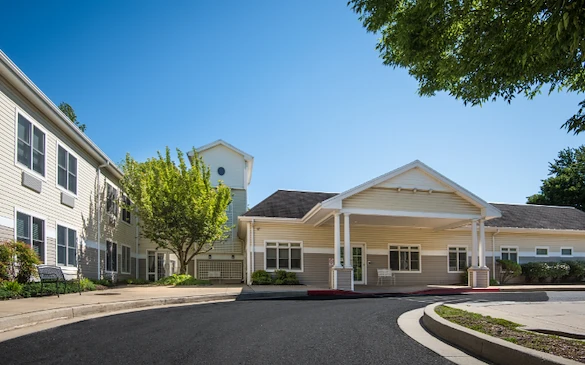 2.0Verified
Westgate Rehab & Healthcare Center
10 North Rock Glen Road Baltimore, MD 21229
Long-Term Care / Skilled NursingSkilled Rehabilitation -
 5.0Verified
Roland Park Place
830 West 40 Street Baltimore, MD 21211
Long-Term Care / Skilled NursingSkilled Rehabilitation -
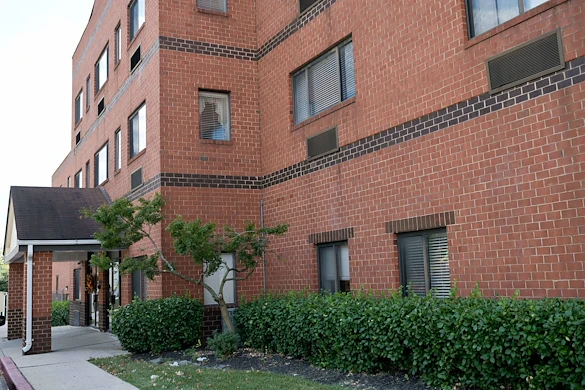 3.0Verified
Autumn Lake Healthcare Center
5009 Frankford Avenue Baltimore, MD 21206
Long-Term Care / Skilled NursingSkilled Rehabilitation -
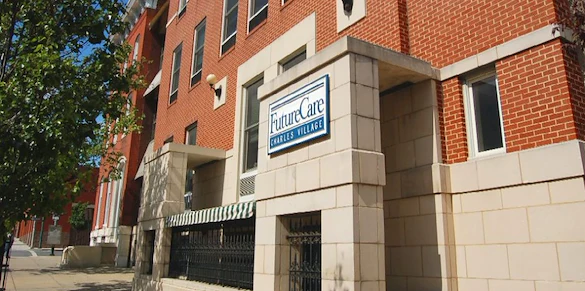 4.0Verified
Future Care Charles Village
2327 North Charles Street Baltimore, MD 21218
Long-Term Care / Skilled NursingSkilled Rehabilitation


Cost of Nursing Homes in Maryland
Several factors influence the cost of skilled nursing care. The level of medical care required is a primary determinant; residents needing extensive medical attention or specialized services, such as memory care or post-surgical rehabilitation, will incur higher costs. Additionally, the reputation and quality of a facility, the amenities offered, and the staff-to-resident ratio can all impact pricing. Facilities with higher staff qualifications, more personalized care, and better amenities often charge premium rates.
Financial assistance is available to help offset these costs. Medicare Part A covers short-term skilled nursing care following a qualifying hospital stay, but it does not cover long-term stays. Medicaid, known as Medical Assistance in Maryland, provides coverage for long-term care in skilled nursing facilities for eligible individuals. Eligibility is based on both financial and medical criteria, and the program serves over 20,000 participants annually. Additionally, Maryland offers long-term care insurance programs that can assist with costs; for instance, the Maryland Long-Term Care Insurance Partnership Program provides benefits for those who meet certain requirements.
In summary, while the cost of skilled nursing care in Maryland is substantial, various financial assistance programs are available to help eligible individuals manage these expenses. It's essential for families to explore all options and plan accordingly to ensure their loved ones receive the necessary care without undue financial strain.
What to Know About Nursing Homes in Maryland
Nursing home care in Maryland averages $10,000–$12,500 per month, depending on room type and location.
Medicare covers only short-term skilled nursing care following a qualifying hospital stay.
Most long-term nursing home care is paid through Medicaid, private funds, long-term care insurance, or Veterans benefits.
Yes. Maryland Medicaid covers nursing home care for eligible seniors who meet income and medical criteria.
Finding the Right Senior Care in Maryland
Maryland offers a comprehensive range of senior living and long-term care options, including independent living, assisted living, memory care, in-home services, and skilled nursing facilities. While senior care costs in Maryland are above the national average, the state provides strong healthcare access, well-regulated senior living communities, and financial assistance programs through Medicaid and state waiver services. Families evaluating senior living in Maryland should compare regional costs carefully, especially in higher-priced counties near Washington, D.C.
By understanding care levels, eligibility requirements, and available financial support programs, families can make informed decisions that balance affordability, quality, and long-term planning needs. Whether aging in place or transitioning into a senior living community, Maryland offers resources and services designed to help older adults maintain independence, dignity, and overall quality of life.
Frequently Asked Questions About Senior Living in Maryland
Senior living costs range from $3,000 per month for independent living to over $12,500 per month for nursing home care.
Maryland offers strong healthcare systems, proximity to major cities, and coastal amenities, though living costs are above the national average.
Aging in place with part-time home care or qualifying for subsidized senior housing is often the most affordable option.
Under federal housing law, at least 80% of units must have one resident age 55 or older, allowing up to 20% younger occupancy.
Frequently Asked Questions About Senior Care in Maryland
Programs include Medicaid waivers, senior prescription assistance, nutrition programs, transportation services, and housing assistance.
Senior care in Maryland averages $28–$35 per hour, depending on care type.
Yes. Through certain Medicaid consumer-directed programs, eligible family caregivers may receive compensation.
The most requested service is assistance with activities of daily living, including bathing, dressing, and medication reminders.