

16,455
Population of Ellington

3,091
Residents aged 65 and older in Ellington

305
Senior Living & Care Options in Ellington

$7,344/Month
Average cost of Senior Living & Care in the area.
Ellington, with a population of 16,455, is home to 3,091 residents aged 65 and older. The city offers 305 senior living and care options. The average monthly cost of senior living & care in the area is $7,344.
Where would someone spend an ordinary week after moving to Ellington, CT? For plenty of older adults in town, the answer starts on Maple Street, at the Ellington Senior Center. Anyone 55 or older can join without paying a membership fee, and members don't have to live in town. Staff will show you around whenever the doors are open.
Lunch is a big part of the week there. The Maple Street Cafe serves it Tuesday through Thursday, from 11 a.m. to 12:30 p.m., with no reservation needed. The food is cooked on site, and volunteers trained in food service carry it out.
Classes and clubs round out the calendar. Tai Chi for Balance works seated in a chair or standing up. On the third Thursday of each month, a free book club welcomes walk-ins, and Hall Memorial Library keeps copies of the book. The library stands at the head of the town green, close to the corner of Route 140 and Route 286.
Winter nights get cold. NOAA's 1991 to 2020 normals come from a weather station at Bradley International Airport. There, January's average low is 18.8°F, and July's average high is 85.2°F. With January nights well under freezing, it's smart to find out who clears snow and ice from a community's paths.
Ellington, CT, is in Tolland County, though Connecticut's counties haven't run as governments since 1960. So local help for older adults comes through the Town and through regional agencies, and the questions and answers further down name them.
Medicare's hospital list shows none inside Ellington, CT, but two hospitals in other towns have emergency services. Manchester Memorial Hospital in Manchester, CT, and Johnson Memorial Hospital in Stafford Springs, CT, are acute care hospitals, which means they treat sudden illness and injury. Manchester Memorial's network says its emergency rooms there and at its campus in Rockville, CT, stay open around the clock.
The sections below cover senior living in Ellington, CT, one type of care at a time, from an aide at home through nursing homes. You'll find every provider listed, free to browse without a login. Once a few stand out, reach out on your own terms, and whatever you discuss stays between you and them.
Ellington, CT at a Glance




Home Care in Ellington, Connecticut
View All Providers-
 4.5Premium
Integra Home Health
200 North Main Street Suite 204 East Longmeadow, MA 01028
Home Care (Non-Medical) -
 4.7Verified
Home Helpers Home Care of Enfield
145 Hazard Avenue Enfield, CT 06082
Home Care (Non-Medical) -
 4.7Verified
Always Best Care of Manchester
621 Middle Turnpike E Manchester, CT 06040
Home Care (Non-Medical) -
 4.8Verified
BrightStar Care of Hartford
66 North Main Street Suffield, CT 06078
Home Care (Non-Medical) -



Independent Living & Active Adult Living in Ellington, Connecticut
View All Providers-
-
 4.4Premium
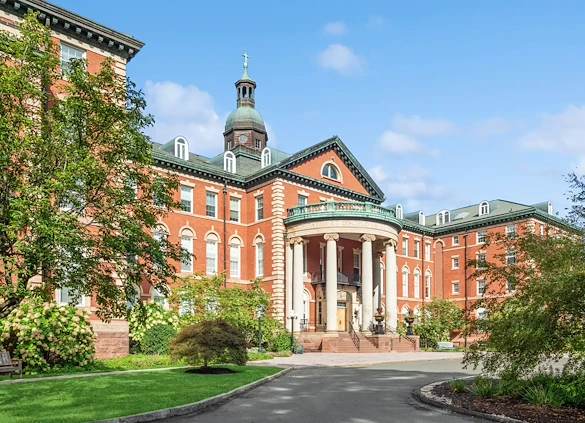
AVIVA West Hartford
1 Hamilton Heights Dr West Hartford, CT 06119
Independent LivingAssisted LivingMemory CareRespite Care -
 5.0Premium
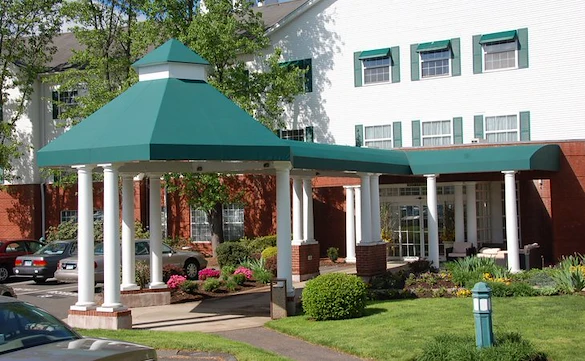
Arbors of Hop Brook
403 W Center St Manchester, CT 06040
Independent LivingAssisted LivingLife Plan Community/CCRCRespite Care -
 4.7Verified
The Residence at South Windsor Farms
200 Deming St South Windsor, CT 06074
Independent LivingAssisted LivingMemory Care -
 4.6Verified
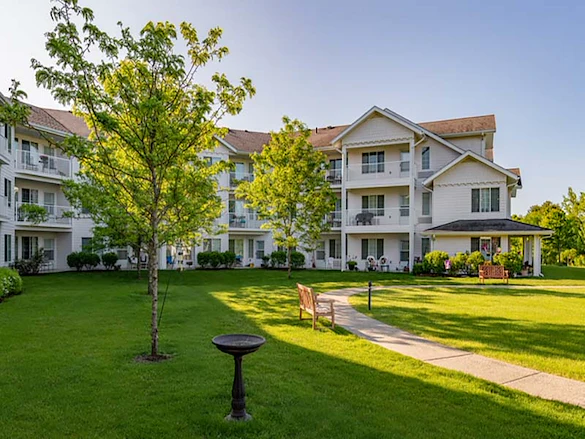
Holiday Bluebird Estates
1 Apple Blossom Lane East Longmeadow, MA 01028
Independent Living -
 4.7Verified
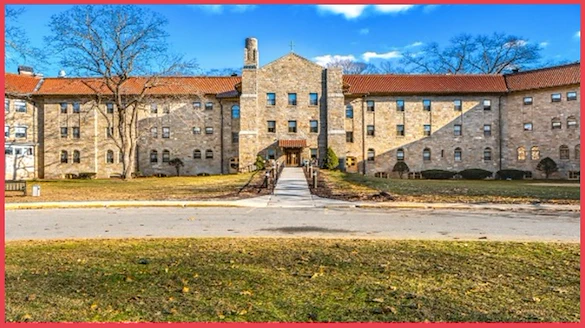
Monastery Heights Senior Living & Memory Care
110 Monastery Ave West Springfield, MA 01089
Independent LivingAssisted Living -
 4.4Verified
Shepherd Park
170 Sission Avenue Hartford, CT 06105
Active Adult LivingIndependent Living


Assisted Living in Ellington, Connecticut
View All Providers-
 4.4Premium
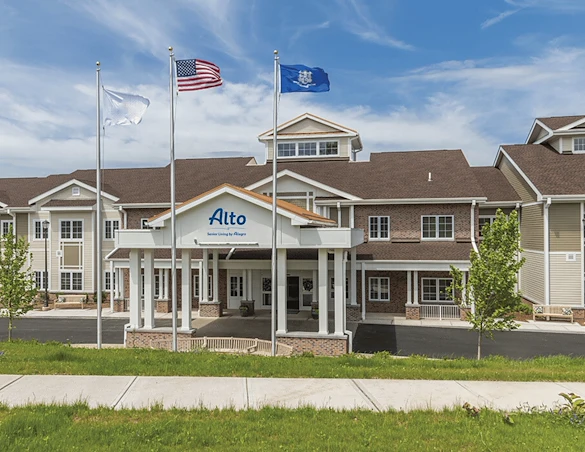
Alto Evergreen Walk
1000 Cottonwood Lane South Windsor, CT 06074
Assisted LivingMemory CareRespite Care -
4.4Premium
AVIVA West Hartford
1 Hamilton Heights Dr West Hartford, CT 06119
Independent LivingAssisted LivingMemory CareRespite Care -
 4.9Premium
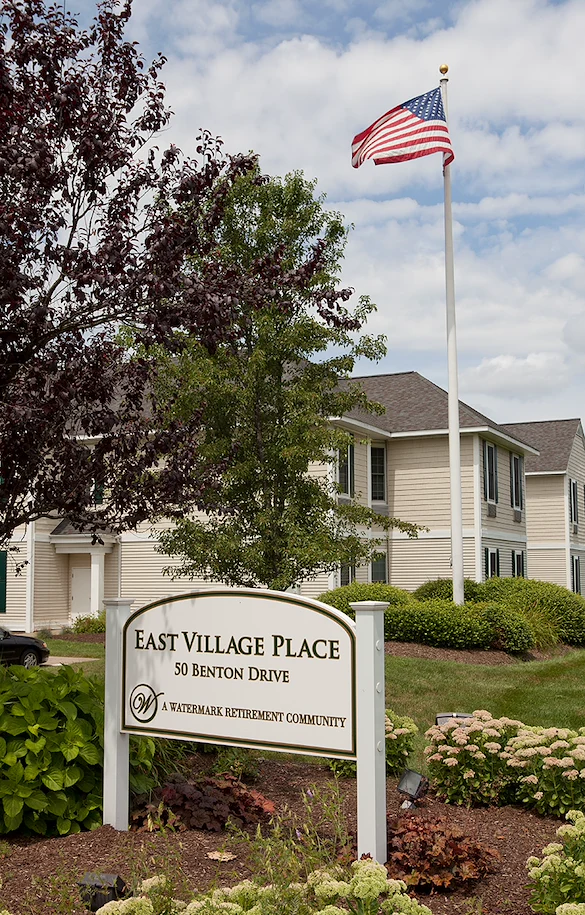
East Village Place
50 Benton Drive East Longmeadow, MA 01028
Assisted LivingMemory CareRespite Care -
-
5.0Premium
Arbors of Hop Brook
403 W Center St Manchester, CT 06040
Independent LivingAssisted LivingLife Plan Community/CCRCRespite Care -
4.7Verified
The Residence at South Windsor Farms
200 Deming St South Windsor, CT 06074
Independent LivingAssisted LivingMemory Care -
4.7Verified
Monastery Heights Senior Living & Memory Care
110 Monastery Ave West Springfield, MA 01089
Independent LivingAssisted Living -
 4.6
4.6Addison Place at Glastonbury
1177 Hebron Ave Glastonbury, CT 06033
Assisted LivingMemory CareRespite Care -
 4.3Verified
The Village at Buckland Court
432 Buckland Rd South Windsor, CT 06074
Assisted LivingMemory Care


Memory Care in Ellington, Connecticut
View All Providers-
4.4Premium
AVIVA West Hartford
1 Hamilton Heights Dr West Hartford, CT 06119
Independent LivingAssisted LivingMemory CareRespite Care -
4.9Premium
East Village Place
50 Benton Drive East Longmeadow, MA 01028
Assisted LivingMemory CareRespite Care -
4.4Premium
Alto Evergreen Walk
1000 Cottonwood Lane South Windsor, CT 06074
Assisted LivingMemory CareRespite Care -
4.6
Addison Place at Glastonbury
1177 Hebron Ave Glastonbury, CT 06033
Assisted LivingMemory CareRespite Care -
 5.0Verified
Agawam East Rehab And Nursing
464 Main Street Agawam, MA 01001
Memory CareLong-Term Care / Skilled NursingSkilled Rehabilitation -
 3.0Verified
Vantage At Hampden LLC
34 Main Street Hampden, MA 01036
Memory CareLong-Term Care / Skilled NursingSkilled Rehabilitation -
4.3Verified
The Village at Buckland Court
432 Buckland Rd South Windsor, CT 06074
Assisted LivingMemory Care


Long Term Care & Skilled Nursing in Ellington, Connecticut
View All Providers-
 5.0Verified
Vernon Rehab & Healthcare Center
180 Regan Road Vernon, CT 06066
Long-Term Care / Skilled NursingSkilled Rehabilitation -
5.0Verified
Agawam East Rehab And Nursing
464 Main Street Agawam, MA 01001
Memory CareLong-Term Care / Skilled NursingSkilled Rehabilitation -
3.0Verified
Vantage At Hampden LLC
34 Main Street Hampden, MA 01036
Memory CareLong-Term Care / Skilled NursingSkilled Rehabilitation -
 4.0Verified
Complete Care At Kimberly Hall-South
1 Emerson Drive Windsor, CT 06095
Long-Term Care / Skilled NursingSkilled Rehabilitation


Compare Assisted Living Costs in Connecticut
This chart sets Connecticut's monthly assisted living average beside the national one.
Our state page lays out what care costs in Connecticut, and how people pay for it, for nursing homes and home care, plus independent living and assisted living.
Memory care costs haven't been added to that page. For memory care questions, the state's town list names the North Central Area Agency on Aging as the one for Ellington, CT. The state's Aging and Disability Services department explains what these regional nonprofits do.
Local Resources for Older Adults in Ellington, CT
Here's where older adults and families in Ellington, CT, can turn for help close to home. Hours and rules on who qualifies can change, so each link goes straight to the source.
- Ellington Senior Center. Run by the Town on Maple Street, with lunch, exercise classes, and a monthly book club. Hours and directions
- Senior Center Transportation. Curb-to-curb rides for medical visits, groceries, and errands, booked two weeks ahead. Transportation
- Elderly Outreach. The Town's Human Services Department explains programs that help older residents live on their own. Elderly Outreach
- HVCC Dial-A-Ride. Weekday rides from the Hockanum Valley Community Council for older adults and people with disabilities. Dial-A-Ride
- Hall Memorial Library Homebound Delivery. Books and more brought to card holders who are homebound or disabled. Homebound Delivery
- Connecticut Long-Term Care Ombudsman Program. Region 2's regional ombudsman serves Ellington, CT, and its neighbors. Ombudsman regions
- Medicare Care Compare. Star ratings, inspection results, and staffing details for nursing homes. Care Compare
Frequently Asked Questions
The Ellington Senior Center offers curb-to-curb round trips to residents 60 and older, or 18 and older on Social Security Disability. Trips cover medical visits, grocery runs, errands, and center activities. Riders book two weeks ahead, since it's not an on-demand service. Drivers help anyone who can't climb the bus steps onto the lift.
The Hockanum Valley Community Council, a nonprofit the Town helps fund, runs Dial-A-Ride. It's open to anyone 60 or older and to people living with a disability. It runs weekdays from 8:30 a.m. to 4 p.m. and goes anywhere in Tolland County and Hartford County. Most trips can be booked up to two weeks out. Encompass, also on the Town's list, is an on-demand ride whose riders are approved through the Greater Hartford Transit District.
Yes. Through the Town's Elderly Outreach program, home-bound residents 60 and older may qualify for Meals on Wheels. After a referral, lunch is delivered between 10 a.m. and 1 p.m. right to the door. Special diets and textures are offered, and nobody is denied a meal because they can't pay.
Since the referral comes first, you may want to ask the Town's outreach staff how a referral gets started and who can make one. On days between deliveries, a home care aide can cook simple meals if that's become hard. The home care agencies listed on this page can explain how meal prep fits into a visit.
On the state's list of towns, Ellington, CT, belongs to the North Central Area Agency on Aging. Its funding comes from the Connecticut Department of Aging and Disability Services. The department says these nonprofits back nutrition, disease prevention, help for family caregivers, and adult day care, among other things.
Closer to home, the Town's Human Services Department is at Arbor Commons on Arbor Way. Its staff can tell you about programs that help older people keep living on their own in town. A good plan is to call the Town first, then the regional agency for anything bigger.
Yes. Hall Memorial Library's Homebound Delivery is for card holders who live in Ellington, CT, and are homebound or disabled, for a short time or for good. There's no age requirement, and homebound patrons don't pay overdue fines, so reading can carry on when getting out is hard.
A library card also opens Libby. There, eBooks, audiobooks, and magazines can be borrowed for free and even sent to a Kindle. Hoopla and the Palace app come with the card, too. For anyone who can visit in person, the library stays open until 8 p.m. Monday through Thursday, and it's open Sunday afternoons from October through May.
Yes. CT State Community College invites Connecticut residents 62 and older to take classes at any of its campuses free of tuition and some fees. The offer covers credit-bearing courses in the fall and spring semesters, and students can take a class for a grade or simply audit it.
Since only credit-bearing courses qualify, noncredit workshops aren't part of the offer. It's good to check with CT State about campuses and course choices well before a semester begins, so there's time to plan the trip to class.
The Connecticut Long-Term Care Ombudsman Program can help. Its Region 2 regional ombudsman covers Ellington, CT, along with nearby towns that include Manchester, CT, Tolland, CT, and Vernon, CT. Residents and the people close to them can reach out about a concern with care in an assisted living community or a nursing home.
Saving the Region 2 contact early, before any move, means you won't be hunting for it later. If something does come up, notes on dates, names, and what happened make the concern easier to explain. The state's regional list shows which ombudsman serves each town, so you'll know who to contact.
Sources, checked Oct. 9, 2026: Hall Memorial Library, Ellington Senior Center, Ellington Parks & Recreation, Town of Ellington, CT, U.S. Census Bureau, Federal Register, CMS hospital data, Manchester Memorial Hospital, NOAA climate normals, Hockanum Valley Community Council, Connecticut's Department of Aging and Disability Services, Connecticut Long-Term Care Ombudsman Program, CT State Community College, Connecticut General Statutes, and Connecticut eRegulations.