
About Virginia
Virginia offers an inviting mix of natural beauty, cultural charm, and practical living that makes it a top choice for seniors and families exploring long-term living options. With four distinct but mild seasons, Virginia’s climate provides a comfortable setting year-round—gentle winters, blossoming springs, warm summers, and colorful autumns make it easy for older adults to enjoy the outdoors and maintain an active lifestyle.
Fast Facts
Senior Living & Care in Virginia
| #12 | most populated state in the U.S. |
| $5,500 | average monthly assisted living cost in Virginia |
| 3,500+ | assisted living communities and care providers across Virginia |
| 1.5M+ | Virginians age 65+ |
For those searching for “senior care in Virginia” or “retirement communities in Virginia,” the state presents a broad range of options tailored to different needs and budgets. Whether it’s independent living in Richmond, assisted living in Virginia Beach, or memory care in Charlottesville, seniors can find high-quality care in environments that support dignity, safety, and social connection. Virginia’s cost of living is generally moderate, and its mix of urban centers, suburban towns, and rural areas offers flexibility when it comes to housing and lifestyle preferences.
Healthcare is a cornerstone of Virginia’s appeal for aging adults. The state is home to nationally recognized hospitals and health systems—including UVA Health in Charlottesville and Inova Health System in Northern Virginia—that offer specialized geriatric care, chronic disease management, and long-term support services. With a focus on preventive care and aging-in-place strategies, seniors in Virginia can access a full continuum of care close to home.
Virginia also shines when it comes to recreation and enrichment. Seniors can enjoy scenic drives along the Blue Ridge Parkway, beach days along the Atlantic coast, or leisurely afternoons exploring historical landmarks in Williamsburg. Communities often host local festivals, farmers' markets, and cultural events that provide opportunities for social engagement and community involvement. For those who value the arts, Virginia offers vibrant music, theater, and museum experiences in cities like Norfolk and Alexandria.
Many of Virginia’s senior living communities are designed with wellness in mind, offering amenities such as walking trails, fitness programs, communal dining, and lifelong learning classes. These features encourage independence while providing the safety net of supportive services as needed.
With its balanced lifestyle, high-quality healthcare, scenic beauty, and variety of senior living options, Virginia is an ideal place for older adults to thrive. Families seeking compassionate, professional, and personalized senior care will find Virginia a welcoming and resource-rich state to call home.
Top Cities for Senior Living and Care in Virginia






Assisted Living in Virginia
Assisted living communities in Virginia offer a supportive and safe environment designed to help seniors maintain independence while receiving assistance with daily activities. These communities cater to older adults who need help with tasks like bathing, dressing, medication management, mobility, and meal preparation but do not require the intensive medical care provided in nursing homes. Assisted living balances personal care with opportunities for social engagement, allowing residents to maintain dignity and a high quality of life.
Virginia’s assisted living facilities are regulated by the Virginia Department of Social Services (VDSS), which enforces strict licensing requirements to ensure resident safety and quality of care. Communities must comply with regular inspections, staff training standards, and individual care planning. Virginia recognizes different levels of assisted living, including special care units that focus on residents with memory impairments such as Alzheimer’s disease and other dementias. These units provide specialized environments designed to enhance safety and tailor programming to cognitive needs.
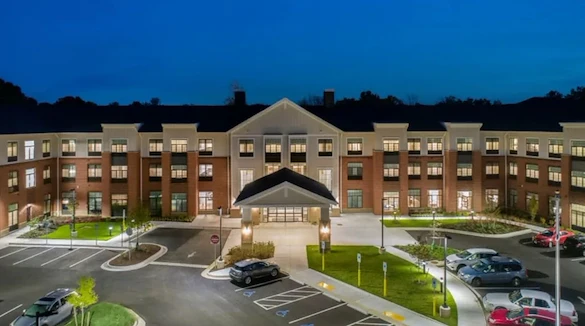
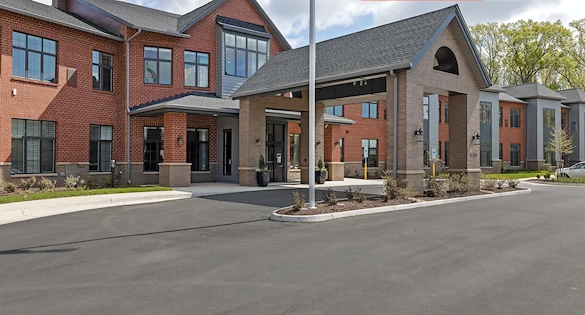
Assisted living communities in Virginia vary widely to suit different needs and budgets. Luxury communities often offer spacious apartments, upscale amenities like fitness centers and gourmet dining, wellness programs, and concierge services. More budget-friendly options provide essential personal care and social activities in comfortable settings. Memory care-focused facilities are also common, providing secure environments and specialized support for residents with dementia.
When selecting an assisted living community in Virginia, families should consider several key factors. These include the community’s licensing status, staff qualifications, resident-to-staff ratios, emergency protocols, and available social and wellness programs. Location is also important—proximity to family, healthcare providers, and hospitals can ease transitions and ensure access to medical care when needed. Families can research facilities using the VDSS Assisted Living Facility Search Tool, which provides inspection reports and licensing information.
Overall, assisted living in Virginia offers a range of options that combine compassionate personal care with enriching social opportunities. These communities provide a safe and supportive place for seniors to thrive, making Virginia a great state for families seeking quality assisted living for their loved ones.
Top Assisted Living Communities in Virginia
View All Providers-
4.7Premium
The Barclay at Tuckahoe
567 N Parham Road Henrico, VA 23229
Independent LivingAssisted LivingMemory Care -
4.7Premium
The Barclay at Midlothian
11210 Robious Rd North Chesterfield, VA 23235
Independent LivingAssisted LivingMemory Care -
4.8Premium
Arden Courts at Richmond
13800 Bon Secours Drive Midlothian, VA 23114
Assisted LivingMemory CareRespite Care
Cost of Assisted Living in Virginia
Several factors influence these pricing differences. Location plays a significant role; communities closer to major cities often have higher costs. The level of care provided also affects pricing—facilities offering specialized services like memory care or physical therapy generally charge more. Additionally, amenities such as gourmet dining, wellness programs, transportation, and recreational activities can add to the overall cost but enhance the quality of life for residents.
Virginia offers several financial assistance programs to help seniors manage these expenses. Medicaid waivers, particularly the Commonwealth Coordinated Care Plus (CCC+) program, provide home- and community-based services that can include assisted living support for eligible individuals. Veterans and their spouses may qualify for Aid and Attendance benefits, which can help cover senior care costs. Furthermore, various local and state-specific aid programs offer additional resources to increase affordability.
When considering assisted living options in Virginia, families should look beyond cost alone. Evaluating the quality of care, staff qualifications, available services, and the community environment is crucial to ensure the best fit for their loved ones. Tools like the Virginia Department of Social Services’ Assisted Living Facility Search allow families to compare licensed facilities and review inspection histories, helping them make informed and confident decisions.
Overall, while the cost of assisted living in Virginia can vary, understanding the factors that influence pricing and available financial resources empowers families to find quality care that meets their loved one’s needs within their budget.
What to Know About Assisted Living in Virginia
The average cost of assisted living in Virginia typically ranges several thousand dollars per month, depending on the city, apartment type, and level of care needed. Costs may be higher in Northern Virginia and other high-demand areas, while some smaller towns may offer more affordable options.
Assisted living pricing can also increase if a resident needs additional support such as medication management, mobility assistance, or help with bathing and dressing.
Medicare typically does not cover assisted living in Virginia because assisted living is considered housing and personal care—not medical treatment. However, Medicare may still help cover eligible healthcare services a resident receives separately, such as doctor visits, prescriptions, hospital care, or outpatient therapy (depending on the plan).
Families often explore private pay, long-term care insurance, veteran benefits (if eligible), or Medicaid-related support programs.
Seniors in Virginia may qualify for assisted living if they need help with daily activities but do not require full-time skilled nursing care. Assisted living is often a good fit for older adults who need support with:
-
Bathing, dressing, grooming, or toileting
-
Medication reminders or medication management
-
Mobility support and fall prevention
-
Meals, housekeeping, and laundry
-
Transportation and daily routines
Most assisted living communities complete an assessment to confirm that a resident can be safely supported.
Social Security does not directly pay for assisted living costs, but many seniors use their monthly Social Security income to help cover assisted living expenses. Families often combine Social Security benefits with retirement income, savings, or long-term care insurance to pay for care.
For seniors who need financial help, there may be assistance programs available depending on eligibility.
Independent Living in Virginia
Independent living communities in Virginia offer seniors a vibrant and convenient lifestyle designed to support independence while minimizing daily hassles. These communities are ideal for older adults who want to enjoy maintenance-free housing and access to a range of amenities without the responsibilities of home upkeep. Independent living provides a balance of privacy and social opportunities, allowing residents to live comfortably while engaging with a supportive community.
In Virginia, independent living residences typically include private apartments or cottages with services such as housekeeping, meal plans, transportation, fitness centers, and organized social activities. These features help residents focus on enjoying their retirement years through hobbies, outings, and time with friends rather than managing chores. Many communities also offer wellness programs and access to healthcare services, giving seniors peace of mind while maintaining an active lifestyle.
Virginia’s climate and diverse geography make it an attractive state for retirees. Coastal cities like Virginia Beach boast mild winters and scenic ocean views, perfect for seniors who enjoy outdoor activities year-round. Historic and cultural hubs like Richmond and Charlottesville offer rich arts scenes, excellent healthcare facilities, and numerous parks, providing an engaging environment for seniors. These cities are known for their welcoming senior communities and resources, making them popular retirement destinations.
Lifestyle perks for active seniors in Virginia include access to hiking and biking trails, golf courses, and waterfront activities. Independent living communities often organize events, clubs, and outings that encourage socialization and wellness. The state’s moderate climate supports outdoor living and recreation for much of the year, enhancing quality of life.
Virginia’s independent living options range from upscale communities with luxury amenities to more affordable choices that still offer quality services. This range enables seniors to find a community that fits their budget and lifestyle preferences. For seniors seeking a balance of independence, social connection, and supportive services, independent living in Virginia offers an inviting and fulfilling choice.
Top Independent Living Communities in Virginia
View All Providers-
4.7Premium
The Barclay at Tuckahoe
567 N Parham Road Henrico, VA 23229
Independent LivingAssisted LivingMemory Care -
4.7Premium
The Barclay at Midlothian
11210 Robious Rd North Chesterfield, VA 23235
Independent LivingAssisted LivingMemory Care -
4.6Premium
Dogwood Terrace by Barclay House
10300 Three Chopt Rd Richmond, VA 23233
Independent Living
Cost of Independent Living in Virginia
Independent living costs generally include housing—whether an apartment, villa, or cottage—along with maintenance, housekeeping, access to community amenities like fitness centers, dining options, transportation, and social activities. Some communities offer meal plans as part of the monthly fee, while others provide dining services à la carte. These inclusions provide seniors with a maintenance-free lifestyle focused on convenience and social engagement.
Several factors influence pricing for independent living in Virginia. Location plays a major role: urban and coastal areas with strong healthcare infrastructure and vibrant cultural scenes typically have higher costs. The size and quality of housing, the range of amenities, and specialized services such as wellness programs or transportation also affect pricing. Communities with luxury features like swimming pools, salons, and onsite medical staff command premium rates.
For seniors concerned about affordability, Virginia offers several financial assistance options. Medicaid’s Home and Community-Based Services (HCBS) waivers can help cover some living expenses for eligible individuals. Additionally, veterans may qualify for benefits through the VA Aid and Attendance program, which can assist with senior living costs. Some communities also offer flexible payment plans or discounts to make independent living more accessible.
Overall, while the cost of independent living in Virginia can vary widely, it generally remains competitive with the national average. With a variety of communities and financial support programs available, seniors and their families can find independent living options that fit both their lifestyle and budget.
What to Know About Independent Living in Virginia
Independent living in Virginia is a senior living option designed for older adults who want to live independently while enjoying the convenience of a community lifestyle. Independent living communities typically provide private apartments or cottages along with services like maintenance, housekeeping, dining options, and social activities.
Independent living is ideal for seniors who don’t need daily personal care but want a more social, simplified, and supportive environment.
Independent living is generally best for seniors who can live safely on their own without daily help with personal care. Many residents choose independent living because they want:
-
A maintenance-free lifestyle
-
A senior-friendly environment
-
Social connection and community events
-
Optional services like meals and transportation
Qualifications may vary by community, but independent living is typically a fit for seniors who do not need regular support with bathing, dressing, or medication management.
The “80/20 rule” for 55+ communities generally refers to age-qualified housing guidelines where at least 80% of occupied homes have at least one resident age 55 or older. Communities may allow up to 20% of residents to be under 55, depending on the community’s policies.
Because rules can vary, it’s best to confirm specific age requirements directly with the community you’re considering.
One disadvantage of independent living is that it usually does not include daily personal care services, so it may not be the right fit for seniors who need help with bathing, dressing, medication management, or mobility support. Another consideration is cost—independent living can sometimes be more expensive than staying at home, depending on the situation.
For many seniors, the benefits of convenience, safety, and built-in community outweigh the downsides.
Home Care in Virginia
Non-medical home care in Virginia plays a vital role in supporting seniors who wish to maintain their independence while living safely in their own homes. Unlike medical care, which involves clinical treatments, non-medical home care focuses on assisting with daily living activities that help seniors manage their everyday needs with dignity and comfort.
Common services provided through non-medical home care include personal care such as bathing, dressing, grooming, and mobility assistance. Caregivers also offer companionship to reduce social isolation and improve emotional well-being. Additionally, household assistance is provided with tasks like meal preparation, light housekeeping, laundry, and running errands. Transportation services to appointments or social outings may also be arranged, helping seniors stay active and connected to their communities.
In Virginia, home care agencies must be licensed by the Virginia Department of Health (VDH) to operate legally. This licensing process ensures agencies comply with strict standards related to client safety, caregiver training, and service quality. Agencies undergo regular inspections and must follow state regulations designed to protect vulnerable adults receiving care. Caregivers are typically required to complete approved training programs, including topics like infection control, emergency procedures, and client rights, ensuring that care providers are prepared to offer competent and compassionate support.
The availability of non-medical home care in Virginia varies depending on geographic location. Urban and suburban areas generally have a larger selection of licensed agencies and caregivers, offering families more choices and competitive pricing. However, rural parts of the state may experience limited access to providers, which can affect wait times and service options. Workforce shortages in some areas also impact the availability and consistency of care.
Despite these challenges, non-medical home care remains an essential and growing service for Virginia seniors seeking to age in place. Families considering this option can consult the Virginia Department of Health’s resources to verify agency licensing and learn more about state requirements. This support helps families make informed decisions when selecting quality non-medical home care services that meet their loved ones’ unique needs.
Top Home Care in Virginia
View All Providers-
-
Not yet ratedVerified
Seniors Helping Seniors Greater Richmond
7400 Beaufont Springs Suite 300 Richmond, VA 23225
Home Care (Non-Medical) -


Cost of Home Care Non-Medical in Virginia
Several factors influence the total cost of non-medical home care. The number of care hours needed is one of the most significant cost drivers—for example, 20 hours per week at $30 per hour amounts to $2,400 per month. Another factor is whether care is arranged through an agency or an independent caregiver. Agencies typically charge more because they include background checks, insurance, and administrative support, while private caregivers may offer lower rates but without those added protections. Additionally, specialized services—such as dementia or hospice care—may come with higher fees due to the expertise required.
Virginia offers multiple financial assistance programs to help offset the cost of non-medical home care. The state’s Medicaid program provides personal care services through the Commonwealth Coordinated Care Plus (CCC+) waiver. As of July 1, 2024, reimbursement rates for personal care services increased by 2%, reflecting Virginia’s commitment to supporting home-based care. Long-term care insurance may also cover some non-medical home care costs, depending on the policy’s terms. For eligible veterans and their spouses, the Aid and Attendance benefit can provide additional financial support for in-home care.
When considering non-medical home care in Virginia, it is important to evaluate the individual’s specific needs, the level of care required, and available financial resources. Understanding cost factors, regional differences, and assistance programs can help families make informed decisions that balance quality of care with budget considerations.
What to Know About Non Medical Home Care in Virginia
The difference between medical and non-medical home care is the type of services provided.
Non-medical home care helps with daily living support such as:
-
Companionship
-
Meal prep and light housekeeping
-
Transportation and errands
-
Help with bathing and dressing (depending on needs)
Medical home care (home health care) provides clinical services such as:
-
Skilled nursing care
-
Physical or occupational therapy
-
Wound care and medical monitoring
Non-medical home care is best for day-to-day support, while medical home care is used for recovery and health-related needs.
Starting a non-medical home care business in Virginia typically involves setting up your services, staffing, and processes to provide reliable in-home support for seniors. Many business owners begin by:
-
Choosing your service offerings (companionship, personal care support, errands, meal prep)
-
Registering the business and securing insurance
-
Hiring and training caregivers
-
Creating scheduling and client intake systems
-
Developing pricing, service agreements, and care plans
-
Marketing locally to families searching for home care
Because requirements can vary, it’s important to research Virginia regulations and standards that may apply before launching.
In-home care in Virginia is often priced hourly, and rates can vary depending on location, care needs, and schedule. Costs may be higher in Northern Virginia and other metro areas, and rates may increase for overnight care, weekend support, or more specialized services.
Comparing local providers is the best way to find accurate pricing for your situation.
A non-medical home care business can be profitable in Virginia, but profitability depends on caregiver staffing, client volume, scheduling efficiency, pricing, and operating costs. Many agencies succeed by building referral relationships, maintaining consistent caregiver coverage, and providing reliable service quality.
Strong hiring systems and clear processes are often key to long-term growth.
Long-Term Care/Skilled Nursing in Virginia
Long-term care in skilled nursing facilities provides comprehensive medical and personal support for individuals who require ongoing assistance due to chronic illness, injury recovery, or advanced age. In Virginia, these facilities offer a full range of services, including 24-hour nursing care, assistance with daily activities, and specialized programs tailored to residents’ needs. Skilled nursing facilities also provide short- and long-term rehabilitation services, helping patients regain strength and mobility after hospital stays or surgical procedures. For seniors living with Alzheimer’s disease or other forms of dementia, many facilities offer dedicated memory care units with structured routines and secure environments to enhance safety and comfort.
In addition to daily personal care, Virginia’s skilled nursing facilities deliver essential medical services such as medication management, wound care, and chronic disease monitoring. Rehabilitation programs—often including physical, occupational, and speech therapy—are designed to restore independence and improve quality of life. Post-surgical recovery services help residents transition from hospital to home, or to long-term care, with the support of experienced healthcare professionals. Many facilities also integrate mental health resources and palliative care to address the physical and emotional well-being of residents.
Skilled nursing facilities in Virginia are licensed and regulated by the Virginia Department of Health (VDH). They must comply with federal standards set by the Centers for Medicare & Medicaid Services (CMS), including regular inspections, staffing requirements, and resident rights protections. Facilities are evaluated on multiple quality measures, such as health inspection results, nurse staffing levels, and performance on clinical quality indicators. These ratings are available to the public, allowing families to compare facilities and make informed decisions.
When selecting a skilled nursing facility in Virginia, families should consider both the quality of medical care and the overall living environment. Touring facilities, speaking with staff, and reviewing inspection reports can provide valuable insights. It’s also important to evaluate the range of services offered, from rehabilitation programs to specialized memory care. By combining state-specific quality data with personal impressions, families can choose a facility that meets their loved one’s medical needs while ensuring dignity, safety, and comfort.
Top Long-Term Care/Skilled Nursing in Virginia
View All Providers-
-
1.0Verified
Forest Hill Health & Rehabilitation
4403 Forest Hill Avenue Richmond, VA 23225
Memory CareLong-Term Care / Skilled NursingSkilled RehabilitationRespite Care -
4.0Verified
Sitter And Barfoot Veterans Care Center
1601 Broadrock Blvd Richmond, VA 23224
Long-Term Care / Skilled NursingSkilled Rehabilitation
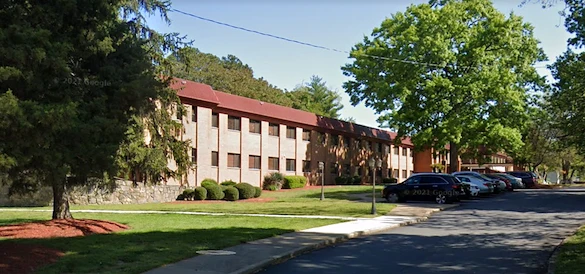
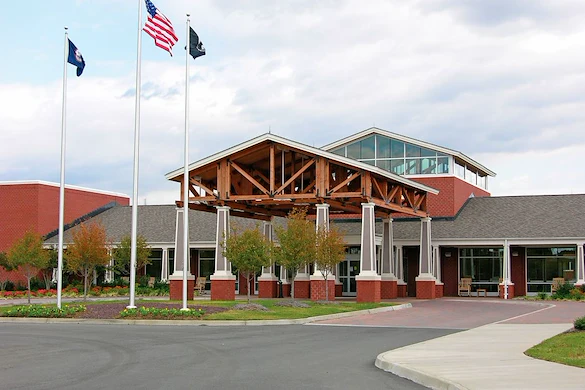
Cost of Nursing Homes in Virginia
Several factors drive pricing in skilled nursing facilities. The level of medical care needed—such as memory care, post-surgical rehab, or chronic disease management—can significantly raise costs. Amenities like private rooms, wellness programs, and on-site therapy also contribute to higher rates. Facilities with strong reputations or higher quality ratings often charge a premium, reflecting their perceived value and investment in staff and infrastructure.
Families have multiple financial tools to help offset these costs. Medicare typically covers up to 100 days of skilled nursing following a qualifying hospital stay—fully covering the first 20 days and paying partial benefits through day 100—after which patients are responsible for costs. For eligible low-income residents, Medicaid may cover longer-term costs, and most Virginia nursing facilities accept Medicaid. Veterans and their spouses can explore Aid and Attendance benefits to supplement care expenses. Long-term care insurance may also cover skilled nursing, depending on policy terms, providing another potential avenue for financial support.
Understanding these costs, regional differences, and available assistance programs empowers families to choose a skilled nursing facility that aligns with both their loved one’s care needs and their budget. Visiting facilities, reviewing inspection reports, and comparing services remain essential steps in finding a safe, compassionate, and financially sustainable long-term care solution.
What to Know About Nursing Homes in Virginia
The average monthly cost of a nursing home in Virginia varies widely by region, room type, and medical needs. Nursing homes are typically one of the most expensive senior care options because they provide 24/7 skilled nursing care and medical supervision.
Costs are often higher in metro areas and for private rooms or more complex care needs.
Medicare may pay for nursing home care in Virginia in limited situations—typically for short-term skilled nursing care after a qualifying hospital stay. This may include rehabilitation services such as physical therapy, occupational therapy, or skilled nursing during recovery.
Medicare typically does not cover long-term nursing home stays for ongoing custodial needs.
The monthly cost of a nursing home in Virginia depends on the facility, region, room type, and level of care required. Many nursing home stays cost several thousand dollars per month, with private rooms typically costing more than shared rooms.
Comparing facilities near you is the best way to understand current pricing.
Medicaid may help pay for nursing home care in Virginia for individuals who meet financial and medical eligibility requirements. Medicaid is one of the most common ways long-term nursing home care is funded when private pay isn’t sustainable.
Because eligibility requirements can be complex, it’s helpful to explore options early.
Finding the Right Senior Care in Virginia
Navigating senior living and care options in Virginia can feel overwhelming, but having clear, trustworthy information can make every step easier. Whether you’re exploring assisted living, comparing independent living communities, researching home care services, or planning for long-term skilled nursing, Virginia offers a wide range of high-quality options designed to support comfort, safety, and dignity.
From coastal cities to historic small towns and thriving metro areas, families can choose from communities that reflect different lifestyles and budgets. Virginia’s strong healthcare network—including nationally recognized hospitals and senior care providers—offers peace of mind for older adults who may need ongoing support or access to specialized medical care.
As you begin your search, remember that every senior’s needs are unique. Use this guide as a helpful starting point, then take time to explore local providers, visit communities, review state inspection reports, and ask questions that help you understand the level of care offered. The right senior living or care setting should provide connection, confidence, and quality of life for your loved one.
Below are answers to the most common questions families ask when researching senior living and senior care in Virginia.
Frequently Asked Questions About Senior Living in Virginia
The cheapest way for a senior to live depends on health needs, support systems, and housing options. Lower-cost options may include:
-
Staying at home with limited paid support
-
Living with family or shared housing
-
Income-based senior housing (when available)
-
Using community services like meals and transportation
The most affordable option should still support safety and long-term wellbeing.
Many seniors in Virginia choose to live in areas that offer a balance of healthcare access, affordability, and family proximity. Some prefer suburban communities near metro areas, while others choose smaller towns for a slower pace and lower cost of living.
The best location often depends on lifestyle preferences and the level of care or support needed.
Low income for seniors in Virginia can vary based on household size, county guidelines, and the specific assistance program being used. Many senior support programs have income limits that determine eligibility for reduced-cost services or financial assistance.
Because income guidelines may change, it’s best to confirm current requirements for the program you’re applying for.
The 80/20 rule generally refers to age-qualified housing guidelines where at least 80% of occupied homes include at least one resident age 55 or older, while allowing up to 20% to be younger depending on community rules.
Because age requirements can vary, it’s always best to confirm the policy directly with the community.
Frequently Asked Questions About Senior Care in Virginia
Senior care is often priced hourly, especially for non-medical home care. Hourly rates can vary based on where you live, scheduling needs, and the level of support required. Costs may be higher for overnight care, weekend support, or specialized care services.
Comparing providers can help families find the best fit for budget and care needs.
Low income guidelines in Virginia can depend on the program and household size. Many assistance programs use income thresholds to determine eligibility for benefits, reduced-cost services, or in-home support.
To confirm eligibility, it’s best to check current requirements for your county and the specific program being referenced.
One of the most commonly requested support services for older adults is help with daily living tasks, such as meal preparation, transportation, housekeeping, and personal care support. Many seniors want to remain independent at home, and these services help improve safety, comfort, and quality of life.
Needs often increase gradually, so families may start with part-time support and adjust as needed.
PACE (Program of All-Inclusive Care for the Elderly) is designed for older adults who need a higher level of care but want to remain living in the community rather than moving to a nursing home. Eligibility typically depends on factors like age, care needs, and program availability in the region.
Because requirements can vary, it’s helpful to review local eligibility guidelines and confirm whether PACE is offered in your area.