
Senior Living Facts for New York
New York offers a diverse and vibrant environment that appeals to seniors and their families seeking a rich quality of life. From the bustling urban energy of New York City to the peaceful charm of the Finger Lakes and Adirondacks, the state provides a variety of living options to suit different lifestyles and preferences. Seniors in New York benefit from a climate that experiences all four seasons, with warm summers and snowy winters, allowing for a range of outdoor activities year-round—from summer walks in Central Park to winter visits to ski resorts upstate.
Fast Facts
Senior Living & Care in New York
| #4 | most populated state in the U.S. |
| $5,500 | average monthly assisted living cost in New York |
| 6,000+ | assisted living communities and care providers across New York |
| 3.5M+ | New Yorkers age 65+ |
The state’s lifestyle is equally varied, offering everything from world-class cultural experiences, such as Broadway shows, museums, and art galleries, to quieter, community-oriented living in suburban and rural areas. Many senior-friendly communities in New York prioritize safety, accessibility, and social engagement, helping older adults maintain independence while staying connected. These communities often feature amenities like wellness centers, transportation services, and planned social activities that promote physical and mental health.
Cost of living in New York varies widely by region. While New York City and surrounding metropolitan areas tend to be more expensive, upstate cities and smaller towns offer more affordable housing and living costs. This range allows seniors and families to find options that fit different budgets while still enjoying quality services and amenities.
Healthcare in New York is among the best in the nation, with access to top hospitals, specialized clinics, and skilled nursing facilities. The state’s extensive healthcare network ensures seniors can receive comprehensive care, including primary care, rehabilitation, and memory care services. Many providers also offer home care options, supporting aging in place with personalized assistance.
New York’s abundant natural beauty—from the scenic Hudson Valley to the serene shores of the Great Lakes—provides ample opportunities for outdoor recreation, contributing to an active and healthy lifestyle. Cultural events, historical landmarks, and educational programs enrich daily life and encourage lifelong learning.
Overall, New York stands out as a state that embraces seniors with its mix of vibrant city life, peaceful retreats, excellent healthcare, and senior-focused communities. For families exploring senior care in New York, the state offers a wealth of options that combine comfort, convenience, and quality, making it a great place to live and thrive in later years.
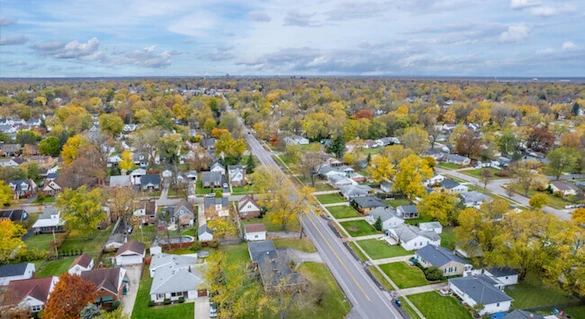
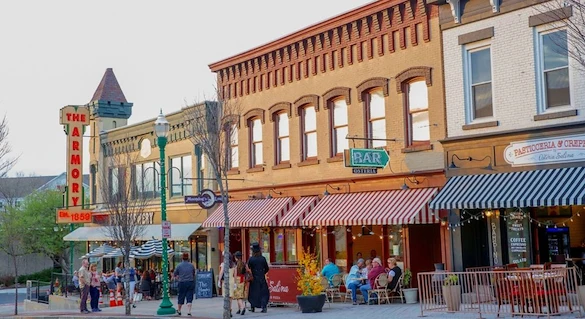
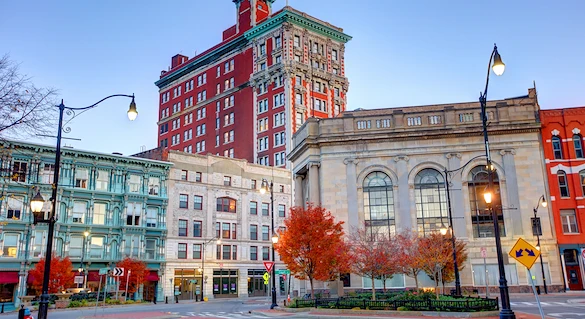
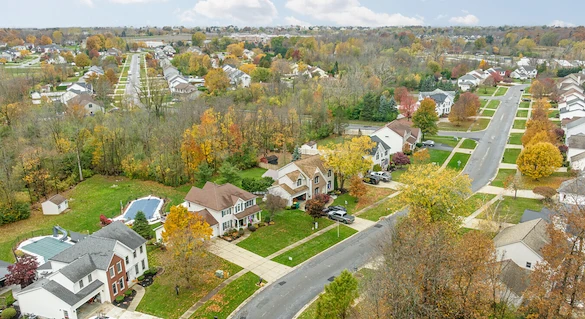
Top Cities for Senior Living and Care in New York








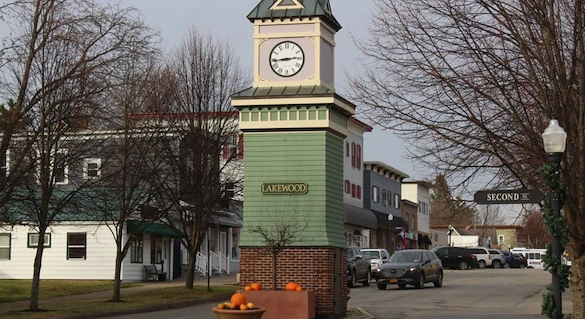



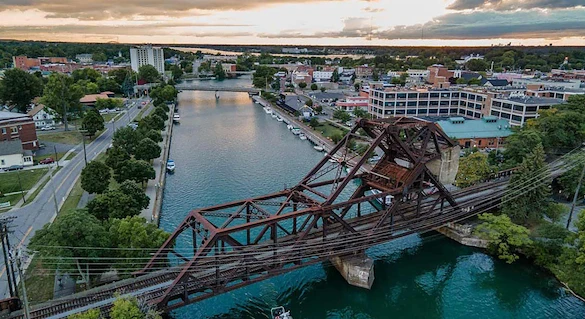
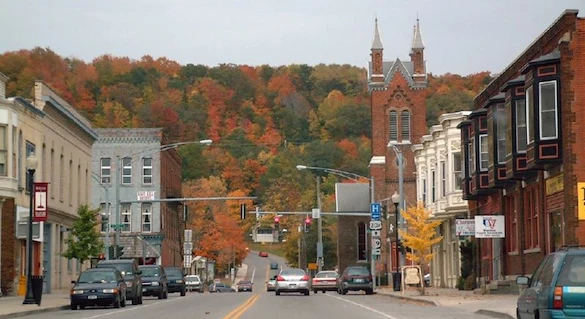
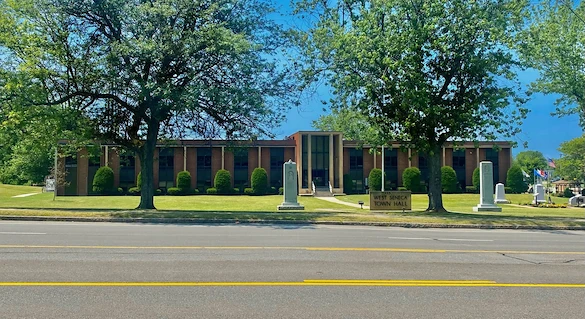



Assisted Living in New York
Assisted living in New York offers a supportive and flexible option for seniors who need help with daily activities but want to maintain their independence and social connections. Assisted living communities provide personalized care plans that include assistance with bathing, dressing, medication management, meal preparation, and mobility support. These communities also emphasize social engagement through organized activities, wellness programs, and opportunities to connect with peers, promoting both physical and emotional well-being.
In New York, assisted living facilities are regulated under the Adult Care Facility (ACF) program, overseen by the New York State Department of Health and the Office for the Aging. These regulations ensure that communities meet strict licensing requirements covering staffing ratios, safety protocols, resident rights, and quality of care standards. Licensed assisted living residences must also comply with state inspections and are required to provide individualized care plans developed with input from residents and their families. New York’s Adult Care Facilities may vary in size and specialization, with some focusing on memory care for residents with Alzheimer’s or dementia, while others offer luxury amenities or budget-friendly options to suit different needs and preferences.
Families evaluating assisted living options in New York should consider factors such as the community’s licensing status, the range of care services offered, staff qualifications, and resident satisfaction. Visiting communities in person, reviewing inspection reports, and speaking with current residents or family members can provide valuable insights. It’s also important to assess how well a community’s culture and activities align with the senior’s interests and lifestyle. Pricing varies widely depending on location, level of care, and amenities, so understanding the total cost and available financial assistance is crucial for making an informed decision.
Overall, New York’s assisted living communities offer a spectrum of choices designed to meet diverse care needs, ensuring seniors receive compassionate support while enjoying a vibrant, engaging lifestyle tailored to their individual preferences.
Best Assisted Living Communities in New York
View All Providers-
-
4.6Verified
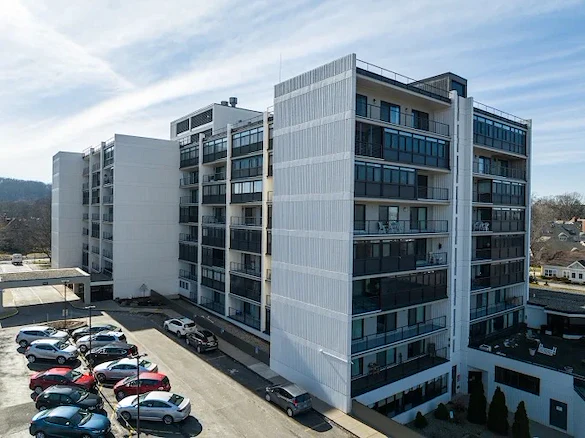
St. John's Meadows
1 Johnsarbor Dr. W Rochester, NY 14620
Independent LivingAssisted Living -
4.3Verified
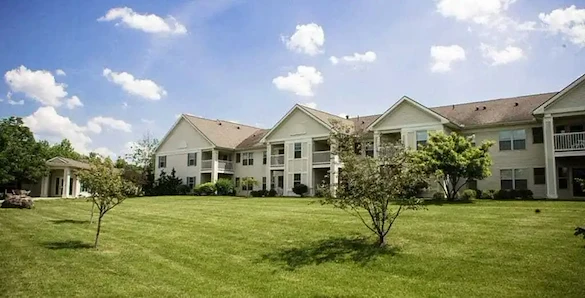
The Landing of Brighton
1350 Westfall Rd Rochester, NY 14618
Assisted LivingMemory Care
Cost of Assisted Living in New York
Several factors influence the cost of assisted living in New York. Location plays a major role, with urban communities generally costing more than rural or suburban areas. The level of care needed also affects pricing—seniors requiring more intensive medical or personal assistance typically pay higher fees. Additionally, communities that provide luxury amenities such as fitness centers, social programs, transportation services, and specialized memory care tend to have higher monthly rates.
To help families manage the financial burden, New York offers several assistance programs. The state’s Medicaid Assisted Living Program (ALP) helps eligible individuals cover personal care services, though room and board costs are not covered and may require supplemental income support such as Supplemental Security Income (SSI). Veterans and their spouses can also access Aid and Attendance benefits, which may help offset assisted living expenses. Furthermore, seniors with long-term care insurance may find that their policies cover part of the cost, depending on the terms.
Understanding the full range of costs and available financial assistance is essential for families planning senior care in New York. Consulting with financial advisors or elder law professionals can provide additional guidance to ensure that loved ones receive quality care without unexpected financial strain.
What to Know About Assisted Living in New York
Assisted living in New York typically costs several thousand dollars per month, and pricing can vary widely depending on location, apartment size, and the level of care needed. Communities in high-demand areas—especially near New York City and surrounding suburbs—often have higher monthly rates than upstate regions.
Costs may increase if a resident needs extra support such as medication management, mobility assistance, or help with bathing and dressing. Comparing communities in your preferred region is the best way to find accurate pricing.
Seniors in New York may be eligible for assisted living if they need help with daily activities but do not require full-time skilled nursing care. Assisted living can be a good fit for older adults who need support with:
-
Bathing, dressing, or grooming
-
Medication reminders or medication management
-
Mobility support and fall prevention
-
Meals, housekeeping, and laundry
-
Transportation and day-to-day routines
Most assisted living communities complete a care assessment to confirm that a resident’s needs can be safely supported.
Medicare typically does not cover assisted living in New York because assisted living is considered housing and personal care, not medical treatment. However, Medicare may still help cover healthcare services a resident receives separately, such as doctor visits, prescriptions, hospital care, or outpatient therapy—depending on their plan.
Families often explore other options such as private pay, long-term care insurance, veteran benefits (if eligible), or Medicaid-related programs.
Assisted living in New York provides a residential setting where seniors can maintain independence while receiving support for daily living needs. Most communities offer private living spaces along with services like meals, housekeeping, activities, transportation, and personal care assistance.
Care is typically customized based on the resident’s needs, and support can increase over time as needs change. Many families choose assisted living for the balance of safety, support, and lifestyle.
Independent Living in New York
Independent living is a senior living option designed for older adults who are generally active, healthy, and capable of managing their daily routines without the need for personal care or medical assistance. In New York, independent living communities offer a vibrant lifestyle that combines private apartment-style residences with convenient services and enriching amenities. These communities are ideal for retirees who want to simplify their lives—no more worrying about home maintenance, yard work, or property taxes—while staying socially engaged and enjoying their independence.
Seniors in New York can find independent living options that suit a variety of budgets and preferences. From upscale residences in Manhattan to more budget-friendly communities in upstate regions like Syracuse, Albany, and the Finger Lakes, retirees have access to diverse living environments. Many communities offer amenities such as fitness centers, on-site dining, scheduled transportation, housekeeping, and engaging social activities. Some also feature libraries, walking trails, and cultural programming that reflects New York’s rich history and diversity.
New York's appeal as a retirement destination stems in part from its natural beauty and cultural richness. Active seniors can enjoy year-round outdoor recreation, from scenic hikes in the Adirondacks to strolls along the Hudson River. Urban centers like New York City offer world-class museums, theater, and dining, while smaller towns provide a quieter, more relaxed pace of life. Communities like Ithaca, Saratoga Springs, and Rochester are often praised for their senior-friendly amenities, accessible healthcare, and active adult populations.
Climate also plays a role in the retirement decision. While winters in New York can be cold and snowy, many independent living communities are designed with indoor conveniences and social programming that keep residents connected and active year-round. In return, residents get to enjoy the beauty of all four seasons—including the stunning fall foliage and pleasant summer temperatures.
For seniors seeking a lifestyle that prioritizes freedom, community, and convenience, independent living in New York offers a compelling balance of autonomy and support. Whether in a bustling city or a tranquil rural town, these communities provide the opportunity to thrive in retirement while enjoying the best that New York has to offer.
Best Independent Living Communities in New York
View All Providers-
4.5Verified
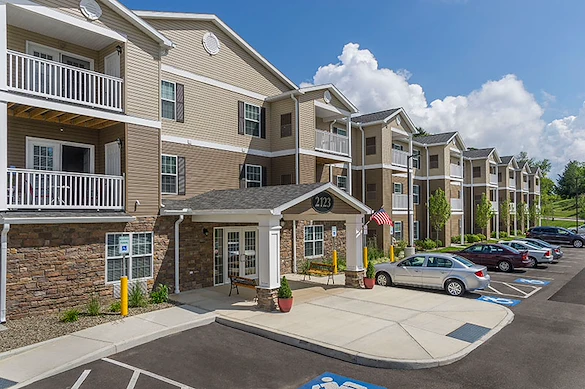
Connect55+ Lakewood
2123 Southwestern Drive Lakewood, NY 14750
Active Adult LivingIndependent Living -
3.9Verified
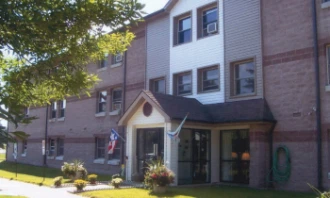
Chautauqua Colony
2109 Southwestern Drive Lakewood, NY 14750
Independent LivingLow Income / Affordable -

Cost of Independent Living in New York
Several key factors influence pricing. Location plays a major role: communities in high-cost urban or suburban areas charge more than those in rural regions. The size and style of the apartment, from studios to two-bedroom units, affects pricing. More luxurious or resort-style communities that offer spa services, golf courses, concierge offerings, or arts programs command higher rates. Communities offering on-site assisted living access or add-on optional care may also raise monthly fees.
Independent living, by definition, does not include medical care. This means it typically does not qualify for Medicaid or similar state aid unless combined with other waiver or benefit programs. However, residents might tap into long-term care insurance, part-time attending physician services, or veteran benefits to help offset costs in some cases. Many seniors also use personal savings, pension income, or sell a home to finance living expenses.
Overall, independent living in New York offers good alignment with national averages, providing a stable blend of autonomy and community-based lifestyle—especially appealing in upstate and suburban markets where costs are competitive and quality of life remains high.
What to Know About Independent Living in New York
The amount of money needed to live alone in New York City depends on housing costs, healthcare expenses, transportation, and lifestyle. NYC is one of the most expensive places in the country, so many seniors factor in monthly rent or housing fees, utilities, groceries, and medical costs when creating a retirement budget.
For seniors considering independent living communities in NYC, total monthly costs may also include services like dining, housekeeping, and transportation, depending on what’s included.
Independent living is best for seniors who can live safely on their own without daily hands-on help for personal care. Most residents choose independent living because they want:
-
A maintenance-free lifestyle
-
A senior-friendly community setting
-
Social activities and community events
-
Optional conveniences like dining and transportation
Eligibility varies by community, but independent living is usually a fit for seniors who don’t need regular assistance with bathing, dressing, or medication management.
A 55+ community is typically age-restricted housing that may offer a senior-friendly environment but does not necessarily include services like meals, housekeeping, or planned activities.
Independent living is a type of senior living community that often includes lifestyle services such as maintenance, dining options, social programming, and transportation, designed specifically for older adults who want convenience and community.
Living independently generally means a person can manage daily life without needing routine assistance for personal care or safety. This may include being able to:
-
Prepare meals or manage dining routines
-
Maintain basic personal hygiene
-
Move around safely
-
Handle medications independently (or with reminders)
-
Manage daily tasks like housekeeping and transportation
Independent living can still include support services—just not full-time personal care or medical supervision.
Home Care in New York
Non‑medical home care in New York supports seniors who wish to stay safely in their homes with help for everyday activities. This form of care focuses on assistance with tasks like bathing, dressing, meal preparation, light housekeeping, transportation, and companionship. Caregivers also provide medication reminders and friendly conversation—even if they do not deliver clinical services—which helps older adults maintain independence and reduce feelings of isolation.
Licensed home care agencies in New York are regulated by the New York State Department of Health (NYSDOH) under Article 36 of the Public Health Law. Agencies must hold a Licensed Home Care Services Agency (LHCSA) license and meet strict standards, including proof of financial stability, qualified administrators, and compliance with safety and care protocols documented in their agency application. Staff must pass criminal background checks, complete required training (40 hours for personal care aides, 75 hours for home health aides), and be listed on the Home Care Worker Registry. Advanced tasks, such as medication administration, can only be performed by certified Advanced Home Health Aides (AHHAs) under RN supervision.
Demand for home care in New York is high—especially in urban and downstate areas where many seniors and families prefer aging in place. County Offices for the Aging, local Medicaid-managed care plans, and state programs like EISEP (Expanded In-Home Services for the Elderly) help connect eligible seniors to personal care support . While home care remains more limited in rural upstate areas due to provider shortages, urban and suburban communities typically have multiple licensed agencies to choose from and offer a range of scheduling options—from hourly visits to live-in care.
When evaluating home care providers, families should look for agency compliance and oversight, caregiver training credentials, and clear policies on care plans and billing. Confirm that caregivers are listed on the state registry, agency inspections are up-to-date, and grievance procedures are transparent. Agencies with strong reputation and adherence to NYSDOH rules tend to provide greater consistency and better communication.
Overall, non-medical home care in New York offers a flexible, respectful way for seniors to remain comfortable at home. With licensed agencies, trained caregivers, and state programs to support access, these services help families maintain dignity, independence, and peace of mind for loved ones choosing to age in familiar surroundings.
Best Home Care Agencies in New York
View All Providers-
5.0Verified
Seniors Helping Seniors South Rochester
21 Goodway Dr Rochester, NY 14623
Home Care (Non-Medical) -
5.0Verified
ComForCare - Eastern Rochester
3380 Monroe Avenue Rochester, NY 14618
Home Care (Non-Medical) -
5.0Verified
Griswold Care Pairing for Greater Rochester, NY
550 Latona Road Rochester, NY 14626
Home Care (Non-Medical)


Cost of Home Care Non-Medical in New York
Several factors influence the overall cost of non-medical home care. One of the primary considerations is the number of care hours required. Families may need anything from a few hours per week to full-time, 24-hour care, with costs increasing accordingly. Additionally, the choice between hiring a caregiver through an agency or directly as a private caregiver plays a significant role. Agency caregivers usually charge higher rates because agencies handle caregiver vetting, training, insurance, and scheduling, offering families more peace of mind and professional oversight. On the other hand, private caregivers may charge less per hour, but families must take on responsibilities such as background checks, payroll management, and liability concerns.
Financial assistance can help offset the cost of home care for eligible individuals. New York’s Medicaid program offers home care coverage through various waivers, including the Consumer Directed Personal Assistance Program (CDPAP), which allows participants to hire family members or friends as caregivers. Eligibility for Medicaid is based on income and asset limits, typically requiring a monthly income below approximately $1,800 and limited savings. Many seniors also rely on long-term care insurance policies, which can cover some or all non-medical home care expenses depending on the policy terms. Additionally, state-funded programs and veteran benefits may provide supplemental financial support.
By understanding regional price differences, care needs, and financial aid options, families in New York can make well-informed decisions to secure affordable, quality non-medical home care that supports their loved ones’ safety and independence at home.
What to Know About Non Medical Home Care in New York
Yes, in some cases, a family member may be able to get paid as a caregiver in New York through certain programs, depending on eligibility. Approval often depends on the care recipient’s needs, income qualifications, and program availability.
Because caregiver rules vary by program and situation, families often explore options early and confirm what services and compensation may be available.
In-home care in New York is often priced hourly, and rates vary depending on location, care needs, and scheduling. In general, hourly costs tend to be higher in New York City and surrounding areas compared to many upstate regions.
Rates can also increase for overnight care, weekend coverage, or more specialized support. Comparing providers is the best way to find a realistic estimate for your needs.
Non-medical home care supports daily living needs, while home health care provides medical services.
Non-medical home care may include:
-
Companionship
-
Meal prep and housekeeping
-
Transportation and errands
-
Help with bathing and dressing (depending on care needs)
Home health care includes skilled services like:
-
Nursing care
-
Therapy services
-
Wound care and medical monitoring
Families often choose non-medical home care for everyday support and home health care for medical recovery or clinical needs.
Medicare may cover certain home health care services in New York when medically necessary, such as skilled nursing or therapy services ordered by a healthcare provider. However, Medicare typically does not cover long-term non-medical care like housekeeping, cooking, or full-time personal caregiving.
Coverage depends on medical need and eligibility requirements, so it’s helpful to confirm what services apply to your situation.
Long-Term Care/Skilled Nursing in New York
Skilled nursing facilities (SNFs) in New York provide around-the-clock medical care and support for seniors with chronic conditions, disabilities, or those recovering from surgery. These facilities offer a broad range of services, including help with daily living activities like bathing, dressing, and eating, ensuring residents maintain comfort and dignity while receiving professional care.
New York SNFs deliver comprehensive medical care tailored to residents’ needs. This includes short-term rehabilitation such as physical, occupational, and speech therapy to help residents regain independence after an illness or injury. Skilled nursing homes also provide ongoing medical treatments like wound care, intravenous therapy, and management of complex conditions. This combination of nursing care and rehabilitative services supports recovery and helps maintain health.
Many facilities offer specialized units focused on memory care for residents with Alzheimer’s disease or other forms of dementia. These units provide a secure environment with structured routines and cognitive engagement activities designed to enhance quality of life and safety. Staff are trained to address the unique needs of individuals with memory impairments, offering personalized care plans that prioritize comfort and emotional support.
New York enforces strict regulations to ensure high-quality care in skilled nursing facilities. The state requires minimum staffing levels to guarantee adequate care, typically at least 3.5 hours of direct care per resident daily, delivered by certified nursing aides and licensed nurses. Facilities must comply with safety, hygiene, and care standards detailed in New York Codes, Rules, and Regulations, safeguarding residents' rights and well-being.
Families researching nursing homes should consider factors like staff qualifications, resident-to-staff ratios, quality ratings, and available services. The New York State Department of Health provides resources and inspection reports that help families assess facility performance. Visiting communities and speaking with staff and residents can also offer valuable insight to ensure a good fit for your loved one’s needs.
Best Nursing Homes and Skilled Nursing Facilities in New York
View All Providers-
1.0Verified
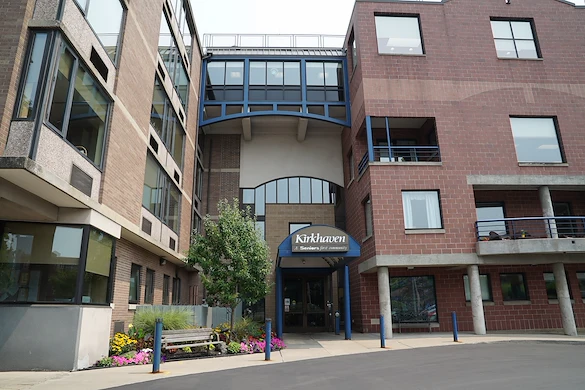
Kirkhaven
254 Alexander Street Rochester, NY 14607
Long-Term Care / Skilled NursingSkilled Rehabilitation -
4.0Verified
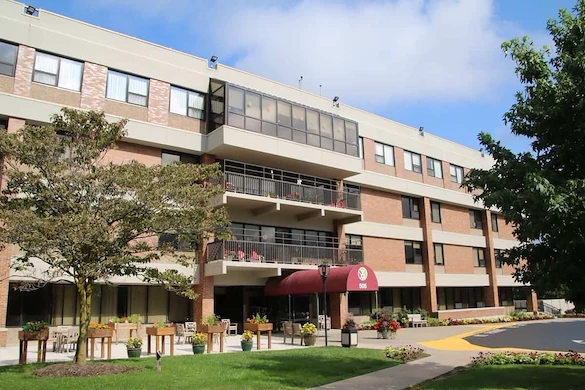
The Episcopal Church Home, Center for Rehabilitation
505 Mount Hope Avenue Rochester, NY 14620
Memory CareLong-Term Care / Skilled NursingSkilled Rehabilitation -
1.0Verified
St.John's Home
150 Highland Avenue Rochester, NY 14620
Long-Term Care / Skilled NursingSkilled RehabilitationAdult Day ServicesRespite Care
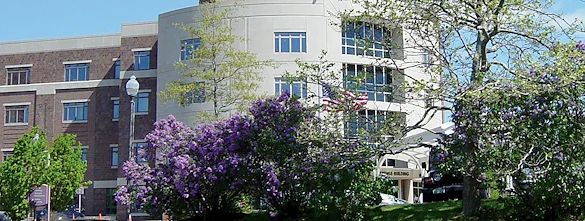
Cost of Nursing Homes in New York
Several elements contribute to the variation in nursing home costs. Facilities offering specialized services, such as post-surgical recovery or memory care, often charge higher rates due to the increased level of care required. Well-established facilities with high staff-to-resident ratios, modern amenities, and a strong reputation for quality care may command premium prices. Additionally, private rooms generally cost more than semi-private rooms, reflecting the added privacy and space they provide.
Several financial assistance programs can help offset the cost of skilled nursing care. Medicare covers up to 100 days of skilled nursing care following a qualifying hospital stay, but only for specific conditions and under certain circumstances. Medicaid provides long-term care coverage for eligible individuals with limited income and assets; however, Medicaid reimbursement rates are often lower than private pay rates, which can affect the quality of care and staffing levels in facilities. Additionally, long-term care insurance policies may cover a portion of nursing home costs, depending on the plan's terms and conditions.
It’s essential for families to research and plan ahead, considering both the financial aspects and the quality of care, when selecting a skilled nursing facility in New York.
What to Know About Nursing Homes in New York
The average cost of a nursing home in California is typically one of the highest levels of senior care, often ranging from several thousand to well over $10,000 per month, depending on the city and the level of support needed.
Nursing homes (also called skilled nursing facilities) provide 24/7 medical care, which is why the cost is higher than options like assisted living or home care. Pricing can also differ based on whether someone needs a semi-private room or private room, and how complex their care needs are.
Medicare may cover nursing home care in New York only in specific situations, usually for short-term skilled nursing care after a qualifying hospital stay. This may include rehabilitation services such as physical therapy or skilled nursing during recovery.
Medicare typically does not cover long-term nursing home stays for ongoing custodial care needs.
Social Security does not directly pay for nursing home care, but a person’s Social Security income may be used toward monthly nursing home costs. Many families combine income sources such as Social Security, pensions, and savings to help pay for care.
For long-term nursing home care, some individuals may qualify for Medicaid based on financial and care requirements.
The cost per day of a nursing home stay in New York can vary significantly based on the facility, region, and room type. In higher-cost areas, daily rates can be very expensive—especially for private rooms or more complex care needs.
Because pricing varies so much, it’s best to compare nursing homes in your preferred location and ask for a full breakdown of what’s included in the daily rate.
Finding the Right Senior Care in New York
Navigating senior living and care options in New York can feel overwhelming, but having clear, reliable information helps make the process much more manageable. Whether you're exploring assisted living, comparing independent living communities, researching home care services, or planning for long-term skilled nursing, New York offers a wide range of solutions designed to support safety, comfort, and quality of life.
From vibrant city neighborhoods to peaceful upstate towns, families can find environments that match different lifestyles, care needs, and financial goals. New York’s strong healthcare network, comprehensive state regulations, and numerous support programs—including Medicaid waivers and community-based aging services—give seniors and families confidence as they evaluate their options.
As you begin your search, remember that every senior’s needs are unique. Use this guide as a starting point, then take time to explore local providers, review state inspection reports, and speak directly with care teams to understand which setting feels like the best fit. The right choice should offer peace of mind for everyone involved.
Below are answers to the most common questions families ask when researching senior living and senior care in New York.
Frequently Asked Questions About Senior Living in New York
Eligibility for senior housing in NYC depends on the type of housing program or community. Many senior housing options require residents to meet an age minimum (often 62+), and some may also include income requirements—especially for affordable or subsidized senior housing.
Since eligibility rules vary widely, it helps to confirm age and income guidelines for the specific building or housing program.
Senior living in NYC can be expensive due to high housing costs and demand. Monthly pricing depends on the type of senior living—such as independent living, assisted living, or memory care—and whether personal care services are included.
Many communities also differ in what’s included (meals, housekeeping, transportation), so comparing options is the best way to find the right fit for your budget and needs.
The cheapest way for a senior to live depends on health needs, housing situation, and support systems. Lower-cost options may include:
-
Staying at home with limited paid support
-
Living with family or sharing housing
-
Exploring income-based senior housing
-
Using community services like meal programs and transportation help
However, affordability should always be balanced with safety, especially for seniors who need supervision or daily support.
Wait times for senior housing in NYC can vary widely depending on the program, neighborhood, eligibility, and demand. Some housing options may have long waiting lists, especially for affordable senior housing.
If you’re exploring senior housing, it’s helpful to apply early, explore multiple options, and consider nearby areas to improve availability.
Frequently Asked Questions About Senior Care in New York
New York offers a range of services and support options for seniors and caregivers. Depending on needs and eligibility, assistance may include:
-
In-home care support and personal care services
-
Adult day programs and social support services
-
Transportation assistance
-
Meal programs and nutrition support
-
Assisted living, memory care, and nursing home options
-
Caregiver resources and respite support
The best services depend on medical needs, daily support requirements, and budget.
Some family caregivers in New York may be able to get paid for caring for an elderly parent through eligible programs, depending on the senior’s care needs and financial qualification. Requirements can vary, and some programs may require assessments or enrollment steps before payment is approved.
If you’re already providing care at home, it may be worth exploring available caregiver support options.
The term “New York State Senior Care Program” can refer to different services or local support programs designed to help older adults stay safe and supported. New York offers several senior assistance options, including programs focused on in-home care, aging services, and caregiver resources.
Because the name can be used in different ways, it’s helpful to confirm which program is being referenced and what eligibility requirements apply.
Senior day care (often called adult day care or adult day health care) near New York, NY can vary in price depending on services offered, hours of attendance, and whether health monitoring or transportation is included. Costs are often higher in NYC than surrounding regions due to general cost-of-living differences.
Comparing local programs can help families find the best fit based on budget and care needs.