
Senior Living Facts for Montana
Montana offers a unique blend of natural beauty, small-town charm, and quality healthcare that makes it an appealing place for seniors and families alike. Known for its wide-open spaces, clean air, and stunning mountain landscapes, the state provides an ideal environment for older adults seeking peace, tranquility, and an active lifestyle. The climate features four distinct seasons, allowing residents to enjoy outdoor activities year-round, from hiking and fishing in the summer to snowshoeing and skiing in the winter. This connection to nature contributes significantly to the overall well-being and quality of life for seniors in Montana.
Fast Facts
Senior Living & Care in Montana
| #45 | most populated state in the U.S. |
| $4,800 | average monthly assisted living cost in Montana |
| 500+ | assisted living communities and care providers across Montana |
| 220K+ | individuals age 65+ in Montana |
The cost of living in Montana tends to be more affordable compared to many other states, especially in rural areas, which makes it attractive for retirees on fixed incomes. Urban centers such as Billings, Missoula, and Bozeman offer a wider range of amenities, cultural events, and senior-focused services, while smaller towns provide close-knit communities where neighbors know and support one another. Healthcare access is solid throughout the state, with reputable hospitals and specialized care facilities equipped to meet the needs of older adults. Many communities also offer senior centers, wellness programs, and support services designed to promote independence and social engagement.
Montana’s senior-friendly communities prioritize safety, comfort, and convenience, with options ranging from independent living to assisted living and memory care. Social opportunities abound, helping seniors stay active and connected with peers. Whether it’s through local clubs, volunteer opportunities, or community events, seniors in Montana can enjoy a rich, fulfilling lifestyle that balances relaxation with engagement
For families exploring senior care options in Montana, understanding the local landscape—from housing choices and healthcare availability to recreational opportunities—can provide peace of mind and help ensure their loved ones receive compassionate, high-quality care in a welcoming setting.
This warm and inviting atmosphere makes Montana a great choice for seniors and their families seeking a place to call home.
With its favorable climate, reasonable cost of living, excellent healthcare, and vibrant communities, Montana stands out as a premier destination for seniors looking to enjoy a fulfilling, healthy, and engaged retirement.
Top Cities for Senior Living and Care in Montana
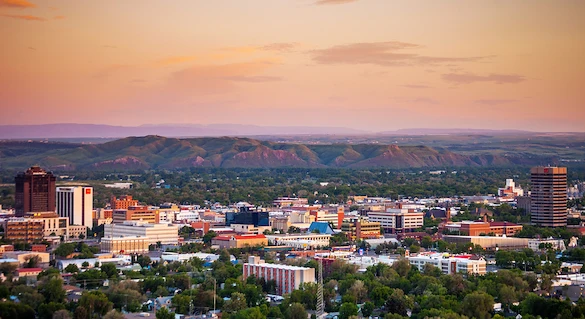
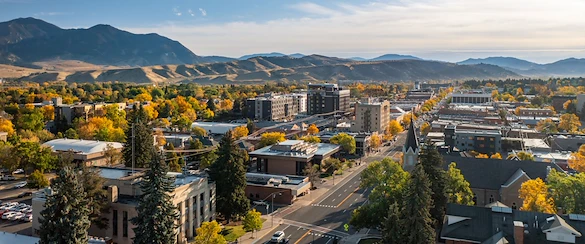
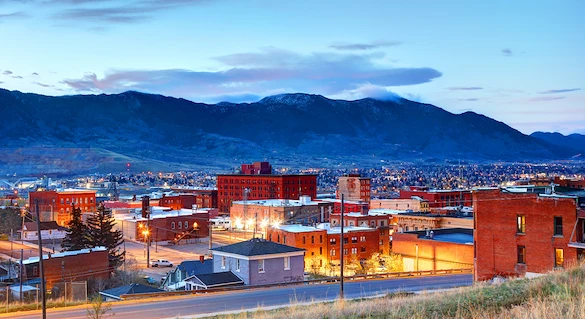
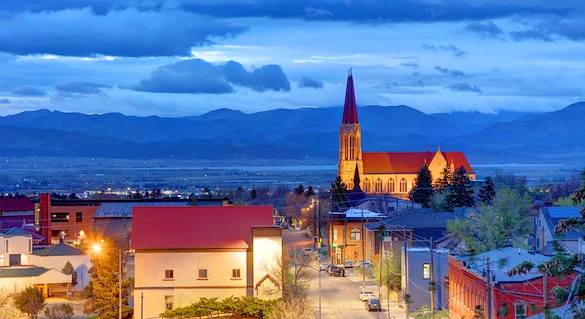
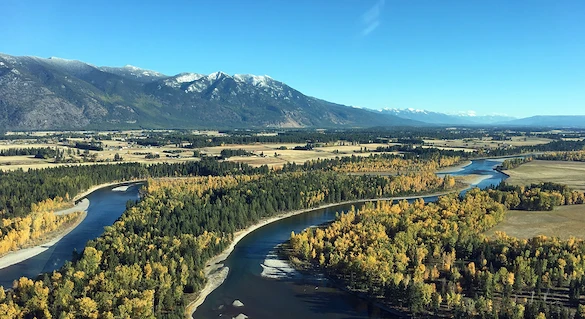
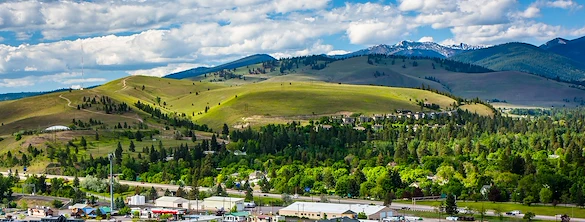



Assisted Living in Montana
Assisted living in Montana offers a supportive and compassionate environment designed to help seniors maintain their independence while receiving assistance with daily activities. This level of care is ideal for older adults who need help with tasks such as bathing, dressing, medication management, and meal preparation, but do not require the intensive medical care provided in nursing homes. Assisted living communities in Montana also focus on promoting social engagement and wellness, offering residents opportunities to participate in group activities, exercise programs, and community events that enhance quality of life.
Montana regulates assisted living facilities under the Department of Public Health and Human Services, which requires providers to obtain a license to operate. These regulations ensure that communities meet health and safety standards, maintain adequate staffing, and provide appropriate care services. Assisted living providers must comply with state rules concerning staff training, resident rights, and individualized care planning. Montana’s licensing standards also require regular inspections to maintain quality and accountability, giving families confidence in the safety and reliability of local communities.
Assisted living options in Montana vary widely, from luxury communities with upscale amenities and private apartments to budget-friendly settings focused on affordability and essential care. Many facilities offer specialized memory care units tailored for residents with Alzheimer’s disease or other forms of dementia, featuring secured environments and specially trained staff. When evaluating assisted living communities in Montana, families should consider factors such as the level of care offered, staff qualifications, available services, location, and cost. Visiting communities, reviewing state inspection reports, and speaking with current residents or families can provide valuable insights.
Overall, Montana’s assisted living communities aim to balance independence with compassionate support, helping seniors thrive in a comfortable and caring setting. This approach makes assisted living a popular choice for families seeking personalized care solutions that respect their loved one’s dignity and promote a fulfilling lifestyle.
Top Assisted Living Communities in Montana
View All Providers-
4.6Premium
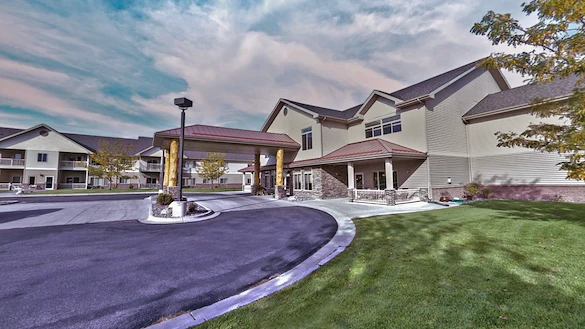
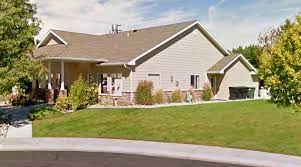
Primrose Retirement Community of Billings
3140 Sweet Water Drive Billings, MT 59102
Independent LivingAssisted Living -
-
Cost of Assisted Living in Montana
Costs can differ significantly across the state depending on the region. In urban centers like Billings, the average monthly cost tends to be higher, around $6,204, reflecting increased demand and a wider range of amenities available in metropolitan areas. Conversely, smaller cities such as Great Falls offer more affordable options, with average monthly costs near $3,200, providing budget-friendly alternatives for families.
Several factors contribute to the variation in assisted living costs in Montana. Location plays a key role, with urban areas typically experiencing higher costs due to demand and operational expenses. Amenities and services offered by the facility also influence pricing—communities with specialized services such as memory care, on-site therapy, or luxury accommodations generally charge more. Additionally, the level of care required affects costs, as residents needing more intensive medical or personal assistance will see higher fees. Lastly, facilities with a strong reputation for quality care often command premium pricing.
To help offset these costs, Montana offers several financial assistance options. Medicaid long-term care programs, such as the Big Sky Waiver, provide support for eligible seniors to receive care in assisted living settings, although Medicaid usually does not cover room and board fees. Veterans and their spouses may qualify for the Aid and Attendance pension, which can help reduce assisted living expenses. Furthermore, various state-specific aid programs assist seniors with healthcare, housing, and related costs.
Families exploring assisted living options in Montana are encouraged to carefully research local facilities, compare costs, and explore financial assistance programs. This approach ensures they find the best fit for their loved one’s care needs and budget, helping bring clarity and peace of mind during a significant transition.
What to Know About Assisted Living in Montana
The median monthly cost of assisted living in Montana is about $6,134 per month.
No—Medicare does not pay for assisted living (room, board, or custodial personal care). Medicare generally covers medically necessary services (like hospital care and limited skilled care), not long-term assisted living costs.
Montana Medicaid can help eligible seniors through long-term care programs and waivers. In many cases, Medicaid support focuses on care services, while room and board are usually paid separately—so it’s important to ask each community what Medicaid-funded services they support and what costs remain private pay.
Assisted living is usually cheaper than a nursing home because nursing homes provide 24/7 skilled medical care. In Montana, nursing home median costs are higher than assisted living.
Independent Living in Montana
Independent living communities in Montana offer seniors a lifestyle focused on freedom, convenience, and social engagement, making them an excellent option for those who want to maintain their independence while enjoying supportive amenities. These communities provide maintenance-free housing, which means residents can live comfortably without worrying about chores like yard work, home repairs, or housekeeping. This allows seniors to focus more on hobbies, social activities, and spending time with friends and family.
Montana’s independent living options often include access to a variety of amenities such as fitness centers, dining facilities, transportation services, and organized social events. These features help foster a vibrant community atmosphere, encouraging active seniors to stay engaged and connected. Independent living communities also provide opportunities for residents to participate in group outings, educational programs, and wellness activities that promote physical and mental well-being.
Montana is particularly appealing to retirees and older adults due to its natural beauty and quality of life. Cities like Bozeman, Missoula, and Billings are popular retirement destinations, offering a blend of cultural activities, access to nature, and a welcoming environment for seniors. The state’s four distinct seasons provide outdoor enthusiasts with opportunities for hiking, fishing, skiing, and other recreational activities year-round. The climate is generally moderate compared to many northern states, with cold winters balanced by pleasant summers, which can be ideal for seniors who enjoy seasonal variety.
The cost of living in Montana tends to be reasonable, making independent living more accessible compared to many coastal areas. Additionally, Montana offers access to quality healthcare facilities, which is a crucial factor for seniors considering their living options. Independent living communities in Montana cater to those who desire a balanced lifestyle with both privacy and community support, making them a great choice for active seniors looking to enjoy their retirement years fully.
Top Independent Living Communities in Montana
View All Providers-
4.6Premium
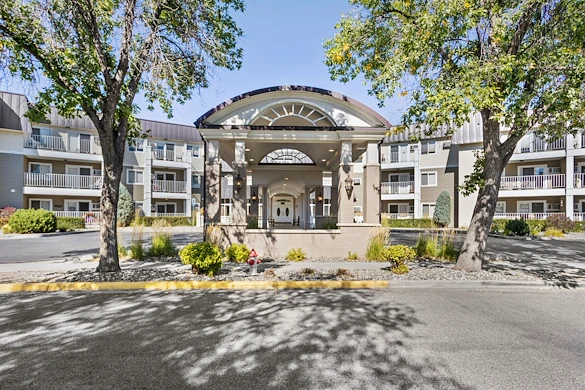
Primrose Retirement Community of Billings
3140 Sweet Water Drive Billings, MT 59102
Independent LivingAssisted Living -
-
4.7Verified
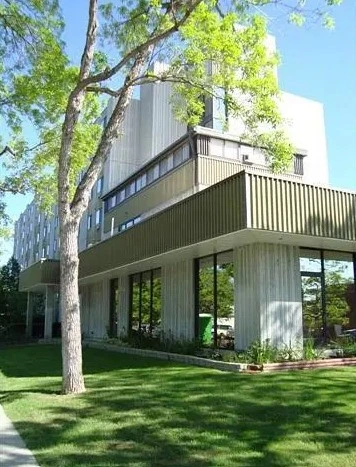
Westpark Village
2351 Solomon Ave Billings, MT 59102
Independent LivingAssisted LivingMemory CareRespite Care
Cost of Independent Living in Montana
Independent living communities typically include maintenance-free housing, housekeeping, meal plans, transportation, and access to social activities, all of which influence the overall cost. Pricing is affected by factors such as the community’s location, the size of housing units, available amenities, and the level of personalized services offered to residents.
While Medicare and Medicaid generally do not cover the cost of independent living, seniors may explore other financial resources to help with expenses. Options include private savings, long-term care insurance, and veterans’ benefits. Additionally, some communities provide sliding scale fees or financial assistance programs designed to make independent living more affordable and accessible.
In summary, Montana offers a variety of independent living options suited to different budgets and preferences. Prospective residents and their families are encouraged to research specific communities thoroughly to find the best fit for their needs and financial situations.
What to Know About Independent Living in Montana
Independent living is best for seniors (often 55+ or 62+) who can live safely without daily hands-on personal care, but want a maintenance-free lifestyle, meals, and social activities.
Estimates vary by city, but statewide cost-of-living models commonly place Montana around ~$2,074 per month.
No, Medicare typically does not pay for assisted living in Montana because assisted living is considered housing and personal care, not medical treatment. Medicare may still cover certain healthcare services a resident receives separately, such as doctor visits, hospital care, or prescriptions.
Independent living in Montana commonly ranges from about $2,500 to $4,000+ per month, depending on location, apartment type, and amenities.
Home Care in Montana
Non-medical home care plays a vital role in helping seniors maintain their independence and quality of life while staying safely in their own homes. This type of care focuses on providing supportive services that do not involve medical treatments but assist with daily living activities. Common services include personal care such as help with bathing, dressing, grooming, and mobility, companionship to reduce feelings of isolation, and household assistance like meal preparation, light housekeeping, and errands. These services allow seniors to continue enjoying familiar surroundings while receiving the support they need to remain comfortable and secure.
In Montana, non-medical home care agencies must meet specific state licensing and certification requirements to ensure quality and safety. The Montana Department of Public Health and Human Services (DPHHS) oversees the registration of home care agencies and requires them to adhere to state rules concerning caregiver qualifications, background checks, and training standards. Caregivers typically undergo criminal background screening and receive training to provide compassionate, respectful support tailored to seniors’ individual needs.
Montana’s vast geography and rural communities present unique challenges for home care availability. Some areas have limited access to agencies and caregivers, which can impact service options and response times. Despite these challenges, many home care providers strive to deliver personalized care that addresses the distinct needs of Montana’s senior population, whether in more populated cities or remote regions.
For families considering non-medical home care in Montana, understanding the state’s licensing framework and availability factors can help them choose reputable providers. Additionally, programs such as Medicaid’s Home and Community-Based Services (HCBS) offer financial assistance to eligible seniors, making in-home care more affordable. Overall, non-medical home care in Montana provides a valuable resource that supports seniors’ independence, dignity, and well-being in the comfort of their own homes.
Top Home Care in Montana
View All Providers-
4.8Verified
SYNERGY HomeCare of Billings
513 Hilltop, Suite #3 Billings, MT 59105
Home Care (Non-Medical) -
4.7Verified
Cornerstone Caregiving - Billings
2108 Broadwater Ave Ste 100 Billings, MT 59102
Home Care (Non-Medical) -
5.0Verified
Homewatch CareGivers - Billings
111 S 24th St W suite 205 Billings, MT 59102
Home Care (Non-Medical)



Cost of Home Care Non-Medical in Montana
Several key factors influence what families pay. The number of care hours needed is a primary driver—as expectations increase, so does the cost. Whether care is arranged through an agency or with a private caregiver also matters: agencies often charge higher rates because they include insurance, training, and oversight; private hires may be less expensive but usually require families to handle vetting and coordination. Location remains a significant factor—urban centers typically carry higher hourly rates due to labor costs and demand. Specialized service needs, like dementia support or overnight care, may also come at a premium.
Financial assistance is available to help ease the burden for eligible seniors. Montana offers Medicaid’s Home and Community-Based Services (HCBS) waivers, including the Big Sky Waiver and Community First Choice/Personal Assistance Services programs. These can cover personal care, homemaker tasks, and respite services for eligible individuals. Long-term care insurance policies may cover non-medical home care based on policy terms, and Veterans’ Aid & Attendance benefits may assist qualifying veterans or their spouses.
By understanding local rates, weighing provider types, and tapping into available aid programs, families can choose home care arrangements that meet both their loved one’s needs and their budget. With clarity and planning, Montanans can access high-quality, affordable in-home care that supports dignity, independence, and peace of mind.
What to Know About Non Medical Home Care in Montana
A non-medical caregiver provides help with activities of daily living (bathing, dressing, meals, mobility support, companionship, errands) and does not provide skilled medical services like wound care or injections.
Montana supports caregivers through programs and resources such as respite education and support and Medicaid pathways that may allow services to be delivered at home for eligible members.
Non-medical home care helps with daily living and companionship, while home health care provides skilled medical services (nursing, therapy) ordered by a physician.
The three most common categories are non-medical home care, home health care, and hospice care.
Long-Term Care/Skilled Nursing in Montana
Long-term care in skilled nursing facilities in Montana provides essential support for seniors and individuals with chronic illnesses or disabilities who require round-the-clock medical supervision and assistance. These facilities offer a range of medical services, including skilled nursing care, rehabilitation therapies such as physical, occupational, and speech therapy, and specialized care for conditions like memory loss and post-surgical recovery. Skilled nursing homes in Montana are designed to help residents maintain the highest possible quality of life while addressing their complex healthcare needs.
Montana’s skilled nursing facilities are regulated by the Montana Department of Public Health and Human Services (DPHHS), which enforces licensing requirements and regularly inspects facilities to ensure compliance with state and federal quality standards. This includes adherence to safety protocols, staff qualifications, resident rights, and proper care documentation. Families can access inspection reports and ratings through the Centers for Medicare & Medicaid Services (CMS) Nursing Home Compare website, helping them make informed decisions based on quality, staffing levels, and resident satisfaction.
Montana’s rural geography can influence access to skilled nursing care, with larger cities like Billings, Missoula, and Bozeman offering more facility options compared to remote areas. Families should consider proximity, facility reputation, available specialized services, and the individual’s specific health needs when evaluating nursing homes. Visiting facilities in person, speaking with staff, and reading resident reviews can provide valuable insights.
Many skilled nursing homes in Montana also offer memory care units designed specifically for residents with Alzheimer’s or other dementias. These units provide a secure environment with trained staff focused on managing cognitive symptoms and promoting comfort and safety.
Overall, skilled nursing facilities in Montana aim to provide compassionate, professional care that supports recovery, independence, and dignity. With state oversight and accessible quality information, families can confidently choose the best long-term care setting to meet their loved one’s unique needs.
Top Long-Term Care/Skilled Nursing in Montana
View All Providers-
1.0Verified
Billings Rehab & Nursing
600 S 27th St Billings, MT 59101
Long-Term Care / Skilled NursingSkilled Rehabilitation -
1.0Verified
Yellowstone River Nursing And Rehabilitation
2115 Central Ave Billings, MT 59102
Memory CareLong-Term Care / Skilled NursingSkilled Rehabilitation -
2.0Verified
River Ridge Rehabilitation And Nursing LLC
1415 Yellowstone River Rd Billings, MT 59105
Long-Term Care / Skilled NursingSkilled Rehabilitation
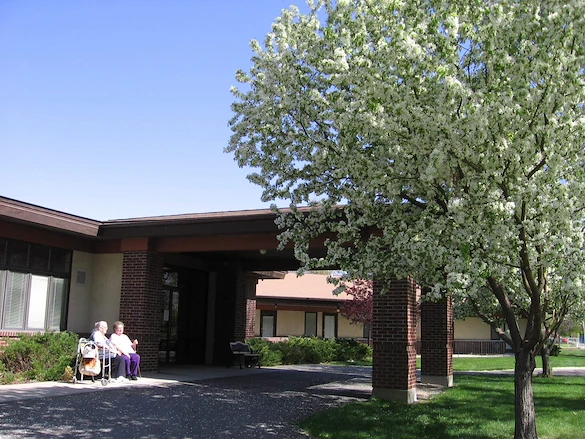
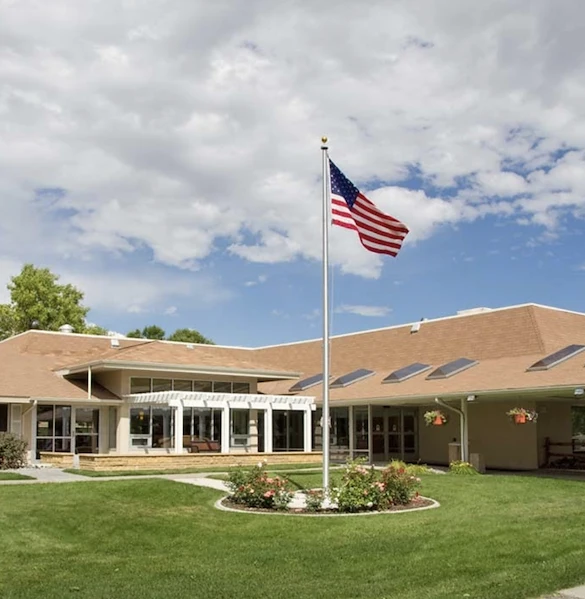
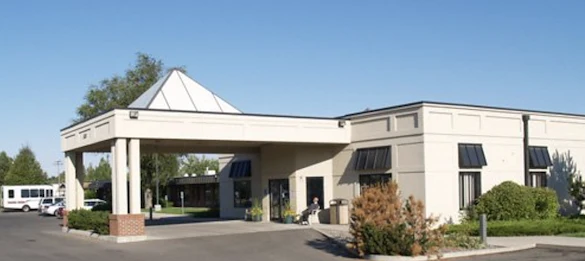
Cost of Nursing Homes in Montana
Several factors influence skilled nursing costs. The required level of medical care—or acuity—significantly affects pricing, as individuals needing intensive rehabilitation, memory support, or specialized nursing incur higher expenses. Facilities offering enhanced amenities—such as private rooms, planned social activities, recreational programs, and robust staffing—often charge more. Reputation and quality standards, including strong nurse-to-resident ratios and facility accreditation, may also drive up costs.
Financial assistance options are available to help offset these expenses. For short-term stays after hospitalization, Medicare Part A covers up to 20 days at full cost, and partially covers an additional 80 days when medically necessary. For longer-term needs, Montana Medicaid (MO HealthNet) typically covers skilled care for eligible individuals, with semi-private rooms often included. Additional funding can come from private long-term care insurance and veterans’ Aid & Attendance benefits, which can alleviate expenses related to higher-level care or premium amenities.
When considering options, families should compare room types, daily rates, and included services. Asking providers about staffing levels during peak and off-peak hours can offer insight into care quality. With mindfulness toward room preferences, regional pricing trends, and support programs, families in Montana can make informed, confident choices about skilled nursing care that align with their loved one’s health needs and financial situation.
What to Know About Nursing Homes in Montana
The median monthly cost in Montana is about $9,064/month for a semi-private room and $9,429/month for a private room.
Montana has experienced nursing facility closures tied to staffing shortages, high vacancy/low occupancy, and financial strain, including concerns about Medicaid reimbursement and compliance pressures.
Medicare may cover short-term skilled nursing facility (SNF) care after a qualifying hospital stay, but it does not cover long-term custodial nursing home care. Medicare SNF coverage is measured in benefit periods, not ongoing monthly payments.
Yes, Montana Medicaid can cover nursing home care for eligible seniors who meet financial requirements and a nursing-facility level of care.
Finding the Right Senior Care in Montana
Navigating senior living and care options in Montana can feel overwhelming, but having the right information makes all the difference. Whether you're researching assisted living, exploring independent living communities, comparing home care services, or planning for long-term skilled nursing, Montana offers a wide range of choices designed to support comfort, safety, and quality of life.
From affordable care options to luxury communities, rural towns to major metro hubs, families can find solutions that meet both personal needs and financial goals. With strong healthcare systems, state oversight, and numerous financial assistance programs, Montana continues to be a trusted place for seniors seeking support and connection.
As you begin the search, remember that every senior’s needs are unique—use this guide as a starting point, and explore local providers, community reviews, and available resources to make the most informed decision possible.
Below are answers to the most common questions families ask when researching senior living and senior care in Montana.
Frequently Asked Questions About Senior Living in Montana
Popular senior-friendly Montana areas often include Billings, Missoula, Great Falls, Bozeman, and Helena for healthcare access and amenities—while smaller towns may offer lower costs
For many families, the lowest-cost option is aging in place with part-time non-medical home care plus community supports, or income-qualified senior housing when available.
No — Medicare does not pay for assisted living in Montana or anywhere else in the United States. Medicare only covers medically necessary services, such as hospital care, short-term rehabilitation, and limited skilled nursing or home health services after a qualifying medical event.
The average cost of assisted living in Montana is around $4,908 per month. Costs can vary widely depending on the city, community amenities, and level of care, ranging from lower in some areas and higher in others.
Frequently Asked Questions About Senior Care in Montana
Montana has strong regional health systems in major hubs, but access can be limited in rural areas—so proximity to hospitals and specialists is an important factor when choosing senior living.
In some situations, Medicaid programs that support home- and community-based services can allow paid caregiver arrangements (including self-directed options) for eligible members, depending on program rules and availability.
No, Medicare does not pay for assisted living in Montana or anywhere else in the United States. Medicare only covers medically necessary services, such as hospital care, short-term rehabilitation, and limited skilled nursing or home health services after a qualifying medical event.
The median hourly rate in Montana is about $40/hour for both homemaker services and a home health aide.