
Senior Living Facts for Kansas
Kansas offers a compelling blend of Midwestern charm, wide-open landscapes, and a relaxed pace of life that makes it an ideal destination for seniors and their families. With its affordable cost of living, mild four-season climate, and strong sense of community, Kansas is an increasingly popular choice for older adults seeking comfort, connection, and convenience. Whether you're exploring senior living in Wichita, independent living near Topeka, or home care in Overland Park, the Sunflower State provides a variety of options to support aging with dignity and ease.
Fast Facts
Senior Living & Care in Kansas
| #34 | most populated state in the U.S. |
| $5,100 | average monthly assisted living cost in Kansas |
| 700+ | assisted living communities and care providers across Kansas |
| 449K+ | adults age 65+ in Kansas |
One of the biggest draws to Kansas is its affordability. Housing costs are consistently lower than the national average, making it easier for seniors to stretch their retirement savings. Daily living expenses—such as groceries, utilities, and healthcare—are also relatively budget-friendly, which helps families plan for the long-term. Kansas is home to senior-friendly cities like Manhattan, Lawrence, and Hutchinson, where residents enjoy safe neighborhoods, walkable downtowns, and welcoming environments for all ages.
Nature lovers will appreciate Kansas’s open skies, scenic byways, and tranquil parks. Whether it’s taking a walk along the Arkansas River Trail in Wichita or birdwatching at Cheyenne Bottoms Wildlife Area, the state offers countless opportunities for fresh air and outdoor recreation. For seniors who enjoy cultural enrichment, Kansas features world-class attractions such as the Spencer Museum of Art, Botanica Wichita Gardens, and a lively schedule of music festivals, local theater, and historical tours.
Healthcare access is another key advantage. Kansas is home to respected medical facilities like The University of Kansas Health System, Stormont Vail Health in Topeka, and Ascension Via Christi in multiple locations, offering peace of mind for families seeking top-tier care. Many communities across the state are designed with seniors in mind, offering independent living, assisted living, memory care, and skilled nursing tailored to individual needs.
Whether you're searching for “assisted living near Kansas City” or “home care in Salina,” Kansas combines affordability, quality care, and heartland hospitality to create a supportive environment for aging well. With its strong sense of community and diverse senior care options, Kansas truly is a place where older adults can thrive and families can feel confident in their care choices.
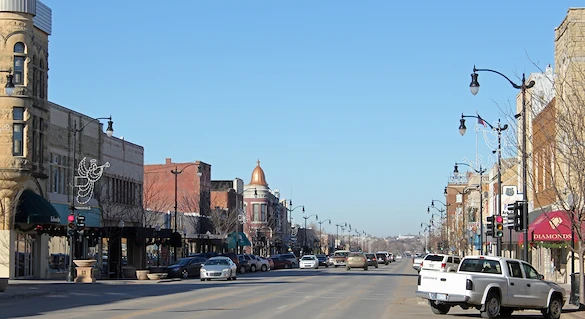
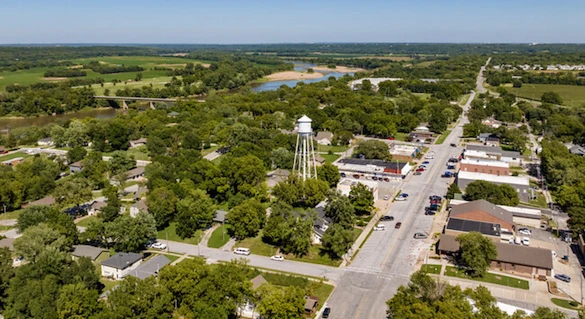
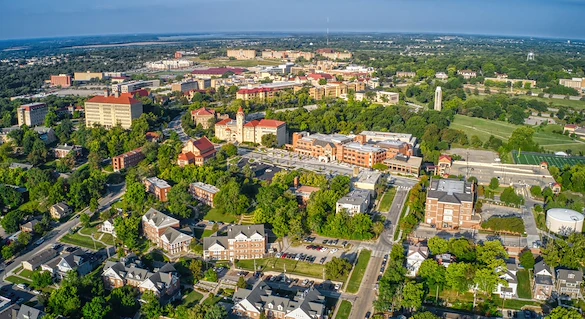
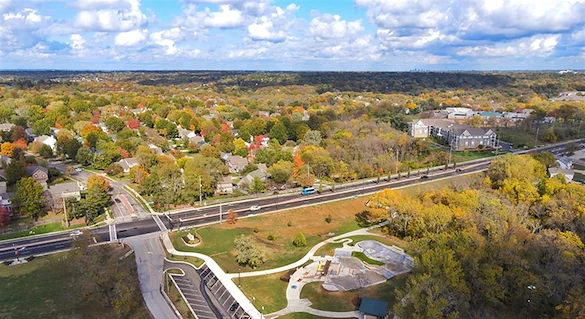
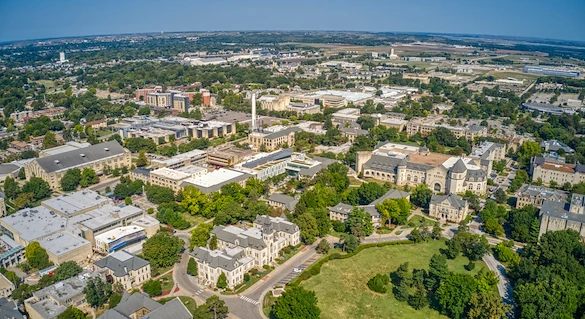
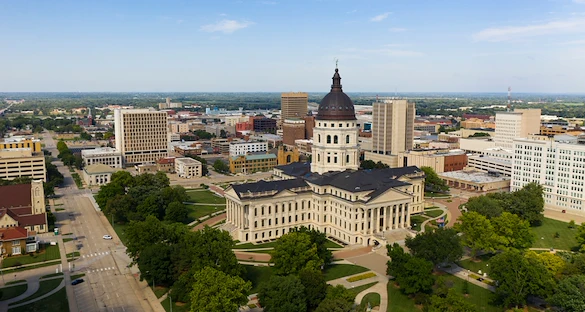
Top Cities for Senior Living and Care in Kansas





Assisted Living in Kansas
Assisted living in Kansas offers a supportive and caring environment designed to help seniors maintain their independence while receiving assistance with daily tasks. This type of senior living community is ideal for older adults who need help with activities such as bathing, dressing, medication management, and mobility, but do not require the intensive medical care provided in nursing homes. Kansas assisted living communities also emphasize social engagement and wellness, offering residents opportunities to participate in group activities, fitness programs, and outings that promote connection and quality of life.
Kansas regulates assisted living facilities through the Kansas Department for Aging and Disability Services (KDADS), which requires facilities to be licensed and to meet specific health and safety standards. These regulations ensure residents receive personalized care from trained staff, including certified nursing assistants and medication aides, while maintaining a safe and comfortable living environment. Additionally, facilities must follow guidelines for emergency preparedness, nutrition, and resident rights, reflecting the state’s commitment to high-quality senior care.
Assisted living options in Kansas vary widely, catering to different needs and budgets. Families can find everything from luxury communities with upscale amenities such as private suites, gourmet dining, and wellness centers, to more affordable, budget-friendly residences that provide essential services in a homelike setting. Many communities also offer specialized memory care programs tailored for residents with Alzheimer’s disease or other forms of dementia, providing secure environments and staff trained in cognitive care.
When evaluating assisted living communities in Kansas, families should consider factors such as location, cost, level of care offered, and available amenities. It is also important to review state inspection reports, visit facilities in person, and speak with staff and current residents to ensure the community aligns with the senior’s health needs and lifestyle preferences. By understanding these key elements, families can make informed decisions that support their loved one’s well-being and independence in the Heartland.
Top Assisted Living Communities in Kansas
View All Providers-
4.4Verified
Oxford Vista Wichita
402 S Martinson St Wichita, KS 67213
Independent LivingAssisted LivingMemory Care -
4.6Verified
Mount St Mary Senior Living
3700 E Lincoln St Wichita, KS 67218
Independent LivingAssisted Living -
4.8Verified
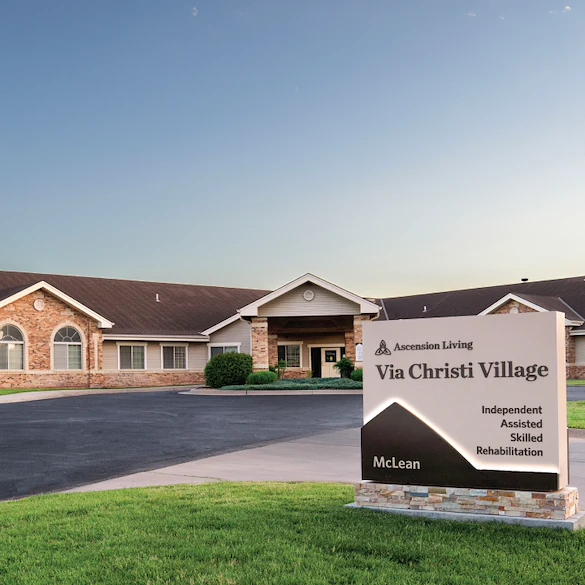
Ascension Living Via Christi Village McLean Senior Living
777 N McLean Blvd Wichita, KS 67203
Independent LivingAssisted Living


Cost of Assisted Living in Kansas
Costs vary significantly across the state. Manhattan tends to be among the more affordable areas, with average monthly costs of about $5,500. Wichita is higher, near $6,800, while Topeka averages about $6,525. The highest regional cost is in Lawrence, where assisted living runs around $7,650 per month. These differences reflect local market conditions, demand, and housing costs.
Several factors influence these pricing variations. Location plays a major role—urban and suburban areas with higher living costs tend to have elevated assisted living fees. Amenities and residence type also affect pricing; communities offering private suites, upscale dining, fitness centers, or concierge services typically charge more. Similarly, a senior’s level of care needs—for example, assistance with daily living tasks or specialized memory care—can increase monthly expenses by 20–30% compared to basic care.
Families looking to manage these costs can explore several financial assistance options. Kansas participates in the KanCare Medicaid program, which includes the Frail Elderly (FE) Waiver. This waiver supports services such as assisted living care, personal emergency systems, and attendant care for qualifying seniors to help delay the need for nursing home placement. Additionally, Veterans Aid & Attendance benefits may be available to eligible veterans and surviving spouses and can help cover assisted living expenses. Some seniors also benefit from long-term care insurance, depending on their individual policy terms and coverage.
In summary, assisted living in Kansas runs roughly $5,500 to $7,650 per month, with a statewide average near $5,860. Costs are driven by location, amenities, and care levels. By understanding these price ranges and exploring support programs, families can make more informed decisions and find communities that align with both care needs and budget.
What to Know About Assisted Living in Kansas
The average cost of assisted living in Kansas is approximately $3,800 to $4,800 per month, depending on the location, amenities, and level of care.
No. Medicare does not cover assisted living costs, including housing and custodial care.
Seniors typically qualify if they need help with activities of daily living (ADLs) such as bathing, dressing, medication management, or mobility but do not require 24-hour skilled nursing care.
Most seniors pay for assisted living through private savings, retirement income, long-term care insurance, veterans benefits, or Medicaid waiver programs if they qualify.
Independent Living in Kansas
Independent living in Kansas offers an ideal lifestyle for older adults who are active, self-sufficient, and looking to downsize or simplify their day-to-day responsibilities. These communities are designed to provide maintenance-free living in a safe and engaging environment, with a focus on convenience, comfort, and social connection. Residents typically live in private apartments or cottages and enjoy access to shared amenities such as fitness centers, walking trails, libraries, and on-site dining, all without the burdens of home upkeep or property management.
For seniors who want to stay socially connected and enjoy an enriching lifestyle, independent living communities in Kansas provide ample opportunities. Planned activities, group outings, lifelong learning programs, and wellness classes are common features, creating a vibrant and supportive atmosphere. These communities also offer peace of mind through features like emergency call systems and optional access to supportive services, should a resident’s needs change over time.
Kansas is an appealing state for retirement due to its low cost of living, slower pace of life, and friendly Midwestern culture. The state offers a range of retirement-friendly cities where independent living options are abundant. Communities in places like Overland Park, Wichita, Manhattan, and Lawrence offer convenient access to shopping, dining, and cultural venues, while still maintaining a welcoming, small-town feel. Many of these cities have been recognized for their quality of life, healthcare access, and overall senior-friendliness.
The climate in Kansas also supports an active retirement lifestyle. While winters can bring snow, the state experiences all four seasons, allowing seniors to enjoy nature throughout the year. Walking paths, parks, and community gardens are popular features in independent living communities and are especially appreciated in Kansas’s sunny spring and fall months.
Overall, independent living in Kansas is a great option for older adults who want to enjoy their retirement with more freedom, less stress, and greater social engagement. Whether in a bustling metro area or a quieter town, seniors can find a community that fits their lifestyle and supports their independence, while keeping them connected to others and close to the resources they need.
Top Independent Living Communities in Kansas
View All Providers-
4.4Verified
Oxford Vista Wichita
402 S Martinson St Wichita, KS 67213
Independent LivingAssisted LivingMemory Care -
4.6Verified
Mount St Mary Senior Living
3700 E Lincoln St Wichita, KS 67218
Independent LivingAssisted Living -
4.8Verified
Ascension Living Via Christi Village McLean Senior Living
777 N McLean Blvd Wichita, KS 67203
Independent LivingAssisted Living
Cost of Independent Living in Kansas
Independent living communities typically include housing, utilities, and basic maintenance, with access to shared amenities such as fitness centers, libraries, walking paths, scheduled events, and transportation services. Many also offer optional meal plans, housekeeping, and wellness programs, which may be included in bundled pricing or offered a la carte, depending on the provider.
Several key factors influence pricing in Kansas. Location is one of the biggest drivers, with urban and suburban communities commanding higher prices due to demand and proximity to healthcare facilities, restaurants, and entertainment. Community features such as resort-style dining, on-site salons, or life enrichment programming can also increase monthly costs. Apartment size, layout, and whether the unit is private or shared will also affect pricing.
Independent living is generally not covered by Medicaid or Medicare, but seniors can use Social Security, pensions, retirement savings, or long-term care insurance to help offset costs. In some cases, veterans’ benefits or state-specific aging assistance programs may offer limited financial support, depending on eligibility. Kansas’s overall affordability, welcoming communities, and quality senior housing options make it an attractive choice for older adults seeking independence and connection in retirement.
What to Know About Independent Living in Kansas
Independent living communities in Kansas typically cost $2,000 to $3,200 per month, depending on housing type and amenities.
Medicare does not pay for independent living, as it only covers medically necessary healthcare services.
Residents usually must be 55+ or 62+ and able to live independently without daily personal care assistance.
Independent living communities do not provide medical care or personal assistance, meaning residents may need to relocate if their health needs increase.
Home Care in Kansas
Non-medical home care in Kansas offers essential support services that help older adults remain safely and comfortably in their own homes. Unlike skilled nursing care, which involves clinical services, non-medical home care focuses on assisting seniors with daily living tasks that promote independence and enhance quality of life. This type of care is ideal for individuals who do not require ongoing medical treatment but need help managing personal routines and household responsibilities.
Common services provided by non-medical home care agencies in Kansas include assistance with bathing, dressing, toileting, and grooming. Caregivers may also help with mobility support, medication reminders, light housekeeping, meal preparation, grocery shopping, and transportation to appointments or social events. Companionship is another key element—caregivers offer meaningful interaction to reduce isolation and support emotional well-being. These services can be scheduled on an hourly basis, for part-time or full-time assistance, and often provide much-needed respite for family caregivers.
In Kansas, non-medical home care agencies must be licensed through the Kansas Department for Aging and Disability Services (KDADS) if they are providing services under Medicaid Home and Community Based Services (HCBS) waivers. Agencies must comply with state standards for caregiver training, supervision, and client safety. While private-pay home care providers not operating under Medicaid may not require licensure, families should always verify caregiver credentials and agency reputation before beginning services.
Home care availability in Kansas may vary by region, with more options and caregiver availability in larger metro areas like Wichita, Overland Park, and Topeka. Rural areas may face greater challenges in staffing and service flexibility, which can affect scheduling and cost. However, community-based initiatives and state programs are working to expand access to in-home services throughout Kansas.
Overall, non-medical home care plays a vital role in supporting seniors' independence and dignity while offering families peace of mind. With a wide range of services tailored to meet individual needs, home care can delay or prevent the need for facility-based care. By choosing a reputable Kansas home care provider, families can ensure their loved ones receive consistent, compassionate assistance in the comfort of their home.
Top Home Care in Kansas
View All Providers-
2.8Verified
BrightStar Care of Wichita/East Kansas
407 N. Waco Wichita, KS 67202
Home Care (Non-Medical) -
4.4Verified
Visiting Angels - Wichita
5920 E Central Ave #101 Wichita, KS 67208
Home Care (Non-Medical) -
4.3Verified
Comfort Care Homes - Wichita
7701 E Kellogg Dr. Ste 490 Wichita, KS 67207
Home Care (Non-Medical)

Cost of Home Care Non-Medical in Kansas
Non‑medical home care in Kansas enables seniors to live independently at home, receiving support for daily activities rather than medical treatment. Common services include help with bathing, dressing, meal preparation, light housekeeping, companionship, transportation, and medication reminders. These services allow older adults to maintain routines and social ties, often reducing the need for facility-based care over time.
Regional pricing varies within the state. In Wichita, for example, rates for non-medical home care average around $19–$19.13 per hour—lower than the statewide average—resulting in typical monthly costs near $2,490 for around 130 hours of care. Broader data shows statewide average rates clustering near $19.48 per hour, with local variations from as low as $16.60 to $22.34 per hour detected in provider surveys.
Several key factors influence the total cost of home care: the number of care hours needed (more hours equal a higher total cost), whether the caregiver is hired through a licensed agency or privately, and the type of care—basic companionship and errands cost less than personal care involving mobility or hygiene assistance. Agency care is generally more expensive but includes benefits like background-checked staff, supervision, and backup coverage. Private caregivers may offer lower rates but involve more responsibility and risk for families.
Families in Kansas may explore financial assistance options. Medicaid’s 1915(c) home- and community-based waivers may cover in-home personal care if an individual qualifies medically and financially. Additionally, seniors with long-term care insurance might receive coverage depending on their policy terms, and veterans or surviving spouses may be eligible for VA Aid & Attendance benefits to help offset home care costs.
In short, non-medical home care in Kansas typically ranges between $20 and $27 per hour, with monthly costs from about $2,500 to $4,300 for moderate care loads. The actual cost depends on location, care intensity, and provider type. Families should compare providers and hours needed, and explore financial support options to align care quality with affordability.
What to Know About Non Medical Home Care in Kansas
Non-medical home care is typically paid through private funds, long-term care insurance, veterans benefits, or Medicaid programs if the individual qualifies.
A non-medical caregiver assists with daily tasks such as bathing, dressing, meal preparation, light housekeeping, and companionship.
Kansas home services may include personal care assistance, meal preparation, transportation, medication reminders, housekeeping, and companionship.
Non-medical home care helps with daily living tasks, while home health care includes medical services such as nursing care, therapy, and wound care ordered by a physician.
Long-Term Care/Skilled Nursing in Kansas
Long-term care in skilled nursing facilities (SNFs) in Kansas provides comprehensive, around-the-clock support for older adults and individuals with chronic health conditions, disabilities, or post-acute care needs. These facilities offer a full range of medical services delivered by licensed healthcare professionals, including registered nurses, certified nursing assistants, and physicians. Skilled nursing care often includes assistance with daily living activities, medication management, wound care, physical therapy, occupational therapy, and speech-language pathology. Many facilities also provide specialized services, such as memory care for individuals with Alzheimer’s or dementia and post-surgical rehabilitation to support recovery and restore independence.
In Kansas, all skilled nursing facilities are regulated and licensed by the Kansas Department for Aging and Disability Services (KDADS). Facilities must meet rigorous state and federal standards, including regular inspections and adherence to the Centers for Medicare & Medicaid Services (CMS) quality measures. These regulations ensure that nursing homes maintain clean and safe environments, uphold residents' rights, and deliver care that meets individualized needs. Facilities that participate in Medicaid or Medicare must also meet additional federal guidelines, which can be an important consideration for families seeking financial assistance.
Long-term care options in Kansas vary widely, ranging from smaller, community-based homes to larger, full-service campuses with amenities such as private rooms, therapy gyms, secure memory care units, and enrichment programs. Kansas is home to both nonprofit and for-profit nursing homes, with many facilities located near major cities such as Wichita, Topeka, Overland Park, and Lawrence, as well as in rural communities offering a more personal, home-like setting.
When evaluating nursing homes in Kansas, families should review each facility’s licensure status, health inspection results, staffing ratios, and resident satisfaction scores, often available through KDADS or the CMS Care Compare tool. Touring facilities in person, asking questions about care plans, and observing staff interactions can also provide valuable insight into the quality of care provided. Kansas also supports several initiatives to improve long-term care, such as the PEAK (Promoting Excellent Alternatives in Kansas) program, which encourages person-centered care practices that emphasize resident choice and autonomy.
Ultimately, skilled nursing care in Kansas is designed to support each resident’s health, dignity, and quality of life. Families seeking long-term care can feel confident that the state’s skilled nursing facilities offer professional, regulated support tailored to the needs of their loved ones.
Top Long-Term Care/Skilled Nursing in Kansas
View All Providers-
5.0Verified
Mount St Mary
3700 E Lincoln St Wichita, KS 67218
Long-Term Care / Skilled NursingSkilled Rehabilitation -
5.0Verified
Ascension Living Via Christi Village McLean
777 N Mclean Blvd Wichita, KS 67203
Long-Term Care / Skilled NursingSkilled Rehabilitation -
1.0Verified
Lincoln Care And Rehab
4007 E Lincoln Street Wichita, KS 67218
Long-Term Care / Skilled NursingSkilled Rehabilitation


Cost of Nursing Homes in Kansas
In Kansas, the average annual cost for a semi‑private room in a skilled nursing facility is about $93,075, while a private room runs approximately $102,200 per year. These costs increased by 4% and 6% respectively from the prior year, aligning closely with national trends. On a monthly basis, this translates to roughly $7,750 for a semi-private room and $8,500 for private accommodations.
Regionally within Kansas, prices can vary slightly based on urban vs. rural settings and local-market dynamics. Urban centers such as Wichita, Topeka, and Kansas City–area suburbs may trend toward the higher end of state averages due to demand and provider density, while smaller towns might offer rates modestly below the state median.
Several key factors influence these pricing differences. The level of medical care required—including specialized nursing, rehabilitation therapy, memory care, or wound treatment—significantly impacts cost. Facilities with superior amenities, such as private suites, holistic activity programming, advanced therapy gyms, or more spacious grounds, also tend to have higher rates. Reputation and staffing levels are critical: nursing homes that maintain high staff-to-resident ratios, stable teams, and strong regulatory compliance may justify premium pricing compared to lower-rated facilities.
Families exploring skilled nursing options in Kansas should also be aware of available financial assistance. Medicare may partially cover short-term stays for post-surgical or rehabilitative care (typically up to 100 days), if specific conditions are met (e.g., qualifying hospital stay and skilled need). Medicaid, through the Kansas KanCare program, helps pay long-term skilled nursing costs for eligible low-income seniors. In some cases, long-term care insurance policies or veterans’ benefits (e.g., Aid & Attendance) may also assist with out-of-pocket expenses.
What to Know About Nursing Homes in Kansas
Nursing home care in Kansas typically costs $6,500 to $8,000 per month, depending on the facility and room type.
Medicare may cover short-term skilled nursing care after a qualifying hospital stay, but it does not cover long-term custodial care.
Medicare only pays for limited rehabilitation stays in skilled nursing facilities, not long-term nursing home residency.
Yes. Kansas Medicaid (KanCare) may cover nursing home care for seniors who meet financial and medical eligibility requirements.
Finding the Right Senior Care in Kansas
Kansas offers seniors a wide range of long-term care options including independent living communities, assisted living facilities, home care services, memory care programs, and skilled nursing homes. With relatively affordable housing and senior care costs compared with many other states, Kansas can be an appealing option for retirees seeking both quality care and financial stability. Cities such as Wichita, Topeka, and Overland Park provide access to healthcare providers and well-established senior living communities across the state.
By understanding the cost of senior care, available financial assistance programs through Kansas Medicaid and local aging services, and the differences between independent living, assisted living, and nursing home care, families can make informed decisions about long-term care planning. Whether aging in place with home care services or transitioning into a supportive senior living community, Kansas provides environments that help older adults maintain independence, dignity, and quality of life.
Frequently Asked Questions About Senior Living in Kansas
Many seniors reduce costs by aging in place with part-time home care or living in income-based senior housing communities.
No. Medicare covers healthcare services but does not pay for housing or long-term custodial care in senior living communities.
The 80/20 rule allows communities to qualify as age-restricted housing if at least 80% of units have one resident age 55 or older.
Medicare does not pay for assisted living, including room, board, or personal care services.
Frequently Asked Questions About Senior Care in Kansas
In-home senior care in Kansas typically costs $22 to $30 per hour, depending on the provider and level of care required.
Yes. Certain Medicaid consumer-directed care programs allow eligible seniors to choose family members as paid caregivers.
The Kansas Senior Care Act provides community-based services such as case management, personal care assistance, and respite care to help seniors remain in their homes instead of entering a nursing facility.
No. Medicare does not cover assisted living housing or custodial care services.