
About Illinois
Illinois offers a welcoming environment for seniors and their families, blending vibrant city life with serene natural beauty. Known for its four distinct seasons, Illinois provides a climate that allows residents to enjoy everything from colorful autumns to mild springs, offering plenty of opportunities for outdoor activities year-round. This varied climate, combined with a relatively moderate cost of living, makes Illinois an attractive option for older adults seeking comfort and affordability.
Fast Facts
Senior Living & Care in Illinois
| #6 | most populated state in the U.S. |
| $4,800 | average monthly assisted living cost in Illinois |
| 5,000+ | assisted living communities and care providers across Illinois |
| 2.2M+ | Illinoisans age 65+ |
The state is home to a wide range of senior-friendly communities, from bustling urban centers like Chicago to charming smaller cities such as Naperville, Peoria, and Springfield. These communities offer numerous amenities tailored to seniors, including maintenance-free housing, social clubs, fitness programs, and access to healthcare services. Illinois also boasts a robust healthcare system with top-rated hospitals and specialized senior care facilities, providing peace of mind for families looking for quality medical support and rehabilitation services.
For seniors who love culture and connection, Illinois has much to offer. The state’s rich history is reflected in its museums, theaters, and music venues, especially in Chicago, which is renowned for world-class arts and entertainment. Seniors can enjoy everything from jazz festivals to theater performances, fostering an active and engaging lifestyle. Outdoor enthusiasts will appreciate the many parks, walking trails, and lakefront areas where they can stay active and enjoy nature.
When considering senior care options, Illinois families can explore assisted living, independent living, skilled nursing, and home care services that comply with state licensing and quality standards. Whether seeking memory care or communities focused on wellness and social engagement, families will find diverse choices to meet their loved ones’ needs.
Overall, Illinois combines accessibility, culture, and care, making it a great place for seniors to live well and stay connected. Its balance of urban convenience and natural beauty ensures a high quality of life for older adults and the families who support them.
Top Cities for Senior Living and Care in Illinois





Assisted Living in Illinois
Assisted living in Illinois offers a supportive and caring environment for seniors who need help with daily activities but want to maintain as much independence as possible. Assisted living communities provide a range of services tailored to meet residents’ needs, including assistance with bathing, dressing, meal preparation, medication management, and transportation. Social engagement is also a key focus, with many communities offering group activities, fitness programs, and outings that promote connection and well-being.
Illinois regulates assisted living facilities through the Department of Public Health, which sets strict licensing requirements to ensure resident safety and quality of care. These regulations cover staffing levels, staff training, medication administration, and emergency preparedness. Illinois also requires facilities to follow person-centered care practices, focusing on respecting residents’ preferences and promoting dignity. Families can access inspection reports and compliance records online to help evaluate community standards.
The state’s assisted living options range widely to accommodate different preferences and budgets. Luxury communities may feature resort-style amenities like spa services, fine dining, and elegant common areas. More budget-friendly options offer essential care and social activities without the extra frills. Additionally, many Illinois assisted living communities include specialized memory care neighborhoods designed for residents with Alzheimer’s or other forms of dementia. These areas provide enhanced safety features and staff trained in dementia care to support residents’ unique needs.
When choosing the best assisted living community in Illinois, families should consider factors such as location, cost, available services, and the community’s culture. Touring several facilities and asking questions about staff qualifications, care plans, and resident activities can provide valuable insight. Reading reviews and speaking with current residents and their families also helps assess satisfaction and quality of life.
Overall, assisted living in Illinois combines personalized care, regulatory oversight, and diverse options, making it a reliable choice for seniors seeking support and community in a comfortable setting.
Top Assisted Living Communities in Illinois
View All Providers-
4.2Premium
Aspired Living of La Grange
35 Shawmut Ave La Grange, IL 60525
Assisted LivingMemory CareRespite Care -
4.4Premium+
Three Crowns Park
2323 McDaniel Avenue Evanston, IL 60201
Independent LivingAssisted LivingMemory CareLife Plan Community/CCRC -
4.6Premium
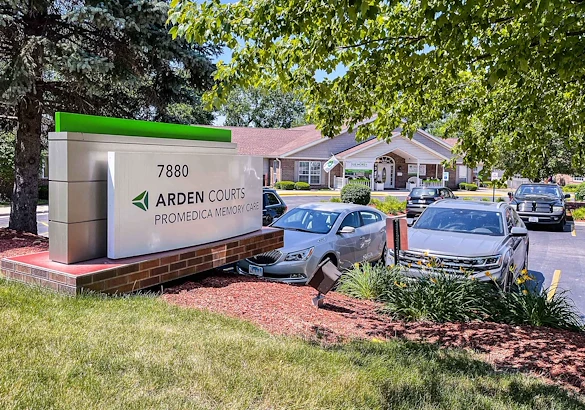
Arden Courts at Palos Heights
7880 West College Dr Palos Heights, IL 60463
Assisted LivingMemory CareRespite Care -
-
4.8Premium
Arden Courts at Northbrook
3240 Milwaukee Ave Northbrook, IL 60062
Assisted LivingMemory CareRespite Care -
4.2Premium+
Covenant Living of Northbrook Senior Living
2625 Techny Road Northbrook, IL 60062
Independent LivingAssisted LivingLife Plan Community/CCRCRespite Care


Cost of Assisted Living in Illinois
Several factors influence these cost variations. The level of care required—such as assistance with daily activities, medication management, or specialized memory care—can impact pricing. Additionally, the amenities offered by a facility, including dining options, recreational activities, and transportation services, play a role in determining costs. Location is another significant factor; facilities in metropolitan areas generally have higher operating costs, which are reflected in the fees charged to residents.
For families seeking financial assistance, Illinois provides several options. Medicaid offers long-term care services through the Supportive Living Program (SLP), which is designed to help low-income seniors afford assisted living. Eligibility for this program is based on income and asset limits, and applicants must meet specific medical criteria. Additionally, Veterans Affairs benefits may be available to qualifying veterans and their spouses to help cover the costs of assisted living. It's advisable to consult with a financial advisor or elder law attorney to explore all available financial assistance programs and determine eligibility.
In summary, while assisted living in Illinois can be more expensive than the national average, the wide range of options across the state allows families to find a facility that meets their loved one's needs and fits their budget. By considering factors such as location, level of care, and available amenities, families can make informed decisions about the best assisted living options for their loved ones.
What to Know About Assisted Living in Illinois
The average cost of assisted living in Illinois typically ranges several thousand dollars per month, depending on the city, apartment size, and level of care needed. Communities in major metro areas like the Chicago region often cost more than smaller towns or rural areas.
Pricing may increase if a resident needs additional support such as medication management, mobility assistance, or help with bathing and dressing.
Medicare typically does not cover assisted living in Illinois because assisted living is considered housing and personal care—not medical treatment. However, Medicare may still help cover medical services a resident receives separately, such as doctor visits, hospital care, outpatient therapy, or prescriptions (depending on the plan).
Families often explore other payment options like private pay, long-term care insurance, veteran benefits (if eligible), or Medicaid-related programs.
Assisted living requirements in Illinois generally depend on whether a senior needs help with activities of daily living (ADLs) but does not require full-time skilled nursing care. Most communities complete an assessment to determine if assisted living is the right fit.
Assisted living is often appropriate for seniors who need support with:
-
Bathing, dressing, grooming, or toileting
-
Medication reminders or medication management
-
Meals, housekeeping, and laundry
-
Mobility support and fall prevention
-
Transportation and daily routines
Each community may have its own admission guidelines, so it’s helpful to compare options.
Illinois Medicaid may help cover certain services related to assisted living for eligible individuals, depending on program availability and qualifications. While Medicaid support may help with care services, it may not cover all costs (such as room and board) in every situation.
Because coverage can vary based on income, care needs, and location, families often confirm eligibility and available programs in their area.
Independent Living in Illinois
Independent living communities in Illinois offer seniors a vibrant lifestyle focused on independence, social engagement, and convenience. These communities are designed for older adults who can live on their own but prefer to enjoy a maintenance-free lifestyle with easy access to amenities and social activities. Independent living is an excellent choice for seniors who want to downsize from traditional homes while staying active and connected with peers.
In Illinois, independent living communities typically provide private apartments or cottages, with services like housekeeping, dining options, transportation, and planned recreational activities. These amenities help seniors focus on enjoying their retirement years without worrying about home maintenance or daily chores. Social opportunities, such as group outings, fitness classes, and hobby clubs, foster a strong sense of community and promote mental and physical well-being.
Illinois offers several retirement-friendly cities that appeal to seniors seeking independent living. Places like Naperville, Peoria, and Rockford combine affordable living costs with access to quality healthcare, cultural events, and outdoor activities. The state’s four distinct seasons offer a variety of lifestyle perks — from beautiful autumn foliage and winter festivals to pleasant summers for golf, hiking, and boating on the many lakes and rivers. This seasonal variety keeps life interesting for active seniors.
Healthcare is another critical factor that makes Illinois a great place for independent living. The state boasts numerous hospitals and specialized clinics, many located near popular senior communities, ensuring residents can access quality medical care when needed. Many independent living communities also have staff trained to assist with coordinating healthcare appointments and transportation to medical facilities.
For seniors and families exploring independent living options in Illinois, the combination of lifestyle benefits, supportive communities, and accessible healthcare makes it a compelling choice. The range of options—from affordable apartments to luxury communities with extensive amenities—means there’s something to fit most preferences and budgets. Overall, independent living in Illinois supports a fulfilling, active retirement while offering peace of mind and a sense of belonging.
Top Independent Living Communities in Illinois
View All Providers-
4.4Premium+
Three Crowns Park
2323 McDaniel Avenue Evanston, IL 60201
Independent LivingAssisted LivingMemory CareLife Plan Community/CCRC -
4.2Premium+
Covenant Living of Northbrook Senior Living
2625 Techny Road Northbrook, IL 60062
Independent LivingAssisted LivingLife Plan Community/CCRCRespite Care -
4.8Verified
The Apartments at 1251 South Michigan
1251 S Michigan Ave Chicago, IL 60605
Independent Living

Cost of Independent Living in Illinois
Typically, the monthly fee for independent living covers rent, utilities, housekeeping, and access to community amenities such as dining services, fitness centers, and social activities. Additional services, like transportation or personal care, may incur extra charges. It's important for prospective residents to inquire about what's included in the base fee and any potential add-ons.
Several financial assistance options are available to help offset costs. Programs like Medicaid, Veterans Affairs benefits, and Supplemental Security Income (SSI) can provide financial support for eligible individuals. Additionally, some communities offer sliding scale fees based on income, and 211 Illinois is a valuable resource for connecting with local assistance programs.
In summary, Illinois offers a range of independent living options to suit various budgets and preferences. By considering factors such as location, included services, and available financial assistance, seniors and their families can make informed decisions about the best independent living community for their needs.
What to Know About Independent Living in Illinois
The average cost of independent living in Illinois varies by location, community type, apartment size, and amenities included. Independent living is often more affordable than assisted living because it typically does not include hands-on personal care services.
Many independent living communities include conveniences like maintenance, housekeeping, dining options, transportation, and social activities, so comparing what’s included can help determine value.
The term “independent living program” in Illinois can refer to a few different things, including community-based resources that support seniors who want to remain living independently at home, as well as independent living communities designed for older adults.
If you’re searching for an independent living program, it may help to clarify whether you’re looking for senior housing, in-home support services, or community assistance programs.
Independent living is best for seniors who can live safely on their own without daily personal care assistance. Many residents choose independent living for the lifestyle benefits, including fewer responsibilities and more social connection.
Independent living may be a good fit if a senior:
-
Does not need routine help with bathing or dressing
-
Can manage day-to-day safety and mobility
-
Wants a maintenance-free living environment
-
Would benefit from community, dining, or transportation options
Requirements vary by community, but most are designed for seniors who are largely independent.
One disadvantage of independent living is that it usually does not include hands-on personal care support, so it may not be ideal for seniors who need help with bathing, dressing, medication management, or frequent supervision. Another consideration is cost—independent living can still be more expensive than living at home, depending on a senior’s situation.
For many seniors, the benefits of convenience, safety, and social connection outweigh the drawbacks.
Home Care in Illinois
Non-medical home care in Illinois plays a vital role in helping seniors remain safe, comfortable, and independent in their own homes. Unlike medical or skilled nursing care, non-medical home care focuses on everyday support—offering assistance with personal routines, companionship, and help with household tasks. This kind of care is especially valuable for older adults who do not require intensive medical supervision but still need help with daily activities to maintain their quality of life.
Core services provided through non-medical home care typically include help with bathing, dressing, grooming, mobility, toileting, and other activities of daily living (ADLs). Caregivers also assist with meal preparation, light housekeeping, laundry, transportation, and medication reminders. Companionship is another essential component, especially for seniors who live alone—caregivers offer emotional support, conversation, and engagement that can reduce feelings of isolation and promote overall well-being.
In Illinois, home care agencies providing non-medical services must be licensed by the Illinois Department of Public Health (IDPH) as Home Services Agencies (HSAs). This licensing process ensures that agencies comply with important safety and quality standards. Agencies must conduct background checks on caregivers, provide training, and follow regulations around client care plans and service documentation. Families who choose to hire caregivers through a licensed agency benefit from oversight, accountability, and added protections not always available when hiring independently.
Access to non-medical home care in Illinois varies by region. In urban areas like Chicago, Naperville, and Springfield, a wide range of providers and services are available, offering families more choices and flexible scheduling. In rural parts of the state, however, there may be fewer caregivers available, and families may need to plan ahead due to limited supply or longer travel distances for providers.
As demand for aging-in-place solutions continues to grow, non-medical home care is becoming an increasingly important resource for Illinois families. It provides peace of mind to loved ones while allowing older adults to stay connected to their communities and live with dignity at home. With proper planning and knowledge of local options, families can find the support they need to ensure their loved ones thrive in familiar surroundings.
Top Home Care in Illinois
View All Providers-
5.0Premium
Assisting Hands - Chicago North
4311 N. Ravenswood Avenue Suite 100, Office 109 Chicago, IL 60613
Home Care (Non-Medical) -
4.6Verified
Golden Years Companion Care
1300 S. Wabash Ave. Chicago, IL 60605
Home Care (Non-Medical) -
4.9Verified
Right at Home - Chicago Metro
101 W Grand Ave, Ste 208 Chicago, IL 60654
Home Care (Non-Medical)


Cost of Home Care Non-Medical in Illinois
Several factors influence these costs: the number of care hours, the rigor of care needed, and the provider’s quality or certifications. Agencies that specialize in dementia-friendly care or have registered nurse oversight often charge more. Geographic location also plays a role, as does time of day—overnight or weekend care tends to be pricier.
To help offset these expenses, Illinois offers several financial assistance paths. Medicaid’s Home- and Community-Based Services (HCBS) waivers may fund personal aide services for eligible seniors who meet financial and care-needs criteria. Veterans’ benefits, such as Aid and Attendance, sometimes cover in-home care expenses for qualified veterans and their spouses. Additionally, long-term care insurance, if previously purchased, may reimburse non-medical home care costs depending on the policy.
By understanding Illinois-specific rates and regional variations—and exploring financial support options—families can better plan for affordable home-based care that helps their loved ones stay safe and supported at home.
What to Know About Non Medical Home Care in Illinois
In some cases, family caregivers in Illinois may be able to get paid for providing care through eligible programs, depending on the care recipient’s needs and financial qualifications. Approval and availability can vary, and some programs require an assessment.
If you’re caring for a loved one at home, it may be worth exploring whether caregiver compensation options are available.
Starting a non-medical home care business in Illinois typically involves building a plan for how you will provide safe, reliable support to seniors in their homes. Many business owners begin by:
-
Choosing services (companionship, meal prep, errands, light housekeeping, personal care support)
-
Registering the business and obtaining insurance
-
Hiring and training caregivers
-
Building scheduling and client intake processes
-
Creating service agreements and pricing
-
Marketing locally to families who need home care
Because requirements may vary, it’s important to research Illinois regulations and standards that apply to home care providers before launching.
A non-medical caregiver provides help with daily living tasks and supportive care, but does not provide medical treatment. In Illinois, non-medical caregivers often assist with:
-
Companionship and supervision
-
Meal preparation and light housekeeping
-
Transportation and errands
-
Mobility support and fall prevention
-
Help with bathing and dressing (depending on care needs)
Non-medical caregiving is a great option for seniors who want to remain at home while receiving consistent support.
Illinois may offer assistance for home care through Medicaid-related programs and community-based services for eligible seniors. Coverage and eligibility often depend on income, care needs, and program availability.
If you’re exploring home care support, it can help to compare options and confirm what programs are available locally.
Long-Term Care/Skilled Nursing in Illinois
Long-term care in skilled nursing facilities (SNFs) in Illinois provides comprehensive, 24-hour support for seniors with complex medical needs, chronic health conditions, or recovery requirements following hospitalization. These facilities offer a high level of clinical care, including nursing supervision, assistance with activities of daily living (ADLs), medication management, and rehabilitative therapies such as physical, occupational, and speech therapy. Skilled nursing is often the appropriate choice for individuals who need more intensive support than what is offered in assisted living or home care settings.
Many skilled nursing facilities in Illinois also offer specialized services like memory care for individuals with Alzheimer’s disease or other forms of dementia, and post-surgical recovery care for patients transitioning from hospital to home. Residents benefit from tailored care plans developed by interdisciplinary teams of physicians, nurses, therapists, and social workers. In addition to medical services, facilities typically provide meals, housekeeping, social engagement opportunities, and transportation to medical appointments.
Skilled nursing facilities in Illinois are regulated by the Illinois Department of Public Health (IDPH), which licenses and inspects all long-term care centers in the state. Facilities must meet strict quality standards to operate, including staffing ratios, infection control measures, safety protocols, and resident rights protections. Families can review inspection reports and quality ratings through the IDPH website and Medicare’s Care Compare tool to help evaluate a facility’s performance.
When choosing a skilled nursing facility in Illinois, families should consider factors like proximity to family members, the scope of medical services offered, staff training and consistency, and resident satisfaction. Touring facilities in person, talking with staff, and reviewing publicly available quality data can help ensure a good match for a loved one’s needs. Some facilities in Illinois also offer culturally specific programs, bilingual staff, and specialty care units that may align with individual preferences or medical conditions.
With a range of services and strong regulatory oversight, skilled nursing in Illinois provides vital support for older adults facing medical challenges. By carefully evaluating options and understanding what services are included, families can feel more confident in making decisions that promote their loved one’s comfort, dignity, and health.
Top Long-Term Care/Skilled Nursing in Illinois
View All Providers-
5.0Verified
Terraces At The Clare
55 East Pearson Chicago, IL 60611
Memory CareLong-Term Care / Skilled NursingSkilled RehabilitationRespite Care -
1.0Verified
Warren Barr South Loop
1725 South Wabash Avenue Chicago, IL 60616
Long-Term Care / Skilled NursingSkilled Rehabilitation -
4.0Verified
Warren Barr Gold Coast
66 West Oak Street Chicago, IL 60610
Long-Term Care / Skilled NursingSkilled Rehabilitation



Cost of Nursing Homes in Illinois
Several factors influence these costs. The level of medical and rehabilitative care, such as physical therapy or memory support, drives prices upward. Facility reputation and extras—like private suites, gardens, or enhanced meal services—add to the value and cost. Local demand and labor rates also play a role; metro areas typically come with higher operating expenses.
For many families, financial aid programs are essential to manage these costs. Medicare does not generally cover extended skilled nursing stays but may cover short-term rehab after hospitalization. The primary support for long-term care in Illinois is Medicaid, administered by the state. To qualify for Illinois Medicaid nursing home coverage, single applicants must meet strict financial criteria—typically income under $1,304/month and assets under $17,500—along with clinical needs. Married couples or variations in eligibility follow specific limits and rules.
Illinois also utilizes Home and Community-Based Services (HCBS) waivers, which help seniors access care in community or supportive living settings—a less institutional option for some long-term needs. Additionally, programs like PACE (Program of All-Inclusive Care for the Elderly) integrate medical, therapeutic, and social services to help individuals remain in their communities.
What to Know About Nursing Homes in Illinois
Nursing home care in Illinois typically costs several thousand dollars per month and is often one of the most expensive senior care options. Costs vary based on location, room type (semi-private vs. private), and how complex a resident’s medical needs are.
Because nursing homes provide 24/7 skilled nursing and medical supervision, pricing is usually higher than assisted living.
If someone has limited income and assets, they may qualify for help paying for nursing home care through Illinois Medicaid, depending on financial and medical eligibility requirements. Medicaid is one of the most common ways long-term nursing home care is funded when private pay isn’t possible.
Since rules can be complex, many families explore options early and gather documentation ahead of time.
Medicare may cover nursing home care only in certain situations—usually for short-term skilled nursing care after a qualifying hospital stay. This may include rehabilitation services or skilled nursing support during recovery.
Medicare typically does not cover long-term nursing home stays for ongoing custodial needs like help with bathing, dressing, or supervision.
If a person has no money to pay for nursing home care, Medicaid is often the primary option for long-term coverage—assuming they meet eligibility requirements. Families may also explore other resources such as veteran benefits (if applicable) or local assistance programs.
The best next step is typically understanding what financial documentation is needed and what facilities accept Medicaid coverage.
Finding the Right Senior Care in Illinois
Navigating senior living and care options in Illinois can feel overwhelming, but having clear, reliable information makes the process much easier. Whether you're exploring assisted living, comparing independent living communities, researching home care services, or planning for long-term skilled nursing, Illinois offers a wide range of choices designed to support safety, comfort, and quality of life.
From vibrant cities to quiet suburban neighborhoods and peaceful rural towns, families can find communities that match different lifestyles, budgets, and care needs. Illinois’ strong healthcare network—including renowned hospitals and specialized senior care providers—offers added peace of mind for families who prioritize access to high-quality medical support.
As you begin your search, remember that every senior’s needs are unique. Use this guide as a starting point, then take time to explore local providers, tour communities, review state inspection reports, and ask questions that help determine the best fit. The right care setting should offer comfort, dignity, and confidence for both seniors and the families supporting them.
Below are answers to the most common questions families ask when researching senior living and senior care in Illinois.
Frequently Asked Questions About Senior Living in Illinois
The average cost of senior living in Illinois depends on the type of care needed. Independent living is often the most affordable senior living option, while assisted living, memory care, and nursing homes cost more due to increased services and staffing.
Costs also vary by region, so comparing local communities is the best way to get accurate pricing.
The cheapest way for a senior to live depends on their health needs and support network. Lower-cost options may include:
-
Aging in place at home with limited paid support
-
Living with family or shared housing
-
Income-based senior housing (when available)
-
Community programs for meals and transportation
Affordability matters, but safety and long-term needs should always be part of the decision.
To qualify for senior housing in Illinois, most communities require residents to meet an age minimum (often 55+ or 62+). Some senior housing options also require income eligibility, especially for affordable or subsidized housing programs.
Because “senior housing” can include multiple types of living arrangements, it helps to confirm whether the community is independent living, assisted living, or income-qualified senior apartments.
The phrase “senior living program” in Illinois can refer to several different services, including senior housing options and state-supported resources that help older adults access care and community support. Depending on what you’re searching for, this may include independent living communities, assisted living options, or support programs designed to help seniors remain at home safely.
If you’re unsure what program you need, comparing living options and care services can help narrow down the best fit.
Frequently Asked Questions About Senior Care in Illinois
Illinois offers a range of services and resources for seniors and caregivers, depending on eligibility and care needs. Assistance may include:
-
Non-medical home care and personal care support
-
Assisted living and memory care communities
-
Skilled nursing facilities
-
Adult day programs and respite care
-
Transportation services and meal support
-
Community-based senior resources and caregiver support
The best solution depends on a senior’s daily needs, budget, and preferred living arrangement.
Some family caregivers in Illinois may be able to get paid for caring for an elderly parent through eligible assistance programs, depending on qualifications. Approval may depend on the senior’s care needs, financial eligibility, and program availability.
If you’re already providing care at home, it may be helpful to explore whether caregiver compensation support is available in your area.
The Illinois Department on Aging supports seniors through services focused on aging safely, maintaining independence, and accessing community resources. Programs may include support for in-home services, caregiver assistance, senior community programs, and access to local aging resources.
Availability and eligibility can vary, so many families start by exploring services based on their county and care needs.
The income limit for the Illinois Benefit Access Program can change over time and may vary based on program rules and updates. This program is commonly associated with benefits like discounts on license plate fees and public transit for qualifying seniors.
To confirm eligibility, it’s best to check current income guidelines and requirements before applying.