
Senior Living Facts for Hawaii
With its breathtaking landscapes, year-round tropical climate, and strong sense of community, Hawaii offers a one-of-a-kind setting for older adults seeking both peace of mind and vibrant living. Whether you’re researching senior living options in Honolulu, Hilo, or a smaller island town, Hawaii stands out as a place where seniors can thrive physically, emotionally, and socially.
Fast Facts
Senior Living & Care in Hawaii
| #40 | most populated state in the U.S. |
| $6,200 | average monthly assisted living cost in Hawaii |
| 22 | assisted living communities and care providers across Hawaii |
| 300K+ | adults age 65+ in Hawaii |
Hawaii’s warm, moderate temperatures are ideal for older adults who want to avoid harsh winters and stay active outdoors. From scenic beach walks and botanical gardens to community wellness classes and farmers’ markets, the islands offer a lifestyle that promotes health, movement, and relaxation. Seniors in Hawaii enjoy access to nature year-round, which can positively impact mental health and overall well-being.
The state is also home to a strong healthcare network, including top-rated hospitals like The Queen’s Medical Center and Kaiser Permanente Hawaii. Whether aging in place with home care or transitioning to an assisted living or skilled nursing facility, families can feel confident in the medical resources available across the islands. Additionally, many senior living communities in Hawaii offer wellness programs, cultural engagement, and specialized care services tailored to local customs and values.
While Hawaii’s cost of living is higher than the national average, many families find the state’s unique benefits well worth the investment. Communities in places like Oahu, Maui, and the Big Island offer a range of options from independent living and memory care to in-home support. Senior housing options may vary by island, so starting your search early can help ensure a better match for your loved one’s care needs and budget.
Hawaii is known for its deep respect for elders, or kupuna, which translates into a culture that honors aging with dignity. Senior-friendly communities, intergenerational programs, and a slower-paced lifestyle make the state especially appealing for those wanting to enjoy retirement surrounded by the aloha spirit.
Whether you're looking for senior care near family in Honolulu or exploring memory care options on Maui, Hawaii offers a blend of beauty, community, and compassionate care that’s hard to match. For families exploring senior living in Hawaii, the islands are more than a destination—they’re a welcoming home.
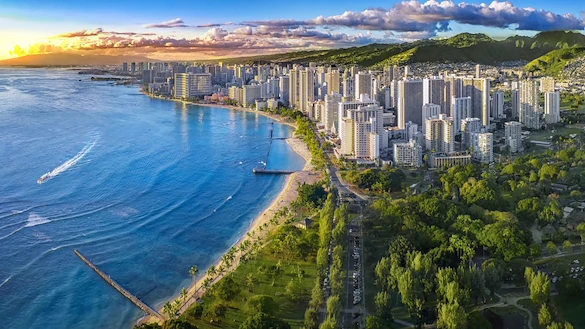
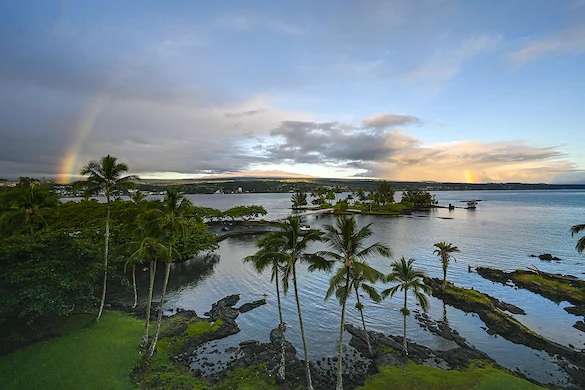
Top Cities for Senior Living and Care in Hawaii



Assisted Living in Hawaii
Assisted living in Hawaii provides a supportive, community-focused living option for seniors who need help with daily activities but want to maintain as much independence as possible. These communities offer personalized assistance with tasks such as bathing, dressing, grooming, medication management, meal preparation, housekeeping, and transportation. Beyond physical care, assisted living facilities often emphasize social engagement and wellness programs, helping residents stay active and connected through group activities, outings, and cultural events.
In Hawaii, assisted living communities are regulated by the Department of Health through the Adult Residential Care Homes (ARCH) licensing program. Facilities are categorized as either standard ARCH or Expanded ARCH, depending on the level of medical care and oversight provided. Expanded ARCH homes typically serve residents with higher care needs, including those requiring memory care services for conditions like Alzheimer’s disease and dementia. Licensing ensures that communities meet specific safety, staffing, and quality standards to protect residents’ well-being.
Hawaii offers a variety of assisted living options tailored to different preferences and budgets. Families can find luxury communities that provide resort-style amenities such as ocean views, fitness centers, and gourmet dining, as well as more affordable, home-like settings in quieter neighborhoods. Specialized memory care communities also exist for seniors facing cognitive challenges, with trained staff and secure environments designed to promote safety and comfort.
When choosing the best assisted living community in Hawaii, families should consider factors like the resident-to-staff ratio, the range of care services offered, the availability of social and cultural programs, and proximity to healthcare providers and family members. Touring communities, reviewing state inspection reports, and asking about staff training and emergency procedures can help families make confident decisions. Whether on Oahu, Maui, the Big Island, or Kauai, assisted living in Hawaii combines compassionate care with a welcoming island lifestyle, making it a desirable option for seniors and their loved ones seeking safety, support, and community.
Top Assisted Living Communities in Hawaii
View All Providers-
4.8Verified
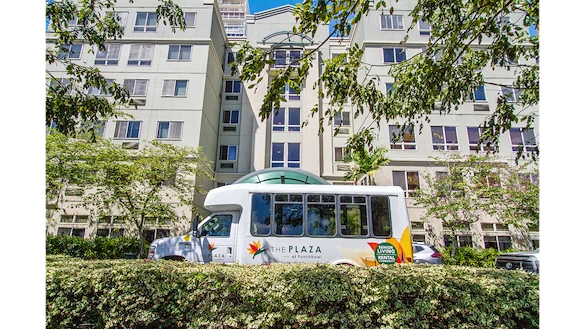
The Plaza at Punchbowl
918 Lunalilo St Honolulu, HI 96822
Independent LivingAssisted LivingMemory CareRespite Care -
4.2Verified
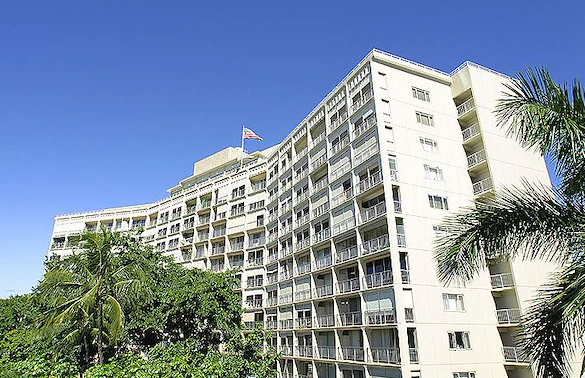
Arcadia Retirement Residence Senior Living
1434 Punahou St Honolulu, HI 96822
Active Adult LivingIndependent LivingAssisted Living -
4.1Verified
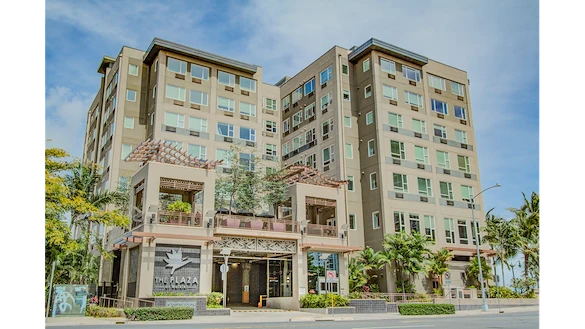
The Plaza at Waikiki
1812 Kalakaua Ave Honolulu, HI 96815
Independent LivingAssisted LivingMemory CareRespite Care
Cost of Assisted Living in Hawaii
Several factors contribute to the high cost of assisted living in Hawaii. The state’s remote island location increases shipping and operational expenses for care facilities. Additionally, staffing can be challenging due to geographic isolation, resulting in higher wages and recruitment costs. Facilities offering luxury amenities—such as ocean views, gourmet dining, and specialized memory care—also tend to charge more. Furthermore, Hawaii’s strict licensing and care regulations help ensure high-quality services but can raise operational expenses.
Despite these costs, families have several financial assistance options to explore. Hawaii’s Med-QUEST program provides Medicaid-funded care, including assisted living services, for eligible seniors who meet income and asset limits. Veterans and their spouses may qualify for financial support through the Aid and Attendance program, which helps cover assisted living expenses. Additionally, many seniors rely on long-term care insurance policies that can help offset costs depending on individual coverage.
Understanding the average costs and available financial resources can help families better prepare for the expense of assisted living in Hawaii. Careful research and planning are key to finding the right balance between quality care, comfort, and affordability for your loved ones in this beautiful island state.
What to Know About Assisted Living in Hawaii
Assisted living in Hawaii typically costs $5,500–$7,000 per month, making it one of the most expensive states for this level of care.
No. Medicare does not cover assisted living, including room and board.
Hawaii Medicaid may cover certain care services through waiver programs, but room and board are usually private pay.
Medicare only covers medically necessary services, not long-term custodial care in assisted living communities.
Independent Living in Hawaii
Independent living communities in Hawaii offer seniors a vibrant and worry-free lifestyle where they can enjoy independence while benefiting from supportive amenities and social opportunities. These communities are designed for older adults who do not require daily medical care but appreciate having access to services like housekeeping, maintenance-free housing, transportation, and recreational activities. This lifestyle lets seniors focus on what matters most—connecting with friends, pursuing hobbies, and exploring the beautiful surroundings—without the burden of home upkeep.
Hawaii’s pleasant, tropical climate is a major draw for seniors seeking an active lifestyle year-round. With warm temperatures and abundant sunshine, residents can enjoy outdoor activities like walking on the beach, gardening, golfing, or participating in community events. The state’s retirement-friendly cities such as Honolulu, Hilo, and Kahului provide a range of independent living options that combine island charm with modern conveniences. Many communities emphasize wellness programs, social clubs, and cultural events that celebrate Hawaii’s rich heritage, helping seniors stay engaged and connected.
Independent living in Hawaii also appeals because of the strong sense of community and aloha spirit that permeates daily life. Seniors can benefit from a supportive environment where neighbors often become lifelong friends. Access to quality healthcare facilities is another important feature, with major medical centers located throughout the islands, ensuring seniors have reliable care close to home if needed.
Financially, independent living can be a more affordable option compared to assisted living or skilled nursing care, while still offering many conveniences that reduce stress and promote well-being. Communities often provide flexible meal plans, transportation services, fitness centers, and social programming included in monthly fees.
Overall, independent living in Hawaii offers seniors a unique blend of freedom, comfort, and connection amid one of the most beautiful settings in the country. For active seniors who want to embrace island life and maintain their autonomy, Hawaii’s independent living communities provide an ideal choice for vibrant, engaged aging.
Top Independent Living Communities in Hawaii
View All Providers-
4.8Verified
The Plaza at Punchbowl
918 Lunalilo St Honolulu, HI 96822
Independent LivingAssisted LivingMemory CareRespite Care -
4.0
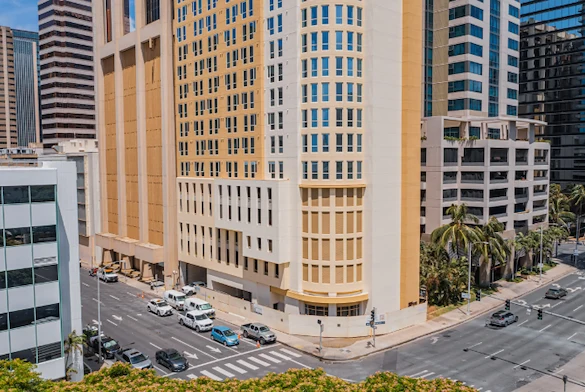
Kokua Hale
1192 Alakea Street Honolulu, HI 96813
Active Adult LivingIndependent LivingLow Income / Affordable -
4.5Verified
Harry & Jeanette Weinberg Apt
1605 Philip Street Honolulu, HI 96826
Independent LivingLow Income / Affordable
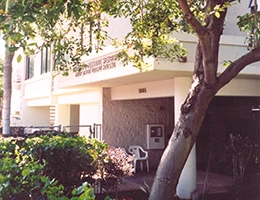
Cost of Independent Living in Hawaii
Independent living communities in Hawaii generally include maintenance-free housing with housekeeping services, meal plans that often feature daily dining options, transportation for shopping and appointments, and a variety of social and recreational activities designed to keep residents engaged. Utilities and amenities such as cable, internet, and fitness centers may also be part of the monthly fee, contributing to a convenient and enjoyable lifestyle.
Several factors influence the cost of independent living in Hawaii. Location plays a significant role—urban areas tend to be more expensive due to demand and enhanced amenities. Community features, such as luxury finishes, specialized wellness programs, and newer facilities, can also raise fees. Additionally, the size and type of accommodation, like private cottages versus standard apartments, impact pricing.
While Medicare and Medicaid typically do not cover independent living expenses, seniors can explore other financial options. Veterans and their spouses may be eligible for Aid and Attendance benefits to help with costs. Some communities offer subsidized units for qualifying low-income seniors. Many families rely on personal savings, pensions, or long-term care insurance to fund independent living arrangements.
Understanding the costs and financial resources available helps families make informed decisions. Independent living in Hawaii offers a beautiful setting and lifestyle, but planning ahead ensures seniors can enjoy their independence without unexpected financial stress.
What to Know About Independent Living in Hawaii
Independent living communities in Hawaii generally cost $3,500–$5,000 per month, depending on location and amenities.
Living in Hawaii on $3,000 per month can be challenging due to high housing, food, and healthcare costs, especially on Oahu.
A single person often needs $3,500–$5,000+ per month, depending on housing and lifestyle choices.
The primary downside is the high cost of living, including housing and healthcare expenses.
Home Care in Hawaii
Non-medical home care in Hawaii helps seniors stay independent and comfortable in their own homes by providing support with everyday tasks that don’t require medical expertise. This type of care is ideal for older adults who need some assistance but want to maintain their routine and remain in familiar surroundings. Common services include personal care like help with bathing, dressing, grooming, and mobility. Home care providers also offer companionship to reduce social isolation, along with household assistance such as meal preparation, light housekeeping, laundry, and running errands.
In Hawaii, non-medical home care agencies must be licensed through the state’s Department of Health to ensure they meet safety and quality standards. Caregivers, including personal care aides and home health aides, are required to complete specific training and certifications to provide effective and compassionate support. These requirements help families feel confident that their loved ones are in capable hands.
Availability of non-medical home care services varies across Hawaii due to its unique geography. Urban centers like Honolulu and nearby islands tend to have more agencies and caregivers available, while rural and neighbor island communities may face limited options and higher costs. This can sometimes make finding the right care a challenge, but many agencies offer flexible scheduling and tailored care plans to meet different needs.
Financial assistance programs are available to help eligible seniors afford non-medical home care. Hawaii’s Med-QUEST program, which serves as the state’s Medicaid, provides coverage for certain home care services. Additionally, veterans and their families may qualify for extra benefits through the U.S. Department of Veterans Affairs. Understanding these options can ease the financial burden and make home care more accessible.
Overall, non-medical home care in Hawaii is a vital service that supports seniors in living independently with dignity, while providing families peace of mind knowing their loved ones receive respectful, personalized care at home.
Top Home Care in Hawaii
View All Providers-
5.0Verified
Griswold Home Care for Oahu
500 Ala Moana Blvd Honolulu, HI 96813
Home Care (Non-Medical) -
4.8Verified
Home Instead - Honolulu
1600 Kapiolani Boulevard Honolulu, HI 96814
Home Care (Non-Medical) -
4.6Verified
Mālama Maika'i Health and Wellness Alliance
1100 Alakea Street, Suite 1710 Honolulu, HI 96813
Home Care (Non-Medical)


Cost of Home Care Non-Medical in Hawaii
There are notable regional differences in pricing within the state. For example, Honolulu, being a major urban center with higher living expenses and demand for caregivers, generally charges around $40 per hour. In contrast, other areas like Kahului have somewhat lower rates, closer to $29 per hour. These variations reflect factors like local caregiver availability, demand, and overall cost of living. Rural and neighbor island communities may also have fewer home care options, which can impact both availability and cost.
Several factors influence the total cost of non-medical home care in Hawaii. The number of care hours needed each week is a major determinant, with more hours naturally increasing monthly expenses. Another important factor is whether families choose to hire caregivers through an agency or privately. Agency caregivers often come with higher fees due to administrative costs, insurance, and added oversight, but they provide more reliability and professional standards. Private caregivers may be more affordable but often come with less accountability or formal training. Location within the state also affects pricing, with urban areas like Honolulu typically commanding higher rates than more rural locations.
Fortunately, there are financial assistance options available to help eligible seniors manage these costs. Hawaii’s Med-QUEST program, the state’s Medicaid plan, covers certain home and community-based services for qualifying individuals. Eligibility generally depends on age, disability status, and income or asset limits. Additionally, seniors who have long-term care insurance may find that their policies cover non-medical home care services, easing the financial burden further.
By understanding the typical costs and exploring financial aid options, families can better plan for quality home care that allows their loved ones to live independently and safely in Hawaii.
What to Know About Non Medical Home Care in Hawaii
Yes. Hawaii offers in-home services through Medicaid programs and private agencies.
Residential care homes may cost $5,000–$8,000 per month, depending on services provided.
Medicare covers limited skilled home health services ordered by a physician but does not cover long-term custodial care.
Hawaii’s Medicaid programs allow eligible seniors to receive home and community-based services, sometimes including consumer-directed options for caregiver support.
Long-Term Care/Skilled Nursing in Hawaii
Long-term care in skilled nursing facilities (SNFs) in Hawaii offers comprehensive medical and rehabilitative services for individuals who require 24-hour supervision and care. These facilities are designed to support seniors with chronic illnesses, disabilities, or recovery needs that cannot be met at home or in assisted living settings.
Services provided in Hawaii's SNFs include skilled nursing care, rehabilitation therapies, and specialized programs. Skilled nursing care encompasses medication management, wound care, and assistance with daily activities. Rehabilitation services, such as physical, occupational, and speech therapy, are available to help residents regain independence following surgeries, strokes, or injuries. Specialized care programs cater to individuals with conditions like Alzheimer's disease and other dementias, focusing on safety, comfort, and quality of life. Facilities like Manoa Cottage Kaimuki in Honolulu offer memory support programs, including Namaste Care and Music & Memory, to enhance the well-being of residents with cognitive impairments.
Hawaii's Department of Health, through the Office of Health Care Assurance (OHCA), regulates SNFs to ensure they meet state licensing and federal certification standards. Facilities undergo regular inspections to assess compliance with health regulations and life safety codes. For example, Islands Skilled Nursing & Rehabilitation in Honolulu has achieved Enhanced Respiratory Care Standards of Care accreditation, demonstrating its commitment to high-quality care.
Families seeking the best nursing home options in Hawaii should consider factors such as the facility's services, staff qualifications, inspection reports, and specialized care programs. Resources like the Medicare Nursing Home Compare website and the OHCA's inspection reports can provide valuable information to assist in the decision-making process.
In summary, skilled nursing facilities in Hawaii offer a range of medical, rehabilitative, and specialized services to support seniors with complex care needs. By understanding the services provided and the regulatory standards in place, families can make informed decisions to ensure their loved ones receive the appropriate care in a supportive environment.
Top Long-Term Care/Skilled Nursing in Hawaii
View All Providers-
2.0Verified
Hale Nani Rehabilitation & Nursing Center
1677 Pensacola Street Honolulu, HI 96822
Long-Term Care / Skilled NursingSkilled Rehabilitation -
5.0Verified
15 Craigside
15 Craigside Place Honolulu, HI 96817
Long-Term Care / Skilled NursingSkilled Rehabilitation -
5.0Verified
Leahi Hospital
3675 Kilauea Avenue Honolulu, HI 96816
Long-Term Care / Skilled NursingSkilled Rehabilitation
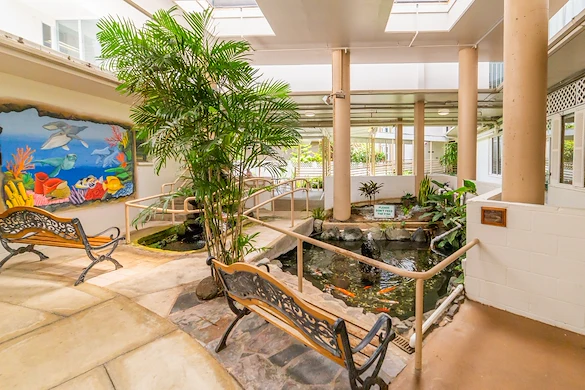
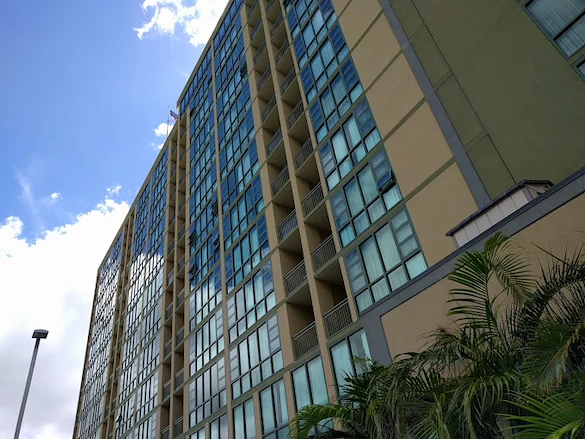
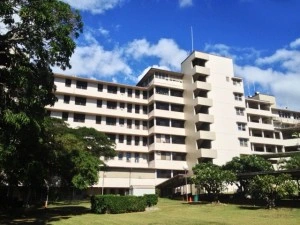
Cost of Nursing Homes in Hawaii
Several factors influence the pricing of skilled nursing care in Hawaii. The type of room—private versus semi-private—is a primary cost driver, with private rooms typically costing more due to added privacy and space. Location plays a significant role as well; urban centers like Honolulu generally have higher rates because of demand and living expenses. Additionally, the level of care required affects the price, with specialized services such as memory care or post-surgical rehabilitation commanding higher fees. Amenities and extra services, like therapy programs, recreational activities, and luxury accommodations, can also increase costs.
Financial assistance is available to help eligible seniors manage the expense of skilled nursing care. Hawaii’s Medicaid program, known as Med-QUEST, covers nursing home care for individuals who meet income, asset, and medical eligibility requirements. While Medicare usually does not cover long-term stays in nursing homes, it may pay for short-term rehabilitation stays following hospitalization. Many seniors also benefit from long-term care insurance policies, which can cover nursing home costs depending on the specific plan. Veterans and their families might qualify for additional support through U.S. Department of Veterans Affairs programs.
By understanding the costs and exploring available financial aid options, families can better prepare for quality skilled nursing care in Hawaii that meets their loved ones’ needs without overwhelming financial strain.
What to Know About Nursing Homes in Hawaii
Nursing home care in Hawaii averages $11,000–$14,000 per month, among the highest in the country.
Yes. Hawaii Medicaid covers nursing home care for eligible seniors who meet financial and medical criteria.
Hawaii has approximately 40–50 licensed nursing facilities statewide.
The average daily cost ranges from $350–$475 per day, depending on facility and care level.
Finding the Right Senior Care in Hawaii
Hawaii offers a beautiful and culturally rich environment for retirees, with access to high-quality healthcare, strong community ties, and a desirable climate year-round. However, senior living costs in Hawaii are among the highest in the nation, particularly for assisted living, home care, and nursing home services. Families exploring senior care in Hawaii should carefully compare options across islands and review financial assistance programs such as Hawaii Medicaid to determine affordability.
By understanding care levels, state regulations, and available benefits, families can make informed decisions that balance lifestyle preferences with long-term financial planning. Whether choosing independent living in Honolulu, home care on Maui, or skilled nursing services on the Big Island, Hawaii offers supportive senior care environments designed to promote dignity, comfort, and quality of life.
Frequently Asked Questions About Senior Living in Hawaii
Senior housing costs vary widely, with independent senior apartments typically starting around $2,500–$3,500 per month, depending on subsidies and location.
Eligibility often requires meeting age requirements (55+ or 62+) and income limits for subsidized housing programs.
Yes. Hawaii has several 55+ communities, particularly Oahu and Maui.
Hawaii offers excellent climate, strong community culture, and high life expectancy, but the high cost of living is a major consideration.
Frequently Asked Questions About Senior Care in Hawaii
Benefits include Medicaid programs, property tax exemptions, nutrition services, and transportation assistance for eligible seniors.
Senior home care in Hawaii typically costs $28–$35 per hour.
Through certain Medicaid programs, eligible seniors may participate in consumer-directed care options that allow family members to receive compensation.
Market-rate senior housing often ranges from $2,500 to $5,000+ per month, depending on location and amenities.