
Senior Living Facts for Alabama
Alabama, known for its warm hospitality and rich cultural heritage, is an appealing destination for older adults and their families seeking quality senior care and an exceptional quality of life. With its mild winters, long summers, and scenic landscapes, Alabama offers a comfortable and relaxing environment for retirees and aging loved ones. From the foothills of the Appalachian Mountains in the north to the serene beaches of the Gulf Coast, the state boasts a range of natural beauty that invites outdoor enjoyment year-round, perfect for seniors who value fresh air, sunshine, and accessible recreational spaces.
Fast Facts
Senior Living & Care in Alabama
| #24 | most populated state in the U.S. |
| $3,500 | average monthly assisted living cost in Alabama |
| 300+ | assisted living communities and care providers across Alabama |
| 900K+ | adults age 65+ in Alabama |
One of Alabama’s strongest draws for seniors is its affordable cost of living. Compared to national averages, housing, healthcare, and daily expenses in Alabama are significantly lower, making it easier for families to access high-quality assisted living, independent living, or skilled nursing care without financial strain. Whether you’re considering senior living in Birmingham, Mobile, Huntsville, or one of Alabama’s many welcoming small towns, you'll find that resources go further here, without sacrificing quality or comfort.
Alabama is home to a strong network of healthcare providers, including nationally recognized facilities like UAB Hospital in Birmingham and Huntsville Hospital. Seniors have access to specialized care, including geriatric services, memory care, rehabilitation, and chronic disease management. Many communities also offer on-site therapy and personalized care plans tailored to individual needs, providing peace of mind for families and a higher quality of life for residents.
Beyond practical benefits, Alabama offers a lifestyle that nourishes both body and spirit. The state is filled with senior-friendly communities that value connection and engagement. Residents can enjoy everything from local music festivals and farmers markets to cultural institutions like the Alabama Shakespeare Festival and the Birmingham Museum of Art. Nature lovers will find ample opportunities for walking, birdwatching, or quiet reflection in the state’s many parks, lakes, and gardens.
Whether you’re exploring options for senior living in Alabama, looking for home care services for a loved one, or seeking a community that provides both medical support and enriching social opportunities, Alabama delivers on all fronts. It’s a place where older adults can thrive—surrounded by kindness, supported by excellent care, and empowered to live with purpose every day.
Top Cities for Senior Living and Care in Alabama


Assisted Living in Alabama
Assisted living in Alabama provides older adults with a supportive environment that balances independence with personalized care. These communities are designed for seniors who may need help with daily activities—such as bathing, dressing, grooming, and medication management—but do not require the round-the-clock medical care of a nursing home. In addition to hands-on support, residents often enjoy housekeeping, laundry services, nutritious meals, and a wide range of recreational and social activities that promote engagement and well-being.
Licensed assisted living facilities in Alabama must meet specific regulations set by the Alabama Department of Public Health (ADPH). These standards ensure safe staffing levels, appropriate training, and clean, well-maintained environments. Alabama classifies assisted living communities into three categories: Assisted Living Facilities (ALF), Specialty Care Assisted Living Facilities (SCALF)—which offer memory care services for individuals with Alzheimer’s or other forms of dementia—and Congregate Assisted Living, a more independent model. Each must meet rigorous licensing criteria and pass routine inspections to remain in good standing.
Alabama is home to a diverse range of assisted living communities, from luxury-style residences with upscale amenities like spas and chef-prepared meals, to more modest, budget-conscious options that still provide quality care in a warm, home-like setting. Many communities also offer specialized memory care units designed with enhanced safety measures and staff trained to support residents with cognitive impairments.
When evaluating assisted living in Alabama, families should consider factors such as location, staff-to-resident ratio, cost, activities offered, and proximity to local hospitals or specialists. Touring multiple facilities, reading reviews, and asking detailed questions about services and staff qualifications can help ensure a good fit. Since Alabama does not require a uniform pricing model, it’s important to understand what services are included in the base rate and what may incur additional costs.
With its affordable cost of living, senior-friendly communities, and high standards for care, Alabama continues to be an excellent choice for families seeking compassionate and reliable assisted living options for their loved ones.
Top Assisted Living Communities in Alabama
View All Providers-
3.3Premium
Fair Haven
1424 Montclair Road Birmingham, AL 35210
Independent LivingAssisted LivingMemory CareLife Plan Community/CCRC -
2.8Verified
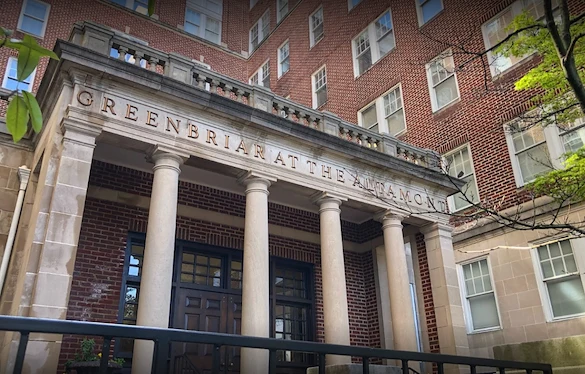
Greenbriar at the Altamont Assisted Living
2831 Highland Avenue South Birmingham, AL 35205
Assisted LivingRespite Care -
3.6Verified
Brookdale University Park Birmingham, AL
400 University Park Dr Birmingham, AL 35209
Independent LivingAssisted LivingMemory Care
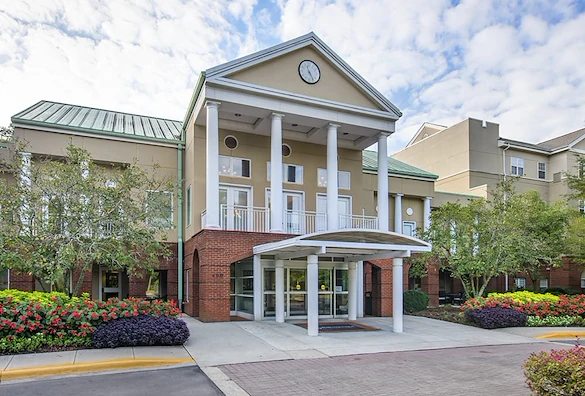
Cost of Assisted Living in Alabama
Several factors influence the cost of assisted living in Alabama. Communities offering luxury accommodations, private suites, on-site amenities such as fitness centers or salons, and specialized services like memory care often charge higher rates. Likewise, facilities located near major hospitals or urban centers tend to have elevated costs. The level of care required also plays a role; residents needing assistance with daily activities, medication management, or mobility support will generally pay more than those with fewer needs. Memory care services, often provided in a secure setting within or adjacent to an assisted living facility, can increase monthly costs by 20–30%.
Fortunately, families exploring assisted living options in Alabama may be eligible for financial assistance. While Medicare does not cover the cost of room and board in assisted living, Alabama Medicaid offers several waiver programs—such as the Elderly & Disabled (E&D) Waiver and the State of Alabama Independent Living (SAIL) Waiver—that can help cover care-related services. Veterans and their spouses may also qualify for additional support through VA Aid & Attendance benefits. For those with limited income, low-income housing tax credit (LIHTC) properties or other community-based programs may provide further relief. With a range of options and support available, Alabama remains a strong choice for affordable, high-quality senior living.
What to Know About Assisted Living in Alabama
Assisted living in Alabama typically costs $3,200–$4,200 per month, making it one of the more affordable states nationally.
No. Medicare does not cover assisted living, including room and board.
Seniors who require assistance with activities of daily living (ADLs) but do not need full-time skilled nursing care are generally eligible.
Alabama Medicaid may cover certain care services through waiver programs, but room and board are usually private pay.
Independent Living in Alabama
Independent living communities in Alabama offer seniors an ideal lifestyle that combines independence with convenience and community support. Designed for older adults who are generally healthy and self-sufficient, independent living provides maintenance-free housing options such as apartments, cottages, or villas, allowing residents to enjoy a worry-free lifestyle without the burdens of home upkeep, lawn care, or repairs. This option is especially appealing to seniors in Alabama who want to embrace an active, social lifestyle while maintaining their autonomy.
One of the key benefits of independent living in Alabama is the vibrant social environment these communities foster. Residents can participate in a wide range of activities, clubs, fitness programs, and outings that promote mental, physical, and emotional well-being. Many communities also offer amenities like swimming pools, walking trails, golf courses, dining venues, and scheduled transportation, all designed to enhance quality of life and foster a strong sense of community among seniors.
Alabama’s mild climate is a major advantage for seniors considering independent living here. With warm winters and plenty of sunshine, older adults can enjoy outdoor activities year-round, such as gardening, golfing, or simply socializing on patios and in community gardens. Cities like Birmingham, Mobile, Huntsville, and Auburn are known for their senior-friendly environments, combining cultural attractions, healthcare facilities, and active lifestyle options that cater to retirees.
The cost of living in Alabama is generally lower than the national average, making independent living communities more accessible for many seniors. The state’s retirement-friendly tax policies—such as no state tax on Social Security benefits and favorable treatment of retirement income—further enhance affordability. Additionally, access to quality healthcare providers and specialized senior services across Alabama ensures residents can age comfortably with the support they need nearby.
Overall, independent living in Alabama offers seniors the perfect balance of freedom, comfort, and community engagement, making it an excellent choice for those seeking an enriching and maintenance-free retirement lifestyle in a warm, welcoming environment.
Top Independent Living Communities in Alabama
View All Providers-
3.3Premium
Fair Haven
1424 Montclair Road Birmingham, AL 35210
Independent LivingAssisted LivingMemory CareLife Plan Community/CCRC -
5.0Premium
The Pines at Birmingham Independent Living
2366 Old Springville Rd Birmingham, AL 35215
Active Adult LivingIndependent Living -
4.0Verified
Skyline Village at Red Mountain
260 Goodwin Crest Dr Homewood, AL 35209
Independent Living
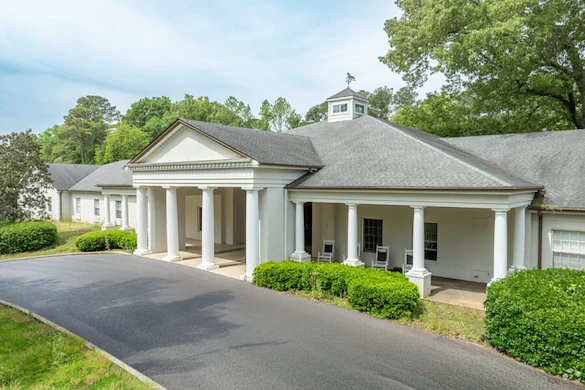
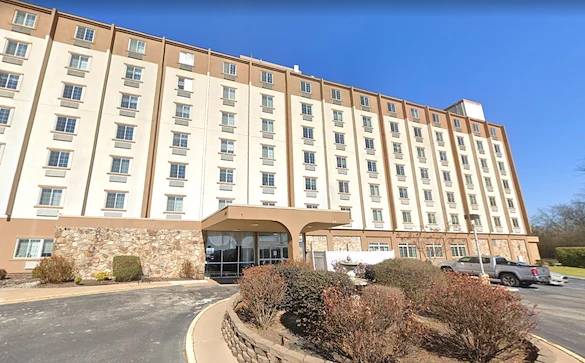
Cost of Independent Living in Alabama
Independent living communities typically include housing, utilities, maintenance, and access to amenities such as dining options, fitness centers, and social activities. Some communities may offer additional services like housekeeping or transportation for an extra fee. It's important to note that while these communities provide a maintenance-free lifestyle, they do not offer medical or personal care services, distinguishing them from assisted living facilities.
Several factors influence the cost of independent living in Alabama. Urban areas with higher demand and more amenities tend to have higher costs, while rural areas offer more affordable options. Additionally, the size of the living unit, the range of included services, and the quality of facilities can impact pricing.
For seniors on a fixed income, Alabama's favorable tax policies, such as no state tax on Social Security benefits, can enhance affordability. Additionally, programs like Section 202 HUD housing may provide subsidized housing options for eligible low-income seniors . Overall, Alabama's combination of low living costs, favorable tax policies, and diverse living options make it an appealing choice for independent living.
What to Know About Independent Living in Alabama
Independent living in Alabama averages $2,000–$3,000 per month.
Residents must typically be 55+ or 62+ and capable of living independently without daily personal care assistance.
Independent living does not include hands-on medical or personal care, meaning residents may need to transition if health declines.
Living independently means being able to manage daily tasks such as bathing, dressing, medication management, and meal preparation without regular assistance.
Home Care in Alabama
Non-medical home care in Alabama is a vital service that enables seniors to maintain their independence and quality of life while aging in place. These services encompass a range of non-clinical assistance, including personal care (such as bathing, grooming, and dressing), companionship, light housekeeping, meal preparation, and transportation to appointments. By providing support with daily activities, non-medical home care allows seniors to remain in the comfort of their own homes, reducing the need for relocation to assisted living facilities.
In Alabama, non-medical home care agencies are not required to obtain a state license to operate. However, agencies that wish to offer services under Medicaid programs, such as the Elderly and Disabled Waiver, must adhere to specific training and certification requirements. For instance, caregivers providing services under Medicaid must complete a minimum of 6 hours of initial training, with 4 hours allowed for self-study, and at least 6 hours of annual in-service training, with 4 hours allowed for self-study. Additionally, agencies may seek accreditation from organizations like the Accreditation Commission for Health Care (ACHC) or the Community Health Accreditation Program (CHAP) to enhance their credibility and demonstrate adherence to high standards of care.
The availability of non-medical home care services in Alabama is influenced by several factors. The state's decision not to expand Medicaid under the Affordable Care Act has resulted in stricter income-based eligibility requirements, limiting access to funding for home care services for many low-income seniors. Additionally, the lack of a state licensing requirement means that the quality and consistency of services can vary between providers. Therefore, families seeking non-medical home care in Alabama should thoroughly research potential agencies, verify caregiver qualifications, and consider seeking recommendations from healthcare professionals or local senior services organizations to ensure the best care for their loved ones.
Top Home Care in Alabama
View All Providers-
5.0Verified
HomeWell Care Services Birmingham
200 Beacon Pkwy West Suite 203 Birmingham, AL 35209
Home Care (Non-Medical) -
4.6Verified
BrightStar Care of Birmingham, AL
4 Office Park Circle Birmingham, AL 35223
Home Care (Non-Medical) -
4.9Verified
Always Best Care of Birmingham
6 Office Park Circle Birmingham, AL 35223
Home Care (Non-Medical)



Cost of Home Care Non-Medical in Alabama
Several factors impact the cost of non-medical home care. The number of care hours required is a primary determinant; more hours equate to higher costs. Additionally, choosing between agency-provided care and private caregivers can affect pricing. Agency care often includes administrative overhead and may offer more comprehensive services, while private caregivers might offer more flexibility and potentially lower rates. It's essential to consider the level of care needed, as specialized services like dementia care or 24/7 supervision can increase costs.
For those seeking financial assistance, Alabama offers several programs. The Elderly and Disabled (E&D) Waiver and the State of Alabama Independent Living (SAIL) Waiver provide home and community-based services for eligible individuals, covering personal care, homemaker, and companion services. Eligibility for these programs is based on medical and financial criteria. Additionally, some seniors may qualify for assistance through long-term care insurance or Veterans Affairs benefits, depending on individual circumstances.
In summary, Alabama's competitive pricing for non-medical home care, combined with available financial assistance programs, makes it a viable option for seniors aiming to maintain independence while receiving necessary support at home.
What to Know About Non Medical Home Care in Alabama
Starting a non-medical home care business requires state licensing, background checks, business registration, and compliance with Alabama Department of Public Health regulations.
A non-medical caregiver assists with daily tasks such as bathing, dressing, meal preparation, light housekeeping, and companionship.
Individuals who require skilled medical services ordered by a physician and meet eligibility criteria may qualify.
Revenue varies depending on size and location, with profitability influenced by staffing, demand, and operational efficiency.
Long-Term Care/Skilled Nursing in Alabama
Skilled nursing facilities (SNFs) in Alabama provide essential long-term care services for seniors with complex medical needs, including chronic conditions, post-surgical recovery, and memory impairments like Alzheimer’s disease and other dementias. These facilities deliver 24-hour nursing care, rehabilitation therapies, and specialized programs designed to improve residents’ quality of life while supporting their medical and personal needs.
Alabama’s SNFs operate under regulations enforced by the Alabama Department of Public Health (ADPH) and comply with federal standards from the Centers for Medicare & Medicaid Services (CMS). These oversight agencies regularly inspect facilities for safety, staffing, cleanliness, and quality of care, helping ensure residents receive proper treatment. CMS also provides a Five-Star Quality Rating System that evaluates nursing homes on health inspections, staffing adequacy, and clinical quality measures, enabling families to compare facilities when making decisions.
State regulations require Alabama nursing homes to have adequate staffing, including a full-time registered nurse (RN) director of nursing and a minimum of eight hours per day of RN coverage. While the state doesn’t mandate fixed staff-to-resident ratios, facilities must develop staffing plans that meet the individual needs of residents, balancing medical requirements with personal care.
Long-term care in Alabama SNFs typically includes skilled nursing services such as medication management, wound care, IV therapy, and respiratory treatments. Rehabilitation services like physical, occupational, and speech therapy help residents regain mobility and independence after hospital stays or injuries. Many facilities also offer specialized dementia care programs tailored to the unique needs of individuals living with memory loss.
Families evaluating nursing homes in Alabama should consider factors such as facility reputation, specialized care offerings, staffing levels, and resident engagement programs. Visiting potential facilities, reviewing inspection reports, and consulting CMS ratings are key steps in selecting a quality care provider.
Financially, Medicaid covers the majority of long-term nursing home stays in Alabama, with eligibility based on income and medical criteria. Additional assistance may be available through veteran benefits and state programs. Understanding these options helps families plan for the cost of care.
Overall, Alabama’s skilled nursing facilities provide compassionate, comprehensive long-term care designed to support seniors’ health and dignity through every stage of their recovery and aging process.
Top Long-Term Care/Skilled Nursing in Alabama
View All Providers-
2.0Verified
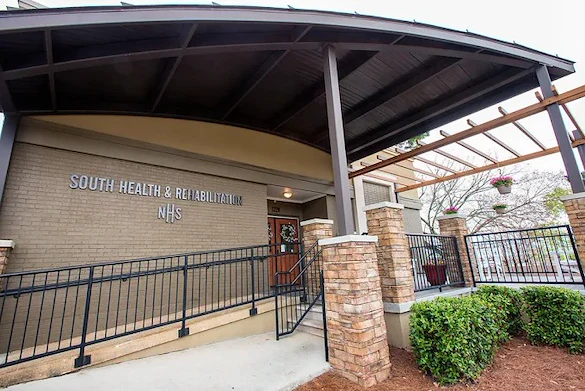
South Health and Rehabilitation, LLC
1220 South 17th Street Birmingham, AL 35205
Memory CareLong-Term Care / Skilled NursingSkilled Rehabilitation -
3.0Verified
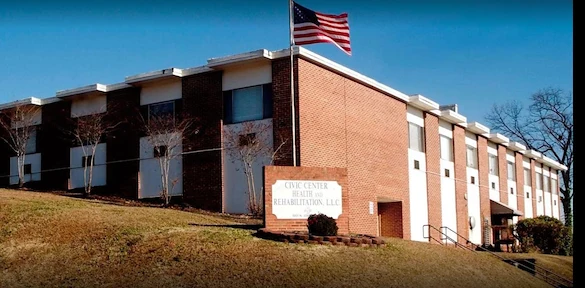
Civic Center Health and Rehabilitation, LLC
1201 22nd Street North Birmingham, AL 35234
Long-Term Care / Skilled NursingSkilled Rehabilitation -
3.0Verified
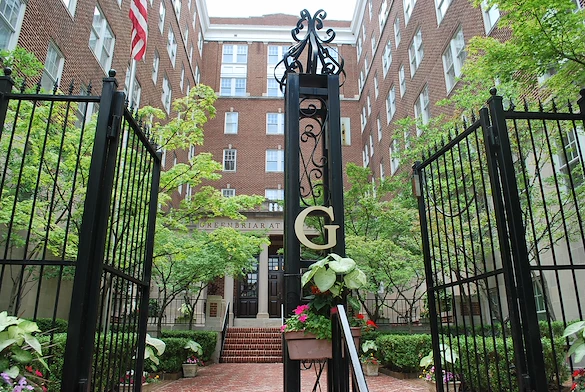
Greenbriar At The Altamont
2831 Highland Avenue South Birmingham, AL 35205
Long-Term Care / Skilled NursingSkilled RehabilitationRespite Care
Cost of Nursing Homes in Alabama
Several factors contribute to the pricing of skilled nursing care in Alabama. Facilities offering specialized services, such as memory care or post-surgical rehabilitation, may charge higher rates due to the increased staffing and resources required. Nursing homes with higher ratings and more extensive amenities, like private rooms, gourmet dining options, and recreational activities, often have higher fees. Additionally, urban centers with higher costs of living, such as Birmingham, typically have higher nursing home rates compared to rural areas.
Financial assistance options are available for those who qualify. Alabama Medicaid covers long-term nursing home care for eligible individuals, with approximately 219 skilled nursing facilities enrolled as Medicaid providers in the state. While Medicare does not cover long-term custodial care, it may cover short-term stays for rehabilitation following hospitalization. Veterans and their spouses may be eligible for benefits that can assist with nursing home costs. Additionally, individuals who have purchased long-term care insurance may use their policy to cover some or all of the costs associated with skilled nursing care.
In summary, Alabama offers competitive pricing for skilled nursing care compared to national averages. Families should consider regional cost variations, the level of care required, and available financial assistance programs when evaluating nursing home options in the state.
What to Know About Nursing Homes in Alabama
Nursing home care averages $6,500–$7,500 per month, depending on room type and region.
Yes. Alabama Medicaid covers nursing home care for eligible seniors who meet financial and medical requirements.
Social Security benefits may help offset costs but do not directly pay nursing home facilities.
Medicaid typically covers nursing home care for eligible individuals with limited income and assets.
Finding the Right Senior Care in Alabama
Alabama is one of the most affordable states for senior living and long-term care, offering a wide range of options including independent living, assisted living, in-home care, memory care, and skilled nursing facilities. With below-average housing costs, accessible healthcare services, and Medicaid waiver programs that support aging in place, Alabama remains an attractive destination for retirees and families planning long-term care. Major cities such as Birmingham, Huntsville, and Mobile provide diverse senior housing options, while smaller communities offer even greater affordability.
By understanding care levels, eligibility requirements, and financial assistance programs available through Alabama Medicaid and local aging agencies, families can confidently make informed decisions. Whether choosing assisted living, home care services, or skilled nursing care, Alabama provides supportive, regulated, and cost-effective environments designed to help older adults maintain independence, safety, and quality of life.
Frequently Asked Questions About Senior Living in Alabama
Yes. Alabama offers affordable housing, lower taxes, and a mild climate, making it attractive for retirees.
Aging in place with part-time home care or qualifying for income-based senior housing is often the most affordable option.
Yes. Alabama has numerous 55+ and active adult communities, particularly in coastal and suburban areas.
Cities such as Decatur, Florence, Gadsden, and parts of Mobile County often offer lower housing and living costs.
Frequently Asked Questions About Senior Care in Alabama
Programs include Medicaid waivers, senior nutrition services, transportation assistance, prescription aid, and home-based support services.
The CARES program evaluates seniors to determine eligibility for Medicaid-funded long-term care services, including nursing home or waiver programs.
Hourly senior care in Alabama typically costs $20–$26 per hour.
Yes. Through certain Medicaid waiver programs, eligible seniors may participate in consumer-directed services that allow family caregivers to receive compensation.