

411,867
Population of Tulsa

61,780
Residents aged 65 and older in Tulsa

270
Senior Living & Care Options in Tulsa

$5,875/Month
Average cost of Senior Living & Care in the area.
Tulsa, with a population of 411,867, is home to 61,780 residents aged 65 and older. The city offers 270 senior living and care options. The average monthly cost of senior living & care in the area is $5,875.
In the heart of Oklahoma, Tulsa is a city steeped in history and cultural richness. Once known as the "Oil Capital of the World" during the early 20th century oil boom, Tulsa has evolved into a vibrant urban center with a flourishing arts scene and a commitment to preserving its heritage.Home Care in Tulsa, Oklahoma
View All Providers-
-

-
 4.9Verified
Cornerstone Caregiving - Tulsa
1401 S Cheyenne Ave Tulsa, OK 74119
Home Care (Non-Medical) -
 4.5Verified
Griswold Home Care for Tulsa
1843 E. 15th Street Tulsa, OK 74104
Home Care (Non-Medical)


Independent Living & Active Adult Living in Tulsa, Oklahoma
View All Providers-
 4.3Premium+
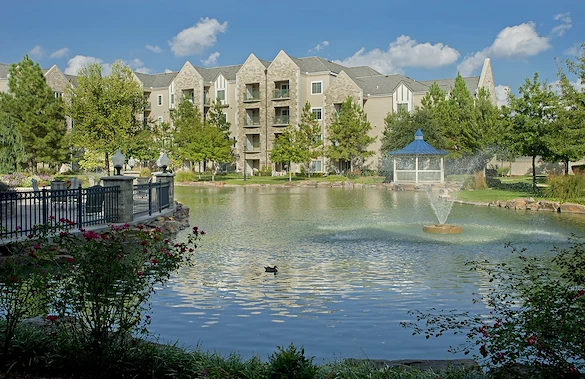
Covenant Living at Inverness
3800 West 71st Street South Tulsa, OK 74132
Independent LivingAssisted LivingMemory CareLife Plan Community/CCRC -
-
 4.6Verified
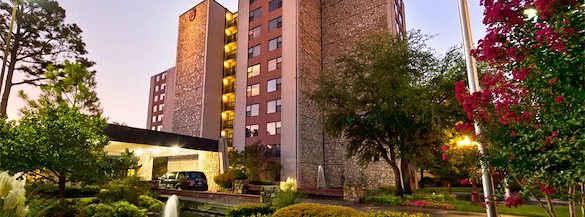
Senior Star at Burgundy Place
8887 S Lewis Ave Tulsa, OK 74137
Active Adult LivingIndependent Living -
 4.3Verified
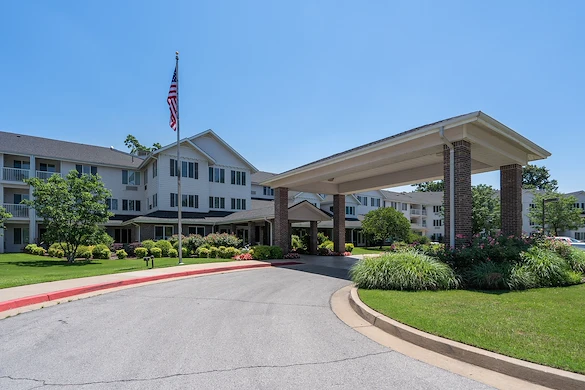
Asher Point Independent Living of Tulsa
7401 Riverside Pkwy Tulsa, OK 74136
Independent Living -
 4.4Verified
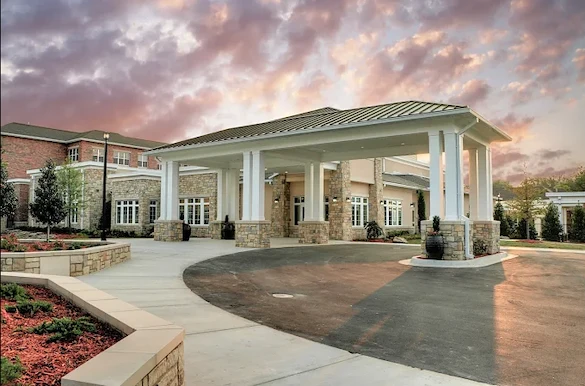
Trinity Woods Senior Living
4134 East 31st Street Tulsa, OK 74135
Independent LivingAssisted LivingMemory CareLife Plan Community/CCRC


Assisted Living in Tulsa, Oklahoma
View All Providers-
4.3Premium+
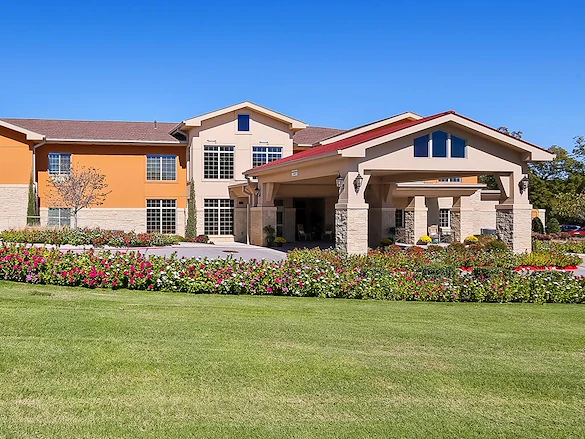
Covenant Living at Inverness
3800 West 71st Street South Tulsa, OK 74132
Independent LivingAssisted LivingMemory CareLife Plan Community/CCRC -
-
 4.4Verified
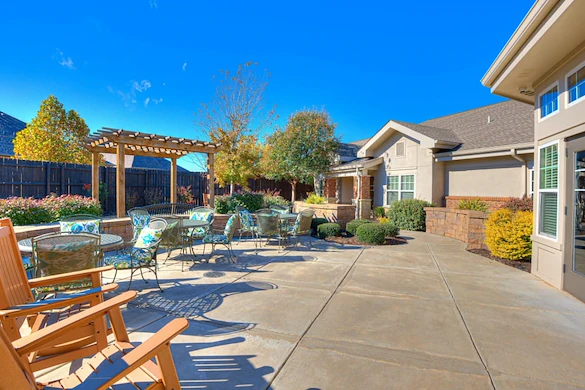
Iris Memory Care of Tulsa
9494 E 101st St South Tulsa, OK 74133
Assisted LivingMemory Care -
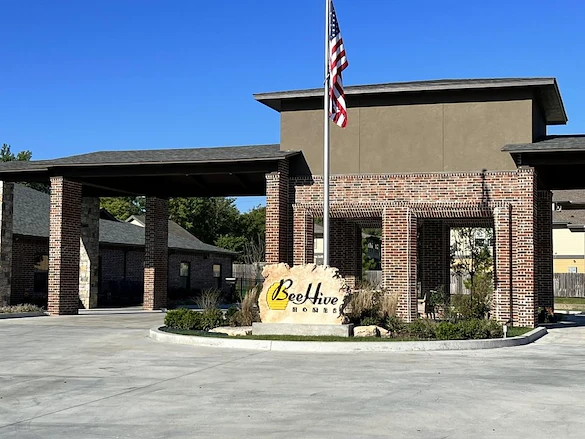 4.8Verified
BeeHive Homes of Glenpool
12570 South Vancouver Ave Glenpool, OK 74033
Assisted LivingMemory CareRespite Care -
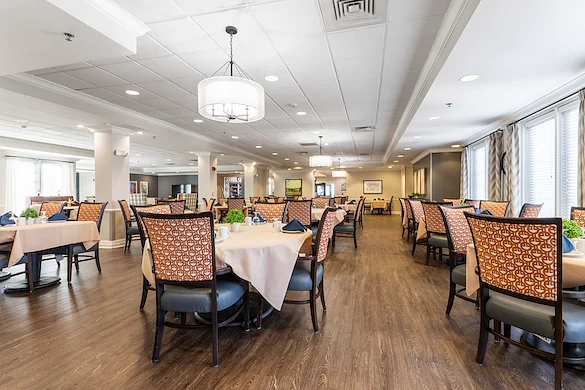 4.3Verified
The Grove at Midtown
5211 S Lewis Ave Tulsa, OK 74055
Assisted LivingMemory CareRespite Care


Memory Care in Tulsa, Oklahoma
View All Providers-
4.3Premium+
Covenant Living at Inverness
3800 West 71st Street South Tulsa, OK 74132
Independent LivingAssisted LivingMemory CareLife Plan Community/CCRC -
-
4.4Verified
Iris Memory Care of Tulsa
9494 E 101st St South Tulsa, OK 74133
Assisted LivingMemory Care -
4.8Verified
BeeHive Homes of Glenpool
12570 South Vancouver Ave Glenpool, OK 74033
Assisted LivingMemory CareRespite Care -
4.3Verified
The Grove at Midtown
5211 S Lewis Ave Tulsa, OK 74055
Assisted LivingMemory CareRespite Care
Long Term Care & Skilled Nursing in Tulsa, Oklahoma
View All Providers-
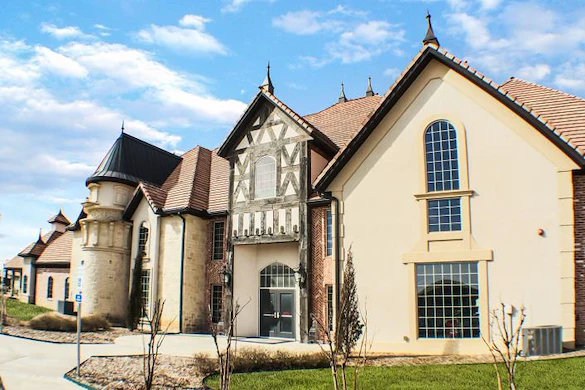 2.0Verified
The Highlands At Owasso
10098 N 123 E Ave Owasso, OK 74055
Long-Term Care / Skilled NursingSkilled Rehabilitation -
 5.0Verified
Covenant Living at Inverness Health Services
3800 West 71st Street South Tulsa, OK 74132
Long-Term Care / Skilled NursingSkilled RehabilitationRespite Care -
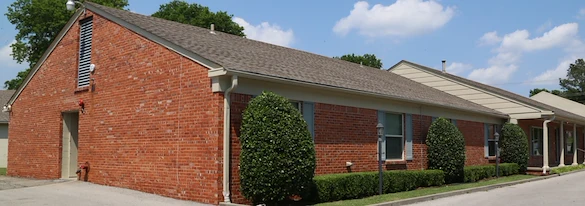 2.0Verified
Oklahoma Memory Care Institute
3333 East 28th Street Tulsa, OK 74114
Long-Term Care / Skilled NursingSkilled Rehabilitation -
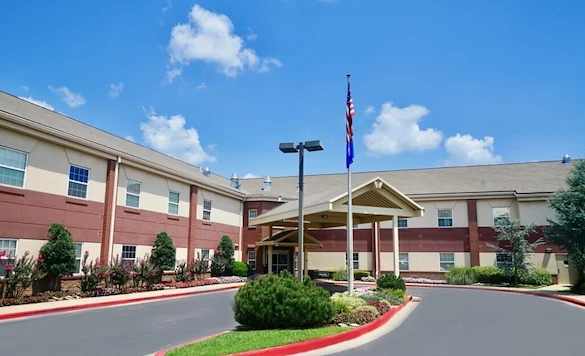 5.0Verified
Trinity Woods
4134 East 31st Street Tulsa, OK 74135
Long-Term Care / Skilled NursingSkilled RehabilitationLife Plan Community/CCRC


Seniors in Tulsa can choose from independent living, assisted living, memory care, skilled nursing, and continuing care retirement communities (CCRCs). Each option offers different levels of support, services, and amenities tailored to meet residents’ physical, social, and medical needs.
Costs vary by community type and care level. Independent living typically ranges from $1,500 to $4,000 per month, assisted living averages $3,500 to $10,500 per month, and CCRCs usually cost $3,300 to $5,700 per month. Pricing depends on room size, services, and contract type, with some communities requiring entrance fees or additional charges.
Medicare generally does not cover assisted living or personal care services. It may pay for short-term skilled nursing or medically necessary therapies, while long-term care is usually funded through personal savings, Medicaid waiver programs, or long-term care insurance.
Families can make senior living more manageable by comparing communities, selecting the right level of care, or downsizing to a smaller suite or apartment. Options like temporary family living arrangements, in-home care, and local assistance programs—such as VA benefits or BenefitsCheckUp—can help reduce expenses. Understanding what each community includes in monthly fees, from meals to activities, also helps families plan confidently and avoid unexpected costs.
Many Tulsa communities maintain real-time availability, allowing families to schedule tours and secure placement quickly. Popular facilities may have waitlists, so contacting communities early, preparing documentation, and working with senior placement services can help speed up the process.