
About Wyoming
Wyoming, known as the Cowboy State, offers a unique blend of wide-open spaces, breathtaking natural beauty, and a slower pace of life that appeals to both seniors and families. With its friendly communities, affordable lifestyle, and senior-friendly resources, Wyoming is an excellent choice for older adults looking to enjoy their retirement years in a peaceful, supportive environment. Whether families are exploring Wyoming senior care options or retirees are seeking retirement communities in Wyoming, the state offers a balance of affordability and quality living.
Fast Facts
Senior Living & Care in Wyoming
| #50 | most populated state in the U.S. |
| $5,000 | average monthly assisted living cost in Wyoming |
| 80+ | assisted living communities and care providers across Wyoming |
| 100K+ | adults age 65+ in Wyoming |
The state experiences four distinct seasons, giving residents the chance to enjoy warm summers, colorful autumns, snowy winters, and refreshing springs. While winters can be cold and snowy, especially in mountainous regions, the dry air and abundant sunshine make Wyoming’s climate more comfortable than many expect. This seasonal variety provides endless opportunities for outdoor activities such as hiking, fishing, skiing, and wildlife viewing, making it easy for seniors to stay active and engaged with nature.
The state consistently ranks among the most affordable places to live. The cost of living is lower than the national average, and there is no personal income tax, which allows retirees to stretch their savings further. Housing costs are also relatively affordable, whether seniors are looking for independent living in Wyoming, assisted living in Cheyenne, or skilled nursing care in Casper. This financial advantage makes Wyoming especially appealing to families planning for long-term senior care.
Healthcare access is another important consideration for older adults, and Wyoming offers a strong network of medical facilities. Larger cities like Cheyenne, Casper, and Laramie provide hospitals, specialty clinics, and Wyoming senior care services. In addition, the Wyoming Department of Health’s Aging Division supports older adults with resources for long-term care, home health, and community-based services, ensuring seniors have access to the support they need to maintain independence.
Communities across the state are celebrated for their safety, neighborly spirit, and slower pace of life, all of which are attractive to older adults. Many towns host cultural festivals, local arts events, and farmers’ markets that bring residents together, while Wyoming retirement communities provide amenities tailored to older adults. For those who love the outdoors, proximity to Yellowstone and Grand Teton National Parks adds to Wyoming’s appeal, offering breathtaking scenery and opportunities for recreation.
With its affordable living, access to healthcare, beautiful landscapes, and welcoming communities, Wyoming provides seniors with a high quality of life. Families considering senior living in Wyoming will find that the state combines natural beauty with practical benefits, making it a wonderful place to call home.
Top Cities for Senior Living and Care in Wyoming




Assisted Living in Wyoming
Assisted living in Wyoming offers seniors the opportunity to maintain independence while receiving personalized support with daily activities in a safe, welcoming environment. These communities are designed for older adults who do not require the intensive medical care of a nursing home but benefit from assistance with tasks such as bathing, dressing, meal preparation, and medication management. Many assisted living facilities in Wyoming also provide housekeeping, transportation, and engaging social programs that foster community and connection among residents.
A key feature of assisted living is the focus on balancing care and independence. Seniors have access to 24-hour support while still enjoying private or semi-private apartments, shared dining areas, and a wide range of recreational opportunities. Activities such as group fitness, arts and crafts, cultural outings, and resident clubs encourage active lifestyles and help combat isolation—an important benefit for older adults.
In Wyoming, assisted living facilities are licensed and regulated by the Wyoming Department of Health, Office of Healthcare Licensing and Surveys. The state sets quality standards for staffing, safety, resident rights, and care plans to ensure facilities provide appropriate levels of support. Families can feel confident knowing that facilities must meet these requirements and undergo regular inspections to maintain compliance.
Wyoming offers a variety of assisted living options to fit different needs and budgets. Luxury communities may feature spacious accommodations, chef-prepared meals, wellness centers, and resort-style amenities. Budget-friendly residences provide essential care services in a comfortable, home-like setting. Some communities specialize in memory care for individuals living with Alzheimer’s disease or other forms of dementia, offering enhanced safety features, trained staff, and therapeutic programming.
When evaluating assisted living in Wyoming, families should consider factors such as location, staff-to-resident ratio, available services, cost, and the community’s overall atmosphere. Touring multiple facilities, reviewing inspection reports, and talking with current residents can provide valuable insights into the quality of care.
For seniors and families, assisted living in Wyoming offers the right mix of support, independence, and community. With its licensed facilities, variety of options, and commitment to resident well-being, the state provides an excellent environment for older adults to thrive.
Top Assisted Living Communities in Wyoming
View All Providers-
4.5Verified
Pointe Frontier Retirement Community
1406 Prairie Ave Cheyenne, WY 82009
Independent LivingAssisted Living -
3.9Verified
Edgewood Aspen Wind
4010 North College Dr Cheyenne, WY 82001
Assisted LivingMemory CareAdult Day ServicesRespite Care -
4.6Verified
Cottonwood Creek of Cheyenne
6800 Faith Drive Cheyenne, WY 82009
Assisted LivingMemory Care
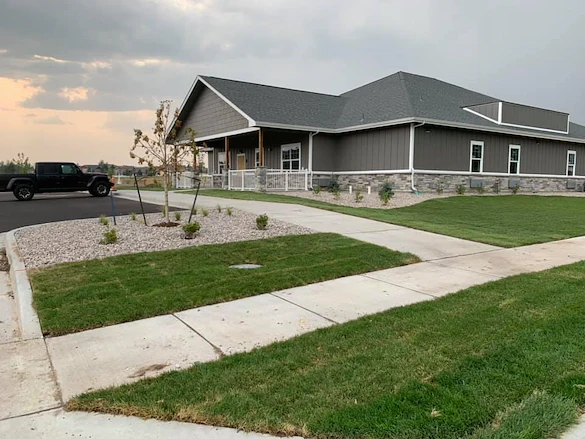
Cost of Assisted Living in Wyoming
Several factors influence what families pay for assisted living in Wyoming. The level of care required plays an important role, as costs increase when residents need additional support with daily activities, specialized memory care, or 24-hour supervision. Amenities and services also affect pricing, with communities offering private apartments, restaurant-style dining, transportation, fitness programs, and luxury features charging higher rates. Location contributes as well, since proximity to urban centers or healthcare hubs generally raises costs, while rural settings tend to be more budget-friendly. Finally, the size and layout of a unit can make a difference, with one- or two-bedroom apartments priced higher than studios.
Families seeking financial support to cover assisted living expenses have several options in Wyoming. The Medicaid Home and Community-Based Services (HCBS) waiver helps eligible seniors access care outside of a nursing home setting, including assisted living. Veterans and their spouses may qualify for benefits such as Aid and Attendance to offset costs, while long-term care insurance policies can provide additional support depending on the plan. In addition, some state and local senior programs offer resources to help families manage expenses.
With costs below the national average, a variety of community options, and financial assistance programs available, Wyoming offers seniors and their families a balance of affordability and quality care. Whether choosing a community in a larger city or a smaller town, families can find assisted living options that meet both their care needs and budget.
What to Know About Assisted Living in Wyoming
No. Medicare does not cover assisted living costs, including room, board, or custodial care services.
Assisted living in Wyoming typically costs $4,000–$5,200 per month, depending on location and care services.
Cities such as Cheyenne, Casper, and Sheridan are often considered ideal for seniors due to healthcare access and community resources.
Seniors with limited income may qualify for Medicaid waiver programs, veterans benefits, or state assistance programs that help cover long-term care costs.
Independent Living in Wyoming
Independent living in Wyoming is designed for seniors who want to maintain an active, self-sufficient lifestyle while enjoying the convenience and community offered by retirement-focused residences. These communities provide maintenance-free housing, including apartments, cottages, or townhomes, along with amenities and services that make daily life easier, such as housekeeping, transportation, and dining options. Independent living allows older adults to focus on hobbies, social engagement, and wellness, without the stress of home upkeep or daily chores.
One of the key benefits of independent living is the opportunity for social connection. Wyoming communities often offer a range of activities, including fitness classes, arts and crafts, cultural outings, and group events. These programs foster friendships and a sense of belonging, which is especially valuable for seniors looking to stay engaged and active. Many communities also include shared spaces such as clubhouses, game rooms, and gardens, providing residents with welcoming areas to gather, relax, and enjoy leisure time.
Wyoming’s natural beauty and outdoor lifestyle add another layer of appeal for independent living. Residents can take advantage of the state’s four distinct seasons with activities such as hiking, fishing, skiing, and wildlife viewing. Proximity to national treasures like Yellowstone and Grand Teton National Parks allows seniors to explore scenic landscapes while maintaining an active lifestyle. The dry climate and abundant sunshine make outdoor activities comfortable throughout much of the year, promoting health and well-being.
Several cities in Wyoming are particularly retirement-friendly, including Cheyenne, Casper, and Laramie. These areas offer access to healthcare facilities, cultural amenities, and shopping, while smaller towns provide a slower pace of life and strong community connections. The state’s lower cost of living, combined with no personal income tax, makes independent living an attractive option for seniors seeking both financial flexibility and a high quality of life.
For seniors in Wyoming, independent living communities provide the perfect balance of freedom, social engagement, and convenience. By offering maintenance-free housing, vibrant social opportunities, and access to amenities, these communities allow older adults to focus on the lifestyle they want while enjoying all that Wyoming has to offer. Families considering independent living will find that the state’s welcoming communities and active lifestyle make it an ideal place for retirement.
Top Independent Living Communities in Wyoming
View All Providers-
Not yet ratedVerified
Concord Village
1122 W Allison Road Cheyenne, WY 82007
Active Adult LivingIndependent Living -
4.5Verified
Pointe Frontier Retirement Community
1406 Prairie Ave Cheyenne, WY 82009
Independent LivingAssisted Living -
4.4Verified
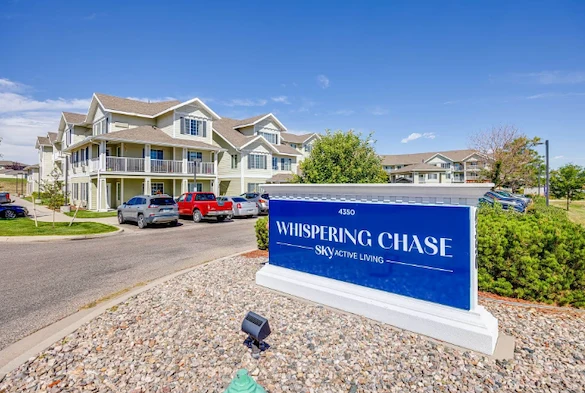
Whispering Chase
4350 E Lincolnway Cheyenne, WY 82001
Active Adult LivingIndependent Living
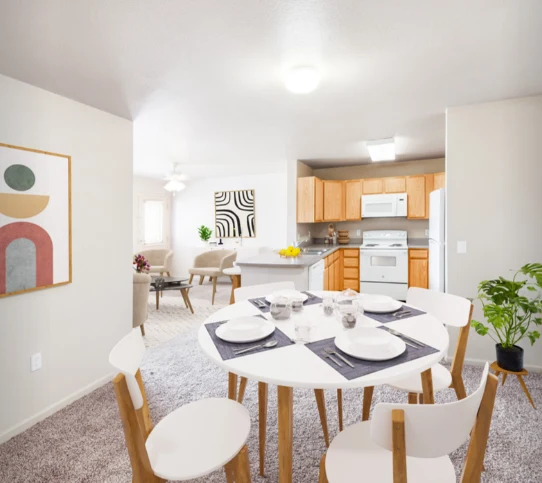
Cost of Independent Living in Wyoming
Independent living communities generally include housing and a variety of amenities that contribute to the monthly cost. Most communities provide maintenance-free apartments or cottages, meals or meal plans, housekeeping, transportation, and access to recreational spaces such as fitness centers, clubhouses, and gardens. Some communities also offer social programs, wellness activities, and concierge services, which may increase the monthly rate depending on the level of service and luxury features.
Several factors influence pricing in independent living communities. Location is a key consideration—urban areas with nearby hospitals and cultural activities are typically more expensive. The size and layout of housing units also affect cost, with larger apartments or premium views commanding higher rates. Additional amenities such as on-site dining, fitness centers, transportation services, and concierge programs can further increase monthly fees.
Financial resources and affordability options are available to help seniors manage the cost of independent living in Wyoming. Some families use personal savings or retirement funds, while others may have long-term care insurance policies that cover certain services. Veterans and their spouses may qualify for benefits to offset expenses, and some state or local programs provide financial support or guidance for seniors planning for retirement communities.
With costs generally below the national average and a range of housing and amenity options, independent living in Wyoming offers seniors both affordability and quality of life. Families exploring communities in the state can find opportunities that meet both their care and lifestyle needs while enjoying the benefits of Wyoming’s scenic landscapes and welcoming communities.
What to Know About Independent Living in Wyoming
Independent living communities in Wyoming typically cost $2,500–$3,500 per month, depending on amenities and housing size.
Retirees often choose Sheridan, Cheyenne, and Casper for their access to healthcare, community events, and outdoor recreation.
Smaller towns and rural communities typically offer lower housing costs than larger cities.
Independent living is generally paid for through private funds, retirement income, or long-term savings, as insurance and Medicare do not cover housing costs.
Home Care in Wyoming
Non-medical home care in Wyoming provides seniors with the support they need to remain safe, healthy, and independent in their own homes. Unlike skilled medical care, non-medical home care focuses on assistance with daily living activities, offering a flexible option for older adults who may need help with personal tasks or household management but do not require continuous medical supervision. These services allow seniors to maintain their routines, enjoy familiar surroundings, and retain a sense of independence while receiving support tailored to their needs.
Common services offered through non-medical home care include personal care, companionship, and household assistance. Personal care may involve help with bathing, grooming, dressing, mobility, and medication reminders. Homemakers or personal aides also assist with household tasks such as meal preparation, laundry, light cleaning, errands, and transportation. Many seniors benefit from companionship services as well, which help reduce social isolation and promote emotional well-being through conversation, shared activities, and participation in community outings.
In Wyoming, non-medical home care agencies are subject to state regulations overseen by the Wyoming Department of Health. While licensing requirements are generally less rigorous than for medical providers, agencies must comply with standards for staff training, safety, and client care plans to ensure quality and reliability. Families should look for agencies that hire certified caregivers, conduct background checks, and provide ongoing training to meet the unique needs of older adults.
Availability of non-medical home care in Wyoming can vary depending on location. Urban centers like Cheyenne, Casper, and Laramie have a higher concentration of agencies and caregivers, while rural areas may have more limited options, requiring families to plan ahead or consider hybrid care arrangements. Factors such as caregiver availability, regional demand, and travel distance can impact scheduling and service costs.
Non-medical home care provides a valuable alternative for seniors who wish to remain in their homes while receiving the support necessary for daily life. By offering personalized assistance, social engagement, and household management, these services help seniors maintain independence, safety, and quality of life in Wyoming. Families exploring care options can work with licensed, reputable agencies to find solutions tailored to their loved one’s needs, ensuring both comfort and peace of mind.
Top Home Care in Wyoming
View All Providers-
4.6Verified
Cornerstone Caregiving - Cheyenne
2116 Pioneer Ave Cheyenne, WY 82001
Home Care (Non-Medical) -
4.7Verified
SYNERGY HomeCare of Cheyenne
2400 Dunn Avenue Suite A Cheyenne, WY 82001
Home Care (Non-Medical) -
Not yet rated
Senior Helpers - Cheyenne
1603 Capitol Ave #411E Cheyenne, WY 82001
Home Care (Non-Medical)



Cost of Home Care Non-Medical in Wyoming
Several factors influence the overall cost of home care. The number of care hours needed is a primary consideration, as seniors requiring several hours per day will naturally face higher total expenses. The type of caregiver also affects pricing: hiring through a licensed home care agency typically comes with higher costs due to administrative fees, insurance, training, and ongoing supervision, but agencies often provide greater reliability, background-checked staff, and liability protection. In contrast, private caregivers may charge lower rates, though families must take extra steps to verify credentials, experience, and trustworthiness. The level of care required also plays a role, as specialized services such as assistance with mobility, chronic condition management, or memory support for dementia can increase hourly rates.
Families can also explore financial assistance to help manage costs. Wyoming Medicaid provides long-term care coverage for eligible individuals who meet income, asset, and functional criteria. Additional state-funded programs offer support for in-home care services, and long-term care insurance may cover some or all costs depending on the policy terms. Planning ahead and reviewing these options can help families make home care more affordable and sustainable over the long term.
By understanding hourly rates, regional differences, caregiver types, care needs, and available financial resources, families can make informed decisions about non-medical home care in Wyoming. This knowledge ensures seniors receive safe, dependable support at home, while families gain confidence, peace of mind, and the ability to plan for their loved one’s ongoing needs.
What to Know About Non Medical Home Care in Wyoming
Yes. Through certain Medicaid waiver programs, eligible seniors may choose family members as paid caregivers.
Non-medical home care provides help with daily tasks such as bathing, dressing, meal preparation, and companionship.
The Developmental Disabilities (DD) waiver provides services for individuals with developmental disabilities, including residential and support services.
Home care agencies typically provide personal care, companionship, meal preparation, transportation, and medication reminders.
Long-Term Care/Skilled Nursing in Wyoming
Skilled nursing facilities in Wyoming provide comprehensive care for seniors who need 24-hour medical supervision, rehabilitation, or specialized support. These communities are designed for individuals recovering from surgery, managing chronic conditions, or living with memory-related illnesses. Skilled nursing facilities combine medical expertise with daily support, helping residents maintain health, independence, and quality of life in a safe environment.
Residents in skilled nursing facilities receive assistance with personal care, including bathing, dressing, grooming, and mobility, along with medication management. Facilities also offer rehabilitative services such as physical, occupational, and speech therapy to support recovery and maintain function. Specialized care programs may focus on memory support, post-surgical recovery, or chronic disease management, allowing seniors to receive targeted care that meets their unique needs.
Wyoming has state-specific licensing and quality standards that skilled nursing facilities must meet. Facilities are regularly inspected by the Wyoming Department of Health to ensure compliance with health, safety, and staffing regulations. Families evaluating skilled nursing options can review inspection reports, resident satisfaction surveys, and online ratings to assess quality and identify facilities that align with their loved one’s needs. Visiting communities in person can also provide valuable insight into staff interactions, resident engagement, and the overall environment.
Skilled nursing communities in Wyoming vary in size, services, and amenities. Some facilities offer private suites, full-service dining, wellness programs, and social activities, while others focus on essential medical care. Whether families are looking for facilities in larger cities such as Cheyenne, Casper, or Laramie, or smaller towns across the state, Wyoming provides options that balance quality care with personal comfort.
Choosing the right skilled nursing facility involves considering medical needs, lifestyle preferences, location, and cost. Families should ask about care plans, staffing levels, rehabilitation services, and any specialized programs that may benefit their loved one. By understanding the types of services available, state regulations, and ways to evaluate quality, families can make informed decisions that provide seniors with safety, support, and dignity in their later years.
Top Long-Term Care/Skilled Nursing in Wyoming
View All Providers-
1.0Verified
Polaris Rehabilitation And Care Center
2700 E 12th Street Cheyenne, WY 82001
Long-Term Care / Skilled NursingSkilled Rehabilitation -
2.0Verified
Granite Rehabilitation And Wellness
3128 Boxelder Dr Cheyenne, WY 82001
Memory CareLong-Term Care / Skilled NursingSkilled Rehabilitation -
5.0Verified
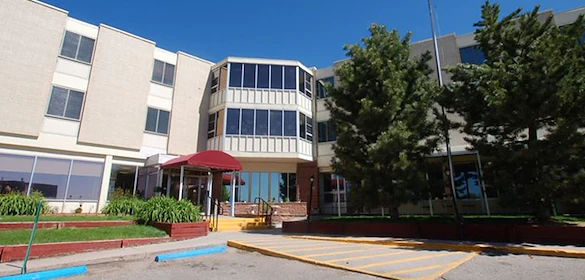
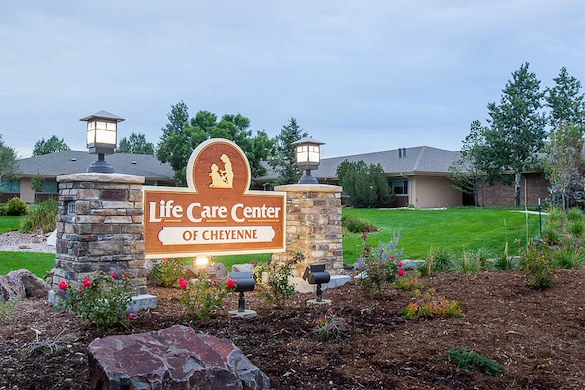
Life Care Center Of Cheyenne
1330 Prairie Ave Cheyenne, WY 82009
Long-Term Care / Skilled NursingSkilled Rehabilitation
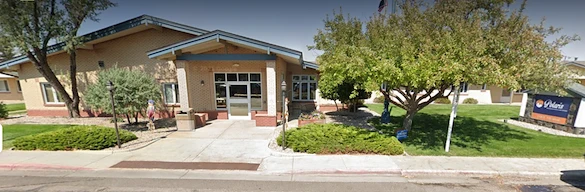
Cost of Nursing Homes in Wyoming
Several factors influence the cost of skilled nursing care in Wyoming. The level of medical care required, including specialized services such as memory care or intensive rehabilitation, can increase rates. Facility reputation and quality also play a role, as well-established facilities with strong reputations for positive outcomes may charge higher prices. Additionally, amenities and services such as private suites, therapy programs, and recreational activities can affect costs. Families should consider both the medical needs of their loved one and the overall environment to ensure a supportive and engaging setting.
Financial assistance programs can help offset the cost of skilled nursing care. Medicare Part A may cover up to 100 days of skilled nursing care following a qualifying hospital stay, though beneficiaries are responsible for daily coinsurance after the first 20 days. Wyoming Medicaid provides long-term care assistance for eligible individuals, with a 2025 income limit of $2,901 per month for a single applicant and an asset limit of $2,000, along with medical and functional eligibility requirements. State-funded long-term care programs may also provide support, with specific eligibility rules and benefits. Families can contact the Wyoming Department of Health for detailed guidance on these options. Long-term care insurance and Veterans benefits may further help cover expenses depending on individual circumstances.
By understanding costs, regional differences, and available financial resources, families can make informed decisions about skilled nursing care in Wyoming. Comparing facilities, reviewing services, and exploring financial assistance options ensures seniors receive the safety, support, and quality care they need while families gain peace of mind.
What to Know About Nursing Homes in Wyoming
Nursing home care typically costs $6,500–$7,500 per month, depending on facility and room type.
Medicare only covers short-term skilled nursing care after a qualifying hospital stay.
Midwestern and southern states often have lower nursing home costs compared with western or northeastern states.
Finding the Right Senior Care in Wyoming
Wyoming offers a unique retirement environment with wide open spaces, strong community ties, and relatively affordable senior living options compared with many western states. Seniors can choose from a variety of care options, including independent living communities, assisted living facilities, home care services, and skilled nursing care. With assistance programs through Wyoming Medicaid and local Area Agencies on Aging, many families can access financial support that helps offset the cost of long-term care.
By understanding Wyoming’s senior care regulations, average costs, and available financial assistance programs, families can make informed decisions about the best care solutions for their loved ones. Whether aging in place with home care services or transitioning to assisted living or nursing care, Wyoming provides supportive environments designed to help older adults maintain independence, dignity, and quality of life.
Frequently Asked Questions About Senior Living in Wyoming
Many retirees can live comfortably on $3,000–$4,500 per month, depending on housing and lifestyle.
Pros include no state income tax, beautiful scenery, and low population density. Cons may include limited healthcare access in rural areas and colder winters.
Frequently Asked Questions About Senior Care in Wyoming
Yes. Wyoming offers low taxes, outdoor recreation, and relatively affordable senior living options.
States with large healthcare systems and specialized hospitals tend to rank highest for retiree healthcare access.
Income limits vary depending on household size and program eligibility guidelines under Wyoming Medicaid long-term care programs.