
About Vermont
Vermont offers a peaceful, picturesque setting perfect for seniors and families seeking a high quality of life. Known for its rolling hills, vibrant small towns, and four distinct seasons, Vermont attracts older adults who appreciate a slower pace surrounded by stunning natural beauty. Clean air, plentiful outdoor activities, and a tight-knit community atmosphere make it a top choice for retirees and those planning their next chapter.
Fast Facts
Senior Living & Care in Vermont
| #49 | most populated state in the U.S. |
| $6,500 | average monthly assisted living cost in Vermont |
| 150+ | assisted living communities and care providers across Vermont |
| 120K+ | individuals age 65+ in Vermont |
The climate features snowy winters ideal for skiing and cozy indoor gatherings, balanced by mild summers that encourage hiking, fishing, and gardening. Many seniors enjoy the health benefits of fresh mountain air and seasonal variety, which supports physical activity and emotional well-being year-round.
Cost of living in Vermont is moderate, with diverse housing options that include charming historic homes and modern senior living communities. Senior-friendly neighborhoods often provide maintenance-free living, freeing residents from home upkeep so they can focus on enjoying life. Vermont’s property taxes and healthcare costs tend to be reasonable compared to national averages, helping seniors stretch their retirement savings further. This balance of affordability and quality lifestyle draws many families seeking peace of mind.
Healthcare in Vermont is excellent, with access to nationally ranked hospitals and specialized medical centers like the University of Vermont Medical Center. Seniors benefit from comprehensive services close to home, including primary care, rehabilitation, and chronic disease management. The state also emphasizes community-based programs and preventive care that support aging in place and independence.
Cultural and social opportunities thrive across Vermont’s towns and cities. Farmers’ markets, art festivals, music performances, and senior centers offer ways to stay engaged and connected. Volunteer programs and wellness initiatives foster social bonds and promote mental and physical health, helping seniors maintain vibrant, active lifestyles.
Families researching senior care in Vermont will find options ranging from assisted living and independent living to skilled nursing facilities—all regulated by the Vermont Department of Disabilities, Aging and Independent Living. These licensed communities focus on safety, personalized care, and resident dignity. Vermont’s strong network of home care services also supports seniors who want to remain in familiar surroundings with professional help.
With its blend of natural beauty, quality healthcare, welcoming communities, and senior-focused amenities, Vermont is an outstanding place to age gracefully. Whether seeking peaceful retirement living or comprehensive care options, seniors and families will find a warm, supportive environment to call home.
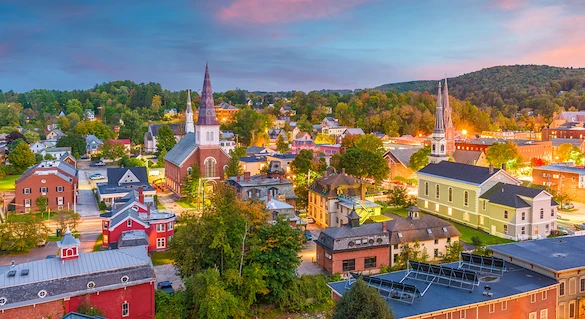
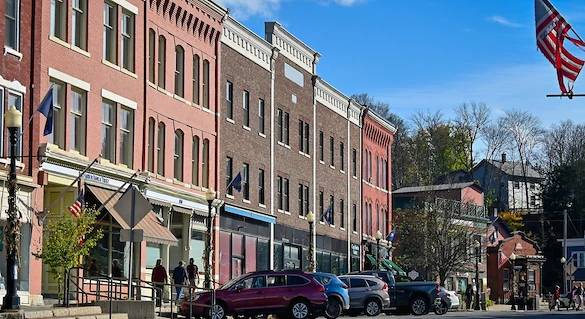
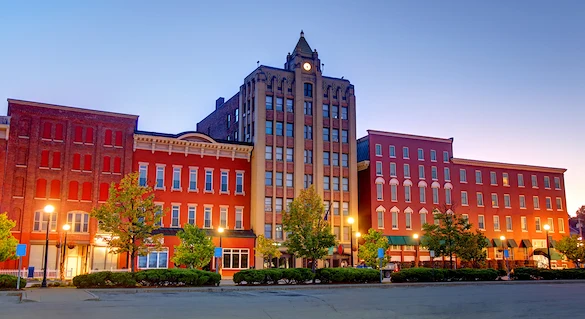
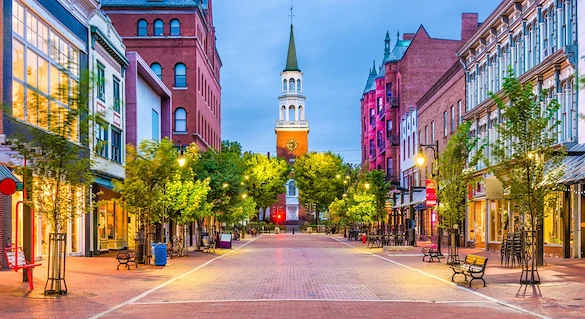
Top Cities for Senior Living and Care in Vermont
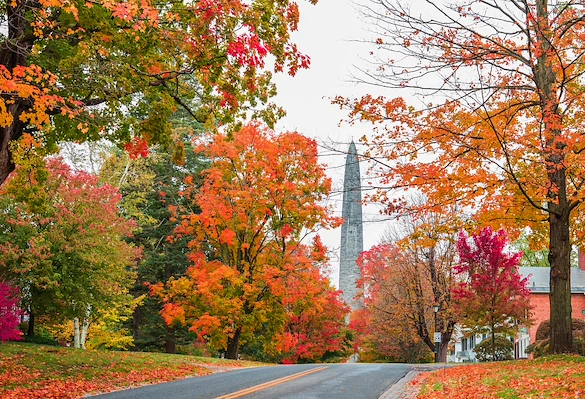
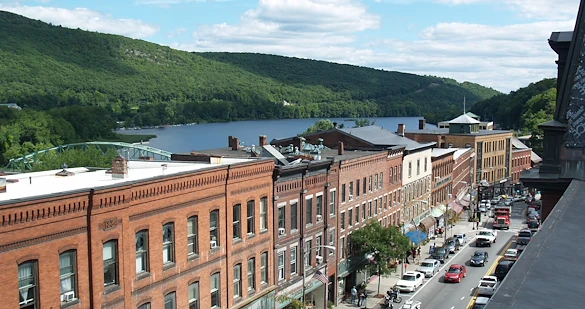
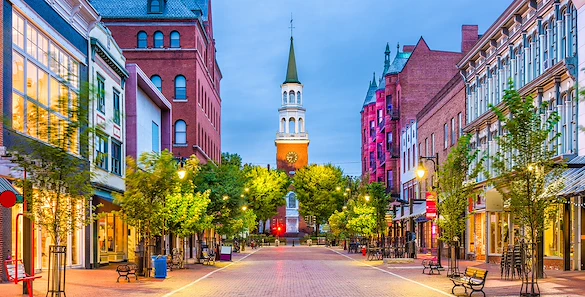



Assisted Living in Vermont
Assisted living in Vermont offers older adults a supportive and engaging environment that promotes independence while providing help with daily needs. These communities are designed for seniors who may need assistance with tasks like bathing, dressing, mobility, or medication management but do not require the full-time medical care provided in a nursing home. In Vermont, assisted living facilities aim to enhance residents' quality of life through compassionate care, personalized service plans, and a focus on dignity and autonomy.
Typical services in Vermont assisted living communities include 24-hour staff availability, help with personal care, medication supervision, housekeeping, laundry, nutritious meals, and transportation to appointments or local activities. Many communities also offer vibrant programming that encourages socialization, physical wellness, and mental stimulation—ranging from group outings to art classes, gardening, and wellness workshops.
Assisted living residences in Vermont must be licensed through the Department of Disabilities, Aging and Independent Living (DAIL). These facilities are required to meet state regulations that prioritize resident safety, service quality, and individualized care. Families can access inspection reports through the state to evaluate facility compliance and performance.
Vermont’s assisted living options vary widely in size, style, and focus. Some communities are luxury residences with high-end amenities like chef-prepared meals, private suites, and spa services, while others offer more modest, budget-conscious accommodations. Memory care-focused facilities serve seniors living with Alzheimer’s or other forms of dementia, offering secure environments and specialized staff training.
Families seeking the best assisted living in Vermont should consider their loved one’s care needs, personal preferences, and budget. Touring several communities, speaking with staff and residents, reviewing state inspection results, and understanding what’s included in monthly rates are all helpful steps in making an informed choice.
Whether located in a peaceful rural town or near a vibrant city center like Burlington or Montpelier, Vermont’s assisted living communities combine a personalized approach to care with the state’s signature warmth and natural beauty—making it a comforting place to call home.
Top Assisted Living Communities in Vermont
View All Providers-
Not yet ratedVerified
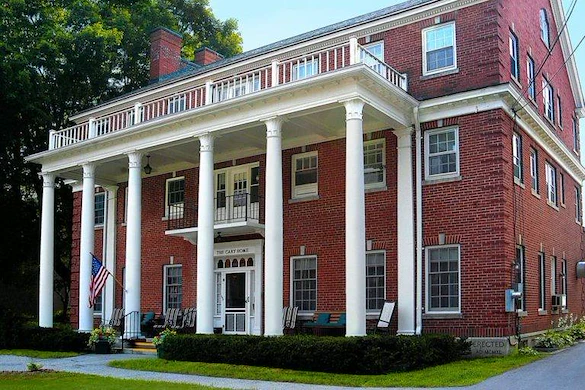
The Gary Residence
149 Main Street Montpelier, VT 05602
Assisted LivingMemory Care -
3.0Verified
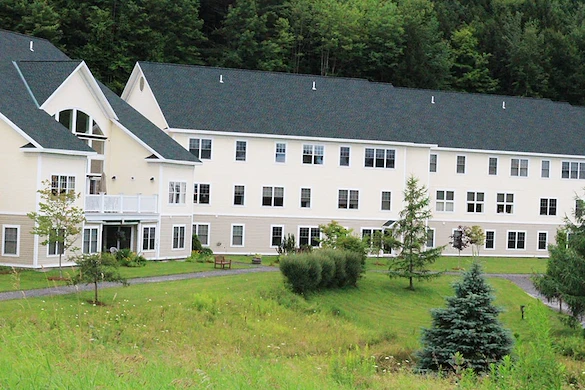
Westview Meadows at Montpelier
171 Westview Meadows Road Montpelier, VT 05602
Independent LivingAssisted Living
Cost of Assisted Living in Vermont
Several factors influence assisted living prices in Vermont. The level of care required plays a major role—residents who need additional assistance, such as memory care or mobility support, may pay an additional $1,000 to $1,600 per month. The range of amenities can also affect pricing, with luxury communities offering chef-prepared meals, wellness programs, and private apartments often commanding a higher monthly rate. Location matters too; communities near hospitals, downtown areas, or scenic nature access points may have increased demand and higher costs.
To help with affordability, Vermont offers financial assistance options through programs like the Assistive Community Care Services (ACCS) waiver. This Medicaid-funded program covers support services—such as personal care and nursing oversight—provided in licensed residential care homes and assisted living residences, though it does not cover room and board. For veterans and their spouses, the VA Aid and Attendance benefit can provide additional monthly income to offset care-related expenses. Families may also consider long-term care insurance or consulting a financial advisor to explore payment strategies that make assisted living more manageable.
Understanding the true cost of care—and what support is available—can help families plan with confidence as they explore the best senior living options Vermont has to offer.
What to Know About Assisted Living in Vermont
The average cost of assisted living in Vermont is approximately $6,800–$7,200 per month, making it one of the more expensive states for assisted living.
Yes, assisted living is significantly cheaper than a nursing home. Nursing homes in Vermont provide 24/7 skilled medical care and therefore cost much more.
Vermont Medicaid typically does not cover room and board in assisted living but may help pay for personal care services through Medicaid waiver programs.
No, Medicare does not pay for assisted living. It only covers short-term medical care such as hospital stays, rehabilitation, and skilled nursing after a qualifying hospital admission.
Independent Living in Vermont
Independent living in Vermont offers older adults the freedom to enjoy retirement on their terms while benefiting from a community designed with their needs in mind. These communities provide maintenance-free housing, convenient amenities, and a welcoming social environment, making them a great option for active seniors who want to simplify daily life without giving up independence. For older adults who are mostly self-sufficient but appreciate the safety net of a supportive setting, independent living can be an ideal fit.
Residents in Vermont’s independent living communities typically enjoy private apartments or cottages along with shared spaces such as fitness centers, walking trails, community dining rooms, and game or hobby rooms. Services like housekeeping, lawn care, and transportation are often included, allowing seniors to spend more time focusing on hobbies, social activities, and wellness. Many communities organize regular events, classes, and outings, helping residents stay engaged and connected with peers.
Vermont is especially appealing for independent seniors due to its natural beauty, four-season climate, and slower pace of life. The state offers a strong sense of community, clean air, and access to scenic outdoor spaces—ideal for those who enjoy walking, gardening, or simply taking in the foliage. Towns like South Burlington, Montpelier, and Brattleboro are popular retirement destinations thanks to their charm, accessibility to healthcare, and abundance of cultural or recreational offerings. These areas also tend to have walkable downtowns, farmers' markets, and active arts scenes, making them well-suited to seniors seeking connection and enrichment.
For many retirees, Vermont’s smaller, more personal independent living communities are a welcome contrast to larger, more commercial settings found elsewhere. These residences often foster close relationships among neighbors and staff and offer a peaceful lifestyle rooted in the values of simplicity and well-being.
Choosing independent living in Vermont can provide seniors with the best of both worlds—freedom and privacy, combined with community and convenience. Families can explore different options based on location, services, and lifestyle preferences to find the setting that best supports their loved one’s goals for an active, fulfilling retirement.
Top Independent Living Communities in Vermont
View All Providers-
3.0Verified
Westview Meadows at Montpelier
171 Westview Meadows Road Montpelier, VT 05602
Independent LivingAssisted Living
Cost of Independent Living in Vermont
What’s included in the cost of independent living often depends on the community. Most offer private apartments or cottages, along with services such as housekeeping, dining plans, scheduled transportation, fitness centers, and social activities. Higher-priced communities may include resort-style features like chef-prepared meals, wellness programs, on-site salons, and concierge services. Some may also offer access to higher levels of care on the same campus, allowing residents to age in place with added peace of mind.
Factors that impact pricing include location, unit size, the range of amenities, and whether the community is part of a continuing care retirement community (CCRC). Urban areas or popular tourist regions tend to carry higher price tags, while smaller towns may offer more budget-friendly options.
While Medicare does not cover independent living costs, some seniors use personal savings, pensions, or proceeds from home sales to fund their move. Veterans and surviving spouses may qualify for VA Aid and Attendance benefits, which can help offset living expenses. Vermont’s Choices for Care program focuses on higher levels of care but may support transitions if independent living is part of a broader long-term care plan.
Independent living in Vermont offers a blend of independence, convenience, and community—though costs can vary, many families find the lifestyle benefits well worth the investment.
What to Know About Independent Living in Vermont
Independent living is designed for seniors who can live safely on their own and do not require daily personal or medical care.
Independent living in Vermont typically costs $3,000–$4,200 per month, depending on location, housing type, and amenities.
Most independent living communities in Vermont require residents to be 55 or 62 years old, depending on the community.
55 is the minimum age for most independent living communities.
Home Care in Vermont
Non-medical home care in Vermont plays a crucial role in helping older adults maintain their independence while remaining safely and comfortably at home. This type of care provides support with daily activities rather than medical treatments, making it ideal for seniors who don’t require skilled nursing but still need help managing everyday tasks.
Common services include assistance with personal hygiene (such as bathing and grooming), light housekeeping, meal preparation, medication reminders, mobility support, and transportation to errands or appointments. Companionship is also a vital component—regular social interaction can reduce feelings of isolation and enhance emotional well-being for seniors living alone.
In Vermont, home care agencies must be licensed by the state and adhere to regulatory standards designed to protect the health, safety, and rights of clients. The state requires agencies to complete background checks, provide staff training, and develop individualized service plans based on each client’s needs. These requirements help ensure that caregivers are well-qualified and services are tailored to support seniors in a respectful, dignified manner.
The availability and delivery of home care services in Vermont can vary based on geography. Rural areas may face staffing shortages or limited agency options, while larger towns and cities typically offer broader service availability. Winter weather and transportation challenges can also impact scheduling and caregiver access, especially in more remote communities.
One advantage of Vermont’s approach to aging services is its strong focus on home- and community-based care. The state’s Choices for Care program helps eligible older adults remain in their homes longer by providing financial and logistical support for non-medical care, especially for those who qualify for Medicaid. In addition, families may explore options like long-term care insurance, veterans’ benefits, or private-pay arrangements to cover costs.
For many Vermont families, non-medical home care offers a flexible and compassionate solution—one that preserves independence, honors personal routines, and delivers meaningful support right at home.
Top Home Care in Vermont
View All Providers-
5.0
Hands At Home Care Services
4477 Main Street Unit 24 Waitsfield, VT 05673
Home Care (Non-Medical)

Cost of Home Care Non-Medical in Vermont
Across Vermont, costs vary based on location. In urban areas such as Burlington and Montpelier, where demand is high and care agencies are well established, rates generally hover around the state median. In more rural regions or smaller towns, hourly rates may be slightly lower—sometimes dipping into the high $30s—but caregivers may travel between clients, creating added variability and occasional scheduling challenges.
Several key factors influence overall cost. First, the number of care hours needed—from a few hours each week to near-round-the-clock support—has a major impact on the monthly total. Second, whether care is provided by an agency versus a privately hired caregiver affects the hourly rate. Agencies typically charge more, reflecting costs for staff training, background checks, insurance, and backup coverage. Private caregivers may charge less but often require families to handle payment, scheduling, and contingency planning on their own.
Vermont offers a few avenues for financial assistance. The Choices for Care Medicaid waiver can help eligible seniors access home- and community-based personal care services, though it does not cover basic living expenses. Veterans and surviving spouses may qualify for VA Aid and Attendance benefits, which can offset a portion of monthly home care costs. In certain situations, long-term care insurance may reimburse some qualified services, depending on policy terms and documentation.
Families considering non-medical home care in Vermont should look beyond hourly cost alone. Evaluating caregiver reliability, agency flexibility, client reviews, and community reputation is vital. Consulting local Area Agencies on Aging or nonprofit senior support organizations can also provide guidance in regions where access is limited.
While Vermont’s hourly rates are among the highest in the country, thoughtful planning and use of available financial tools can help families secure high-quality, supportive in-home care that honors seniors’ independence and dignity.
What to Know About Non Medical Home Care in Vermont
Vermont offers caregiver support through Choices for Care and other Medicaid-funded programs, which may provide compensation, respite care, and support services for eligible family caregivers.
Medical home care provides skilled services such as nursing and therapy ordered by a doctor, while non-medical home care helps with daily living activities like bathing, meals, and companionship.
Choices for Care is a Vermont Medicaid program that helps eligible seniors receive long-term care services in nursing homes, assisted living settings, or at home, depending on care needs and eligibility.
Vermont seniors can receive skilled nursing, physical therapy, occupational therapy, speech therapy, and personal care services through licensed home health agencies.
Long-Term Care/Skilled Nursing in Vermont
Long‑term skilled nursing care in Vermont offers around‑the‑clock clinical and personal support for older adults who require more than occasional assistance. These facilities—often called nursing homes or skilled nursing facilities—are the appropriate choice for residents who need regular medical attention, such as medication administration, wound care, or mobility support, as well as comprehensive help with tasks of daily living.
In Vermont, nursing homes provide a continuum of services. Licensed nurses oversee daily health needs, including medication management, catheter or IV therapy, and chronic disease monitoring. Facilities also offer rehabilitation therapies—physical, occupational, and speech—for recovery after surgery, injury, or illness. Many nursing homes include dedicated memory care units for residents with Alzheimer’s or dementia, featuring secure environments, cognitive enrichment programs, and staff specially trained in dementia care.
Skilled nursing facilities in Vermont are regulated by the state’s Department of Disabilities, Aging and Independent Living, which enforces rigorous licensing requirements, staffing ratios, emergency protocols, and infection control guidelines. Facilities also undergo federal inspections and are rated through the Centers for Medicare & Medicaid Services (CMS), allowing families to review quality metrics online. These oversight systems help ensure caregiver qualifications, resident safety, and consistent standards of care.
When reviewing Vermont skilled nursing options, families should consider key factors such as staffing levels, resident-to-caregiver ratios, service breadth, rehabilitation offerings, and access to medical specialists. Touring multiple facilities, speaking with staff and residents, and reviewing inspection reports or online ratings give essential insight into quality. Proximity to hospitals or clinics also matters, especially for residents with complex health needs.
Many skilled nursing facilities in Vermont maintain strong community connections—it’s common to find homes in and around Burlington, Montpelier, or Rutland that integrate local wellness programs and cultural activities. Whether a resident requires long-term custodial care, short-term rehab, or specialized memory support, Vermont nursing homes generally promote a person-centered approach where care plans, physical recovery, and the resident’s comfort are taken seriously.
Choosing the right skilled nursing home is a significant decision. Vermont’s strong licensing standards, transparent quality reporting, and wide range of facility types—from small residential homes to larger campus-style centers—help families find safe, compassionate, and medically sound environments tailored to each resident’s needs.
Top Long-Term Care/Skilled Nursing in Vermont
View All Providers-
1.0Verified
Berlin Health and Rehab Center
98 Hospitality Drive Barre, VT 05641
Long-Term Care / Skilled NursingSkilled Rehabilitation -
1.0
Barre Gardens Nursing and Rehab
378 Prospect Street Barre, VT 05641
Long-Term Care / Skilled NursingSkilled Rehabilitation -
2.0
Woodridge Nursing Home
142 Woodridge Drive Barre, VT 05641
Long-Term Care / Skilled NursingSkilled Rehabilitation

Cost of Nursing Homes in Vermont
Costs often vary based on location and services offered. Facilities in larger areas like Burlington and Montpelier generally fall near the state average due to access to hospitals and staff. More rural regions may offer slightly lower pricing, though options can be limited and fewer amenities available.
Several factors influence pricing in Vermont’s skilled nursing facilities. The level of medical support—such as memory care, ventilator services, or post-surgical rehab—typically increases costs. Facilities offering physical, occupational, and speech therapy on-site also tend to have higher pricing. Amenities such as private suites, landscaped grounds, robust activity programs, or exceptional dining contribute to higher fees. Reputation matters too—facilities with strong CMS star ratings and clean inspection records may price at a premium.
To help families manage these costs, several financial assistance options are available. Medicare may cover up to 100 days of skilled nursing care after a qualifying hospital stay, with full coverage for the first 20 days and coinsurance for days 21–100 (after which coverage typically ends). Medicaid in Vermont covers long-term nursing home care for eligible low-income individuals, and most Vermont nursing facilities accept Medicaid payment.
Other resources include Veterans’ Aid and Attendance benefits, which may reduce out-of-pocket costs for eligible veterans or their spouses, and long-term care insurance, which can cover facility charges depending on policy terms. Families can consult elder law professionals or area senior services to explore spend-down strategies, Medicaid eligibility, and financial protection options.
Despite Vermont’s higher-than-average nursing care costs, the state’s strong oversight, quality monitoring, and variety of facility options—including small, community-based settings—help families find compassionate, high-quality environments that meet both medical and personal needs.
What to Know About Nursing Homes in Vermont
Nursing home care in Vermont averages $10,000–$11,500 per month, depending on room type and location.
Medicare may cover short-term skilled nursing care after a qualifying hospital stay but does not cover long-term nursing home care.
States such as Mississippi, Arkansas, and Oklahoma consistently rank among the most affordable for nursing home care.
No, Medicare does not pay for assisted living. It only covers short-term medical care such as hospital stays, rehabilitation, and skilled nursing after a qualifying hospital admission.
Finding the Right Senior Care in Vermont
Vermont offers a wide range of senior living and care options, including independent living, assisted living, in-home care, and skilled nursing, making it possible for older adults to receive the right level of support as their needs change. While senior care costs in Vermont tend to be higher than the national average, the state’s strong healthcare system, well-regulated care providers, and Medicaid programs like Choices for Care help many families manage long-term care expenses. By understanding available services, financial assistance options, and local resources, families can confidently find high-quality senior care in Vermont that supports safety, comfort, and quality of life.
Frequently Asked Questions About Senior Living in Vermont
Vermont offers high-quality healthcare, strong community support, and a peaceful lifestyle, though higher living costs and long winters may be challenging for some seniors.
The most affordable options include aging in place with non-medical home care, subsidized senior housing, or living with family while using community-based support services.
Popular cities for seniors include Burlington, Montpelier, Rutland, and Brattleboro, offering access to healthcare, walkable downtowns, and senior services.
States such as Mississippi and Arkansas are often ranked as the cheapest states for senior living due to lower housing and care costs.
Frequently Asked Questions About Senior Care in Vermont
States like Minnesota, Washington, and Massachusetts are frequently ranked highly for healthcare quality and senior services, though costs may be higher.
Yes, some family members in Vermont may get paid through Medicaid-funded programs like Choices for Care, depending on eligibility and care needs.
If an elderly person has no caregiver, state agencies, social services, or guardianship programs may help arrange care, housing, or protective services.
Hourly senior care costs in Vermont typically range from $28–$35 per hour, depending on care type and location.